
Nutrition comparison
Lamb vs Venison: Which Red Meat Is Healthier?
Compare lamb and venison nutrition including calories, fat, protein, and health impact. Venison is leaner and better for regular consumption, but lamb offers richer flavor and easier cooking.
Overall winner · Venison
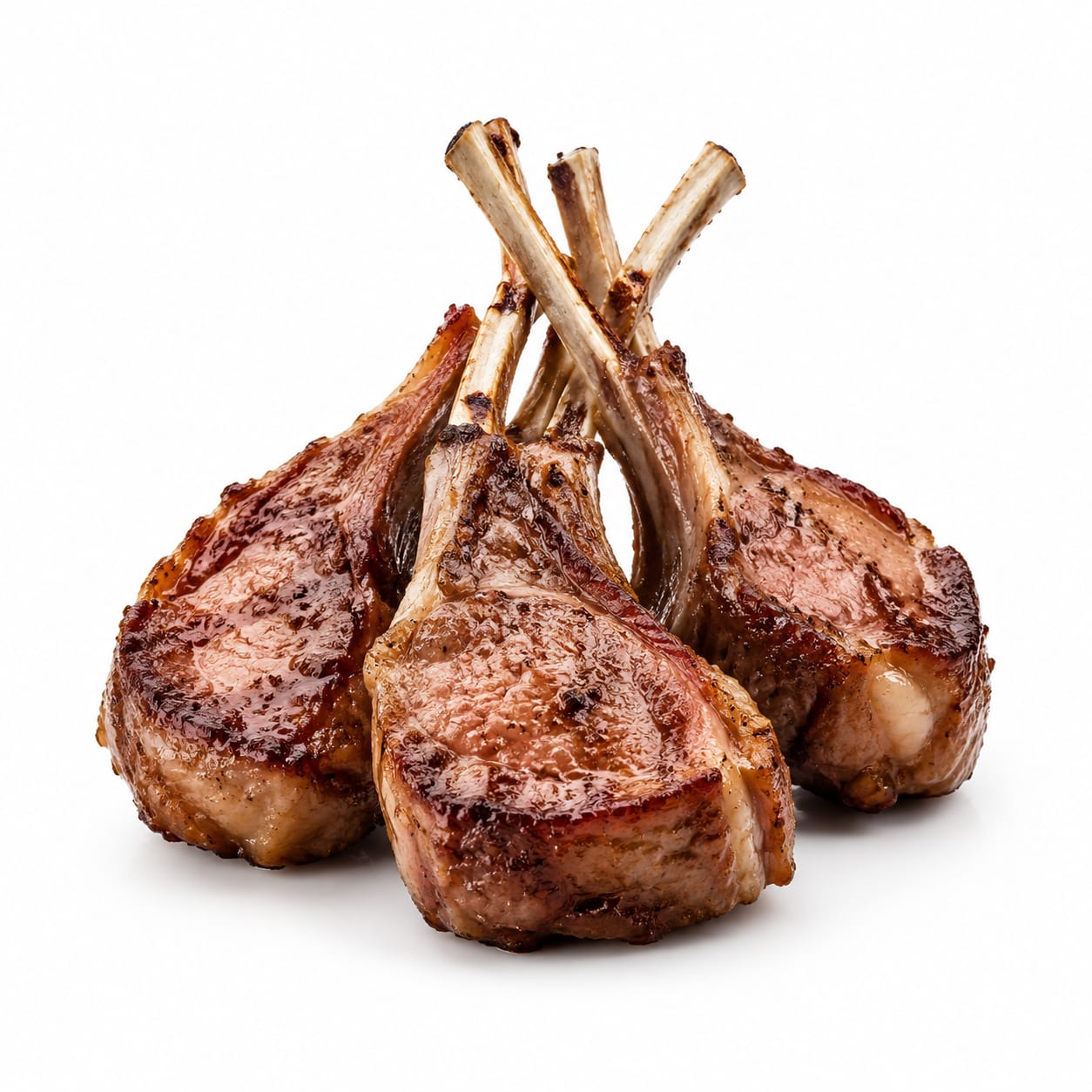
Lamb
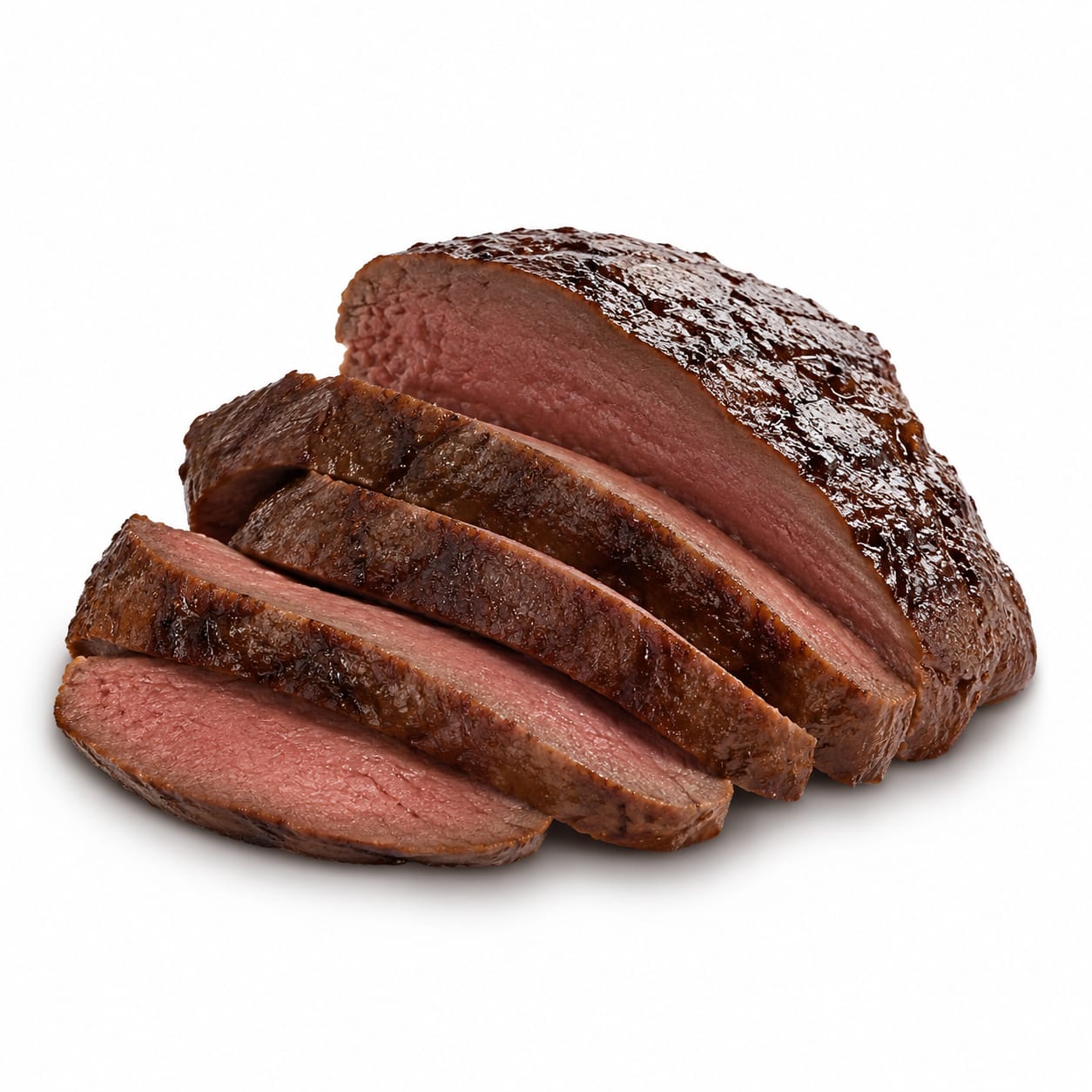
Venison
Venison delivers similar protein and micronutrients with far less fat and fewer calories, making it the healthier red meat choice for regular consumption.
Venison scores notably higher due to its superior fat profile, calorie efficiency, and cleaner sourcing. Lamb remains competitive on flavor, iron content, and practicality but loses ground on heart health and daily sustainability.
Lamb offers richer flavor and easier cooking, but venison gives you leaner nutrition and a cleaner sourcing profile at the cost of availability and culinary skill.
At a glance
Executive summary
Overall
Venison
Healthier
Venison
More practical
Lamb
Daily use
Venison
Key comparison lenses
Lean protein comparison for red meat eaters
Venison is dramatically leaner than lamb, making this the central tradeoff for health-conscious meat choices
Heart health and saturated fat concerns
Lamb's saturated fat content is significantly higher, directly impacting cardiovascular risk profiles
Wild vs farmed meat safety and purity
Venison is often wild-harvested with no antibiotics or hormones, while lamb is typically farmed
Practical availability and cooking ease
Lamb is widely available and forgiving to cook; venison requires more skill and sourcing effort
Flavor preference and culinary versatility
Lamb offers a rich, familiar taste; venison has a distinctive gamey flavor that divides opinion
Best choice for
Lamb
- Special occasion meals where rich flavor matters most
- People who find lean meats unsatisfying and end up overeating
- Home cooks wanting forgiving, easy-to-prepare proteins
- Mediterranean diet followers who value traditional lamb dishes
Venison
- Weekly meal prep for lean, high-protein dinners
- Athletes and fitness enthusiasts tracking macros precisely
- Heart-health-conscious eaters reducing saturated fat
- People prioritizing wild, antibiotic-free meat sources
Least suitable for
Lamb
- Anyone actively managing high cholesterol or heart disease
- Daily consumption due to calorie and saturated fat load
- Weight loss diets requiring calorie control
Venison
- Inexperienced cooks likely to overcook and ruin the meat
- Budget-conscious shoppers without access to hunting or specialty butchers
- People sensitive to gamey flavors who find venison unpalatable
Deep comparison
Dimension by dimension
Each lens scores both foods and breaks down who each option suits.
- Dimension 1 · Priority 95Venison
Fat Profile and Calorie Density
Lamb · 35Venison · 90Venison has roughly half the calories and a third of the fat of lamb per serving, with dramatically less saturated fat.
Tradeoff
Lamb's fat carries much of its signature flavor and juiciness; venison's leanness means it can dry out easily without careful cooking.
Why it matters
Saturated fat from lamb directly impacts LDL cholesterol. For anyone eating red meat multiple times per week, this difference compounds fast.
Real-world impact
A 4oz lamb chop runs roughly 250-300 calories with 15-20g fat. The same portion of venison sits around 130-170 calories with 3-6g fat. That gap matters over a week of dinners.
Lamb
- Keto and low-carb eaters who want higher fat intake
- People who feel unsatisfied after lean meals and snack later
Better for
- Daily eaters accumulating saturated fat exposure
- People with family history of cardiovascular disease
Worse for
Venison
- Anyone tracking calories for weight management
- Heart patients reducing saturated fat under medical advice
Better for
- Those needing calorie-dense meals during heavy training phases
- Anyone finding lean meats leave them hungry an hour later
Worse for
- Dimension 2 · Priority 88It depends
Protein Quality and Micronutrients
Lamb · 82Venison · 85Both are excellent complete protein sources with high B12, zinc, and iron. Venison edges ahead slightly on protein density per calorie; lamb offers more B12 per serving.
Tradeoff
Lamb provides more B12 and slightly more bioavailable iron due to its heme iron content and fat-soluble carrier. Venison gives you more protein per bite with less caloric baggage.
Why it matters
For anemia prevention and energy metabolism, both meats deliver. The protein-per-calorie advantage makes venison more efficient for body composition goals.
Real-world impact
If you are eating meat primarily for protein and iron, venison gives you more of what you want with less of what you do not. But if B12 is your priority, lamb is slightly richer.
Lamb
- Older adults needing maximum B12 absorption
- People with anemia who benefit from iron-rich, fat-accompanied heme iron
Better for
- Those who want protein without the fat calorie penalty
Worse for
Venison
- Athletes wanting high protein without excess calories
- Anyone meal-prepping lean protein for the week
Better for
- Very lean diets where fat-soluble vitamin absorption is already borderline
Worse for
- Dimension 3 · Priority 90Venison
Heart Health and Inflammatory Impact
Lamb · 30Venison · 72Lamb's saturated fat and higher cholesterol content make it a riskier choice for cardiovascular health. Venison's lean profile and favorable omega-6 to omega-3 ratio in wild specimens give it a clear edge.
Tradeoff
Grass-fed lamb has a better omega profile than grain-fed, narrowing the gap somewhat. But the total saturated fat load still favors venison heavily.
Why it matters
Heart disease remains the leading cause of death globally. Regular saturated fat intake from red meat is a modifiable risk factor most people can actually control.
Real-world impact
Swapping lamb for venison twice a week could meaningfully reduce your weekly saturated fat intake by 15-25g depending on portions. That is a clinically relevant change over months.
Lamb
- Healthy, active people eating red meat only occasionally
Better for
- Regular red meat eaters already pushing saturated fat limits
- People with metabolic syndrome
Worse for
Venison
- Anyone with elevated LDL cholesterol
- People with family history of heart disease wanting safer red meat options
Better for
- No significant heart health downside for venison
Worse for
- Dimension 4 · Priority 82Venison
Sourcing Purity and Antibiotic Exposure
Lamb · 50Venison · 88Wild venison is free from antibiotics, growth hormones, and concentrated feedlot conditions. Most lamb is farmed, though often pasture-raised with better standards than beef.
Tradeoff
Not all venison is wild; farm-raised venison exists and carries some of the same concerns as other farmed meats. And wild game carries its own contamination risks.
Why it matters
Antibiotic residues in meat contribute to resistance concerns. Hormone and pesticide exposure from feed accumulates in fat, which lamb has more of.
Real-world impact
If you source wild venison from a reputable hunter or processor, you are eating meat that lived naturally with no pharmaceutical interventions. That matters to many health-conscious consumers.
Lamb
- People without access to wild or specialty venison sources
- Consumers who value consistent USDA inspection on all meat
Better for
- People concerned about agricultural antibiotic resistance
- Those avoiding farmed meat for ethical or purity reasons
Worse for
Venison
- Anyone specifically avoiding antibiotic-exposed meat
- Consumers who prioritize knowing exactly how their animal lived
Better for
- Anyone unsure about the source of their venison
Worse for
- Dimension 5 · Priority 70Lamb
Cooking Ease and Forgiveness
Lamb · 80Venison · 45Lamb's higher fat content makes it forgiving to cook and naturally juicy. Venison is notoriously easy to overcook, turning dry and tough quickly.
Tradeoff
Lamb practically seasons itself with its fat. Venison requires marinades, careful temperature control, and often added fats to stay palatable.
Why it matters
The best healthy protein is the one you actually cook and eat. If venison intimidates you into ordering takeout instead, the nutritional advantage vanishes.
Real-world impact
A slightly overcooked lamb chop is still tasty. A slightly overcooked venison steak is chewy and disappointing. This practical reality stops many people from cooking venison regularly.
Lamb
- Busy home cooks wanting reliable weeknight proteins
- Grilling enthusiasts who prefer forgiving meats
Better for
- No significant cooking downside for lamb
Worse for
Venison
- Experienced cooks comfortable with lean meat techniques
- Anyone willing to use sous vide or slow cooking methods
Better for
- Beginners likely to overcook lean game meat
- Anyone without a meat thermometer or patience for careful cooking
Worse for
- Dimension 6 · Priority 65Lamb
Availability and Cost
Lamb · 75Venison · 40Lamb is available in most grocery stores. Venison is specialty, seasonal, or requires direct relationships with hunters and processors.
Tradeoff
Grocery store venison exists but is expensive and sometimes from farm-raised sources that lose the wild advantage. Wild venison is cheapest if you hunt, but inaccessible otherwise.
Why it matters
Nutrition only works if you can actually get the food consistently. The best choice is often the one you can reliably source.
Real-world impact
Most Americans live near a store selling lamb. Finding quality venison usually means specialty butchers, online orders, or knowing a hunter. That friction reduces how often people eat it.
Lamb
- Suburban and urban dwellers without specialty butcher access
- People who want to grab protein on a regular grocery run
Better for
- Budget shoppers who find lamb expensive relative to other proteins
Worse for
Venison
- Rural dwellers or hunters with direct access
- Anyone near a good specialty butcher or willing to order online
Better for
- Anyone without reliable venison sourcing
- Budget-conscious consumers facing premium pricing for farm-raised venison
Worse for
Timeline
Health impact over time
Short-term
Hours to days
Lamb
- Heavy, satisfying meal feeling due to higher fat content
- Longer-lasting fullness from calorie density and fat slowing digestion
- Possible sluggishness after large portions due to digestive load
Venison
- Lighter post-meal feeling with less digestive heaviness
- Clean energy from lean protein without fat-induced drowsiness
- Risk of feeling hungry sooner if portions are not adequate or no added fats are used
Long-term
Months to years
Lamb
- Higher cumulative saturated fat intake raising LDL cholesterol over time
- Increased cardiovascular risk if consumed frequently without dietary offset
- Good sustained B12 and iron status supporting energy and blood health
Venison
- Leaner long-term protein intake supporting healthy body composition
- Lower cardiovascular risk profile with regular consumption
- Excellent iron and B12 status with less metabolic baggage
Risk profile
Safety & processing
Both lamb and venison are whole, minimally processed meats. The key difference is farming context: most lamb is pasture-raised but farmed, while much venison is wild-harvested with zero human intervention in diet or medication.
Lamb
Antibiotic and hormone residues
lowLamb farming uses fewer antibiotics than beef, but residues can accumulate in fat. US regulations permit some hormone use. Choose grass-fed or organic to minimize exposure.
Pathogen contamination
mediumLike all raw meat, lamb carries Salmonella and E. coli risk. Proper cooking to 145°F eliminates this. Ground lamb is higher risk than whole cuts.
Venison
Chronic Wasting Disease
lowCWD exists in wild deer populations but has never been confirmed to transmit to humans. Prudence dictates avoiding meat from obviously sick animals and following state wildlife guidelines.
Lead fragments from hunting ammunition
mediumWild-harvested venison shot with lead ammunition can contain microscopic lead fragments. This is a real concern for children and pregnant women. Non-lead ammunition eliminates this risk entirely.
Inconsistent inspection
lowWild game processed outside USDA-inspected facilities may have variable handling standards. Know your processor and their hygiene practices.
Who wins for whom
Audience fit
Same foods, different winners depending on your goal.
children
LambLamb's higher fat supports developing brains and is easier for children to chew and enjoy. Wild venison carries lead fragment risk from ammunition that is particularly concerning for kids.
daily consumption
VenisonVenison's lean profile makes it sustainable as a regular protein source without the cumulative saturated fat burden that limits how often lamb should be eaten.
diabetes
VenisonBoth meats have minimal direct blood sugar impact, but venison's lower saturated fat content is better for the cardiovascular risks that disproportionately affect diabetics.
elderly
VenisonOlder adults need high-quality protein with less saturated fat to protect heart health and maintain muscle. Venison's leanness and nutrient density are ideal, provided it is cooked tender.
muscle gain
VenisonMore protein per calorie means venison fits better into macro-targeted diets. However, very lean individuals in bulking phases might prefer lamb's calorie density.
weight loss
VenisonVenison provides high protein and satiety with roughly half the calories of lamb, making it far easier to maintain a caloric deficit while staying satisfied.
Your move
Decision guide
Choose Lamb
- You are cooking a special meal where rich, impressive flavor is the priority
- You struggle to feel satisfied after lean meats and end up snacking later
- You want a forgiving protein that turns out well even with imprecise cooking
- You follow a higher-fat dietary approach like keto
Choose Venison
- You want to eat red meat regularly without the health guilt
- You are tracking macros and need maximum protein per calorie
- Heart health is a priority in your family history
- You have access to quality wild venison and know how to cook it properly
Either works if
- You eat red meat only occasionally and either choice works fine as a treat
- You rotate proteins throughout the week and want variety more than optimization
Avoid both if
- You have gout and are sensitive to purine-rich meats
- You are strictly limiting red meat for cardiovascular risk under medical guidance
- You follow a plant-based diet for ethical or health reasons
Final recommendation
Venison is the smarter default if you eat red meat regularly. Its lean profile, clean sourcing, and nutrient density make it the better weekly staple. Save lamb for occasions when its rich flavor truly shines. If venison is hard to find or you keep overcooking it, lamb in moderation remains a perfectly reasonable choice, just not an everyday one.
Practical
Consumer tips
- 1
If cooking venison for the first time, use a marinade with olive oil and acid to add moisture and tenderness
- 2
Cook venison to medium-rare at most; beyond that it becomes tough and dry
- 3
Ask your venison source whether it was harvested with lead ammunition, especially if feeding children
- 4
Choose grass-fed lamb when possible for a better omega-3 profile and no grain-finishing
- 5
Slow-cooking and braising are the most forgiving methods for venison cuts
- 6
Lamb shoulder and leg are more affordable cuts that still deliver excellent flavor
- 7
If venison availability is an issue, consider ordering from reputable online wild game suppliers