
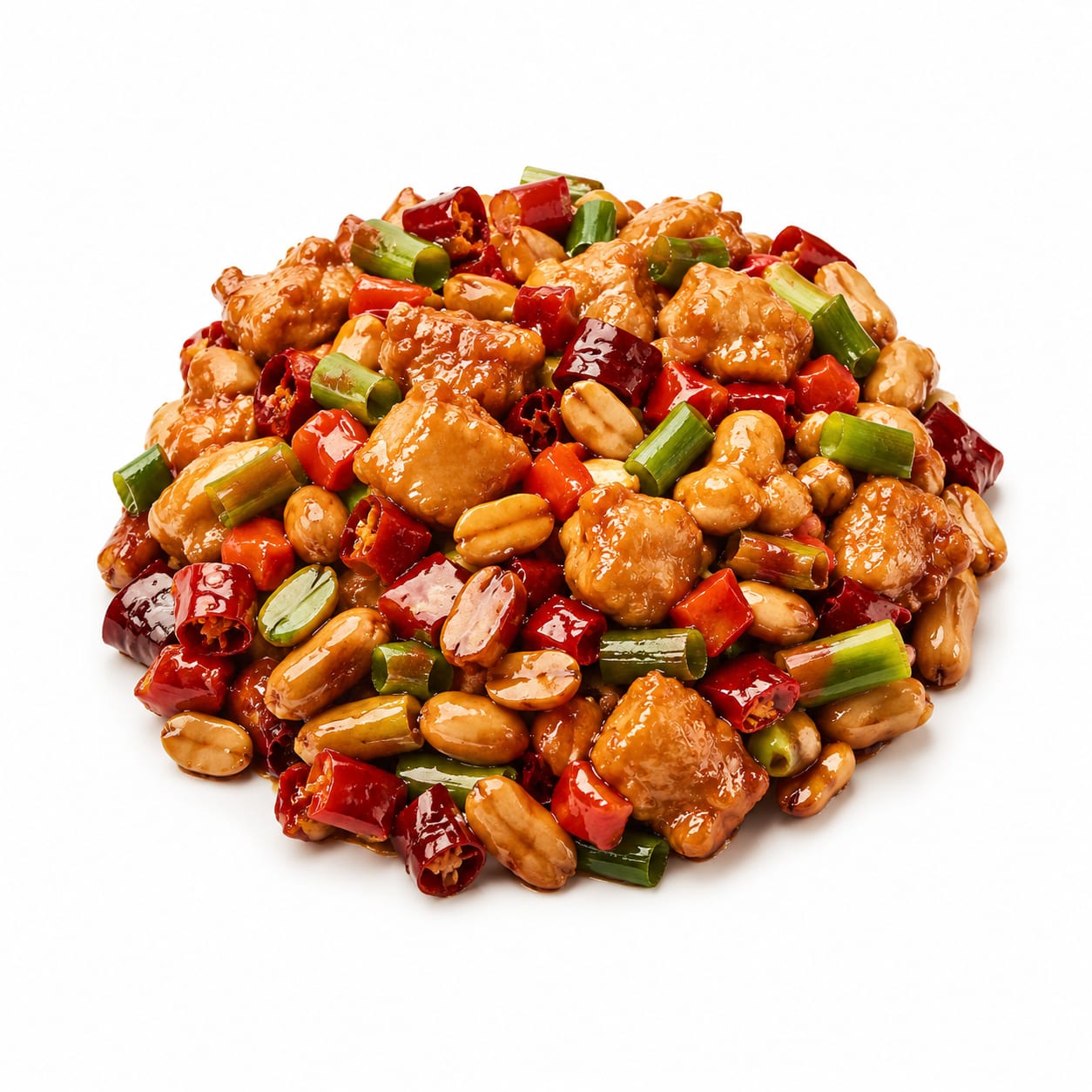
Stir-fry / Poultry Dish
Kung Pao Chicken
Kung Pao Chicken is a high-protein Chinese stir-fry dish made with chicken, peanuts, and a spicy, savory-sweet sauce.
A spicy, savory, and sweet Chinese stir-fry dish featuring diced chicken, peanuts, and chili peppers, typically thickened with cornstarch and seasoned with soy sauce and sugar.
protein-dense stir-fry with high sodium and added sugars
Typical serving · 250g
Common varieties · Sichuan Traditional, Westernized Takeout, Homemade, Vegetarian Tofu Kung Pao, Kung Pao Shrimp
Overall context score across nutrition, safety, and diet fit
At a glance
Quick facts
Simple indicators based on nutrition, processing, and diet fit.
The story
What makes it unique
Kung Pao Chicken provides a high-protein base from chicken and unsaturated fats from peanuts, but the addition of sugary soy-based sauces and cornstarch thickeners increases its energy density and glycemic impact. Digestion speed is moderate due to the fat and protein content, but the refined carbohydrates in the sauce can cause rapid blood sugar spikes. Restaurant versions are typically high in sodium and processed ingredients, reducing satiety per calorie compared to unprocessed poultry dishes.
Varieties: Sichuan Traditional · Westernized Takeout · Homemade · Vegetarian Tofu Kung Pao · Kung Pao Shrimp
Per 100g
Nutrition breakdown
Macro balance and key metrics at a glance.
Energy
Density 1.85 kcal/g
Protein
Carbs
Fat
Fiber
Sugar
4 g
Sodium
650 mg
Potassium
280 mg
Glycemic index
55
Glycemic load
5
Water content
60%
Standout compounds
Nutrient highlights
Protein
highSupports muscle growth and tissue repair
Niacin (Vitamin B3)
highConverts food to energy and supports cellular function
Sodium
highRegulates fluid balance but easily overconsumed here
Monounsaturated Fat
moderateSupports heart health from peanut oil and peanuts
Vitamin B6
moderateAids in amino acid metabolism and red blood cell production
Wellness map
Health scores & processing
NOVA processing scale
Highly processed (restaurant/takeout) · Ultra-processed
Takeout and restaurant versions use refined oils, commercial sauces with added sugars and preservatives, and cornstarch thickeners, classifying them as ultra-processed. Homemade versions using whole ingredients fall into NOVA group 1 or 3.
Diet compatibility
- Weight loss
- Muscle gain
- Diabetes
- Gut health
- Low carb
- High protein
- Heart health
Relative standing
Food rankings
Qualitative ranks compared to similar whole foods.
- Satietymoderate
- Blood sugarpoor
- Nutrient densitymoderate
- Fitness fuelgood
- Processing qualitypoor
Eat with confidence
Food safety profile
Primary safety concerns involve proper cooking of chicken to avoid bacterial contamination and potential aflatoxin exposure from peanuts. Conventional chicken carries a moderate risk of antibiotic-resistant bacteria.
Evidence confidence 85%
- Pesticideslow
- Antibioticsmoderate
- Heavy metalslow
- Contaminationmoderate
Watch for
- Salmonella (raw chicken)
- Aflatoxins (peanuts)
- Sodium benzoate (commercial sauces)
Safer choices
Organic or antibiotic-free chicken, homemade sauce with low-sodium soy sauce
Prep tips
Ensure chicken is cooked to an internal temperature of 165°F (74°C). Use fresh, high-quality peanuts to minimize aflatoxin risk.
Sodium levels in restaurant Chinese food often exceed daily recommended limits in a single serving.
Deep dive
Health analysis
How this food may fit different goals and preparation choices.
Weight loss
High calorie density and added sugars from the sauce make portion control difficult for weight loss. Restaurant portions often exceed 500 calories.
Blood sugar
The combination of sugary sauce and cornstarch thickener causes rapid blood sugar elevations, though the protein and fat provide some delayed stabilization.
Fitness & energy
Excellent protein content supports muscle repair, but the high fat and sodium can cause sluggishness and bloating if eaten too close to a workout.
Gut health
Low fiber content and high sodium offer minimal gut microbiome benefits. Spicy chili peppers may irritate sensitive digestive tracts.
Processing quality
Takeout versions rely heavily on refined seed oils, cornstarch, and processed sauces, diminishing the nutritional quality of the whole food ingredients.
Food safety
Standard poultry handling is required. High sodium intake from soy sauce is a cardiovascular risk factor with regular consumption.
Common mistakes
Assuming it is a low-carb option due to the meat and vegetable base, ignoring the sugary, starchy sauce.
Best preparation
Homemade stir-fry using low-sodium tamari, sugar substitutes, and minimal cornstarch, loaded with extra vegetables like bell peppers and zucchini.
Practical guide
Best use cases
When and how this food fits real eating patterns.
Post-workout muscle recovery
The high protein content from chicken supports muscle protein synthesis after heavy lifting, provided the sodium bloat is manageable.
High-calorie bulking diet
The combination of protein, fats from peanuts and oil, and carbs makes it an easy way to consume surplus calories for muscle gain.
Homemade meal prep
When modified with low-sodium sauce and extra vegetables, it serves as a flavorful, protein-packed weekly meal prep option.
Balance sheet
Pros & cons
Upsides
- High protein content supports muscle maintenance
- Peanuts provide healthy fats and some fiber
- Contains beneficial spices like garlic and ginger
- Versatile recipe that can be modified for health at home
Trade-offs
- Extremely high in sodium from commercial soy sauce
- Added sugars and cornstarch spike blood sugar
- Restaurant versions are calorie-dense due to heavy oil usage
- Often deep-fried or heavily battered before saucing
Fit check
Who is it for?
Great match
- muscle gain bulking phases
- post-workout refeeding
- flavor-focused cheat meals
Consider alternatives
- strict weight loss diets
- low-sodium heart-healthy diets
- diabetics managing blood sugar
- ketogenic diets
Side by side
How it compares
Open the full head-to-head analysis for nutrition, safety, and practical tradeoffs.
This food
Kung Pao Chicken
VS90% alike
Compare with
General Tso's Chicken
General Tso's is heavily battered and deep-fried with a sweeter sauce, while Kung Pao is stir-fried with peanuts and a spicier, less sweet sauce.
Kung Pao Chicken is lower in calories and sugar than General Tso's, making it the better choice for weight loss and blood sugar control.
This food
Kung Pao Chicken
VS85% alike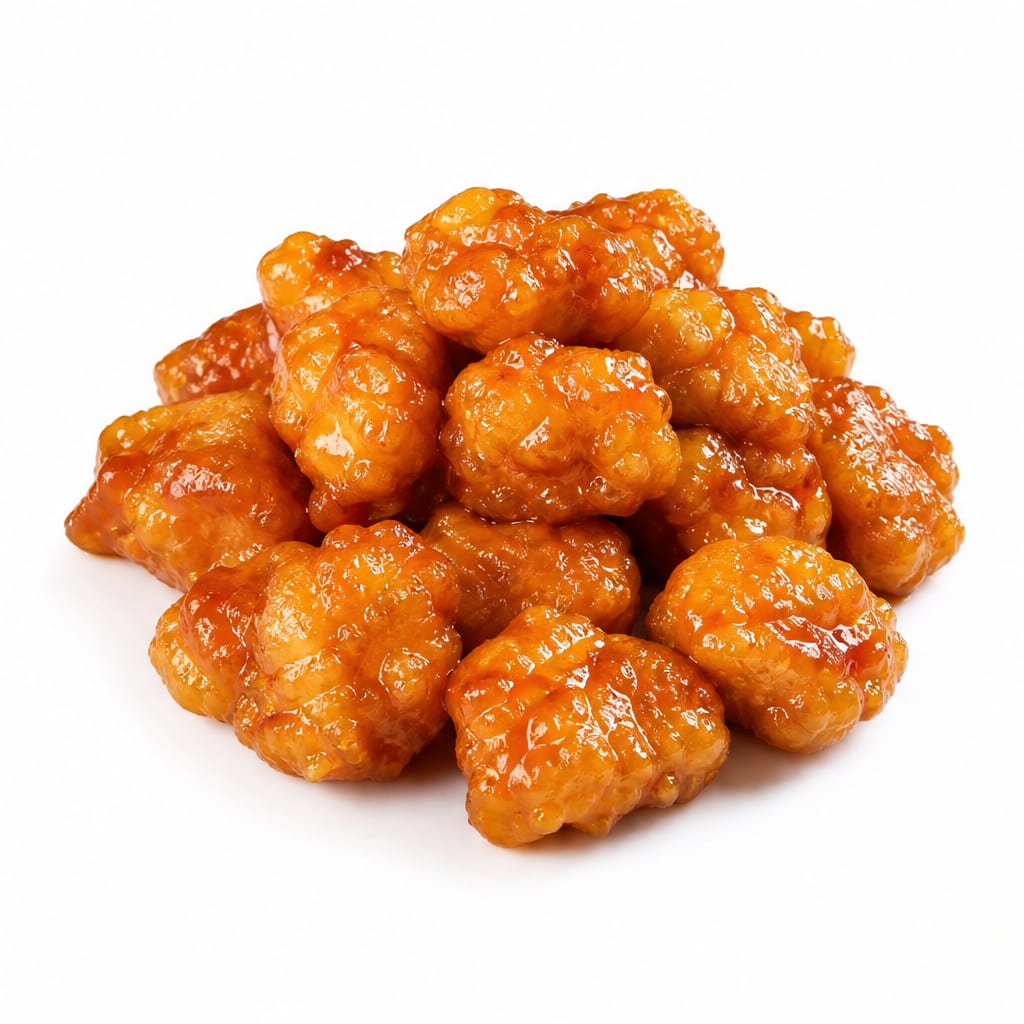
Compare with
Orange Chicken
Orange chicken is heavily battered and coated in a sugary citrus sauce, whereas Kung Pao has a lighter sauce with spicy and savory notes.
Kung Pao Chicken beats Orange Chicken for weight loss and diabetes management due to less breading and lower sugar content.
This food
Kung Pao Chicken
VS70% alike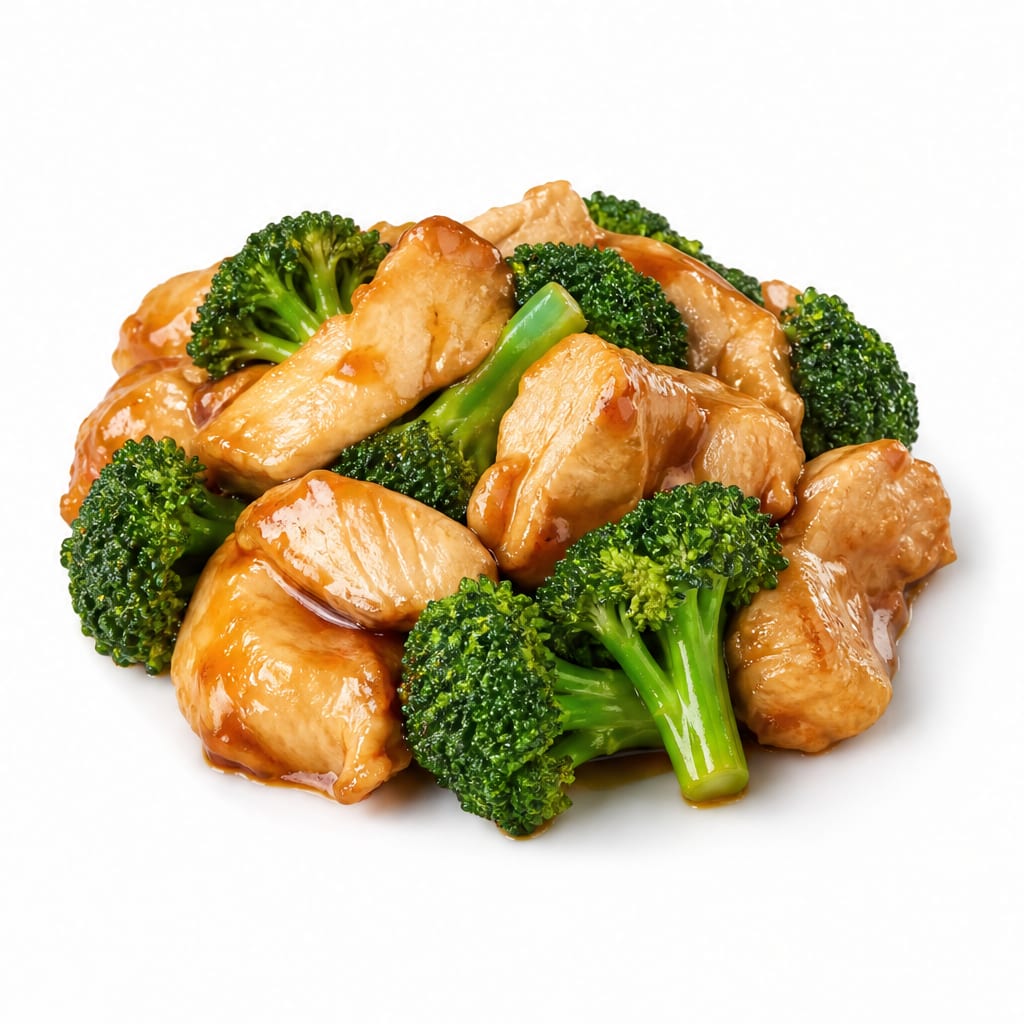
Compare with
Chicken and Broccoli
Chicken and broccoli uses a savory brown sauce without sugar or peanuts, offering lower carbs and calories than Kung Pao.
Chicken and broccoli is lower in calories and carbs than Kung Pao Chicken, making it better for weight loss and blood sugar control.
This food
Kung Pao Chicken
VS75% alike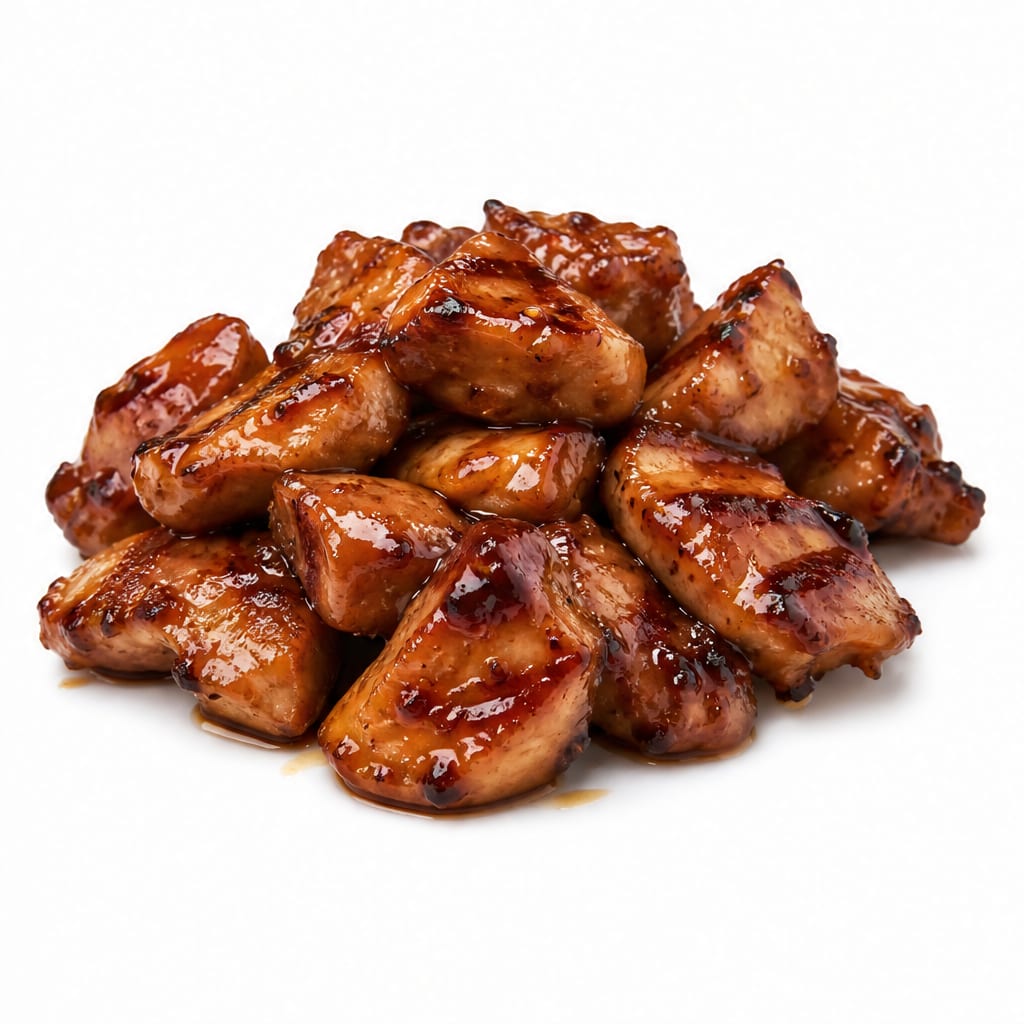
Compare with
Teriyaki Chicken
Teriyaki relies on a very sweet glaze, while Kung Pao offers a spicier profile with added fats from peanuts.
Kung Pao Chicken is slightly better than Teriyaki Chicken for blood sugar due to less sugar, and provides more healthy fats from peanuts.
This food
Kung Pao Chicken
VS95% alike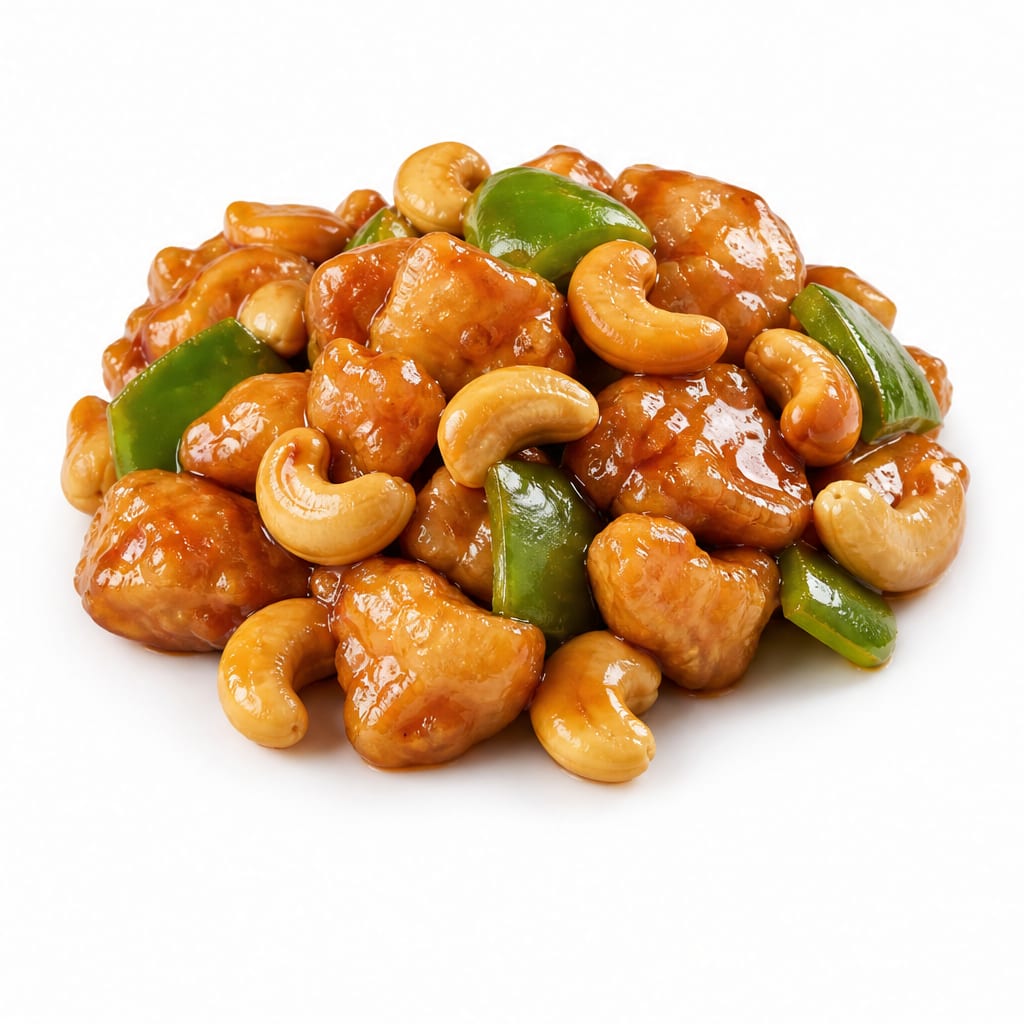
Compare with
Cashew Chicken
Cashew chicken is milder and often less spicy than Kung Pao, using cashews instead of peanuts, resulting in slightly higher fat content.
Kung Pao Chicken and Cashew Chicken are similar, but Kung Pao has slightly fewer calories from fat and more metabolism-boosting capsaicin from chili peppers.
This food
Kung Pao Chicken
VS40% alike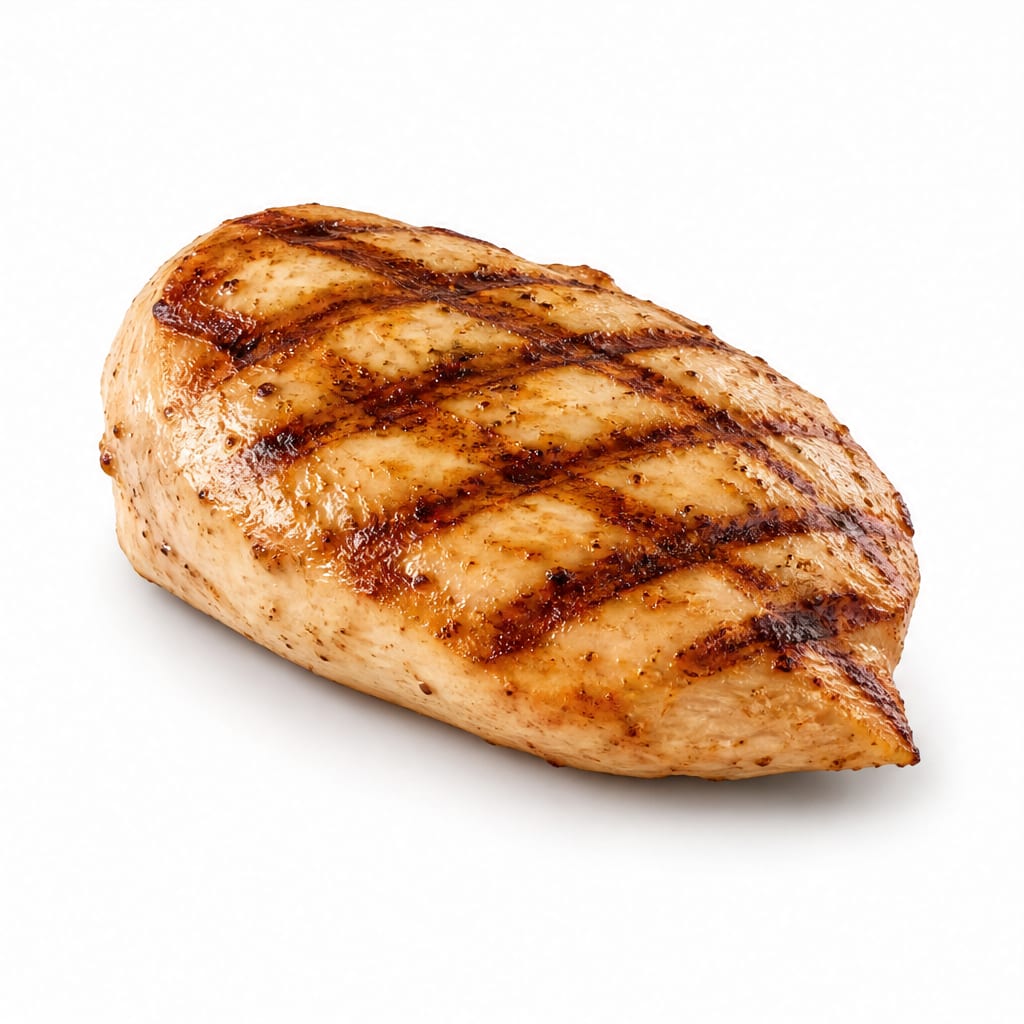
Compare with
Grilled Chicken Breast
Grilled chicken breast is a pure lean protein source with no added sugars or sodium, unlike the heavily sauced Kung Pao.
Grilled chicken breast is far superior for weight loss and clean eating, while Kung Pao adds significant calories, sodium, and sugar.
This food
Kung Pao Chicken
VS65% alike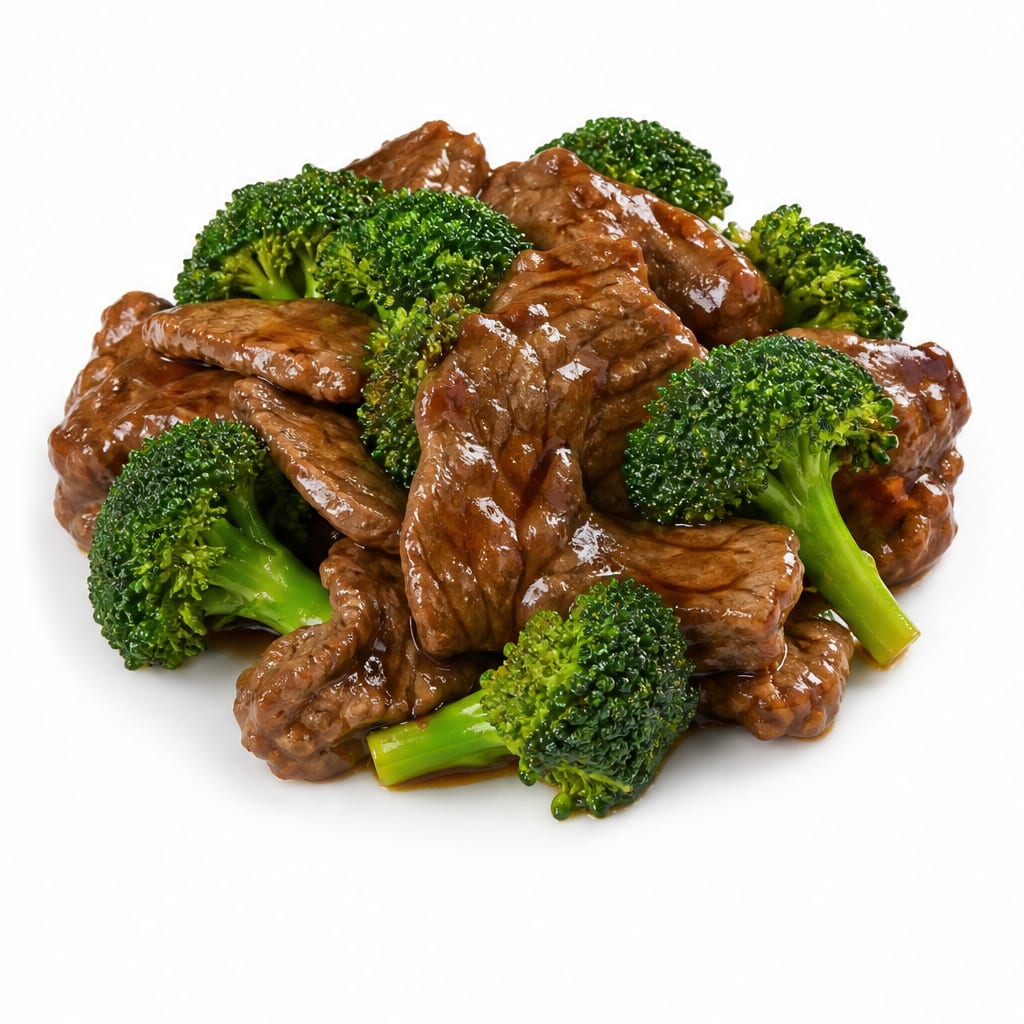
Compare with
Beef and Broccoli
Beef and broccoli has less sugar than Kung Pao but can be higher in saturated fat depending on the cut of beef used.
Beef and broccoli is lower in sugar and carbs than Kung Pao Chicken, making it slightly better for blood sugar, though both are high in sodium.
This food
Kung Pao Chicken
VS80% alike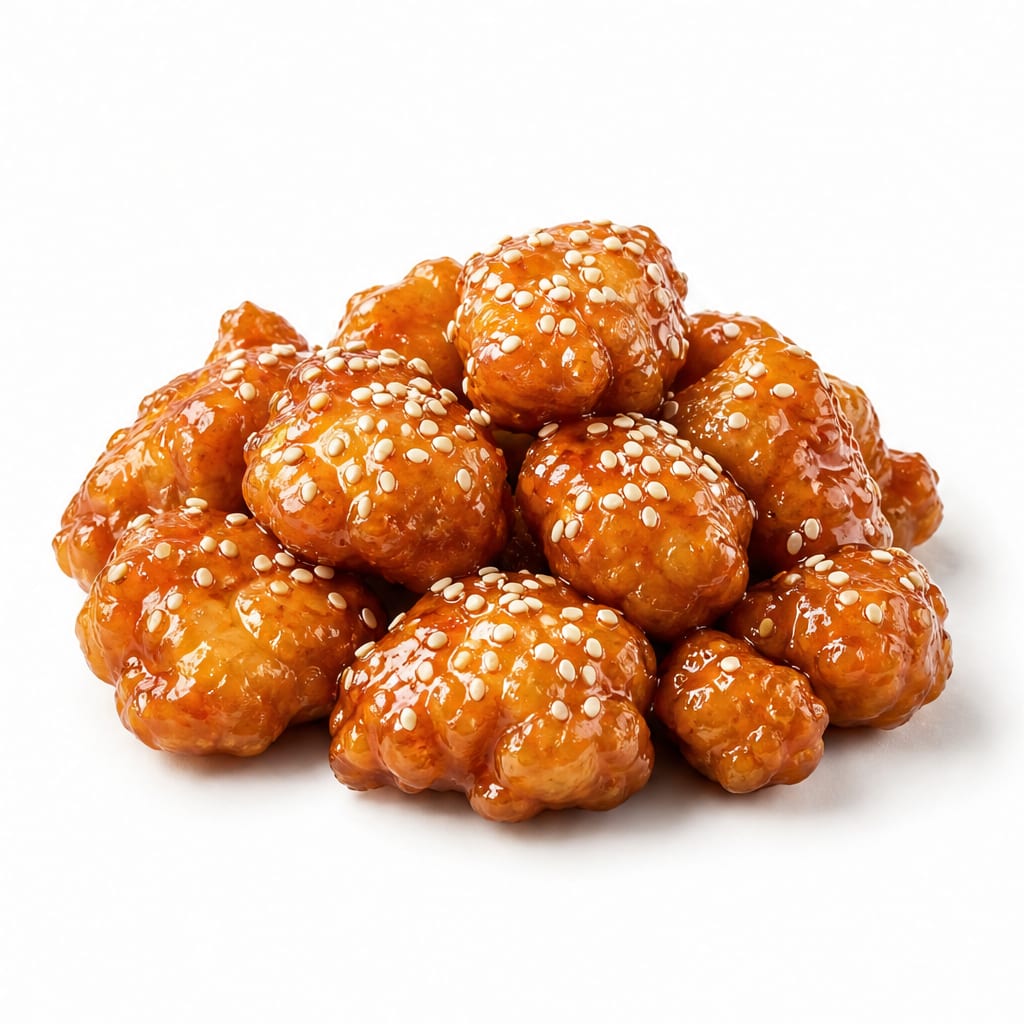
Compare with
Sesame Chicken
Sesame chicken is typically battered, deep-fried, and coated in a thick sweet sauce, making it much heavier than Kung Pao.
Kung Pao Chicken is significantly lower in calories and sugar than Sesame Chicken, making it the better choice for weight management.
This food
Kung Pao Chicken
VS60% alike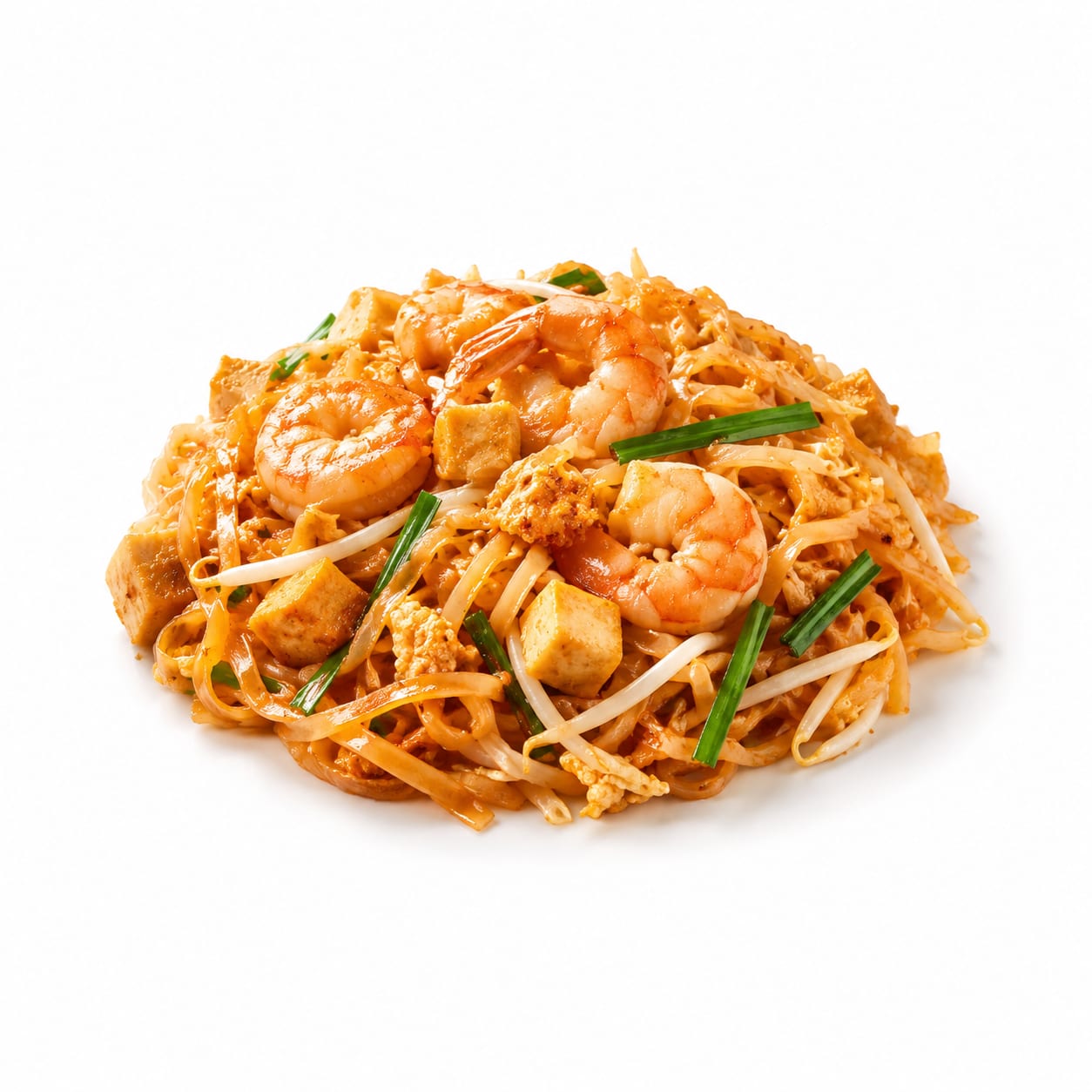
Compare with
Pad Thai
Pad Thai is a noodle-based dish making it very high in carbohydrates, whereas Kung Pao is meat and vegetable based with fewer carbs.
Kung Pao Chicken is much lower in carbs and calories than Pad Thai, making it better for blood sugar control and weight loss.
This food
Kung Pao Chicken
VS70% alike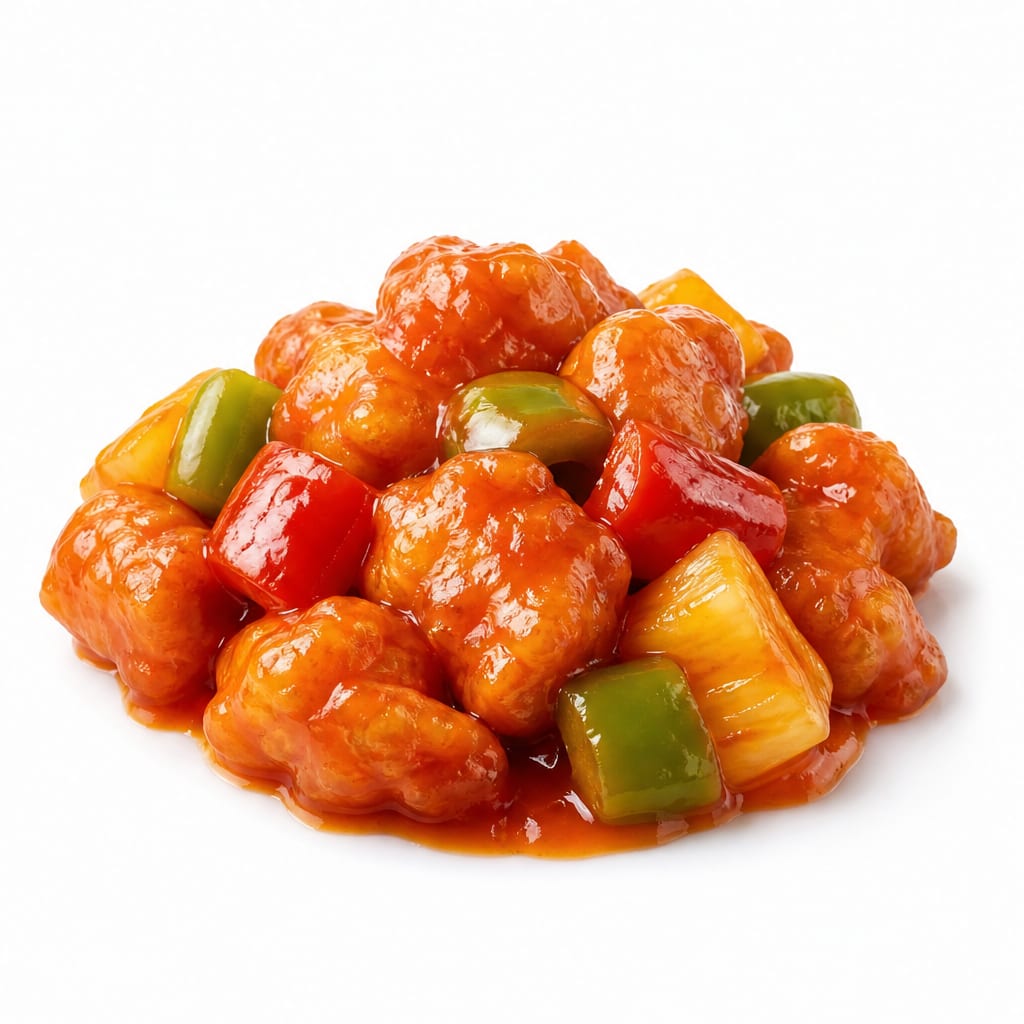
Compare with
Sweet and Sour Chicken
Sweet and sour chicken is heavily battered and contains far more sugar than Kung Pao, which relies more on spice and savory flavors.
Kung Pao Chicken is far better than Sweet and Sour Chicken for blood sugar and weight loss due to less breading and lower sugar in the sauce.
Common questions
FAQ
Answers aligned with how people search for this food.
Is Kung Pao Chicken good for weight loss?
No, restaurant Kung Pao Chicken is high in calories, fat, and sodium, making it challenging for weight loss unless portion sizes are strictly controlled.
How many calories are in Kung Pao Chicken?
A typical restaurant serving (about 1 cup or 250g) contains roughly 400 to 500 calories, depending on the amount of oil and sauce used.
Is Kung Pao Chicken high in carbs?
It is moderately high in carbs for a meat dish, usually containing 15-25g of carbs per serving due to the sugar and cornstarch in the sauce.
Can diabetics eat Kung Pao Chicken?
Diabetics should be cautious because the sugary sauce and cornstarch thickener can spike blood sugar. Requesting sauce on the side or making it at home with sugar substitutes is safer.
Does Kung Pao Chicken have a lot of sugar?
Yes, the signature sweet and spicy sauce contains significant added sugar, often 10-15 grams per restaurant serving.
Is Kung Pao Chicken keto-friendly?
Traditional Kung Pao Chicken is not keto-friendly due to the sugar and cornstarch. A modified keto version can be made using erythritol and xanthan gum as thickeners.
What is the healthiest way to eat Kung Pao Chicken?
The healthiest way is to make it at home using lean chicken breast, lots of vegetables, low-sodium soy sauce, and omitting the cornstarch and refined sugar.
Why is Kung Pao Chicken so high in sodium?
The high sodium comes from soy sauce, hoisin sauce, and other processed condiments used in the marinade and stir-fry sauce.
Transparency
Data confidence
Estimated confidence for nutrition data, interpretation, safety notes, and comparisons.
Nutrition data
Health analysis
Food safety
Comparisons