
Nutrition comparison
Kung Pao Chicken vs Chicken and Broccoli: Which Is Healthier?
Compare Kung Pao Chicken and Chicken and Broccoli on calories, sodium, sugar, and satiety. Find out which Chinese takeout option fits your health goals and when to choose each one.
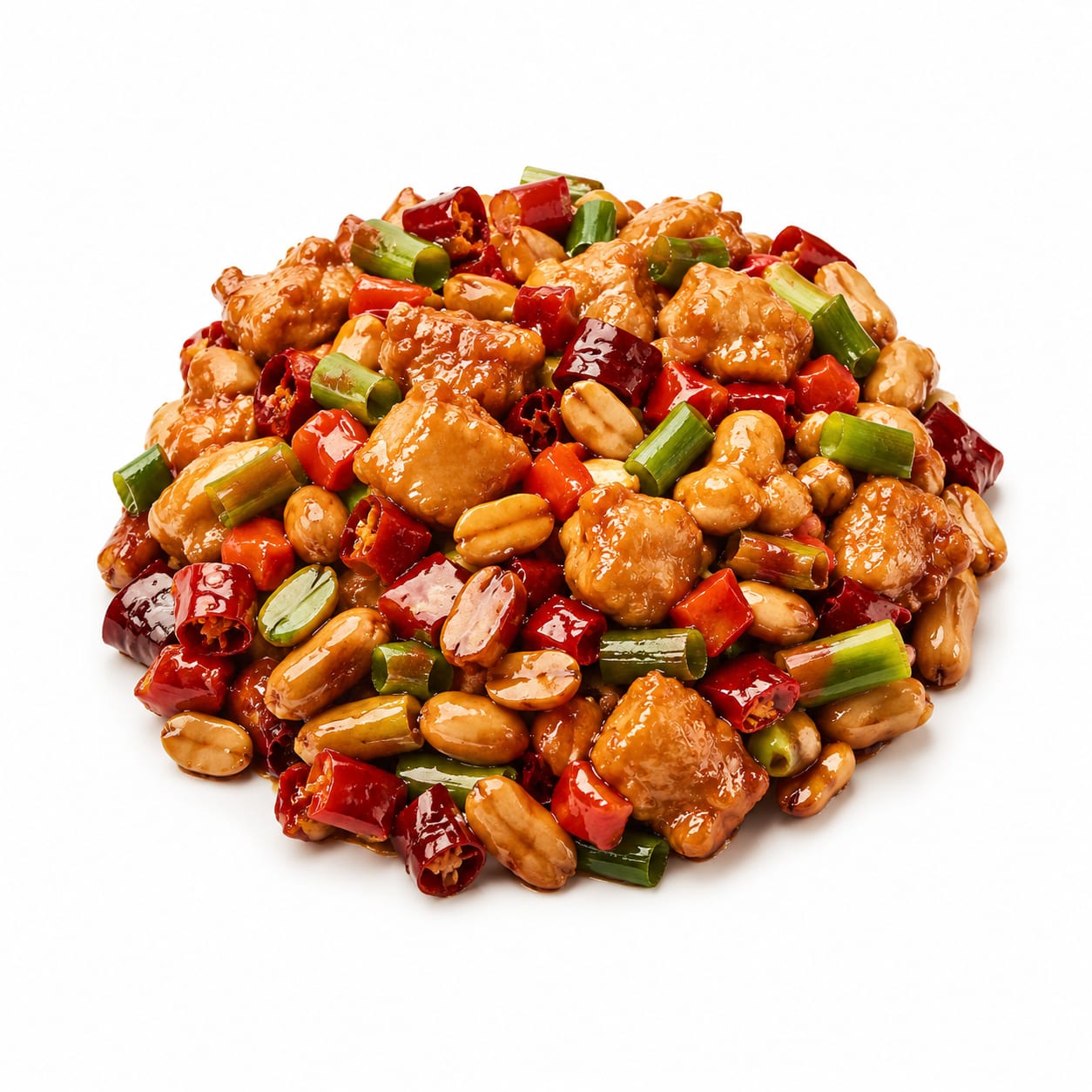
Kung Pao Chicken
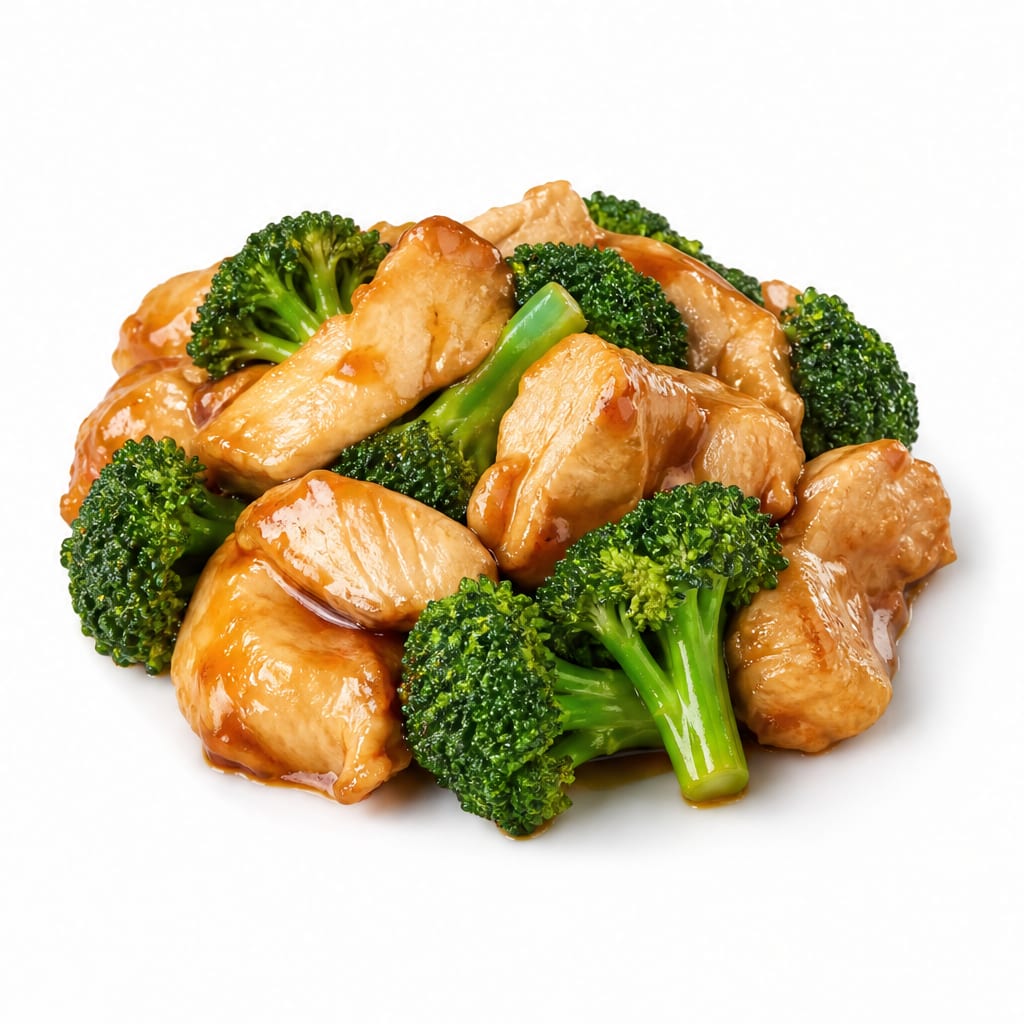
Chicken and Broccoli
Chicken and Broccoli is the cleaner, leaner choice for daily eating, but Kung Pao Chicken offers far more satisfaction and is perfectly fine in moderation.
Chicken and Broccoli scores higher overall due to lower calories, less sugar, more fiber, and better suitability for daily eating. Kung Pao Chicken remains a solid option but its high sodium, added sugar, and calorie density make it harder to justify as a regular choice.
Flavor and fullness versus calorie control and sodium management — Kung Pao Chicken tastes better and keeps you fuller, while Chicken and Broccoli keeps the numbers cleaner.
At a glance
Executive summary
Overall
It depends
Healthier
Chicken and Broccoli
More practical
Chicken and Broccoli
Daily use
Chicken and Broccoli
Key comparison lenses
weight loss meal choice at Chinese takeout
This is the most common real-world decision point — people ordering Chinese food and debating between the indulgent option and the 'clean' one
sodium and heart health impact
Both dishes are sodium-heavy from soy sauce and seasonings, but the gap between them matters for blood pressure management
satisfaction vs discipline tradeoff
Kung Pao Chicken delivers more flavor and satiety, while Chicken and Broccoli feels like a sacrifice — this emotional tension drives real eating behavior
daily eating sustainability
People wonder if they can eat Chicken and Broccoli regularly without burning out, or if Kung Pao Chicken can fit into a balanced routine
sugar and insulin impact
Kung Pao sauce contains noticeably more sugar, which matters for blood sugar management and afternoon energy crashes
Best choice for
Kung Pao Chicken
- People who feel deprived on bland food and need enjoyment to stick with a plan
- Active individuals who can handle extra calories and sodium without issue
- Anyone eating out as an occasional treat rather than a routine
- Those who struggle with late-night hunger after eating lighter meals
Chicken and Broccoli
- People actively losing weight who want maximum food volume for fewer calories
- Anyone managing high blood pressure or sodium sensitivity
- Consistent meal-preppers who need a reliable daily option
- Those who feel sluggish after heavy, salty restaurant meals
Least suitable for
Kung Pao Chicken
- People on low-sodium diets — a single portion can hit 2000mg+
- Anyone strictly tracking calories who struggles with portion control on flavorful food
- Those with peanut allergies
- People prone to bloating from high-sodium meals
Chicken and Broccoli
- Anyone who finds bland food punishing — misery leads to bingeing later
- People who need higher calorie intake to maintain energy
- Those seeking anti-inflammatory omega-3s or healthy fat sources
- Anyone who associates healthy eating with deprivation and is trying to break that mindset
Deep comparison
Dimension by dimension
Each lens scores both foods and breaks down who each option suits.
- Dimension 1 · Priority 95Chicken and Broccoli
calorie density and weight management
Kung Pao Chicken · 45Chicken and Broccoli · 82Chicken and Broccoli delivers significantly fewer calories per serving, making it far easier to stay within a calorie target.
Tradeoff
Kung Pao Chicken's peanut oil and sauce add 200-400 extra calories per plate, but those same fats make it more filling and satisfying.
Why it matters
If you eat Chinese takeout weekly, the calorie difference between these two dishes compounds into several pounds over a year.
Real-world impact
A typical Kung Pao Chicken plate runs 600-900 calories, while Chicken and Broccoli sits around 350-500. That gap is the difference between maintaining weight and slowly gaining.
Kung Pao Chicken
- Staying full longer after one plate
- Avoiding late-night snacking triggered by unsatisfying meals
Better for
- Easy to overeat because the flavor drives you back for more
- Calories sneak in through sauce, oil, and peanuts
Worse for
Chicken and Broccoli
- Creating a calorie deficit without having to eat tiny portions
- Fitting takeout into a weight loss plan without guilt
Better for
- May leave you hungry again within two hours if the portion is small
Worse for
- Dimension 2 · Priority 90Chicken and Broccoli
sodium load and heart health
Kung Pao Chicken · 30Chicken and Broccoli · 55Both dishes are sodium bombs by home-cooking standards, but Kung Pao Chicken is significantly worse due to its heavier sauce and seasoning blend.
Tradeoff
Neither option is truly low-sodium, but Chicken and Broccoli gives you a somewhat lighter hit — though still enough to cause bloating if you are sensitive.
Why it matters
A single takeout portion of Kung Pao Chicken can deliver 2000-3000mg of sodium, which is your entire daily limit in one meal.
Real-world impact
After eating Kung Pao Chicken, you might notice puffy fingers, a tight ring, or that bloated feeling the next morning. Chicken and Broccoli is still salty but less dramatically so.
Kung Pao Chicken
- Can push daily sodium well past safe limits in a single meal
- Particularly risky for anyone with hypertension or kidney concerns
Worse for
Chicken and Broccoli
- Less post-meal bloating and water retention
- Slightly easier on blood pressure if you eat takeout regularly
Better for
- Still too salty to call heart-healthy — do not mistake it for low-sodium
Worse for
- Dimension 3 · Priority 88Kung Pao Chicken
flavor satisfaction and emotional eating
Kung Pao Chicken · 90Chicken and Broccoli · 50Kung Pao Chicken wins decisively on taste — the spicy, savory, slightly sweet sauce with crunchy peanuts is genuinely satisfying in a way that plain chicken and broccoli is not.
Tradeoff
That satisfaction comes with a metabolic cost. But eating food you hate is not sustainable either, and miserable meals often lead to compensatory snacking.
Why it matters
People who force themselves to eat bland food 'because it is healthy' often binge later. Enjoyment is a legitimate nutritional factor.
Real-world impact
After Kung Pao Chicken, you feel done. After Chicken and Broccoli, you might find yourself scavenging the kitchen an hour later looking for something that actually tasted good.
Kung Pao Chicken
- Psychological satisfaction that reduces later cravings
- A meal that feels like a real meal, not a diet punishment
Better for
- The hyper-palatable combo of salt, sugar, and fat can trigger overeating in the moment
Worse for
Chicken and Broccoli
- Avoiding the salt-sugar-fat reward loop that drives overeating
Better for
- Feels like a compromise, which erodes long-term adherence to healthy eating
Worse for
- Dimension 4 · Priority 82Chicken and Broccoli
fiber and micronutrient density
Kung Pao Chicken · 40Chicken and Broccoli · 78Chicken and Broccoli provides substantially more fiber and cancer-fighting compounds from the broccoli, while Kung Pao Chicken's vegetable content is minimal.
Tradeoff
Kung Pao Chicken does offer some micronutrients from peanuts (magnesium, vitamin E), but the overall vegetable volume is too low to compete.
Why it matters
Fiber keeps you regular, feeds gut bacteria, and slows sugar absorption. Broccoli is one of the most nutrient-dense vegetables you can eat.
Real-world impact
A full portion of broccoli alongside your chicken means better digestion, steadier energy, and a meaningful serving of sulforaphane — a compound linked to reduced cancer risk.
Kung Pao Chicken
- Peanuts contribute magnesium, vitamin E, and some B vitamins
Better for
- Vegetable content is often just a few scallions and diced zucchini — barely a serving
Worse for
Chicken and Broccoli
- Broccoli delivers sulforaphane, vitamin C, vitamin K, and folate
- Significantly more fiber for gut health and blood sugar stability
Better for
- Dimension 5 · Priority 78Chicken and Broccoli
sugar content and blood sugar stability
Kung Pao Chicken · 35Chicken and Broccoli · 65Kung Pao sauce contains noticeably more sugar than the lighter sauce on Chicken and Broccoli, creating a sharper blood sugar rise.
Tradeoff
The sugar in Kung Pao Chicken is part of what makes it so craveable, but it also means a faster energy spike and potential crash.
Why it matters
For anyone watching blood sugar — whether diabetic, prediabetic, or just trying to avoid the 3 PM energy dip — the sugar difference is meaningful.
Real-world impact
After Kung Pao Chicken, you might feel a brief energy surge followed by a slump. Chicken and Broccoli provides steadier, more even energy through the afternoon.
Kung Pao Chicken
- The sweet-savory sauce can spike blood sugar and trigger cravings for more sweets
- Combined with refined carbs from white rice, the glycemic load becomes substantial
Worse for
Chicken and Broccoli
- Less sugar means fewer blood sugar spikes and crashes
- Better choice for anyone with insulin resistance or diabetes
Better for
- Dimension 6 · Priority 75Kung Pao Chicken
protein quality and satiety
Kung Pao Chicken · 78Chicken and Broccoli · 72Both dishes provide solid protein from chicken, but Kung Pao Chicken edges ahead because the peanuts add extra protein and fat that prolong fullness.
Tradeoff
Chicken and Broccoli's protein is leaner and cleaner, but without the fat, it may not keep you satisfied as long.
Why it matters
Protein is the most satiating macronutrient, but fat amplifies that effect. The combination in Kung Pao Chicken keeps hunger at bay longer.
Real-world impact
After Kung Pao Chicken, you are less likely to need a snack before your next meal. After Chicken and Broccoli, you might want something within a couple of hours.
Kung Pao Chicken
- Protein plus fat combo extends satiety for 4-5 hours
- Peanuts add plant protein and healthy monounsaturated fats
Better for
- Higher calorie cost for that extra satiety
Worse for
Chicken and Broccoli
- Leaner protein source without the extra calories from fat
Better for
- Lean protein alone may not keep you full as long without added fat or fiber from other sources
Worse for
Timeline
Health impact over time
Short-term
Hours to days
Kung Pao Chicken
- Post-meal bloating and water retention from high sodium
- Possible blood sugar spike followed by an energy dip within 1-2 hours
- Strong satiety that reduces immediate snacking urges
- Mild digestive warmth or heartburn from chili peppers in sensitive individuals
Chicken and Broccoli
- Lighter feeling after eating with less bloating
- Steadier energy without a noticeable crash
- Possible hunger returning within 2-3 hours if portion is small
- Less digestive discomfort overall
Long-term
Months to years
Kung Pao Chicken
- Regular consumption increases risk of high blood pressure due to sodium load
- Higher calorie intake can contribute to gradual weight gain if not managed
- The sugar and salt combination may reinforce cravings for hyper-palatable food
- Peanuts do provide heart-healthy fats and magnesium when eaten consistently
Chicken and Broccoli
- Consistent fiber intake supports gut health and reduces constipation
- Lower calorie and sodium profile makes it easier to maintain healthy weight and blood pressure
- Broccoli's sulforaphane compounds may reduce inflammation and cancer risk over time
- Risk of diet fatigue if eaten too often without flavor variety
Risk profile
Safety & processing
Both dishes are restaurant-prepared and rely on commercial sauces containing added sugar, sodium, thickeners like cornstarch, and flavor enhancers. Kung Pao Chicken's sauce is more complex with additional sugar, chili oil, and sometimes MSG, while Chicken and Broccoli uses a simpler but still processed sauce base. Neither is a whole food — both are several steps away from anything you would make from scratch at home.
Kung Pao Chicken
Peanut allergen cross-contamination
highKung Pao Chicken contains peanuts and is prepared in kitchens where peanut oil is widely used. Anyone with a peanut allergy should avoid this dish entirely.
High sodium health risk
mediumA single serving can exceed 2000mg sodium, which is problematic for people with hypertension, kidney disease, or sodium sensitivity.
Oil quality concerns
lowRestaurant stir-frying often uses refined vegetable oils heated to high temperatures, which can degrade and create inflammatory compounds.
Chicken and Broccoli
High sodium health risk
mediumThough lower than Kung Pao Chicken, Chicken and Broccoli still delivers 1000-1800mg sodium per takeout portion from soy sauce and oyster sauce.
Oyster sauce allergen concern
lowTraditional oyster sauce contains shellfish, which may be problematic for those with shellfish allergies. Some restaurants use vegetarian alternatives.
Pesticide residue on broccoli
lowBroccoli is typically a moderate-pesticide crop, but restaurant sourcing makes it hard to know exposure levels. Washing is not always thorough in commercial kitchens.
Who wins for whom
Audience fit
Same foods, different winners depending on your goal.
children
Chicken and BroccoliMilder flavor and no peanut allergy risk make Chicken and Broccoli safer and more palatable for kids, though the sodium is still a concern.
daily consumption
Chicken and BroccoliChicken and Broccoli is sustainable as a regular meal due to its lighter profile, while Kung Pao Chicken's sodium and calorie load make it better as an occasional choice.
diabetes
Chicken and BroccoliLess sugar in the sauce means a smaller blood sugar spike, and the broccoli fiber further slows glucose absorption.
elderly
Chicken and BroccoliLower sodium and easier digestion make Chicken and Broccoli more appropriate for older adults managing blood pressure and gastrointestinal comfort.
muscle gain
Kung Pao ChickenKung Pao Chicken offers slightly more total protein including the peanuts, and the extra calories support the surplus needed for building muscle.
weight loss
Chicken and BroccoliChicken and Broccoli provides more food volume for fewer calories, making it easier to maintain a deficit without feeling like you are eating nothing.
Your move
Decision guide
Choose Kung Pao Chicken
- You are ordering takeout as a treat and want to actually enjoy your meal
- You struggle with hunger after eating lighter dishes and need something that keeps you full
- You are active and can accommodate the extra calories and sodium without health consequences
- You have no peanut allergy and no blood pressure concerns
Choose Chicken and Broccoli
- You are actively losing weight and want the most filling option for the fewest calories
- You are managing blood pressure, diabetes, or sodium sensitivity
- You eat Chinese takeout more than once a week and need a reliable go-to order
- You want something that will not leave you bloated or sluggish afterward
Either works if
- You are at a healthy weight with no major health concerns and just want a satisfying dinner
- You plan to balance the meal with a light breakfast and lunch
- You are eating with others and want to share multiple dishes family-style
Avoid both if
- You are on a strict low-sodium diet — neither dish meets that requirement
- You have severe soy or gluten intolerance and cannot verify ingredients
- You are looking for an anti-inflammatory meal — both rely on refined oils and processed sauces
Final recommendation
Order Chicken and Broccoli as your default and add a small side of Kung Pao Chicken for flavor. This gives you the volume and nutrients from broccoli while still getting the satisfaction of bold seasoning. If you must pick one, Chicken and Broccoli is the smarter daily choice, but Kung Pao Chicken once a week will not derail your health — and may keep you sane enough to stick with better habits long-term.
Practical
Consumer tips
- 1
Ask for sauce on the side — this single change can cut sodium and calories by 30-40% on either dish
- 2
Request steamed broccoli instead of stir-fried to reduce oil significantly
- 3
Skip the white rice and pair either dish with cauliflower rice or just eat it alone — the rice adds empty carbs that amplify the blood sugar impact
- 4
Drink extra water after either meal to help flush sodium and reduce next-day bloating
- 5
If ordering Kung Pao Chicken, ask for light sauce and extra vegetables to improve the nutrient-to-calorie ratio
- 6
For Chicken and Broccoli, add a small handful of almonds or cashews on the side for healthy fats that improve satiety without the sugar of restaurant sauce
- 7
Consider making either dish at home where you control the sodium, sugar, and oil — both are surprisingly easy to prepare