
Nutrition comparison
Kung Pao Chicken vs Teriyaki Chicken: Which Is Healthier?
Compare Kung Pao Chicken and Teriyaki Chicken on sugar, sodium, calories, and digestion. Find out which dish fits your health goals and when to choose each one.
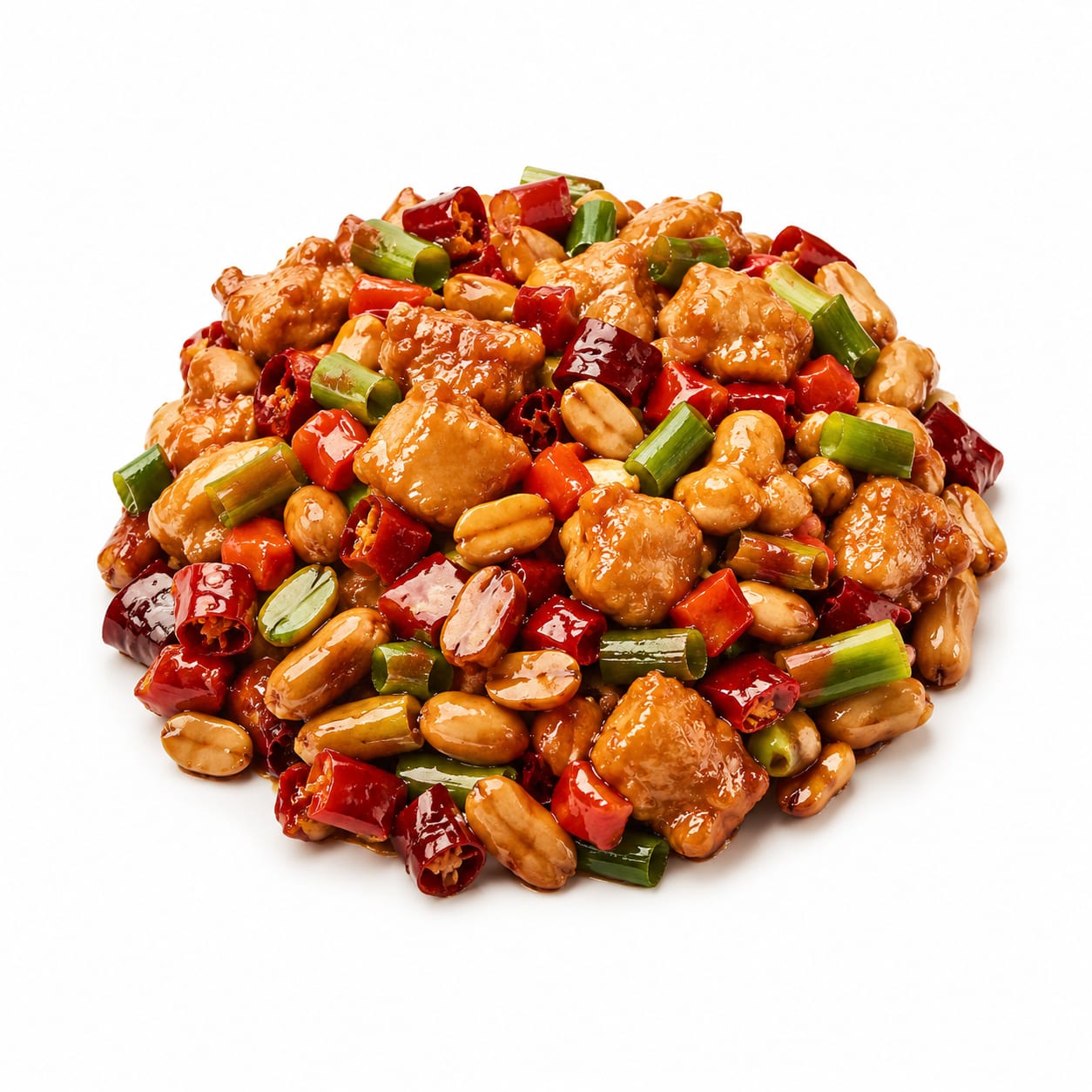
Kung Pao Chicken
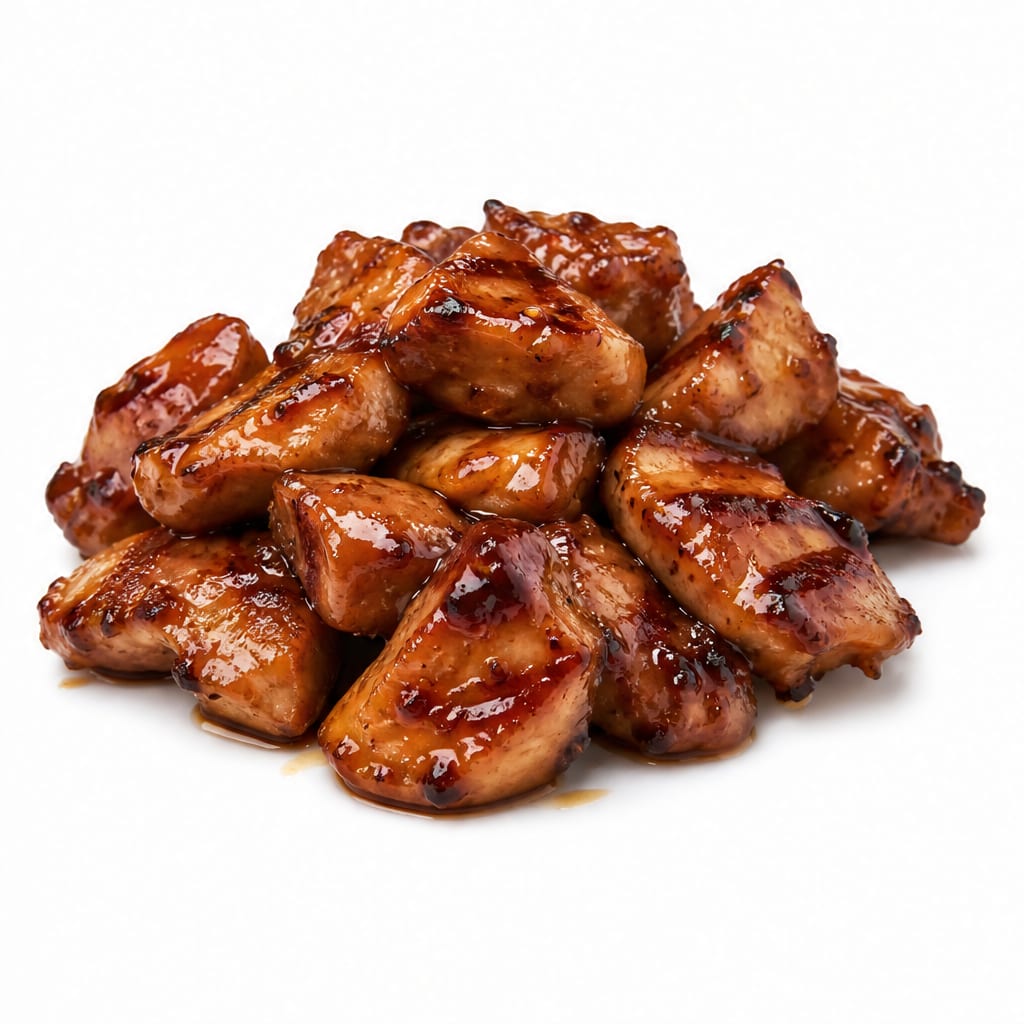
Teriyaki Chicken
Kung Pao wins on blood sugar and nutrient density but loses on sodium and allergen risk. Teriyaki is gentler on digestion but the sugar load is a real drawback.
Kung Pao edges ahead on protein density, vegetable content, and lower sugar, but its sodium load and allergen risk keep the gap narrow. Teriyaki's sugar pulls it down despite being easier to eat and digest.
Spice and sodium versus sugar and sweetness — both are restaurant-style dishes that pack more seasoning than home cooking.
At a glance
Executive summary
Overall
It depends
Healthier
Kung Pao Chicken
More practical
Teriyaki Chicken
Daily use
Teriyaki Chicken
Key comparison lenses
sugar vs sodium tradeoff
Teriyaki brings heavy sugar from its glaze while Kung Pao leans into sodium-heavy soy sauce and salted peanuts — the core nutritional tradeoff
spice tolerance and digestion
Kung Pao's chilies and Sichuan peppercorns create real digestive and comfort differences that matter daily
weight management
Both are takeout staples users eat frequently, so calorie density and satiety differences compound over time
blood sugar stability
Teriyaki's sweetness creates sharper glucose spikes, especially relevant for prediabetic or insulin-resistant users
allergen and safety concerns
Peanuts in Kung Pao introduce a major allergen that Teriyaki avoids entirely
Best choice for
Kung Pao Chicken
- Avoiding sugar spikes and managing insulin resistance
- Getting more vegetables and healthy fats from peanuts
- Those who enjoy bold spice and find it satisfying
- High-protein meals with lower glycemic impact
Teriyaki Chicken
- Sensitive stomachs or acid reflux sufferers
- Kids and picky eaters who prefer mild sweetness
- People with peanut or tree nut allergies
- Post-workout when quick carbs help recovery
Least suitable for
Kung Pao Chicken
- Anyone with peanut allergies — strictly off-limits
- Hypertension patients monitoring sodium closely
- People with IBS or spice-sensitive digestion
- Children unaccustomed to heat
Teriyaki Chicken
- Diabetics or anyone watching blood sugar closely
- Low-carb or keto followers avoiding sugar
- Those trying to reduce added sugar intake
- People prone to sugar cravings and energy crashes
Deep comparison
Dimension by dimension
Each lens scores both foods and breaks down who each option suits.
- Dimension 1 · Priority 92Kung Pao Chicken
sugar_and_glycemic_impact
Kung Pao Chicken · 72Teriyaki Chicken · 38Teriyaki's glaze is essentially sugar and soy sauce — a single serving can deliver 15-25g of added sugar. Kung Pao uses minimal sugar, relying on savory and spicy flavors instead.
Tradeoff
You avoid the sugar crash with Kung Pao but take on more sodium instead.
Why it matters
That sugar spike from Teriyaki triggers insulin release, followed by an energy dip 1-2 hours later. Over time, frequent sugar spikes erode insulin sensitivity.
Real-world impact
After Teriyaki chicken and rice, you may feel sleepy or crave something sweet by mid-afternoon. Kung Pao keeps energy steadier.
Kung Pao Chicken
- Stable energy without the sugar roller coaster
- Diabetics and prediabetics
- Low-carb eaters
Better for
- Does not provide quick post-exercise carbohydrate replenishment
Worse for
Teriyaki Chicken
- Post-workout recovery when quick carbs are actually useful
- Endurance athletes who need rapid glycogen replenishment
Better for
- Blood sugar spikes followed by crashes
- Triggers sugar cravings later in the day
- Unsuitable for daily consumption for insulin-resistant individuals
Worse for
- Dimension 2 · Priority 88Teriyaki Chicken
sodium_load
Kung Pao Chicken · 35Teriyaki Chicken · 55Both dishes are sodium-heavy from soy sauce, but Kung Pao piles on more with salted peanuts, chili paste, and double-dipped marinades. A single restaurant portion can exceed 2000mg sodium.
Tradeoff
Teriyaki is still salty but typically uses less soy sauce overall. The sugar displaces some of the sodium.
Why it matters
For anyone with hypertension or kidney concerns, Kung Pao's sodium is a serious concern. Even healthy adults feel the bloat the next day.
Real-world impact
After Kung Pao, you might wake up puffy-faced and thirsty. Over time, this sodium load strains blood pressure.
Kung Pao Chicken
- Those who sweat heavily and need sodium replenishment
- Athletes in hot climates
Better for
- Risky for hypertension and kidney disease
- Causes noticeable water retention
Worse for
Teriyaki Chicken
- Slightly easier on blood pressure management
- Less bloating the next morning
Better for
- Still too high in sodium for low-sodium diets
- Not meaningfully better — just somewhat less bad
Worse for
- Dimension 3 · Priority 82Kung Pao Chicken
nutrient_density_and_healthy_fats
Kung Pao Chicken · 70Teriyaki Chicken · 48Kung Pao's peanuts contribute monounsaturated fats, magnesium, and vitamin E. The dish also typically includes more vegetables like bell peppers and zucchini. Teriyaki is often just chicken and glaze.
Tradeoff
Those peanuts add calories and allergen risk but bring genuine nutritional value that Teriyaki's sugar glaze cannot match.
Why it matters
The healthy fats in peanuts support heart health and satiety. More vegetables mean more fiber and micronutrients per bite.
Real-world impact
Kung Pao keeps you full longer because of the fat and fiber. Teriyaki leaves you hungry again sooner despite similar calories.
Kung Pao Chicken
- More satisfying and filling per serving
- Heart-healthy fats from peanuts
- Better micronutrient profile from mixed vegetables
Better for
- Higher total calories from peanut oil and nuts
- Peanut allergy makes this dangerous for some
Worse for
Teriyaki Chicken
- Lower calorie density without the peanut fat
- Simpler ingredient list for sensitive stomachs
Better for
- Nutritionally flat — mostly protein and sugar
- Less satiety per calorie consumed
Worse for
- Dimension 4 · Priority 78Teriyaki Chicken
digestive_comfort
Kung Pao Chicken · 40Teriyaki Chicken · 72Kung Pao's chilies, Sichuan peppercorns, and garlic can irritate the gut lining, especially for anyone with reflux, IBS, or sensitive digestion. Teriyaki is mild and generally well-tolerated.
Tradeoff
Spice lovers get more satisfaction from Kung Pao, but their stomach may pay for it later. Teriyaki is boring but comfortable.
Why it matters
Chronic gut irritation from spicy food can worsen reflux and inflammation over time. For sensitive individuals, this matters more than any micronutrient advantage.
Real-world impact
Kung Pao at dinner can mean heartburn at bedtime. Teriyaki is unlikely to cause digestive drama.
Kung Pao Chicken
- Spice may temporarily boost metabolism
- More flavorful and satisfying for heat lovers
Better for
- Common trigger for heartburn and acid reflux
- Can irritate IBS symptoms
- Not ideal before bedtime
Worse for
Teriyaki Chicken
- Gentle on acid reflux and sensitive stomachs
- Safe for IBS and GERD sufferers
- Better late-night eating option
Better for
- Less satisfying for those who crave bold flavors
- Blandness may lead to overeating other foods
Worse for
- Dimension 5 · Priority 75Teriyaki Chicken
allergen_and_safety_risk
Kung Pao Chicken · 30Teriyaki Chicken · 70Kung Pao contains peanuts — one of the top eight allergens with potentially life-threatening reactions. Cross-contamination risk in restaurants is high. Teriyaki is typically peanut-free and tree-nut-free.
Tradeoff
For the allergy-free majority, peanuts are a nutritional asset. For the allergic minority, Kung Pao is simply not an option.
Why it matters
Peanut allergy affects roughly 2% of the population and can cause anaphylaxis. Even trace cross-contamination in restaurant woks is a real risk.
Real-world impact
If you have a peanut allergy, Kung Pao is off the table entirely. Even shared cooking surfaces at restaurants pose risk.
Kung Pao Chicken
- No advantage for allergen concerns
Better for
- Contains a major allergen
- High cross-contamination risk in Chinese restaurants
- Not shareable in mixed-allergy groups
Worse for
Teriyaki Chicken
- Safe for peanut and tree nut allergies
- Lower cross-contamination risk in most restaurants
- Suitable for school lunches and shared dining
Better for
- Soy allergy is still a concern due to soy sauce
- Gluten from soy sauce affects celiacs
Worse for
- Dimension 6 · Priority 70Teriyaki Chicken
calorie_density_and_portion_control
Kung Pao Chicken · 45Teriyaki Chicken · 62Kung Pao's peanuts and stir-fry oil push calories higher — often 500-700 calories per restaurant serving versus 400-550 for Teriyaki. Both are calorie-dense by home-cooking standards.
Tradeoff
Kung Pao is more filling per serving, but that satiety comes with more calories. Teriyaki is lighter but less satisfying.
Why it matters
Restaurant portions are notoriously oversized. Kung Pao's calorie density makes overconsumption easier without realizing it.
Real-world impact
A Kung Pao lunch can quietly deliver 700+ calories before you count the rice. Teriyaki is slightly easier to keep within budget.
Kung Pao Chicken
- Higher satiety means less snacking later
- Fat and protein slow digestion for lasting fullness
Better for
- Easy to overeat calories from peanuts and oil
- Restaurant portions are deceptively large
Worse for
Teriyaki Chicken
- Fewer calories per serving for weight management
- Easier to fit into a calorie budget
Better for
- Less filling — hunger returns sooner
- Sugar may trigger additional cravings
Worse for
Timeline
Health impact over time
Short-term
Hours to days
Kung Pao Chicken
- Sodium bloat and thirst within hours
- Possible heartburn or acid reflux from spice
- Sustained energy from protein and fat without sugar crash
Teriyaki Chicken
- Blood sugar spike within 30-60 minutes followed by energy dip
- Mild and comfortable on digestion
- Quick satisfaction but hunger returns within 2-3 hours
Long-term
Months to years
Kung Pao Chicken
- Frequent consumption risks elevated blood pressure from sodium
- Peanut consumption supports heart health and may lower cardiovascular risk
- Chronic spice exposure may aggravate reflux conditions
Teriyaki Chicken
- Regular added sugar intake contributes to insulin resistance over time
- Lower sodium exposure slightly better for blood pressure
- Repeated sugar spikes may increase cravings and weight gain risk
Risk profile
Safety & processing
Both are restaurant-prepared dishes with processed sauces. Kung Pao uses more whole-food ingredients like peanuts and fresh vegetables, while Teriyaki relies more heavily on a refined sugar-based glaze. Neither is a whole food, but Kung Pao is slightly closer to recognizable ingredients.
Kung Pao Chicken
Peanut allergen cross-contamination
highRestaurant woks are shared surfaces. Even if you order without peanuts, trace contamination is nearly guaranteed in authentic Chinese kitchens.
Sodium-related health effects
mediumA single serving can deliver 1500-2500mg sodium, which is near or above the daily recommended limit for many adults.
MSG sensitivity
lowSome restaurants add MSG to Kung Pao sauce, which may cause headaches or flushing in sensitive individuals, though evidence for widespread harm is weak.
Teriyaki Chicken
Added sugar overload
mediumTeriyaki glaze can contain 15-25g sugar per serving, contributing significantly to daily added sugar limits and metabolic strain.
Soy allergen and gluten
mediumSoy sauce contains both soy and wheat, making Teriyaki unsuitable for soy allergy, celiac disease, or gluten sensitivity.
Caramel coloring in commercial teriyaki
lowSome bottled teriyaki sauces contain caramel color, which may contain 4-MEI, a compound under scrutiny for potential carcinogenicity at high doses.
Who wins for whom
Audience fit
Same foods, different winners depending on your goal.
children
Teriyaki ChickenMild, sweet flavor is kid-friendly. No peanut allergen risk, no spice to cause discomfort, and the soft texture is easy for young eaters.
daily consumption
Teriyaki ChickenNeither is ideal daily, but Teriyaki's milder digestion impact and lower allergen risk make it slightly more sustainable as an occasional staple.
diabetes
Kung Pao ChickenSignificantly less sugar means a gentler blood sugar response. The peanuts add fat and fiber that further slow glucose absorption.
elderly
Teriyaki ChickenGentle on aging digestive systems, lower sodium than Kung Pao, and no choking hazard from whole peanuts. The soft texture suits dental concerns.
muscle gain
Kung Pao ChickenKung Pao provides more protein per calorie along with healthy fats and magnesium from peanuts, supporting recovery and hormone production.
weight loss
Teriyaki ChickenTeriyaki's lower calorie density per serving makes it easier to stay within a deficit, though the sugar may trigger cravings that undermine discipline.
Your move
Decision guide
Choose Kung Pao Chicken
- You want steadier energy without a sugar crash
- Peanut allergy is not a concern for you or your dining companions
- You enjoy spicy food and find it more satisfying
- You are watching blood sugar or managing insulin resistance
- You want more vegetables and healthy fats in your meal
Choose Teriyaki Chicken
- You have acid reflux, IBS, or a sensitive stomach
- You are eating with kids or people with peanut allergies
- You prefer milder, sweeter flavors
- You need a post-workout meal with quick carbs
- You are counting calories more carefully
Either works if
- You are eating restaurant takeout as an occasional treat, not a daily habit
- You pair either dish with steamed vegetables and skip the heavy rice portion
- You order sauce on the side to control the sugar and sodium yourself
Avoid both if
- You are on a strict low-sodium diet — both dishes are sodium bombs
- You have soy allergy — both rely heavily on soy sauce
- You have celiac disease — standard soy sauce contains wheat
- You are following a whole-food, minimally processed eating plan
Final recommendation
For most people eating takeout occasionally, Kung Pao Chicken is the slightly better nutritional choice — less sugar, more nutrients, steadier energy. But if you have peanut allergies, sensitive digestion, or are feeding kids, Teriyaki Chicken is the safer and more comfortable option. Either way, ask for sauce on the side and load up on extra vegetables to make either dish significantly healthier.
Practical
Consumer tips
- 1
Ask for sauce on the side — you will cut sugar and sodium by 40-60% on either dish
- 2
Order steamed broccoli or bok choy as a side instead of fried rice to balance the meal
- 3
Request half-sauce when ordering Kung Pao to reduce sodium without losing flavor
- 4
For Teriyaki, choose grilled over pan-fried to cut oil calories significantly
- 5
If you have peanut allergies, do not trust restaurant Kung Pao even if they offer to omit peanuts — cross-contamination is nearly certain
- 6
Drink extra water after either dish to help flush sodium and reduce next-day bloating
- 7
Consider making either at home where you control the sugar and sodium — homemade Teriyaki with reduced sugar tastes just as good