
Nutrition comparison
Kung Pao Chicken vs Sesame Chicken: Which Is Healthier?
Kung Pao Chicken has fewer calories, less sugar, and more protein than Sesame Chicken. Compare nutrition, sodium, and health impacts to make the smarter takeout choice.
Overall winner · Kung Pao Chicken
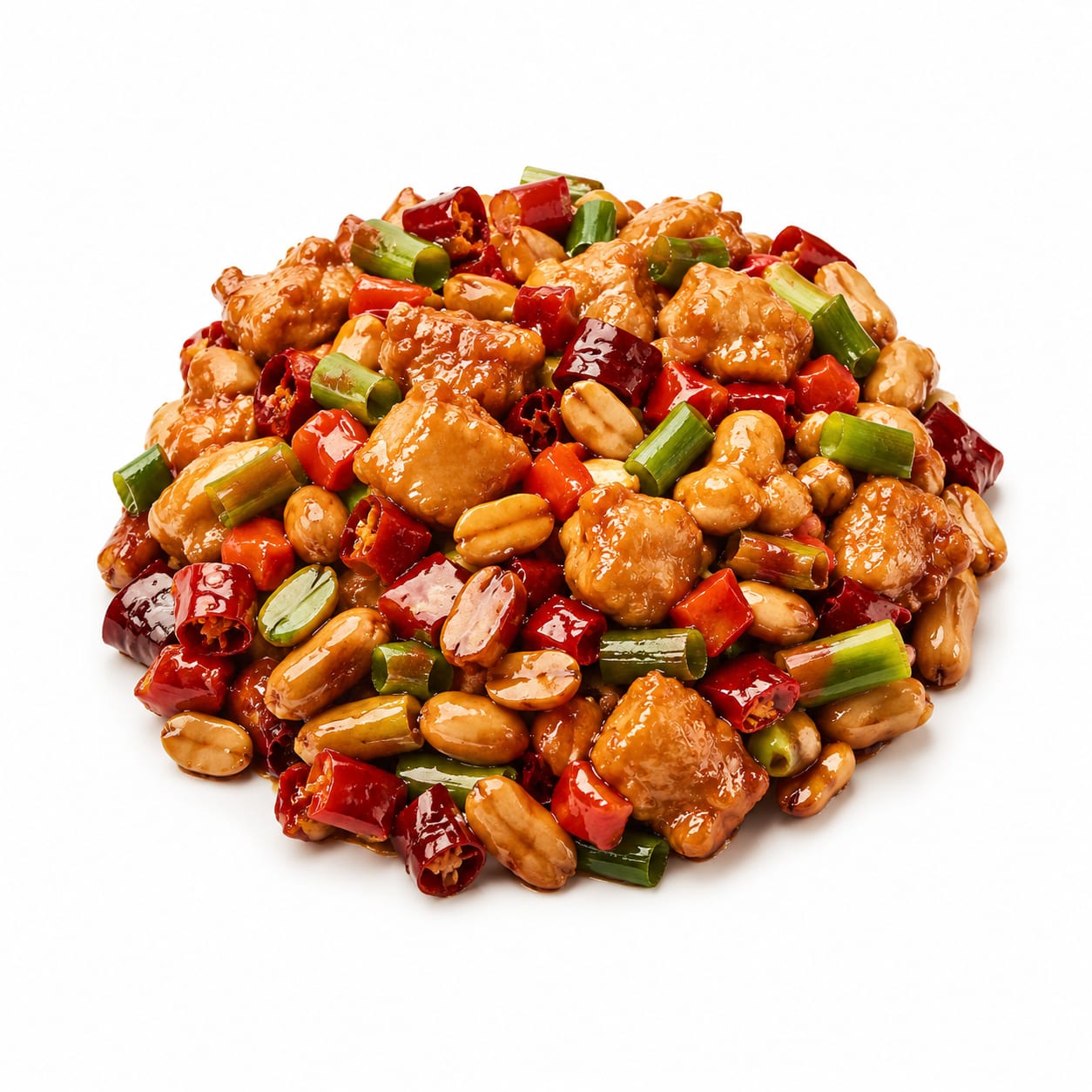
Kung Pao Chicken
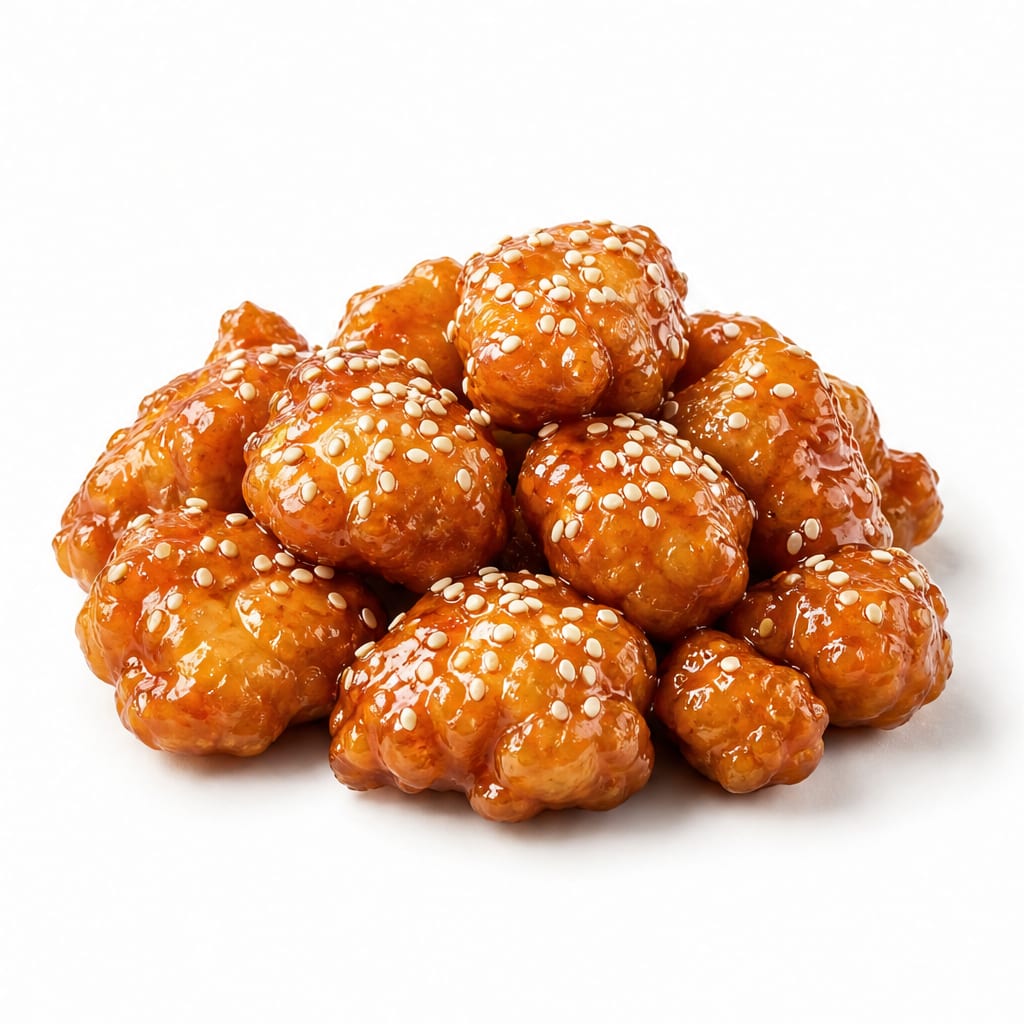
Sesame Chicken
Kung Pao Chicken wins on nearly every nutritional metric — less sugar, fewer calories, more protein per bite, and better satiety. Sesame Chicken is essentially fried chicken in candy sauce.
Kung Pao Chicken scores moderately because it's still takeout with high sodium and oil, but it's dramatically better than Sesame Chicken, which loses heavily on sugar, calorie density, and frying. Neither is a health food — the gap is between 'manageable indulgence' and 'sugar bomb.'
Kung Pao is spicier and has peanuts (allergy concern), while Sesame Chicken is sweeter and more comfort-food appealing but packs significantly more sugar and calories.
At a glance
Executive summary
Overall
Kung Pao Chicken
Healthier
Kung Pao Chicken
More practical
Kung Pao Chicken
Daily use
Kung Pao Chicken
Key comparison lenses
Which Chinese takeout dish is less damaging for weight management?
Both dishes are restaurant staples people order weekly, and calorie density is the biggest differentiator
Sugar and blood sugar impact comparison
Sesame Chicken's sweet sauce dramatically spikes sugar compared to Kung Pao's savory-spicy profile
Which dish fits better into a high-protein diet?
Both provide chicken protein but preparation methods and added ingredients change the net protein-to-calorie ratio
Sodium and heart health tradeoffs
Both are high-sodium takeout items but the difference matters for blood pressure management
Which is more satisfying and less likely to cause overeating?
Spice and peanut content in Kung Pao may increase satiety versus the sugar-driven appetite cycle of Sesame Chicken
Best choice for
Kung Pao Chicken
- Weight-conscious takeout lovers
- People managing blood sugar or prediabetes
- High-protein dieters who want flavor without the sugar crash
- Anyone who enjoys spicy food and wants steadier energy after eating
Sesame Chicken
- Kids or picky eaters who dislike spice
- People with peanut allergies
- Someone craving sweet comfort food as an occasional treat
- Those recovering from illness who need easy-to-eat calories
Least suitable for
Kung Pao Chicken
- People with peanut or tree nut allergies
- Those sensitive to spicy food or with GERD
- Anyone on a low-sodium diet (still very salty)
Sesame Chicken
- People with diabetes or insulin resistance
- Anyone actively trying to lose weight
- Those who get sugar crashes or afternoon energy dips
- People avoiding fried foods
Deep comparison
Dimension by dimension
Each lens scores both foods and breaks down who each option suits.
- Dimension 1 · Priority 95Kung Pao Chicken
Sugar and Blood Sugar Impact
Kung Pao Chicken · 55Sesame Chicken · 20Sesame Chicken's sauce is essentially a sugar-honey glaze that can deliver 25-40g of added sugar per serving. Kung Pao's sauce is savory and mildly sweet, typically under 8g sugar.
Tradeoff
You trade sweet comfort for a metabolic free-fall. That sugar rush from Sesame Chicken guarantees a crash within 90 minutes.
Why it matters
Post-meal sugar spikes drive cravings, fatigue, and over time, insulin resistance. One Sesame Chicken serving can hit your entire day's sugar budget.
Real-world impact
After Sesame Chicken, you'll likely feel sleepy and hungry again within an hour. After Kung Pao, energy stays more stable.
Kung Pao Chicken
- Steadier afternoon energy
- Fewer cravings an hour later
- Better for prediabetes management
Better for
- Less immediate comfort-food satisfaction
Worse for
Sesame Chicken
- Quick energy if you're depleted after intense exercise
Better for
- Blood sugar roller coaster
- Triggering sugar cravings all afternoon
- Problematic for anyone monitoring glucose
Worse for
- Dimension 2 · Priority 90Kung Pao Chicken
Calorie Density and Weight Management
Kung Pao Chicken · 50Sesame Chicken · 25Kung Pao Chicken typically runs 300-400 calories per cup, while Sesame Chicken hits 500-650 calories for the same portion. The difference is frying and sugar-heavy sauce.
Tradeoff
Sesame Chicken's breading absorbs oil like a sponge, and the thick sauce adds calorie-dense sugar on top of already-fried chicken.
Why it matters
At takeout portion sizes, Sesame Chicken can easily exceed 1,200 calories per plate. That's most of a day's calories in one meal.
Real-world impact
Ordering Kung Pao instead of Sesame Chicken once a week saves roughly 3,000-4,000 calories per month — about a pound of body weight.
Kung Pao Chicken
- Easier to fit into a calorie budget
- Less likely to cause that overstuffed feeling
- Better weekly takeout habit
Better for
- Still calorie-dense compared to home-cooked chicken dishes
Worse for
Sesame Chicken
- Higher calorie density if you're deliberately bulking
Better for
- Very easy to overeat
- Sticky sauce makes portion control harder
- Fried breading adds hundreds of empty calories
Worse for
- Dimension 3 · Priority 80Kung Pao Chicken
Protein Quality and Satiety
Kung Pao Chicken · 65Sesame Chicken · 40Kung Pao has whole chicken pieces plus peanuts for extra protein and fat that slows digestion. Sesame Chicken's protein is diluted by breading and sugar.
Tradeoff
The peanuts in Kung Pao add satisfying crunch and sustained fullness. Sesame Chicken's protein is there, but surrounded by so many empty calories that the protein-to-calorie ratio suffers.
Why it matters
A meal that actually fills you up prevents snacking later. Kung Pao keeps you satisfied longer per calorie consumed.
Real-world impact
After Kung Pao, you're likely done eating for hours. After Sesame Chicken, you may be hunting for snacks by 3pm despite the calorie load.
Kung Pao Chicken
- Better protein-to-calorie ratio
- Peanuts add sustained satiety
- Spice further reduces appetite
Better for
- Peanut allergy makes this a non-starter
Worse for
Sesame Chicken
- Still provides chicken protein if that's the only option
Better for
- Breading displaces real protein
- Sugar-driven hunger returns quickly
Worse for
- Dimension 4 · Priority 70It depends
Sodium and Heart Health
Kung Pao Chicken · 30Sesame Chicken · 30Both dishes are sodium bombs. Kung Pao's soy sauce and chili paste and Sesame Chicken's soy-based glaze each deliver 1,500-2,500mg sodium per serving.
Tradeoff
Neither wins here. If you have blood pressure concerns, both are equally problematic. Splitting the portion and saving half is the only real strategy.
Why it matters
A single takeout serving of either dish can exceed the American Heart Association's ideal daily sodium limit of 1,500mg.
Real-world impact
After either dish, you'll likely feel bloated and thirsty. Scale weight may jump 1-2 pounds the next morning from water retention.
Kung Pao Chicken
- Slightly less sauce overall means marginally less sodium
Better for
- Still a high-sodium meal that bloats
- Problematic for hypertension
Worse for
Sesame Chicken
- No meaningful advantage
Better for
- Equally sodium-heavy
- Sugar plus sodium is a tough combo for blood pressure
Worse for
- Dimension 5 · Priority 60Kung Pao Chicken
Vegetable Content and Micronutrients
Kung Pao Chicken · 55Sesame Chicken · 25Kung Pao typically includes bell peppers, zucchini, and scallions. Sesame Chicken is mostly just chicken and sauce with minimal vegetables.
Tradeoff
The vegetables in Kung Pao add fiber, vitamin C, and volume that helps fill you up. Sesame Chicken is essentially a meat-and-sugar plate.
Why it matters
Fiber from vegetables slows sugar absorption and supports digestion. A takeout meal with some vegetables is always better than one without.
Real-world impact
Kung Pao at least delivers a serving of vegetables. Sesame Chicken is nutritionally flat beyond protein and starch.
Kung Pao Chicken
- Bell peppers add vitamin C and antioxidants
- More fiber slows digestion
- Greater food volume for fewer calories
Better for
- Vegetable portions still modest compared to home cooking
Worse for
Sesame Chicken
- No real advantage here
Better for
- Almost no fiber or micronutrients
- Breading and sauce displace everything else
Worse for
- Dimension 6 · Priority 55Sesame Chicken
Allergen and Sensitivity Risk
Kung Pao Chicken · 35Sesame Chicken · 55Kung Pao contains peanuts and often tree nuts, making it a non-starter for allergy sufferers. Sesame Chicken's main allergen is sesame and wheat — less common and less severe for most people.
Tradeoff
If you have a peanut allergy, Kung Pao is genuinely dangerous. Sesame Chicken is the safer bet, though cross-contamination is always a risk at Chinese restaurants.
Why it matters
Peanut allergies can be life-threatening. This is the one dimension where Sesame Chicken clearly wins for a significant portion of the population.
Real-world impact
For someone with a peanut allergy, this comparison is over before it starts. Kung Pao is simply not an option.
Kung Pao Chicken
- No advantage for allergen-sensitive individuals
Better for
- Peanuts are a top-8 allergen
- Cross-contamination risk with other nuts in the kitchen
- Not suitable for nut-free school lunches
Worse for
Sesame Chicken
- Safer for peanut allergy sufferers
- Fewer common allergens overall
Better for
- Sesame is a rising allergen concern
- Wheat/gluten from breading
Worse for
Timeline
Health impact over time
Short-term
Hours to days
Kung Pao Chicken
- Spice may cause mild heartburn in sensitive individuals
- Moderate energy without a sugar crash
- Bloating from sodium is likely
- Satiety lasts 3-4 hours
Sesame Chicken
- Rapid blood sugar spike followed by a crash within 60-90 minutes
- Heavy, sluggish feeling after eating
- Significant bloating from sodium and sugar combined
- Hunger returns surprisingly quickly despite high calories
Long-term
Months to years
Kung Pao Chicken
- Regular consumption still risks hypertension from sodium
- Spice may offer mild metabolic benefits
- More sustainable as a weekly takeout choice
- Less cumulative sugar exposure protects metabolic health
Sesame Chicken
- Frequent consumption accelerates insulin resistance risk
- High sugar intake contributes to fatty liver over time
- Fried food regularly increases inflammatory markers
- Much harder to maintain healthy weight if ordered weekly
Risk profile
Safety & processing
Both are restaurant-prepared dishes with added sodium, sugar, and oil. Kung Pao is slightly less processed because the chicken is typically stir-fried rather than deep-fried and coated in breading. Sesame Chicken's thick batter and sugary glaze add an extra layer of processing. Neither contains significant artificial preservatives when made fresh, but takeout versions may include MSG and food coloring.
Kung Pao Chicken
Peanut cross-contamination
highKung Pao always contains peanuts, and restaurant kitchens often share woks and utensils across dishes. Not safe for anyone with peanut allergy.
Sodium-related fluid retention
mediumHigh sodium can cause dangerous blood pressure spikes in hypertensive individuals, especially older adults.
Sesame Chicken
Undercooked chicken in thick breading
mediumThe thick batter can sometimes prevent even cooking, especially in high-volume takeout kitchens rushing orders.
Sodium and sugar combined cardiovascular strain
mediumThe combination of high sodium and high sugar is particularly taxing on blood vessels and blood pressure regulation.
Who wins for whom
Audience fit
Same foods, different winners depending on your goal.
children
Sesame ChickenKids prefer sweet and mild flavors. Sesame Chicken's honey-like sauce is more kid-friendly than Kung Pao's chili heat and peanut pieces.
daily consumption
It dependsNeither should be eaten daily. If forced to choose, Kung Pao once a week is manageable. Sesame Chicken once a week is already pushing it.
diabetes
Kung Pao ChickenDramatically less sugar and a lower glycemic impact. Sesame Chicken is one of the worst Chinese takeout options for blood sugar management.
elderly
Kung Pao ChickenLess sugar and more vegetables support metabolic health in older adults. However, both are too high in sodium for daily consumption.
muscle gain
Kung Pao ChickenBetter protein-to-calorie ratio and added protein from peanuts. The lower sugar means less of your calories are wasted on empty carbs.
weight loss
Kung Pao ChickenFewer calories, less sugar, more satiety per serving. Kung Pao is the only one that fits reasonably into a weight loss plan.
Your move
Decision guide
Choose Kung Pao Chicken
- You want takeout that won't derail your health goals
- You prefer savory and spicy over sweet flavors
- You want to feel full without consuming 1,000+ calories
- You're watching your sugar intake for any reason
- You want some vegetables with your meal
Choose Sesame Chicken
- You have a peanut allergy or are eating with someone who does
- You're ordering for kids who won't touch spicy food
- You're specifically craving sweet comfort food as a rare treat
- You need maximum calories and don't care about the source
- You're recovering from illness and need easy-to-eat energy
Either works if
- You're ordering takeout as an occasional indulgence anyway
- You plan to eat only half the portion and save the rest
- You'll pair it with a large side of steamed broccoli
Avoid both if
- You have severe hypertension and are on a strict low-sodium diet
- You're eating for athletic performance within hours of training
- You need a light meal — both are heavy, salty, and calorie-dense
Final recommendation
Kung Pao Chicken is the clear winner for anyone making a health-conscious takeout choice. It delivers more protein, fewer calories, less sugar, and actual vegetables. Sesame Chicken is essentially fried chicken in dessert sauce — fine as an occasional craving, but a poor regular habit. If you order Chinese weekly, make Kung Pao your default and treat Sesame Chicken like birthday cake.
Practical
Consumer tips
- 1
Ask for sauce on the side — you'll cut sugar and sodium by 30-50% on either dish
- 2
Order steamed vegetables as a side and mix them in to dilute the calorie density
- 3
Skip the rice or limit it to half a cup — the dish itself already has plenty of calories
- 4
Drink plenty of water before and after to help flush the sodium
- 5
Split any takeout portion in half immediately — restaurant servings are typically 2-3 meals
- 6
Ask for Kung Pao with light oil — restaurants often use 2-3 tablespoons of oil per dish
- 7
If ordering Sesame Chicken, ask for the sauce on the side and dip instead of pouring it on
- 8
Avoid adding extra soy sauce at the table — both dishes are already sodium-loaded