
Nutrition comparison
Kung Pao Chicken vs Cashew Chicken: Which Is Healthier?
Compare Kung Pao Chicken vs Cashew Chicken on nutrition, sodium, spice, allergens, and digestion. Find out which Chinese chicken dish fits your health goals better.
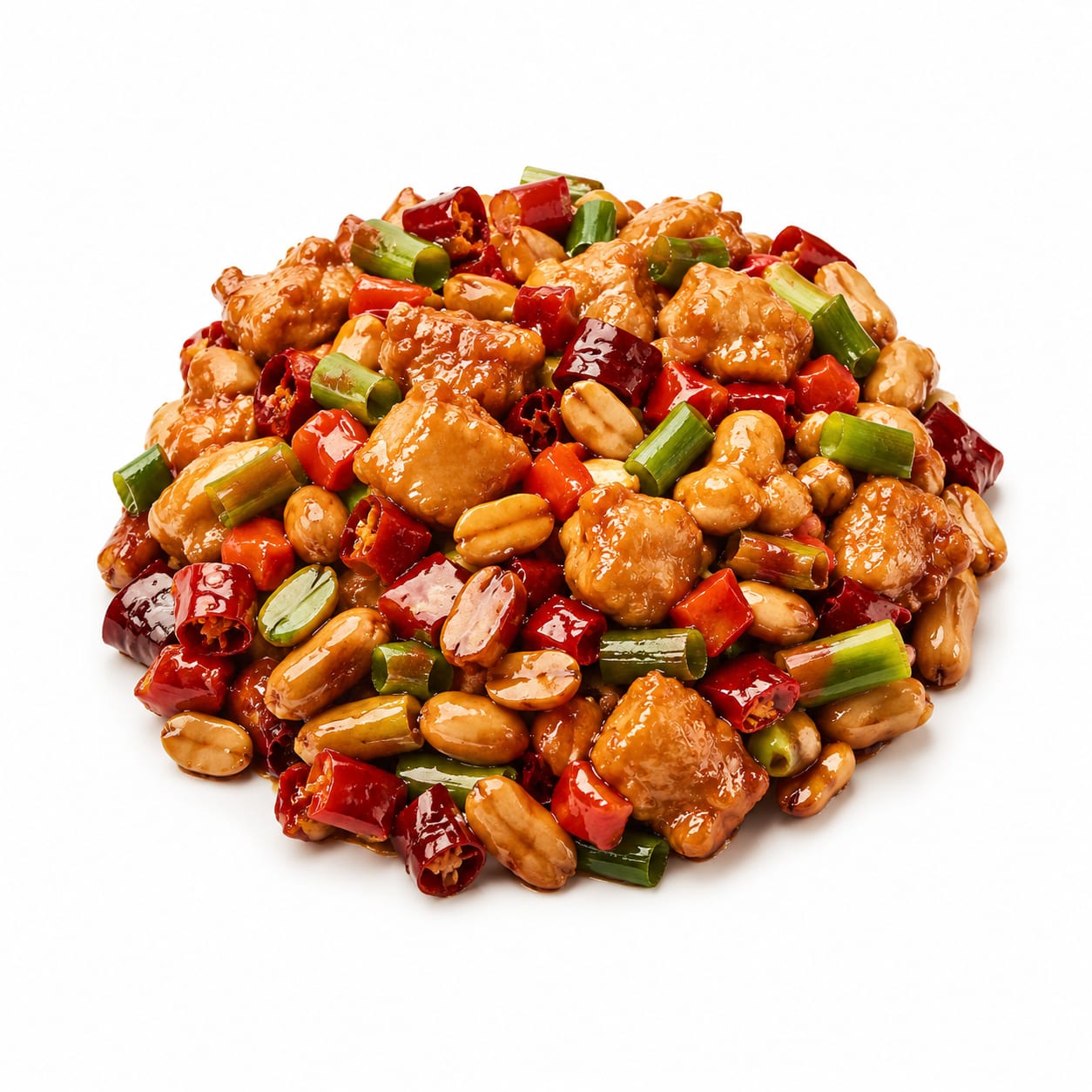
Kung Pao Chicken
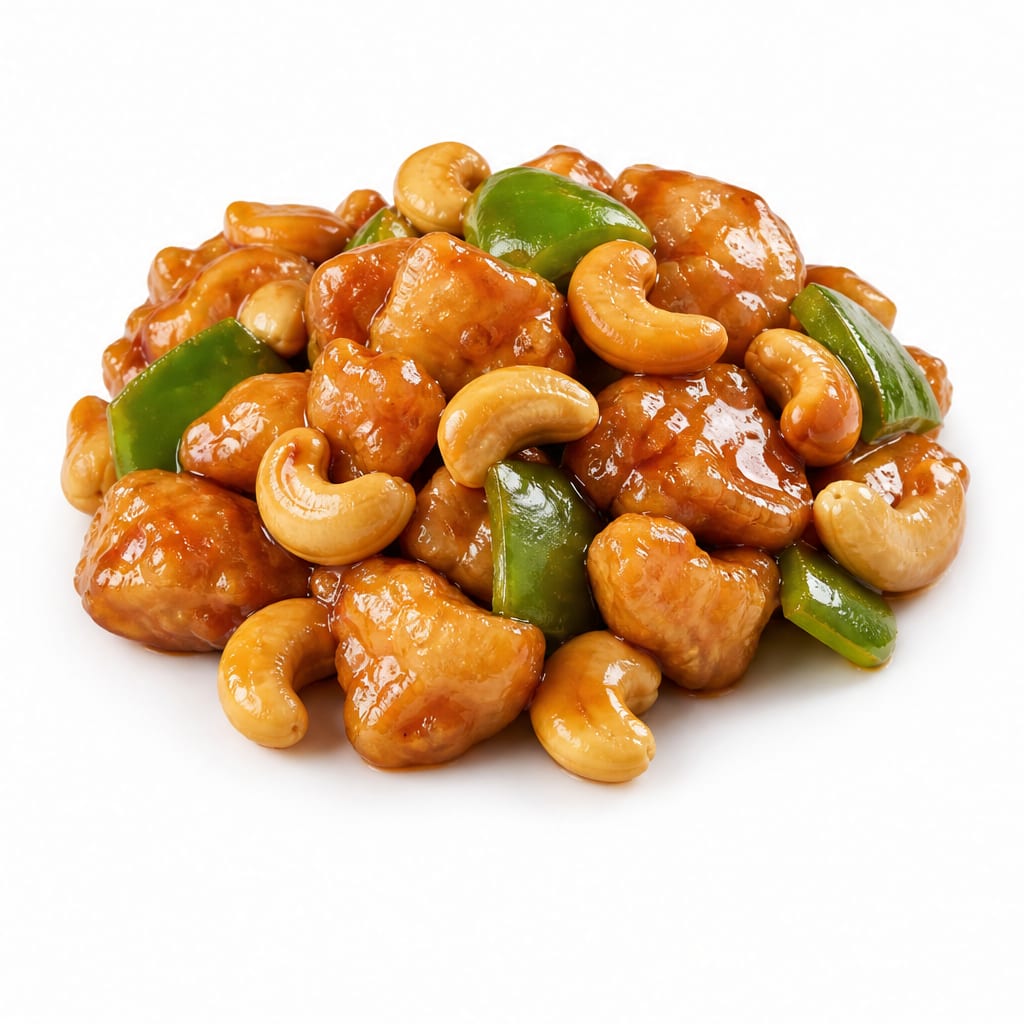
Cashew Chicken
Kung Pao Chicken wins for bold flavor and metabolic boost from spice, while Cashew Chicken wins for gentler digestion and broader crowd appeal.
Nearly identical scores reflect how similar these dishes are nutritionally. Cashew Chicken edges ahead slightly due to better digestive tolerance and broader suitability, but Kung Pao Chicken offers spice-driven metabolic benefits that matter for some users.
Exciting heat and slightly leaner profile versus milder comfort and richer mineral content from cashews.
At a glance
Executive summary
Overall
It depends
Healthier
It depends
More practical
Cashew Chicken
Daily use
Cashew Chicken
Key comparison lenses
spice tolerance and digestive comfort
Kung Pao Chicken's signature heat from dried chilies and Sichuan peppercorns makes it dramatically different from the mild, creamy profile of Cashew Chicken
sodium and sauce heaviness
Both dishes rely on salty soy-based sauces, but Kung Pao typically packs more sodium due to its darker, more concentrated sauce
nut type nutritional tradeoffs
Peanuts in Kung Pao offer more protein and resveratrol, while cashews provide more monounsaturated fat and minerals like zinc and magnesium
allergen severity differences
Peanut allergies are more common and typically more severe than cashew allergies, making this a critical safety distinction
calorie density and weight management
Cashew Chicken tends to be slightly more calorie-dense due to larger nut portions and sometimes creamier sauces
Best choice for
Kung Pao Chicken
- People who enjoy spicy food and want a mild metabolic boost
- Those watching calorie density who prefer bolder flavor without eating more
- Anyone seeking more protein from the peanut component
- Diners who find bland food unsatisfying and need excitement to eat less
Cashew Chicken
- People with sensitive stomachs or acid reflux
- Families with children who avoid spicy food
- Anyone with peanut allergies who can tolerate tree nuts
- Those seeking a comforting, mild meal after a stressful day
Least suitable for
Kung Pao Chicken
- Anyone with peanut allergies
- People with GERD, IBS, or spice-sensitive digestion
- Children unaccustomed to heat
- Those on low-sodium diets who eat Chinese takeout frequently
Cashew Chicken
- People with tree nut allergies
- Those strictly monitoring calorie intake, as cashews are very energy-dense
- Anyone bored by mild flavors who ends up overeating to feel satisfied
Deep comparison
Dimension by dimension
Each lens scores both foods and breaks down who each option suits.
- Dimension 1 · Priority 92Kung Pao Chicken
spice_and_metabolic_effect
Kung Pao Chicken · 85Cashew Chicken · 30Kung Pao Chicken's chilies and Sichuan peppercorns provide capsaicin-driven metabolic stimulation that Cashew Chicken completely lacks.
Tradeoff
You get a slight calorie-burning edge from the spice, but at the cost of potential digestive discomfort and heartburn.
Why it matters
Capsaicin can modestly increase energy expenditure and reduce appetite, making spicy food a practical tool for weight management.
Real-world impact
After eating Kung Pao Chicken, you may feel fuller faster and eat less overall. After Cashew Chicken, you might go back for seconds because it's easy to keep eating.
Kung Pao Chicken
- Metabolic stimulation
- Appetite reduction through heat
- Thermogenic calorie burning
Better for
- Acid reflux triggers
- Stomach irritation with frequent consumption
- Sweating and discomfort during meals
Worse for
Cashew Chicken
- Gentle digestion
- No heartburn risk
- Comforting mouthfeel
Better for
- No metabolic boost from spice
- Easier to overeat due to mildness
- Less satiety signal from heat
Worse for
- Dimension 2 · Priority 88Cashew Chicken
sodium_load
Kung Pao Chicken · 35Cashew Chicken · 45Both dishes are sodium-heavy, but Kung Pao Chicken typically packs more due to its darker, more concentrated sauce and additional salty seasonings.
Tradeoff
Neither dish is low-sodium, but Cashew Chicken's lighter sauce gives it a slight edge. Restaurant versions of both easily exceed 1500mg sodium per serving.
Why it matters
High sodium intake from restaurant Chinese food is one of the biggest hidden health risks, contributing to blood pressure issues even in otherwise healthy people.
Real-world impact
After either dish, you may feel bloated and thirsty. After Kung Pao Chicken, that effect is usually stronger and may disrupt sleep if eaten for dinner.
Kung Pao Chicken
- Higher sodium from concentrated dark sauce
- Additional salty ingredients like fermented black beans
Worse for
Cashew Chicken
- Slightly lower sodium in typical preparations
- Lighter sauce means less salt per bite
Better for
- Still a high-sodium restaurant dish
- Lighter sauce can create a false sense of healthiness
Worse for
- Dimension 3 · Priority 85It depends
nut_nutrition_profile
Kung Pao Chicken · 70Cashew Chicken · 72Peanuts offer more protein and resveratrol; cashews deliver more monounsaturated fat, zinc, and magnesium. Different strengths for different needs.
Tradeoff
Peanuts are technically legumes with more protein but higher allergen severity. Cashews are tree nuts with creamier texture and better mineral content but more calories per ounce.
Why it matters
The nut choice subtly shifts the fat profile and micronutrient mix of the entire dish, even though both contribute healthy fats.
Real-world impact
If you need more protein in your meal, the peanuts in Kung Pao Chicken help slightly. If you want minerals that support sleep and immunity, Cashew Chicken has the edge.
Kung Pao Chicken
- More protein per serving from peanuts
- Resveratrol from peanut skins
- Lower calorie density per nut
Better for
- Peanut allergies are more common and severe
- Peanuts are more likely to be contaminated with aflatoxin
Worse for
Cashew Chicken
- More zinc for immune function
- More magnesium for sleep and relaxation
- Higher monounsaturated fat for heart health
Better for
- More calorie-dense per serving
- Tree nut allergies still a serious concern
Worse for
- Dimension 4 · Priority 83Cashew Chicken
digestive_tolerance
Kung Pao Chicken · 35Cashew Chicken · 75Cashew Chicken is significantly easier on the digestive system. Kung Pao Chicken's spice, oil, and potential irritants make it a common trigger for sensitive stomachs.
Tradeoff
The very thing that makes Kung Pao Chicken exciting—its heat—is what makes it problematic for digestion. Cashew Chicken sacrifices excitement for comfort.
Why it matters
If you have any history of heartburn, IBS, or gastritis, this distinction alone should drive your choice.
Real-world impact
Kung Pao Chicken for dinner may mean heartburn at bedtime. Cashew Chicken is far less likely to cause that midnight discomfort.
Kung Pao Chicken
- Common heartburn trigger
- Can irritate IBS symptoms
- May cause stomach upset if eaten late
Worse for
Cashew Chicken
- Gentle on the stomach lining
- Lower acid reflux risk
- Suitable for sensitive digestion days
Better for
- Dimension 5 · Priority 70Cashew Chicken
vegetable_diversity_and_fiber
Kung Pao Chicken · 50Cashew Chicken · 65Cashew Chicken typically includes more vegetable variety like broccoli, bell peppers, and water chestnuts, while Kung Pao Chicken focuses more on chilies and scallions.
Tradeoff
More vegetable diversity means more fiber and micronutrients, but the difference is modest and highly restaurant-dependent.
Why it matters
Fiber slows sugar absorption and supports gut health, making vegetable-heavy dishes more filling and metabolically stable.
Real-world impact
Cashew Chicken may keep you satisfied longer due to the fiber from broccoli and other vegetables, while Kung Pao Chicken's satiety comes more from the spice signal.
Kung Pao Chicken
- Dried chilies provide some vitamin C and capsaicin
Better for
- Fewer fiber-rich vegetables
- Chilies don't contribute meaningful fiber
Worse for
Cashew Chicken
- Broccoli adds fiber and sulforaphane
- Water chestnuts add crunch and resistant starch
- More colorful vegetable variety typically
Better for
- Dimension 6 · Priority 82Cashew Chicken
allergen_risk_severity
Kung Pao Chicken · 30Cashew Chicken · 50Peanut allergies are more prevalent and typically more severe than cashew allergies, making Kung Pao Chicken riskier in shared dining situations.
Tradeoff
Neither dish is safe for someone with the relevant allergy, but peanut cross-contamination is more dangerous and more common in group settings.
Why it matters
If you're ordering for a group, peanut presence creates a higher-risk scenario than tree nuts due to the severity of peanut reactions.
Real-world impact
Bringing Kung Pao Chicken to a potluck or office lunch carries higher odds of triggering a severe allergic reaction in someone nearby.
Kung Pao Chicken
- Peanut allergies are more common
- Peanut reactions tend to be more severe and potentially anaphylactic
- Cross-contamination risk is higher in restaurants
Worse for
Cashew Chicken
- Lower prevalence of cashew allergy
- Generally milder allergic reactions compared to peanut
Better for
- Still contains a major allergen
- Tree nut allergies can still be life-threatening
Worse for
Timeline
Health impact over time
Short-term
Hours to days
Kung Pao Chicken
- Spice-induced sweating and warmth within minutes of eating
- Potential heartburn or acid reflux within 1-2 hours
- Thirst from high sodium content
- Appetite suppression from capsaicin heat signals
Cashew Chicken
- Comfortable, gentle digestion with minimal irritation
- Mild thirst from sodium but less intense than Kung Pao Chicken
- Satisfied but not overly full feeling due to creamier sauce
- Steadier energy without the spice-driven adrenaline spike
Long-term
Months to years
Kung Pao Chicken
- Regular spicy food consumption may support cardiovascular health
- Frequent high-sodium intake increases blood pressure risk
- Chronic heartburn sufferers may worsen symptoms with regular consumption
- Aflatoxin exposure from peanuts is a minor but real concern with frequent intake
Cashew Chicken
- Consistent cashew consumption supports zinc status and immune function
- Monounsaturated fats from cashews benefit heart health over time
- Calorie density can contribute to gradual weight gain if portions aren't managed
- Lower digestive stress makes it more sustainable as a regular meal choice
Risk profile
Safety & processing
Both dishes are similarly processed restaurant preparations with comparable additive concerns. Restaurant versions often contain MSG, modified starches, and added sugars in the sauce. The spice paste in Kung Pao Chicken may include more preservatives, while Cashew Chicken's lighter sauce sometimes means fewer additives. Home-cooked versions of either would be significantly less processed.
Kung Pao Chicken
Aflatoxin contamination in peanuts
lowPeanuts are susceptible to aflatoxin-producing mold. Reputable restaurants source tested peanuts, but risk is never zero with frequent consumption.
Peanut cross-contamination in restaurant kitchens
highChinese kitchens frequently use peanut oil and peanuts across many dishes, making cross-contamination likely even if you request modifications.
High-temperature oil degradation
mediumKung Pao Chicken is often stir-fried at very high heat, which can degrade cooking oils and create inflammatory compounds if oil is reused.
Cashew Chicken
Tree nut cross-contamination
mediumLess ubiquitous than peanuts in Chinese kitchens, but cashews still pose a risk for tree nut allergy sufferers due to shared equipment.
Cashew spoilage and rancidity
lowCashews' high fat content makes them prone to rancidity if stored improperly, though this is uncommon in high-turnover restaurants.
High-temperature oil degradation
mediumSimilar stir-frying concerns as Kung Pao Chicken, though Cashew Chicken is sometimes cooked at slightly lower temperatures.
Who wins for whom
Audience fit
Same foods, different winners depending on your goal.
children
Cashew ChickenMost children reject spicy food, and Cashew Chicken's mild, slightly sweet profile is far more kid-friendly. Cashew pieces are also easier for small teeth than whole peanuts.
daily consumption
Cashew ChickenLower digestive irritation and more balanced flavor profile make Cashew Chicken easier to eat regularly without developing spice fatigue or stomach issues.
diabetes
Cashew ChickenMilder flavor without the sugar-spice balance means slightly less added sugar in the sauce. More vegetable fiber also helps stabilize blood sugar.
elderly
Cashew ChickenGentler digestion, softer textures, and lower heartburn risk make Cashew Chicken more appropriate for aging digestive systems. The zinc and magnesium in cashews also support bone health.
muscle gain
Kung Pao ChickenPeanuts provide slightly more protein per serving, and the dish typically contains more chicken relative to fillers compared to Cashew Chicken.
weight loss
Kung Pao ChickenCapsaicin slightly boosts metabolism and reduces appetite, making it easier to eat less. The heat naturally limits overeating for most people.
Your move
Decision guide
Choose Kung Pao Chicken
- You love spicy food and find mild meals unsatisfying
- You want a slight metabolic edge from capsaicin during a weight loss phase
- You have no peanut allergies and no history of acid reflux
- You're eating alone or with confirmed spice-tolerant, peanut-safe companions
Choose Cashew Chicken
- You have any digestive sensitivity or heartburn history
- You're ordering for a group that includes children or spice-averse eaters
- You want a comforting meal that won't disrupt your sleep if eaten at dinner
- You prefer milder flavors that let the chicken and vegetable taste come through
Either works if
- You have no allergies or digestive issues and just want a satisfying Chinese chicken dish
- You're ordering from a high-quality restaurant where both dishes are made fresh
- You plan to balance the meal with steamed vegetables and brown rice
Avoid both if
- You have severe sodium restrictions due to hypertension or kidney disease
- You're following a strict low-fat diet, as both dishes are oil-heavy
- You have nut allergies of any kind and cannot confirm kitchen cross-contamination protocols
- You're eating late at night and want something light
Final recommendation
Let your digestion decide. If your stomach handles spice well, Kung Pao Chicken offers more excitement and a modest metabolic benefit. If you value comfort, sleep quality, and broader sharing potential, Cashew Chicken is the wiser default. Neither is a health food—both are restaurant indulgences best enjoyed mindfully with extra vegetables on the side.
Practical
Consumer tips
- 1
Ask for sauce on the side to cut sodium by 30-40% on either dish
- 2
Request extra vegetables to improve fiber content and reduce the calorie density of each bite
- 3
If ordering Kung Pao Chicken, ask for 'mild spice' to get the flavor without the full digestive assault
- 4
Choose steamed brown rice instead of fried rice to avoid adding hundreds of calories and more sodium
- 5
For Cashew Chicken, ask for light sauce to reduce both sodium and the calorie load from oil
- 6
Avoid eating either dish right before bed—both are heavy and sodium-rich enough to disrupt sleep
- 7
If you have peanut allergies but want Kung Pao flavor, some restaurants can substitute cashews or sunflower seeds—always confirm the kitchen's cross-contamination practices