
Nutrition comparison
Kung Pao Chicken vs Pad Thai: Which Is Healthier?
Compare Kung Pao Chicken and Pad Thai on protein, carbs, calories, blood sugar impact, and weight management. Find out which Asian takeout dish is the smarter choice for your health goals.
Overall winner · Kung Pao Chicken
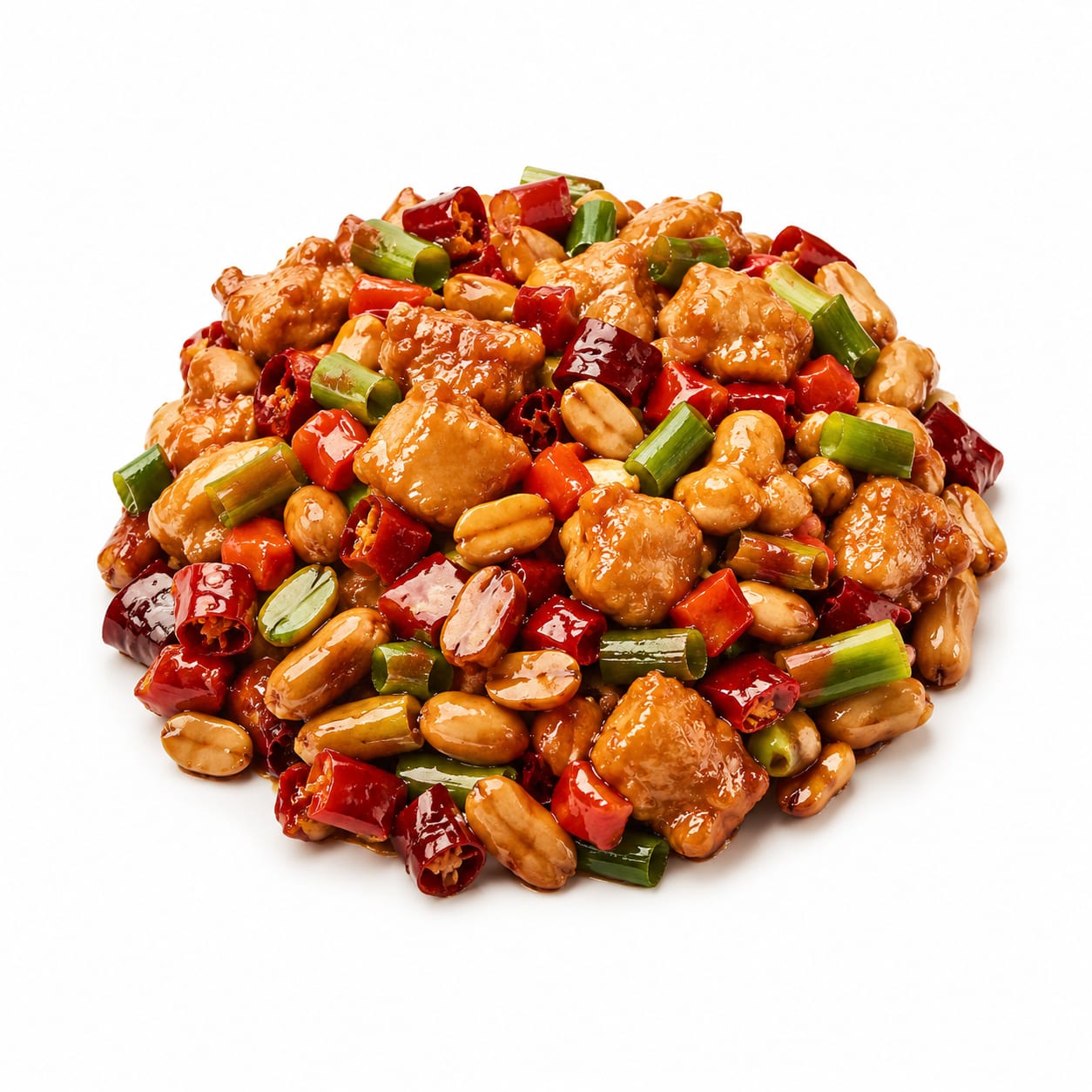
Kung Pao Chicken
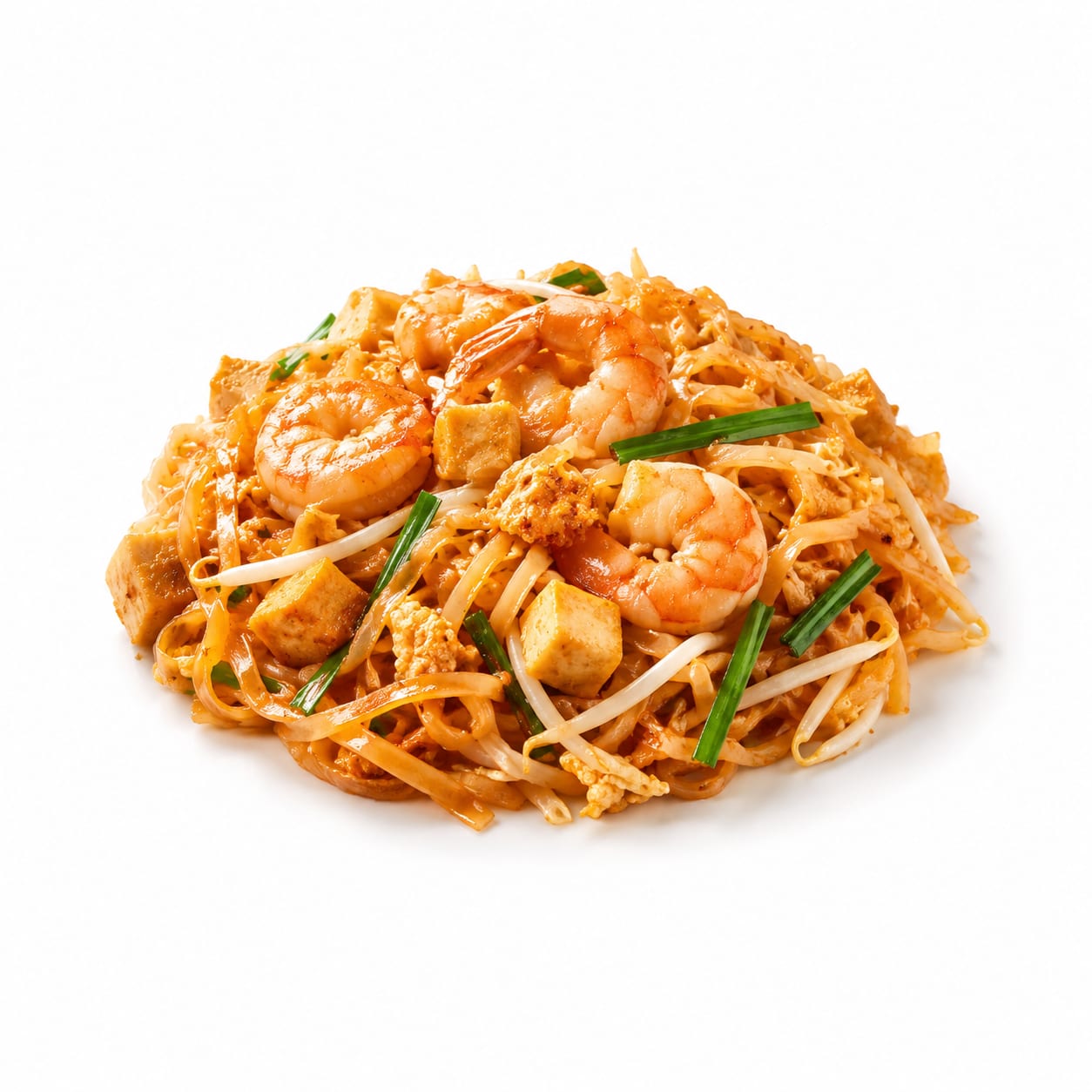
Pad Thai
Kung Pao Chicken wins for most health goals thanks to higher protein and lower carbs, but Pad Thai satisfies carb cravings and feels more comforting.
Kung Pao Chicken scores notably higher due to superior protein content, better blood sugar profile, and stronger satiety. Pad Thai loses ground on carbohydrate load and lower protein, though it remains a reasonable occasional choice for active individuals.
Protein and satiety from Kung Pao Chicken versus the comforting carb satisfaction and lighter mouthfeel of Pad Thai.
At a glance
Executive summary
Overall
Kung Pao Chicken
Healthier
Kung Pao Chicken
More practical
It depends
Daily use
Kung Pao Chicken
Key comparison lenses
protein vs carbs balance
Kung Pao Chicken delivers substantially more protein from chicken, while Pad Thai is carb-heavy from rice noodles, making this the defining tradeoff
blood sugar impact
Rice noodles in Pad Thai create a larger glycemic load compared to the lower-carb Kung Pao Chicken, critical for diabetes and energy stability concerns
weight management
Both dishes are restaurant staples often ordered during dieting, but their calorie density and satiety profiles differ significantly
sodium load
Both rely heavily on salty sauces, but the sodium sources and amounts vary, impacting blood pressure and bloating concerns
takeout decision making
These are two of the most commonly ordered Asian takeout dishes, often directly compared when ordering
Best choice for
Kung Pao Chicken
- People tracking macros or prioritizing protein
- Those managing blood sugar or insulin resistance
- Anyone wanting to stay full longer after a meal
- Low-carb or keto-modified eaters
Pad Thai
- Endurance athletes needing carb fuel
- People who find high-protein meals too heavy
- Those wanting a milder, less spicy option
- Anyone craving comfort food with noodles
Least suitable for
Kung Pao Chicken
- People with peanut allergies
- Those sensitive to spicy food or GERD
- Anyone on a low-sodium diet eating restaurant versions
Pad Thai
- People managing diabetes or insulin resistance
- Those on low-carb eating plans
- Anyone trying to minimize refined carbohydrate intake
Deep comparison
Dimension by dimension
Each lens scores both foods and breaks down who each option suits.
- Dimension 1 · Priority 95Kung Pao Chicken
protein_content_and_quality
Kung Pao Chicken · 85Pad Thai · 45Kung Pao Chicken delivers roughly 25-35g of complete protein from chicken breast, while Pad Thai typically provides only 10-18g from small amounts of egg, tofu, or shrimp.
Tradeoff
You sacrifice the substantial muscle-supporting protein in Kung Pao Chicken when you choose Pad Thai's carb-forward profile.
Why it matters
Protein is the main driver of fullness and metabolic health. A higher-protein meal keeps hunger away for hours and supports muscle maintenance.
Real-world impact
After Kung Pao Chicken, you are far less likely to raid the snack cabinet at 9pm. After Pad Thai, the carb crash can trigger cravings within a couple hours.
Kung Pao Chicken
- Athletes and gym-goers recovering from training
- Older adults preserving muscle mass
- Anyone trying to eat less overall by staying full longer
Better for
- Vegetarians and vegans
Worse for
Pad Thai
- Light eaters who find high-protein meals too filling
- Post-workout refueling when carbs are also desired
Better for
- Anyone hitting protein targets for body composition goals
- People who get hungry again quickly after carb-heavy meals
Worse for
- Dimension 2 · Priority 88Kung Pao Chicken
blood_sugar_stability
Kung Pao Chicken · 72Pad Thai · 38Pad Thai's rice noodles create a significant glycemic load that spikes blood sugar, while Kung Pao Chicken's lower carb count and higher protein slow glucose absorption.
Tradeoff
Choosing Pad Thai means accepting a faster blood sugar rise and potential energy crash, while Kung Pao Chicken provides steadier, more sustained energy.
Why it matters
Blood sugar spikes followed by crashes drive fatigue, cravings, and over time, insulin resistance. Stable energy feels better and performs better.
Real-world impact
Pad Thai at lunch can leave you fighting off a nap by 2pm. Kung Pao Chicken is more likely to carry you through the afternoon without an energy dip.
Kung Pao Chicken
- People with prediabetes or type 2 diabetes
- Anyone prone to afternoon energy crashes
- Those following low-glycemic eating approaches
Better for
- Extremely low-carb dieters who still need to watch sauce sugars
Worse for
Pad Thai
- Endurance athletes carbo-loading before events
- Underweight individuals needing easy calorie surplus
Better for
- Insulin-resistant individuals
- Anyone monitoring A1C levels
- People who experience reactive hypoglycemia
Worse for
- Dimension 3 · Priority 85Kung Pao Chicken
satiety_and_fullness
Kung Pao Chicken · 80Pad Thai · 50The protein and peanut fat in Kung Pao Chicken create lasting fullness, while Pad Thai's noodles digest faster and leave you hungry sooner.
Tradeoff
Kung Pao Chicken keeps you satisfied for hours. Pad Thai feels filling initially but the satiety fades much faster.
Why it matters
Meals that keep you full reduce overall calorie intake naturally without willpower battles. This is one of the strongest predictors of weight management success.
Real-world impact
Kung Pao Chicken at dinner often means no late-night snacking. Pad Thai at dinner frequently leads to reaching for something else before bed.
Kung Pao Chicken
- Intermittent fasters needing one meal to last
- People trying to reduce overall food intake without feeling deprived
- Busy professionals who cannot snack between meals
Better for
- Anyone wanting a light meal before physical activity
Worse for
Pad Thai
- Those who prefer eating smaller, more frequent meals
- People who dislike feeling heavily full
Better for
- Chronic snackers trying to break the grazing habit
- People who need one meal to hold them 5-6 hours
Worse for
- Dimension 4 · Priority 80Kung Pao Chicken
calorie_density
Kung Pao Chicken · 65Pad Thai · 42Restaurant Pad Thai often packs 800-1200 calories due to oil-soaked noodles and sugar-heavy sauce. Kung Pao Chicken ranges 600-900 calories with more of those calories coming from protein.
Tradeoff
Both are restaurant-calorie heavy, but Pad Thai's calories come largely from refined carbs and oil, while Kung Pao Chicken's calories deliver more nutritional value per bite.
Why it matters
Calorie density determines how much food you can eat before overconsuming. More nutritionally valuable calories mean better health outcomes at the same intake.
Real-world impact
A plate of Pad Thai can quietly deliver half your daily calories with less nutritional return. Kung Pao Chicken is hardly light, but you get more protein and micronutrients for the calorie cost.
Kung Pao Chicken
- Calorie-conscious eaters wanting maximum nutrition per calorie
- Those tracking macros who want protein-dominant calories
Better for
- Strict calorie counters who find restaurant portions unpredictable
Worse for
Pad Thai
- Hard gainers needing calorie surplus
- Active individuals who burn through carbs easily
Better for
- Anyone eating in a calorie deficit
- People who find carb-heavy meals trigger overeating
Worse for
- Dimension 5 · Priority 80It depends
sodium_load
Kung Pao Chicken · 35Pad Thai · 38Both dishes are sodium bombs at restaurants. Kung Pao Chicken relies on soy sauce and salted chili paste, while Pad Thai uses fish sauce, soy sauce, and salted condiments.
Tradeoff
Neither dish wins on sodium. Both can easily exceed 1500-2500mg of sodium per restaurant serving, which is most of your daily limit.
Why it matters
High sodium intake drives bloating, thirst, and elevated blood pressure. For salt-sensitive individuals, either dish can be problematic.
Real-world impact
After either dish, expect bloating and water retention the next day. Neither is a smart regular choice for anyone monitoring blood pressure.
Kung Pao Chicken
- Slightly better if homemade with reduced-sodium soy sauce
Better for
- Hypertensive individuals eating restaurant versions
- People prone to bloating and water retention
Worse for
Pad Thai
- Marginally less sodium in some restaurant preparations, but not meaningfully
Better for
- Same concerns as Kung Pao Chicken
- Kidney disease patients monitoring sodium strictly
Worse for
- Dimension 6 · Priority 72Pad Thai
nutritional_diversity
Kung Pao Chicken · 58Pad Thai · 68Pad Thai incorporates more ingredient variety including eggs, bean sprouts, lime, tofu or shrimp, and herbs. Kung Pao Chicken focuses on chicken, peanuts, and chili peppers with fewer vegetables.
Tradeoff
Pad Thai offers broader micronutrient coverage from its diverse ingredients, while Kung Pao Chicken provides deeper nutrition in fewer categories.
Why it matters
Diverse ingredient intake supports gut microbiome health and covers more micronutrient bases. However, diversity matters less if the base is refined carbs.
Real-world impact
Pad Thai gives you small amounts of many nutrients. Kung Pao Chicken gives you solid protein and some healthy fats but fewer vitamins and minerals overall.
Kung Pao Chicken
- Those prioritizing protein and fat-soluble vitamin absorption from peanuts
Better for
- Anyone relying on a single dish for vegetable intake
Worse for
Pad Thai
- People who value ingredient variety in single dishes
- Those seeking small amounts of multiple micronutrients at once
Better for
- Those who confuse ingredient variety with overall nutritional quality
Worse for
- Dimension 7 · Priority 70Pad Thai
digestive_tolerance
Kung Pao Chicken · 40Pad Thai · 62Kung Pao Chicken's chili heat and high fat from stir-frying can irritate sensitive stomachs and trigger heartburn. Pad Thai is milder and gentler on the digestive tract.
Tradeoff
Kung Pao Chicken's spice and fat content make it harsher on the stomach, while Pad Thai's softer texture and milder flavor are easier to digest.
Why it matters
Digestive comfort determines whether a meal leaves you feeling good or regretful. GERD, IBS, and acid reflux sufferers feel this difference acutely.
Real-world impact
Kung Pao Chicken at dinner can mean heartburn at bedtime. Pad Thai is less likely to cause reflux, though large portions can still feel heavy.
Kung Pao Chicken
- People with hardy digestion who enjoy spicy food without consequences
Better for
- Anyone with heartburn or GERD
- People with gallbladder issues struggling with high-fat meals
Worse for
Pad Thai
- GERD and acid reflux sufferers
- People with IBS triggered by spicy or high-fat meals
- Those who prefer gentle, easy-to-digest dinners
Better for
- Those with gluten sensitivity who must confirm rice noodles are uncontaminated
Worse for
Timeline
Health impact over time
Short-term
Hours to days
Kung Pao Chicken
- Strong satiety lasting 3-5 hours due to protein and fat content
- Possible heartburn or acid reflux from spice and oil
- Steadier energy without significant blood sugar crash
- Potential bloating from high sodium
Pad Thai
- Quick fullness that fades within 1.5-2.5 hours
- Blood sugar spike followed by energy dip and cravings
- Gentler on the stomach with less reflux risk
- Significant bloating and water retention from sodium and carbs
Long-term
Months to years
Kung Pao Chicken
- Better muscle maintenance from consistent protein intake if eaten regularly
- Lower risk of insulin resistance compared to carb-heavy alternatives
- Potential blood pressure concerns if restaurant sodium intake is frequent
- Inflammatory risk from repeated high-heat seed oils in restaurant cooking
Pad Thai
- Higher risk of insulin resistance and metabolic syndrome if eaten frequently
- Weight gain likelihood increases from calorie-dense refined carb pattern
- Blood pressure risk from chronic high sodium intake
- Possible micronutrient benefits from ingredient diversity, but overshadowed by carb load
Risk profile
Safety & processing
Both dishes fall into the processed category when ordered at restaurants due to commercial sauces, added sugars, and refined cooking oils. Pad Thai's rice noodles are a refined carbohydrate, while Kung Pao Chicken's sauces often contain MSG, added sugar, and preservatives. Homemade versions of either dish can approach minimally processed status with whole ingredients and simple sauces.
Kung Pao Chicken
Peanut allergen cross-contamination
highPeanuts are a core ingredient in Kung Pao Chicken, making it completely unsafe for those with peanut allergies. Cross-contamination risk is high in restaurant kitchens.
High-heat cooking oil degradation
mediumRestaurant wok cooking often reuses seed oils at high temperatures, creating oxidative compounds that may contribute to inflammation.
MSG sensitivity
lowSome restaurants add MSG to Kung Pao sauce. While generally recognized as safe, sensitive individuals may experience headaches or flushing.
Pad Thai
Rice noodle arsenic exposure
lowRice-based products can contain trace arsenic from agricultural practices. Occasional consumption is low risk, but daily intake could accumulate exposure.
Fish sauce histamine content
mediumFish sauce is fermented and high in histamine, which can trigger reactions in histamine-intolerant individuals including headaches and skin flushing.
Egg cross-contamination in restaurant kitchens
lowPad Thai contains egg, which poses a risk for those with egg allergies, especially with shared cooking surfaces.
Who wins for whom
Audience fit
Same foods, different winners depending on your goal.
children
Pad ThaiPad Thai's milder flavor, softer texture, and noodle-based familiarity make it more appealing and gentler for kids. Kung Pao Chicken's spice level is often too intense for children.
daily consumption
Kung Pao ChickenNeither is ideal for daily restaurant consumption due to sodium, but Kung Pao Chicken's protein-dominant profile is more sustainable as a regular meal than Pad Thai's refined carb base.
diabetes
Kung Pao ChickenLower carbohydrate content and higher protein in Kung Pao Chicken result in a much gentler blood sugar response compared to Pad Thai's rice noodle base.
elderly
Pad ThaiPad Thai's softer texture is easier to chew and digest for older adults. Kung Pao Chicken's spice and tougher meat can be challenging for sensitive digestion and dental issues.
muscle gain
Kung Pao ChickenKung Pao Chicken provides substantially more complete protein from chicken, which is the primary driver of muscle protein synthesis and recovery.
weight loss
Kung Pao ChickenHigher protein and lower carbs in Kung Pao Chicken support better satiety and more stable blood sugar, making it easier to maintain a calorie deficit without constant hunger.
Your move
Decision guide
Choose Kung Pao Chicken
- You want to stay full for hours without snacking
- You are tracking protein intake for fitness or body composition
- You want steadier energy without a carb crash
- You are managing blood sugar, insulin resistance, or prediabetes
- You enjoy bold, spicy flavors and have no digestive sensitivity
Choose Pad Thai
- You are carb-loading before endurance activity
- You want a milder, more comforting meal that is easier on the stomach
- You are eating with children or people who avoid spicy food
- You have been eating high-protein meals all day and want variety
- You are underweight and need calorie-dense, easy-to-eat food
Either works if
- You are eating out occasionally and neither dish will be a regular habit
- You can request modifications like less sauce, less oil, or extra vegetables
- You are splitting dishes with others and eating smaller portions of both
Avoid both if
- You are on a strict low-sodium diet for blood pressure or kidney disease
- You have severe peanut or tree nut allergies given cross-contamination risk in Asian restaurants
- You are following a whole-food, minimally processed eating approach and cannot control ingredients
Final recommendation
For most health-conscious eaters, Kung Pao Chicken is the better regular choice due to its protein content, lower carb impact, and stronger satiety. Save Pad Thai for occasional enjoyment when you want comfort carbs or are feeding a group with milder palates. For either dish, ask for sauce on the side, less oil, and extra vegetables to significantly improve the nutritional profile.
Practical
Consumer tips
- 1
Ask for sauce on the side with either dish to cut sodium and sugar by 30-50%
- 2
Request extra vegetables in Kung Pao Chicken to improve fiber and micronutrient content
- 3
Order Pad Thai with more protein like extra shrimp or tofu to balance the carb load
- 4
Avoid eating either dish right before bed due to sodium-related water retention and potential reflux
- 5
Split a restaurant portion in half immediately, as both dishes typically serve two people but are plated as one
- 6
Choose lunch over dinner for either dish so you can burn off some of the calorie and sodium load
- 7
Make either dish at home using reduced-sodium soy sauce, less sugar, and healthier oils for a dramatically improved nutritional profile
- 8
If ordering Kung Pao Chicken, request mild spice if you have any GERD or heartburn tendency