
Nutrition comparison
Kung Pao Chicken vs Grilled Chicken Breast: Which Is Healthier?
Compare Kung Pao Chicken and Grilled Chicken Breast on calories, protein, sodium, and weight loss impact. Find out which fits your goals better.
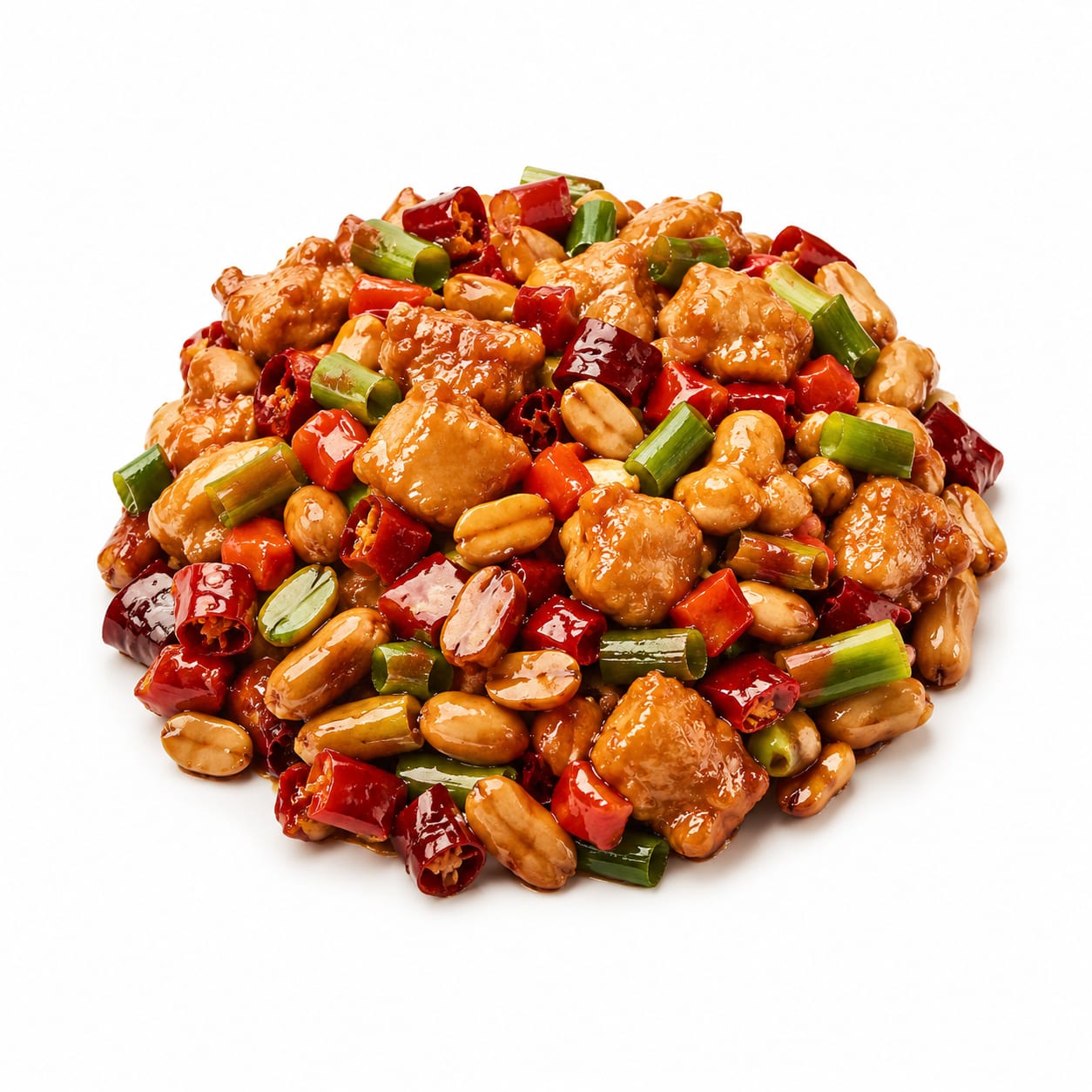
Kung Pao Chicken
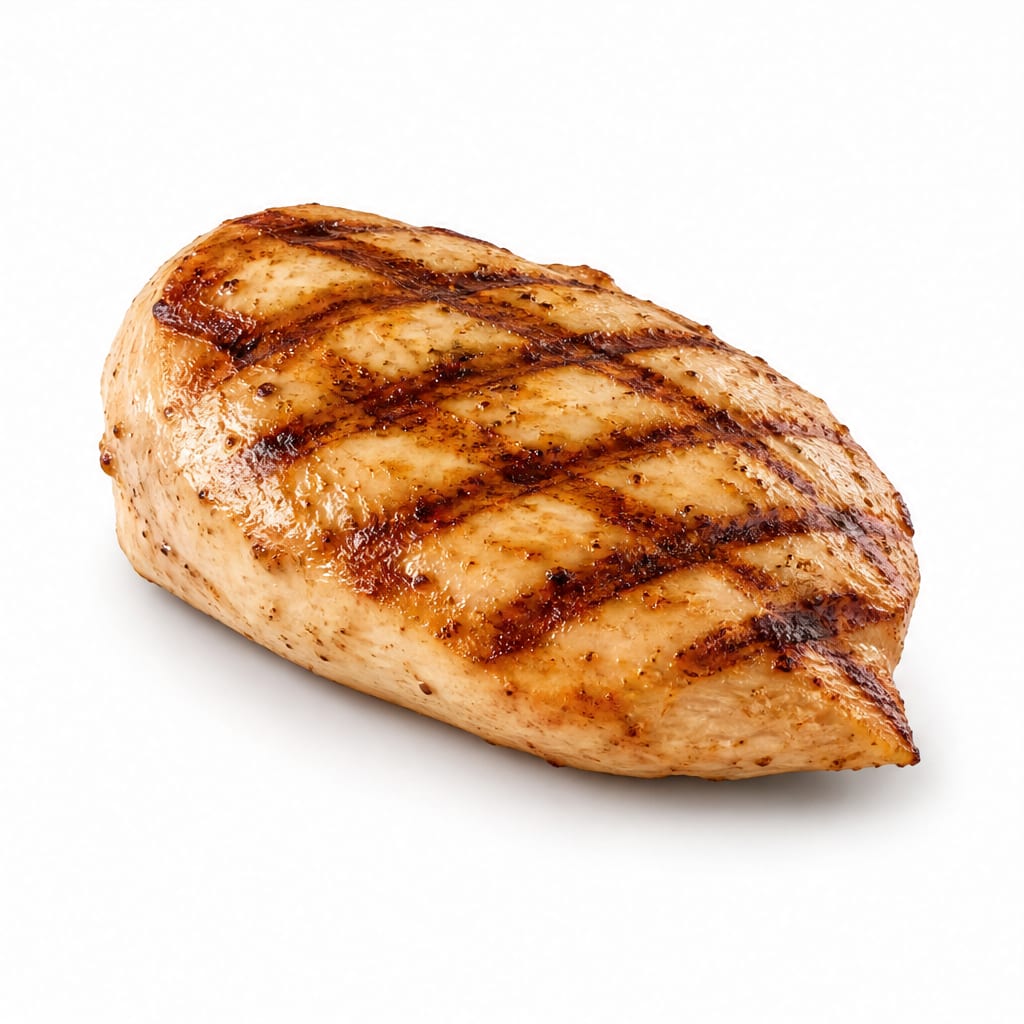
Grilled Chicken Breast
Grilled Chicken Breast wins for clean nutrition and daily consistency, but Kung Pao Chicken wins for satisfaction and real-world enjoyment. The best choice depends on your immediate priority.
Grilled Chicken Breast scores higher due to superior nutritional control, lower sodium, and better daily sustainability. Kung Pao Chicken remains valuable for satisfaction and adherence but carries significant sodium and calorie tradeoffs that limit everyday use.
Flavor and satisfaction versus calorie and sodium control. You either enjoy your meal more or track your intake more easily.
At a glance
Executive summary
Overall
It depends
Healthier
Grilled Chicken Breast
More practical
Kung Pao Chicken
Daily use
Grilled Chicken Breast
Key comparison lenses
weight loss lean protein
Users comparing these two are likely deciding between a flavorful meal and a clean protein source for body composition goals
sodium and health consciousness
Kung Pao Chicken's sauce-based preparation dramatically increases sodium, a major health differentiator
meal satisfaction vs clean eating
The core tension is whether to enjoy eating or stick to a disciplined approach
daily sustainability
Boredom from plain chicken versus excess from flavored chicken determines long-term adherence
restaurant vs home cooking control
Kung Pao Chicken is typically restaurant-made with hidden oils and sodium, while grilled chicken offers full ingredient control
Best choice for
Kung Pao Chicken
- People struggling with diet boredom who need meals they actually look forward to
- Those who can handle moderate sodium and want a balanced restaurant meal
- Anyone needing a satisfying cheat-meal-adjacent option that still delivers protein
- Busy people ordering takeout who want a protein-forward dish
Grilled Chicken Breast
- Anyone tracking macros precisely for weight loss or muscle gain
- People with high blood pressure or sodium sensitivity
- Clean-eating advocates who prep meals in advance
- Those who add their own healthy seasonings and sauces at home
Least suitable for
Kung Pao Chicken
- People on low-sodium diets or with hypertension
- Strict calorie counters who cannot control portion sizes at restaurants
- Anyone avoiding added sugars or seed oils
- Those eating multiple high-sodium meals daily
Grilled Chicken Breast
- People prone to diet fatigue who find plain protein unsustainable
- Anyone seeking a complete satisfying meal without extra sides
- Those who associate clean eating with punishment and eventually binge
- Diners wanting a restaurant-quality experience
Deep comparison
Dimension by dimension
Each lens scores both foods and breaks down who each option suits.
- Dimension 1 · Priority 95Grilled Chicken Breast
Protein Quality and Density
Kung Pao Chicken · 70Grilled Chicken Breast · 95Grilled Chicken Breast delivers more protein per calorie with zero filler ingredients. Kung Pao Chicken dilutes protein content with sauce, oil, and peanuts.
Tradeoff
Kung Pao Chicken provides a more interesting eating experience but you get less pure protein per bite.
Why it matters
If you are eating chicken primarily for protein, the grilled version gives you significantly more bang for your caloric buck.
Real-world impact
A 6oz grilled chicken breast delivers roughly 40g protein at 200 calories. The same weight in Kung Pao Chicken drops to roughly 25g protein at 350+ calories due to sauce and oil.
Kung Pao Chicken
- Those who find pure protein dry and difficult to finish
Better for
- People assuming they are getting lean protein when much of the calorie load comes from oil and sauce
Worse for
Grilled Chicken Breast
- Bodybuilders and athletes hitting precise protein targets
- Anyone on a calorie deficit needing maximum protein per calorie
Better for
- Anyone who struggles to chew through dry chicken and ends up eating less total protein
Worse for
- Dimension 2 · Priority 92Grilled Chicken Breast
Sodium and Heart Health
Kung Pao Chicken · 25Grilled Chicken Breast · 85Kung Pao Chicken is a sodium bomb. A single restaurant serving can deliver 1500-2500mg sodium. Grilled Chicken Breast seasoned lightly stays under 200mg.
Tradeoff
The sauce that makes Kung Pao Chicken delicious also makes it a cardiovascular liability, especially eaten regularly.
Why it matters
Consistent high sodium intake raises blood pressure and increases stroke risk even in healthy people. This is the single biggest health gap between these two options.
Real-world impact
One Kung Pao Chicken meal can hit your entire daily sodium limit. Two meals like this weekly significantly increases health risk over time.
Kung Pao Chicken
- Active athletes who sweat heavily and need sodium replenishment
Better for
- People unaware that restaurant Chinese dishes are among the highest-sodium meals available
- Anyone already on blood pressure medication
Worse for
Grilled Chicken Breast
- Anyone with hypertension or family history of heart disease
- People over 40 watching cardiovascular risk factors
- Those eating other high-sodium foods throughout the day
Better for
- Endurance athletes who actually need more sodium during training periods
Worse for
- Dimension 3 · Priority 88Kung Pao Chicken
Satiety and Meal Satisfaction
Kung Pao Chicken · 85Grilled Chicken Breast · 60Kung Pao Chicken keeps you fuller and more satisfied due to its fat content, peanuts, and bold flavors. Grilled Chicken Breast alone often leaves you wanting more.
Tradeoff
Satisfaction comes from calorie density and fat. The same qualities that make Kung Pao Chicken filling also make it harder to portion control.
Why it matters
Meals that feel satisfying reduce snacking later. A meal that leaves you hungry often leads to overeating at the next opportunity.
Real-world impact
After grilled chicken you may find yourself scavenging for snacks within two hours. After Kung Pao Chicken you likely feel done for hours.
Kung Pao Chicken
- Emotional eaters who need meals to feel complete and rewarding
- People who skip snacks and need one meal to carry them 4-5 hours
Better for
- People who overeat when food tastes too good and struggle to stop at one portion
Worse for
Grilled Chicken Breast
- Those who pair chicken with fibrous vegetables and healthy fats for a complete satisfying plate
- Grazers who prefer smaller meals throughout the day
Better for
- Dieters who end up bingeing after days of unsatisfying plain protein meals
Worse for
- Dimension 4 · Priority 90Grilled Chicken Breast
Calorie Control and Weight Management
Kung Pao Chicken · 40Grilled Chicken Breast · 90Grilled Chicken Breast is one of the lowest-calorie protein sources available. Kung Pao Chicken roughly doubles the calories per serving through oil and sauce.
Tradeoff
Lower calories mean easier weight loss but less enjoyment. Kung Pao Chicken fits a calorie budget only with careful portioning.
Why it matters
For anyone actively losing weight, the calorie difference between these two meals can represent 30-40% of a daily deficit in a single serving.
Real-world impact
Swapping Kung Pao Chicken for Grilled Chicken Breast twice weekly could save roughly 1500-2000 calories per week without changing anything else.
Kung Pao Chicken
- People at maintenance calories who can afford the extra energy density
- Hard gainers who actually need easier ways to consume more calories
Better for
- Dieters who underestimate how many calories restaurant sauces add
- People who eat out frequently and wonder why weight loss stalls
Worse for
Grilled Chicken Breast
- Anyone in a calorie deficit who needs to maximize food volume per calorie
- People who track macros and need predictable numbers
Better for
- Those who compensate for bland meals by eating larger portions of other foods
Worse for
- Dimension 5 · Priority 82Grilled Chicken Breast
Ingredient Transparency and Control
Kung Pao Chicken · 30Grilled Chicken Breast · 95Grilled Chicken Breast is exactly what it says. Kung Pao Chicken from restaurants hides oils, sugars, thickeners, and sodium you cannot measure.
Tradeoff
You either know exactly what you are eating or you enjoy a complex flavor profile built on ingredients you cannot audit.
Why it matters
Hidden ingredients sabotage careful diets. Restaurant cooking oil alone can add 200+ invisible calories to a dish.
Real-world impact
Even if you ask for light sauce, most restaurants cannot meaningfully reduce the oil already cooked into the dish. You never truly know the calorie count.
Kung Pao Chicken
- Home-cooked versions where you control every ingredient
- People who do not track macros and accept approximate estimates
Better for
- People with soy allergies or gluten sensitivity who cannot verify ingredients
- Those tracking sodium who get wildly inaccurate restaurant estimates
Worse for
Grilled Chicken Breast
- Precision dieters and competition prep athletes
- Anyone with food allergies or sensitivities to hidden ingredients
Better for
- Home cooks who over-season with salt and high-sodium marinades, negating the advantage
Worse for
- Dimension 6 · Priority 85It depends
Long-Term Diet Sustainability
Kung Pao Chicken · 65Grilled Chicken Breast · 70Grilled Chicken Breast is more sustainable nutritionally but less sustainable psychologically. Kung Pao Chicken is more enjoyable but harder on your body daily.
Tradeoff
The best diet is one you stick with. For some that means clean simplicity. For others it means flavor and variety.
Why it matters
Most diets fail not because of poor planning but because of boredom and deprivation. Both foods solve different sustainability problems.
Real-world impact
A week of grilled chicken every day feels like punishment to most people. A week of Kung Pao Chicken every day feels like a sodium hangover.
Kung Pao Chicken
- People who need occasional exciting meals to stay on track long-term
- Those who rotate between multiple cuisines and flavors weekly
Better for
- Anyone eating it daily and accumulating sodium damage without noticing
Worse for
Grilled Chicken Breast
- Routine-lovers who find comfort in simple predictable meals
- People who add variety through different spice rubs and healthy sauces
Better for
- People who associate their diet with suffering and eventually quit entirely
Worse for
Timeline
Health impact over time
Short-term
Hours to days
Kung Pao Chicken
- Post-meal thirst from high sodium intake
- Possible bloating from sodium and oil combination
- Sustained fullness for 3-5 hours due to fat and protein content
- Slight energy dip if sugar content in sauce causes a mini crash
Grilled Chicken Breast
- Quick satisfaction of hunger without heaviness
- Possible desire to eat again within 2-3 hours if eaten alone
- Light feeling that supports afternoon productivity
- Minimal digestive discomfort for most people
Long-term
Months to years
Kung Pao Chicken
- Regular consumption increases risk of hypertension and cardiovascular strain
- Higher calorie intake contributes to gradual weight gain if not portioned carefully
- Occasional consumption as part of a varied diet poses minimal risk
- Peanuts provide heart-healthy monounsaturated fats when not overconsumed
Grilled Chicken Breast
- Consistent lean protein intake supports muscle maintenance and metabolic health
- Very low sodium intake protects blood pressure and kidney function long-term
- Risk of diet fatigue and nutrient narrowness if not paired with varied vegetables and fats
- Excellent foundation for sustainable weight management over months and years
Risk profile
Safety & processing
Kung Pao Chicken involves sauce thickeners, added sugars, MSG, and commercial cooking oils that push it into processed territory. Grilled Chicken Breast is essentially unprocessed unless pre-marinated or injected with sodium solution at the processor.
Kung Pao Chicken
Sodium overload
highRestaurant versions regularly exceed 2000mg sodium per serving, which is the daily recommended limit for many adults in a single meal.
Seed oil exposure
mediumMost restaurants use cheap vegetable or soybean oil for stir-frying, adding inflammatory omega-6 fats and hidden calories.
Added sugar
mediumThe signature sauce contains sugar or corn syrup that adds empty calories and triggers cravings without providing satiety.
Cross-contamination
lowShared woks and cooking surfaces in busy kitchens may expose the dish to trace allergens like shellfish or gluten.
Grilled Chicken Breast
Dry cooking carcinogens
lowCharring or high-heat grilling can produce heterocyclic amines, but moderate cooking temperatures and avoiding blackened spots minimize this significantly.
Plumped chicken
mediumSome commercial chicken breasts are injected with sodium solution. Check labels for anything above 5% sodium solution to avoid hidden salt.
Undercooking
lowProperly cooked to 165°F this risk is eliminated. Home cooks using meat thermometers have no real concern here.
Who wins for whom
Audience fit
Same foods, different winners depending on your goal.
children
It dependsKung Pao Chicken is more likely to be rejected for spice but enjoyed for flavor if tolerated. Grilled Chicken Breast is safer nutritionally but often refused as boring. Neither is ideal without modification for kids.
daily consumption
Grilled Chicken BreastDaily Kung Pao Chicken would deliver dangerous sodium levels and excess calories. Grilled Chicken Breast can be eaten daily with varied seasonings and sides without health concerns.
diabetes
Grilled Chicken BreastMinimal carbs and no added sugar make Grilled Chicken Breast blood-sugar neutral. Kung Pao Chicken's sauce contains sugar that can spike glucose, and the high sodium worsens cardiovascular risk that diabetics already face.
elderly
Grilled Chicken BreastOlder adults need sodium restriction for blood pressure and bone health. Grilled Chicken Breast supports lean muscle maintenance without cardiovascular strain. Kung Pao Chicken's sodium load is particularly risky for this group.
muscle gain
Grilled Chicken BreastHigher protein density per calorie supports muscle protein synthesis more efficiently. Kung Pao Chicken's extra calories come from fat and carbs, not additional protein.
weight loss
Grilled Chicken BreastGrilled Chicken Breast delivers maximum protein with minimum calories, making it far easier to maintain a deficit. Kung Pao Chicken's hidden oils and sugars make calorie control unreliable.
Your move
Decision guide
Choose Kung Pao Chicken
- You are eating out once or twice a week and want a protein-forward meal you will actually enjoy
- Diet boredom is your biggest barrier and a satisfying meal keeps you on track the rest of the week
- You cook it at home where you control the sauce, oil, and sodium content
- You are at maintenance calories and can afford the extra energy density
Choose Grilled Chicken Breast
- You are actively losing weight or cutting for a physique goal
- You have high blood pressure, sodium sensitivity, or cardiovascular concerns
- You meal prep and need a versatile protein base for multiple recipes
- You want full control over every calorie and ingredient entering your body
Either works if
- You rotate proteins throughout the week and neither is a daily staple
- You pair either option with large servings of vegetables to balance the meal
- Your overall diet is already well-managed and one meal does not determine your health
Avoid both if
- You have a chicken allergy or poultry intolerance
- You eat only plant-based proteins for ethical or environmental reasons
- Your doctor has advised a low-protein diet for kidney conditions
Final recommendation
Make Grilled Chicken Breast your daily driver and treat Kung Pao Chicken as a weekly reward. The best approach is learning to make Kung Pao Chicken at home with reduced sodium and controlled oil, giving you the flavor without the health penalty. If you eat restaurant versions, balance the rest of your day with low-sodium choices and drink extra water.
Practical
Consumer tips
- 1
Ask restaurants for half-sauce or sauce on the side to cut sodium and calories by 30-40%
- 2
Make Kung Pao Chicken at home using low-sodium soy sauce and less oil to get 80% of the flavor with half the health cost
- 3
Pair Grilled Chicken Breast with avocado or olive oil and roasted vegetables to match the satisfaction of Kung Pao Chicken without the sodium
- 4
Check raw chicken labels for sodium solutions — some brands inject up to 15% salt water, turning your healthy choice into a hidden sodium source
- 5
Marinate Grilled Chicken Breast in yogurt, lemon, and spices for 30 minutes to dramatically improve juiciness and flavor without adding calories
- 6
If ordering Kung Pao Chicken, skip other high-sodium foods that day and drink at least two extra glasses of water
- 7
Use a meat thermometer when grilling chicken to avoid dryness — pull it at 160°F and let carryover heat bring it to 165°F