
Nutrition comparison
Kung Pao Chicken vs Orange Chicken: Which Takeout Order Is Actually Better For You?
Kung Pao Chicken beats Orange Chicken on sugar, calories, protein, and blood sugar impact. Here's the full nutritional breakdown and what to order at Chinese takeout.
Overall winner · Kung Pao Chicken
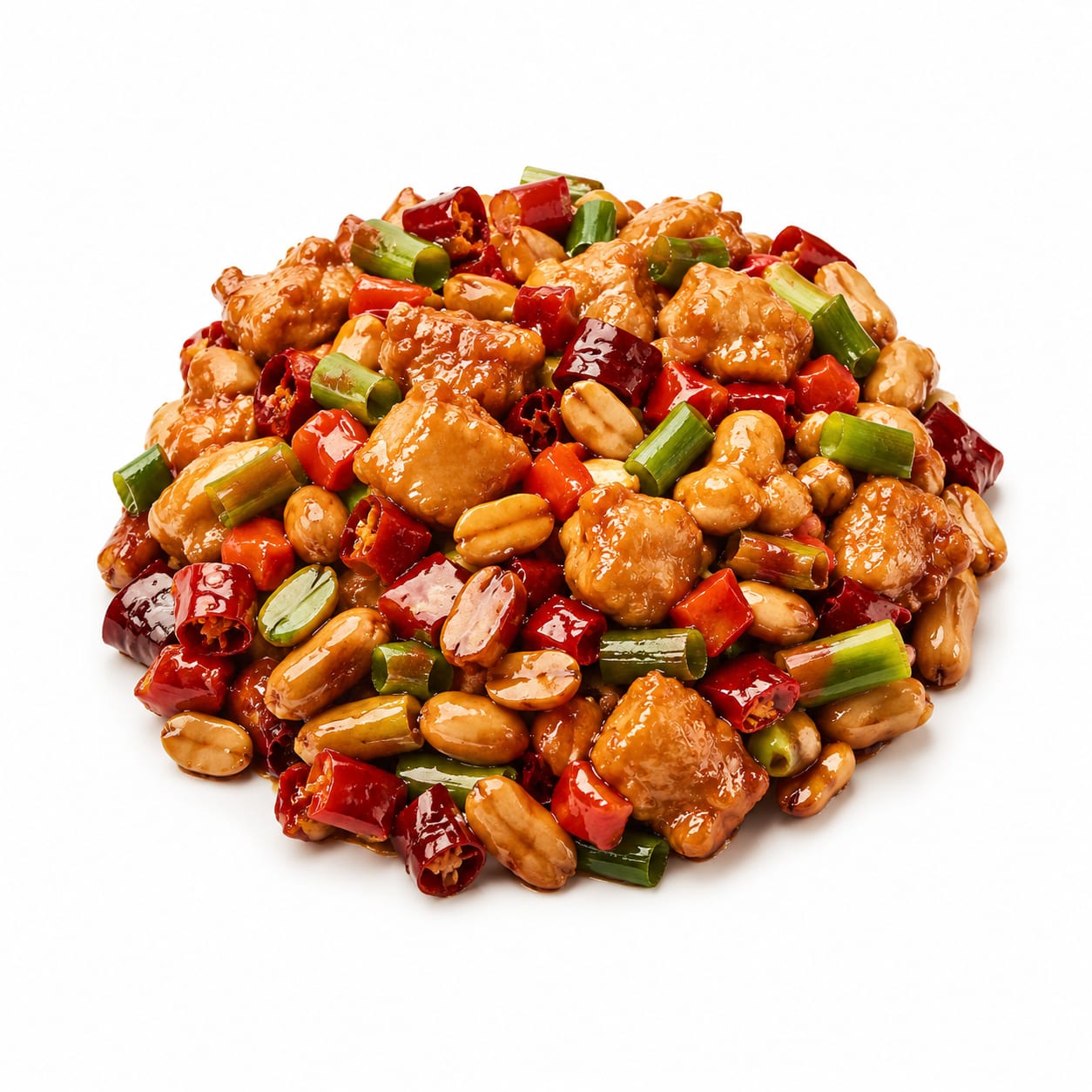
Kung Pao Chicken
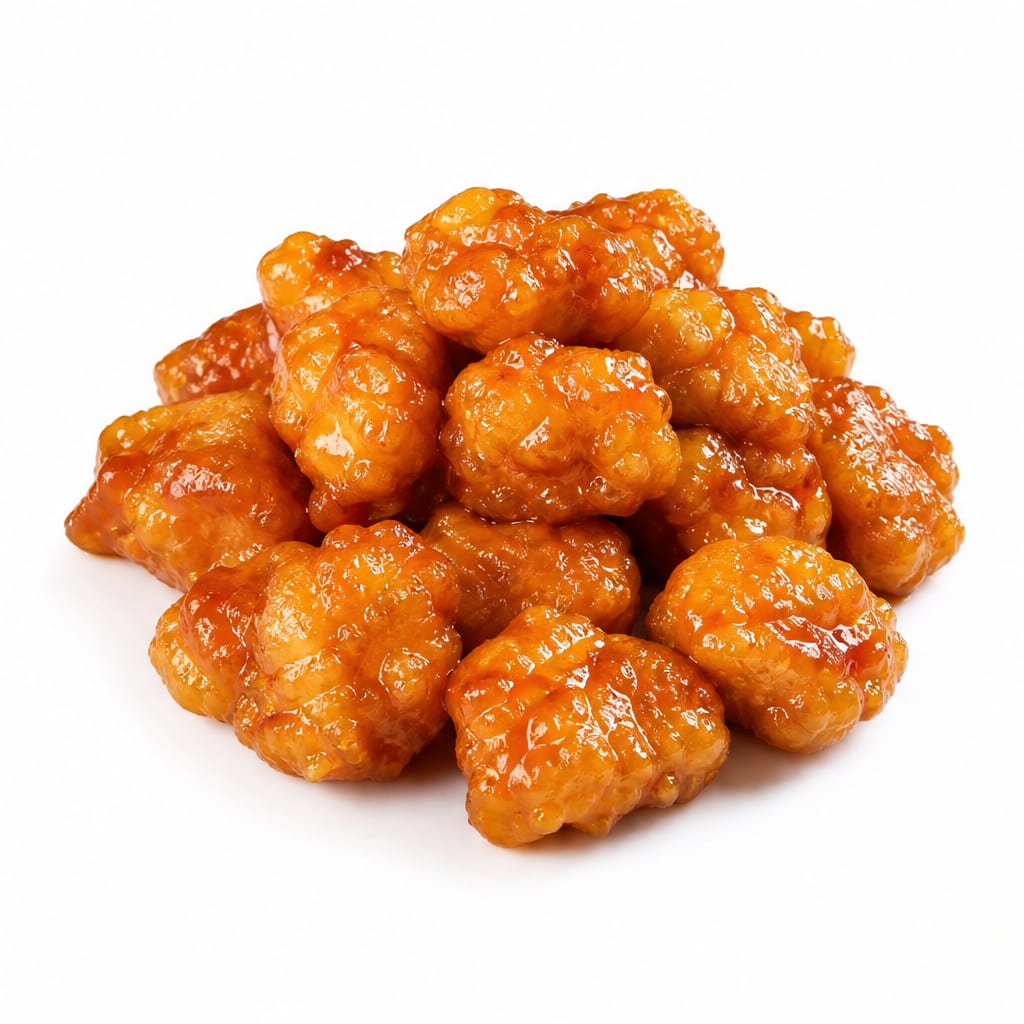
Orange Chicken
Kung Pao Chicken wins on nearly every nutritional metric — less sugar, fewer calories, more protein, and better satiety. Orange Chicken is essentially dessert disguised as dinner.
Kung Pao Chicken scores moderately well because it still carries takeout sodium and oil concerns, but it crushes Orange Chicken which loses heavily on sugar, calories, and blood sugar impact. Neither is a health food, but the gap between them is substantial.
You're trading flavor comfort for metabolic damage. Orange Chicken tastes crowd-pleasing and sweet but costs you blood sugar stability and hundreds of empty calories. Kung Pao Chicken delivers bold flavor with far less metabolic baggage.
At a glance
Executive summary
Overall
Kung Pao Chicken
Healthier
Kung Pao Chicken
More practical
Kung Pao Chicken
Daily use
Kung Pao Chicken
Key comparison lenses
sugar and carb load
Orange Chicken's sweet sauce delivers a massive sugar hit that dwarfs Kung Pao Chicken's savory-spicy profile
calorie density and weight management
Both are takeout staples but Orange Chicken's heavy breading and sugary coating dramatically increase calories per bite
blood sugar stability
The refined carbs and sugar in Orange Chicken create significant blood sugar spikes that Kung Pao Chicken largely avoids
protein quality and satiety
Kung Pao Chicken offers a better protein-to-calorie ratio with less breading interference
inflammatory potential
Deep-fried sugary Orange Chicken is more inflammatory than stir-fried Kung Pao with peanuts and chili
sodium concerns
Both dishes are sodium bombs typical of Chinese-American takeout, but users should understand the shared risk
Best choice for
Kung Pao Chicken
- Anyone watching their sugar intake
- People trying to lose weight without giving up takeout
- Those who prefer savory-spicy flavors over sweet
- Anyone concerned about blood sugar crashes
- People seeking higher protein relative to calories
Orange Chicken
- Kids who refuse spicy food
- People craving sweet comfort food specifically
- Those treating themselves occasionally and not watching metrics
- Anyone with peanut allergies who cannot eat Kung Pao
Least suitable for
Kung Pao Chicken
- People with peanut allergies
- Those sensitive to spicy food
- Anyone on a low-sodium diet
Orange Chicken
- Diabetics and pre-diabetics
- Anyone actively losing weight
- People monitoring blood sugar
- Those avoiding fried foods
- Anyone eating takeout frequently
Deep comparison
Dimension by dimension
Each lens scores both foods and breaks down who each option suits.
- Dimension 1 · Priority 95Kung Pao Chicken
Sugar and Refined Carb Load
Kung Pao Chicken · 55Orange Chicken · 15Orange Chicken's sweet glaze can pack 30-40g of sugar per serving. Kung Pao Chicken's sauce is savory with minimal sugar.
Tradeoff
You gain crowd-pleasing sweetness with Orange Chicken but sacrifice blood sugar stability and add hundreds of empty calories.
Why it matters
That much sugar in one meal triggers insulin spikes, energy crashes, and cravings within hours. It turns a dinner into a metabolic rollercoaster.
Real-world impact
After Orange Chicken, you'll likely feel sleepy within an hour and hungry again soon after. Kung Pao Chicken keeps energy steadier.
Kung Pao Chicken
- Steady energy after eating
- Avoiding sugar crashes
- Lower daily sugar intake
Better for
- Less appealing to people who dislike savory-spicy food
Worse for
Orange Chicken
- Satisfying a sweet tooth in one sitting
Better for
- Blood sugar rollercoaster
- Sugar-driven cravings later
- Hidden calories from sugar
Worse for
- Dimension 2 · Priority 90Kung Pao Chicken
Calorie Density
Kung Pao Chicken · 50Orange Chicken · 22Orange Chicken's heavy breading and sugar-laden sauce can hit 600-800 calories per serving. Kung Pao Chicken typically lands 400-550 calories.
Tradeoff
Orange Chicken delivers more calories per bite with less nutritional value. Kung Pao Chicken gives you more food volume and protein for fewer calories.
Why it matters
When eating takeout regularly, calorie density determines whether you maintain or gain weight without realizing it.
Real-world impact
A single Orange Chicken order can consume half your daily calorie budget with minimal fullness payoff. Kung Pao Chicken leaves room in your day.
Kung Pao Chicken
- Easier portion control
- More protein per calorie
- Better for weight management
Better for
- Still calorie-dense compared to home cooking
Worse for
Orange Chicken
- Higher calorie if you're deliberately bulking
Better for
- Easy to overeat without feeling full
- Calories add up fast before satisfaction kicks in
Worse for
- Dimension 3 · Priority 88Kung Pao Chicken
Blood Sugar Stability
Kung Pao Chicken · 52Orange Chicken · 18Orange Chicken's combination of refined breading and sugary sauce creates a rapid blood sugar spike. Kung Pao Chicken's protein and fat slow absorption significantly.
Tradeoff
Orange Chicken delivers quick energy that disappears fast. Kung Pao Chicken provides slower-burning fuel that lasts longer.
Why it matters
Blood sugar crashes after meals drive fatigue, irritability, and cravings that sabotage your eating goals for the rest of the day.
Real-world impact
Orange Chicken at lunch means a 3pm energy crash and vending machine temptation. Kung Pao Chicken gets you through the afternoon.
Kung Pao Chicken
- Sustained afternoon energy
- Fewer cravings between meals
- Better diabetic compatibility
Better for
- Still not ideal for strict low-carb diets
Worse for
Orange Chicken
- Quick energy if you just finished intense exercise
Better for
- Near-guaranteed energy crash
- Triggers hunger soon after eating
- Problematic for insulin resistance
Worse for
- Dimension 4 · Priority 82Kung Pao Chicken
Protein Quality and Satiety
Kung Pao Chicken · 65Orange Chicken · 35Kung Pao Chicken has more actual chicken per bite and peanut protein. Orange Chicken's breading dilutes protein density significantly.
Tradeoff
Kung Pao Chicken fills you up more with less food. Orange Chicken requires larger portions to feel satisfied, driving more calorie intake.
Why it matters
Protein is the most satiating macronutrient. When takeout protein is diluted by breading and sugar, you eat more to feel full.
Real-world impact
After Kung Pao Chicken, you're likely satisfied for 4-5 hours. Orange Chicken might leave you snacking within 2-3 hours.
Kung Pao Chicken
- Longer-lasting fullness
- Better protein-to-calorie ratio
- Peanuts add satiating healthy fats
Better for
- Peanut allergy excludes many people
Worse for
Orange Chicken
- Softer texture easier for some to eat
Better for
- Breading displaces real protein
- Less satisfying per calorie
Worse for
- Dimension 5 · Priority 78Kung Pao Chicken
Inflammatory Potential
Kung Pao Chicken · 48Orange Chicken · 25Orange Chicken combines deep-frying, refined carbs, and high sugar — a triple threat for inflammation. Kung Pao Chicken's peanuts and chili peppers offer anti-inflammatory compounds.
Tradeoff
Orange Chicken's frying and sugar promote systemic inflammation. Kung Pao Chicken's capsaicin and peanut antioxidants actually fight inflammation modestly.
Why it matters
Chronic inflammation from frequent high-sugar fried meals accelerates aging, joint pain, and disease risk silently over years.
Real-world impact
Regular Orange Chicken eaters may notice more bloating and sluggishness. Kung Pao Chicken is less likely to trigger inflammatory discomfort.
Kung Pao Chicken
- Capsaicin from chilies reduces inflammation
- Peanuts provide anti-inflammatory fats
- Less refined carb exposure
Better for
- Still contains inflammatory vegetable oils from stir-frying
Worse for
Orange Chicken
- None significant for inflammation
Better for
- Deep-fried breading is highly inflammatory
- Sugar directly drives inflammation
- Combo of fry + sugar is worse than either alone
Worse for
- Dimension 6 · Priority 72It depends
Sodium Load
Kung Pao Chicken · 30Orange Chicken · 32Both dishes are sodium landmines typical of Chinese-American takeout. Orange Chicken edges slightly higher due to its sauce base, but the difference is marginal.
Tradeoff
Neither dish wins on sodium. If blood pressure is a concern, both require modification or portion control.
Why it matters
A single takeout portion of either dish can deliver 1500-2500mg sodium — your entire daily allowance in one meal.
Real-world impact
After either dish, you may notice thirst, bloating, and water retention. This is the shared weakness of all Chinese-American takeout.
Kung Pao Chicken
- Slightly less sodium in some preparations
Better for
- Soy sauce and salt in stir-fry still load sodium
- Peanuts may add additional salt
Worse for
Orange Chicken
- Sauce can be served on the side to reduce intake
Better for
- Sweet sauce hides significant sodium
- Breading contains added salt
Worse for
- Dimension 7 · Priority 65Kung Pao Chicken
Micronutrient Value
Kung Pao Chicken · 48Orange Chicken · 28Kung Pao Chicken typically includes more vegetables like bell peppers and zucchini. Peanuts add vitamin E, magnesium, and niacin. Orange Chicken's nutritional value is mostly empty calories.
Tradeoff
Kung Pao Chicken delivers actual vitamins and minerals alongside its calories. Orange Chicken provides calories with minimal micronutrient payoff.
Why it matters
When eating takeout regularly, micronutrient density determines whether you're nourished or just fed.
Real-world impact
Kung Pao Chicken at least contributes some vitamin C from peppers and minerals from peanuts. Orange Chicken is nutritionally hollow.
Kung Pao Chicken
- Bell peppers add vitamin C
- Peanuts contribute magnesium and vitamin E
- More vegetable variety typically included
Better for
- Vegetable content still modest compared to home cooking
Worse for
Orange Chicken
- Orange zest may provide trace vitamin C
Better for
- Breading and sugar displace nutrient-dense ingredients
- Minimal vegetable content
- Essentially empty calories
Worse for
Timeline
Health impact over time
Short-term
Hours to days
Kung Pao Chicken
- Steadier energy for 3-5 hours after eating
- Mild thermogenic effect from capsaicin
- Possible heartburn if sensitive to spicy food
- Thirst from high sodium
- Moderate fullness without heaviness
Orange Chicken
- Rapid energy spike within 30 minutes
- Energy crash 1-2 hours after eating
- Strong cravings for more sweet or carb-heavy food
- Noticeable bloating from breading and sugar
- Thirst from high sodium and sugar
Long-term
Months to years
Kung Pao Chicken
- Moderate sodium exposure if eaten frequently
- Capsaicin may support metabolism modestly
- Peanut consumption linked to heart health benefits
- Less metabolic damage than sweet-fried alternatives
- Still contributes to sodium-related blood pressure risk if overconsumed
Orange Chicken
- Frequent consumption promotes insulin resistance
- High sugar intake drives fatty liver risk
- Deep-fried foods increase cardiovascular risk markers
- Chronic inflammation from regular sugar-fried food combo
- Weight gain likely if eaten more than occasionally
Risk profile
Safety & processing
Kung Pao Chicken is a processed takeout dish but closer to real food — stir-fried chicken with vegetables, peanuts, and spices. Orange Chicken is ultra-processed with factory breading, sugar-heavy sauce concentrates, and artificial flavorings that barely resemble whole ingredients.
Kung Pao Chicken
Peanut cross-contamination
highSevere allergy risk for anyone with peanut sensitivity. Restaurant kitchens may not isolate peanut ingredients adequately.
Sodium-related blood pressure spikes
mediumA single serving can exceed daily sodium recommendations, risky for hypertensive individuals.
MSG sensitivity
lowSome restaurants add MSG which may cause headaches or flushing in sensitive individuals, though evidence for harm is weak.
Orange Chicken
Acrylamide from deep-frying
mediumDeep-fried breading at high temperatures creates acrylamide, a probable carcinogen that accumulates with frequent consumption.
Blood sugar danger for diabetics
highThe sugar and refined carb combo can cause dangerous glucose spikes in insulin-resistant or diabetic individuals.
Artificial colorings and flavorings
lowSome Orange Chicken sauces use artificial orange color and flavor enhancers that may affect sensitive individuals.
Who wins for whom
Audience fit
Same foods, different winners depending on your goal.
children
Orange ChickenKids generally prefer sweet non-spicy flavors. Orange Chicken is more child-friendly, though it should still be an occasional treat.
daily consumption
Kung Pao ChickenNeither should be eaten daily, but Kung Pao Chicken causes less metabolic damage if you're choosing takeout regularly.
diabetes
Kung Pao ChickenSignificantly less sugar and refined carbs means smaller blood sugar spikes. Still not ideal, but far less dangerous than Orange Chicken.
elderly
Kung Pao ChickenOlder adults need protein density and blood sugar stability more than sweet comfort. Kung Pao Chicken supports both, if sodium is managed.
muscle gain
Kung Pao ChickenHigher protein density and less breading means more usable protein for muscle repair. Peanuts add bonus amino acids.
weight loss
Kung Pao ChickenKung Pao Chicken provides more protein and satiety per calorie, making it easier to stay within calorie targets without feeling deprived.
Your move
Decision guide
Choose Kung Pao Chicken
- You want takeout without the sugar crash
- Blood sugar management matters to you
- You're tracking calories or macros
- You enjoy spicy food and savory flavors
- You want more protein and less breading
- You have no peanut allergy
Choose Orange Chicken
- You're treating yourself and nothing else matters today
- You're sharing with kids who won't eat spicy food
- You have a peanut allergy
- You just finished an intense workout and need quick carbs
- Sweet comfort food is the entire point of the order
Either works if
- You're eating takeout less than once a month
- Sodium is your primary concern since both are high
- You plan to eat half portions and load up on steamed vegetables
Avoid both if
- You have severe hypertension and must limit sodium strictly
- You're following a low-fat diet since both are oil-heavy
- You need clean whole foods for an elimination diet
- You're sensitive to MSG or Chinese restaurant syndrome triggers
Final recommendation
Choose Kung Pao Chicken most of the time. It delivers real protein, healthy fats from peanuts, and steady energy without the sugar catastrophe. Save Orange Chicken for rare occasions when you're deliberately indulging — and pair it with steamed broccoli to blunt the blood sugar impact.
Practical
Consumer tips
- 1
Ask for sauce on the side with either dish to cut sugar and sodium by 30-40%
- 2
Order Kung Pao Chicken with extra vegetables to increase volume and micronutrients without many extra calories
- 3
Split any takeout portion in half — restaurant servings are typically 2-3 servings
- 4
Pair either dish with steamed vegetables instead of rice to reduce the carb load significantly
- 5
Drink plenty of water after either meal to help flush excess sodium
- 6
If ordering Orange Chicken, consider asking for light sauce to reduce sugar by roughly half
- 7
Check if your restaurant offers brown rice — it blunts blood sugar impact better than white rice
- 8
Reheating Orange Chicken the next day? The breading absorbs more sauce, increasing sugar and calorie density further