
Nutrition comparison
Kung Pao Chicken vs Beef and Broccoli: Which Chinese Takeout Dish Is Healthier?
Compare Kung Pao Chicken vs Beef and Broccoli on calories, sodium, protein, fiber, and digestion. Find out which Chinese takeout option is better for weight loss, heart health, and daily eating.
Overall winner · Beef and Broccoli
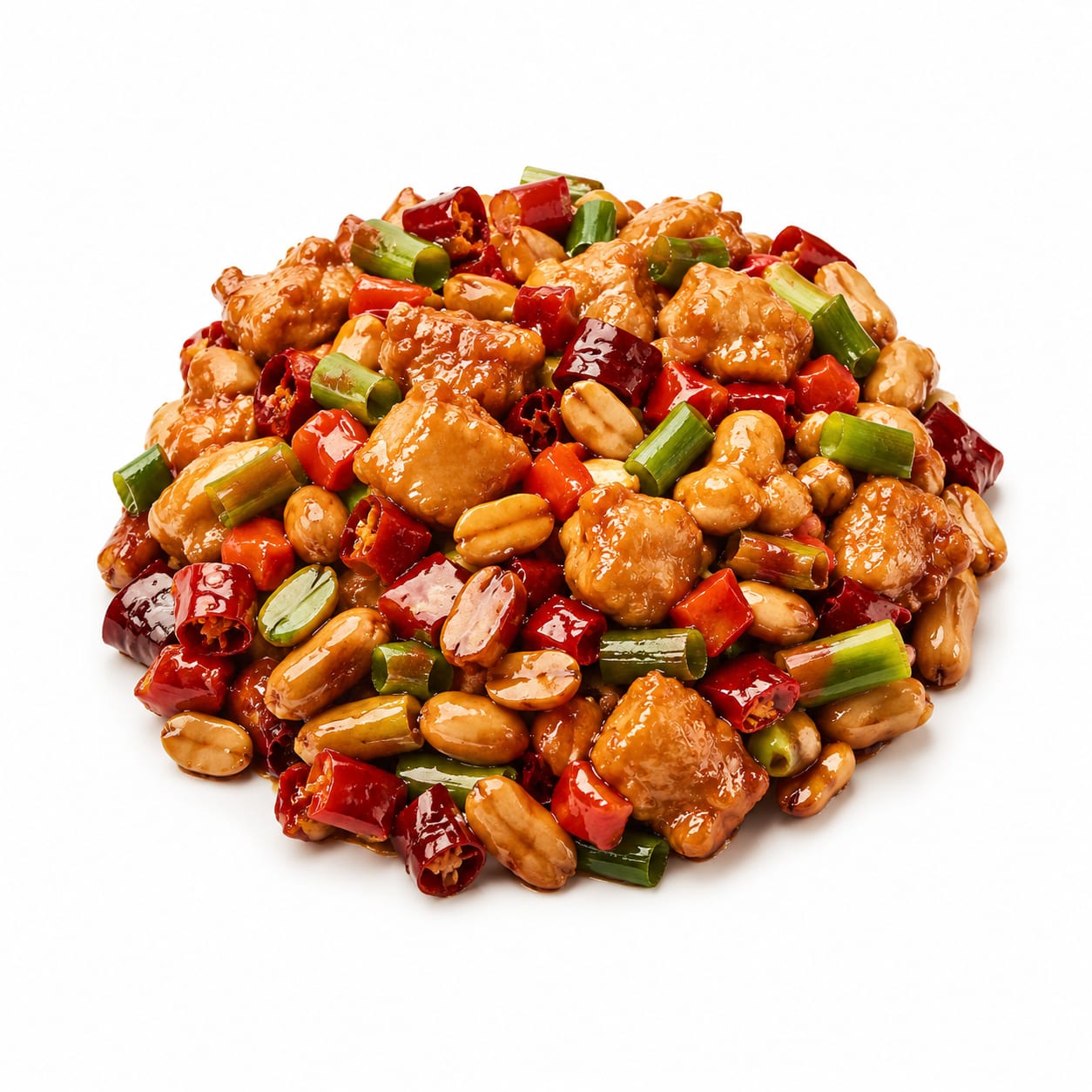
Kung Pao Chicken
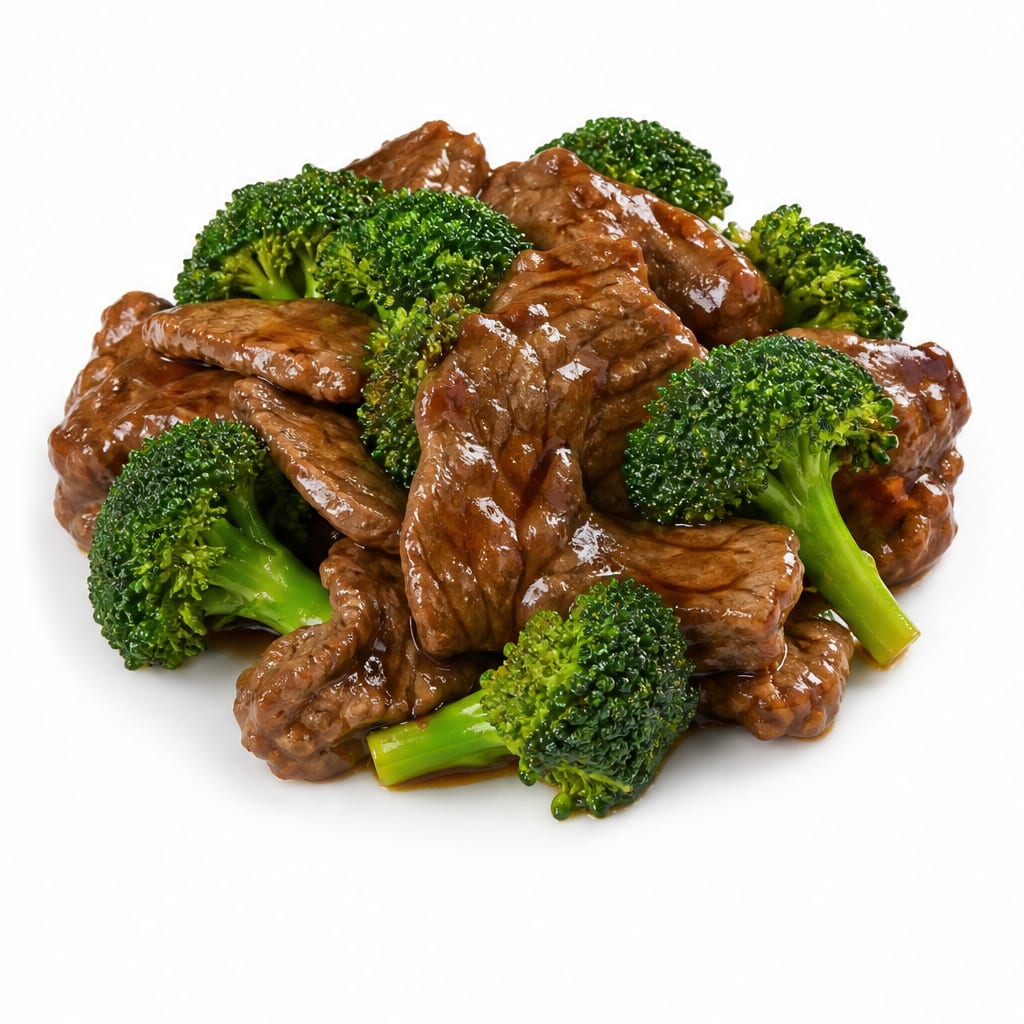
Beef and Broccoli
Beef and Broccoli edges ahead thanks to more fiber, more vegetables, and a milder sodium hit, though both are heavy takeout choices.
Beef and Broccoli scores moderately higher due to superior fiber, vegetable content, and micronutrient density. Kung Pao Chicken remains competitive with leaner protein and healthy peanut fats but loses ground on calorie density, sugar content, and spice-related digestive concerns. Neither dish excels on sodium, which suppresses both scores.
Kung Pao Chicken offers leaner protein and healthy peanut fats but comes with more calories, sugar, and spice. Beef and Broccoli delivers better micronutrients and fiber from broccoli but carries more saturated fat from beef.
At a glance
Executive summary
Overall
Beef and Broccoli
Healthier
Beef and Broccoli
More practical
It depends
Daily use
Beef and Broccoli
Key comparison lenses
protein source quality
Chicken versus beef represents a core dietary decision affecting saturated fat, iron intake, and long-term heart health
sodium and sauce load
Both dishes are Chinese takeout staples drenched in sodium-heavy sauces, making salt exposure the dominant health concern
vegetable and fiber content
Broccoli delivers significant fiber and micronutrients that Kung Pao Chicken largely lacks
calorie density and weight management
Peanuts and oil-heavy sauce make Kung Pao Chicken more calorie-dense per bite
digestive tolerance and spice
Kung Pao's chili heat triggers different digestive responses compared to the milder Beef and Broccoli
inflammatory profile
Saturated fat from beef versus capsaicin and peanut fat from Kung Pao create different inflammation pathways
Best choice for
Kung Pao Chicken
- People wanting leaner protein with less saturated fat
- Those who enjoy spicy food and want a metabolism nudge
- Anyone seeking healthy monounsaturated fats from peanuts
- People who find spicy food more satisfying and naturally portion-limiting
Beef and Broccoli
- People prioritizing fiber and vegetable intake
- Anyone watching overall calorie density
- Those needing more iron, zinc, and B12
- People with sensitive stomachs who avoid spicy food
- Anyone wanting steadier blood sugar from more fiber
Least suitable for
Kung Pao Chicken
- People with peanut allergies
- Anyone on a low-sodium diet
- People with acid reflux or GERD triggered by spice
- Those closely tracking calorie intake
Beef and Broccoli
- People managing high cholesterol who limit saturated fat
- Anyone avoiding red meat for health or ethical reasons
- People on low-iron diets due to hemochromatosis
- Those who find beef heavy or difficult to digest
Deep comparison
Dimension by dimension
Each lens scores both foods and breaks down who each option suits.
- Dimension 1 · Priority 90It depends
protein_quality-and-satiety
Kung Pao Chicken · 72Beef and Broccoli · 75Beef provides slightly more protein per serving with higher iron and B12, while chicken offers leaner protein with less saturated fat.
Tradeoff
Beef wins on total protein and micronutrients like iron and zinc. Chicken wins on leanness and heart-healthier fat profile.
Why it matters
Protein source choice affects long-term cardiovascular risk, energy levels, and how full you feel after eating.
Real-world impact
Beef and Broccoli keeps you full longer with denser protein. Kung Pao Chicken feels lighter but may leave you hungry sooner.
Kung Pao Chicken
- Heart-conscious eaters avoiding saturated fat
- People who prefer lighter post-meal energy
Better for
- Those needing high iron intake
- People wanting maximum fullness from one plate
Worse for
Beef and Broccoli
- Anyone needing iron boost, especially women
- People prioritizing maximum satiety per meal
Better for
- People managing LDL cholesterol
- Anyone avoiding red meat
Worse for
- Dimension 2 · Priority 88Beef and Broccoli
fiber-and-vegetable-content
Kung Pao Chicken · 35Beef and Broccoli · 72Broccoli is a nutritional powerhouse that dominates this category. Kung Pao Chicken contains minimal vegetables, relying mostly on chicken, peanuts, and sauce.
Tradeoff
Beef and Broccoli gives you meaningful fiber, vitamin K, folate, and sulforaphane. Kung Pao Chicken sacrifices vegetables for protein and crunch.
Why it matters
Fiber stabilizes blood sugar, feeds gut bacteria, and keeps you regular. Most takeout meals are fiber disasters.
Real-world impact
After Beef and Broccoli, you get steadier energy and better digestion. After Kung Pao Chicken, you may feel heavier and less satisfied an hour later.
Kung Pao Chicken
- Those who get fiber from other daily sources and prioritize protein
Better for
- Anyone relying on this meal for vegetable intake
- People with sluggish digestion
Worse for
Beef and Broccoli
- Anyone struggling to hit daily fiber targets
- People wanting gut health benefits from cruciferous vegetables
- Those needing steadier blood sugar after meals
Better for
- Those who find broccoli causes gas or bloating
Worse for
- Dimension 3 · Priority 86Beef and Broccoli
sodium-exposure
Kung Pao Chicken · 30Beef and Broccoli · 38Both dishes are sodium bombs from soy sauce and seasoning, but Kung Pao Chicken typically packs more due to its complex sauce with additional soy paste, vinegar, and seasoning blends.
Tradeoff
Neither dish wins here. Beef and Broccoli is slightly less offensive, but both easily exceed 1000mg sodium per serving.
Why it matters
High sodium causes bloating, raises blood pressure, and triggers thirst that people often mistake for hunger.
Real-world impact
After either dish, expect bloating and water retention. Kung Pao Chicken may leave you reaching for water more urgently.
Kung Pao Chicken
- Anyone with hypertension
- People prone to bloating and water retention
Worse for
Beef and Broccoli
- People slightly more sensitive to sodium who want the milder option
Better for
- Same sodium concerns, just slightly less severe
Worse for
- Dimension 4 · Priority 82Beef and Broccoli
calorie-density
Kung Pao Chicken · 42Beef and Broccoli · 58Kung Pao Chicken is more calorie-dense due to peanuts, more oil in the stir-fry, and a sweeter sauce. Beef and Broccoli is not light, but portions tend to be easier to manage.
Tradeoff
Peanuts add healthy fats and crunch but significantly increase calories per bite. Beef and Broccoli delivers more volume from broccoli for fewer calories.
Why it matters
Calorie density determines how easily you overeat. Dense foods bypass fullness signals before you realize you have consumed too much.
Real-world impact
A regular Kung Pao Chicken order can easily hit 800-1000 calories before rice. Beef and Broccoli tends to land closer to 600-800.
Kung Pao Chicken
- Active people who need calorie-dense meals
- Those who find healthy fats from peanuts satisfying
Better for
- People tracking calories closely
- Anyone prone to overeating calorie-dense foods
Worse for
Beef and Broccoli
- Anyone managing weight
- People who prefer larger food volume for fewer calories
Better for
- Those who need higher calorie meals for energy
Worse for
- Dimension 5 · Priority 80Beef and Broccoli
micronutrient-density
Kung Pao Chicken · 48Beef and Broccoli · 70Broccoli delivers vitamin C, vitamin K, folate, and cancer-fighting sulforaphane. Beef adds iron, zinc, and B12. Kung Pao Chicken offers some niacin and selenium from chicken plus vitamin E from peanuts, but the overall profile is narrower.
Tradeoff
Beef and Broccoli covers more micronutrient ground. Kung Pao Chicken has decent nutrients but lacks the vegetable-driven diversity.
Why it matters
Micronutrient diversity supports immune function, energy production, and long-term disease prevention beyond what macros alone provide.
Real-world impact
Beef and Broccoli functions more like a complete meal nutritionally. Kung Pao Chicken feels more like protein with sauce.
Kung Pao Chicken
- Those who already eat varied vegetables throughout the day
Better for
- Anyone eating limited vegetables overall
Worse for
Beef and Broccoli
- Anyone relying on this meal as a primary nutrient source
- Women needing iron and folate
- People wanting immune support from vitamin C
Better for
- Dimension 6 · Priority 75Beef and Broccoli
digestive-tolerance
Kung Pao Chicken · 40Beef and Broccoli · 62Kung Pao Chicken's chili peppers and Sichuan peppercorns irritate the digestive tract. Beef and Broccoli is gentler, though beef can feel heavy for some.
Tradeoff
Spice adds flavor and a mild metabolism boost but triggers heartburn, reflux, and stomach discomfort in sensitive people. Beef and Broccoli is the safer bet for digestive peace.
Why it matters
Chronic digestive irritation from spicy food disrupts sleep, causes discomfort, and may damage the esophageal lining over time.
Real-world impact
Kung Pao Chicken at dinner often means heartburn at bedtime. Beef and Broccoli sits more comfortably for most people.
Kung Pao Chicken
- People with iron stomachs who tolerate spice well
- Those who find spicy food aids their digestion
Better for
- Anyone prone to heartburn
- People with IBS or sensitive digestion
Worse for
Beef and Broccoli
- Anyone with GERD, acid reflux, or sensitive stomach
- People eating late who want to sleep comfortably
- Those with IBS triggered by spicy food
Better for
- Those who find red meat slow to digest
Worse for
- Dimension 7 · Priority 72It depends
inflammatory-profile
Kung Pao Chicken · 55Beef and Broccoli · 50Kung Pao Chicken has less saturated fat but more sugar and refined carbs in the sauce. Beef and Broccoli has more saturated fat from beef but less sugar. Both have inflammatory elements from high-heat cooking and sodium.
Tradeoff
Chicken with peanuts is less inflammatory from fat but more inflammatory from sugar. Beef is more inflammatory from saturated fat but the broccoli partially offsets with anti-inflammatory compounds.
Why it matters
Chronic low-grade inflammation drives joint pain, fatigue, and disease risk. Meal choices compound over time.
Real-world impact
Neither dish is anti-inflammatory. Beef and Broccoli gets a partial offset from broccoli's sulforaphane. Kung Pao Chicken's sugar and refined sauce work against its leaner protein.
Kung Pao Chicken
- People more concerned about saturated fat than sugar
- Those who avoid red meat for inflammation reasons
Better for
- People sensitive to sugar-driven inflammation
- Those with joint pain aggravated by refined carbs
Worse for
Beef and Broccoli
- People more concerned about sugar than saturated fat
- Those who benefit from broccoli's anti-inflammatory compounds
Better for
- People with cholesterol-driven inflammation concerns
Worse for
Timeline
Health impact over time
Short-term
Hours to days
Kung Pao Chicken
- Bloating and thirst from high sodium within hours
- Possible heartburn or acid reflux from chili peppers
- Quick energy from carbs and sugar followed by a mild crash
- Warmth and slight metabolism boost from capsaicin
Beef and Broccoli
- Moderate bloating from sodium but less severe
- Steadier energy from fiber and protein balance
- Possible heaviness or sluggishness from beef fat
- Better digestive regularity from broccoli fiber
Long-term
Months to years
Kung Pao Chicken
- Regular consumption increases cardiovascular risk from sodium and sugar
- Peanut consumption supports heart health if portions are controlled
- Chronic spice exposure may irritate the GI tract with repeated intake
- Higher calorie density contributes to gradual weight gain if frequent
Beef and Broccoli
- Broccoli's sulforaphane and fiber support cancer prevention and gut health
- Regular red meat intake may elevate LDL cholesterol and heart disease risk
- Iron and B12 support energy and prevent anemia
- Sodium load remains a long-term blood pressure concern
Risk profile
Safety & processing
Both dishes are restaurant-prepared stir-fries with sauces containing soy sauce, cornstarch, sugar, and flavor enhancers. Kung Pao Chicken often includes more additives like chili oil, MSG, and thickening agents. Beef and Broccoli tends to have a simpler sauce but may include oyster sauce with added preservatives. Neither is a whole food, but both use recognizable core ingredients.
Kung Pao Chicken
Peanut cross-contamination and allergen exposure
highKung Pao Chicken contains peanuts and is prepared in kitchens with extensive peanut exposure, making it dangerous for those with peanut allergies.
Sodium-related health effects
mediumA single serving can contain 1500-2500mg sodium, which is near or above the daily recommended limit for many adults.
MSG sensitivity
lowSome restaurants add MSG which can cause headaches or flushing in sensitive individuals, though evidence for widespread harm is weak.
Beef and Broccoli
Red meat and processed meat health concerns
mediumRegular red meat consumption is associated with increased cardiovascular risk and possible colorectal cancer risk, though occasional intake is low risk.
Sodium-related health effects
mediumSimilar sodium load to Kung Pao Chicken from soy sauce and oyster sauce, typically 1200-2000mg per serving.
Oyster sauce additives
lowCommercial oyster sauce often contains caramel color, MSG, and preservatives. Minor concern for most people but worth noting for sensitive individuals.
Who wins for whom
Audience fit
Same foods, different winners depending on your goal.
children
Beef and BroccoliMilder flavor and familiar broccoli make it more kid-friendly. Kung Pao Chicken's spice level and peanut choking hazard make it less suitable for young children.
daily consumption
Beef and BroccoliNeither should be eaten daily due to sodium, but Beef and Broccoli's vegetable content and milder spice make it slightly more sustainable as an occasional regular choice.
diabetes
Beef and BroccoliBroccoli fiber slows sugar absorption, and the sauce tends to be less sweet. Kung Pao Chicken's sugar-heavy sauce causes sharper blood sugar spikes.
elderly
Beef and BroccoliGentler on digestion, more fiber for regularity, and iron for anemia prevention. Kung Pao Chicken's spice and sodium are harder on aging digestive and cardiovascular systems.
muscle gain
It dependsBeef and Broccoli provides slightly more total protein and iron for recovery. Kung Pao Chicken offers leaner protein with less saturated fat. Both work depending on whether you prioritize total protein or leaner sources.
weight loss
Beef and BroccoliLower calorie density and more fiber from broccoli help with portion control and satiety. Kung Pao Chicken's peanuts and thicker sauce add hidden calories.
Your move
Decision guide
Choose Kung Pao Chicken
- You want leaner protein with less saturated fat
- Spicy food satisfies you and naturally limits overeating
- You have no peanut allergies or digestive sensitivity to heat
- You are active and can afford the extra calories from peanuts
- You are craving bold, complex flavors and nothing else will hit the spot
Choose Beef and Broccoli
- You want more fiber and vegetable nutrition in your meal
- You are watching calories or trying to lose weight
- You have acid reflux, GERD, or a sensitive stomach
- You need more iron, zinc, or B12 in your diet
- You are eating late and want something that will not disrupt sleep
- You want steadier energy without the sugar crash
Either works if
- You are ordering takeout and both fit your calorie budget
- You have no specific health conditions that favor one over the other
- You plan to balance the meal with a large side of steamed vegetables
- You are eating socially and enjoyment matters more than optimization
Avoid both if
- You are on a strict low-sodium diet for blood pressure or kidney disease
- You are trying to eliminate processed restaurant foods entirely
- You have severe MSG sensitivity
- You need anti-inflammatory meals and both options are too sodium-heavy
Final recommendation
Beef and Broccoli is the better default choice for most people most of the time. The fiber, micronutrients, and gentler digestion give it a meaningful edge. That said, Kung Pao Chicken is perfectly reasonable when you want leaner protein, enjoy the spice, and can handle the extra calories. For either dish, ask for sauce on the side and steamed vegetables to dramatically improve the nutritional profile.
Practical
Consumer tips
- 1
Ask for sauce on the side to cut sodium by 30-50% and control flavor intensity
- 2
Order steamed broccoli as a side to boost Kung Pao Chicken's weak vegetable content
- 3
Request brown rice instead of white rice to add fiber and slow sugar absorption
- 4
Split one order into two meals to manage calories and sodium in a single sitting
- 5
Drink extra water after either dish to help flush sodium and reduce bloating
- 6
Avoid adding extra soy sauce at the table since both dishes are already sodium-saturated
- 7
If ordering Kung Pao Chicken, ask for light spice if you have any digestive sensitivity
- 8
Choose leaner beef cuts like flank steak for Beef and Broccoli to reduce saturated fat