
Nutrition comparison
Kung Pao Chicken vs Sweet and Sour Chicken: Which Is Healthier?
Compare Kung Pao Chicken and Sweet and Sour Chicken on calories, sugar, sodium, and health impact. Learn which Chinese takeout option is better for weight loss, diabetes, and daily eating.
Overall winner · Kung Pao Chicken
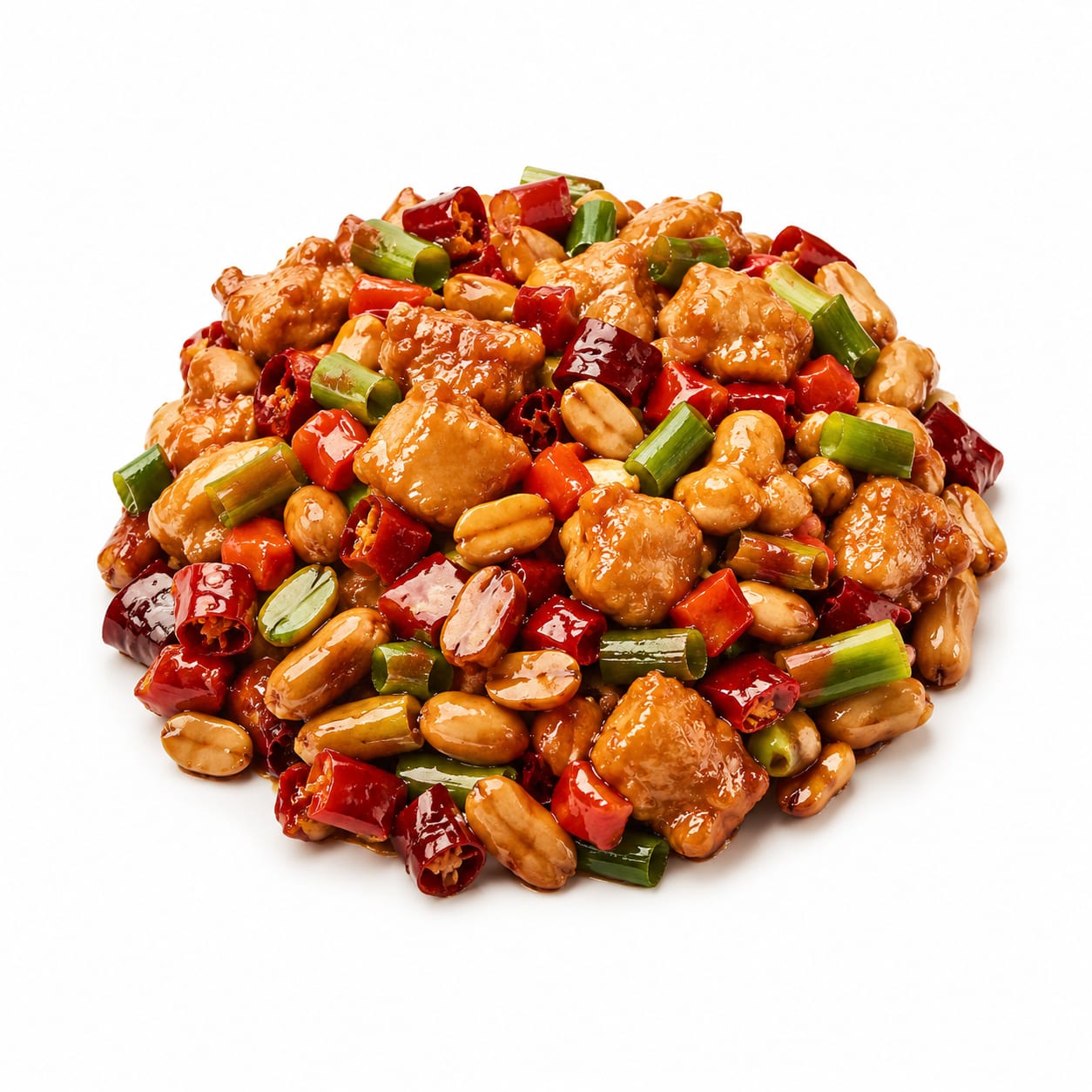
Kung Pao Chicken
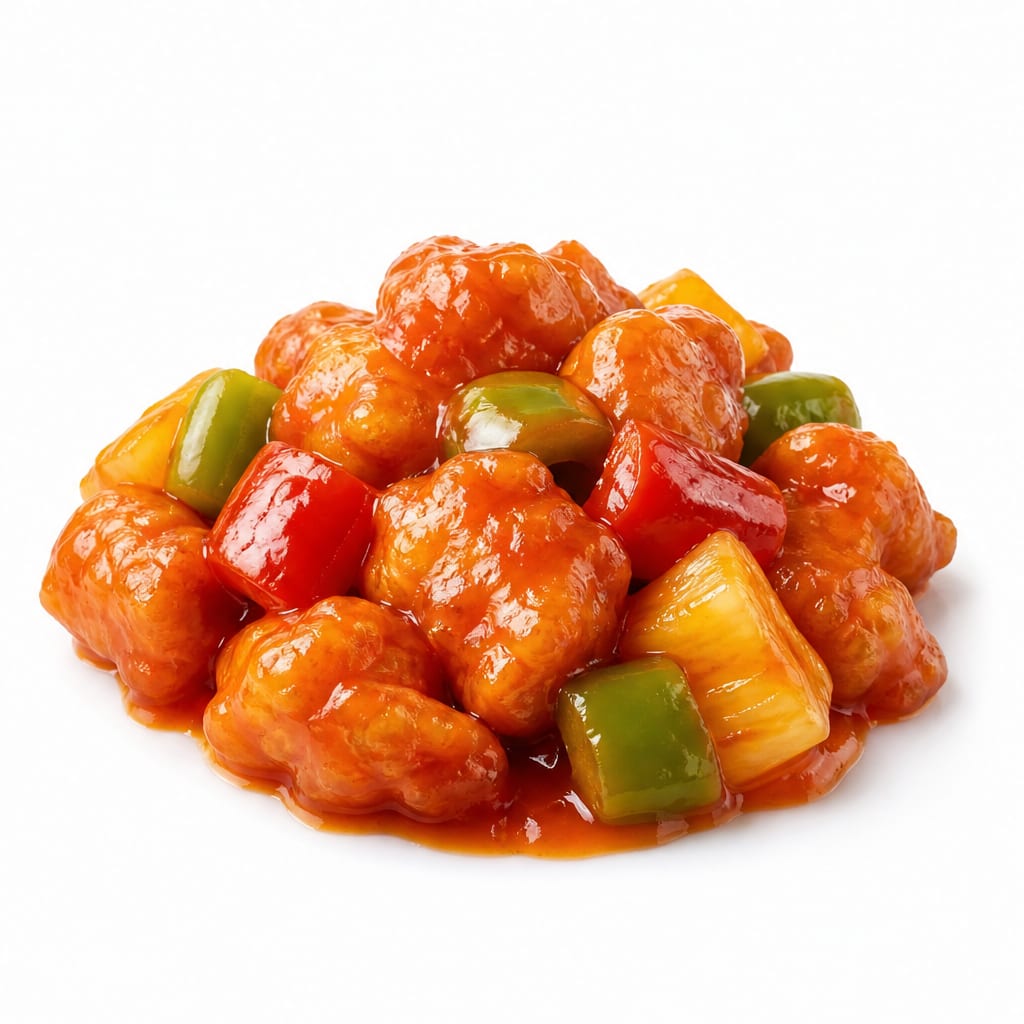
Sweet and Sour Chicken
Kung Pao Chicken wins on nutrition thanks to stir-frying and far less sugar, but Sweet and Sour Chicken is safer for nut allergies and more kid-friendly.
Kung Pao Chicken scores notably higher because stir-frying avoids the massive calorie penalty of deep-frying, and its sauce contains far less sugar. Sweet and Sour Chicken's batter-fried preparation and sugary sauce drag its score down significantly. Neither is a health food, but the gap is meaningful.
You trade lower calories and steadier blood sugar with Kung Pao Chicken against the peanut allergy risk and intense spice; Sweet and Sour Chicken is gentler but packs a heavy fried-and-sugared punch.
At a glance
Executive summary
Overall
Kung Pao Chicken
Healthier
Kung Pao Chicken
More practical
It depends
Daily use
Kung Pao Chicken
Key comparison lenses
Calorie and fat comparison from cooking method differences
Sweet and Sour Chicken is typically deep-fried before saucing, while Kung Pao Chicken is stir-fried, creating a massive calorie gap
Sugar content and blood sugar impact
Sweet and Sour sauce is loaded with sugar, making it a concern for diabetes and energy crashes
Sodium load from Chinese restaurant preparation
Both dishes are high-sodium restaurant fare, but Kung Pao leans heavier on soy sauce and salted condiments
Protein-to-calorie ratio for satiety
Users choosing between these often want a satisfying meal without excessive calories
Allergen and sensitivity concerns
Kung Pao contains peanuts and tree nuts, which are serious allergens absent from Sweet and Sour Chicken
Best choice for
Kung Pao Chicken
- People watching calories or body composition
- Those who prefer savory-spicy flavors over sweet
- Anyone avoiding sugar spikes
- Diners seeking more protein per bite
Sweet and Sour Chicken
- Households with peanut or tree nut allergies
- Children or adults who dislike spicy food
- People wanting a milder, sweeter flavor profile
- Occasional indulgence diners
Least suitable for
Kung Pao Chicken
- Anyone with peanut or tree nut allergies
- People on low-sodium diets
- Those sensitive to spicy food or GERD
- Very young children
Sweet and Sour Chicken
- People managing diabetes or insulin resistance
- Anyone tracking calories closely
- Those avoiding deep-fried foods
- People concerned with metabolic health
Deep comparison
Dimension by dimension
Each lens scores both foods and breaks down who each option suits.
- Dimension 1 · Priority 95Kung Pao Chicken
Calorie Density and Weight Management
Kung Pao Chicken · 60Sweet and Sour Chicken · 30Kung Pao Chicken typically runs 250-350 calories per cup, while Sweet and Sour Chicken can hit 400-550 calories for the same portion due to batter-frying.
Tradeoff
You save 150-200 calories per serving with Kung Pao Chicken, but the peanut content adds concentrated calories if you eat large portions.
Why it matters
That calorie gap compounds fast. Eating Sweet and Sour Chicken twice a week instead of Kung Pao could mean an extra pound of weight gain per month.
Real-world impact
After Sweet and Sour Chicken you may feel heavy and sluggish; Kung Pao Chicken leaves you satisfied without the fried-food coma.
Kung Pao Chicken
- Calorie-conscious diners
- People aiming to lose or maintain weight
- Those who want a filling meal without overeating
Better for
- Those strictly tracking fat grams since peanuts are calorie-dense
Worse for
Sweet and Sour Chicken
- Anyone needing high-calorie intake intentionally
- People recovering from illness who need energy-dense food
Better for
- Anyone with a sedentary lifestyle eating this regularly
- People prone to weight gain from high-calorie meals
Worse for
- Dimension 2 · Priority 90Kung Pao Chicken
Sugar Content and Blood Sugar Stability
Kung Pao Chicken · 55Sweet and Sour Chicken · 20Sweet and Sour sauce can contain 20-35 grams of sugar per serving. Kung Pao sauce is savory with minimal sugar, usually under 5 grams.
Tradeoff
Kung Pao Chicken keeps blood sugar far steadier, while Sweet and Sour Chicken delivers a sugar rush followed by a crash.
Why it matters
That sugar load from Sweet and Sour Chicken rivals a can of soda. It triggers insulin spikes, increases fat storage, and leaves you hungry again within an hour or two.
Real-world impact
After Sweet and Sour Chicken, you may crave something else sweet within 90 minutes. Kung Pao Chicken keeps you fuller for longer without the crash.
Kung Pao Chicken
- People with diabetes or prediabetes
- Anyone trying to reduce sugar intake
- Those who experience afternoon energy crashes
Better for
- People who find savory-only meals unsatisfying and end up snacking on sweets later
Worse for
Sweet and Sour Chicken
- Endurance athletes needing quick glycogen replenishment post-workout
Better for
- Insulin-resistant individuals
- People prone to sugar cravings and binge cycles
- Anyone monitoring metabolic health markers
Worse for
- Dimension 3 · Priority 85Sweet and Sour Chicken
Sodium Load
Kung Pao Chicken · 25Sweet and Sour Chicken · 40Kung Pao Chicken often contains 1500-2500mg sodium from soy sauce, fermented bean paste, and salted peanuts. Sweet and Sour Chicken typically ranges 1000-1800mg.
Tradeoff
Kung Pao Chicken is saltier, which raises blood pressure concerns, but Sweet and Sour Chicken is still a high-sodium restaurant dish — neither is low-sodium.
Why it matters
At 2000mg+ sodium, a single Kung Pao Chicken meal can nearly hit your daily limit. Regular consumption puts real strain on cardiovascular health.
Real-world impact
You may notice bloating and thirst after Kung Pao Chicken. Next-morning scale weight often jumps 1-2 pounds from water retention alone.
Kung Pao Chicken
- Active individuals who sweat heavily and need sodium replacement
Better for
- Anyone with high blood pressure
- People prone to bloating or water retention
- Those with kidney concerns
Worse for
Sweet and Sour Chicken
- People with hypertension trying to minimize sodium where possible
- Those on sodium-restricted diets who still want Chinese takeout
Better for
- Anyone who assumes it is a low-sodium option — it is not
Worse for
- Dimension 4 · Priority 80Kung Pao Chicken
Protein Quality and Satiety
Kung Pao Chicken · 72Sweet and Sour Chicken · 48Kung Pao Chicken delivers more protein per calorie thanks to stir-fried chicken and peanuts. Sweet and Sour Chicken's protein is diluted by heavy batter and sweet sauce.
Tradeoff
Kung Pao Chicken keeps you full longer with a better protein-to-calorie ratio, but the peanut protein adds fat. Sweet and Sour Chicken's protein is wrapped in refined carbs.
Why it matters
Higher protein-per-calorie means you stay satisfied for hours instead of being hungry again by mid-afternoon. This matters enormously for weight management.
Real-world impact
Kung Pao Chicken at lunch typically carries you to dinner. Sweet and Sour Chicken often leaves you reaching for a snack by 3pm.
Kung Pao Chicken
- People prioritizing satiety from meals
- Anyone tracking protein intake
- Those trying to eat less frequently throughout the day
Better for
- People with peanut allergies who cannot benefit from the nut protein
Worse for
Sweet and Sour Chicken
- Situations where you want a lighter protein portion alongside other dishes
Better for
- Athletes or active people needing efficient protein delivery
- Anyone prone to overeating when meals lack satiety
Worse for
- Dimension 5 · Priority 75Sweet and Sour Chicken
Allergen and Sensitivity Safety
Kung Pao Chicken · 20Sweet and Sour Chicken · 70Kung Pao Chicken contains peanuts and often tree nuts, making it dangerous for allergy sufferers. Sweet and Sour Chicken is typically nut-free.
Tradeoff
Sweet and Sour Chicken is far safer for nut-allergic individuals, but it still contains common allergens like wheat, soy, and sometimes egg in the batter.
Why it matters
Peanut allergies can be life-threatening. For affected households, Kung Pao Chicken is simply not an option regardless of its nutritional advantages.
Real-world impact
Ordering Kung Pao Chicken for a group always requires an allergy check. Sweet and Sour Chicken is the safer potluck or party choice.
Kung Pao Chicken
- Households without any nut allergies
- People who specifically want nut-based healthy fats
Better for
- Nut-allergic individuals — this dish is high-risk
- Shared dining situations where allergies are unknown
Worse for
Sweet and Sour Chicken
- Anyone with peanut or tree nut allergies
- School lunches or shared meals where allergies are unknown
- Families with young children who have not been tested for nut allergies yet
Better for
- People with egg or wheat allergies due to the batter coating
Worse for
- Dimension 6 · Priority 70Kung Pao Chicken
Fat Quality and Inflammatory Impact
Kung Pao Chicken · 58Sweet and Sour Chicken · 28Kung Pao Chicken's fat comes mainly from peanuts and stir-fry oil, offering some beneficial monounsaturated fats. Sweet and Sour Chicken's fat comes from deep-frying in refined oils.
Tradeoff
Peanut fat in Kung Pao Chicken has nutritional value, but deep-frying oil in Sweet and Sour Chicken is inflammatory and oxidized from high-heat repeated use.
Why it matters
Repeated consumption of deep-fried restaurant oils promotes systemic inflammation. The peanut fat in Kung Pao Chicken, while caloric, at least delivers nutrients.
Real-world impact
Regular Sweet and Sour Chicken eaters may notice more joint stiffness, skin breakouts, or digestive discomfort. Kung Pao Chicken is less likely to trigger these issues.
Kung Pao Chicken
- People concerned about inflammatory food choices
- Those seeking beneficial plant-based fats alongside animal protein
Better for
- People on strict low-fat diets who cannot accommodate the peanut fat content
Worse for
Sweet and Sour Chicken
- Rare occasions where the indulgence is worth the inflammatory hit
Better for
- Anyone with chronic inflammation conditions
- People who eat Chinese takeout multiple times per week
- Those with sensitive digestion from greasy foods
Worse for
Timeline
Health impact over time
Short-term
Hours to days
Kung Pao Chicken
- High sodium may cause noticeable thirst and water retention within hours
- Spice can trigger heartburn in sensitive individuals
- Peanuts provide sustained energy without a sugar crash
- May feel comfortably full without heaviness
Sweet and Sour Chicken
- Blood sugar spike within 30-60 minutes from the sweet sauce and refined batter carbs
- Energy crash 1-2 hours after eating, often accompanied by renewed hunger
- Deep-fried batter may cause bloating or sluggishness
- Less likely to cause heartburn due to mild flavor profile
Long-term
Months to years
Kung Pao Chicken
- Regular consumption may contribute to elevated blood pressure from sodium load
- Peanut consumption supports heart health when portion sizes are controlled
- Lower sugar intake reduces long-term metabolic disease risk
- Spice compounds like capsaicin may offer mild anti-inflammatory benefits
Sweet and Sour Chicken
- Frequent consumption significantly increases risk of weight gain and insulin resistance
- Deep-fried food intake is associated with higher cardiovascular disease risk
- High sugar intake from the sauce promotes fatty liver risk over time
- Repeated exposure to oxidized frying oils may accelerate systemic inflammation
Risk profile
Safety & processing
Kung Pao Chicken is a processed restaurant dish with added sauces and sodium, but its core ingredients — chicken, peanuts, vegetables — remain recognizable. Sweet and Sour Chicken crosses into ultra-processed territory with its batter coating, deep-frying, and sugar-heavy sauce containing multiple additives and food colorings.
Kung Pao Chicken
Peanut cross-contamination
highRestaurant kitchens often share equipment, so even trace peanut exposure is possible. Life-threatening for allergic individuals.
Sodium-related health effects
mediumConsistently high sodium intake from restaurant Chinese food raises blood pressure over time, especially for salt-sensitive individuals.
MSG sensitivity
lowSome restaurants add MSG, which can cause headaches or flushing in sensitive people, though research does not support widespread danger.
Sweet and Sour Chicken
Oxidized frying oils
mediumRepeated high-heat frying generates compounds linked to inflammation and oxidative stress. The risk increases with how often the restaurant reuses oil.
Food coloring additives
lowThe vibrant red color in Sweet and Sour sauce often comes from artificial dyes, which some individuals are sensitive to.
Batter contamination with allergens
mediumThe egg-wheat batter contains common allergens, and shared fryers may cross-contaminate with shrimp or other items.
Who wins for whom
Audience fit
Same foods, different winners depending on your goal.
children
Sweet and Sour ChickenMild sweet flavor and no peanut allergen risk make Sweet and Sour Chicken more appropriate for kids, especially those too young for allergy testing.
daily consumption
Kung Pao ChickenNeither should be eaten daily, but Kung Pao Chicken's lower calorie density and sugar content make it the less damaging regular option if you must choose.
diabetes
Kung Pao ChickenMinimal sugar in the sauce and lower refined-carb content make Kung Pao Chicken far gentler on blood glucose levels.
elderly
Kung Pao ChickenBetter protein density supports muscle preservation in aging, and lower sugar helps manage the metabolic issues common in older adults. However, sodium should be monitored.
muscle gain
Kung Pao ChickenHigher protein-to-calorie ratio and peanut protein support muscle maintenance and growth more efficiently than the batter-diluted protein in Sweet and Sour Chicken.
weight loss
Kung Pao ChickenStir-fried preparation and lower sugar content make Kung Pao Chicken significantly lower in calories per serving, supporting a caloric deficit more easily.
Your move
Decision guide
Choose Kung Pao Chicken
- You are watching your weight or tracking calories
- You want to avoid sugar crashes and afternoon energy dips
- You have no peanut allergies and enjoy spicy food
- You care about getting more protein per calorie
- You eat Chinese takeout more than once a week
Choose Sweet and Sour Chicken
- Someone in your household has a peanut or tree nut allergy
- You are ordering for children who cannot handle spice
- You are intentionally eating for calories after intense exercise
- You rarely eat Chinese takeout and want the indulgent experience
- Spicy food triggers your acid reflux or digestive issues
Either works if
- You are ordering for a group and want variety — get both and share
- You are eating Chinese food as an occasional treat, not a habit
- You plan to balance the meal with steamed vegetables and brown rice
Avoid both if
- You are on a strict low-sodium diet — both dishes are sodium bombs
- You have severe soy or wheat allergies
- You are following a whole-food, minimally processed eating plan
- You need to avoid restaurant frying oils entirely
Final recommendation
For most health-conscious diners, Kung Pao Chicken is the better regular choice — it saves you hundreds of calories, avoids the sugar crash, and delivers more satisfying protein. But if peanut allergies are a factor, Sweet and Sour Chicken becomes the only safe option. The best move either way: ask for sauce on the side, skip the extra rice, and add a side of steamed broccoli to make either meal more balanced.
Practical
Consumer tips
- 1
Ask for Kung Pao Chicken with light oil and half the sauce to cut calories and sodium significantly
- 2
Request Sweet and Sour Chicken with sauce on the side to control sugar intake — you will likely use half what they normally pour on
- 3
Order steamed vegetables as a side dish to dilute the calorie density of either meal
- 4
Ask if the restaurant can stir-fry instead of deep-fry the Sweet and Sour Chicken — many will accommodate
- 5
Drink extra water after either meal to help flush excess sodium and reduce next-day bloating
- 6
Skip the white rice or limit it to half a cup — the meals themselves already have enough carbs and calories
- 7
If ordering Kung Pao Chicken for a group, always confirm peanut allergies before placing the order