
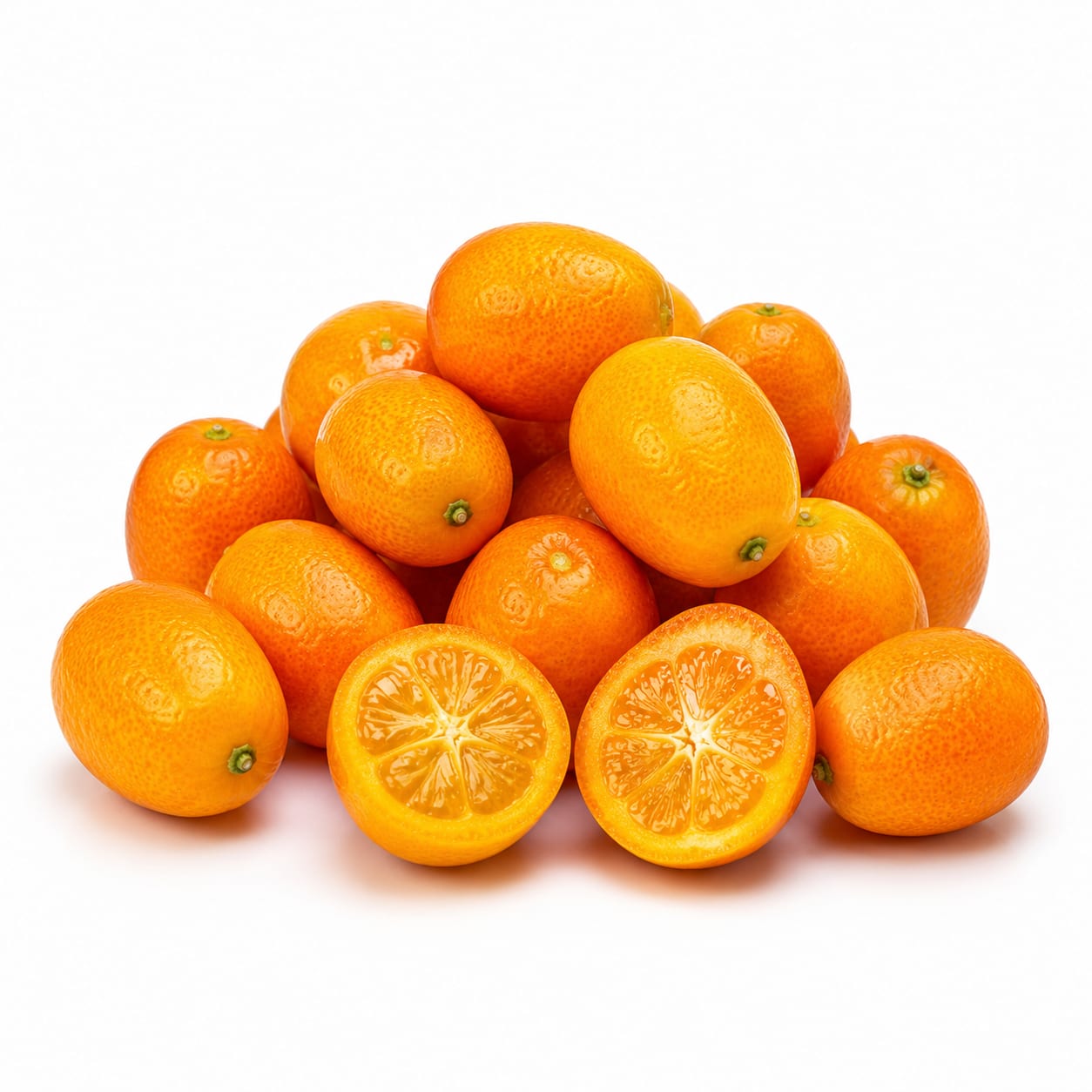
Citrus Fruit
Kumquat
A small, whole-eaten citrus fruit with a sweet edible peel and tart interior, rich in fiber and vitamin C.
A small, bite-sized citrus fruit that is eaten whole, including the sweet peel and tart flesh, offering a unique flavor contrast and high fiber content.
high-fiber low-calorie whole citrus fruit
Typical serving · 150g
Common varieties · nagami, meiwa, marumi, jiangsu, hong kong
Overall context score across nutrition, safety, and diet fit
At a glance
Quick facts
Simple indicators based on nutrition, processing, and diet fit.
The story
What makes it unique
Kumquats are digested moderately slowly due to their high dietary fiber content, particularly in the edible peel. They provide a low glycemic response and moderate satiety. The macronutrient profile is low in fat and protein, with carbohydrates primarily from natural sugars and fiber. As a minimally processed whole food, they retain all natural cellular structures and micronutrients.
Varieties: nagami · meiwa · marumi · jiangsu · hong kong
Per 100g
Nutrition breakdown
Macro balance and key metrics at a glance.
Energy
Density 0.71 kcal/g
Protein
Carbs
Fat
Fiber
Sugar
9.4 g
Sodium
10 mg
Potassium
186 mg
Glycemic index
40
Glycemic load
5
Water content
80.8%
Standout compounds
Nutrient highlights
Fiber
highPromotes satiety and supports healthy digestion
Vitamin C
highBoosts immune function and collagen synthesis
Vitamin A
moderateSupports eye health and immune regulation
Antioxidants
moderateReduces oxidative stress and inflammation
Wellness map
Health scores & processing
NOVA processing scale
minimally_processed · Whole food
Whole, raw fruit consumed in its natural state with no added ingredients or processing.
Diet compatibility
- Weight loss
- Muscle gain
- Diabetes
- Gut health
- Low carb
- High protein
- Heart health
Relative standing
Food rankings
Qualitative ranks compared to similar whole foods.
- Satietygood
- Blood sugarexcellent
- Nutrient densitygood
- Fitness fuelmoderate
- Processing qualityexcellent
Eat with confidence
Food safety profile
Because the peel is eaten, kumquats carry a higher relative risk of pesticide exposure than peeled citrus fruits. Washing thoroughly is essential. Microbial contamination risk is low.
Evidence confidence 90%
- Pesticidesmoderate
- Antibioticslow
- Heavy metalslow
- Contaminationlow
Watch for
- pesticide residues
- citrus canker
Safer choices
Organic kumquats significantly reduce pesticide exposure risk from peel consumption.
Prep tips
Rinse thoroughly under warm running water and gently scrub the peel to remove wax and pesticide residue before consuming whole.
Standard agricultural pesticide regulations apply; peel consumption increases exposure risk compared to peeled citrus.
Deep dive
Health analysis
How this food may fit different goals and preparation choices.
Weight loss
Low energy density and high fiber content promote fullness, making it easier to manage calorie intake.
Blood sugar
Low glycemic index and substantial fiber slow sugar absorption, preventing rapid blood sugar spikes.
Fitness & energy
Provides quick-digesting natural sugars for light activity, but lacks the substantial carbs or protein needed for intense endurance or muscle recovery.
Gut health
High in pectin and insoluble fiber, supporting healthy digestion, stool bulk, and beneficial gut bacteria.
Processing quality
A completely unprocessed whole food with intact cellular structure and maximal micronutrient retention.
Food safety
The main safety consideration is pesticide residue on the edible peel; choosing organic mitigates this risk effectively.
Common mistakes
Discarding the peel removes the primary source of fiber, antioxidants, and the unique sweet-tart flavor balance.
Best preparation
Rinse and eat whole, slice into salads, or use as a garnish for cocktails and savory dishes.
Practical guide
Best use cases
When and how this food fits real eating patterns.
High-volume low-calorie snacking
Eating a handful of kumquats provides a satisfying, fiber-rich snack for under 100 calories.
Flavorful salad topping
Sliced whole kumquats add a bright, sweet-tart burst and textural crunch to green salads.
Natural digestive aid
The high pectin and fiber content from the peel supports healthy digestion and relieves constipation.
Balance sheet
Pros & cons
Upsides
- Edible peel maximizes fiber and antioxidant intake
- Low glycemic load helps stabilize blood sugar
- High vitamin C content supports immune health
- Convenient, portable whole-food snack
- Unique sweet-tart flavor profile
Trade-offs
- Tart flavor may not appeal to everyone
- Pesticide residue on the edible peel requires thorough washing
- Not suitable for strict low-carb or keto diets
- Relatively higher sugar content compared to berries
Fit check
Who is it for?
Great match
- weight management
- digestive regularity
- immune support
- flavor enhancement in cooking
Consider alternatives
- strict ketogenic diets
- high-protein diets
- those sensitive to acidic foods
Side by side
How it compares
Open the full head-to-head analysis for nutrition, safety, and practical tradeoffs.
This food
Kumquat
VS90% alike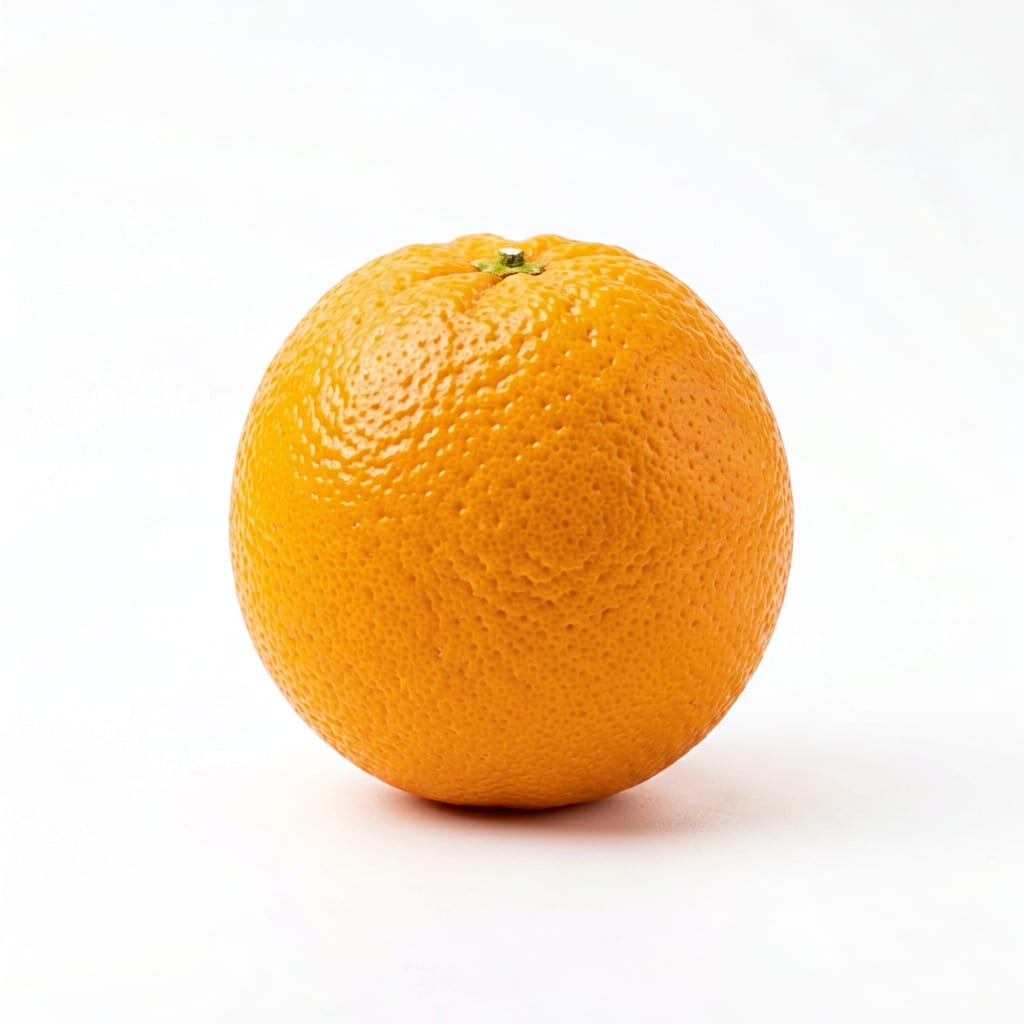
Compare with
Orange
Kumquats provide more fiber due to the edible peel, while oranges offer more vitamin C and juice per fruit.
Kumquats beat oranges for fiber and blood sugar control because you eat the peel, but oranges provide more vitamin C and hydrating juice for fitness.
This food
Kumquat
VS85% alike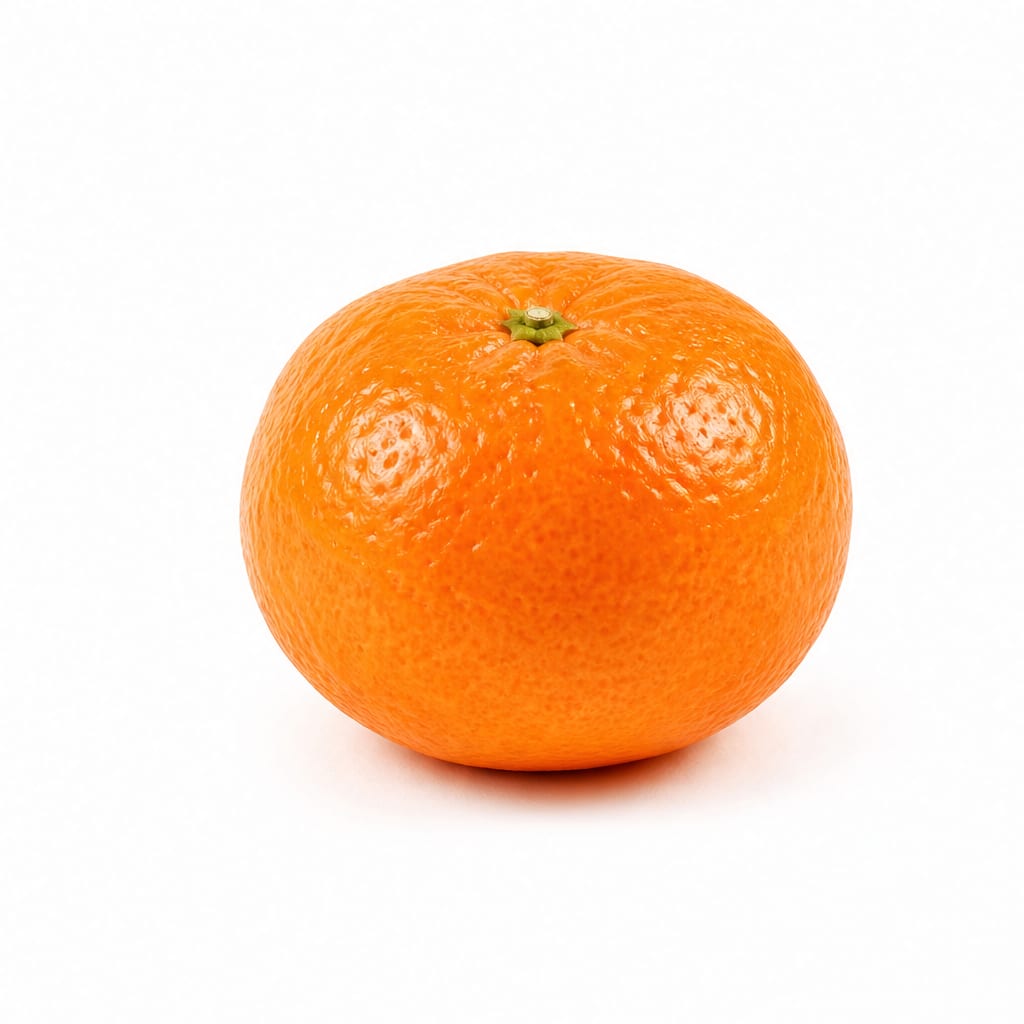
Compare with
Clementine
Clementines are sweeter and easier to peel, but kumquats offer significantly more fiber when eaten whole.
Clementines are sweeter and easier to peel, but kumquats win for weight loss and blood sugar control due to their high-fiber edible peel.
This food
Kumquat
VS80% alike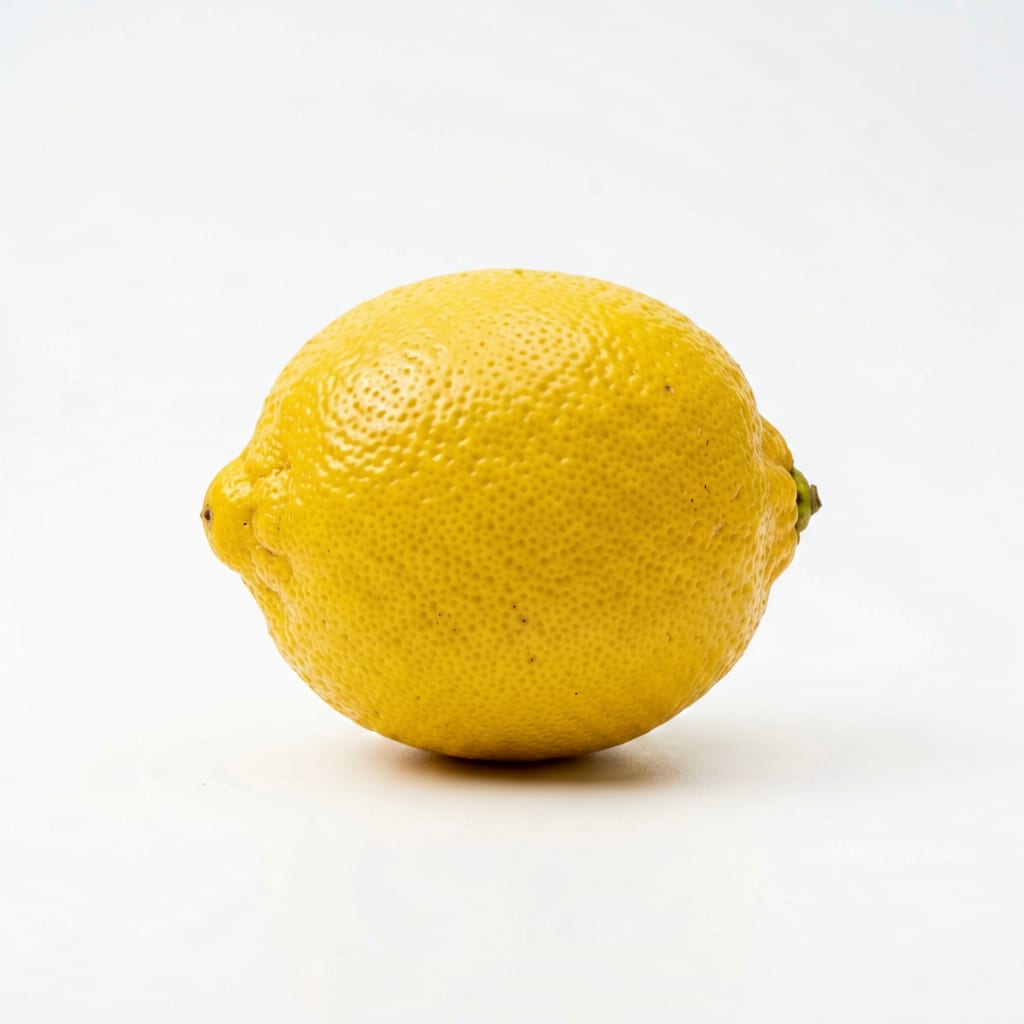
Compare with
Lemon
Lemons are rarely eaten whole and are lower in calories and sugar, while kumquats are consumed entirely as a snack.
Lemons are lower in calories and sugar, but kumquats are a better standalone snack because you eat the whole fruit for fiber and satiety.
This food
Kumquat
VS75% alike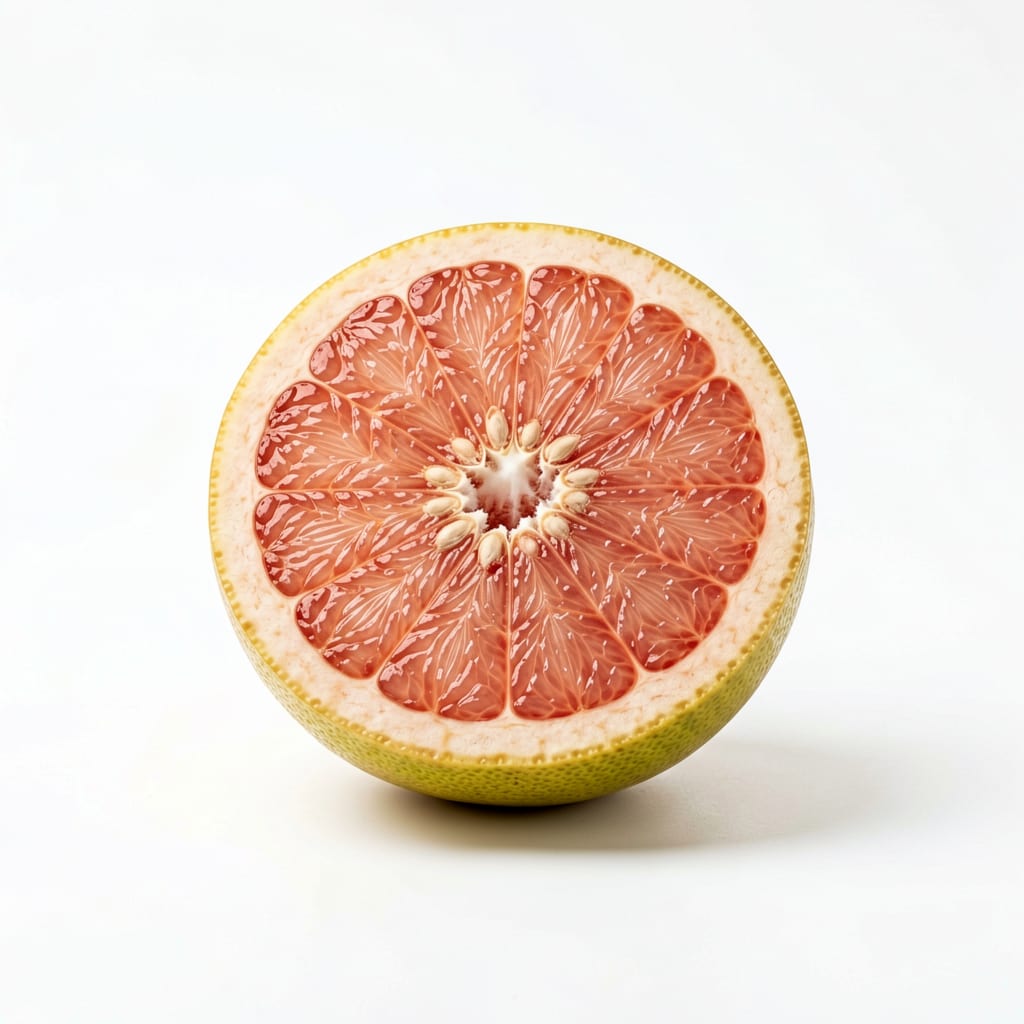
Compare with
Grapefruit
Grapefruit is lower in calories and sugar per 100g, but kumquats are much higher in fiber.
Grapefruit is lower in calories and better for strict weight loss, but kumquats provide more fiber per gram, keeping you fuller longer.
This food
Kumquat
VS85% alike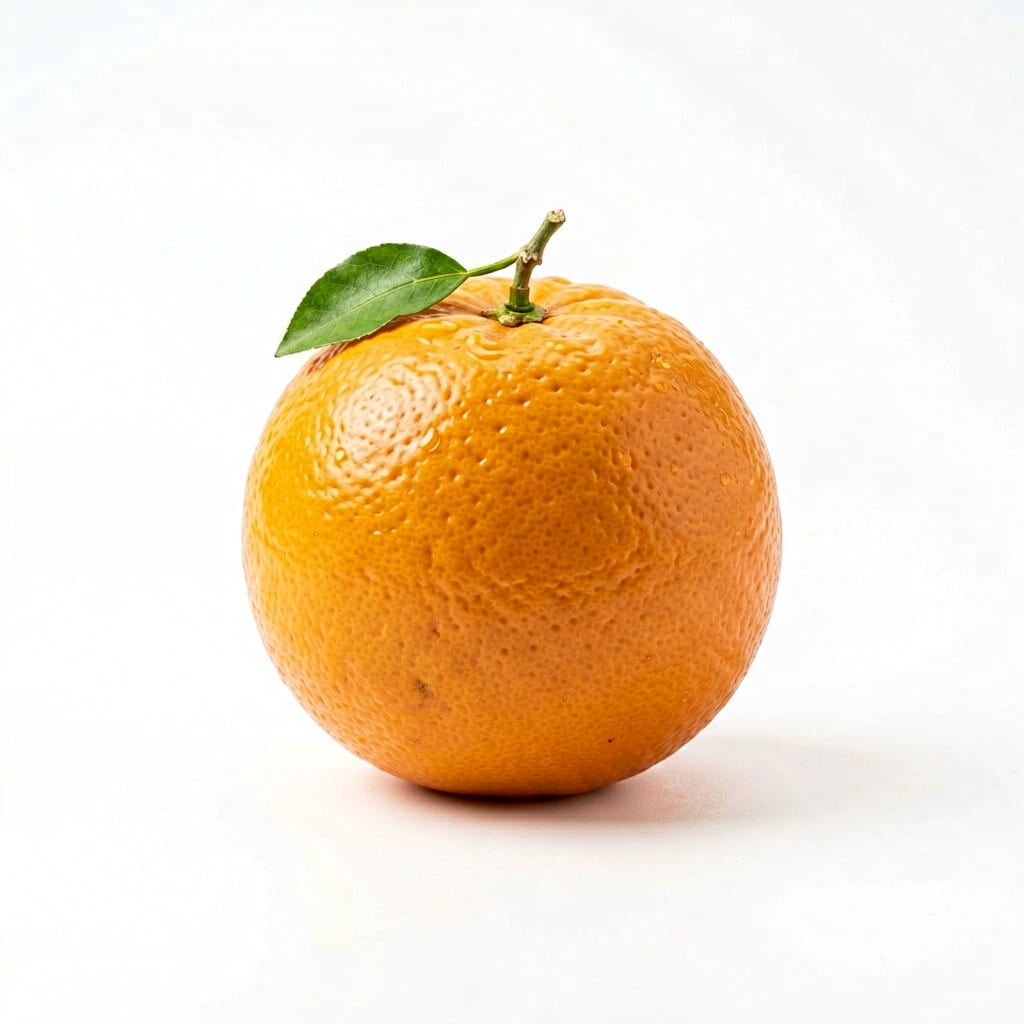
Compare with
Mandarin
Mandarins are sweeter and easier to eat, but kumquats provide triple the fiber due to the edible peel.
Mandarins are sweeter and provide quick energy, but kumquats are far superior for blood sugar control and satiety because of the edible peel.
This food
Kumquat
VS70% alike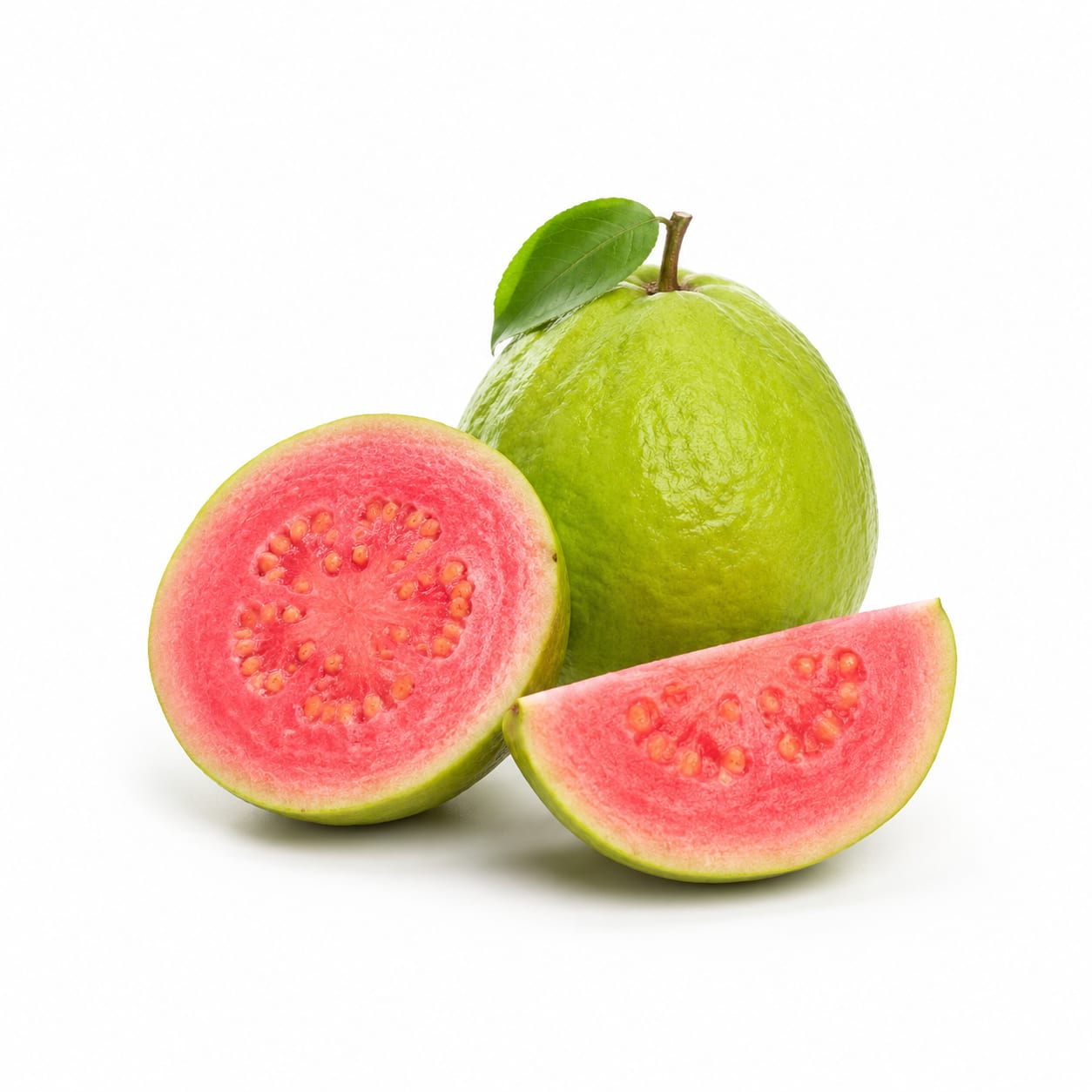
Compare with
Guava
Guava is higher in protein, vitamin C, and fiber, making it more nutritionally dense, though higher in calories.
Guava offers more protein, vitamin C, and fiber than kumquats, but kumquats are lower in calories for those strictly cutting weight.
This food
Kumquat
VS65% alike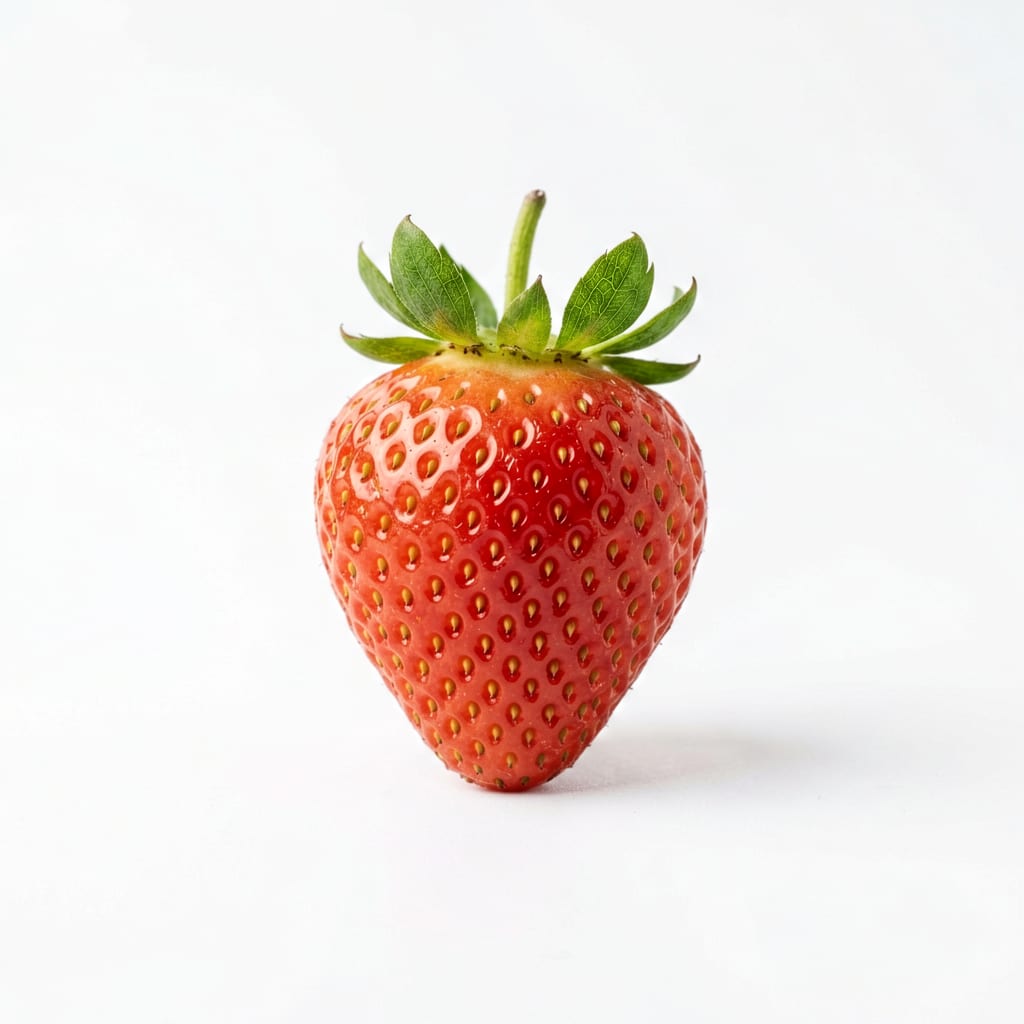
Compare with
Strawberry
Strawberries are lower in sugar and higher in vitamin C, while kumquats provide more fiber.
Strawberries are lower in sugar and calories, making them better for weight loss, but kumquats provide more fiber per serving.
This food
Kumquat
VS65% alike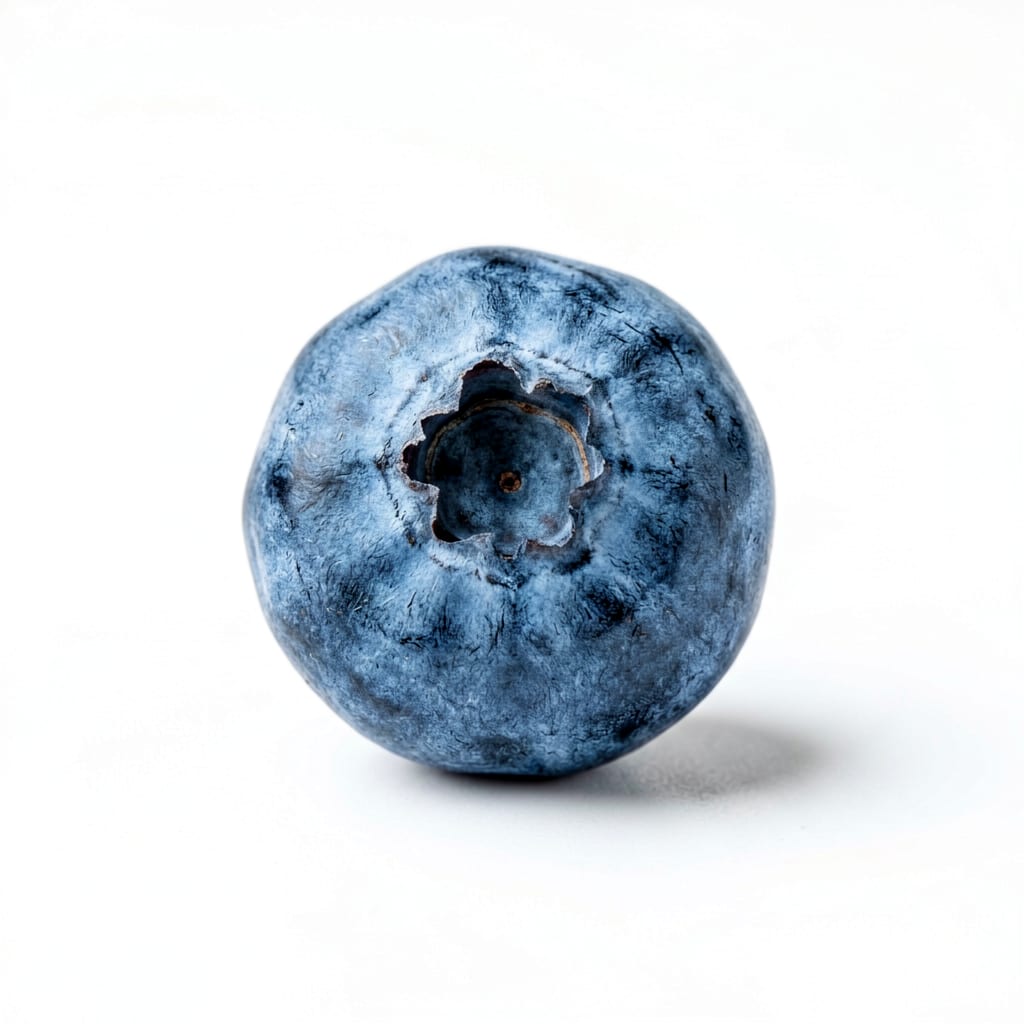
Compare with
Blueberry
Blueberries are higher in antioxidants and lower in calories, while kumquats offer more fiber and vitamin C.
Blueberries are lower in calories and sugar, but kumquats provide significantly more fiber and vitamin C per serving.
This food
Kumquat
VS75% alike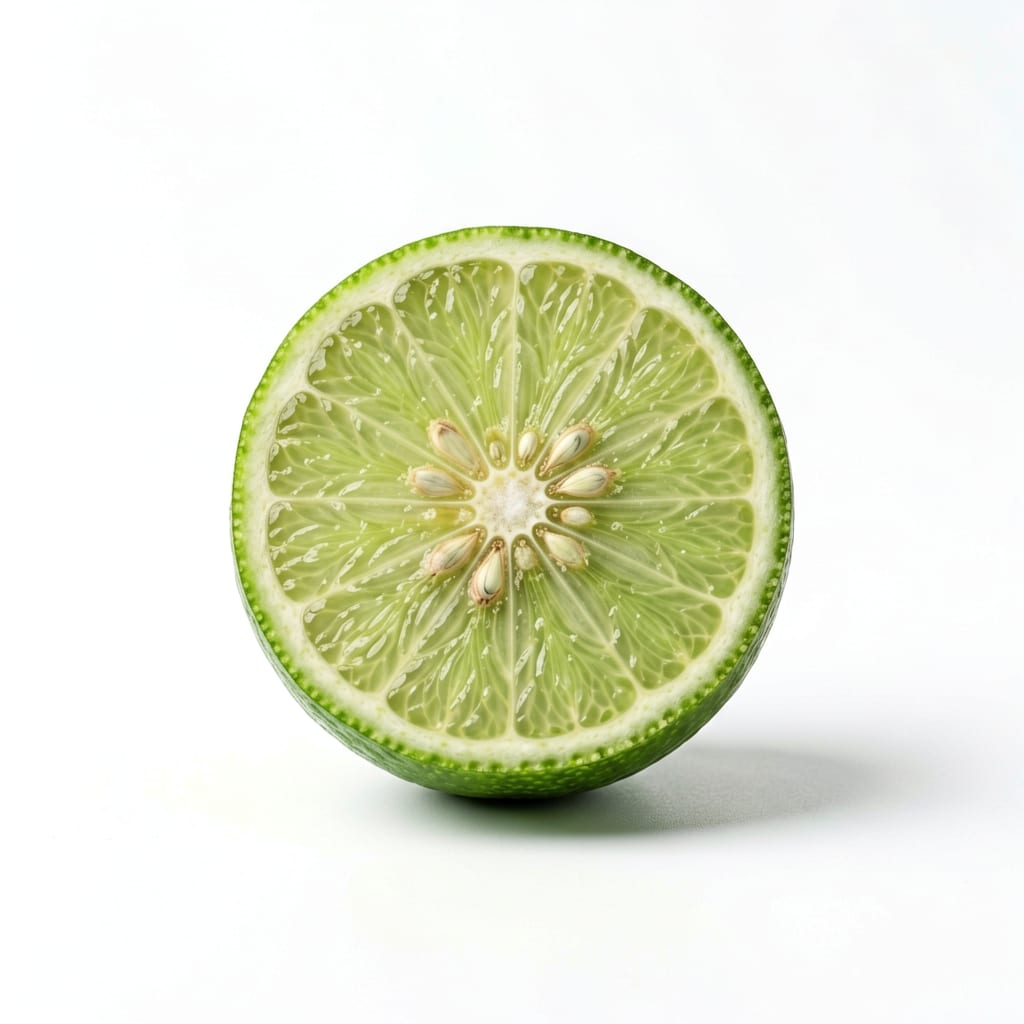
Compare with
Lime
Limes are very low in sugar and rarely eaten whole, whereas kumquats are consumed entirely for a fiber-rich snack.
Limes are lower in sugar and calories but are usually just a juice garnish; kumquats are eaten whole, providing actual satiety and fiber.
This food
Kumquat
VS80% alike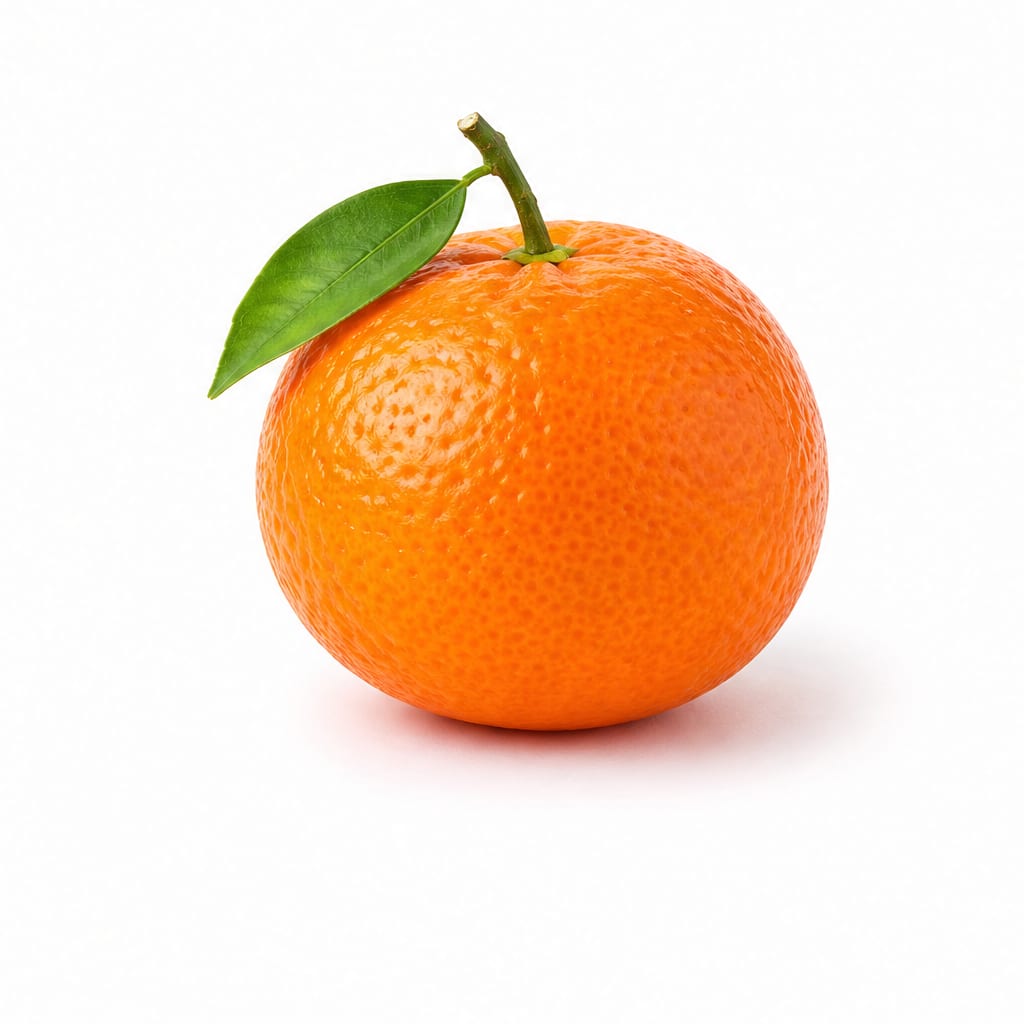
Compare with
Tangerine
Tangerines are sweeter and larger, but kumquats eaten with the peel provide vastly more fiber and a lower glycemic impact.
Tangerines offer more quick carbs for energy, but kumquats are better for satiety and blood sugar control due to the high-fiber edible peel.
Common questions
FAQ
Answers aligned with how people search for this food.
Are kumquats good for weight loss?
Yes, kumquats are excellent for weight loss. They are low in calories and high in fiber, especially since you eat the peel, which helps you feel full longer.
Do you eat the skin of a kumquat?
Yes, the peel is entirely edible and is actually the sweetest part of the fruit. Eating the skin provides most of the fiber and antioxidants.
How many carbs are in a kumquat?
There are about 16 grams of carbohydrates per 100 grams of kumquats. However, 6.5 grams of this is dietary fiber, leaving only about 9.4 grams of net carbs.
Are kumquats high in sugar?
Kumquats contain moderate natural sugar (about 9.4g per 100g), but their high fiber content prevents rapid blood sugar spikes, making them a safe choice in moderation.
Can diabetics eat kumquats?
Yes, diabetics can eat kumquats. They have a low glycemic index and high fiber content, which helps regulate blood sugar levels effectively.
What vitamins are in kumquats?
Kumquats are rich in vitamin C and vitamin A. They also contain small amounts of B vitamins, calcium, and iron.
How do kumquats compare to oranges?
Kumquats are eaten whole with the peel, providing much more fiber than oranges. They are smaller, tarter, and slightly higher in calories per gram than oranges.
Are kumquats keto-friendly?
No, kumquats are not strictly keto-friendly. With nearly 10 grams of net carbs per 100 grams, they can quickly use up a low-carb daily limit.
Transparency
Data confidence
Estimated confidence for nutrition data, interpretation, safety notes, and comparisons.
Nutrition data
Health analysis
Food safety
Comparisons