
Nutrition comparison
Kumquat vs Orange: Which Citrus Is Healthier for You?
Compare kumquat and orange nutrition — fiber, vitamin C, antioxidants, blood sugar impact, and practicality. Find out which citrus fits your health goals better.
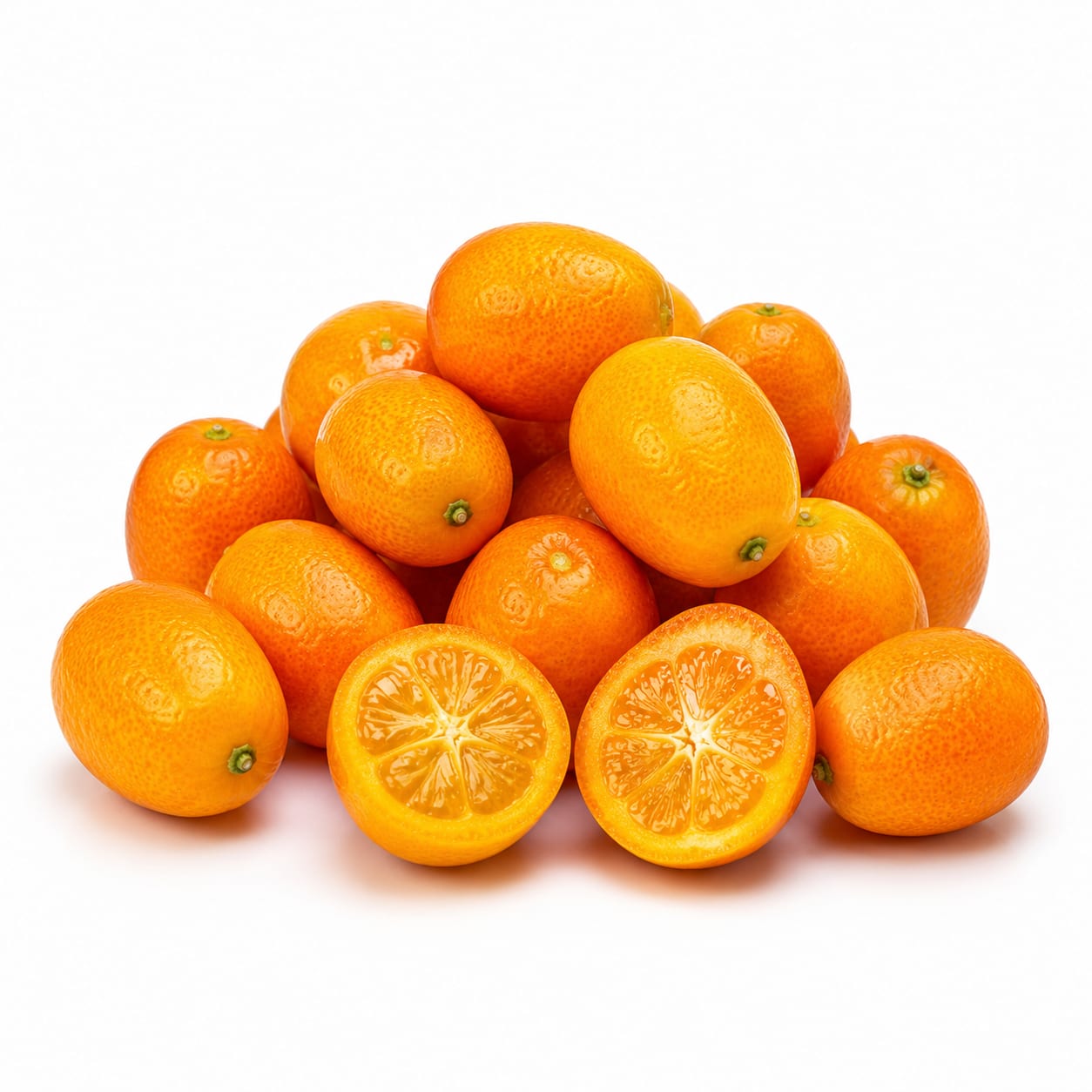
Kumquat
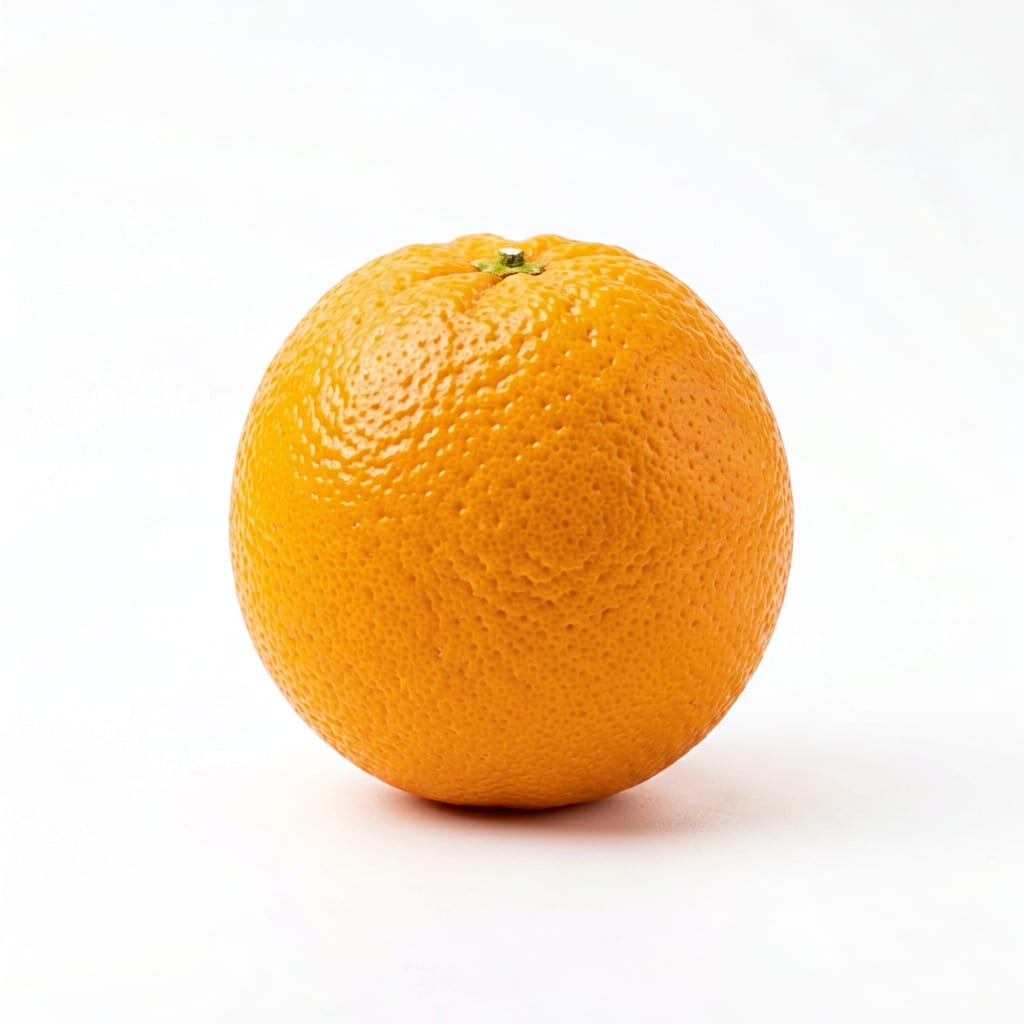
Orange
Kumquats deliver more fiber and skin-based antioxidants per bite, while oranges offer more vitamin C, juice, and everyday convenience at a lower cost.
Oranges score higher overall due to superior vitamin C content, hydration value, affordability, and daily practicality. Kumquats earn strong marks for fiber density and peel-derived antioxidants but lose ground on accessibility, portion satisfaction, and cost.
Nutrient density and novelty versus volume, vitamin C, and practical accessibility.
At a glance
Executive summary
Overall
It depends
Healthier
It depends
More practical
Orange
Daily use
Orange
Key comparison lenses
nutrient density per bite
Kumquats are eaten whole including the skin, dramatically changing their nutrient profile compared to peeled oranges
fiber and digestive benefit
The edible peel gives kumquats roughly triple the fiber density, making this a key differentiator
everyday practicality and accessibility
Oranges are ubiquitous and affordable; kumquats are seasonal and specialty, affecting real-world use
antioxidant and phytonutrient intake
Citrus peels concentrate essential oils and flavonoids, giving kumquats a unique antioxidant advantage
blood sugar and satiety
Fiber-to-sugar ratio differs significantly, impacting energy stability and fullness
Best choice for
Kumquat
- People seeking maximum fiber from fruit
- Anyone wanting to eat citrus peel benefits without zesting
- Snackers who prefer portion-controlled bites
- Culinary experimenters and gourmet cooks
Orange
- Families needing affordable everyday fruit
- Anyone prioritizing vitamin C intake
- Active people wanting hydrating, juicy fruit
- Meal preppers and juice drinkers
Least suitable for
Kumquat
- People with citrus peel sensitivity or mouth irritation
- Budget-conscious shoppers feeding a family
- Anyone who dislikes tart or bitter flavor notes
Orange
- People wanting high fiber per calorie
- Those seeking concentrated antioxidants from citrus peel
- Anyone bored with standard fruit options
Deep comparison
Dimension by dimension
Each lens scores both foods and breaks down who each option suits.
- Dimension 1 · Priority 92Kumquat
fiber_density
Kumquat · 88Orange · 52Kumquats deliver roughly 6.5g fiber per 100g versus 2.4g in oranges, thanks to the edible peel.
Tradeoff
You get outstanding fiber from kumquats but must enjoy the slightly bitter peel texture.
Why it matters
Higher fiber means steadier blood sugar, better digestion, and longer-lasting fullness from fewer calories.
Real-world impact
A handful of kumquats keeps you satisfied far longer than an equivalent amount of orange segments.
Kumquat
- Gut health and regularity
- Satiety between meals
- Blood sugar stability
Better for
- People who find citrus peel irritating or bitter
Worse for
Orange
- Gentle digestion for sensitive stomachs
- Easier on the palate for kids
Better for
- Anyone needing high fiber from fruit alone
Worse for
- Dimension 2 · Priority 88Orange
vitamin_c_content
Kumquat · 55Orange · 90Oranges provide about 53mg vitamin C per 100g compared to roughly 44mg in kumquats, and you typically eat much more orange volume.
Tradeoff
Oranges are a reliable daily vitamin C source; kumquats contribute but cannot match the total dose.
Why it matters
Vitamin C supports immunity, collagen production, and iron absorption — daily intake matters.
Real-world impact
One medium orange covers most of your daily vitamin C needs; you would need many kumquats to match it.
Kumquat
- Adding supplemental vitamin C alongside other sources
Better for
- Relying on kumquats as a primary vitamin C source
Worse for
Orange
- Meeting daily vitamin C needs easily
- Immune support during cold season
- Post-workout recovery
Better for
- Dimension 3 · Priority 82Kumquat
antioxidant_and_phytonutrient_diversity
Kumquat · 86Orange · 68Kumquat peels concentrate flavonoids, essential oils, and limonoids that peeled oranges largely discard.
Tradeoff
More phytonutrient variety from kumquats, but oranges still offer solid antioxidant value in their flesh.
Why it matters
Citrus peel compounds like naringin and hesperidin support anti-inflammatory and metabolic health.
Real-world impact
Eating kumquats is like eating an orange with its zest already included — you get the premium parts automatically.
Kumquat
- Anti-inflammatory diets
- Maximizing phytonutrient variety
- Whole-food citrus benefits without waste
Better for
- People sensitive to citrus essential oils
Worse for
Orange
- Simpler antioxidant intake without bitter compounds
Better for
- Missing peel-derived compounds unless you zest
Worse for
- Dimension 4 · Priority 78Orange
hydration_and_volume_satisfaction
Kumquat · 40Orange · 88Oranges are roughly 87% water and feel substantial to eat; kumquats are small, denser bites with less juice.
Tradeoff
Oranges quench thirst and feel like a real snack; kumquats are more of a flavor accent than a hydrating food.
Why it matters
Hydration from food matters for energy, skin, and appetite regulation throughout the day.
Real-world impact
After a workout or on a hot day, an orange refreshes deeply — kumquats cannot replace that experience.
Kumquat
- Flavor garnishes and cooking accents
Better for
- Thirst quenching
- Feeling like you ate a full snack
Worse for
Orange
- Post-exercise hydration
- Hot weather refreshment
- Replacing high-calorie snacks with volume
Better for
- Dimension 5 · Priority 80Orange
cost_and_accessibility
Kumquat · 30Orange · 90Oranges are among the most affordable and widely available fruits year-round; kumquats are seasonal, specialty, and expensive.
Tradeoff
Oranges fit any budget and shopping trip; kumquats require effort to find and cost significantly more per pound.
Why it matters
The healthiest food is the one you can actually buy and eat consistently.
Real-world impact
A bag of oranges costs a few dollars and feeds a family; the same money buys a tiny container of kumquats.
Kumquat
- Special occasion treats
- Gourmet cooking
Better for
- Budget-limited households
- Rural areas with limited produce selection
Worse for
Orange
- Weekly grocery budgets
- Family fruit bowls
- Consistent daily fruit intake
Better for
- Dimension 6 · Priority 75Kumquat
blood_sugar_impact
Kumquat · 80Orange · 62Kumquats have a lower effective glycemic load per serving due to higher fiber offsetting their natural sugars.
Tradeoff
Kumquats provide steadier energy, but oranges still have a moderate glycemic index and are far from problematic.
Why it matters
Fiber-to-sugar ratio determines whether a fruit gives sustained energy or a quick spike.
Real-world impact
Kumquats are less likely to cause an afternoon energy dip compared to a large orange eaten alone.
Kumquat
- Prediabetics seeking low-glycemic fruit
- Sustained energy without crashes
Better for
Orange
- Quick natural energy before exercise
Better for
- Blood sugar-sensitive people eating large portions
Worse for
Timeline
Health impact over time
Short-term
Hours to days
Kumquat
- Quick satiety from fiber-rich peel
- Possible mouth irritation from citrus oils if eating many
- Mild blood sugar stabilization compared to juicier citrus
Orange
- Immediate hydration and refreshment
- Rapid vitamin C boost
- Natural energy lift from easily absorbed sugars
Long-term
Months to years
Kumquat
- Improved digestive regularity from consistent fiber
- Enhanced anti-inflammatory intake from peel flavonoids
- Better blood sugar habits if used as a primary fruit
Orange
- Strong immune support from reliable vitamin C
- Consistent hydration from daily fruit intake
- Kidney stone risk reduction from citrate content
Risk profile
Safety & processing
Both fruits are whole, unprocessed foods eaten in their natural state. Kumquats have a slight edge because you consume the entire fruit with zero waste, whereas oranges are typically peeled, discarding valuable nutrients.
Kumquat
Pesticide residue on peel
mediumSince you eat the entire kumquat including the skin, any pesticide residue is consumed directly. Organic is strongly recommended.
Citrus oil sensitivity
lowConcentrated essential oils in the peel can cause mouth or lip irritation in sensitive individuals, especially with large quantities.
Orange
Pesticide residue on peel
lowMost people discard the peel, minimizing exposure. Only a concern if zesting non-organic oranges.
Citrus allergy cross-reactivity
lowOranges can trigger oral allergy syndrome in some people sensitive to grass pollen, but this is uncommon.
Who wins for whom
Audience fit
Same foods, different winners depending on your goal.
children
OrangeOranges are sweet, familiar, and easy to eat; kumquats are tart, small enough to choke on for toddlers, and unfamiliar to most kids.
daily consumption
OrangeAffordability, availability, and ease of eating make oranges the more sustainable daily choice for most people.
diabetes
KumquatThe superior fiber-to-sugar ratio creates a gentler blood sugar response, making kumquats the safer citrus choice.
elderly
OrangeOranges are easier to chew, more hydrating, and provide accessible vitamin C. Kumquats require more dental comfort with the chewy peel.
muscle gain
OrangeOranges provide more quick-digesting carbs and hydration useful around workouts, plus more vitamin C for recovery.
weight loss
KumquatHigher fiber and lower sugar density make kumquats more filling per calorie, naturally limiting overconsumption.
Your move
Decision guide
Choose Kumquat
- You want maximum fiber and antioxidant benefit from citrus
- You enjoy complex sweet-tart-bitter flavor profiles
- You eat organic and want a zero-waste fruit
- You are managing blood sugar and want a lower-glycemic fruit snack
- You are looking for a gourmet garnish or cocktail ingredient
Choose Orange
- You need an affordable, everyday fruit for the whole family
- Vitamin C intake is your top priority
- You want hydrating, refreshing fruit after exercise or in hot weather
- You prefer sweet, juicy fruit without bitterness
- You need something easy to find at any grocery store year-round
Either works if
- You want natural whole-food vitamin C and citrus flavonoids
- You are building a fruit bowl with diverse options
- You enjoy citrus and want variety in your week
Avoid both if
- You have a confirmed citrus allergy
- You are on a potassium-restricted diet for kidney disease
Final recommendation
Eat oranges as your daily citrus staple for reliable vitamin C, hydration, and value. Add kumquats when available and organic for their unique fiber and peel antioxidants — think of them as a nutrient-dense accent rather than a replacement.
Practical
Consumer tips
- 1
Always buy organic kumquats since you eat the entire fruit including any pesticide residue on the skin
- 2
Roll kumquats gently between your fingers before eating to release the essential oils and soften the peel
- 3
If you want orange peel benefits without eating kumquats, zest organic oranges into salads, yogurt, or oatmeal
- 4
Kumquats make excellent marmalade — the whole-fruit preparation preserves all the fiber and flavonoids
- 5
Store kumquats in the refrigerator and use within two weeks; they spoil faster than oranges
- 6
For blood sugar management, pair either fruit with a handful of nuts to slow sugar absorption further