
Nutrition comparison
Kumquat vs Guava: Nutrition, Sugar, and Health Benefits Compared
Discover the nutritional differences between kumquats and guava. Compare vitamin C, fiber, sugar content, and which tropical fruit is better for your health goals.
Overall winner · Guava
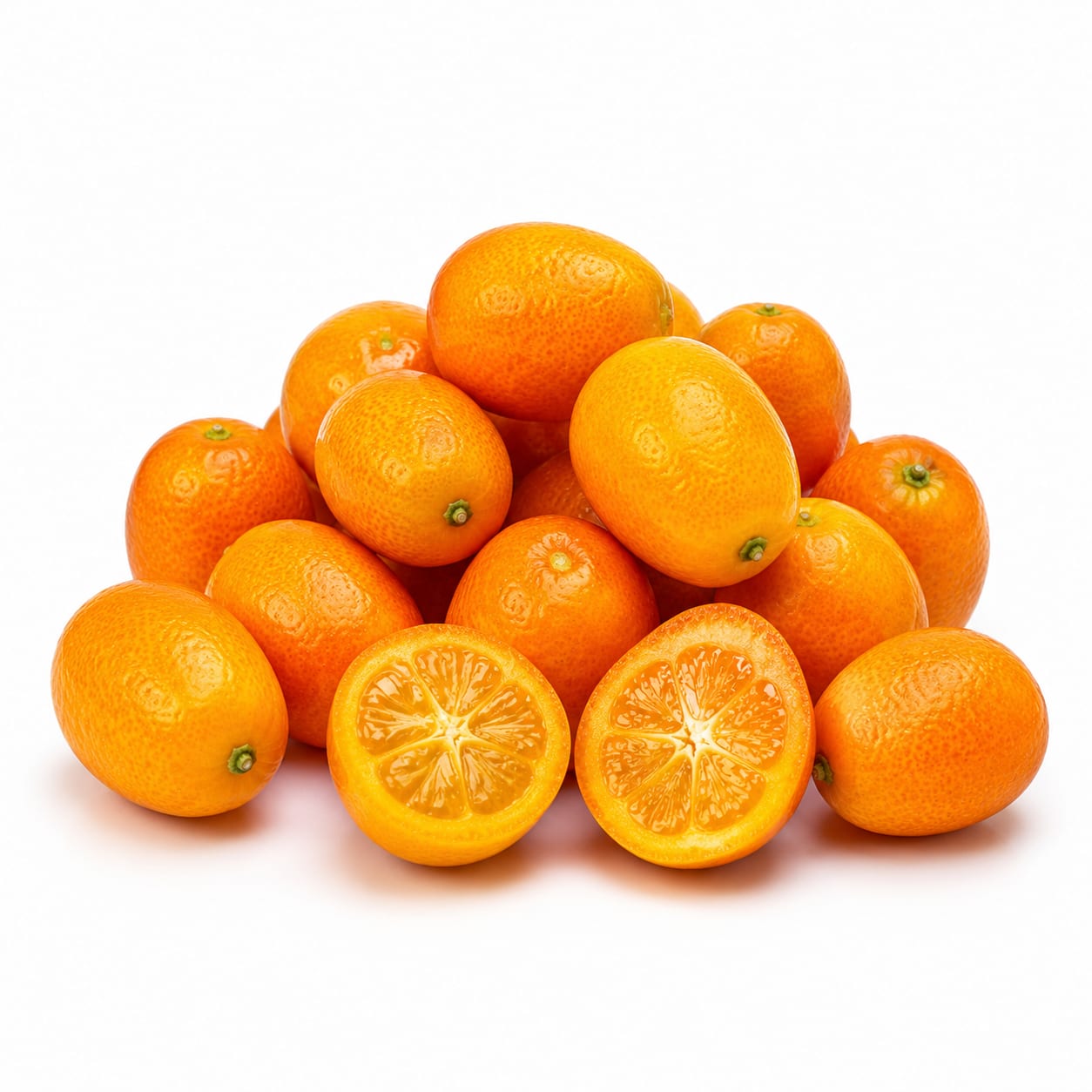
Kumquat
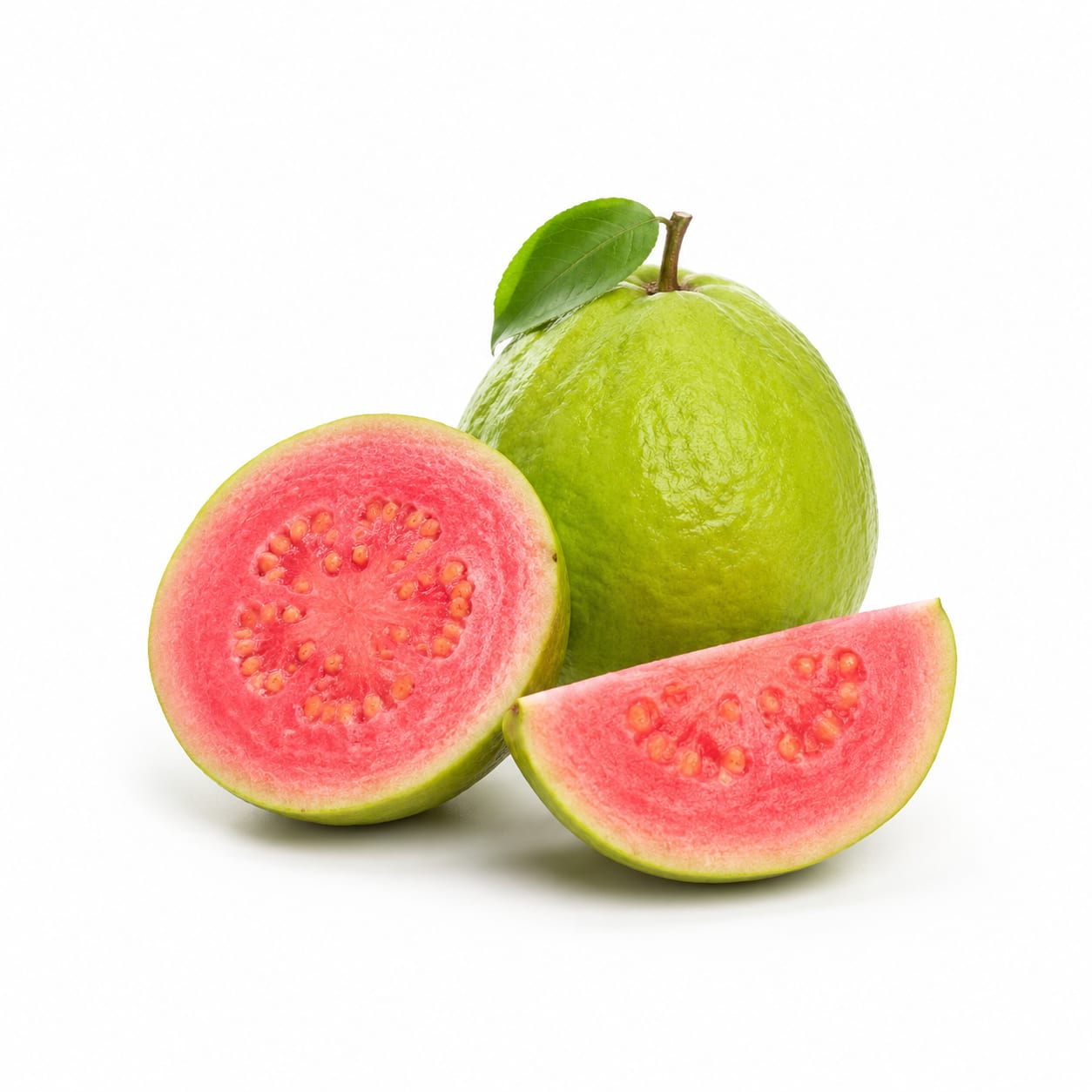
Guava
Guava delivers a massive vitamin C punch and lycopene, while kumquats offer unique peel-based fiber and a low-sugar tart bite.
Guava wins on sheer nutrient density, volume, and satiety, but kumquats remain an excellent choice for low-sugar diets and unique peel fiber.
Guava provides more volume, vitamin C, and tropical sweetness, whereas kumquats give you edible-peel fiber and a much lower sugar load.
At a glance
Executive summary
Overall
Guava
Healthier
Guava
More practical
Kumquat
Daily use
Guava
Key comparison lenses
Vitamin C and immune support comparison
Both are famously high in vitamin C, but guava is one of the most concentrated sources on the planet
Fiber type and digestive impact
Kumquats provide unique peel-based fiber while guava offers seed and pulp fiber, affecting texture and digestion differently
Sugar content and blood sugar management
Kumquats are surprisingly low in sugar compared to the tropical sweetness of guava
Antioxidant diversity
Pink guava brings heavy-hitting lycopene while kumquats offer rare peel flavonoids
Best choice for
Kumquat
- Strict low-carb or low-sugar diets
- No-mess on-the-go snacking
- Adding tart zest to salads and cocktails
Guava
- Maximum immune support and vitamin C
- Filling afternoon snacks to curb hunger
- Heart health and antioxidant boosts
Least suitable for
Kumquat
- People who dislike tart or bitter flavors
- Those needing a filling, substantial snack
Guava
- People with digestive sensitivities to seeds
- Those wanting a quick, mess-free commute snack
Deep comparison
Dimension by dimension
Each lens scores both foods and breaks down who each option suits.
- Dimension 1 · Priority 95Guava
Vitamin C & Immune Support
Kumquat · 75Guava · 98Guava is a vitamin C powerhouse, far exceeding kumquats per serving.
Tradeoff
You get a quick tart burst of vitamin C from kumquats, but guava delivers a much larger dose in a single fruit.
Why it matters
Higher vitamin C intake directly supports immune resilience and skin health.
Real-world impact
Eating one guava covers more than your daily vitamin C needs, while you would need several kumquats to match it.
Kumquat
- Quick tart craving satisfaction
Better for
- Reaching daily vitamin C goals requires eating many fruits
Worse for
Guava
- Immune support
- Skin health
- Fighting off colds
Better for
- None significant
Worse for
- Dimension 2 · Priority 90Guava
Fiber & Digestive Health
Kumquat · 85Guava · 92Both are excellent fiber sources, but guava offers more volume and satiety per serving.
Tradeoff
Kumquat fiber comes from its edible peel, while guava fiber comes from its seeds and flesh.
Why it matters
Fiber keeps you full and stabilizes blood sugar.
Real-world impact
A whole guava is highly filling and curbs afternoon hunger, while kumquats are more of a light grazing snack.
Kumquat
- Adding roughage to meals without feeling heavy
Better for
- Not filling enough to replace a snack on its own
Worse for
Guava
- Satiety
- Regular digestion
- Managing large appetites
Better for
- Seeds can irritate sensitive stomachs or diverticulitis
Worse for
- Dimension 3 · Priority 85Kumquat
Sugar & Blood Sugar Impact
Kumquat · 92Guava · 78Kumquats are significantly lower in sugar, making them a safer bet for strict low-carb diets.
Tradeoff
Guava has more natural sugars but still boasts a low glycemic index, while kumquats keep sugar nearly negligible.
Why it matters
Lower sugar intake prevents energy crashes and supports metabolic health.
Real-world impact
Snacking on kumquats will not spike your blood sugar at all, whereas guava provides a gentle, sustained energy release.
Kumquat
- Strict low-carb diets
- Diabetics watching total sugar grams
Better for
- Those needing quick caloric energy
Worse for
Guava
- Pre-workout energy
- Natural sweetness without a crash
Better for
- Very sugar-sensitive individuals tracking total carbs
Worse for
- Dimension 4 · Priority 80Guava
Antioxidant Diversity
Kumquat · 80Guava · 90Pink guava is rich in lycopene, while kumquats offer unique flavonoids in their peel.
Tradeoff
Guava's lycopene is a heavy hitter for heart and prostate health, whereas kumquat peel antioxidants are great but consumed in smaller volumes.
Why it matters
Different antioxidants protect different systems in the body.
Real-world impact
Regularly eating pink guava can meaningfully boost heart health markers, while kumquats add a nice supporting layer of protective compounds.
Kumquat
- Anti-inflammatory benefits from essential oils in the peel
Better for
- Lower overall volume of antioxidants consumed per sitting
Worse for
Guava
- Heart health
- Prostate health
- Cellular protection
Better for
- None significant
Worse for
Timeline
Health impact over time
Short-term
Hours to days
Kumquat
- Quick tart energy without a sugar crash
- Light on the stomach
Guava
- High satiety that kills hunger pangs
- Sustained energy from natural sugars
- Very hydrating
Long-term
Months to years
Kumquat
- Better blood sugar control from low sugar intake
- Diverse fiber intake from eating the peel
Guava
- Superior immune function from massive vitamin C
- Enhanced heart health from lycopene
Risk profile
Safety & processing
Both are whole, raw fruits with no artificial additives, making them equally excellent choices for clean eating.
Kumquat
Pesticide residue on peel
mediumSince you eat the entire kumquat, peel and all, any surface pesticides go straight into your body unless washed thoroughly.
Guava
Pesticide residue on skin
mediumWhile the skin is edible and nutritious, it can carry pesticide residue if not conventionally grown and washed.
Seed choking hazard
lowGuava seeds are hard and can be a choking risk for very young children or problematic for dental work.
Who wins for whom
Audience fit
Same foods, different winners depending on your goal.
children
GuavaGuava's sweet tropical flavor is far more kid-friendly than the intensely tart and bitter bite of a kumquat.
daily consumption
GuavaGuava's versatility, higher volume, and broader nutrient profile make it easier to incorporate into a daily breakfast or snack routine.
diabetes
KumquatKumquats have a dramatically lower sugar content and glycemic load, making blood sugar management much easier.
elderly
GuavaRipe guava is softer and easier to chew for sensitive teeth, whereas kumquat skin can be tough and bitter for aging palates.
muscle gain
GuavaGuava offers more carbohydrates for post-workout glycogen replenishment alongside its vitamin C content for recovery.
weight loss
GuavaGuava is much more filling and satisfying per calorie, making it easier to avoid overeating later.
Your move
Decision guide
Choose Kumquat
- You want a low-sugar snack that will not spike your blood glucose
- You love tart, bold flavors and enjoy eating fruit peel
- You need a no-mess, commute-friendly fruit
Choose Guava
- You want maximum vitamin C and immune support
- You need a filling snack to bridge long gaps between meals
- You want the heart-protective benefits of lycopene
Either works if
- You just want a whole-food fruit snack with excellent fiber
- You are looking for natural ways to support digestion
Avoid both if
- You have severe fructose intolerance, though kumquats may still be tolerated in tiny amounts
Final recommendation
Guava is the more nutrient-dense and satisfying everyday fruit, but kumquats are an unbeatable low-sugar snack if you enjoy their bold, zesty bite. Rotate both for the best of both worlds.
Practical
Consumer tips
- 1
Wash kumquats thoroughly under running water since you consume the pesticide-exposed peel directly.
- 2
If guava seeds bother your digestion or teeth, simply scoop out the seeded center before eating.
- 3
Roll kumquats between your palms before eating to release the essential oils in the peel for a sweeter, juicier bite.
- 4
Choose pink or red guava over white guava for a massive boost in lycopene.