
Nutrition comparison
Kumquat vs Clementine: Which Citrus Snack Is Healthier?
Kumquats deliver more fiber and antioxidants but clementines win on taste and convenience. Compare nutrition, sugar, and best uses for each fruit.
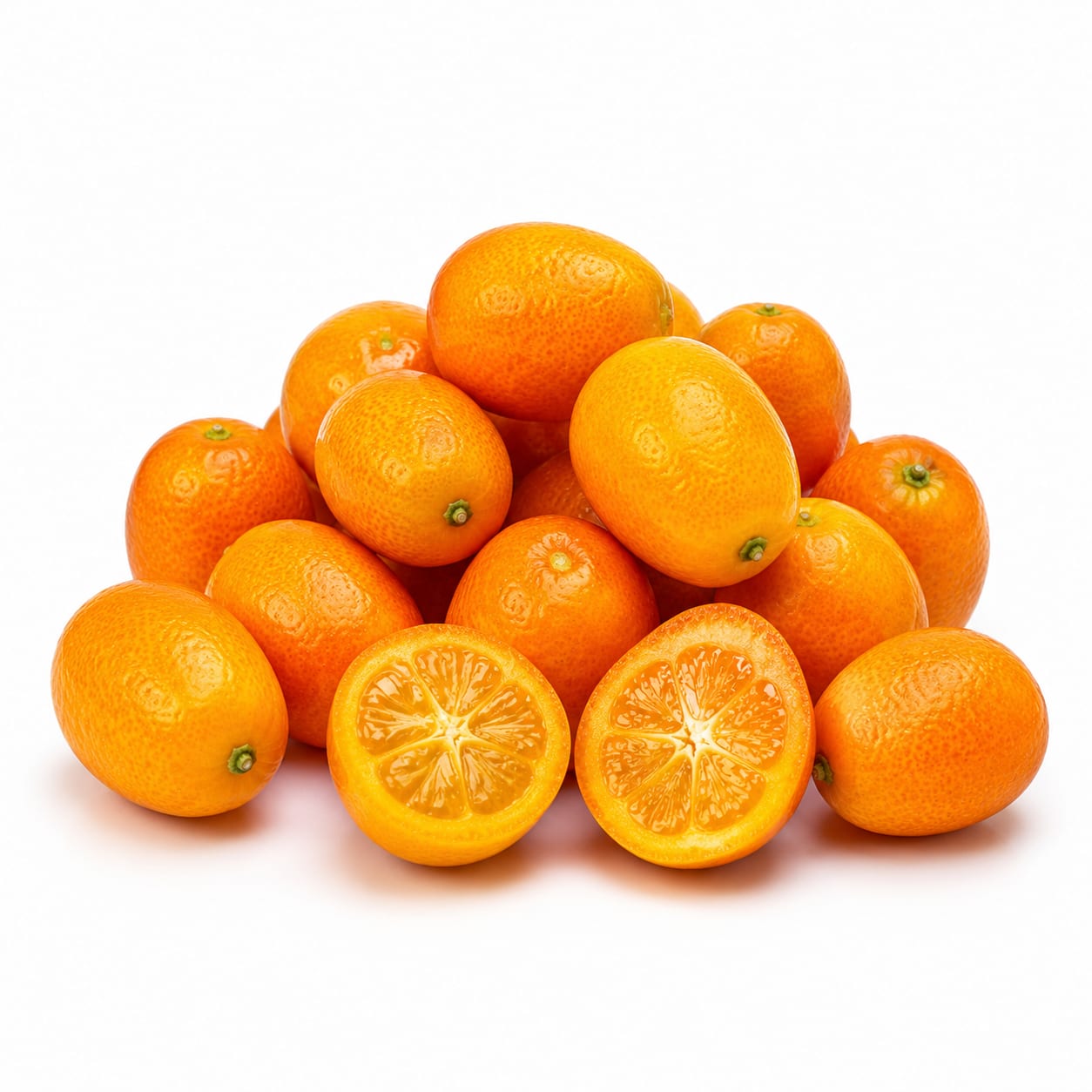
Kumquat
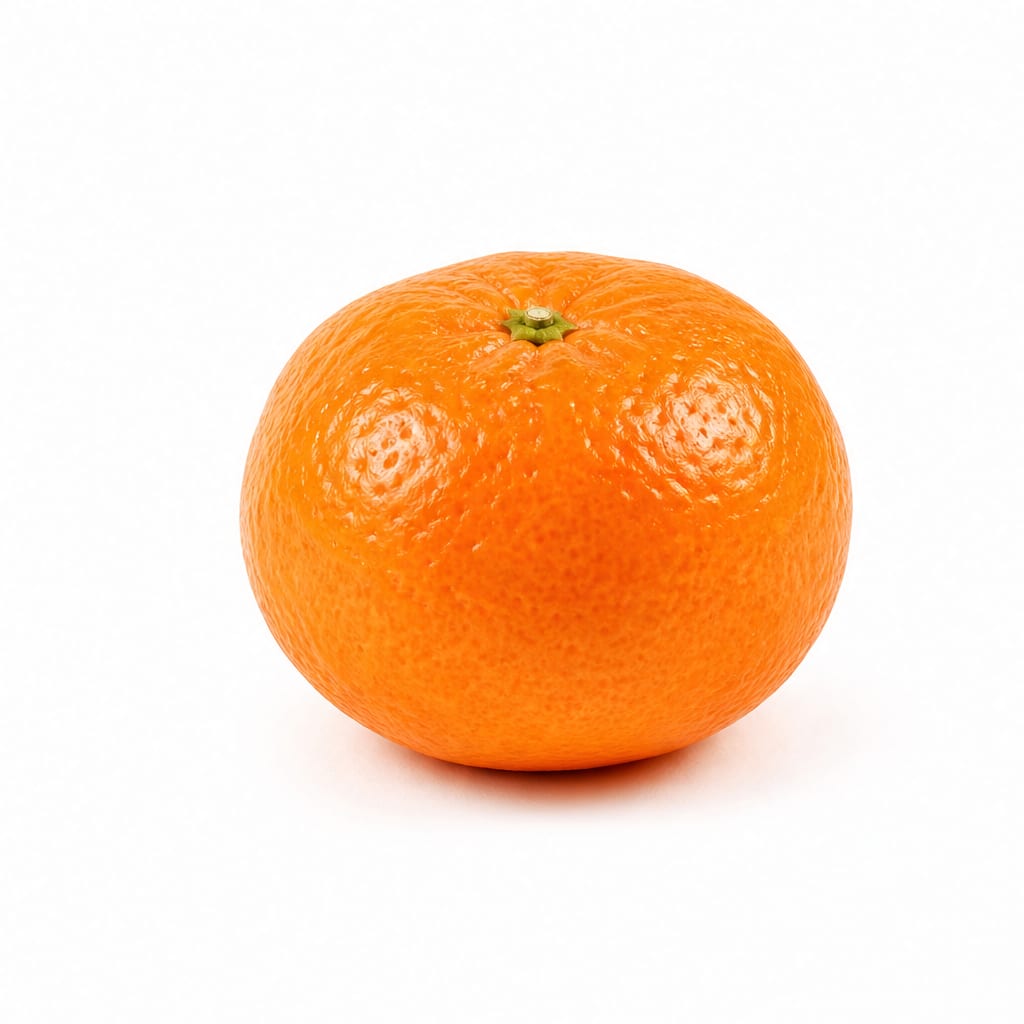
Clementine
Kumquats win on fiber and antioxidants; clementines win on convenience and everyday enjoyment.
Kumquats score slightly higher due to superior fiber and antioxidant content, but clementines remain competitive because their convenience and palatability make consistent daily consumption far more likely.
Eating the skin gives kumquats a nutritional edge but a flavor experience not everyone enjoys, while clementines sacrifice fiber for sweet, easy snacking.
At a glance
Executive summary
Overall
It depends
Healthier
Kumquat
More practical
Clementine
Daily use
Clementine
Key comparison lenses
fiber and digestive benefit
Kumquats are eaten whole with skin, delivering dramatically more fiber than peeled clementines
sugar and blood sugar management
Clementines are sweeter and higher in sugar, making blood sugar impact a key differentiator
snack convenience and portability
Clementines peel easily and are kid-friendly; kumquats require eating the bitter skin, which surprises some people
antioxidant density
Kumquat skins concentrate flavonoids and essential oils that peeled clementines lose
everyday enjoyment and sustainability
Tartness of kumquats limits how many people eat daily; clementines are easier to eat regularly
Best choice for
Kumquat
- Maximizing fiber from fruit
- Blood sugar control
- Antioxidant density per calorie
- Adventurous eaters who enjoy tart flavors
Clementine
- Easy everyday snacking
- Kids and picky eaters
- Quick on-the-go fruit
- Sweet cravings without junk food
Least suitable for
Kumquat
- People who dislike bitter or tart flavors
- Children unaccustomed to eating citrus skin
- Those wanting a hydrating, juicy snack
Clementine
- Strict low-sugar diets
- People seeking high-fiber fruit options
- Those wanting maximum antioxidant concentration
Deep comparison
Dimension by dimension
Each lens scores both foods and breaks down who each option suits.
- Dimension 1 · Priority 92Kumquat
Fiber and Satiety
Kumquat · 88Clementine · 42Kumquats deliver roughly 6-7g of fiber per 100g compared to clementines at roughly 1.7g, a massive difference driven by eating the skin.
Tradeoff
You get outstanding fiber from kumquats, but must enjoy or tolerate the chewy, slightly bitter peel.
Why it matters
Fiber keeps you full longer, steadies blood sugar, and supports gut health. Most people fall far short of daily fiber targets.
Real-world impact
A handful of kumquats as a snack will keep you satisfied for an hour or two; a clementine may leave you reaching for something else within 30 minutes.
Kumquat
- People managing hunger between meals
- Anyone trying to increase daily fiber easily
Better for
- People with sensitive digestion unaccustomed to high fiber
Worse for
Clementine
- Those who prefer light, non-filling snacks
Better for
- Anyone relying on fruit as a filling snack
Worse for
- Dimension 2 · Priority 85Kumquat
Sugar Content and Blood Sugar Impact
Kumquat · 79Clementine · 55Kumquats contain less sugar per serving and their high fiber slows absorption significantly, resulting in a gentler blood sugar response.
Tradeoff
Lower sugar means less sweetness, which makes kumquats a tougher sell for sweet-tooth snackers.
Why it matters
Frequent sugar spikes drive cravings, fatigue, and long-term metabolic strain. Steadier energy matters more than most people realize.
Real-world impact
Kumquats as an afternoon snack are less likely to trigger a sugar crash; clementines may give a quick lift followed by a dip.
Kumquat
- People with insulin resistance or prediabetes
- Those avoiding sugar spikes
Better for
- Anyone wanting a sweet treat
Worse for
Clementine
- Athletes needing quick carbohydrates post-workout
Better for
- People monitoring sugar intake closely
Worse for
- Dimension 3 · Priority 75Kumquat
Antioxidant and Micronutrient Density
Kumquat · 82Clementine · 65Kumquat skins are packed with flavonoids, essential oils, and vitamin C that you discard when peeling a clementine.
Tradeoff
You must eat the skin to access these compounds, which concentrates both benefits and any pesticide residue on the surface.
Why it matters
Flavonoids from citrus peel support vascular health and reduce inflammation in ways juice and flesh alone cannot match.
Real-world impact
Regularly eating whole kumquats may offer more meaningful long-term anti-inflammatory benefits than peeled citrus, but only if you wash them well.
Kumquat
- People prioritizing longevity and anti-inflammatory eating
- Anyone wanting maximum nutrition per calorie
Better for
- People concerned about pesticide residue on skins
Worse for
Clementine
- Those who prefer getting antioxidants from supplements or other fruits
Better for
- Anyone missing the peel's concentrated phytonutrients
Worse for
- Dimension 4 · Priority 78Clementine
Convenience and Everyday Enjoyment
Kumquat · 45Clementine · 90Clementines peel effortlessly, taste sweet, and are universally loved. Kumquats require eating the skin and have a tart, acquired taste.
Tradeoff
The healthier choice nutritionally is the harder choice experientially. Consistency often beats perfection.
Why it matters
The best fruit for you is the one you will actually eat regularly. A nutritionally superior fruit you avoid provides zero benefit.
Real-world impact
Most households will go through a bag of clementines in days; a container of kumquats may sit partially eaten in the fridge.
Kumquat
- Culinary adventurers and foodies
- People who enjoy complex sweet-sour flavor profiles
Better for
- People who want grab-and-go simplicity
- Picky eaters and most children
Worse for
Clementine
- Busy parents needing quick snacks
- Office snack drawers and lunchboxes
- Anyone who wants fruit that requires zero thought
Better for
- Those seeking a more nutrient-dense snacking experience
Worse for
- Dimension 5 · Priority 55Clementine
Hydration and Refreshment
Kumquat · 40Clementine · 85Clementines are juicy and hydrating, while kumquats are relatively dry with most of their mass in the thick skin.
Tradeoff
The juiciness that makes clementines refreshing also means less fiber and nutrient density per bite.
Why it matters
On hot days or after exercise, a hydrating fruit feels more satisfying than a dense, chewy one.
Real-world impact
After a workout or on a summer afternoon, a clementine feels revitalizing in a way a kumquat simply does not.
Kumquat
- People who prefer dense, chewy snacks
Better for
- People wanting a thirst-quenching fruit
Worse for
Clementine
- Hot weather snacking
- Post-exercise refreshment
- Anyone needing hydration from food
Better for
- Those who find watery fruit unsatisfying
Worse for
Timeline
Health impact over time
Short-term
Hours to days
Kumquat
- High fiber provides noticeable fullness after eating just a few
- Tartness may curb overeating naturally
- Essential oils in the skin can aid digestion and reduce bloating
Clementine
- Quick energy from natural sugars, useful before or after activity
- Very gentle on the stomach, easy to digest
- May trigger cravings for more sweet food shortly after eating
Long-term
Months to years
Kumquat
- Consistent fiber intake supports gut microbiome diversity
- Flavonoids from the peel may reduce chronic inflammation over time
- Lower sugar load helps maintain insulin sensitivity with regular consumption
Clementine
- Reliable vitamin C source supporting immune function long-term
- Easy daily habit that replaces processed snacks
- Higher sugar intake is modest but worth monitoring if eating multiple clementines daily
Risk profile
Safety & processing
Both kumquats and clementines are whole, unprocessed fruits with no additives. The only concern is pesticide residue on kumquat skins since you eat them, making organic sourcing more important for kumquats.
Kumquat
Pesticide residue on skin
mediumSince you eat the entire kumquat including the skin, any pesticide residue is consumed directly. Washing helps but does not eliminate all residue. Organic kumquats significantly reduce this concern.
Clementine
Pesticide residue on peel
lowClementine peels are discarded, so pesticide exposure is minimal. Only a concern if using the zest in cooking.
Who wins for whom
Audience fit
Same foods, different winners depending on your goal.
children
ClementineSweet taste, easy peeling, and no bitter skin make clementines one of the most kid-friendly fruits available.
daily consumption
ClementineClementines are easy to enjoy every day without palate fatigue. Kumquats are nutritious but their tartness limits daily enthusiasm for most people.
diabetes
KumquatSignificantly more fiber and less sugar give kumquats a gentler, more manageable effect on blood glucose.
elderly
ClementineClementines are softer, juicier, and easier to chew and digest, which matters for aging teeth and digestive systems.
muscle gain
ClementineClementines provide quicker carbohydrates useful around workouts, and their juiciness aids hydration during training.
weight loss
KumquatHigher fiber and lower sugar make kumquats more filling per calorie, reducing the likelihood of overeating.
Your move
Decision guide
Choose Kumquat
- You want maximum fiber and antioxidants from a small fruit
- You enjoy or are curious about tart, complex flavors
- Blood sugar management is a priority for you
- You are willing to buy organic to avoid pesticide concerns on the skin
Choose Clementine
- You want a sweet, easy snack the whole family will eat
- Convenience and consistency matter more than nutritional optimization
- You need quick energy before or after exercise
- You are building a sustainable daily fruit habit
Either works if
- You want a whole-food vitamin C source
- You are looking for a healthier alternative to processed snacks
- You enjoy citrus and want variety in your fruit rotation
Avoid both if
- You have a citrus allergy
- You are on a very strict very-low-carb or ketogenic diet
- You have severe acid reflux triggered by citrus
Final recommendation
Keep both in rotation. Use clementines for daily easy snacking and kumquats when you want a nutrient-dense, fiber-rich option. If you must pick one, clementines win on sustainability because you will actually eat them consistently, but kumquats are the smarter nutritional choice when you are willing to embrace the skin.
Practical
Consumer tips
- 1
If buying kumquats, choose organic whenever possible since you eat the skin
- 2
Wash kumquats thoroughly under running water before eating, even if organic
- 3
Slice kumquats into thin rounds to mellow the bitter skin and make them more approachable
- 4
Clementines should feel heavy for their size, indicating juiciness
- 5
Store both fruits in the refrigerator to extend freshness by several days
- 6
Try pairing kumquats with a small handful of nuts to balance the tartness with healthy fats
- 7
Freeze clementine segments for a refreshing hot-weather treat
- 8
Limit clementines to two per sitting to keep sugar intake reasonable