
Nutrition comparison
Kumquat vs Grapefruit: Which Citrus Is Healthier for You?
Kumquats vs grapefruit comparison covering fiber, drug interactions, vitamin C, weight loss, and daily use. Learn which citrus fruit fits your health goals and medication profile.
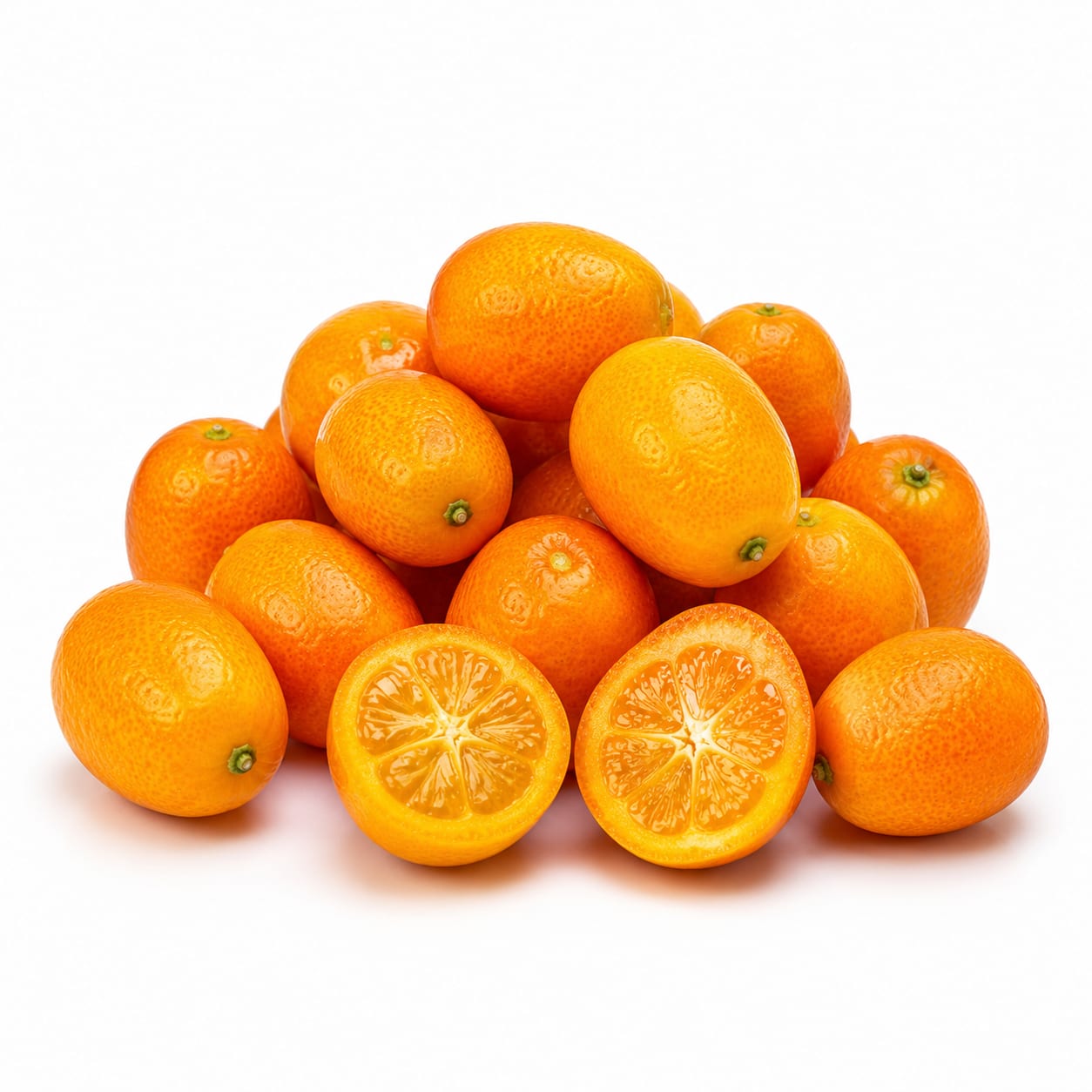
Kumquat
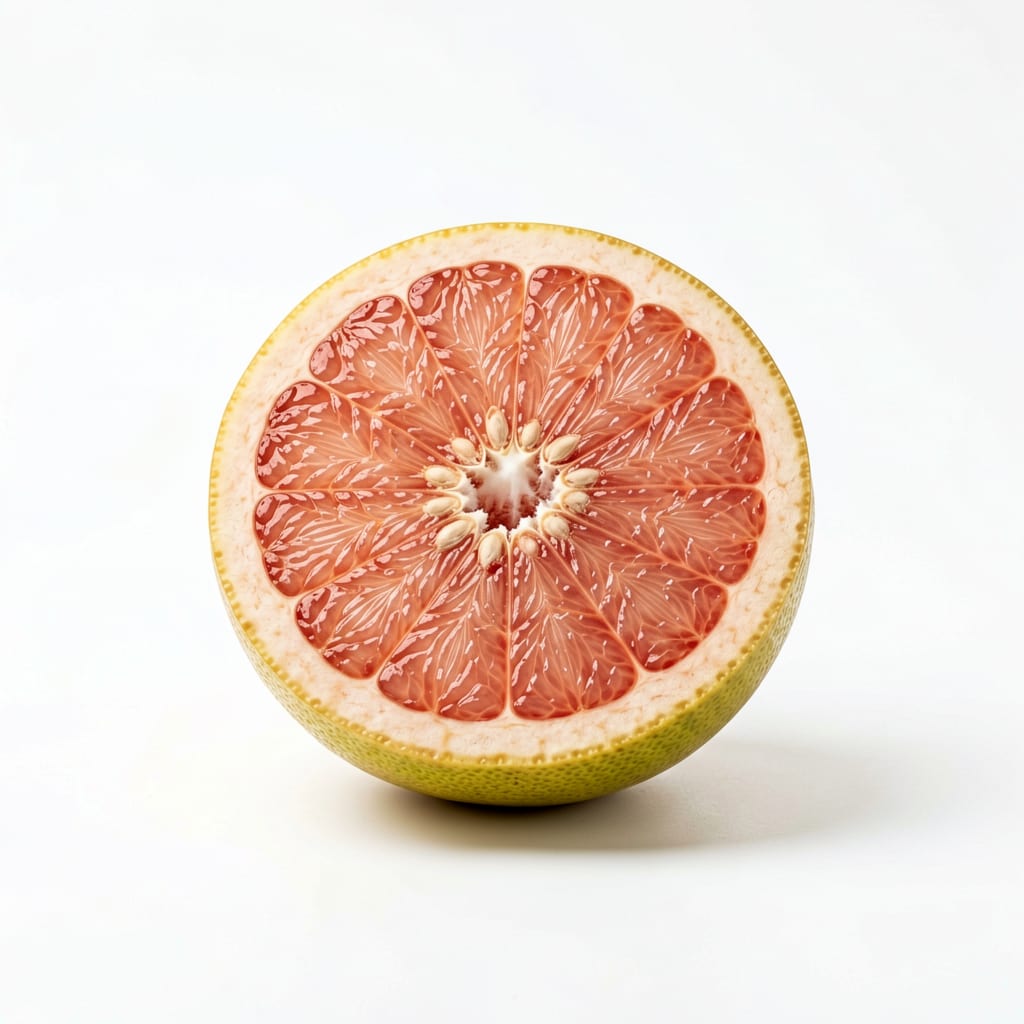
Grapefruit
Kumquats win on fiber and safety, grapefruit wins on satiety and per-serving nutrition — your medications and snacking style should decide
Kumquats score slightly higher due to superior fiber content and zero drug interaction risk, but grapefruit remains excellent for those not on interacting medications. The close scores reflect that both are genuinely healthy citrus options with different strengths.
Kumquats give you far more fiber in a tiny portable package with no drug interaction risk, while grapefruit delivers more filling hydration and vitamin C per serving but carries serious medication interaction warnings
At a glance
Executive summary
Overall
It depends
Healthier
It depends
More practical
Kumquat
Daily use
Kumquat
Key comparison lenses
drug interaction safety
Grapefruit has well-documented interactions with dozens of common medications through CYP3A4 enzyme inhibition, making this a critical health concern
fiber and edible skin advantage
Kumquats are eaten whole including the skin, dramatically changing their fiber profile and nutrient density compared to peeled citrus
weight management and satiety
Both are low-calorie citrus fruits often chosen for weight loss, but they fill you up very differently
vitamin c and antioxidant comparison
Both are strong vitamin C sources but differ in specific flavonoids and antioxidant profiles
snacking convenience and portability
Kumquats are bite-sized and portable while grapefruit requires cutting and utensils
Best choice for
Kumquat
- People on statins, blood pressure meds, or immunosuppressants
- Anyone wanting a high-fiber grab-and-go snack
- Those who prefer eating fruit skin for maximum nutrients
- People with mild constipation needing more roughage
Grapefruit
- Anyone wanting a filling low-calorie breakfast component
- People not on interacting medications seeking heart health benefits
- Those who enjoy a hydrating, refreshing fruit experience
- Breakfast eaters who like fruit alongside protein
Least suitable for
Kumquat
- People who dislike tart or bitter flavor combinations
- Anyone wanting a substantial filling fruit serving
- Those sensitive to high fiber intake
Grapefruit
- Anyone taking statins, calcium channel blockers, or immunosuppressants
- People on anti-anxiety or sleep medications affected by CYP3A4
- Those who find bitter flavors unappealing
Deep comparison
Dimension by dimension
Each lens scores both foods and breaks down who each option suits.
- Dimension 1 · Priority 90Kumquat
Fiber and Digestive Health
Kumquat · 88Grapefruit · 52Kumquats deliver roughly 6-7g of fiber per 100g compared to grapefruit's 1.6g — a massive difference driven by eating the whole fruit including skin
Tradeoff
You get outstanding fiber from kumquats but must enjoy the slightly chewy, bitter-sweet skin texture
Why it matters
Fiber keeps you regular, feeds gut bacteria, and steadies blood sugar — most people fall far short of daily targets
Real-world impact
A handful of kumquats gives you the fiber of a full grapefruit plus a fiber supplement combined
Kumquat
- Gut health and regularity
- Blood sugar stabilization
- Feeling full between meals
Better for
- Anyone unaccustomed to high fiber who might experience bloating initially
Worse for
Grapefruit
- Those who prefer gentle, low-fiber fruit
- People with sensitive digestion who find high fiber uncomfortable
Better for
- Meeting daily fiber goals efficiently
Worse for
- Dimension 2 · Priority 92Kumquat
Medication Safety and Drug Interactions
Kumquat · 98Grapefruit · 35Grapefruit inhibits the CYP3A4 enzyme, dangerously amplifying blood levels of over 85 medications — kumquats do not carry this risk
Tradeoff
Grapefruit offers unique heart-healthy naringenin flavonoids, but those same compounds cause the drug interaction problem
Why it matters
Statins, blood pressure drugs, anti-anxiety meds, and immunosuppressants can reach toxic levels when combined with grapefruit
Real-world impact
A single glass of grapefruit juice can alter medication effectiveness for 24-72 hours — this is not a minor interaction
Kumquat
- Anyone on any CYP3A4-affected medication
- Older adults typically on multiple prescriptions
- Worry-free daily fruit consumption
Better for
- No significant safety downside
Worse for
Grapefruit
- People on zero medications who want naringenin's anti-inflammatory benefits
Better for
- Anyone who has not verified their medications against grapefruit interactions
- Unpredictable effects with new prescriptions
Worse for
- Dimension 3 · Priority 82Grapefruit
Satiety and Fullness
Kumquat · 55Grapefruit · 82Half a grapefruit provides substantial volume and water content that physically fills your stomach, while kumquats are small and easy to eat without feeling satisfied
Tradeoff
Grapefruit takes time to prepare and eat, but that slower pace actually helps with fullness signals
Why it matters
Feeling full prevents overeating later — volume and eating speed both matter for appetite regulation
Real-world impact
A grapefruit half at breakfast can hold you until lunch; a handful of kumquats might leave you reaching for more food within an hour
Kumquat
- Quick energy between meals without feeling heavy
Better for
- Mindless snacking — easy to eat many without noticing
Worse for
Grapefruit
- Breakfast satiety
- Pre-meal appetite control
- Replacing higher-calorie breakfast options
Better for
- Needing a quick grab-and-go option
Worse for
- Dimension 4 · Priority 75Grapefruit
Vitamin C and Antioxidant Profile
Kumquat · 72Grapefruit · 80Grapefruit delivers more vitamin C per serving and unique naringenin flavonoids, while kumquats offer different antioxidants concentrated in the skin
Tradeoff
Grapefruit's naringenin is powerful but causes drug interactions; kumquat's skin antioxidants are less studied but safer
Why it matters
Different antioxidant profiles support different aspects of immune and cellular health
Real-world impact
Both easily cover your vitamin C needs, but grapefruit gives you more per calorie and per bite
Kumquat
- Broader antioxidant spectrum from skin compounds
- Essential oils with antimicrobial properties
Better for
- Lower total vitamin C per typical serving
Worse for
Grapefruit
- Higher vitamin C per serving
- Naringenin for cardiovascular and anti-inflammatory benefits
Better for
- Naringenin is the exact compound causing drug interactions
Worse for
- Dimension 5 · Priority 70Kumquat
Convenience and Portability
Kumquat · 90Grapefruit · 45Kumquats are nature's perfect pocket fruit — wash and eat whole. Grapefruit requires cutting, sectioning, and ideally a spoon
Tradeoff
Kumquats are effortless but you need many to equal one grapefruit's volume; grapefruit is messy but delivers a full eating experience
Why it matters
Convenience determines whether you actually eat the fruit or let it sit on the counter
Real-world impact
Toss kumquats in a bag for hiking or commuting; grapefruit stays home as a sit-down meal
Kumquat
- On-the-go snacking
- Packing in lunches
- Quick handful between meetings
Better for
- Formal dining or recipe versatility
Worse for
Grapefruit
- Leisurely weekend breakfasts
- Cooking and recipe use
- Juicing
Better for
- Commuting, hiking, or desk snacking
Worse for
- Dimension 6 · Priority 78Grapefruit
Blood Sugar Impact
Kumquat · 65Grapefruit · 78Grapefruit has a lower glycemic index and more water diluting its sugar content, while kumquats pack concentrated sugar in each small fruit
Tradeoff
Kumquats' high fiber helps offset sugar absorption, but eating many at once can still spike blood sugar faster than a grapefruit half
Why it matters
Steady blood sugar means steadier energy, fewer cravings, and better metabolic health over time
Real-world impact
One grapefruit half raises blood sugar gently over 30 minutes; a handful of kumquats can hit faster if you eat them quickly
Kumquat
- Fiber slows absorption when eaten in moderation
Better for
- Easy to overeat, increasing total sugar load
Worse for
Grapefruit
- Lower glycemic index per serving
- More water content diluting sugar impact
- Better for insulin-resistant individuals
Better for
- None significant for blood sugar
Worse for
Timeline
Health impact over time
Short-term
Hours to days
Kumquat
- Quick fiber boost that may cause mild bloating if you eat too many at once
- Immediate vitamin C support for immune function
- Slightly energizing from natural sugars absorbed with fiber
Grapefruit
- Hydrating and refreshing due to high water content
- Gentle blood sugar rise without sharp spikes
- Can cause dangerous medication level spikes if taken with interacting drugs
Long-term
Months to years
Kumquat
- Improved digestive regularity from consistent high fiber intake
- Better gut microbiome diversity from skin compounds and fiber
- Consistent antioxidant protection without drug interaction worries
Grapefruit
- Cardiovascular benefits from naringenin if not on interacting medications
- Potential weight management support from pre-meal consumption
- Risk of chronic medication interaction if consumed regularly with affected drugs
Risk profile
Safety & processing
Both fruits are eaten in their natural whole state with no additives. Kumquats have a slight edge because you consume the entire fruit, eliminating processing even at the peeling level.
Kumquat
Pesticide residue on skin
mediumSince you eat kumquats whole including the skin, any pesticide residue is consumed directly. Choose organic when possible or wash thoroughly.
Choking hazard for young children
lowWhole kumquats can be a choking risk for toddlers. Slice before serving to children under 4.
Grapefruit
CYP3A4 drug interactions
highGrapefruit inhibits the CYP3A4 enzyme, causing dangerous accumulation of over 85 medications including statins, calcium channel blockers, immunosuppressants, and certain anti-anxiety drugs. Effects can persist for 24-72 hours after consumption.
Pesticide residue on rind
lowSince grapefruit rind is typically discarded, pesticide exposure is minimal. Only relevant if using zest.
Who wins for whom
Audience fit
Same foods, different winners depending on your goal.
children
KumquatKids often find kumquats fun to eat whole, and the sweet-tart burst is more appealing than grapefruit's bitterness. Slice for safety under age 4.
daily consumption
KumquatKumquats can be eaten daily without checking medication lists, provide consistent fiber, and require no preparation. Grapefruit requires ongoing medication awareness.
diabetes
GrapefruitGrapefruit has a lower glycemic index and more water content per sugar gram, creating gentler blood sugar responses. Kumquats' concentrated sugar adds up quickly.
elderly
KumquatOlder adults are most likely to be on medications affected by grapefruit. Kumquats provide similar citrus benefits without interaction risk and deliver more fiber for common digestive slowdowns.
muscle gain
It dependsNeither fruit is significant for muscle gain. Both provide vitamin C for recovery, but you would choose protein sources instead.
weight loss
GrapefruitGrapefruit's high water content and substantial volume create more satiety per calorie, making it easier to eat less overall. Kumquats are easy to overconsume.
Your move
Decision guide
Choose Kumquat
- You take any prescription medications without verifying grapefruit safety first
- You want a high-fiber snack you can take anywhere
- You struggle to meet daily fiber targets
- You prefer grab-and-go fruit over sit-down eating
- You have older family members who enjoy citrus but are on multiple medications
Choose Grapefruit
- You are on zero interacting medications and want maximum heart health benefits
- You need a filling low-calorie breakfast component
- You enjoy the ritual of a sit-down morning fruit
- You want more vitamin C per serving
- You are actively managing weight and need volume-based satiety
Either works if
- You simply want more citrus variety in your diet
- You are looking for natural vitamin C sources beyond supplements
- You enjoy both and can rotate based on context
Avoid both if
- You have citrus allergies
- You are on medications that interact with grapefruit and cannot find organic kumquats
- You have severe acid reflux triggered by citrus
Final recommendation
Keep both in rotation but let kumquats be your everyday citrus snack — they are safer, more fiber-rich, and infinitely more portable. Save grapefruit for medication-free mornings when you want a hydrating, filling breakfast experience. Always verify your medications against grapefruit interactions before making it a habit.
Practical
Consumer tips
- 1
Buy organic kumquats when possible since you eat the entire skin
- 2
Wash kumquats thoroughly even if organic — the skin catches more residue than smooth citrus
- 3
Roll kumquats between your palm and the counter before eating to release essential oils and sweeten the flavor
- 4
If on any medication, search 'grapefruit interaction' plus your drug name before eating grapefruit
- 5
Freeze grapefruit sections for a refreshing summer snack that takes longer to eat
- 6
Pair kumquats with a few nuts for a balanced snack — the fat slows sugar absorption further
- 7
Start with 3-4 kumquats as a serving — eating a full bag is easy but delivers concentrated sugar and fiber