
Nutrition comparison
Kumquat vs Blueberry: Which Berry is Healthier?
Compare kumquat vs blueberry for fiber, antioxidants, and blood sugar impact. Discover the surprising winner for gut health and daily snacking.
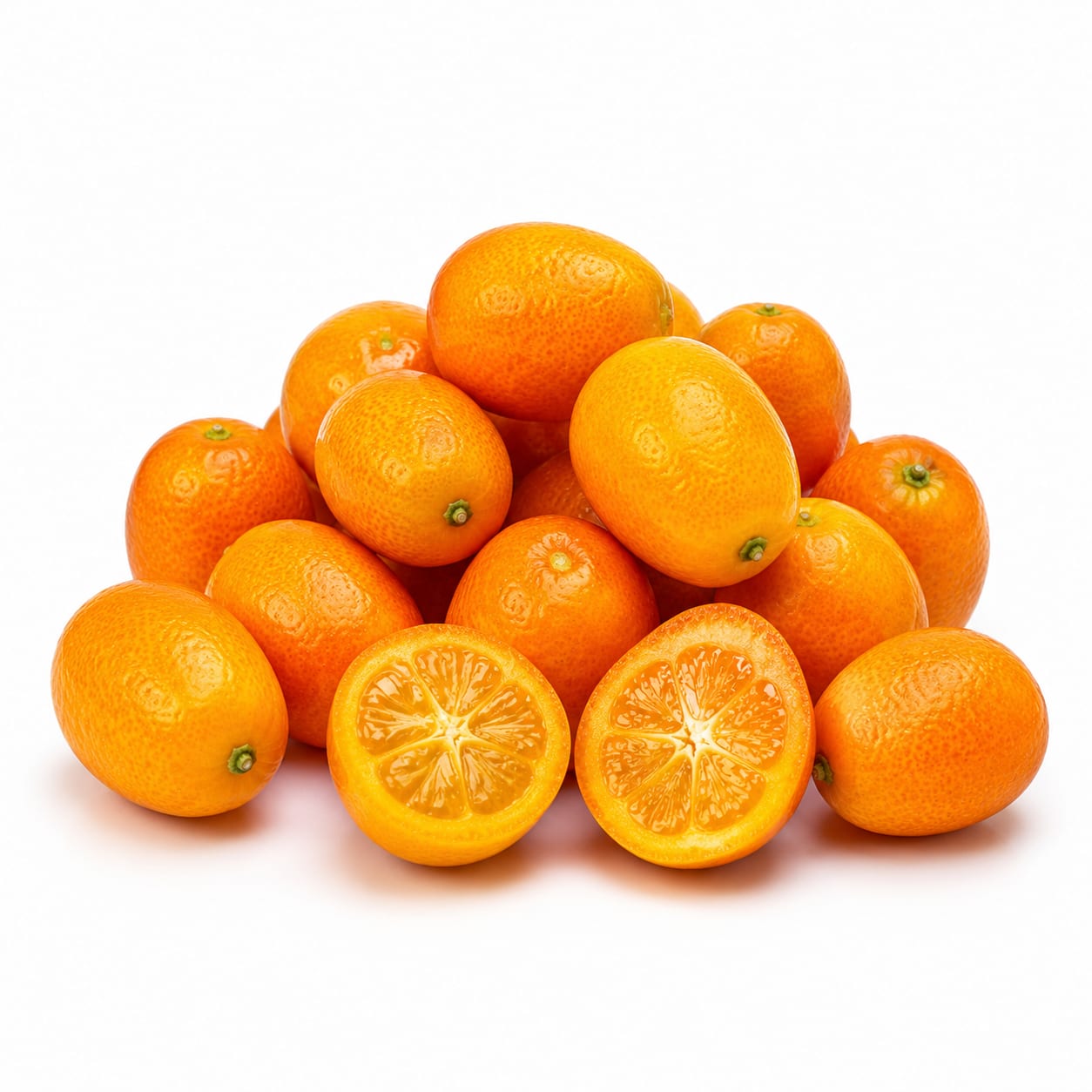
Kumquat
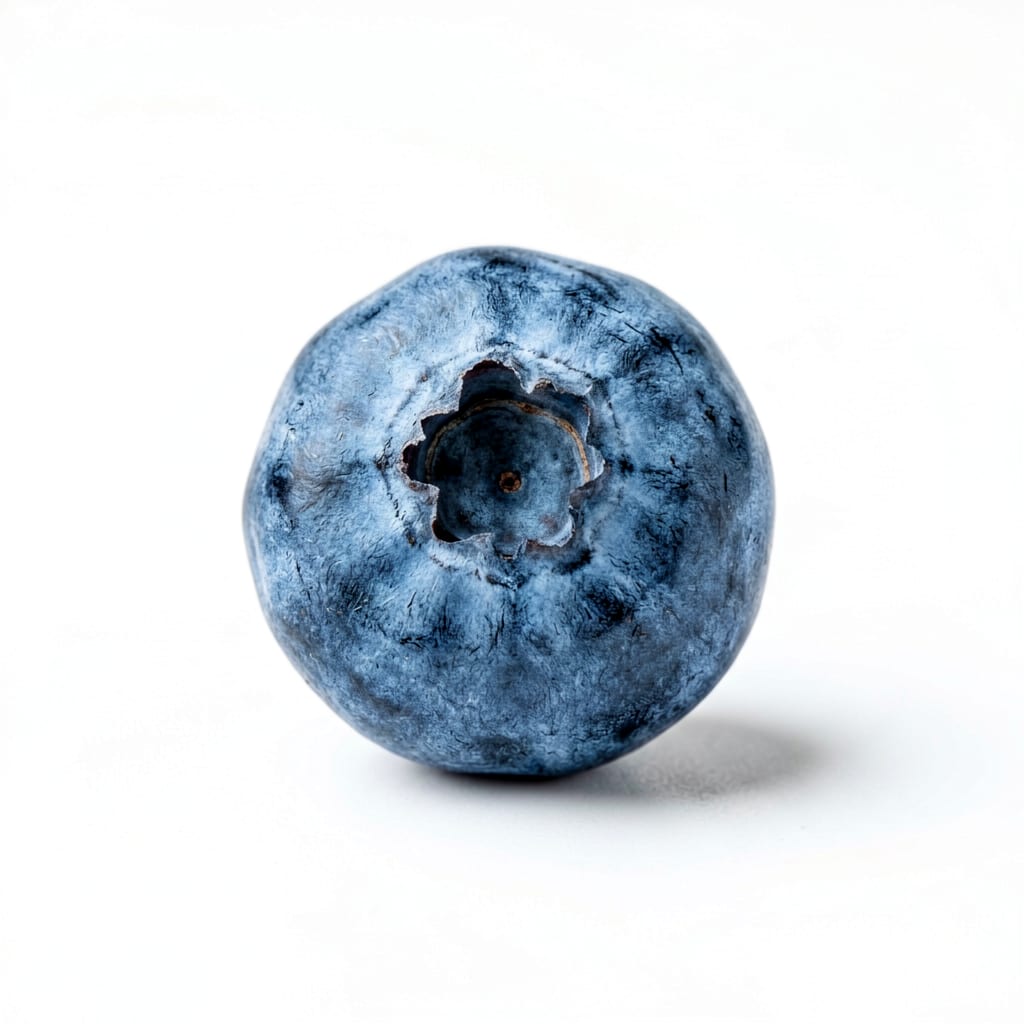
Blueberry
Blueberries win for antioxidant power and easy daily snacking, but kumquats are the surprising champion for fiber and satiety.
Blueberries score slightly higher due to their unmatched antioxidant density and broad culinary versatility. Kumquats score well but lose points on accessibility and intense flavor that limits portion sizes.
You trade the sweet, soft convenience and brain-boosting antioxidants of blueberries for the tart, fiber-dense gut-support of kumquats.
At a glance
Executive summary
Overall
It depends
Healthier
It depends
More practical
Blueberry
Daily use
Blueberry
Key comparison lenses
Fiber and Digestive Health
Kumquats are eaten whole including the peel, delivering significantly more fiber than blueberries.
Antioxidant Profile
Blueberries are famous for anthocyanins, while kumquats offer different citrus-based antioxidants and high Vitamin C.
Blood Sugar Management
Comparing the sugar load against the fiber content to see which fruit offers steadier energy.
Pesticide Exposure
Blueberries are frequently on the Dirty Dozen list, whereas kumquats have a protective peel, but since the peel is eaten, washing matters immensely.
Best choice for
Kumquat
- People needing a fiber boost to improve digestion
- Those wanting a low-sugar fruit that still feels filling
- Anyone looking to increase Vitamin C intake naturally
Blueberry
- People focused on brain health and anti-aging
- Those wanting an easy, sweet addition to smoothies or oatmeal
- Anyone seeking a gentle, low-calorie snack
Least suitable for
Kumquat
- People who dislike tart or bitter flavors
- Those with citrus allergies or acid sensitivity
- Anyone looking for a mild, high-volume snacking fruit
Blueberry
- People strictly limiting fructose who need a higher fiber-to-sugar ratio
- Those wanting a fruit that provides long-lasting satiety on its own
Deep comparison
Dimension by dimension
Each lens scores both foods and breaks down who each option suits.
- Dimension 1 · Priority 92Kumquat
Fiber and Satiety
Kumquat · 88Blueberry · 60Kumquats deliver nearly double the fiber because you eat the entire fruit, skin and all.
Tradeoff
You get incredible fullness from kumquats, but the chewy, slightly bitter peel is an acquired texture.
Why it matters
Higher fiber means steadier blood sugar and better gut health, keeping you full longer between meals.
Real-world impact
A handful of kumquats will suppress afternoon hunger far better than a handful of blueberries.
Kumquat
- Gut motility
- Prolonged fullness
- Blood sugar stabilization
Better for
- Palatability if you dislike bitter notes
Worse for
Blueberry
- Gentle digestion
- Easier on the stomach if sensitive to roughage
Better for
- Overeating because they are easy to consume in large quantities without feeling full
Worse for
- Dimension 2 · Priority 88Blueberry
Antioxidant Power
Kumquat · 72Blueberry · 96Blueberries are an antioxidant powerhouse, specifically rich in anthocyanins, while kumquats offer vitamin C and citrus flavonoids.
Tradeoff
Blueberries excel at cellular defense and brain health, whereas kumquats shine more for immune support and skin health.
Why it matters
Anthocyanins protect against cognitive decline and cellular aging, making blueberries a long-term health investment.
Real-world impact
Eating blueberries regularly is like adding a shield for your brain and skin against daily wear and tear.
Kumquat
- Immune system defense
- Collagen production for skin
Better for
- Less targeted neuroprotection
Worse for
Blueberry
- Brain health and memory
- Reducing cellular aging
- Lowering inflammation
Better for
- Lower vitamin C density compared to citrus
Worse for
- Dimension 3 · Priority 82Kumquat
Blood Sugar Impact
Kumquat · 84Blueberry · 78Kumquats have a better fiber-to-sugar ratio, resulting in a slower glucose release despite their tartness.
Tradeoff
Kumquats keep blood sugar steadier, but blueberries are sweeter and more satisfying when sugar cravings hit.
Why it matters
Managing blood sugar spikes prevents the energy crashes that lead to poor food choices later.
Real-world impact
Choosing kumquats as a standalone snack prevents the 11 AM energy dip better than a sugary fruit serving.
Kumquat
- Steady energy levels
- Diabetic-friendly snacking
Better for
- The tartness might make you reach for something sweet anyway
Worse for
Blueberry
- Satisfying a sweet tooth naturally
Better for
- Eating too many can cause a mild sugar spike
Worse for
- Dimension 4 · Priority 75Blueberry
Convenience and Versatility
Kumquat · 55Blueberry · 92Blueberries are a seamless addition to almost any meal, while kumquats require specific pairing strategies.
Tradeoff
Blueberries are universally easy to enjoy, but kumquats offer a bold culinary punch if you know how to use them.
Why it matters
You will only get health benefits from foods you actually eat regularly and enjoy preparing.
Real-world impact
Tossing blueberries into yogurt takes zero thought; incorporating kumquats requires planning or a taste for intense citrus.
Kumquat
- Cocktail garnishes
- Savory salad additions
Better for
- Limited smoothie appeal
- Too intense for casual snacking
Worse for
Blueberry
- Smoothies
- Breakfast bowls
- Easy on-the-go snacking
Better for
- Can get mushy when baked or cooked
Worse for
Timeline
Health impact over time
Short-term
Hours to days
Kumquat
- Quick feeling of fullness due to dense fiber
- Immediate immune support from high vitamin C
Blueberry
- Rapid satisfaction of sweet cravings
- Light, hydrating energy boost
Long-term
Months to years
Kumquat
- Improved gut motility and microbiome diversity
- Better blood sugar regulation over time
Blueberry
- Preserved cognitive function and memory
- Reduced systemic inflammation and oxidative stress
Risk profile
Safety & processing
Both fruits are whole, unprocessed foods. The only concern is agricultural chemicals, since you eat the kumquat peel and blueberries have thin skins.
Kumquat
Pesticide residue on peel
mediumSince the entire fruit is eaten, any pesticides applied to the skin are ingested. Washing thoroughly or buying organic is crucial.
Blueberry
Pesticide residue
highBlueberries frequently appear on the EWG's Dirty Dozen list due to high pesticide residues on their thin skins.
Mold spoilage
mediumBlueberries spoil quickly and can harbor mold beneath the surface, requiring careful inspection before eating.
Who wins for whom
Audience fit
Same foods, different winners depending on your goal.
children
BlueberryBlueberries are sweet, soft, and easy for kids to eat; kumquats are too tart and present a choking hazard for very young children.
daily consumption
BlueberryBlueberries are easier to incorporate into daily meals seamlessly, from breakfast to desserts, without flavor fatigue.
diabetes
KumquatKumquats offer a superior fiber-to-carb ratio, slowing down sugar absorption and preventing glucose spikes.
elderly
BlueberryBlueberries support brain health and are soft and easy to chew, which is ideal for aging adults.
muscle gain
BlueberryNeither is a protein source, but blueberries provide easy, light carbs that pair well with post-workout meals without causing bloating.
weight loss
KumquatThe high fiber content in kumquats creates a stronger feeling of fullness, making it easier to control overall calorie intake.
Your move
Decision guide
Choose Kumquat
- You want to improve your digestion and feel fuller longer
- You enjoy bold, tart, and bitter flavor profiles
- You need a low-sugar fruit that still packs a nutritional punch
Choose Blueberry
- You want a sweet, gentle snack that requires no preparation
- Brain health and anti-aging are your top priorities
- You need a versatile fruit for smoothies, baking, or oatmeal
Either works if
- You want a whole-food antioxidant boost
- You are looking for a natural, unprocessed sweet treat
- You need to satisfy a fruit craving without turning to junk food
Avoid both if
- You are on a strict very-low-carb or ketogenic diet and cannot spare the carbs for fruit
Final recommendation
Keep blueberries as your daily staple for their ease and brain benefits, but swap them for kumquats a few times a week to supercharge your fiber intake and keep your gut microbiome thriving.
Practical
Consumer tips
- 1
Always buy organic blueberries if possible, as conventional ones have high pesticide residues.
- 2
Wash kumquats thoroughly under running water and rub the skin to remove any wax or chemical residue before eating.
- 3
Roll a kumquat between your palm and the counter before eating to release the essential oils in the peel and sweeten the overall flavor.
- 4
Freeze blueberries at peak freshness to preserve their antioxidants and prevent mold waste.