
Nutrition comparison
Kumquat vs Mandarin: Which Citrus Is Healthier?
Kumquats deliver double the fiber and half the sugar of mandarins, but mandarins win on taste and convenience. Compare nutrition, blood sugar impact, and best uses for each fruit.
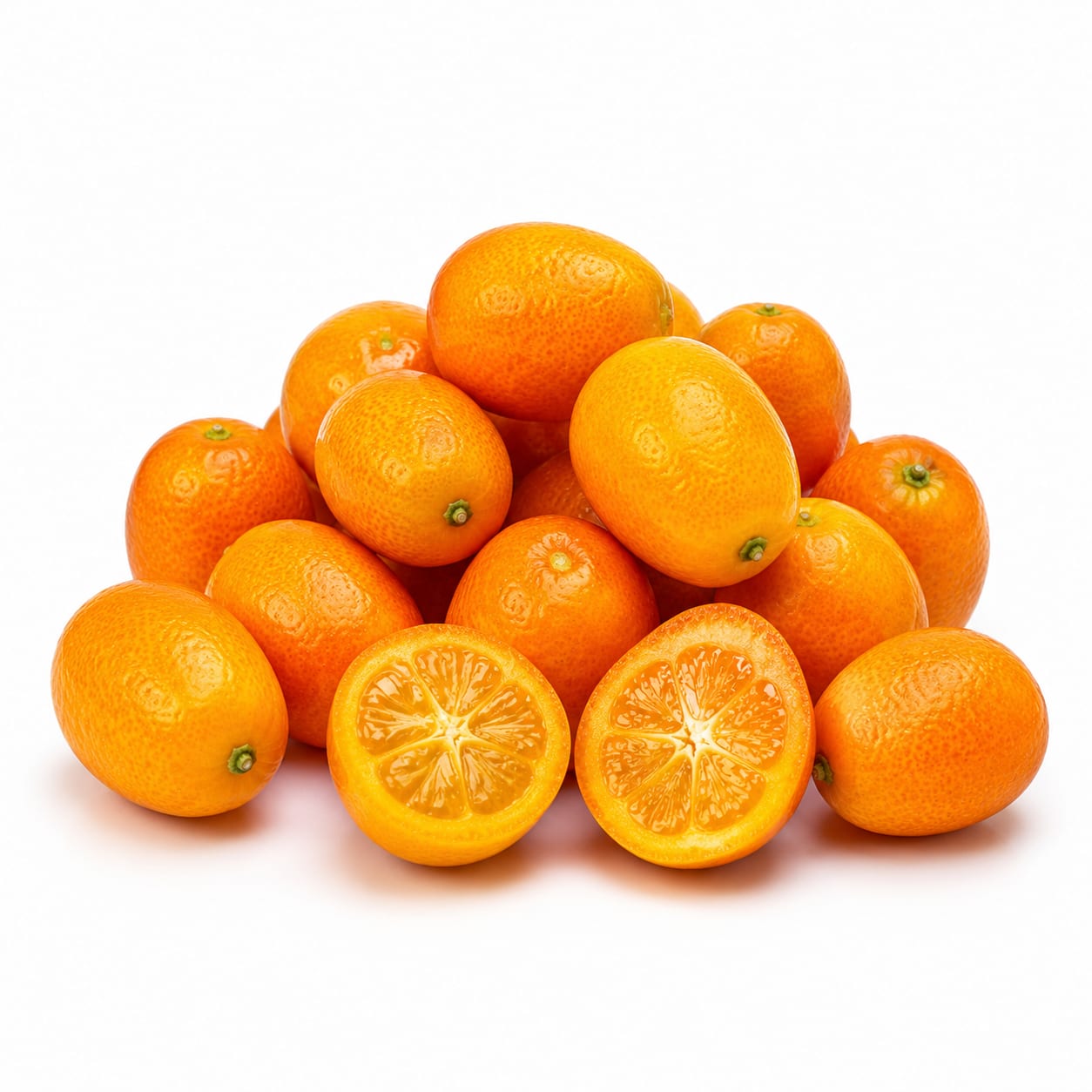
Kumquat
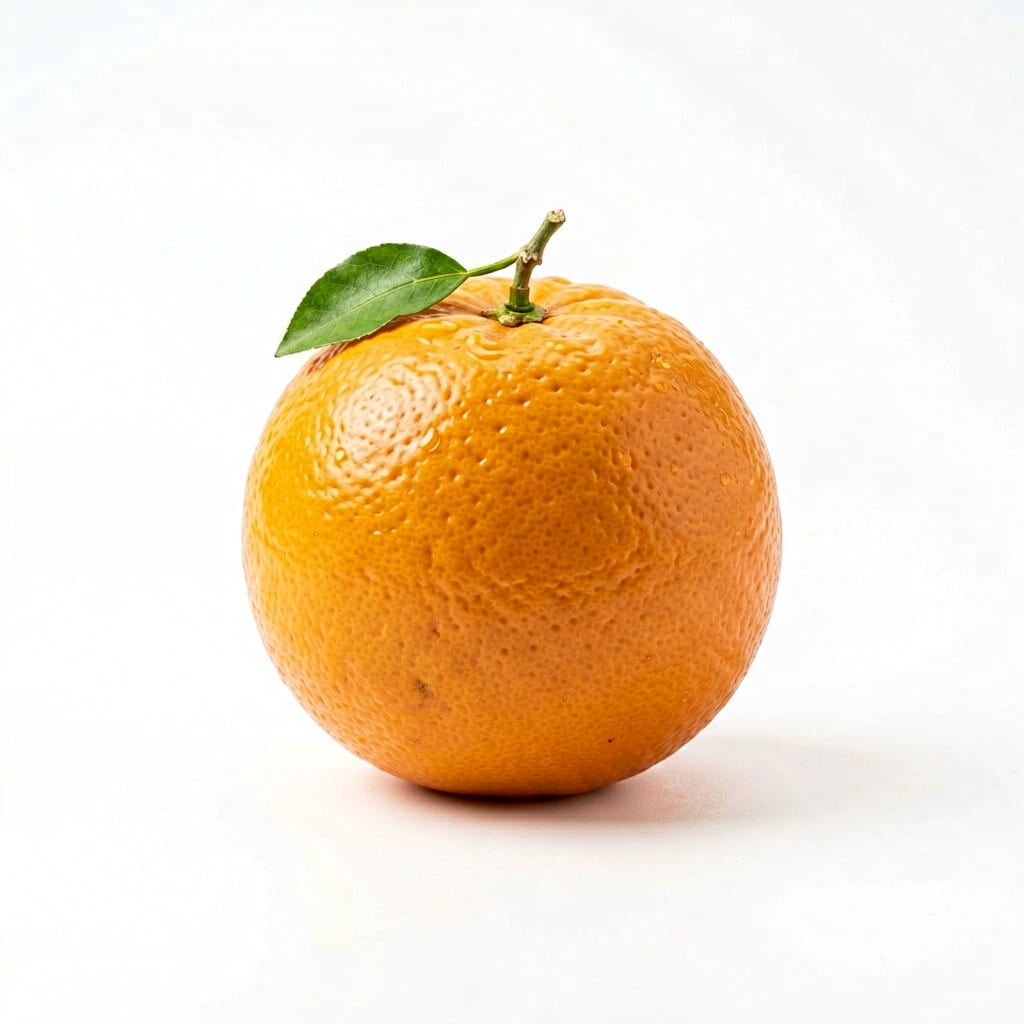
Mandarin
Kumquats win on nutrient density and blood sugar control; mandarins win on enjoyment and everyday practicality.
Kumquats score higher for nutritional density and metabolic benefits, but mandarins remain competitive through accessibility, enjoyment, and hydration value. The gap reflects kumquats' superior fiber and antioxidant profile rather than mandarins being a poor choice.
Kumquats pack more fiber and antioxidants per bite but taste intensely tart. Mandarins are sweeter and easier to enjoy, but the sugar adds up fast when you eat several.
At a glance
Executive summary
Overall
It depends
Healthier
Kumquat
More practical
Mandarin
Daily use
Mandarin
Key comparison lenses
sugar and blood impact
Mandarins are notably sweeter and easier to overeat, while kumquats deliver tartness with edible peel that slows sugar absorption
fiber and gut health
Eating kumquat skin dramatically increases fiber intake compared to peeled mandarin segments
antioxidant density
Kumquat peel contains concentrated flavonoids and essential oils absent from mandarin flesh alone
eating experience and portion control
Mandarins encourage casual snacking in quantity; kumquats naturally limit portions through tartness
everyday practicality
Mandarins are universally available and kid-friendly; kumquats are seasonal specialty items with acquired taste
Best choice for
Kumquat
- Blood sugar management and diabetes prevention
- Maximum antioxidant intake from citrus peel compounds
- Digestive regularity from high fiber content
- Flavor adventurers who enjoy tart, complex tastes
Mandarin
- Families with children who reject sour flavors
- Quick on-the-go snacking without prep
- Hydration support from high water content
- Affordable daily fruit routine
Least suitable for
Kumquat
- People with citrus peel sensitivity or mouth irritation
- Anyone expecting a sweet, easy snacking fruit
- Budget-conscious shoppers needing bulk fruit
Mandarin
- Strict low-sugar diets requiring tight carb control
- People prone to overeating sweet fruit
- Those seeking maximum nutrient density per calorie
Deep comparison
Dimension by dimension
Each lens scores both foods and breaks down who each option suits.
- Dimension 1 · Priority 92Kumquat
Sugar and Blood Sugar Impact
Kumquat · 82Mandarin · 55Kumquats deliver roughly half the sugar per serving with significantly more fiber to slow absorption.
Tradeoff
You sacrifice the sweet, juicy satisfaction of mandarins for steadier energy and less insulin demand.
Why it matters
Mandarins are easy to eat in multiples, pushing sugar intake to 20-30g in one sitting without realizing it.
Real-world impact
A kumquat snack leaves you stable; three mandarins can trigger a mild afternoon crash for sugar-sensitive people.
Kumquat
- Steady energy without sugar spikes
- Diabetes-friendly snacking
- Low-carb diet compatibility
Better for
- Not satisfying if you crave sweetness
Worse for
Mandarin
- Quick pre-workout fuel from natural sugars
- Replenishing glycogen after exercise
Better for
- Easy to overconsume sugar without noticing
- Less suitable for metabolic syndrome management
Worse for
- Dimension 2 · Priority 88Kumquat
Fiber and Digestive Health
Kumquat · 90Mandarin · 48Eating kumquat skin more than doubles your fiber intake compared to peeled mandarin.
Tradeoff
The chewy, slightly bitter peel takes getting used to, but it transforms kumquats into a genuinely high-fiber fruit.
Why it matters
Most people fall far short of daily fiber targets. Kumquats sneak in soluble and insoluble fiber effortlessly.
Real-world impact
A handful of kumquats provides the fiber of a small bowl of oatmeal; mandarins offer barely a quarter of that.
Kumquat
- Gut microbiome support from diverse fiber types
- Prolonged fullness between meals
- Digestive regularity
Better for
- Peel texture can irritate mouth sores
- Too much fiber too fast if unaccustomed
Worse for
Mandarin
- Gentler on sensitive stomachs that struggle with peel roughage
Better for
- Minimal contribution to daily fiber goals
- Less satiating, easier to overeat
Worse for
- Dimension 3 · Priority 85Kumquat
Antioxidant and Phytonutrient Density
Kumquat · 88Mandarin · 62Kumquat peel concentrates flavonoids, essential oils, and vitamin C that mandarin flesh simply lacks.
Tradeoff
You get more protective compounds per calorie from kumquats, but mandarins offer more vitamin A from beta-carotene.
Why it matters
Citrus peel compounds like naringin and hesperidin have stronger anti-inflammatory evidence than juice-based nutrients alone.
Real-world impact
Regular kumquat eaters get anti-inflammatory benefits most citrus consumers miss because they discard the peel.
Kumquat
- Anti-inflammatory flavonoids from peel oils
- Higher vitamin C concentration per gram
- Unique essential oil compounds with emerging health evidence
Better for
- Limited research on long-term peel compound effects
Worse for
Mandarin
- More beta-carotene for eye and immune health
- Higher total volume of vitamin C per whole fruit
Better for
- Discarding the peel wastes the most nutrient-dense part of any citrus
Worse for
- Dimension 4 · Priority 80Kumquat
Eating Experience and Portion Control
Kumquat · 72Mandarin · 65Kumquats naturally limit intake through tartness; mandarins encourage mindless eating through sweetness.
Tradeoff
Kumquats feel more like a conscious flavor event; mandarins feel like comfort eating that sneaks in extra calories.
Why it matters
Portion control with sweet fruit is an underappreciated factor in weight management.
Real-world impact
Most people stop at 3-4 kumquats but can easily finish 4-5 mandarins without thinking, tripling sugar intake.
Kumquat
- Built-in portion control from intense flavor
- Mindful eating experience
- Less risk of calorie creep from fruit snacking
Better for
- Not a relaxing comfort food
- Acquired taste that many never acquire
Worse for
Mandarin
- More enjoyable for emotional comfort
- Kid-friendly without negotiation
- Better for sharing socially
Better for
- Sweetness drives overconsumption
- Easy to exceed intended snack size
Worse for
- Dimension 5 · Priority 75Mandarin
Everyday Practicality and Accessibility
Kumquat · 40Mandarin · 90Mandarins are available everywhere, affordable, and universally liked. Kumquats are seasonal, pricey, and niche.
Tradeoff
The healthier fruit means little if you cannot find it or will not eat it regularly.
Why it matters
Consistency beats perfection. A mandarin you actually eat daily outperforms a kumquat you buy twice a year.
Real-world impact
Mandarins are a grab-and-go staple in most grocery stores year-round; kumquats require specialty store trips in winter only.
Kumquat
- Novel ingredient for cooking and cocktails
- Impressive garnish for entertaining
Better for
- Hard to find outside winter months
- Significantly more expensive per serving
- Most people unsure how to eat them
Worse for
Mandarin
- Available in every supermarket year-round
- Affordable for daily consumption
- No preparation or learning curve
- Universally accepted by kids and picky eaters
Better for
- Less exciting or nutritionally adventurous
Worse for
- Dimension 6 · Priority 60Mandarin
Hydration and Refreshment
Kumquat · 45Mandarin · 85Mandarins are juicy and hydrating; kumquats are firm and dry by comparison.
Tradeoff
If you want thirst-quenching fruit, mandarins deliver. Kumquats feel more like a concentrated flavor bite.
Why it matters
Hydration from food matters more than people realize, especially in hot climates or dry indoor environments.
Real-world impact
After a mandarin, your mouth feels refreshed. After a kumquat, your mouth feels stimulated but not hydrated.
Kumquat
- Intense flavor wakes up the palate
Better for
- Does not quench thirst
- Astringent quality can feel drying
Worse for
Mandarin
- High water content supports hydration
- Refreshing after exercise or in heat
- Juiciness satisfies thirst
Better for
- Water dilutes nutrient concentration per gram
Worse for
Timeline
Health impact over time
Short-term
Hours to days
Kumquat
- Tartness may cause mild mouth puckering or salivation
- Fiber provides noticeable fullness within 20 minutes
- Essential oils can temporarily aid digestion
Mandarin
- Quick energy boost from natural sugars within 15 minutes
- Hydrating effect from high water content
- Possible sugar craving trigger leading to more snacking
Long-term
Months to years
Kumquat
- Improved glycemic control from consistent fiber intake
- Anti-inflammatory benefits from peel flavonoids
- Better digestive regularity with regular consumption
Mandarin
- Solid vitamin C intake supporting immune function
- Beta-carotene accumulation benefiting eye health
- Risk of excess sugar intake if eaten in large quantities daily
Risk profile
Safety & processing
Both fruits are whole, unprocessed foods eaten in their natural state. Kumquats retain their peel, making them the more complete whole-food experience. Mandarins in cans or cups with syrup are a different product entirely and should be avoided.
Kumquat
Pesticide residue on peel
mediumSince you eat the skin, pesticide exposure is a real concern. Organic kumquats are strongly recommended over conventional.
Wax coating on peel
lowSome producers apply food-grade wax. Washing thoroughly or choosing organic avoids this.
Mouth irritation from acidity
lowConcentrated citric acid in the peel can aggravate mouth ulcers or sensitive gums.
Mandarin
Pesticide residue on peel
lowYou discard the peel, so exposure is minimal. Still worth washing hands after peeling.
Cross-contamination from peeling
lowHandling the rind then eating the segments can transfer surface residue to fingers and fruit.
Canned mandarin syrup additives
mediumOnly applies to processed versions. Canned mandarins often sit in corn syrup or added sugar. Choose fresh instead.
Who wins for whom
Audience fit
Same foods, different winners depending on your goal.
children
MandarinMost children reject kumquats immediately due to tartness and unfamiliar texture. Mandarins are universally kid-approved and easy to peel.
daily consumption
MandarinAvailability, affordability, and broad appeal make mandarins realistic for daily habits. Kumquats work better as an occasional nutritional boost.
diabetes
KumquatSignificantly less sugar per serving with double the fiber creates a gentler glycemic response and better insulin sensitivity over time.
elderly
MandarinMandarins are softer, easier to chew, and more hydrating. Kumquats require more jaw effort and may irritate sensitive mouths.
muscle gain
MandarinMandarins provide quicker carbohydrates useful post-workout, plus more total vitamin C for collagen synthesis and recovery.
weight loss
KumquatHigher fiber and lower sugar per serving make kumquats more satiating with fewer calories. Built-in portion control from tartness prevents overeating.
Your move
Decision guide
Choose Kumquat
- You want maximum nutrition per calorie from your fruit
- Blood sugar control is a personal or family priority
- You enjoy bold, complex flavors and culinary experimentation
- You can find organic kumquats and want a fiber-rich snack
Choose Mandarin
- You need an affordable, everyday fruit the whole family will eat
- Hydration and refreshment matter more than nutrient density
- You want pre- or post-workout carbs that taste great
- Kumquats are unavailable or too expensive in your area
Either works if
- You simply want whole fruit instead of processed snacks
- Vitamin C intake is your main concern
- You enjoy citrus variety and can rotate both seasonally
Avoid both if
- You have citrus allergies or oral allergy syndrome
- You are on a strict very-low-carb ketogenic protocol
- You have active mouth ulcers that acid will aggravate
Final recommendation
Eat mandarins as your daily citrus staple for enjoyment and consistency, but seek out organic kumquats in winter as a nutrient-dense supplement. The ideal approach is not choosing one over the other, but using kumquats strategically when you want metabolic benefits and mandarins when you want simple pleasure and hydration.
Practical
Consumer tips
- 1
Always choose organic kumquats since you eat the peel where pesticides concentrate
- 2
Wash kumquats thoroughly even if organic to remove any wax or debris
- 3
Roll kumquats gently between your palms before eating to release essential oils and soften the peel
- 4
If kumquats are too tart alone, slice them into salads where the acidity replaces dressing
- 5
Freeze mandarin segments for a refreshing hot-weather snack that takes longer to eat
- 6
Avoid canned mandarins in syrup, which add 15-20g of refined sugar per serving
- 7
Store kumquats in the refrigerator to extend their short seasonal shelf life
- 8
Try slicing kumquats into hot tea for a natural vitamin C and flavor boost without sweetener