
Nutrition comparison
Kumquat vs Strawberry: Which Fruit Is Healthier for You?
Compare kumquat and strawberry nutrition including fiber, sugar, antioxidants, and pesticide safety. Find out which fruit fits your health goals better.
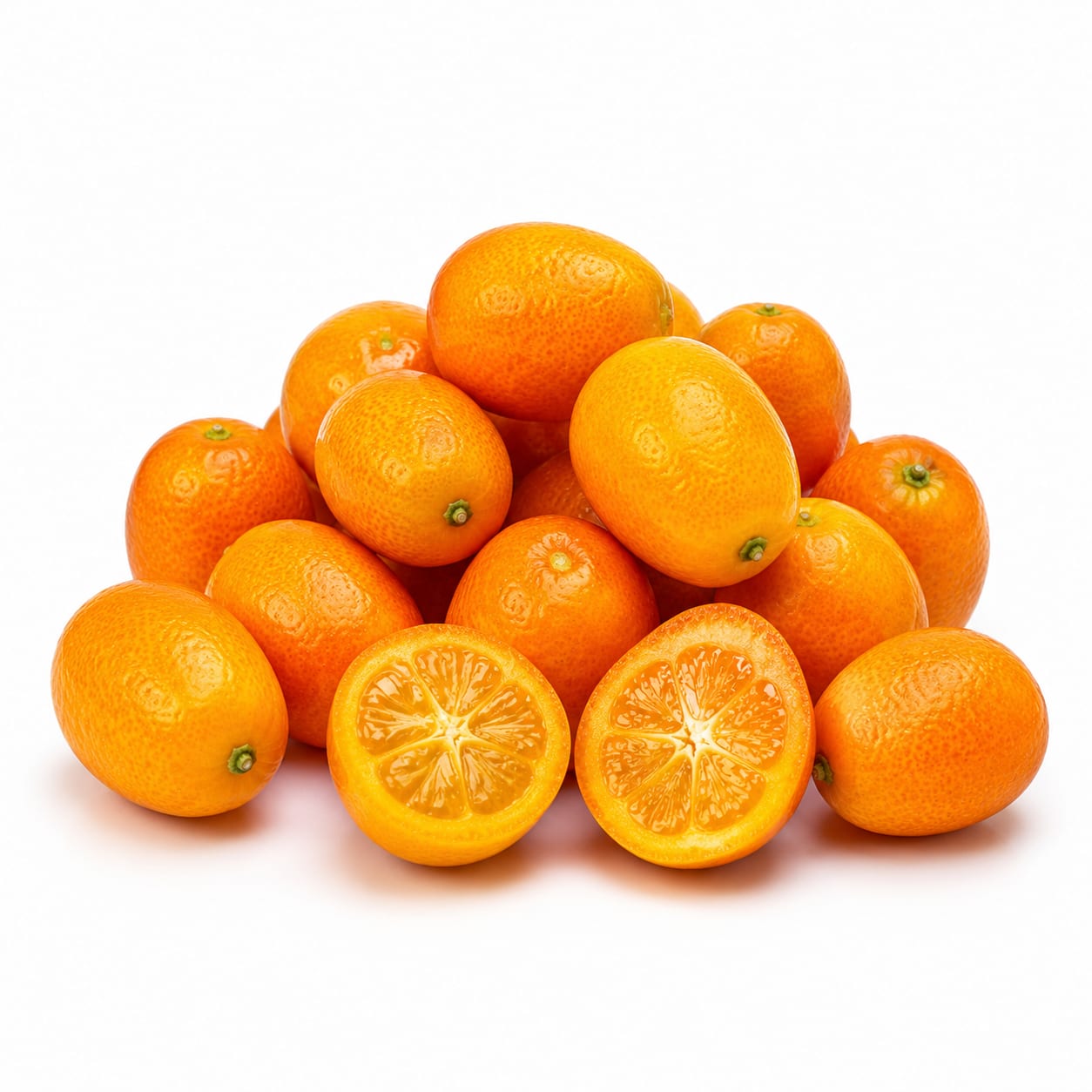
Kumquat
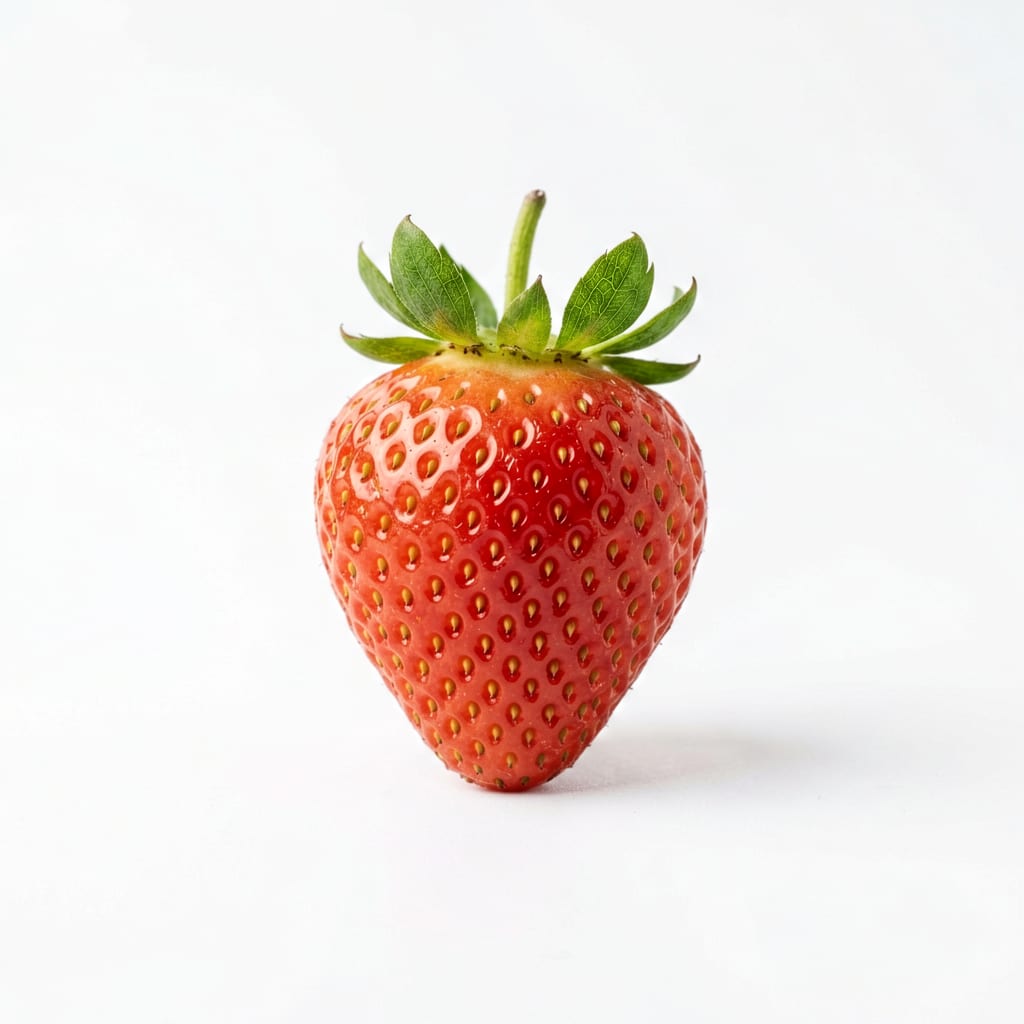
Strawberry
Kumquats win on fiber, lower sugar, and pesticide safety. Strawberries win on availability, versatility, and antioxidant variety. Your choice depends on what you value most.
Kumquats edge ahead on nutritional density and safety but lose ground on practicality and enjoyment. Strawberries are more accessible and versatile but carry real pesticide concerns. The close scores reflect a genuine either-or decision.
Kumquats offer more fiber and less sugar per bite but are harder to find and more acquired-taste. Strawberries are everywhere and more enjoyable for most people but carry significant pesticide risk if not organic.
At a glance
Executive summary
Overall
It depends
Healthier
Kumquat
More practical
Strawberry
Daily use
Strawberry
Key comparison lenses
fiber and satiety difference
Kumquats eaten whole with peel deliver dramatically more fiber, changing how filling each fruit feels
pesticide exposure risk
Strawberries consistently rank #1 on the Dirty Dozen list while kumquats have lower pesticide concerns
antioxidant and vitamin comparison
Both are vitamin C powerhouses but with distinctly different antioxidant profiles that matter for daily fruit choices
sugar and glycemic impact
Users comparing fruits often care about sugar load and blood sugar stability
everyday practicality and availability
Strawberries are available year-round in most stores; kumquats are seasonal and harder to find
Best choice for
Kumquat
- Blood sugar management and low-sugar diets
- Maximizing fiber intake from fruit
- Avoiding pesticide exposure without buying organic
- Digestive regularity and gut health
Strawberry
- Everyday snacking and family-friendly fruit
- Broader antioxidant coverage especially anthocyanins
- Smoothies, desserts, and recipe versatility
- Vitamin C on a budget
Least suitable for
Kumquat
- Pick eaters and children who dislike tart flavors
- Large serving sizes needed for recipes
- Regions with limited kumquat availability
- People sensitive to citrus oils or acidity
Strawberry
- Those strictly avoiding pesticide residues without organic access
- Very low-sugar diets requiring minimal fructose
- People with strawberry allergies relatively common
Deep comparison
Dimension by dimension
Each lens scores both foods and breaks down who each option suits.
- Dimension 1 · Priority 92Kumquat
Fiber and Satiety
Kumquat · 88Strawberry · 58Kumquats deliver roughly 6-7g fiber per 100g versus strawberries at 2g, thanks to eating the whole peel.
Tradeoff
You get far more fullness per calorie from kumquats but the fibrous peel texture is not for everyone.
Why it matters
Fiber from whole fruit keeps you satisfied longer and steadies blood sugar better than low-fiber alternatives.
Real-world impact
A handful of kumquats feels like a real snack. A handful of strawberries disappears fast and leaves you reaching for more.
Kumquat
- Sustained energy between meals
- Digestive regularity
- Weight management through natural fullness
Better for
- People who dislike chewy or bitter textures
Worse for
Strawberry
- Light snacking without feeling heavy
- Pre-workout fruit that digests quickly
Better for
- Anyone needing fiber to stay full on a calorie budget
Worse for
- Dimension 2 · Priority 85Kumquat
Sugar and Blood Sugar Impact
Kumquat · 82Strawberry · 64Kumquats contain roughly 9g sugar per 100g while strawberries hover around 5-6g per 100g, but kumquats have far more fiber to buffer absorption.
Tradeoff
Strawberries have slightly less total sugar per 100g but their lower fiber means faster absorption. Kumquats have more sugar but the fiber slows the spike significantly.
Why it matters
Fruit sugar matters less when fiber slows absorption. The fiber-to-sugar ratio often predicts blood sugar response better than total sugar alone.
Real-world impact
Kumquats give you a slower energy release. Strawberries can cause a quicker rise and dip if eaten alone in large amounts.
Kumquat
- Diabetics monitoring glycemic response
- Keto-adjacent or low-carb eaters wanting fruit
- Steady afternoon energy without crashes
Better for
- Very strict sugar counters who see 9g and stop reading
Worse for
Strawberry
- Quick pre-exercise fuel
- Anyone needing fast natural energy
Better for
- Blood sugar sensitive individuals eating large portions
Worse for
- Dimension 3 · Priority 86Strawberry
Antioxidant Profile
Kumquat · 72Strawberry · 85Strawberries offer anthocyanins, ellagic acid, and vitamin C. Kumquats provide flavonoids and vitamin C but less variety in polyphenol types.
Tradeoff
Strawberries give broader antioxidant coverage. Kumquats concentrate unique citrus flavonoids in the peel that strawberries simply cannot offer.
Why it matters
Diverse antioxidant intake matters more than high doses of one type. Different polyphenols protect different systems.
Real-world impact
Eating strawberries regularly supports heart and brain health through anthocyanins. Kumquats support vascular health through citrus-specific flavonoids like naringin.
Kumquat
- Vascular and circulatory health
- Anti-inflammatory benefits from citrus peel oils
Better for
- Missing anthocyanin benefits entirely
Worse for
Strawberry
- Brain health and cognitive aging
- Heart disease risk reduction
- Broader cellular protection across body systems
Better for
- Lacking citrus-specific flavonoid compounds
Worse for
- Dimension 4 · Priority 90Kumquat
Pesticide and Contamination Safety
Kumquat · 86Strawberry · 42Strawberries consistently rank #1 on EWG's Dirty Dozen with high pesticide residue. Kumquats have significantly lower pesticide concerns due to their thick peel and lower spray intensity.
Tradeoff
Organic strawberries solve the pesticide issue but cost significantly more. Kumquats are safer even conventionally grown.
Why it matters
Chronic low-dose pesticide exposure affects hormonal and neurological health over time, especially for children.
Real-world impact
If you eat strawberries daily and cannot afford organic, you are getting a measurable pesticide load. Kumquats are a safer bet for frequent conventional consumption.
Kumquat
- Families with young children
- Daily fruit eaters on a conventional budget
- Anyone reducing cumulative chemical exposure
Better for
- No significant safety downside
Worse for
Strawberry
- Organic strawberry buyers who solve this at the source
Better for
- Conventional strawberry eaters consuming multiple pesticide residues regularly
- Pregnant women eating non-organic strawberries frequently
Worse for
- Dimension 5 · Priority 78Strawberry
Practicality and Availability
Kumquat · 38Strawberry · 92Strawberries are available year-round in nearly every grocery store. Kumquats are seasonal, specialty, and often require Asian markets or specialty produce sections.
Tradeoff
You can act on a strawberry craving anytime. Kumquats require planning and often cost more per serving.
Why it matters
The healthiest food is the one you actually eat regularly. Availability drives consistency.
Real-world impact
Strawberries make it into weekly grocery carts easily. Kumquats are a once-in-a-while find for most people.
Kumquat
- Home gardeners in warm climates
- People near specialty or Asian grocery stores
Better for
- Rural shoppers with limited produce options
- Anyone unwilling to seek out specialty stores
Worse for
Strawberry
- Busy families needing reliable fruit access
- Meal preppers who buy in bulk
- Anyone living in areas with limited produce variety
Better for
- No significant practicality downside
Worse for
- Dimension 6 · Priority 80Strawberry
Taste and Enjoyment
Kumquat · 55Strawberry · 88Strawberries are universally loved and naturally sweet. Kumquats are tart-sweet with a bitter peel that divides opinion sharply.
Tradeoff
Kumquats offer a unique complex flavor experience but most people reach for strawberries instinctively.
Why it matters
Enjoyment drives long-term dietary habits. A fruit you love eating always beats a theoretically superior one you avoid.
Real-world impact
Strawberries disappear from the fridge happily. Kumquats sit until the adventurous eater finds them.
Kumquat
- Culinary adventurers and sour-candy lovers
- Cocktail garnish and gourmet cooking enthusiasts
Better for
- Anyone who finds bitter or sour fruit unpleasant
Worse for
Strawberry
- Kids and picky eaters
- Everyday snacking without effort
- Social gatherings and shared desserts
Better for
- Those bored by conventional sweet fruit flavors
Worse for
Timeline
Health impact over time
Short-term
Hours to days
Kumquat
- Quick fiber intake that supports immediate satiety
- Tart flavor can stimulate digestion and appetite regulation
- Vitamin C boost supporting immune function within hours
Strawberry
- Rapid hydration from high water content
- Quick natural sugar energy for physical activity
- Vitamin C and manganese supporting immediate metabolic processes
Long-term
Months to years
Kumquat
- Consistent fiber intake supporting gut microbiome diversity
- Citrus flavonoids from peel may reduce chronic inflammation markers
- Lower cumulative pesticide exposure supporting endocrine health
Strawberry
- Anthocyanin intake linked to reduced cardiovascular disease risk
- Ellagic acid associated with lower cancer biomarkers in observational studies
- Regular consumption correlated with improved cognitive aging markers
Risk profile
Safety & processing
Both kumquats and strawberries are whole fresh fruits with minimal processing concerns. The real difference is what happens before harvest: strawberries carry heavy pesticide loads conventionally, while kumquats are cleaner due to thick protective peel and lower spray regimes.
Kumquat
Citrus allergy cross-reactivity
lowPeople with citrus allergies may react to kumquats. Symptoms are usually mild but worth monitoring if you have known citrus sensitivity.
Choking hazard for young children
mediumWhole kumquats are small and round. Slice them before serving to children under 4 to prevent choking.
Wax coating on conventional peel
lowSome conventionally grown kumquats may have food-grade wax on the peel. Wash thoroughly or choose organic if eating the whole fruit concerns you.
Strawberry
Pesticide residue exposure
highStrawberries top the EWG Dirty Dozen list year after year. Conventional strawberries routinely test positive for multiple pesticide residues including fungicides linked to hormonal disruption.
Mold and spoilage
mediumStrawberries spoil rapidly and can grow mold within 1-2 days. Mold on strawberries produces allergens and potential mycotoxins. Discard any with visible mold.
Strawberry allergy
mediumStrawberry allergy is relatively common compared to other fruits, especially in children. Reactions range from oral allergy syndrome to hives.
Who wins for whom
Audience fit
Same foods, different winners depending on your goal.
children
StrawberryStrawberries are sweeter, more familiar, and easier for kids to enjoy. Kumquats are too tart for most children and present a choking risk whole.
daily consumption
StrawberryStrawberries are easier to find, eat, and enjoy daily. Consistency beats theoretical superiority. Just buy organic when possible.
diabetes
KumquatKumquats have a superior fiber-to-sugar ratio that slows glucose absorption more effectively, making them gentler on blood sugar.
elderly
StrawberryStrawberries are softer, easier to chew, and more accessible. Kumquats require more dental effort and are harder to find regularly.
muscle gain
StrawberryNeither fruit is a muscle-building food, but strawberries offer quicker carbs around workouts and are easier to eat in volume post-training.
weight loss
KumquatHigher fiber and more satiety per calorie make kumquats better for controlling hunger on a deficit, though both are low-calorie options.
Your move
Decision guide
Choose Kumquat
- You want maximum fiber and fullness from your fruit
- You are monitoring blood sugar or following a lower-sugar approach
- Pesticide exposure concerns you and organic is not in your budget
- You enjoy complex tart-sweet flavors and want something different
- You have access to specialty produce stores or grow your own
Choose Strawberry
- You want a versatile fruit for smoothies, desserts, and snacking
- Availability and convenience matter most for your routine
- You can buy organic strawberries and want the antioxidant benefits
- You are feeding kids or picky eaters
- You eat fruit for quick energy around workouts
Either works if
- You just want vitamin C and are flexible on source
- Both fit your calorie and sugar budget easily
- You rotate fruits for dietary variety anyway
Avoid both if
- You have a citrus or strawberry allergy respectively
- You are on a very strict very-low-carb protocol and cannot spare the carbs
- You have fructose intolerance or malabsorption issues
Final recommendation
Eat both when you can. Strawberries daily for enjoyment and anthocyanins, preferably organic. Kumquats seasonally for fiber, citrus flavonoids, and a satisfying low-sugar snack that keeps you full. If you must pick one for daily use, strawberries win on sustainability. If you must pick one for metabolic health, kumquats win on substance.
Practical
Consumer tips
- 1
Buy organic strawberries whenever possible. The pesticide difference is not trivial and is one of the clearest cases where organic matters.
- 2
Wash kumquats thoroughly since you eat the entire peel. A brief vinegar soak removes surface residues and wax effectively.
- 3
Freeze strawberries at peak ripeness for smoothies. They retain most antioxidants when frozen quickly.
- 4
Slice kumquats into salads for a burst of citrus without needing juice. The peel adds texture and concentrated nutrients.
- 5
Do not hull strawberries until right before eating. Removing the green cap early accelerates spoilage.
- 6
If kumquats are too tart alone, pair them with a small handful of nuts. The fat balances the acidity and extends satiety.