
Nutrition comparison
Kumquat vs Tangerine: Which Citrus Is Healthier?
Kumquats pack more fiber and antioxidants per bite, but tangerines are sweeter and easier to eat daily. Compare nutrition, sugar, and practicality to find your best pick.
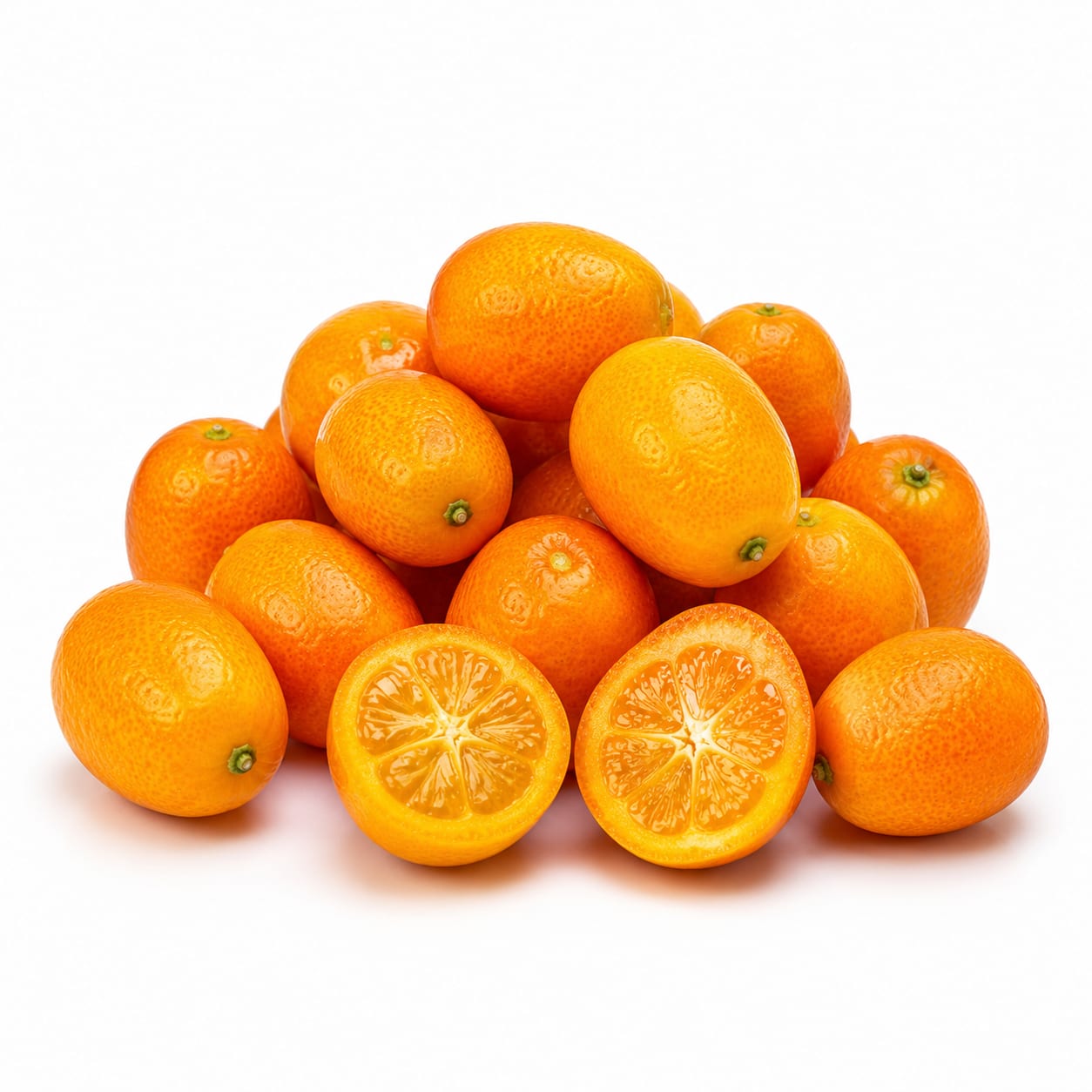
Kumquat
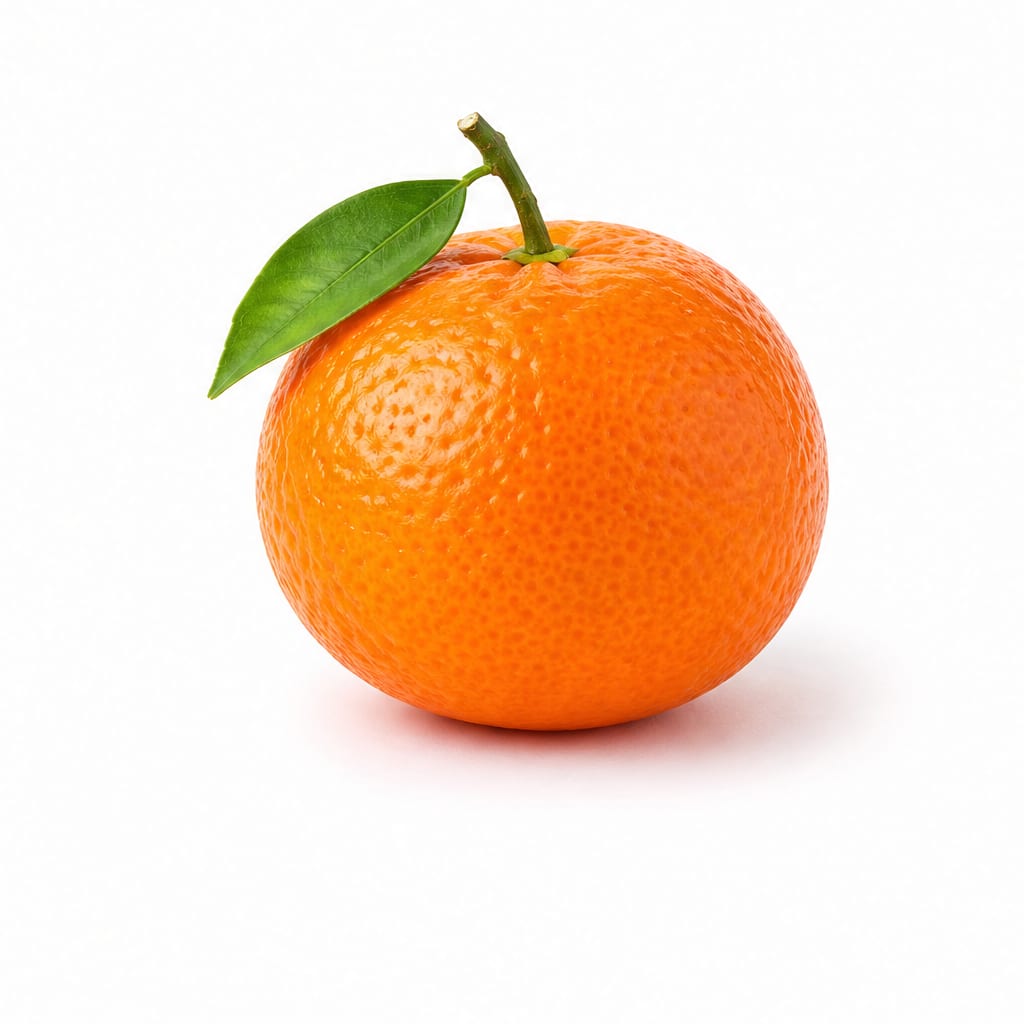
Tangerine
Kumquats deliver more fiber and antioxidants per bite, but tangerines are sweeter, easier to eat, and far more accessible for daily life.
Kumquats edge ahead on nutritional density and blood sugar friendliness, but tangerines stay competitive thanks to broader appeal, easier daily use, and lower cost. The gap is small because practicality matters as much as nutrition in real life.
Nutritional density versus everyday enjoyment and convenience. Kumquats are the smarter choice metabolically; tangerines are the easier choice practically.
At a glance
Executive summary
Overall
It depends
Healthier
Kumquat
More practical
Tangerine
Daily use
Tangerine
Key comparison lenses
fiber and sugar balance
Kumquats are eaten whole with the peel, dramatically changing fiber and sugar dynamics compared to peeled tangerines
antioxidant density
The kumquat peel contains concentrated essential oils and flavonoids that tangerines lack in edible form
snacking convenience
Tangerines are easy to peel and widely loved; kumquats are tart, small, and an acquired taste
blood sugar management
Different fiber-to-sugar ratios make these two fruits behave very differently for glucose control
everyday practicality
Tangerines are cheap and available everywhere; kumquats are seasonal, pricier, and harder to find
Best choice for
Kumquat
- People managing blood sugar who want a low-sugar fruit
- Anyone seeking maximum fiber from fruit
- Antioxidant-focused eaters who enjoy tart flavors
- Portion-conscious snackers who benefit from naturally small servings
Tangerine
- Families wanting an easy, kid-friendly fruit
- Anyone prioritizing taste and enjoyment in healthy eating
- Busy people needing a portable, peel-and-eat snack
- Budget-conscious shoppers wanting affordable citrus
Least suitable for
Kumquat
- Children unaccustomed to sour or bitter flavors
- People with citrus peel sensitivities or GERD
- Anyone wanting a quick, fuss-free snack on the go
- Shoppers on a tight budget in areas with limited produce selection
Tangerine
- People strictly limiting sugar who want the lowest-sugar citrus option
- Anyone maximizing fiber intake per calorie
- Those seeking the concentrated peel antioxidants only whole-fruit citrus provides
Deep comparison
Dimension by dimension
Each lens scores both foods and breaks down who each option suits.
- Dimension 1 · Priority 93Kumquat
fiber_content
Kumquat · 88Tangerine · 42Kumquats provide roughly double the fiber because you eat the entire fruit, peel included. Tangerine peel is discarded, losing most of the fiber.
Tradeoff
You gain significant fiber with kumquats but must enjoy or tolerate the bitter peel texture.
Why it matters
Fiber slows sugar absorption, feeds gut bacteria, and keeps you full longer. Most people fall short on daily fiber intake.
Real-world impact
A kumquat snack leaves you feeling satisfied longer. A tangerine digests faster, potentially leaving you hungry again sooner.
Kumquat
- Gut health optimization
- Satiety between meals
- Blood sugar stability
Better for
- People with sensitive digestion who struggle with fibrous peels
Worse for
Tangerine
- Anyone who finds high-fiber fruit uncomfortable to digest
Better for
- Anyone relying on fruit as a meaningful fiber source
Worse for
- Dimension 2 · Priority 90Kumquat
sugar_and_glycemic_impact
Kumquat · 82Tangerine · 58Kumquats contain significantly less sugar per serving, and their higher fiber slows absorption further. Tangerines are sweeter with a faster glucose rise.
Tradeoff
Lower sugar means less sweetness and a more tart eating experience with kumquats.
Why it matters
Frequent sugar spikes from sweeter fruit can increase cravings and energy crashes, especially for sedentary people.
Real-world impact
Kumquats give steadier energy. Tangerines may trigger a quicker spike and dip, especially eaten alone on an empty stomach.
Kumquat
- Prediabetics managing glucose
- Low-carb eaters fitting fruit into macros
- Anyone avoiding afternoon energy crashes
Better for
- Endurance athletes needing fast carbohydrate fuel
Worse for
Tangerine
- Athletes needing quick natural sugar before or after exercise
- Children who need palatable fruit to eat any fruit at all
Better for
- Insulin-resistant individuals watching glycemic load
Worse for
- Dimension 3 · Priority 84Kumquat
antioxidant_density
Kumquat · 86Tangerine · 62Kumquat peels are packed with flavonoids, essential oils, and vitamin C in a concentrated form. Tangerines offer good vitamin C but lack the peel compounds in their edible portion.
Tradeoff
You must eat the bitter peel to get these antioxidants, which not everyone enjoys.
Why it matters
Flavonoids from citrus peel have been linked to reduced inflammation and better immune function over time.
Real-world impact
Regular kumquat eaters get a broader spectrum of protective plant compounds per calorie consumed.
Kumquat
- Long-term anti-inflammatory eating patterns
- Immune support during cold season
- Maximizing nutrient density per bite
Better for
- People who cannot tolerate the peel and end up discarding it, negating the advantage
Worse for
Tangerine
- Anyone who juices their citrus, since tangerine juice is more palatable
Better for
- Those specifically seeking the unique peel compounds like poncirin and quercetin
Worse for
- Dimension 4 · Priority 82Tangerine
taste_and_enjoyment
Kumquat · 52Tangerine · 88Tangerines are sweet, juicy, and universally appealing. Kumquats are intensely tart with a bitter peel that surprises first-time eaters.
Tradeoff
The more enjoyable fruit gets eaten more often, which sometimes matters more than marginal nutritional differences.
Why it matters
The healthiest food only works if you actually eat it. Enjoyment drives consistency.
Real-world impact
A tangerine is an easy yes for most people any day. A kumquat requires more intention and acquired taste.
Kumquat
- Adventurous eaters who enjoy complex sour-sweet flavors
- Culinary use in marmalades, cocktails, and garnishes
Better for
- Picky eaters and most children
- Stress eating or emotional snacking where comfort matters
Worse for
Tangerine
- Daily fruit consumption without effort
- Households with children
- Anyone who has struggled to build a consistent fruit-eating habit
Better for
- Gourmet cooking where distinctive flavor matters
Worse for
- Dimension 5 · Priority 78Tangerine
convenience_and_availability
Kumquat · 40Tangerine · 90Tangerines are available year-round in nearly every grocery store. Kumquats are seasonal, often require specialty stores, and cost significantly more per pound.
Tradeoff
Better nutrition means little if you cannot find or afford the food regularly.
Why it matters
Consistency beats perfection. A fruit you can buy anywhere, anytime, wins on sustainability.
Real-world impact
You can grab tangerines at any supermarket on any day. Kumquats require planning, seasonal awareness, and often a bigger budget.
Kumquat
- Farmers market shoppers during winter citrus season
- Home gardeners in warm climates who grow their own
Better for
- Rural areas with limited specialty produce
- Anyone needing reliable year-round access
Worse for
Tangerine
- Busy weekly grocery runs
- Budget-conscious families
- Anyone living in areas with limited produce variety
Better for
- None significant — tangerines are among the most accessible fruits available
Worse for
- Dimension 6 · Priority 72It depends
vitamin_c_content
Kumquat · 78Tangerine · 76Both are excellent vitamin C sources. Kumquats have slightly more per calorie, but tangerines provide more per fruit due to larger size.
Tradeoff
Per calorie, kumquats win. Per individual fruit serving, tangerines deliver more total vitamin C simply because you eat more volume.
Why it matters
Vitamin C supports immunity, skin health, and iron absorption. Both fruits cover this need well.
Real-world impact
Either fruit easily covers a significant portion of your daily vitamin C needs. This dimension is essentially a tie.
Kumquat
- Calorie-restricted eaters maximizing nutrients per calorie
Better for
- Those wanting a large single-serving vitamin C boost
Worse for
Tangerine
- Anyone eating a single fruit and wanting more total vitamin C per serving
Better for
- None — both are strong vitamin C sources
Worse for
Timeline
Health impact over time
Short-term
Hours to days
Kumquat
- Steadier blood sugar response after eating due to fiber-sugar ratio
- Possible digestive adjustment period if unaccustomed to eating citrus peel
- Tart flavor may reduce likelihood of overeating
Tangerine
- Quick natural energy from easily absorbed sugars
- Mild blood sugar rise, especially if eaten alone without protein or fat
- Very gentle on digestion for most people
Long-term
Months to years
Kumquat
- Greater cumulative fiber intake supporting gut microbiome diversity
- Broader antioxidant exposure from peel flavonoids linked to reduced inflammation
- Lower lifetime sugar exposure from fruit sources
Tangerine
- Consistent vitamin C intake supporting immune and skin health
- Higher cumulative natural sugar intake, though still modest compared to processed foods
- Easy habit sustainability due to palatability and access
Risk profile
Safety & processing
Both kumquats and tangerines are whole, unprocessed fruits with no additives. The only processing concern is wax coatings sometimes applied to tangerine skins for shelf appearance, which is irrelevant since the peel is discarded. Kumquats may also have wax, but since you eat the peel, choosing organic matters more for kumquats.
Kumquat
Pesticide residue on edible peel
mediumSince kumquats are eaten whole, any pesticide residue on the peel is consumed directly. Washing helps but does not eliminate all residue. Organic is strongly preferable.
Wax coating ingestion
lowSome kumquats are coated with food-grade wax for appearance. You eat this wax, which is generally recognized as safe but unappealing to some consumers.
Tangerine
Pesticide residue on peel
lowTangerine peel is discarded, so pesticide exposure is minimal. Only an issue if using zest for cooking.
Mold on peel transferring to flesh
lowTangerines can develop surface mold. Inspect before peeling and discard any with visible mold spots.
Who wins for whom
Audience fit
Same foods, different winners depending on your goal.
children
TangerineTangerines are sweet, easy to peel, and kid-approved. Most children reject kumquats due to their sour-bitter peel.
daily consumption
TangerineTangerines are affordable, available year-round, and enjoyable enough to eat every day without fatigue. Kumquats are better as occasional variety.
diabetes
KumquatLower sugar content combined with higher fiber creates a gentler, more manageable blood sugar response.
elderly
TangerineTangerines are softer, easier to peel for arthritic hands, and gentler on sensitive digestion. Kumquat peel can be tough and irritating for some older adults.
muscle gain
TangerineTangerines provide more total carbohydrates and quick-digesting sugar useful around workouts, plus more vitamin C per serving for recovery.
weight loss
KumquatKumquats deliver more fiber and satisfaction per calorie, with less sugar to trigger cravings. Their tartness also naturally limits overeating.
Your move
Decision guide
Choose Kumquat
- You want maximum nutrition per calorie from your fruit
- Blood sugar management is a priority for you
- You enjoy or want to explore tart, complex flavors
- You can access organic kumquats and want the peel antioxidant benefits
- You tend to overeat sweet fruit and want something that naturally limits portions
Choose Tangerine
- You want a reliable daily fruit you actually look forward to eating
- You are feeding a family with children
- Budget and availability are important factors
- You need quick energy before or after exercise
- You find healthy eating easier when the food tastes genuinely enjoyable
Either works if
- You simply want more citrus variety in your diet
- You are meeting your fiber needs from other sources already
- Neither fruit is a major calorie source in your diet
Avoid both if
- You have a citrus allergy
- You are on a very strict low-FODMAP diet during elimination phase
- You take medications that interact with grapefruit and similar citrus, though these two are usually safe
Final recommendation
Make tangerines your everyday citrus and treat kumquats as a nutritional upgrade when they are in season and you can find organic ones. The best diet includes both — tangerines for consistency and enjoyment, kumquats for density and variety. If you must pick one for health alone, kumquats win narrowly. If you must pick one for real life, tangerines win comfortably.
Practical
Consumer tips
- 1
Always choose organic kumquats since you eat the peel — pesticide exposure is direct and unavoidable
- 2
Wash kumquats thoroughly even if organic, as the peel texture traps debris
- 3
Roll kumquats gently between your palms before eating to release essential oils and soften the peel
- 4
If the tartness is too much, slice kumquats thin and add to salads where the flavor spreads out
- 5
Tangerines with slightly loose skin are usually easier to peel and often sweeter
- 6
Store both fruits in the refrigerator for longer shelf life, but bring to room temperature before eating for best flavor
- 7
Freeze tangerine segments for a refreshing summer snack that takes longer to eat
- 8
If buying kumquats, look for firm, bright orange fruits with no soft spots — they degrade faster than tangerines