
Nutrition comparison
Kumquat vs Lemon: Which Citrus Is Better for Snacking, Nutrition, and Daily Use?
Compare kumquats and lemons on fiber, vitamin C, sugar, calories, and practical use. Find out which citrus fits your health goals and lifestyle better.
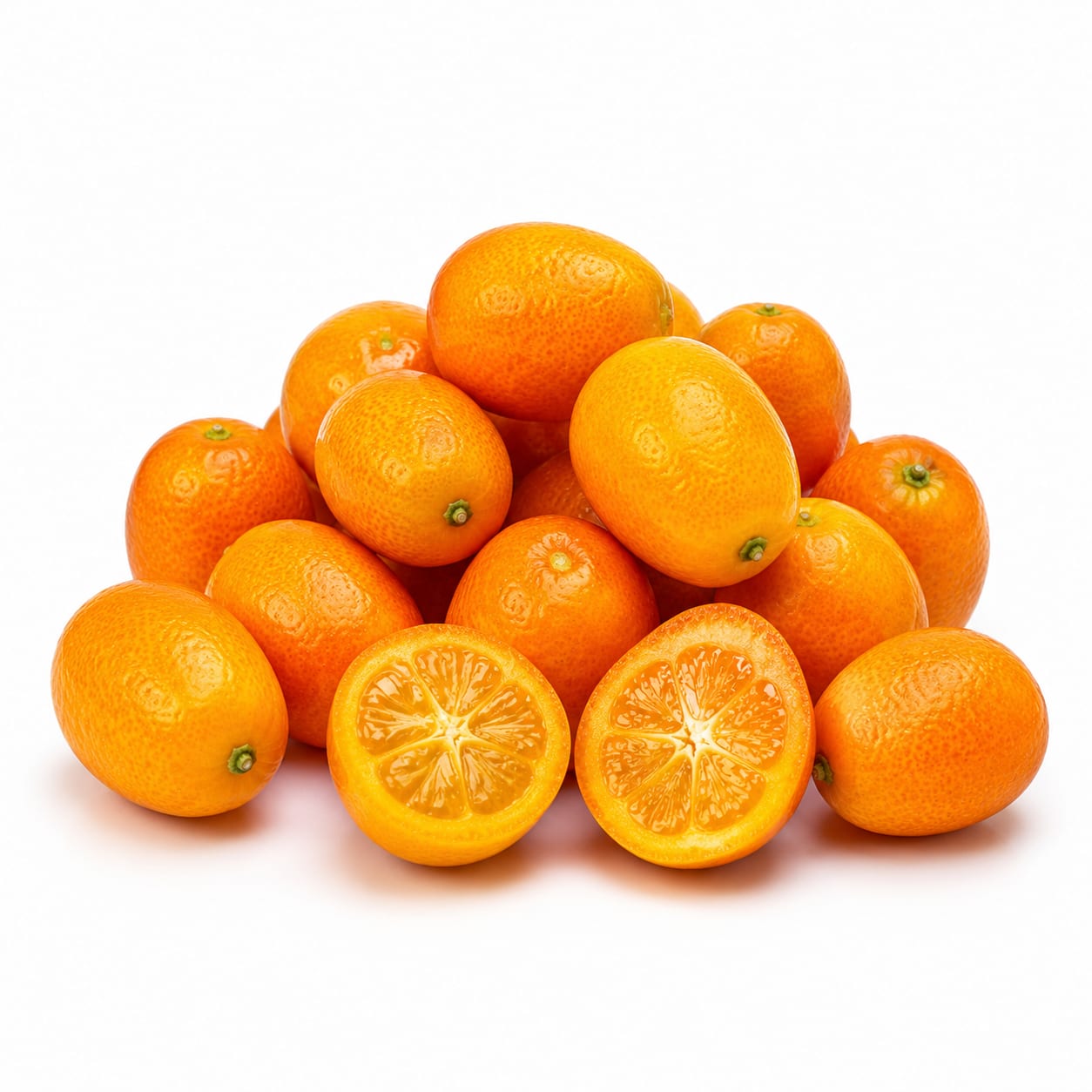
Kumquat
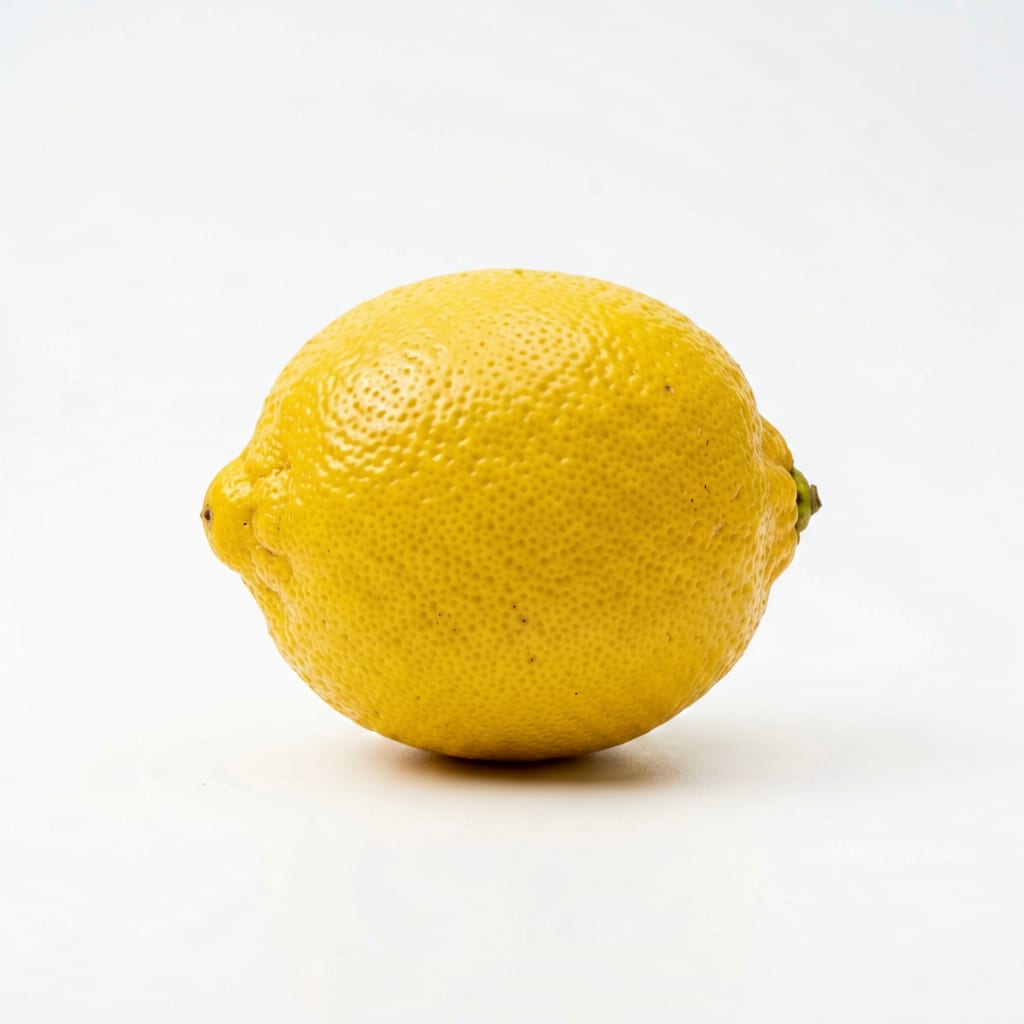
Lemon
Kumquats win as a satisfying snack with fiber and edible peel nutrition; lemons win as a versatile, near-zero-calorie flavor enhancer you can use all day.
Lemons score slightly higher due to unmatched versatility, near-zero calories, and daily practicality. Kumquats are nutritionally richer per bite but less accessible and more situational.
Kumquats give you a complete snack with fiber and moderate sugar, while lemons give you intense citrus benefits with almost no calories but require pairing with other foods.
At a glance
Executive summary
Overall
It depends
Healthier
It depends
More practical
Lemon
Daily use
Lemon
Key comparison lenses
whole fruit snacking vs flavoring ingredient
Kumquats are eaten whole as a snack while lemons are almost never eaten alone, making this a fundamental usage difference
fiber and satiety comparison
Kumquats deliver significantly more fiber since you eat the entire fruit including the peel
culinary versatility and everyday practicality
Lemons are a kitchen staple used daily while kumquats are seasonal and specialty
vitamin C and antioxidant density
Both are citrus fruits but differ in vitamin C concentration and antioxidant profile
sugar and calorie tradeoff
Kumquats contain more natural sugars and calories per serving while lemons are nearly calorie-free
Best choice for
Kumquat
- People wanting a portable fiber-rich citrus snack
- Those seeking whole-food fruit with satisfying chew
- Anyone bored with standard fruit options
- Snackers who want sweet-tart balance in one bite
Lemon
- Anyone flavoring water, tea, or meals calorie-free
- People watching sugar intake closely
- Home cooks needing daily citrus versatility
- Those on very low-calorie eating plans
Least suitable for
Kumquat
- People strictly limiting fruit sugar
- Those with citrus peel sensitivity
- Anyone on a tight grocery budget
- People who dislike tart flavors
Lemon
- Those wanting a filling standalone snack
- People with enamel erosion concerns from acidity
- Anyone seeking significant fiber from fruit
- Those with citrus allergies or GERD
Deep comparison
Dimension by dimension
Each lens scores both foods and breaks down who each option suits.
- Dimension 1 · Priority 92Kumquat
Fiber and Satiety
Kumquat · 85Lemon · 35Kumquats deliver substantial fiber because you eat the whole fruit, skin and all. Lemons contribute minimal fiber since most people only use the juice.
Tradeoff
You get real fullness from kumquats but take in more calories and sugar. Lemons add almost no calories but will not fill you up at all.
Why it matters
Fiber is the difference between a snack that holds you over and a flavor that disappears in seconds.
Real-world impact
A handful of kumquats can tide you over between meals. Lemon juice in water tastes great but leaves your stomach empty.
Kumquat
- Between-meal snacking
- Adding fruit fiber without supplements
- Satisfying sweet-tart cravings with real food
Better for
- Very low-calorie diet phases
Worse for
Lemon
- Flavoring meals without adding bulk
- Staying under calorie limits
Better for
- Any situation where you need actual sustenance
Worse for
- Dimension 2 · Priority 80Lemon
Vitamin C and Antioxidant Density
Kumquat · 70Lemon · 88Lemons pack more vitamin C per gram than kumquats. However, kumquats provide a broader antioxidant range from their edible peel, including unique flavonoids.
Tradeoff
Lemons give you more concentrated vitamin C per calorie. Kumquats give you a wider variety of antioxidants from the whole fruit but less total vitamin C.
Why it matters
If you need immune support with minimal calories, lemon juice is efficient. If you want diverse phytonutrients, kumquats offer more complexity.
Real-world impact
Squeezing half a lemon into morning water delivers a quick vitamin C hit. Eating kumquats gives you a slower, broader antioxidant spectrum with your snack.
Kumquat
- Broad-spectrum antioxidant intake from peel compounds
- Whole-food phytonutrient diversity
Better for
- Matching lemon's vitamin C requires eating more sugar
Worse for
Lemon
- Maximum vitamin C per calorie
- Quick immune support in beverages
Better for
- Missing peel-specific flavonoids like those in kumquat skin
Worse for
- Dimension 3 · Priority 85Lemon
Sugar and Calorie Impact
Kumquat · 45Lemon · 92Lemons are essentially a free food calorie-wise. Kumquats contain meaningful sugar and calories since you eat the entire fruit.
Tradeoff
Kumquats provide energy and satisfaction but at a caloric cost. Lemons cost you almost nothing nutritionally but also give you almost nothing energy-wise.
Why it matters
For weight management or blood sugar control, this gap matters. Lemons will never spike your blood sugar. Kumquats can if you eat many.
Real-world impact
You can use lemon all day long without thinking about calories. With kumquats, a large handful adds up quickly.
Kumquat
- Active people needing natural fruit energy
- Pre-workout light snacking
Better for
- Sugar-sensitive individuals
- Late-night snacking concerns
Worse for
Lemon
- Strict calorie counting
- Blood sugar management
- Keto or very low-carb approaches
Better for
- Situations requiring actual caloric fuel
Worse for
- Dimension 4 · Priority 88Lemon
Culinary Versatility
Kumquat · 40Lemon · 95Lemons are one of the most versatile ingredients in any kitchen. Kumquats are a niche ingredient with limited but charming uses.
Tradeoff
Lemons work in drinks, dressings, marinades, desserts, and savory dishes daily. Kumquats shine in marmalades, garnishes, and specialty recipes but rarely appear in everyday cooking.
Why it matters
A food you actually use regularly beats a food that sits in the fridge. Lemons earn their spot every single day.
Real-world impact
Most households go through lemons weekly. Kumquats are typically a seasonal purchase a few times a year.
Kumquat
- Gourmet garnishes and charcuterie boards
- Unique marmalade and preserve recipes
- Impressive dinner party presentations
Better for
- Quick weeknight meal prep
- Beverage flavoring on the go
Worse for
Lemon
- Daily cooking and beverage flavoring
- Salad dressings and marinades
- Water and tea enhancement
- Seafood and vegetable dishes
Better for
- Creating a memorable standalone food experience
Worse for
- Dimension 5 · Priority 72Lemon
Digestive Tolerance
Kumquat · 55Lemon · 68Both are acidic and can irritate sensitive stomachs, but lemons used in moderation as a flavoring are gentler than eating whole kumquats with their tart peel.
Tradeoff
Kumquats combine acidity with fiber, which can be rough on sensitive digestive systems. Lemon juice is easier to control in quantity.
Why it matters
If you have GERD, reflux, or a sensitive stomach, both require caution, but lemon gives you more dose control.
Real-world impact
A squeeze of lemon in water is usually fine for most people. Eating several kumquats can trigger heartburn in susceptible individuals.
Kumquat
- People needing fiber to support regular digestion
- Those without acid sensitivity issues
Better for
- Acid reflux and GERD flare-ups
- Irritable bowel sensitivity to citrus oils
Worse for
Lemon
- GERD and reflux sufferers who can tolerate small amounts
- Precise portion control for sensitive stomachs
Better for
- Dental enamel erosion with frequent straight juice consumption
Worse for
Timeline
Health impact over time
Short-term
Hours to days
Kumquat
- Quick energy from natural sugars with fiber to slow absorption
- Immediate satiety from chewing whole fruit
- Possible heartburn if eaten on an empty sensitive stomach
Lemon
- Near-instant vitamin C availability from juice
- Refreshing hydration enhancement in water
- Potential tooth enamel softening with direct juice contact
Long-term
Months to years
Kumquat
- Improved fiber intake supporting gut health when eaten regularly
- Broader antioxidant exposure from peel compounds
- Consistent fruit sugar intake that adds up if overconsumed
Lemon
- Sustained low-calorie flavor habit replacing sugary additions
- Consistent vitamin C intake supporting immune function
- Possible enamel wear from daily acidic exposure
Risk profile
Safety & processing
Both kumquats and lemons are whole, minimally processed foods straight from nature. Neither typically contains additives when purchased fresh. The only processing concern is wax coatings on conventional lemon peels if you zest them.
Kumquat
Pesticide residue on peel
mediumSince you eat the entire kumquat including the skin, pesticide exposure is a real concern with conventional produce. Washing helps but does not eliminate all residue.
Citrus allergy cross-reactivity
lowPeople with citrus allergies may react to kumquats similarly to other citrus fruits.
Lemon
Pesticide residue on peel
mediumRelevant primarily when zesting or using the peel. Most people only use the juice, which significantly reduces exposure.
Wax coating on conventional peels
lowConventional lemons often have food-grade wax applied. Not harmful but undesirable if zesting. Choose organic for peel use.
Dental enamel erosion
mediumFrequent direct contact with lemon juice weakens tooth enamel over time. Always dilute and rinse mouth afterward.
Who wins for whom
Audience fit
Same foods, different winners depending on your goal.
children
KumquatKumquats are a fun, pop-in-your-mouth fruit that kids often enjoy as a novelty. Lemons are too sour for most children to eat directly.
daily consumption
LemonLemons are easy to incorporate every day in water, tea, and meals with no calorie concern. Kumquats are best enjoyed in moderation due to sugar content and limited availability.
diabetes
LemonLemons have negligible impact on blood sugar. Kumquats contain enough carbs to require portion awareness for diabetic individuals.
elderly
LemonLemons in water support hydration and vitamin C without requiring chewing effort. Kumquats may be challenging for those with dental issues or sensitive digestion.
muscle gain
It dependsNeither is a muscle-building food. Lemons can flavor high-protein meals and water, while kumquats offer a light carb source. Both are peripheral to muscle gain.
weight loss
LemonLemons add flavor without meaningful calories or sugar, making them a weight-loss-friendly tool. Kumquats are healthy but their calories and sugar add up.
Your move
Decision guide
Choose Kumquat
- You want a satisfying whole-fruit snack with fiber and flavor complexity
- You are looking for a unique fruit experience beyond the ordinary
- You enjoy sweet-tart combinations and eating fruit peel
- You need portable fruit that does not require preparation
Choose Lemon
- You want near-zero-calorie flavor for water, tea, and cooking
- You are watching your sugar or calorie intake closely
- You need a daily citrus staple for versatile kitchen use
- You want immune-supporting vitamin C without extra calories
Either works if
- You want citrus antioxidants and vitamin C in your diet
- You enjoy bright, acidic flavors in your food and drinks
- You are looking for natural whole-food flavor enhancers
Avoid both if
- You have a confirmed citrus allergy
- You have severe GERD or acid reflux triggered by citrus
- You are on medications that interact with citrus compounds
Final recommendation
Keep lemons as your daily citrus workhorse for flavor and vitamin C without calories. Treat kumquats as a delightful seasonal snack that adds fiber, novelty, and whole-fruit nutrition when available. They serve different purposes and complement each other well.
Practical
Consumer tips
- 1
Buy organic kumquats since you eat the entire peel and pesticide residue is a concern
- 2
Choose organic lemons if you plan to zest or use the peel in any way
- 3
Rinse your mouth with plain water after consuming lemon juice to protect tooth enamel
- 4
Store kumquats in the refrigerator to extend their short shelf life
- 5
Roll lemons on the counter before juicing to get significantly more juice out
- 6
Freeze lemon juice in ice cube trays for convenient portioned use
- 7
Try slicing kumquats into salads for a burst of sweet-tart flavor and texture