
Fruit
Kiwi
A nutrient-dense, low-calorie fruit exceptionally high in vitamin C and dietary fiber.
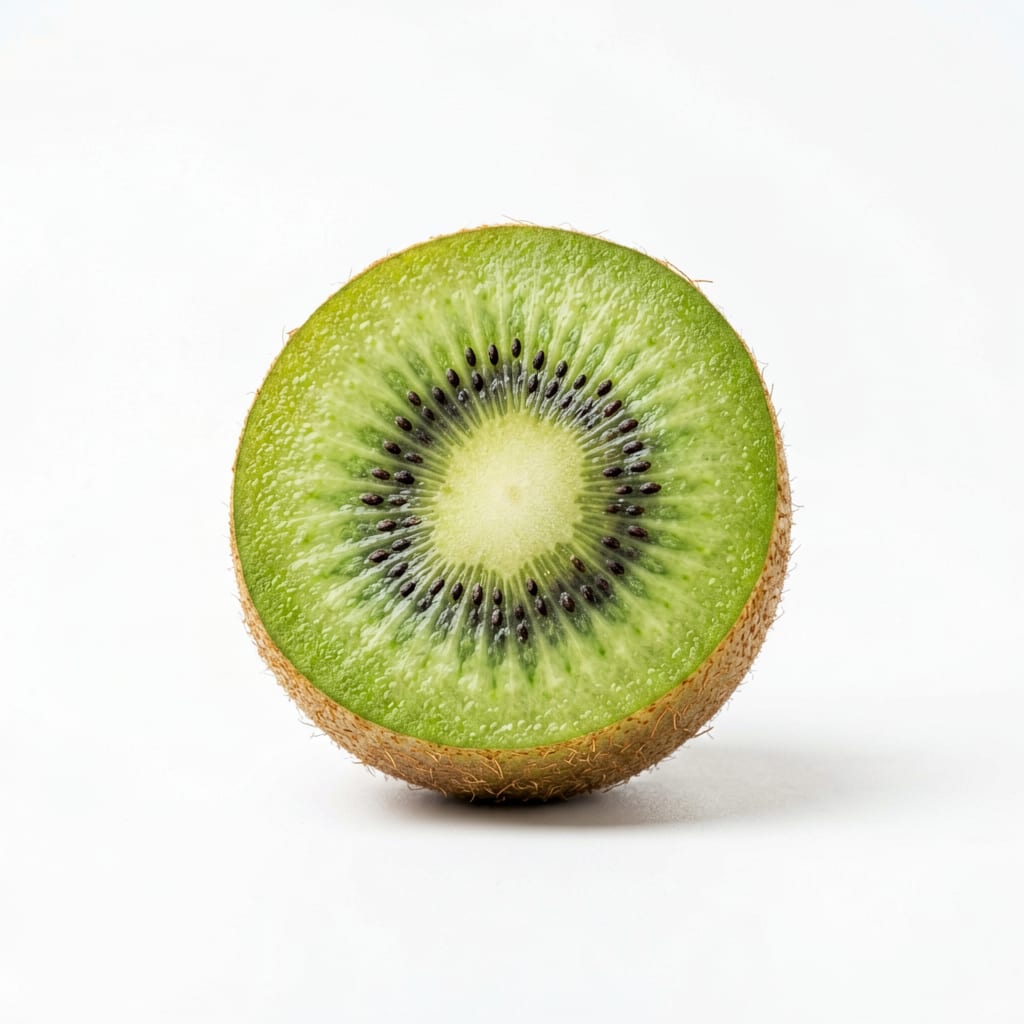
A small, nutrient-dense fruit with fuzzy brown skin, bright green or golden flesh, and tiny black edible seeds.
high-fiber low-glycemic fruit
Typical serving · 76g
Common varieties · green kiwi, golden kiwi, organic kiwi, hardy kiwi
Overall context score across nutrition, safety, and diet fit
At a glance
Quick facts
Simple indicators based on nutrition, processing, and diet fit.
The story
What makes it unique
Kiwifruit is a low-glycemic, fiber-rich fruit containing the proteolytic enzyme actinidin, which aids protein digestion. It digests at a moderate rate due to its soluble and insoluble fiber content, providing sustained satiety without rapid blood sugar spikes.
Varieties: green kiwi · golden kiwi · organic kiwi · hardy kiwi
Per 100g
Nutrition breakdown
Macro balance and key metrics at a glance.
Energy
Density 0.61 kcal/g
Protein
Carbs
Fat
Fiber
Sugar
9 g
Sodium
3 mg
Potassium
312 mg
Glycemic index
39
Glycemic load
6
Water content
83%
Standout compounds
Nutrient highlights
Vitamin C
highSupports immune function and collagen synthesis
Dietary Fiber
highPromotes bowel regularity and gut microbiome health
Actinidin
highProteolytic enzyme that aids protein digestion
Vitamin K
moderateEssential for blood clotting and bone metabolism
Potassium
moderateRegulates fluid balance and supports blood pressure control
Wellness map
Health scores & processing
NOVA processing scale
minimally processed · Whole food
Raw kiwi is a whole, unprocessed fruit with no added ingredients.
Diet compatibility
- Weight loss
- Muscle gain
- Diabetes
- Gut health
- Low carb
- High protein
- Heart health
Relative standing
Food rankings
Qualitative ranks compared to similar whole foods.
- Satietygood
- Blood sugarexcellent
- Nutrient densityexcellent
- Fitness fuelgood
- Processing qualityexcellent
Eat with confidence
Food safety profile
Kiwi is generally safe, though the skin can harbor pesticide residues if not organic. Some individuals experience oral allergy syndrome due to actinidin.
Evidence confidence 90%
- Pesticidesmoderate
- Antibioticslow
- Heavy metalslow
- Contaminationlow
Watch for
- pesticide residues on skin
Safer choices
Organic kiwi to avoid skin pesticide residues.
Prep tips
Rub skin gently under running water if eating whole; peel with a spoon if sensitive to texture or pesticides.
Standard agricultural pesticide monitoring applies; the fuzzy skin can trap spray residues.
Deep dive
Health analysis
How this food may fit different goals and preparation choices.
Weight loss
Low energy density and high water content promote fullness with minimal calories, making it ideal for volume eating.
Blood sugar
Low glycemic index and moderate fiber prevent rapid blood sugar spikes, supporting stable glucose levels.
Fitness & energy
Provides quick-digesting natural sugars for pre-workout energy alongside hydration from high water content.
Gut health
Contains actinidin, a unique enzyme that aids protein digestion, and soluble fiber that feeds beneficial gut bacteria.
Processing quality
A whole, unprocessed food requiring no preparation to consume in its natural state.
Food safety
Pesticide residues are the primary concern, mostly concentrated on the fuzzy skin; washing thoroughly mitigates this.
Common mistakes
Peeling the fruit removes a significant portion of the fiber and antioxidants; discarding overripe kiwi misses its peak digestive enzyme activity.
Best preparation
Sliced into oatmeal, blended into smoothies, or eaten whole like an apple for maximum fiber.
Practical guide
Best use cases
When and how this food fits real eating patterns.
Pre-workout energy
Provides easily digestible carbohydrates and hydration without gastrointestinal heaviness.
Digestive aid
The actinidin enzyme helps break down proteins when eaten after a heavy meal.
High-volume snacking
Large water content and low calories allow for satisfying portion sizes during calorie deficits.
Balance sheet
Pros & cons
Upsides
- Exceptional vitamin C content
- Contains unique digestive enzyme actinidin
- Low glycemic load supports blood sugar control
- High fiber content especially if eaten with skin
- Convenient portable whole food
Trade-offs
- Fuzzy skin texture is unappealing to some
- Can cause allergic reactions in latex-fruit syndrome sufferers
- Contains oxalates which may concern those prone to kidney stones
- Relatively short shelf life when ripe
Fit check
Who is it for?
Great match
- weight loss diets
- digestive support
- immune system boosting
- pre-workout fuel
Consider alternatives
- strict ketogenic diets
- latex allergy sufferers
- low-oxalate diets
Side by side
How it compares
Open the full head-to-head analysis for nutrition, safety, and practical tradeoffs.
This food
Kiwi
VS85% alike
Compare with
Banana
Banana provides more carbs and potassium, kiwi offers more vitamin C and fiber with fewer calories.
Kiwi is lower in calories and sugar, while banana offers more quick energy and potassium.
This food
Kiwi
VS80% alike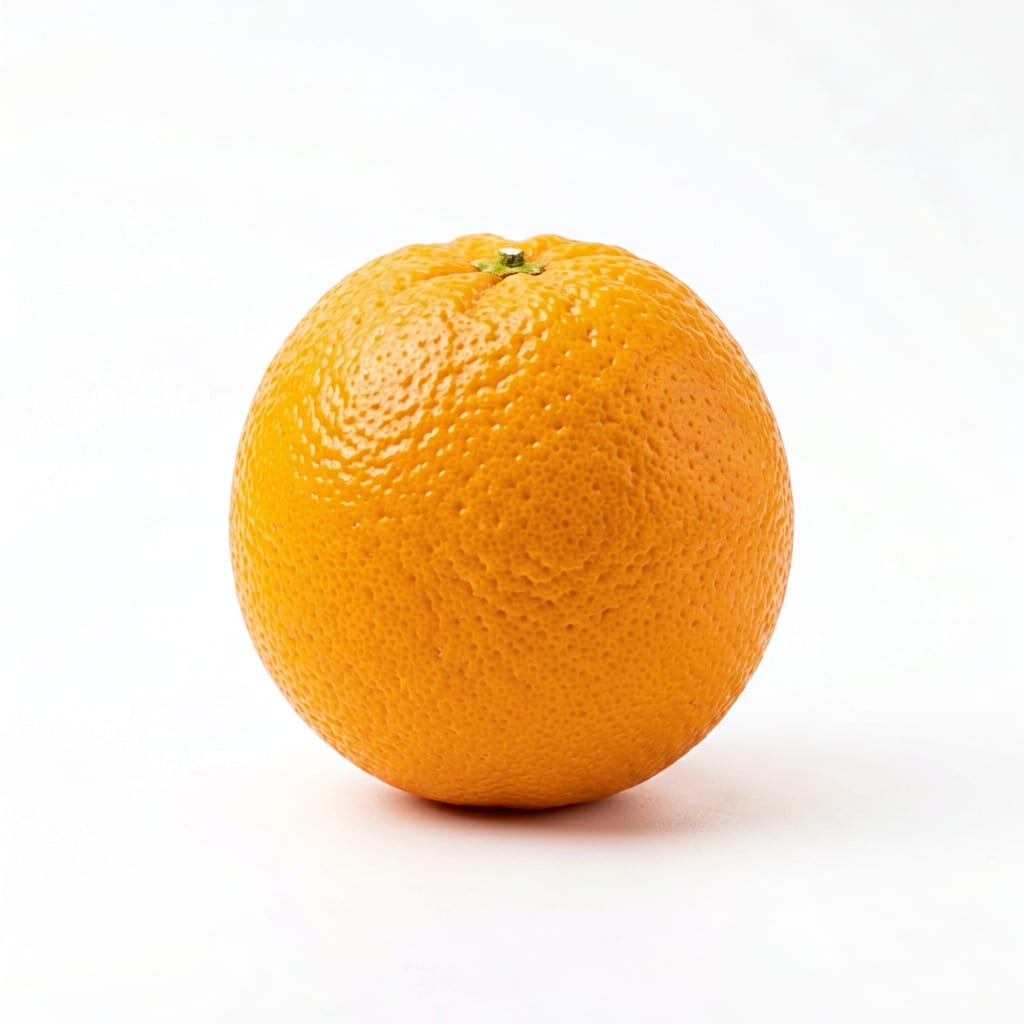
Compare with
Orange
Orange is slightly higher in sugar and water, kiwi has more fiber and a lower glycemic index.
Kiwi edges out orange with more fiber and a lower glycemic impact per serving.
This food
Kiwi
VS75% alike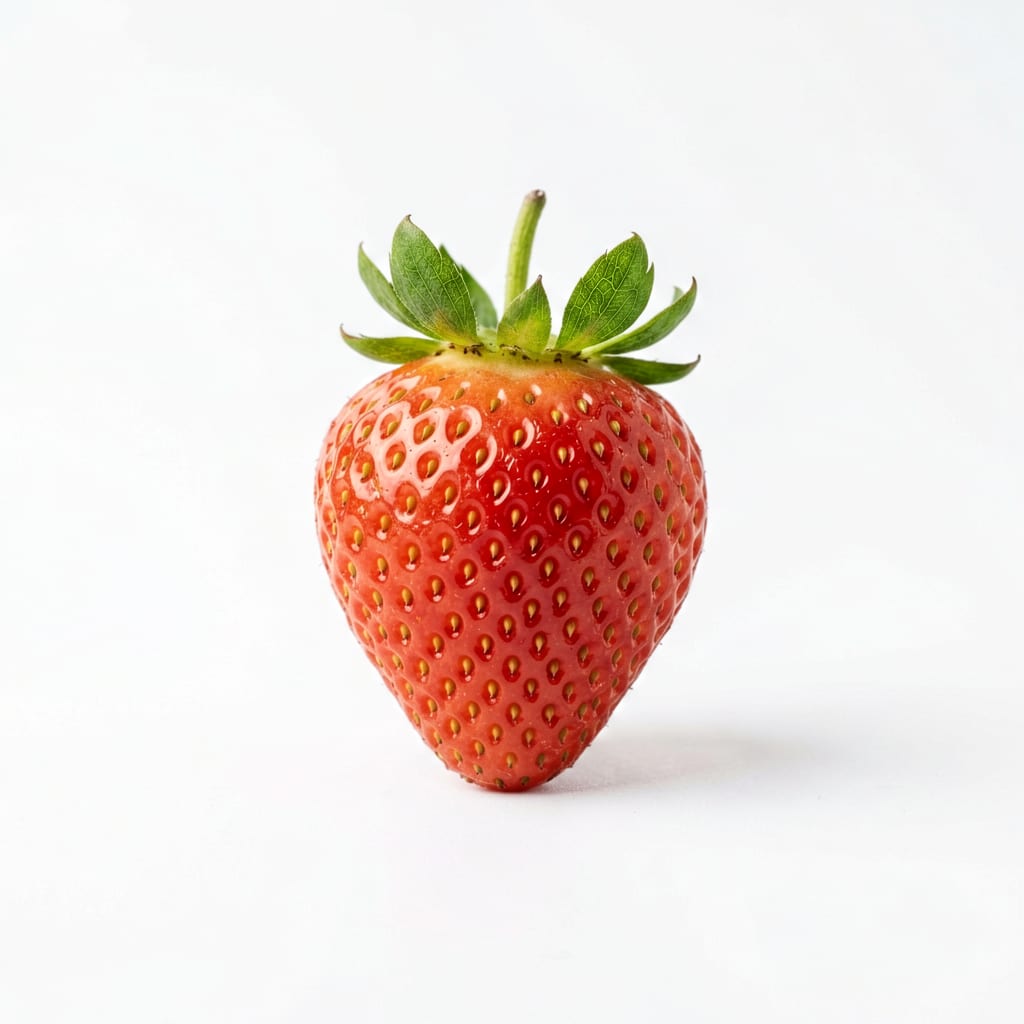
Compare with
Strawberry
Strawberries are lower in sugar and calories, but kiwi provides more vitamin C and potassium.
Strawberries are better for strict calorie cutting, while kiwi offers slightly more micronutrients.
This food
Kiwi
VS75% alike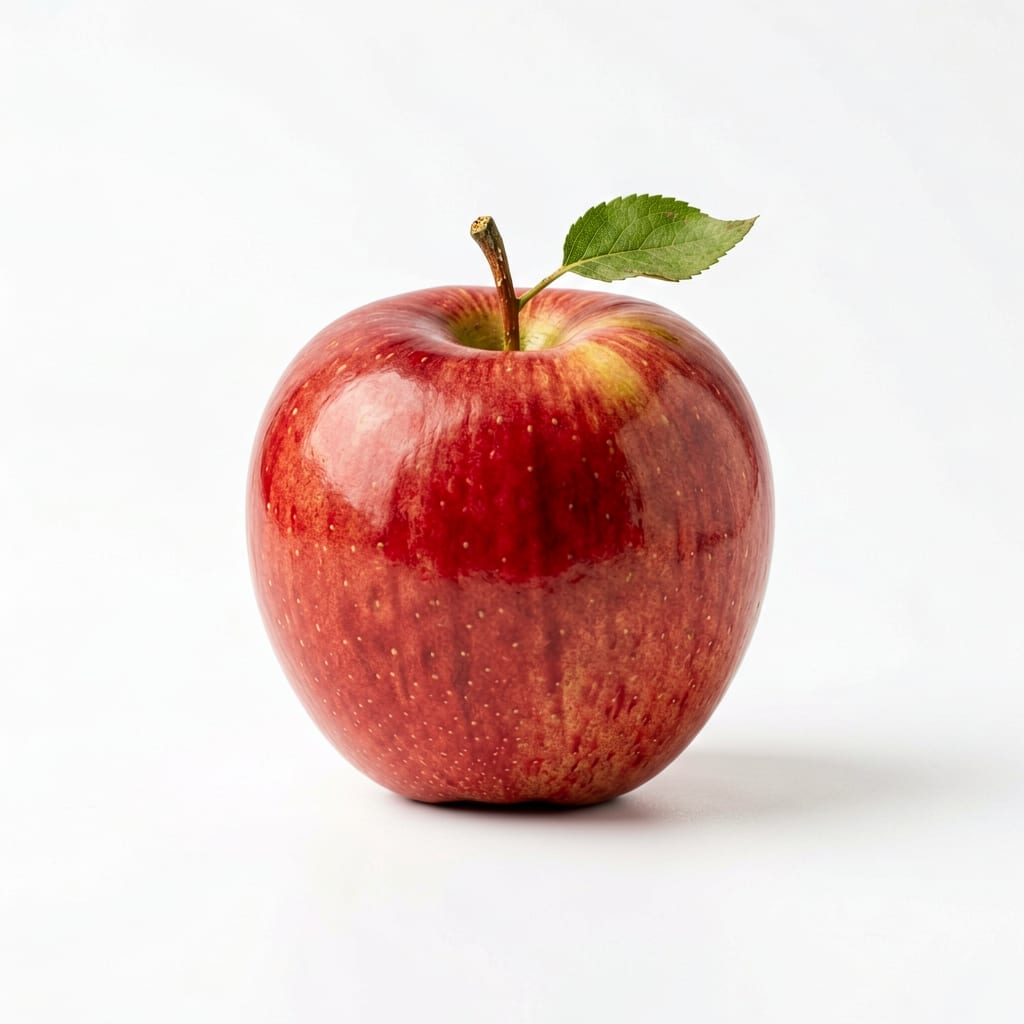
Compare with
Apple
Apples are higher in sugar and lower in vitamin C, while kiwi provides more fiber per calorie and digestive enzymes.
Kiwi is more nutrient-dense and lower in sugar, but apples offer longer-lasting satiety.
This food
Kiwi
VS70% alike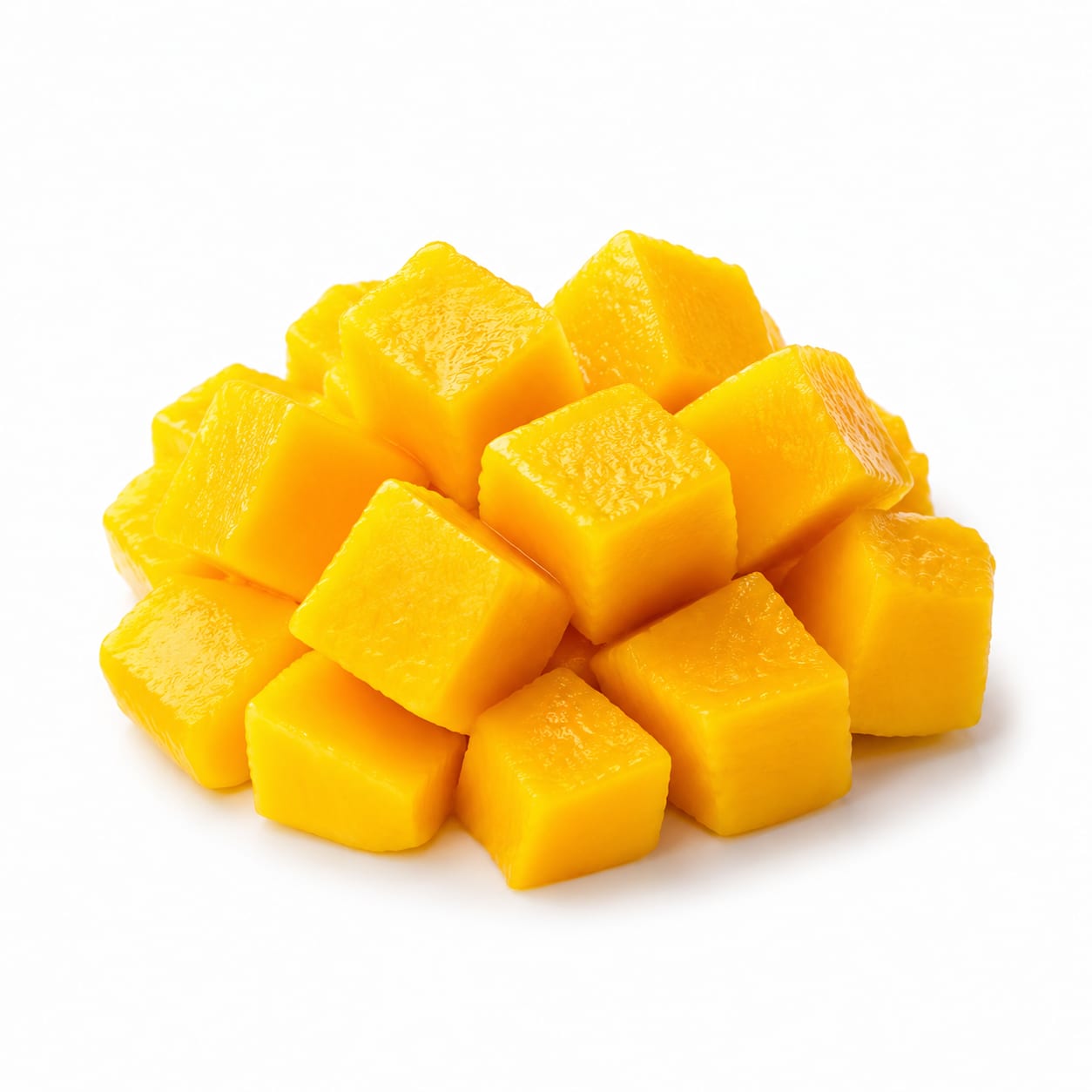
Compare with
Mango
Mango is significantly higher in sugar and calories, while kiwi is lower glycemic and higher in fiber.
Kiwi is the clear winner for blood sugar control and weight loss, while mango provides more quick energy.
This food
Kiwi
VS70% alike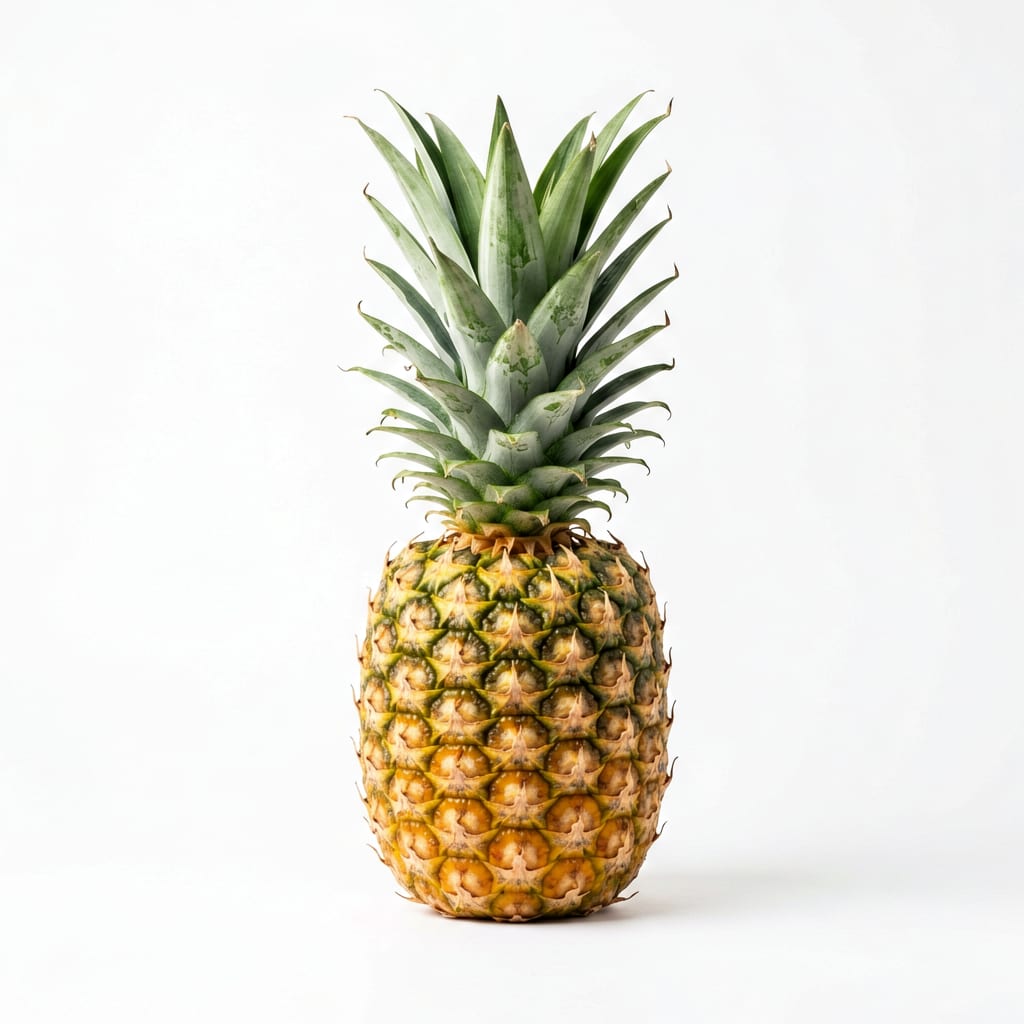
Compare with
Pineapple
Pineapple has bromelain and more sugar; kiwi has actinidin and more fiber with fewer carbs.
Kiwi is better for weight loss and blood sugar, while both offer unique digestive enzymes.
This food
Kiwi
VS65% alike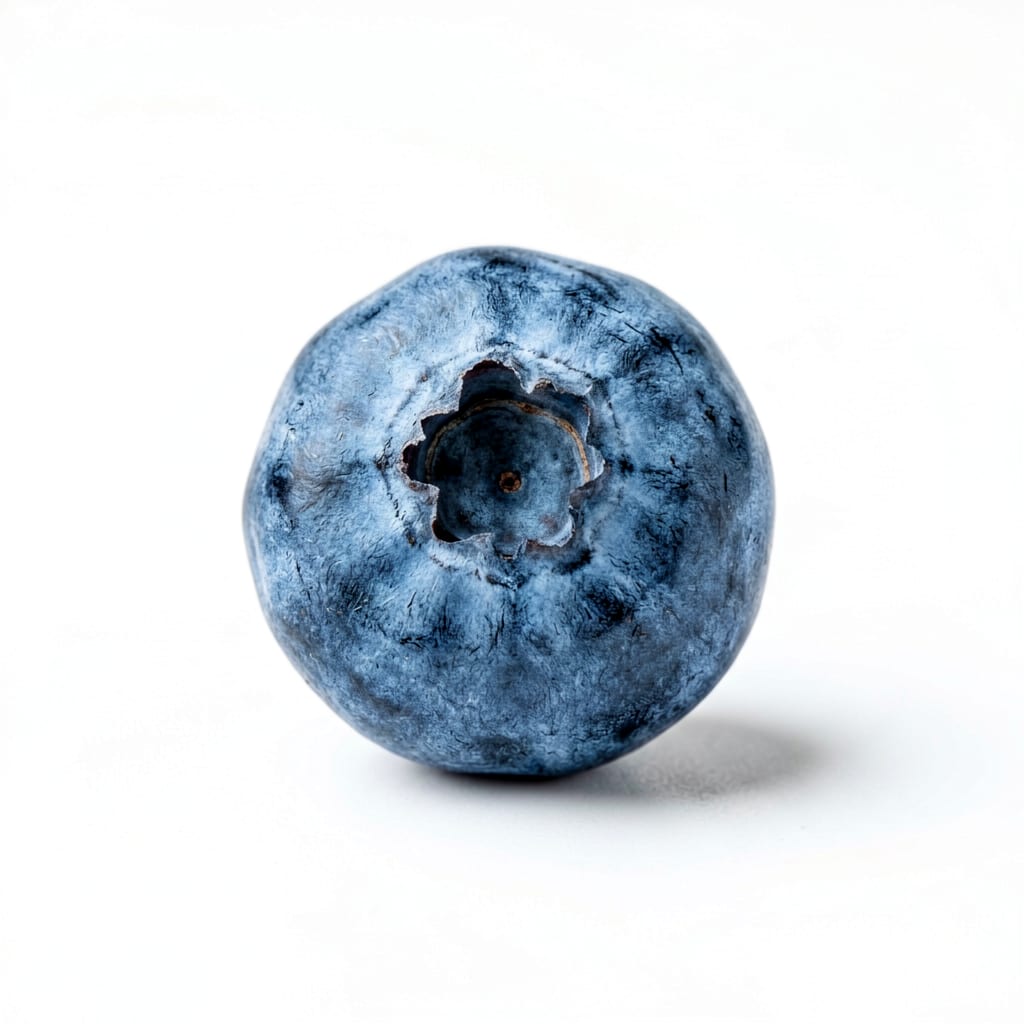
Compare with
Blueberry
Blueberries are higher in antioxidants and lower in vitamin C, while kiwi is lower in sugar and higher in fiber.
Blueberries win for antioxidants, but kiwi is superior for vitamin C and blood sugar control.
This food
Kiwi
VS60% alike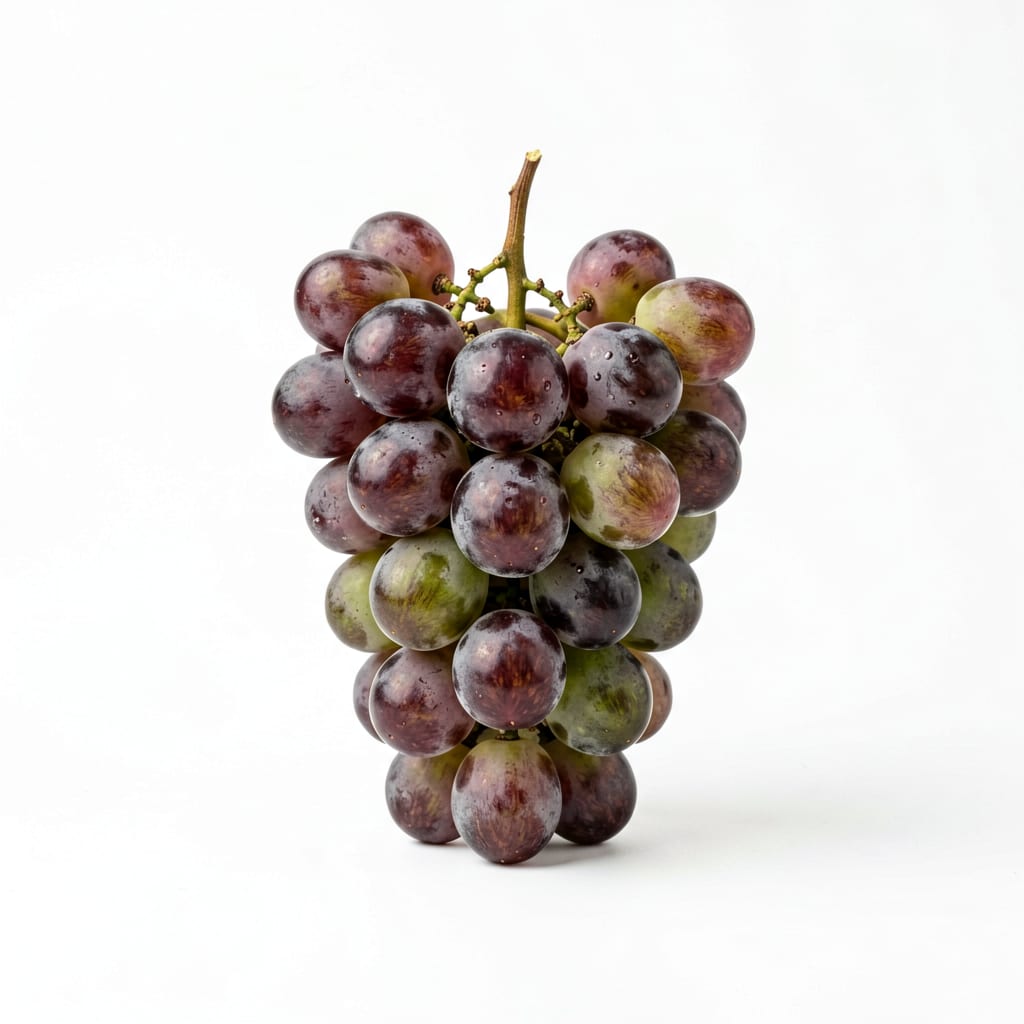
Compare with
Grape
Grapes are much higher in sugar and lower in fiber, making kiwi far better for satiety and glucose control.
Kiwi provides significantly more fiber and nutrition per calorie compared to high-sugar grapes.
This food
Kiwi
VS65% alike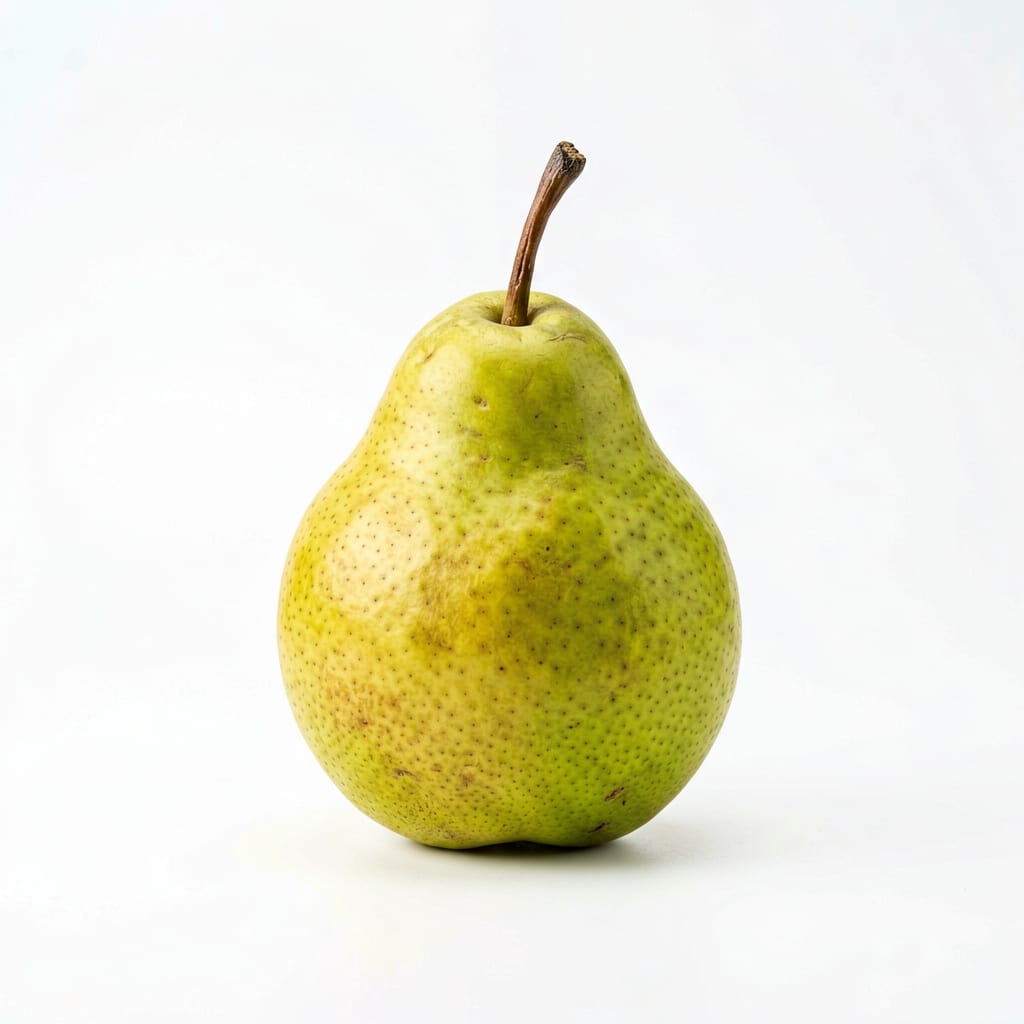
Compare with
Pear
Pears are higher in sugar and calories, while kiwi provides more vitamin C and a lower glycemic load.
Kiwi offers more micronutrients and a lower sugar profile, though pears provide excellent fiber.
This food
Kiwi
VS50% alike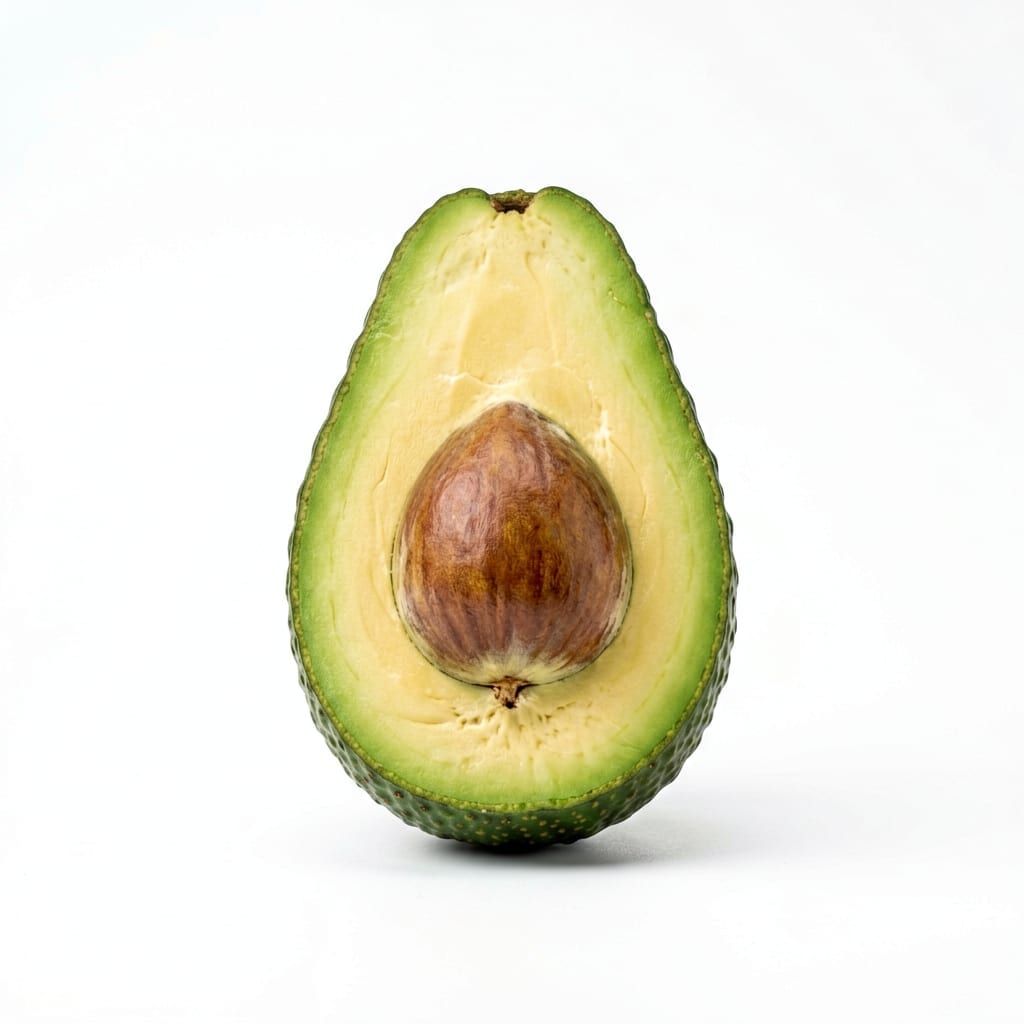
Compare with
Avocado
Avocado is high in healthy fats and calories, kiwi is low-fat and high-carb, serving entirely different dietary roles.
Kiwi is better for low-calorie snacking, while avocado is superior for high-fat, low-carb diets.
Common questions
FAQ
Answers aligned with how people search for this food.
Is kiwi good for weight loss?
Yes, kiwi is excellent for weight loss due to its low calorie count and high fiber content, which increases satiety without excess calories.
Can diabetics eat kiwi?
Yes, kiwi has a low glycemic index of 39, meaning it causes a slow, steady rise in blood sugar rather than a rapid spike.
Can you eat kiwi skin?
Yes, kiwi skin is edible and actually contains a high concentration of fiber and antioxidants. Wash it thoroughly before eating.
Does kiwi help with digestion?
Yes, kiwi contains actinidin, an enzyme that helps break down proteins, and its high fiber content supports regular bowel movements.
Is kiwi high in sugar?
Kiwi contains about 9 grams of sugar per 100 grams, which is moderate compared to other fruits, but its fiber slows sugar absorption.
How much vitamin C is in a kiwi?
One medium kiwi provides about 64mg of vitamin C, which is over 70% of the daily recommended intake for adults.
Is golden kiwi different from green kiwi?
Golden kiwi has smoother skin, a sweeter taste, and slightly more vitamin C, while green kiwi is more tart and has slightly more fiber.
Can kiwi cause allergies?
Yes, some people experience oral allergy syndrome or a kiwi-specific allergy, causing mouth itching or swelling, particularly those allergic to latex.
Transparency
Data confidence
Estimated confidence for nutrition data, interpretation, safety notes, and comparisons.
Nutrition data
Health analysis
Food safety
Comparisons