
Nutrition comparison
Kiwi vs Banana: Which is Healthier for Blood Sugar & Energy?
Comparing kiwi vs banana? Discover which fruit is better for weight loss, digestion, and blood sugar, plus the surprising winner for daily snacking.
Overall winner · Kiwi
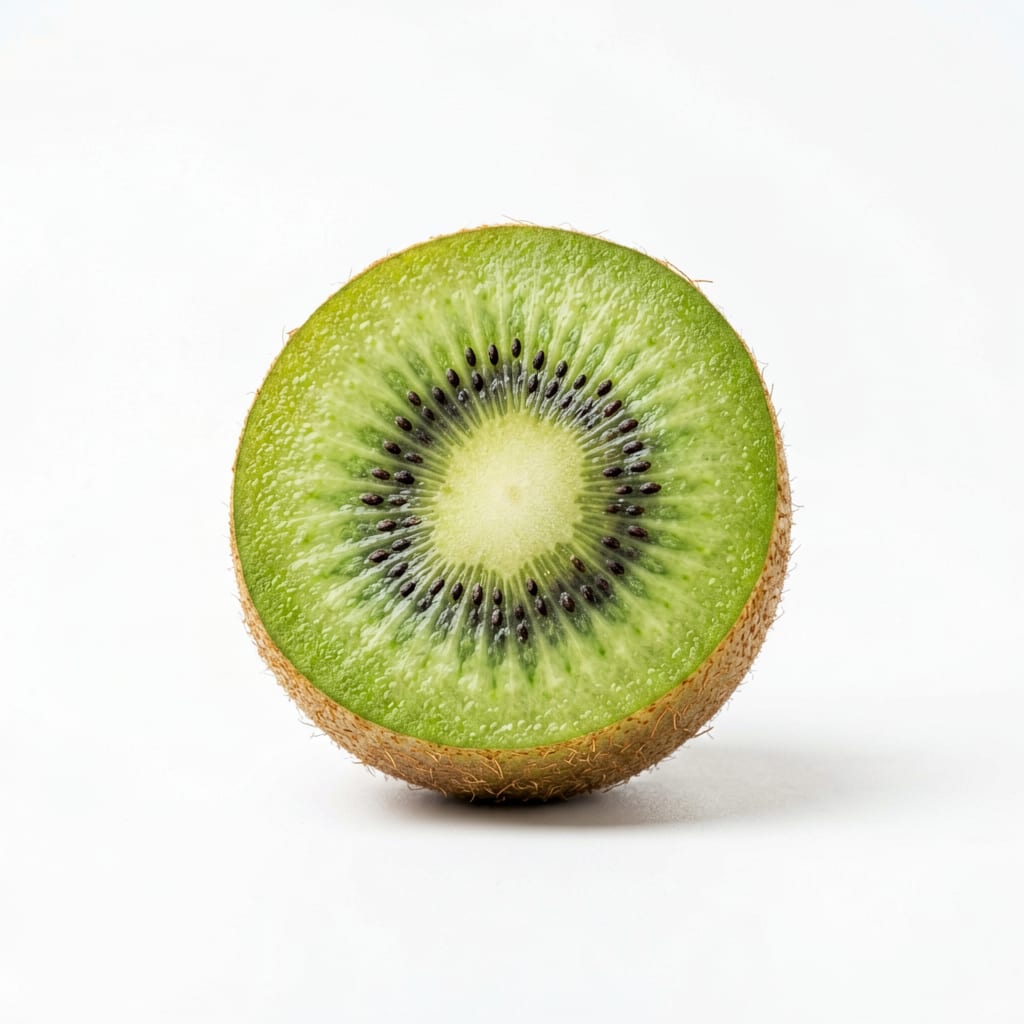
Kiwi
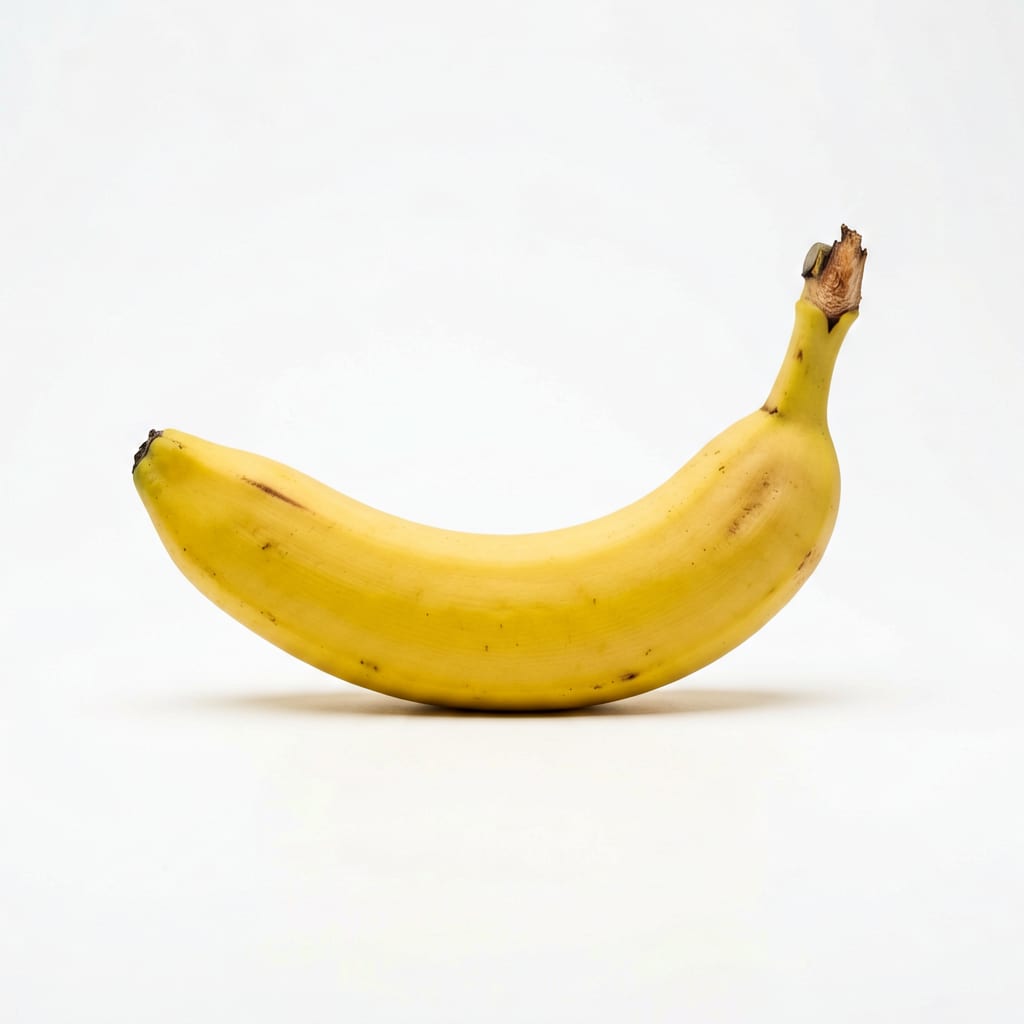
Banana
Kiwis win on nutrient density and blood sugar stability, but bananas remain the unmatched champion of convenience and quick energy.
Kiwis score higher due to superior micronutrient density and a gentler blood sugar impact. Bananas score slightly lower on health metrics but remain highly practical and beneficial for active individuals.
You trade the grab-and-go ease and fast fuel of a banana for the lower sugar, higher fiber, and massive Vitamin C boost of a kiwi.
At a glance
Executive summary
Overall
Kiwi
Healthier
Kiwi
More practical
Banana
Daily use
It depends
Key comparison lenses
Blood sugar impact and energy stability
Bananas provide quick carbs but can spike blood sugar, while kiwis offer a lower glycemic option for steadier energy.
Micronutrient priorities: Vitamin C vs Potassium
Kiwis are massive Vitamin C providers, whereas bananas dominate in potassium and electrolyte replenishment.
Convenience and real-world snacking
Bananas are the ultimate grab-and-go food, while kiwis require peeling or scooping, affecting daily habit sustainability.
Digestive regularity
Both fruits support digestion but through different mechanisms—kiwi with actinidin and insoluble fiber, banana with pectin and gentle binding.
Best choice for
Kiwi
- People managing blood sugar or insulin resistance
- Anyone needing an immune system boost
- Those seeking a high-fiber, low-calorie snack
Banana
- Athletes needing quick pre-workout carbs
- Busy people needing a mess-free portable snack
- Anyone trying to soothe an upset stomach or prevent cramps
Least suitable for
Kiwi
- People with latex-fruit syndrome or kiwi allergies
- Those wanting a cheap, bulk-buying snack
- Anyone eating while driving or commuting
Banana
- People on strict low-carb or low-sugar diets
- Those prone to reactive hypoglycemia
- Individuals watching calorie density closely
Deep comparison
Dimension by dimension
Each lens scores both foods and breaks down who each option suits.
- Dimension 1 · Priority 92Kiwi
Blood Sugar & Energy Stability
Kiwi · 85Banana · 60Kiwis provide steadier energy with less of a crash, while bananas deliver a faster, sharper blood sugar rise.
Tradeoff
You sacrifice the rapid fuel of a banana for the sustained, jitter-free energy of a kiwi.
Why it matters
A rapid blood sugar spike from a banana can lead to an afternoon energy crash, whereas kiwis keep you on an even keel.
Real-world impact
Eating a kiwi as a morning snack keeps you focused until lunch; a banana might leave you hungry again an hour later.
Kiwi
- Steady afternoon energy
- Managing insulin resistance
- Avoiding sugar crashes
Better for
- Emergency low blood sugar recovery
Worse for
Banana
- Quick pre-workout fuel
- Recovering from a blood sugar dip
- Instant morning energy
Better for
- Sustained focus during long meetings
- Preventing reactive hypoglycemia
Worse for
- Dimension 2 · Priority 88Kiwi
Micronutrient Density
Kiwi · 92Banana · 70Kiwis are nutrient powerhouses, especially for Vitamin C and Vitamin K, while bananas primarily offer potassium and B6.
Tradeoff
You give up the high potassium of a banana for a massive boost in antioxidants and Vitamin C from a kiwi.
Why it matters
Vitamin C is crucial for immune defense and skin health, while potassium supports heart function and muscle contractions.
Real-world impact
A single kiwi covers most of your daily Vitamin C needs, helping you fight off colds; a banana helps prevent muscle cramps after a run.
Kiwi
- Immune system support
- Collagen production for skin
- Antioxidant defense
Better for
- Replenishing electrolytes after heavy sweating
Worse for
Banana
- Electrolyte replenishment
- Muscle cramp prevention
- Heart rhythm regulation
Better for
- Fighting off a cold
- Boosting iron absorption from meals
Worse for
- Dimension 3 · Priority 85Banana
Convenience & Practicality
Kiwi · 45Banana · 95Bananas are the ultimate grab-and-go food with natural packaging, while kiwis require peeling or scooping.
Tradeoff
You trade the zero-prep convenience of a banana for the nutritional edge of a kiwi.
Why it matters
If a healthy snack isn't easy to eat, you're more likely to reach for junk food instead.
Real-world impact
Tossing a banana in your bag takes one second; eating a kiwi at your desk requires a knife and a napkin.
Kiwi
- Eating at home with utensils
- Adding to a fancy breakfast bowl
Better for
- On-the-go snacking
- Eating while walking
Worse for
Banana
- Commuting or driving
- Tossing in a gym bag
- Eating at your desk without a mess
Better for
- Situations where you have time to prepare food
Worse for
- Dimension 4 · Priority 80It depends
Digestive Health
Kiwi · 84Banana · 82Both are excellent for digestion but serve opposite needs: kiwis help you go, bananas help you stop.
Tradeoff
Kiwis act as a mild laxative with unique enzymes, while bananas are binding and soothing for upset stomachs.
Why it matters
Choosing the wrong one can either worsen diarrhea or fail to relieve constipation.
Real-world impact
Eat a kiwi if you haven't gone to the bathroom in two days; eat a banana if your stomach is unsettled and runny.
Kiwi
- Relieving constipation
- Improving protein digestion
- Increasing stool frequency
Better for
- Recovering from a stomach bug
Worse for
Banana
- Soothing an upset stomach
- Binding loose stools
- Gentle fiber for sensitive guts
Better for
- Overcoming chronic constipation
Worse for
Timeline
Health impact over time
Short-term
Hours to days
Kiwi
- Quick immune system support from Vitamin C
- Relief from bloating or constipation
- Steady, crash-free energy
Banana
- Rapid energy boost for muscles
- Quick relief from a muscle cramp
- Soothing of mild heartburn or nausea
Long-term
Months to years
Kiwi
- Better collagen maintenance for skin and joints
- Lower risk of chronic constipation
- Improved oxidative stress defense
Banana
- Better blood pressure management from potassium
- Improved gut microbiome diversity from resistant starch
- Risk of unwanted weight gain if overconsumed due to high sugar
Risk profile
Safety & processing
Both kiwis and bananas are whole, unprocessed foods straight from nature with zero artificial additives.
Kiwi
Latex-fruit syndrome allergy
highPeople allergic to latex often react to kiwi, causing mouth itching or swelling.
Oral allergy syndrome
mediumPollen allergies can cross-react with kiwi proteins, causing throat irritation.
Banana
Migraine trigger
lowVery ripe bananas contain tyramine, which can trigger migraines in sensitive individuals.
Pesticide residue
lowConventional bananas use heavy pesticides, though the thick peel you discard minimizes ingestion.
Who wins for whom
Audience fit
Same foods, different winners depending on your goal.
children
BananaBananas are mild, sweet, easy to chew, and rarely cause allergic reactions, making them perfect for kids.
daily consumption
It dependsChoose kiwis for daily Vitamin C and fiber without the sugar load; choose bananas for affordable, convenient daily energy.
diabetes
KiwiWith a lower glycemic index and less sugar per serving, kiwis are much gentler on blood sugar levels.
elderly
BananaBananas are extremely easy to chew, gentle on the stomach, and provide crucial potassium for heart health.
muscle gain
BananaBananas provide the fast-acting carbohydrates and potassium needed to fuel workouts and prevent cramps.
weight loss
KiwiKiwis have significantly less sugar and fewer calories per serving, making them easier to fit into a calorie deficit.
Your move
Decision guide
Choose Kiwi
- You want a low-sugar fruit that won't spike your blood sugar
- You need a Vitamin C boost to fight off a cold
- You struggle with constipation and need a natural remedy
- You eat at home and don't mind using a spoon
Choose Banana
- You need quick carbs before or after a workout
- You want a cheap, portable snack that doesn't make a mess
- You have an upset stomach or loose stools
- You are packing food for a hike or commute
Either works if
- You just want a healthy, whole-food snack instead of processed junk
- You are trying to increase your daily fruit intake
- You need more dietary fiber in your day
Avoid both if
- You are on a strict ketogenic diet and cannot tolerate any sugar
- You have a severe fructose intolerance
Final recommendation
Keep both on hand: eat bananas when you need fast fuel or convenience, and reach for kiwis when you want a nutrient-dense, low-sugar snack that keeps your energy steady.
Practical
Consumer tips
- 1
Eat kiwi with the skin on after washing—it triples the fiber and makes it as grab-and-go as a banana.
- 2
Choose slightly green bananas if you want less sugar and more gut-friendly resistant starch.
- 3
If you have a latex allergy, be cautious with kiwis and avocados, as cross-reactivity is common.
- 4
Pair a banana with a protein source like peanut butter to blunt the blood sugar spike and stay full longer.