
Nutrition comparison
Pear vs Kiwi: Which Fruit Is Healthier for You?
Compare Pear and Kiwi nutrition — vitamin C, fiber, sugar, digestion, and sleep benefits. Find out which fruit fits your health goals better with this expert breakdown.
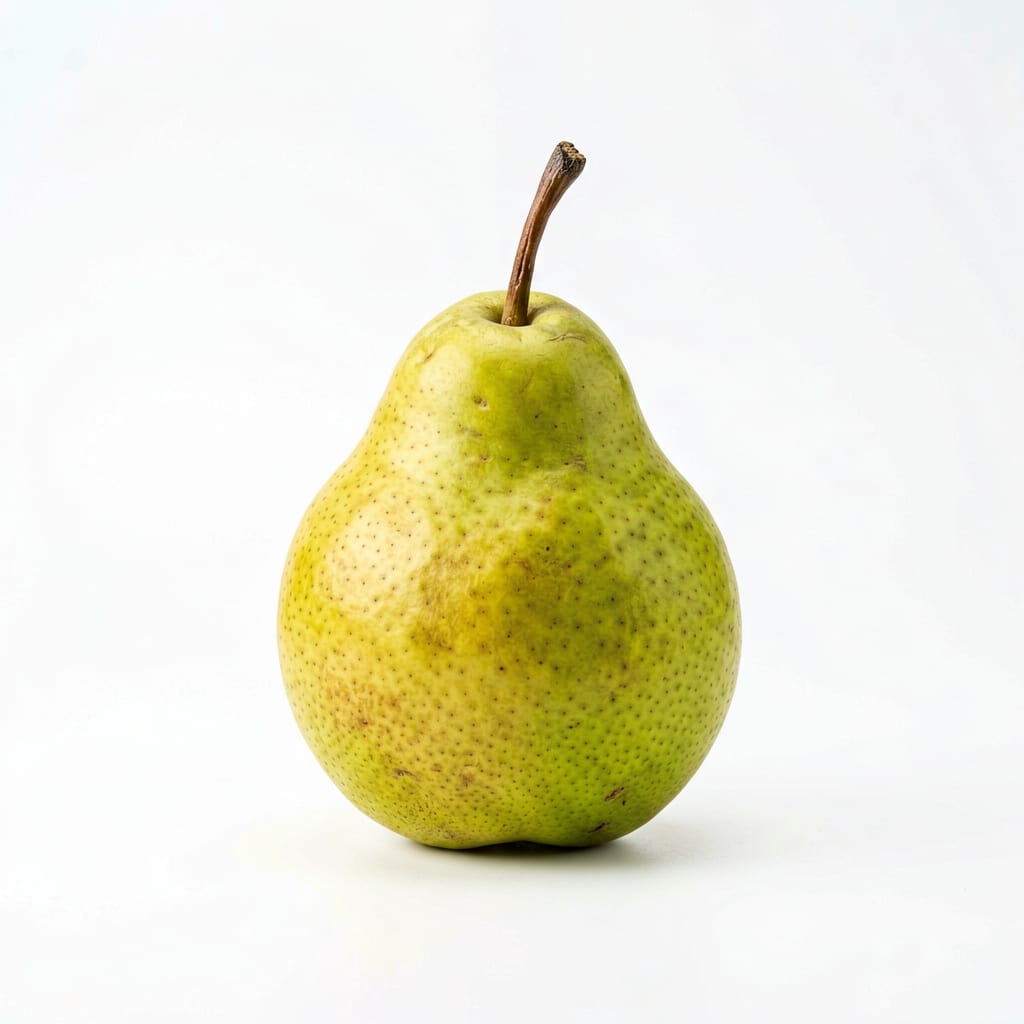
Pear
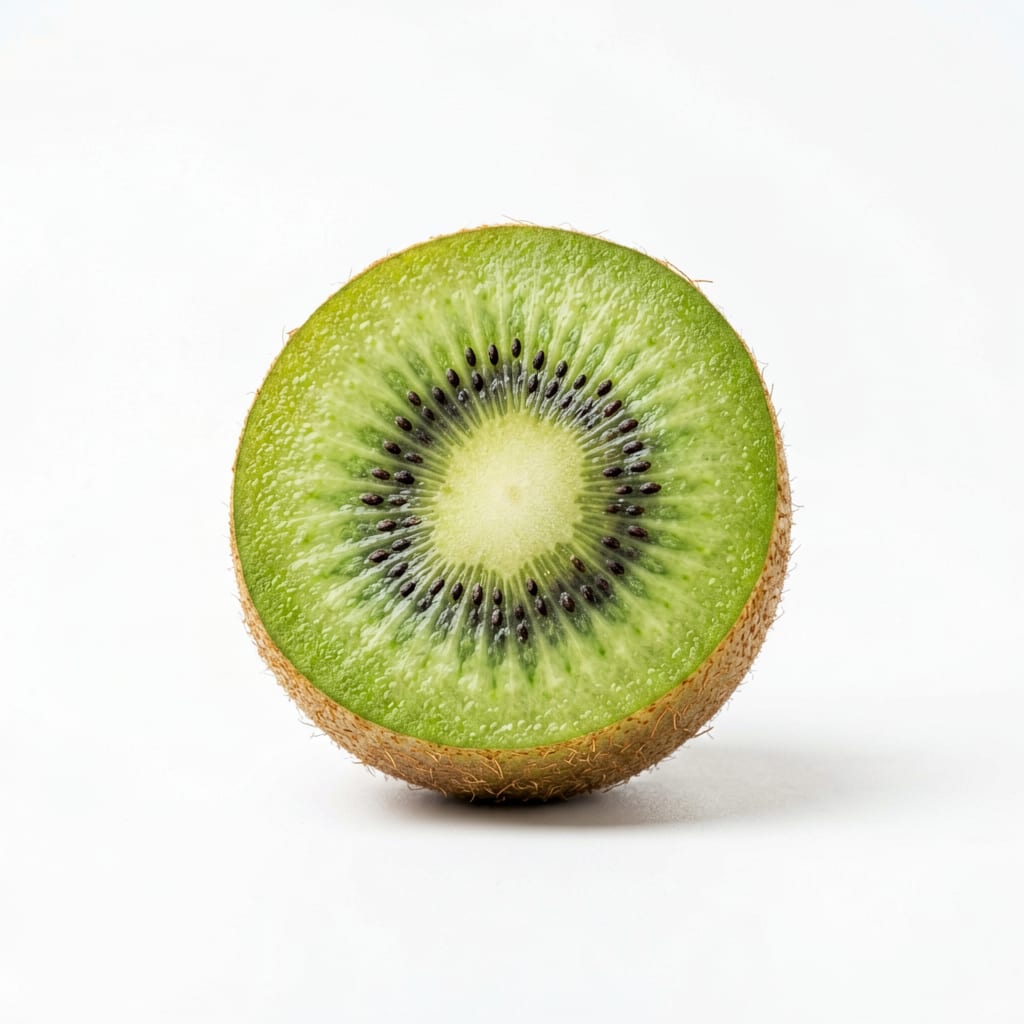
Kiwi
Kiwi crushes on vitamin C and antioxidants while Pear wins on fiber and gentle digestion — your pick depends on what your body needs most.
Kiwi edges ahead with superior vitamin C, lower sugar, and higher antioxidant density per calorie. Pear stays competitive with exceptional fiber and digestive comfort, but its nutritional profile is narrower.
Kiwi gives you immune firepower and lower sugar; Pear gives you more filling fiber and a softer, easier-to-tolerate eating experience.
At a glance
Executive summary
Overall
It depends
Healthier
Kiwi
More practical
Pear
Daily use
It depends
Key comparison lenses
vitamin C and immunity boost
Kiwi delivers dramatically more vitamin C than Pear, making this the starkest nutritional difference between the two
digestive health and fiber
Both fruits are fiber champions but through different mechanisms — Pear offers bulk soluble fiber while Kiwi brings unique digestive enzymes
blood sugar management
Users comparing these fruits often care about sugar content and glycemic impact for energy stability
snack convenience and portability
Both are handheld fruits but differ in messiness, peeling needs, and eating speed
allergy and sensitivity concerns
Both fruits carry notable but distinct allergy risks that can be dealbreakers for some people
Best choice for
Pear
- People with sensitive stomachs who need gentle, high-fiber fruit
- Anyone managing blood sugar who wants slower energy release
- Those who find tart fruits unpleasant
- Kids or elderly who prefer soft, mild flavors
- People with kiwi allergy
Kiwi
- Anyone wanting maximum vitamin C from whole food
- People focused on immune support during cold season
- Those counting calories or watching sugar intake
- Anyone wanting better sleep from natural serotonin
- People seeking antioxidant density per bite
Least suitable for
Pear
- People needing high vitamin C intake from fruit alone
- Those strictly limiting sugar who want the lowest-sugar option
- Anyone with birch pollen oral allergy syndrome
Kiwi
- People with known kiwi or latex allergies
- Those who find acidic fruits irritating to the mouth or stomach
- Anyone wanting a large, filling snack from a single fruit
Deep comparison
Dimension by dimension
Each lens scores both foods and breaks down who each option suits.
- Dimension 1 · Priority 95Kiwi
Vitamin C and Immunity
Pear · 12Kiwi · 93One Kiwi delivers roughly 9 times the vitamin C of a medium Pear. If immune support is your goal, Kiwi is in a different league.
Tradeoff
You sacrifice the milder taste and larger portion size of Pear to get that vitamin C concentration in a small, tart package.
Why it matters
Vitamin C is not stored in the body, so daily intake matters. Kiwi lets you hit your target in one fruit; Pear barely moves the needle.
Real-world impact
Eating two Kiwis daily covers your entire vitamin C needs. You would need roughly eight Pears to match that — not realistic for most people.
Pear
- Milder flavor if citrus-like tartness bothers you
Better for
- Practically negligible vitamin C contribution
Worse for
Kiwi
- Cold season immune defense
- Wound healing and collagen production
- Iron absorption when eaten with iron-rich meals
Better for
- Acidity can irritate mouth sores or sensitive gums
Worse for
- Dimension 2 · Priority 90Pear
Fiber and Digestive Comfort
Pear · 88Kiwi · 72Pear provides nearly double the fiber of a single Kiwi and is gentler on the digestive tract. Kiwi compensates with actinidin, a unique protein-digesting enzyme.
Tradeoff
Pear gives you more bulk fiber for regularity; Kiwi gives you enzymatic help breaking down meals but less total fiber per serving.
Why it matters
Most people fall short on fiber. Pear is one of the highest-fiber fruits available, especially with the skin on.
Real-world impact
A medium Pear with skin delivers about 5.5g fiber — roughly 20% of your daily need. One Kiwi gives about 2g. But after a heavy meal, Kiwi's enzymes may help you feel less bloated faster.
Pear
- Constipation relief through sheer fiber volume
- Steadier digestion without acidity
- More filling as a standalone snack
Better for
- No enzymatic digestive aid
Worse for
Kiwi
- Post-meal bloating relief from actinidin enzyme
- Protein digestion support after heavy meals
Better for
- Less total fiber per serving
- Acidity can aggravate acid reflux in some people
Worse for
- Dimension 3 · Priority 82Kiwi
Sugar and Blood Sugar Impact
Pear · 55Kiwi · 78Kiwi has significantly less sugar per fruit and per calorie. Pear has more sugar but also more fiber to slow absorption, creating a nuanced tradeoff.
Tradeoff
Pear's higher fiber blunts its sugar spike somewhat, but the total sugar load is still substantially higher than Kiwi.
Why it matters
For anyone watching blood sugar — whether diabetic, prediabetic, or just avoiding energy crashes — total sugar matters even with fiber as a buffer.
Real-world impact
A medium Pear contains about 17g sugar versus roughly 6g in a Kiwi. Even with Pear's fiber advantage, the sugar difference is hard to ignore for blood sugar management.
Pear
- More sustained energy release due to higher fiber-to-sugar ratio
- Less likely to cause quick hunger return despite higher sugar
Better for
- Higher sugar load can spike blood glucose more in sensitive individuals
Worse for
Kiwi
- Lower total sugar for blood sugar monitoring
- Better fit for low-carb or low-sugar eating styles
- Smaller glycemic load per serving
Better for
- Smaller portion means you may eat more Kiwis to feel full, narrowing the sugar gap
Worse for
- Dimension 4 · Priority 78Kiwi
Antioxidant Density
Pear · 52Kiwi · 85Kiwi packs more antioxidants per calorie, including vitamin C, vitamin E, and polyphenols. Pear has antioxidants too, but they are concentrated in the skin and less diverse.
Tradeoff
Kiwi gives you broader antioxidant coverage in a small package; Pear requires eating the skin and still delivers less total antioxidant power.
Why it matters
Antioxidants protect cells from daily oxidative stress. Getting more per calorie means more protective benefit without extra food volume.
Real-world impact
If you peel your Pear, you lose most of its antioxidants. Kiwi's antioxidants are distributed throughout the flesh, so you get them regardless of how you eat it.
Pear
- Still solid antioxidants if you eat the skin
- Flavonoids like quercetin that support heart health
Better for
- Peeling removes significant antioxidant content
- Less antioxidant variety than Kiwi
Worse for
Kiwi
- Higher ORAC score per calorie
- Vitamin E alongside vitamin C for synergistic protection
- More consistent antioxidant delivery regardless of peeling
Better for
- None significant in this dimension
Worse for
- Dimension 5 · Priority 75Pear
Satiety and Fullness
Pear · 82Kiwi · 58Pear is larger, higher in fiber, and more physically filling. Kiwi is compact and light — great for a quick bite but less satisfying as a standalone snack.
Tradeoff
Pear keeps you fuller longer but packs more calories and sugar. Kiwi is lighter and lower-calorie but you may feel hungry sooner.
Why it matters
If you are reaching for fruit to bridge the gap between meals, satiety determines whether you actually make it to your next meal without extra snacking.
Real-world impact
One medium Pear feels like a real snack. One Kiwi feels like a few bites. You would need two or three Kiwis to match the fullness factor, which changes the calorie and cost equation.
Pear
- Better as a standalone between-meal snack
- Higher fiber volume stretches the stomach more
- More satisfying eating experience per fruit
Better for
- Higher calorie if you are strictly counting
Worse for
Kiwi
- Good for light snacking when you want something small
- Less likely to feel too full before a meal
Better for
- May leave you reaching for more food within an hour
Worse for
- Dimension 6 · Priority 65Kiwi
Sleep Quality
Pear · 30Kiwi · 78Kiwi contains serotonin and antioxidants linked to better sleep quality. Research shows eating two Kiwis before bed can improve sleep onset and duration. Pear has no known sleep-specific benefits.
Tradeoff
Kiwi's sleep benefit requires eating it near bedtime, which some people find uncomfortable. Pear is neutral — it will not hurt sleep but will not help either.
Why it matters
Sleep is a foundational health pillar. Getting a natural sleep aid from a whole fruit is rare and valuable.
Real-world impact
Studies found that eating two Kiwis one hour before bed improved sleep onset, duration, and efficiency in adults with sleep disturbances. That is a tangible, measurable benefit.
Pear
- Less acidic if eating before bed concerns you
Better for
- No sleep-specific benefit
Worse for
Kiwi
- Faster sleep onset for people with mild insomnia
- Longer sleep duration naturally
- Non-supplement sleep support
Better for
- Eating acidic fruit right before bed can cause heartburn in prone individuals
Worse for
- Dimension 7 · Priority 70Pear
Convenience and Practicality
Pear · 80Kiwi · 62Pear is easier to eat on the go — just bite in. Kiwi often requires peeling or scooping, and its soft flesh is messier and more fragile.
Tradeoff
Pear trades nutritional density for grab-and-go simplicity. Kiwi demands more effort but rewards you with more nutrients per bite.
Why it matters
The best fruit is the one you actually eat. Convenience often determines whether a healthy food becomes a habit or gets skipped.
Real-world impact
You can eat a Pear while walking, driving, or working. Kiwi usually needs a knife, spoon, or napkin — making it less appealing as a portable snack.
Pear
- True grab-and-go fruit
- No sticky mess or juice running down your hands
- Hardier — survives in a bag better
Better for
- Browning after cutting makes it less appealing for meal prep
Worse for
Kiwi
- Compact size fits easily in lunch boxes
- Can be eaten skin-on if you do not mind the fuzz
Better for
- Fragile — bruises easily in transport
- Peeling or scooping needed for most people
- Juicy and messy to eat without utensils
Worse for
Timeline
Health impact over time
Short-term
Hours to days
Pear
- Gentle energy from natural sugars buffered by high fiber
- Relief from constipation within hours due to fiber and sorbitol content
- Mild, comforting snack that rarely causes digestive upset
Kiwi
- Quick vitamin C boost supporting immediate immune function
- Possible tingling or mouth irritation if you have mild oral allergy
- Post-meal digestive ease from actinidin enzyme activity
Long-term
Months to years
Pear
- Consistent fiber intake supports heart health and cholesterol management
- Lower risk of constipation-dependent issues like hemorrhoids
- Stable blood sugar patterns when eaten regularly as part of balanced diet
Kiwi
- Improved sleep quality with regular evening consumption
- Stronger immune resilience from sustained high vitamin C intake
- Better iron status if paired with iron-rich foods over time
- Possible reduction in oxidative stress markers from diverse antioxidants
Risk profile
Safety & processing
Both Pear and Kiwi are whole, unprocessed fruits you eat as nature intended. Neither carries additive concerns unless canned, dried, or processed into products with added sugars.
Pear
Pesticide residue on skin
mediumPears frequently appear on the EWG's Dirty Dozen list. Non-organic Pears carry measurable pesticide residues, especially on the skin where most fiber and antioxidants live.
Oral allergy syndrome from birch pollen cross-reactivity
lowPeople with birch pollen allergy may experience mouth itching or swelling when eating raw Pear. Cooking usually eliminates this reaction.
Kiwi
Kiwi allergy
highKiwi allergy is one of the more common fruit allergies and can range from mouth itching to anaphylaxis. It cross-reacts with latex allergy (latex-fruit syndrome). This is the most serious safety concern between the two fruits.
Pesticide residue
lowKiwi typically has lower pesticide residues than Pear and is not a regular on high-concern lists. The thick skin provides some protection.
Who wins for whom
Audience fit
Same foods, different winners depending on your goal.
children
PearPear's mild sweetness and soft texture appeal to kids, and it poses almost no allergy risk. Kiwi's tartness and allergy potential make it a riskier first fruit for young children.
daily consumption
It dependsKiwi wins for daily nutrient density and immune support. Pear wins for daily digestive regularity and comfort. Rotating both is ideal.
diabetes
KiwiKiwi's lower sugar content and smaller glycemic load make it easier to manage blood glucose. Pear's fiber helps, but the higher total sugar is a concern for tight glucose control.
elderly
PearPear is gentler on aging digestive systems, easier to chew, and less likely to cause mouth irritation. Its fiber supports the constipation issues common in older adults.
muscle gain
It dependsNeither fruit is a protein source. Kiwi's vitamin C helps with collagen synthesis for connective tissue repair, while Pear's calories can help fill energy needs in a surplus.
weight loss
KiwiKiwi delivers more nutrition per calorie with significantly less sugar. At roughly 42 calories per fruit versus 102 for a medium Pear, it is easier to fit into a calorie budget.
Your move
Decision guide
Choose Pear
- You want a filling, satisfying snack that holds you over between meals
- Digestive regularity is your top priority
- You find tart or acidic fruits unpleasant
- You need a portable, mess-free fruit for work or commuting
- You are feeding children or elderly family members who prefer mild flavors
- You have a known kiwi or latex allergy
Choose Kiwi
- Immune support and vitamin C are your main goals
- You want better sleep and are willing to eat fruit before bed
- You are watching sugar intake or counting calories closely
- You eat heavy protein meals and want digestive enzyme support
- You want maximum antioxidant bang per calorie
- You enjoy bold, tangy flavors
Either works if
- You simply want more whole fruit in your diet and enjoy both
- You are rotating fruits for microbiome diversity
- You have no specific health condition driving the choice
- You are building a fruit salad or smoothie where both complement each other
Avoid both if
- You have fructose intolerance or malabsorption issues
- You are on a very strict very-low-carb diet
- You have oral allergy syndrome triggered by both fruits
Final recommendation
Eat both on different days. Kiwi is your nutrient-dense powerhouse for mornings and pre-bed. Pear is your comforting, filling companion for afternoon snacking and digestive support. If you must pick one, Kiwi gives you more health value per calorie — but Pear gives you a more satisfying eating experience. Choose based on what your body is asking for today.
Practical
Consumer tips
- 1
Always eat Pear with the skin on — that is where most fiber and antioxidants live
- 2
Choose organic Pears when possible since they rank high for pesticide residues
- 3
If Kiwi's fuzzy skin bothers you, try golden Kiwi varieties which have smoother, thinner skin and are also sweeter
- 4
Eat Kiwi slightly soft for the best flavor and highest nutrient availability
- 5
Pair Kiwi with iron-rich foods like spinach or lentils — the vitamin C dramatically boosts iron absorption
- 6
For sleep benefits, eat two Kiwis about one hour before bedtime and be consistent for at least a week before judging results
- 7
Store unripe Pears at room temperature and refrigerate once ripe — they go from perfect to mealy quickly
- 8
Kiwi can tenderize meat naturally thanks to actinidin — useful as a marinade ingredient