
Nutrition comparison
Kiwi vs Mango: Which Tropical Fruit Is Healthier for You?
Kiwi delivers more vitamin C and fiber with less sugar. Mango offers more vitamin A and energy. Compare nutrition, blood sugar impact, and best uses for each fruit.
Overall winner · Kiwi
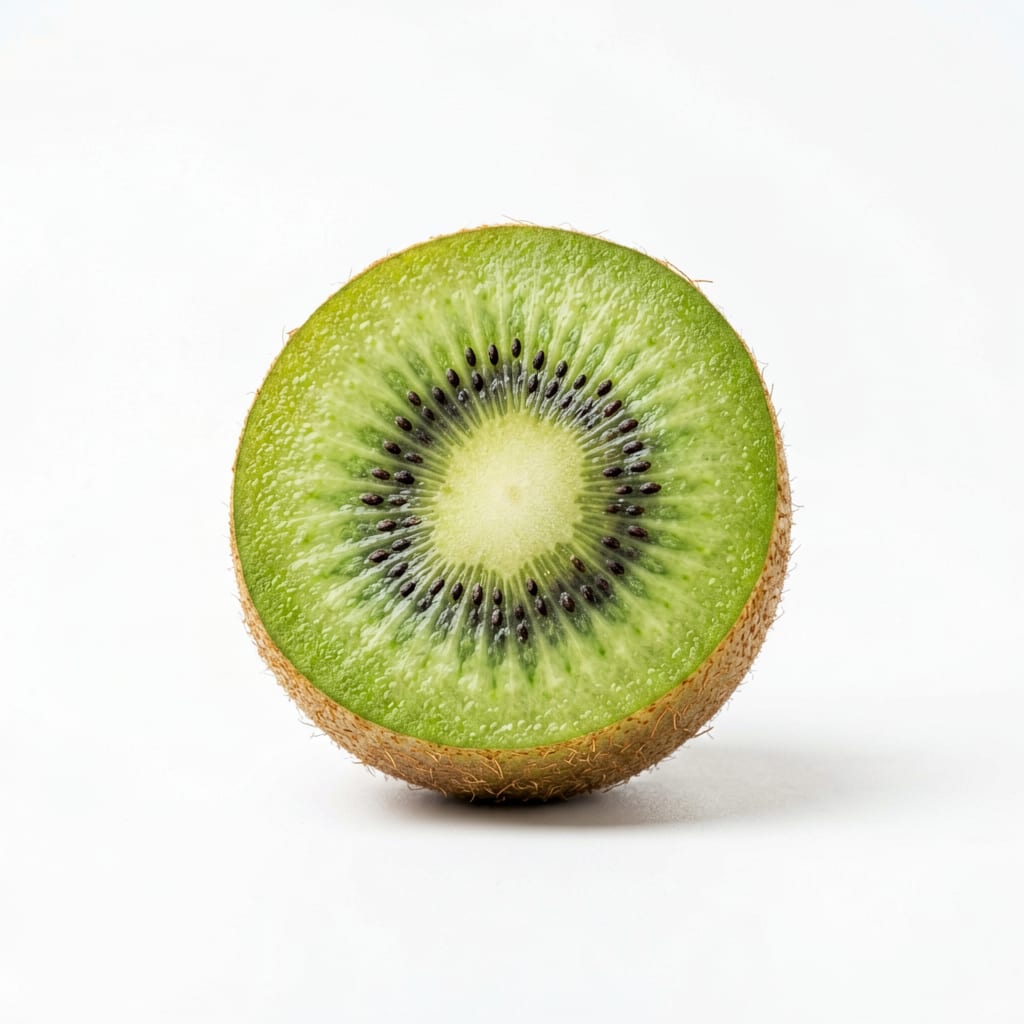
Kiwi
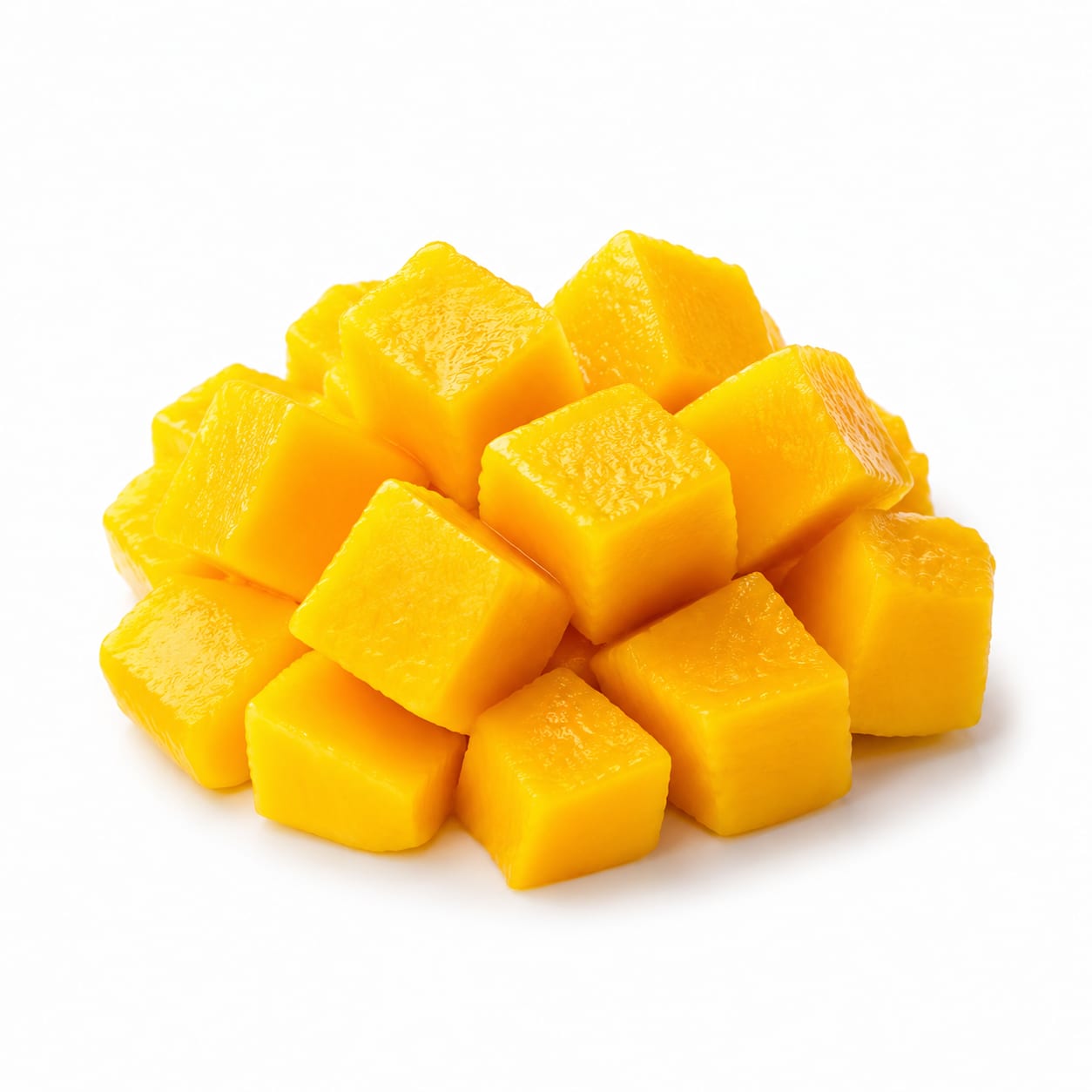
Mango
Kiwi wins for most health goals thanks to its superior vitamin C, fiber density, and lower sugar. Mango is the better choice when you need calories, vitamin A, or a more satisfying tropical treat.
Kiwi scores higher due to its exceptional nutrient-to-calorie ratio, lower sugar, and digestive benefits. Mango remains a strong choice but its higher sugar and calorie density narrow its everyday appeal.
Kiwi gives you more nutrients per calorie and steadier blood sugar. Mango gives you richer flavor, more energy, and a carotenoid boost that kiwi cannot match.
At a glance
Executive summary
Overall
Kiwi
Healthier
Kiwi
More practical
Kiwi
Daily use
Kiwi
Key comparison lenses
blood sugar and diabetes-friendliness
Mango is significantly higher in sugar and glycemic load, making this the top concern for many users comparing tropical fruits
vitamin C and immune support
Kiwi delivers a massive vitamin C punch per calorie, while mango offers more vitamin A — users often want to know which immune angle matters more
weight management and calorie density
Kiwi is roughly half the calories per serving of mango, a critical factor for portion-conscious eaters
digestive health and gut comfort
Kiwi contains actinidin, a unique digestive enzyme, plus more fiber per calorie — gut health is a growing priority
everyday practicality and snacking convenience
Both require peeling or scooping, but mango is messier and harder to ripen predictably
Best choice for
Kiwi
- People managing blood sugar or diabetes
- Anyone counting calories or cutting sugar
- Those wanting maximum vitamin C per bite
- Anyone seeking better digestion and regularity
- Light snackers who want nutrients without heaviness
Mango
- Active individuals needing more energy and carbs
- Anyone wanting to boost vitamin A and eye health
- People who find tart fruit unappealing and need enjoyable options
- Those recovering from illness and needing calorie-dense fruit
- Kids who reject sour flavors and prefer sweet fruit
Least suitable for
Kiwi
- People with kiwi or latex allergies
- Anyone sensitive to oxalates or prone to kidney stones
- Those who need calorie-dense snacks for weight gain
- People who find tart flavors unpleasant
Mango
- People strictly limiting sugar intake
- Those monitoring carbohydrate grams closely
- Anyone prone to overeating sweet fruit
- People with sensitivity to tropical fruit skin allergens
Deep comparison
Dimension by dimension
Each lens scores both foods and breaks down who each option suits.
- Dimension 1 · Priority 92Kiwi
blood sugar stability
Kiwi · 82Mango · 58Kiwi has a lower glycemic index and less than half the sugar per serving, making it far gentler on blood sugar.
Tradeoff
Mango provides quicker energy for active people but risks blood sugar spikes for sedentary or insulin-resistant individuals.
Why it matters
Steady blood sugar means fewer energy crashes and less craving cycles throughout the day.
Real-world impact
A kiwi snack at 3pm won't leave you reaching for more food an hour later. A mango portion might.
Kiwi
- Diabetics and pre-diabetics
- Intermittent fasters breaking a fast gently
- Anyone avoiding afternoon energy crashes
Better for
- Situations requiring rapid energy replenishment
Worse for
Mango
- Endurance athletes needing fast carbs
- Post-workout recovery when insulin sensitivity is high
Better for
- Sedentary evening snacking
- Anyone with insulin resistance eating large portions
Worse for
- Dimension 2 · Priority 88Kiwi
vitamin C and immune support
Kiwi · 94Mango · 65One kiwi delivers roughly 70-85% of your daily vitamin C in under 50 calories. Mango provides vitamin C too but less efficiently per calorie.
Tradeoff
Mango compensates with far more vitamin A from beta-carotene, supporting skin and eye health rather than immune defense.
Why it matters
Vitamin C is the frontline immune nutrient most people under-consume, especially in winter months.
Real-world impact
Eating two kiwis daily can meaningfully shorten cold duration. Mango helps more with long-term skin and vision.
Kiwi
- Immune support during cold season
- Anyone recovering from illness
- Smokers who deplete vitamin C faster
Better for
- Those already supplementing high-dose vitamin C
Worse for
Mango
- Eye health and night vision support
- Skin repair and sun damage recovery
- Long-term antioxidant coverage from carotenoids
Better for
- Acute immune support when you feel a cold coming
Worse for
- Dimension 3 · Priority 80Kiwi
digestive health and gut comfort
Kiwi · 86Mango · 60Kiwi contains actinidin, a protease enzyme that helps break down protein, plus more fiber per calorie. It has clinical evidence for relieving constipation.
Tradeoff
Mango contains digestive enzymes too, but less fiber density and no strong clinical evidence for gut regularity.
Why it matters
Digestive comfort affects daily quality of life more than most people realize until it improves.
Real-world impact
Two kiwis a day can replace fiber supplements for many people with mild constipation. Mango is gentler but less effective.
Kiwi
- Anyone with occasional constipation
- People wanting to reduce reliance on fiber supplements
- Those eating high-protein meals who need digestive help
Better for
- People with acid reflux triggered by tart fruit
- Those with oxalate-sensitive digestive issues
Worse for
Mango
- People with sensitive stomachs who find kiwi too acidic
- Anyone prone to diarrhea who needs less fiber stimulation
Better for
- Anyone specifically seeking constipation relief
Worse for
- Dimension 4 · Priority 85Kiwi
calorie and sugar density
Kiwi · 88Mango · 52A single kiwi is about 42 calories with 6g of sugar. One cup of mango is roughly 99 calories with 23g of sugar.
Tradeoff
Mango's higher calorie count makes it more satisfying in the moment but easier to overconsume, especially in smoothies or dried form.
Why it matters
Sugar from fruit is still sugar. Volume matters when you are managing weight or metabolic health.
Real-world impact
You can eat three kiwis for the same sugar as one cup of mango. That volume advantage helps with fullness.
Kiwi
- Weight loss diets
- Sugar-restricted eating plans
- Anyone who grazes on fruit throughout the day
Better for
- Underweight individuals needing calorie efficiency
Worse for
Mango
- Healthy weight gain strategies
- Growing children who need calorie-dense snacks
- Athletes in training who need carb replenishment
Better for
- Anyone tracking sugar grams carefully
- Smoothie drinkers who underestimate fruit sugar content
Worse for
- Dimension 5 · Priority 75It depends
antioxidant diversity
Kiwi · 78Mango · 76Kiwi excels in vitamin C and polyphenols. Mango excels in carotenoids and mangiferin. They protect different systems.
Tradeoff
Neither fruit covers the full antioxidant spectrum alone. Rotating both gives the broadest protection.
Why it matters
Different antioxidants shield different tissues. Vitamin C protects water-soluble systems. Carotenoids protect lipid-rich tissues like eyes and skin.
Real-world impact
Kiwi is your immune and collagen ally. Mango is your skin and vision ally. Both are legitimate but different.
Kiwi
- Collagen support and wound healing
- Immune cell protection
- Reducing oxidative stress from pollution or smoking
Better for
- Lipid-soluble antioxidant coverage
Worse for
Mango
- UV damage protection for skin
- Macular degeneration risk reduction
- Anti-inflammatory benefits from mangiferin
Better for
- Rapid immune response support
Worse for
- Dimension 6 · Priority 72Kiwi
practicality and snacking convenience
Kiwi · 74Mango · 62Kiwi is easier to portion, ripens faster, and stores more predictably. Mango ripening is notoriously hit-or-miss.
Tradeoff
Mango is more versatile in cooking and smoothies, but requires more prep skill and creates more mess.
Why it matters
Fruit that is annoying to prep gets eaten less often. Convenience drives consistency.
Real-world impact
You can slice a kiwi in 10 seconds. Cutting a mango properly takes practice and often wastes flesh near the pit.
Kiwi
- Quick breakfast additions
- Office or commute snacking
- Meal prep simplicity
Better for
- Culinary versatility beyond snacking
Worse for
Mango
- Tropical smoothie bases
- Dessert recipes and fruit salads
- Cooking and marinades
Better for
- Grab-and-go eating
- Predictable ripeness for meal planning
Worse for
Timeline
Health impact over time
Short-term
Hours to days
Kiwi
- Quick vitamin C boost supporting immediate immune function
- Mild laxative effect within 12-24 hours for constipation relief
- Possible mouth tingling or soreness in people with oral allergy syndrome
- Tart flavor can stimulate saliva and aid digestion before meals
Mango
- Rapid energy from natural sugars, noticeable within 20-30 minutes
- Possible blood sugar spike if eaten in large portions on an empty stomach
- Soothing, sweet flavor that can satisfy dessert cravings without junk food
- Mild digestive enzyme support when eaten with protein-rich meals
Long-term
Months to years
Kiwi
- Consistent vitamin C intake supports collagen production and skin elasticity over years
- Regular fiber intake reduces constipation and may lower colorectal cancer risk
- Potassium contribution supports healthy blood pressure trends
- Possible reduction in oxalate-sensitive kidney stone risk is debated — some evidence suggests dietary vitamin C may increase oxalate in susceptible individuals
Mango
- Carotenoid accumulation supports long-term eye health and may reduce macular degeneration risk
- Folate intake supports cell division and is especially valuable during pregnancy
- Mangiferin may contribute to reduced inflammatory markers over time
- Higher sugar intake from frequent large portions could contribute to insulin resistance if not managed
Risk profile
Safety & processing
Both kiwi and mango are whole, unprocessed fruits when purchased fresh. The main concern is dried or canned mango products that add sugar and sulfites. Fresh versions of both are as natural as food gets.
Kiwi
Latex-fruit allergy cross-reactivity
mediumPeople with latex allergies may react to kiwi proteins. Reactions range from mouth itching to anaphylaxis. This is one of the more common fruit allergies.
Oxalate content
lowKiwi contains moderate oxalates. For most people this is irrelevant, but those with a history of calcium oxalate kidney stones should moderate intake.
Pesticide residue
mediumKiwi frequently appears on pesticide concern lists. Washing helps, but choosing organic reduces exposure significantly.
Mango
Urushiol in mango skin
mediumMango skin contains urushiol, the same compound as poison ivy. Peeling before eating is essential. Some people get contact dermatitis just from handling the peel.
Pesticide residue
highMango is consistently flagged for pesticide residue on conventionally grown varieties. The thick peel offers some protection, but organic is preferable.
Sulfite sensitivity in dried mango
mediumMany commercial dried mango products contain sulfites as preservatives, which can trigger asthma or allergic reactions in sensitive individuals.
Who wins for whom
Audience fit
Same foods, different winners depending on your goal.
children
MangoMost kids prefer the sweet, mild flavor of mango over kiwi's tartness. Getting children to eat any fruit is the real win, and mango's appeal helps.
daily consumption
KiwiLower sugar, higher nutrient density, and better blood sugar stability make kiwi more sustainable as a daily habit without metabolic downsides.
diabetes
KiwiLower glycemic load and less sugar per serving make kiwi significantly safer for blood sugar management. Clinical studies support kiwi as a diabetes-friendly fruit.
elderly
KiwiKiwi's fiber and actinidin address common elderly digestive issues. The vitamin C supports aging immune systems and collagen for joint health.
muscle gain
MangoMore carbohydrates per serving support glycogen replenishment after training. The calorie density helps meet higher energy needs.
weight loss
KiwiHalf the calories and sugar per serving with more fiber to keep you full. You can eat more volume for fewer calories.
Your move
Decision guide
Choose Kiwi
- You want maximum nutrition with minimal calories
- Blood sugar management is a priority
- You struggle with constipation or sluggish digestion
- You need a reliable daily vitamin C source
- You prefer tart, refreshing flavors over sweet ones
Choose Mango
- You need more calories and carbs for an active lifestyle
- Vitamin A and eye health are priorities for you
- You find tart fruit unpleasant and need enjoyable options to stay consistent
- You are preparing food for kids who reject sour flavors
- You want a versatile fruit for smoothies, desserts, and cooking
Either works if
- You simply want more fruit variety in your diet
- You have no specific health restrictions and enjoy both flavors
- You are rotating fruits for broad antioxidant coverage
Avoid both if
- You have a known allergy to either fruit
- You are on a strict very-low-carb or ketogenic diet
- You have severe oxalate restrictions for kidney stone prevention
Final recommendation
Eat kiwi as your daily default fruit for its nutrient efficiency and blood sugar friendliness. Add mango a few times per week for its carotenoids and enjoyment value. The best outcome is not choosing one — it is rotating both so you get kiwi's vitamin C and fiber alongside mango's vitamin A and mangiferin. Just keep mango portions moderate if sugar is a concern.
Practical
Consumer tips
- 1
Choose organic for both fruits when possible — kiwi and mango both carry meaningful pesticide residue concerns
- 2
Ripen mangoes in a paper bag on the counter, then refrigerate once soft to extend their window by 2-3 days
- 3
Golden kiwi varieties are sweeter and less tart than green — a good bridge if you find regular kiwi too sour
- 4
Never eat mango skin — the urushiol can cause reactions similar to poison ivy
- 5
Freeze overripe mango chunks for smoothies rather than throwing them away
- 6
If you have latex allergy, test kiwi cautiously with a small bite and monitor for mouth tingling
- 7
Two kiwis per day is the clinically studied dose for constipation relief — results typically appear within 1-3 days
- 8
Dried mango is not equivalent to fresh — it concentrates sugar 4-5x and often contains sulfites