
Nutrition comparison
Kiwi vs Blueberry: Which Fruit is Healthier?
Compare kiwi and blueberry nutrition. Discover whether kiwi's Vitamin C and digestion benefits or blueberry's low sugar and brain-boosting antioxidants are right for you.
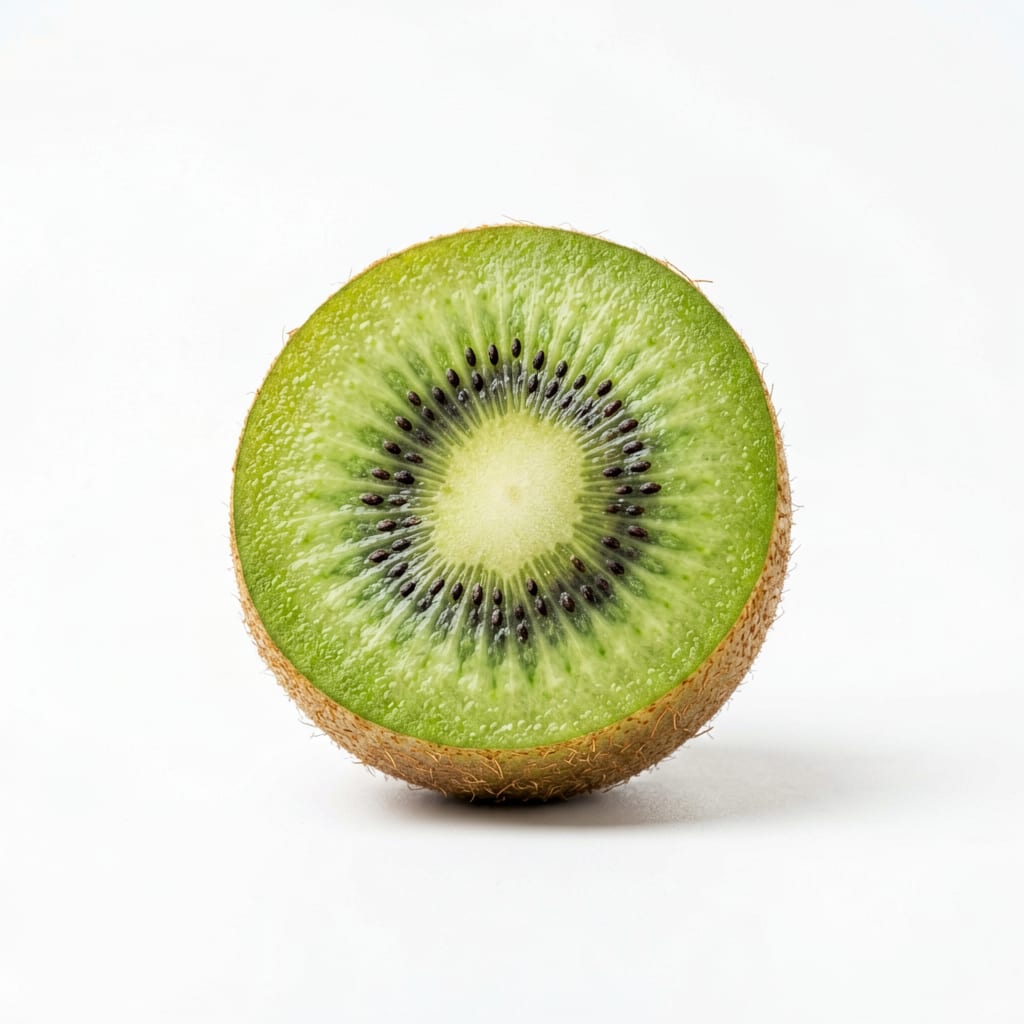
Kiwi
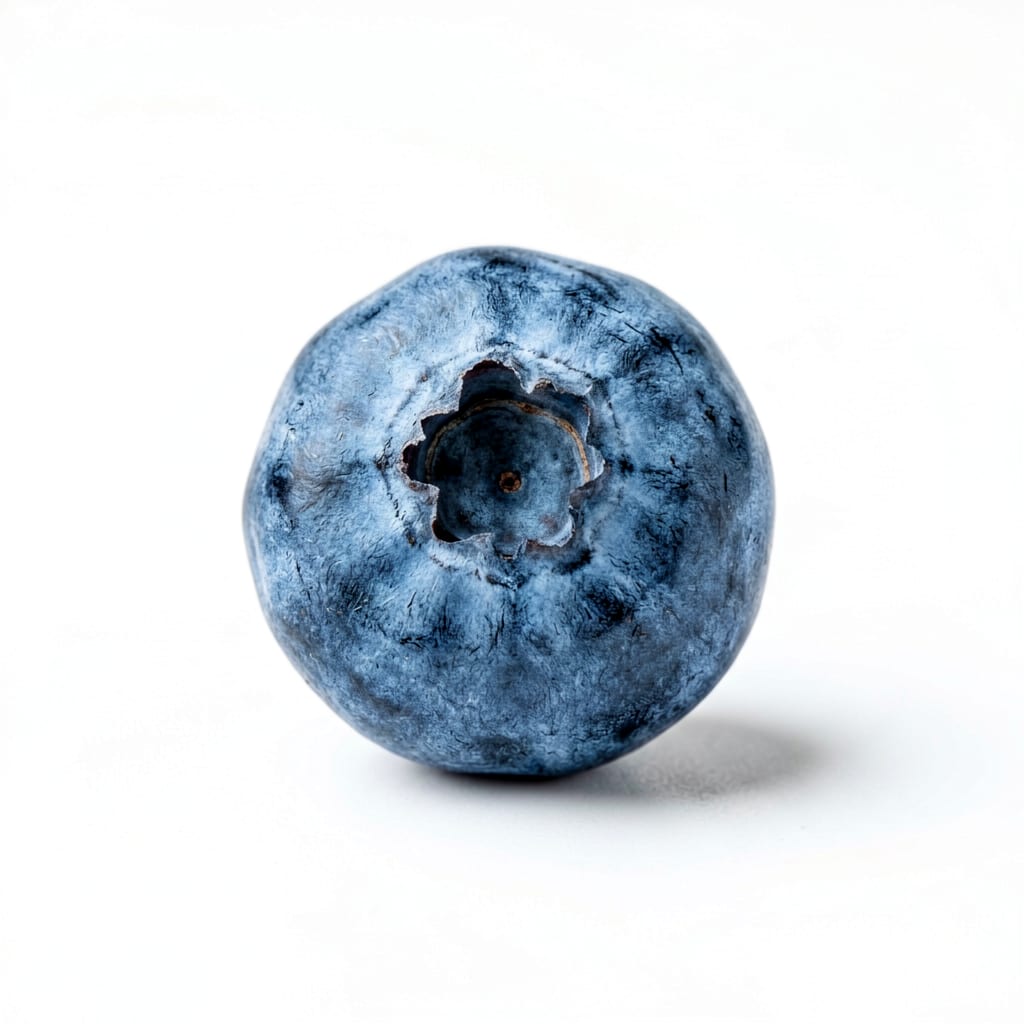
Blueberry
Kiwi is your immune-boosting fiber champion, while blueberries are the low-sugar antioxidant king.
Blueberries edge out slightly due to lower sugar and superior convenience, but kiwi's unmatched Vitamin C keeps it highly competitive.
Massive Vitamin C and digestive enzymes in kiwi versus lower sugar and easier snacking in blueberries.
At a glance
Executive summary
Overall
It depends
Healthier
It depends
More practical
Blueberry
Daily use
Blueberry
Key comparison lenses
Immune support vs. antioxidant protection
Kiwi is a Vitamin C powerhouse, while blueberries are famous for anthocyanins and brain health.
Blood sugar management
Blueberries have significantly less sugar per serving, making them better for low-carb diets.
Convenience and snacking
Blueberries are grab-and-go, whereas kiwi requires peeling or eating fuzzy skin, which is messier.
Best choice for
Kiwi
- Boosting immunity quickly
- Relieving constipation
- Getting a massive Vitamin C dose
Blueberry
- Low-carb snacking
- Brain health and aging
- Adding to yogurt or oatmeal without prep
Least suitable for
Kiwi
- People with oxalate kidney stone issues
- Those strictly limiting sugar
- On-the-go snacking
Blueberry
- Those needing a Vitamin C boost
- People looking for digestive enzyme benefits
Deep comparison
Dimension by dimension
Each lens scores both foods and breaks down who each option suits.
- Dimension 1 · Priority 95Kiwi
Vitamin C & Immunity
Kiwi · 98Blueberry · 45Kiwi delivers over 200% of your daily Vitamin C in one fruit, crushing blueberries.
Tradeoff
You get way more immune support from kiwi, but you miss out on the specific anthocyanin antioxidants found in blueberries.
Why it matters
Vitamin C is crucial for fighting off colds and skin health, and kiwi is one of the best sources on the planet.
Real-world impact
Eating a kiwi a day can keep you from catching that office cold going around.
Kiwi
- Fighting off a cold
- Collagen production for skin
- Iron absorption when eaten with meals
Better for
- People with citrus sensitivities or acid reflux
Worse for
Blueberry
- Avoiding mouth sores from high acidity
Better for
- Preventing scurvy or severe deficiency quickly
Worse for
- Dimension 2 · Priority 90Blueberry
Antioxidant Profile & Brain Health
Kiwi · 70Blueberry · 95Blueberries are packed with anthocyanins that specifically support brain health and reduce inflammation.
Tradeoff
Blueberries offer targeted cognitive and anti-aging benefits, while kiwi's antioxidants are more generalized.
Why it matters
Anthocyanins cross the blood-brain barrier, helping protect memory and focus as you age.
Real-world impact
A daily handful of blueberries can help keep your mind sharp and fight afternoon brain fog.
Kiwi
- General antioxidant support
Better for
- Targeted neuroprotection
Worse for
Blueberry
- Memory retention
- Reducing brain fog
- Anti-aging benefits
Better for
- Broad-spectrum immune spikes
Worse for
- Dimension 3 · Priority 85Blueberry
Blood Sugar & Low-Carb Fit
Kiwi · 65Blueberry · 88Blueberries have about half the sugar of kiwi, making them much friendlier for low-carb or diabetic diets.
Tradeoff
Kiwi's higher sugar comes with more Vitamin C, but it can spike blood sugar faster if you're sensitive.
Why it matters
Managing blood sugar prevents energy crashes and reduces the risk of insulin resistance.
Real-world impact
Blueberries won't give you that afternoon energy dip that higher-sugar fruits can trigger.
Kiwi
- Post-workout carb replenishment
Better for
- Strict keto or low-carb diets
Worse for
Blueberry
- Steady energy
- Diabetic-friendly snacking
- Keto-ish diets
Better for
- Quick glycogen replenishment after intense exercise
Worse for
- Dimension 4 · Priority 80Kiwi
Digestion & Gut Health
Kiwi · 92Blueberry · 75Kiwi contains actinidin, a unique enzyme that breaks down protein and relieves bloating, plus excellent fiber.
Tradeoff
Kiwi actively helps digest your meal, while blueberries offer passive fiber support.
Why it matters
Good digestion means less bloating and better nutrient absorption from everything else you eat.
Real-world impact
Eating kiwi after a heavy meal can help you feel lighter and keep you regular.
Kiwi
- Relieving constipation
- Easing bloating after protein-heavy meals
Better for
- People with latex-fruit syndrome or severe IBS
Worse for
Blueberry
- Mild daily fiber maintenance
Better for
- Acute constipation relief
Worse for
- Dimension 5 · Priority 75Blueberry
Convenience & Snackability
Kiwi · 55Blueberry · 95Blueberries are the ultimate grab-and-go snack, while kiwi requires peeling or eating fuzzy skin.
Tradeoff
Blueberries are effortless to eat anywhere, whereas kiwi needs a knife or a tolerance for fuzzy skin.
Why it matters
If a healthy snack isn't convenient, you're more likely to reach for junk food instead.
Real-world impact
You can toss blueberries in a bag for a road trip; kiwi is a sticky, messy desk snack.
Kiwi
- Eating at home with utensils
Better for
- Eating while driving
- Mess-free snacking
Worse for
Blueberry
- Commuting
- Office snacking
- Kids' lunchboxes
Better for
- Situations requiring a knife and spoon
Worse for
Timeline
Health impact over time
Short-term
Hours to days
Kiwi
- Quick immune boost
- Relief from bloating and constipation
- Possible mouth irritation due to acidity
Blueberry
- Steady, crash-free energy
- Quick antioxidant infusion
- Easy on the stomach
Long-term
Months to years
Kiwi
- Stronger immune resilience
- Better digestive regularity
- Risk of kidney stones from oxalates if overconsumed
Blueberry
- Improved memory and cognitive function
- Lower inflammation markers
- Better blood sugar management over time
Risk profile
Safety & processing
Both are whole, unprocessed fruits. The main concern isn't additives, but agricultural chemicals—always wash blueberries thoroughly due to pesticide residue risks.
Kiwi
Oxalate content
mediumKiwi contains moderate oxalates, which can contribute to kidney stones in prone individuals.
Latex-fruit syndrome
lowSome people with latex allergies react to kiwi, causing mouth itching or swelling.
Blueberry
Pesticide residue
highBlueberries frequently appear on the EWG's Dirty Dozen list; buying organic is highly recommended.
Choking hazard for toddlers
lowWhole blueberries can be a choking risk for very young children if not cut.
Who wins for whom
Audience fit
Same foods, different winners depending on your goal.
children
BlueberryKids love the sweet, bite-sized nature of blueberries, and they are easier to pack in lunches.
daily consumption
BlueberryEasier to eat consistently without mess, lower in sugar, and gentle on the stomach for daily use.
diabetes
BlueberrySignificantly lower sugar content and glycemic load keep blood sugar more stable.
elderly
BlueberryThe anthocyanins in blueberries strongly support cognitive health and memory preservation in aging.
muscle gain
KiwiHigher Vitamin C aids in collagen production for joint health, and actinidin helps digest heavy protein meals.
weight loss
BlueberryLower in calories and sugar, making it easier to fit into a calorie deficit without triggering cravings.
Your move
Decision guide
Choose Kiwi
- You feel a cold coming on and need a Vitamin C bomb
- You struggle with constipation or bloating after meals
- You want a fruit that actively helps digest protein
Choose Blueberry
- You want a low-sugar, brain-boosting daily snack
- You need something easy to toss in a bag or yogurt
- You are focused on anti-aging and reducing inflammation
Either works if
- You just want a fresh, whole-food snack instead of processed junk
- You are making a smoothie and want some fruit
Avoid both if
- You are on a strict carnivore or zero-carb diet
- You have severe fructose intolerance
Final recommendation
Keep both in your rotation. Eat kiwi after meals for digestion and immunity, and snack on blueberries during the day for steady energy and brain health. If you must pick one for daily, hassle-free snacking, blueberries win.
Practical
Consumer tips
- 1
Eat kiwi with the skin on—it triples the fiber content and is completely safe, just rub the fuzz off first.
- 2
Always buy organic blueberries if possible; conventional ones are heavily sprayed with pesticides.
- 3
Freeze blueberries when they're in season; they don't lose their antioxidant power and are great in smoothies.
- 4
Pair kiwi with iron-rich foods like spinach; the massive Vitamin C content will help your body absorb the iron.