
Nutrition comparison
Kiwi vs Apple: Which Fruit Is Healthier for You?
Compare Kiwi vs Apple for vitamins, digestion, blood sugar, and pesticide residue. Find out which fruit is better for weight loss, immunity, and snacking.
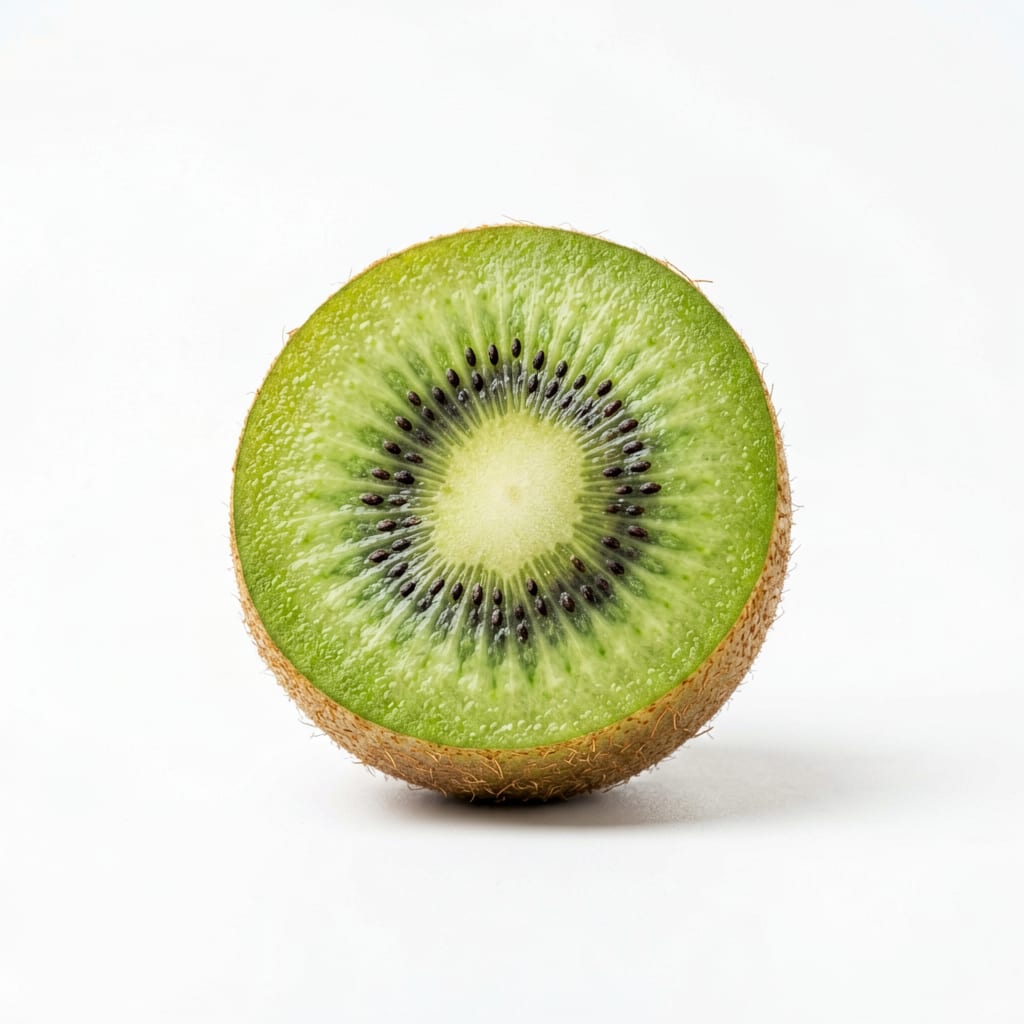
Kiwi
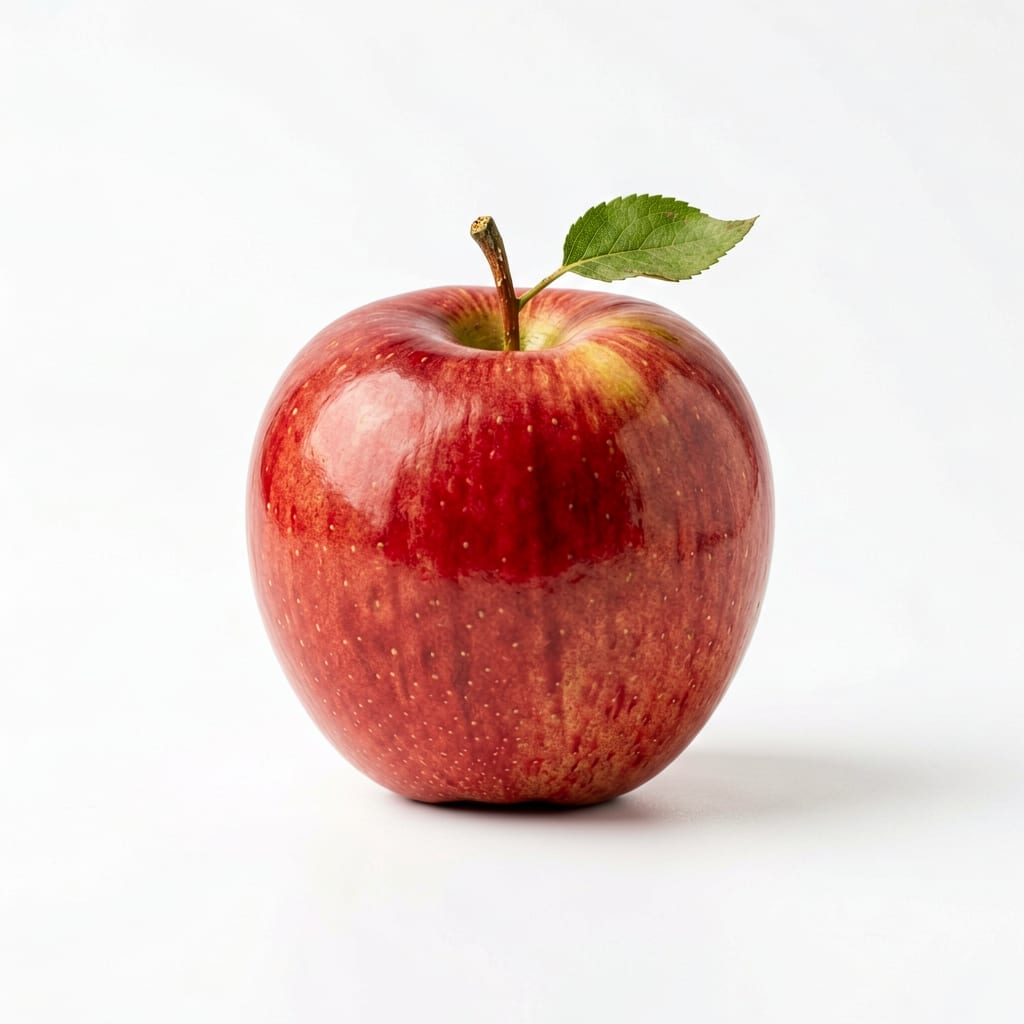
Apple
Kiwi delivers a massive Vitamin C boost and digestive enzymes, while Apple offers unmatched convenience and steadier energy.
Kiwi scores slightly higher for nutritional density and digestive benefits, but Apple stays competitive due to superior convenience and satiety.
Nutritional potency and digestion support versus grab-and-go convenience and longer shelf life.
At a glance
Executive summary
Overall
It depends
Healthier
Kiwi
More practical
Apple
Daily use
Apple
Key comparison lenses
Immune support and Vitamin C intake
Kiwi is famously high in Vitamin C, while Apple provides very little, making this a stark contrast for daily immunity.
Digestive regularity and gut health
Kiwi contains unique digestive enzymes and highly effective fiber for constipation, whereas Apple relies on pectin for gut benefits.
Snack convenience and portability
Apple is the ultimate grab-and-go fruit with a long shelf life, while Kiwi is delicate and requires prep.
Pesticide exposure and clean eating
Apple consistently ranks on the Dirty Dozen list for pesticide residue, while Kiwi is typically on the Clean Fifteen.
Best choice for
Kiwi
- Boosting immunity during cold season
- Relieving constipation naturally
- Adding tropical flavor to breakfasts
Apple
- Quick on-the-go snacking
- Steady afternoon energy
- Budget-friendly fruit staple
Least suitable for
Kiwi
- People with latex-fruit syndrome allergies
- Those needing a non-perishable desk snack
Apple
- People strictly avoiding Dirty Dozen produce without organic options
- Those needing high Vitamin C from a single serving
Deep comparison
Dimension by dimension
Each lens scores both foods and breaks down who each option suits.
- Dimension 1 · Priority 90Kiwi
Vitamin & Mineral Density
Kiwi · 95Apple · 60Kiwi is a Vitamin C powerhouse, providing over 200% of daily needs in one fruit, while Apple offers modest amounts.
Tradeoff
You get far more immune-supporting nutrients from Kiwi, but you have to eat it before it spoils.
Why it matters
Vitamin C is crucial for immune function and skin health, and Kiwi covers your bases in a single serving.
Real-world impact
Eating a Kiwi in the morning practically guarantees you meet your Vitamin C needs for the day.
Kiwi
- Immune support
- Collagen production
- Iron absorption
Better for
- Mouth sensitivity from high acidity
Worse for
Apple
- Milder flavor if acidic fruit bothers you
Better for
- Relying on Apple alone for micronutrients
Worse for
- Dimension 2 · Priority 85Kiwi
Digestive Health
Kiwi · 90Apple · 75Kiwi contains actinidin, an enzyme that breaks down protein and aids digestion, plus highly effective fiber for regularity.
Tradeoff
Kiwi actively helps break down food, whereas Apple relies on pectin to slow digestion and firm up stools.
Why it matters
If you struggle with bloating or constipation, Kiwi is a natural remedy that works quickly.
Real-world impact
Eating two Kiwis a day is clinically shown to improve constipation without the need for laxatives.
Kiwi
- Constipation relief
- Protein digestion
- Gut motility
Better for
- Latex-fruit allergy triggers
- Acid reflux if eaten on an empty stomach
Worse for
Apple
- Firming up loose stools
- Feeding beneficial gut bacteria with pectin
Better for
- Less effective for acute constipation relief
Worse for
- Dimension 3 · Priority 80Apple
Convenience & Shelf Life
Kiwi · 50Apple · 95Apples are the ultimate grab-and-go fruit with a long shelf life, while Kiwis are delicate and require peeling or careful eating.
Tradeoff
Apple requires zero prep and lasts weeks in the fridge; Kiwi demands ripeness tracking and a spoon or knife.
Why it matters
The best fruit for your health is the one you actually eat consistently.
Real-world impact
You can toss an Apple in a bag on Monday and eat it Friday; a Kiwi might be bruised and mushy by Tuesday.
Kiwi
- Adding to yogurt or smoothies at home
Better for
- Messy to eat at a desk
- Short window of perfect ripeness
Worse for
Apple
- Commuting
- Desk snacking
- Packing in kids' lunches
Better for
- Boredom from eating the same snack daily
Worse for
- Dimension 4 · Priority 75Apple
Blood Sugar & Satiety
Kiwi · 70Apple · 85Apples have a lower glycemic index and their crunch and density make them more physically satisfying and slower to eat.
Tradeoff
An Apple takes longer to chew and digest, keeping you fuller longer, whereas Kiwi is eaten quickly and digested faster.
Why it matters
Managing hunger between meals is easier when your snack takes time to consume and breaks down slowly.
Real-world impact
An Apple at 3 PM will likely hold you over until dinner better than a quickly eaten Kiwi.
Kiwi
- A quick pre-workout energy boost
Better for
- Faster return of hunger
Worse for
Apple
- Curbing afternoon cravings
- Sustained energy without a crash
Better for
- None significant for blood sugar
Worse for
- Dimension 5 · Priority 70Kiwi
Pesticide Residue & Safety
Kiwi · 90Apple · 55Kiwi typically lands on the Clean Fifteen list with minimal pesticide residue, while conventional Apples are consistently on the Dirty Dozen.
Tradeoff
You can safely buy conventional Kiwi, but Apples are worth buying organic to avoid high pesticide exposure.
Why it matters
Pesticide load affects long-term hormonal and neurological health, especially if eaten daily.
Real-world impact
Choosing organic Apples adds to your grocery bill, whereas conventional Kiwi is cheap and clean.
Kiwi
- Budget-friendly clean eating
Better for
- Oral allergy syndrome for some
Worse for
Apple
- Wider availability of organic options
Better for
- High pesticide residue if conventionally grown
Worse for
Timeline
Health impact over time
Short-term
Hours to days
Kiwi
- Quick energy from natural sugars
- Immediate digestive relief if constipated
- Possible mouth tingling if allergic
Apple
- Steady energy without a spike
- Quick feeling of fullness from water and fiber
- Thirst quenching
Long-term
Months to years
Kiwi
- Stronger immune resilience
- Improved chronic digestion and regularity
- Better iron absorption preventing anemia
Apple
- Consistent heart health support from pectin
- Stable blood sugar management
- Better dental health from chewing fibrous flesh
Risk profile
Safety & processing
Both Kiwi and Apple are whole, unprocessed fruits. The only concern is the waxy coating sometimes applied to Apples for shelf appeal.
Kiwi
Latex-fruit syndrome allergy
mediumPeople allergic to latex may react to actinidin in Kiwi, causing mouth itching or swelling.
Apple
Pesticide residue
highConventional Apples consistently rank in the EWG's Dirty Dozen for high pesticide residue; peeling reduces but doesn't eliminate it.
Choking hazard
mediumWhole Apples are a known choking risk for toddlers and the elderly if not sliced.
Who wins for whom
Audience fit
Same foods, different winners depending on your goal.
children
AppleSliced Apples are an easy, kid-friendly staple, though Kiwi's soft texture is great for babies lacking teeth.
daily consumption
AppleApple's long shelf life and zero-prep nature make it the most realistic daily habit for most people.
diabetes
AppleApple has a lower glycemic index and more stable blood sugar response, making it safer for glucose management.
elderly
KiwiKiwi is softer to chew and actively helps with constipation, a very common issue in older adults.
muscle gain
It dependsNeither is a primary muscle-building food, but Kiwi's Vitamin C aids collagen repair, while Apple provides easy carbs for glycogen.
weight loss
AppleApple's crunch and longer eating time provide more satiety per calorie, making it easier to resist overeating.
Your move
Decision guide
Choose Kiwi
- You struggle with constipation or sluggish digestion
- You want to boost your immune system naturally
- You prefer buying conventional fruit without pesticide worries
Choose Apple
- You need a portable, non-messy snack for work or travel
- You want something that keeps you full between meals
- You tend to forget about fruit in the fridge and need something hardy
Either works if
- You just want a healthy, whole-food sweet treat
- You are looking to increase your daily fiber intake
Avoid both if
- You are on a strict very-low-carb or ketogenic diet
- You have severe fructose malabsorption
Final recommendation
Keep both on hand: Apples for busy days when you need a reliable, filling snack, and Kiwi for mornings when you need a nutrient and digestion boost.
Practical
Consumer tips
- 1
Buy organic Apples whenever possible to avoid high pesticide residues, but conventional Kiwi is fine
- 2
Eat Kiwi skin and all after washing to triple your fiber intake, if the texture doesn't bother you
- 3
Slice Apples and pair with peanut butter to blunt the blood sugar response and add staying power
- 4
Ripen Kiwis at room temperature, then move them to the fridge to pause ripening for a few days