
Nutrition comparison
Kiwi vs Orange: Which Fruit Is Healthier for Daily Eating?
Compare kiwi and orange on vitamin C, fiber, blood sugar impact, digestion, and convenience. Find out which fruit fits your health goals and daily routine better.
Overall winner · Kiwi
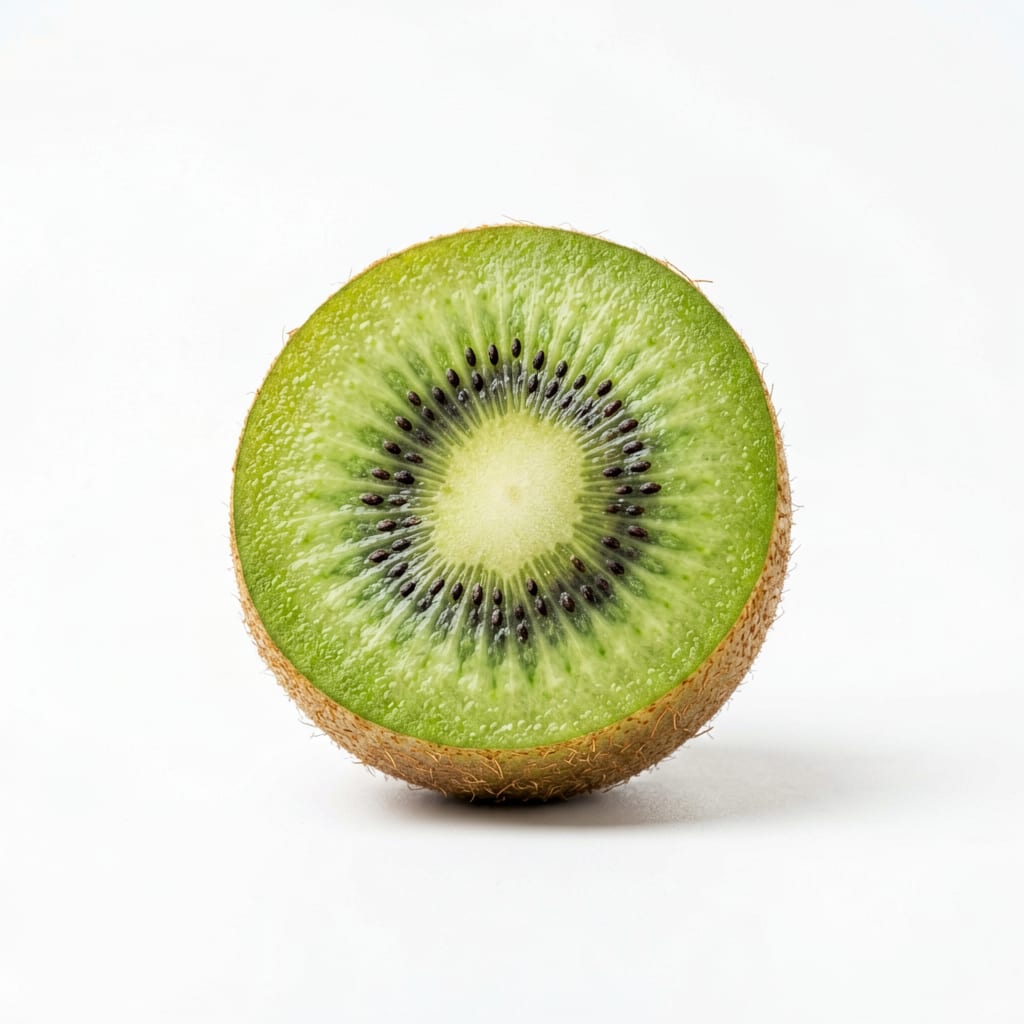
Kiwi
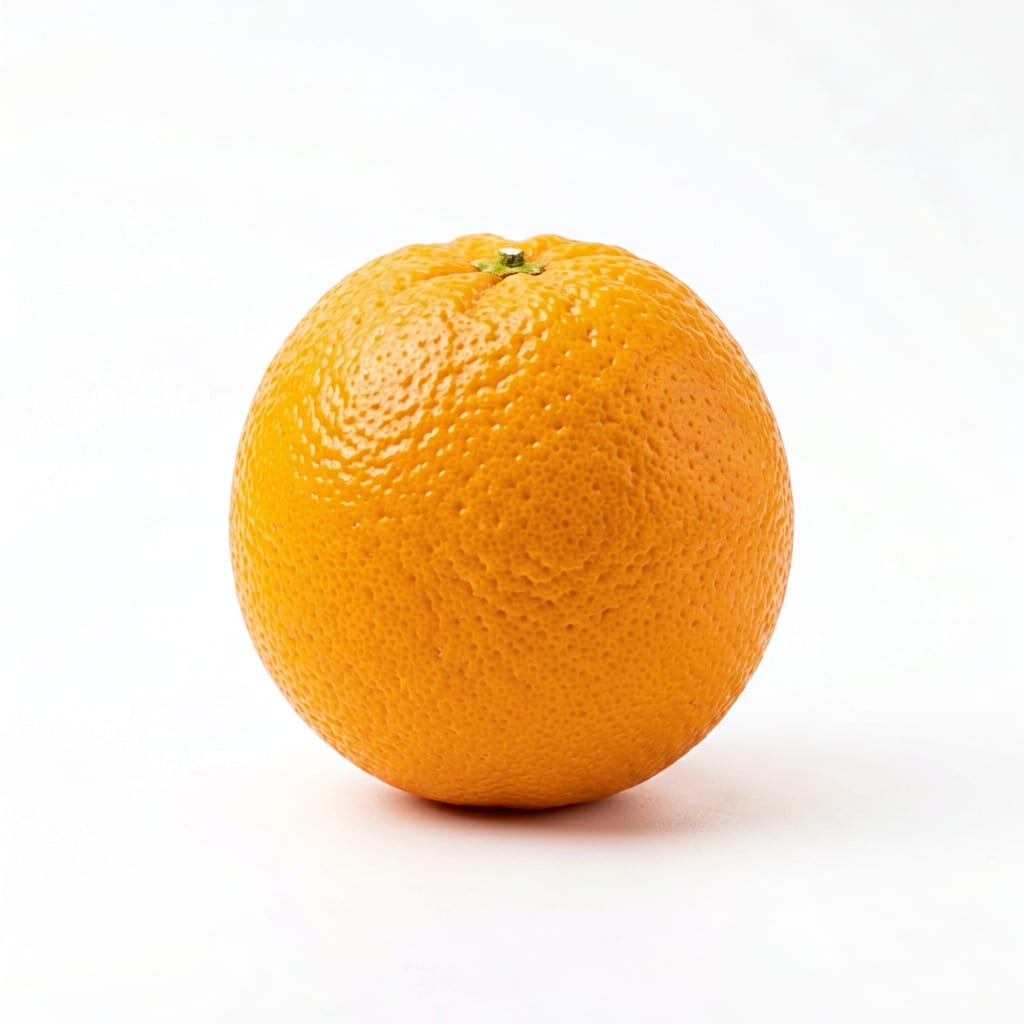
Orange
Kiwi edges out orange with more vitamin C, double the fiber, digestive enzymes, and sleep-supporting serotonin — but orange wins on convenience and allergy safety.
Kiwi scores higher due to denser micronutrition, more fiber, and unique bioactive compounds. Orange stays competitive through accessibility, hydration, and folate content.
Kiwi offers superior nutrition per calorie, while orange offers easier daily habit-forming and broader tolerance.
At a glance
Executive summary
Overall
Kiwi
Healthier
Kiwi
More practical
Orange
Daily use
It depends
Key comparison lenses
Vitamin C optimization
Both are famous for vitamin C, so users want to know which actually delivers more
Digestive health and regularity
Kiwi is uniquely known for digestive enzymes and fiber that aid gut health
Blood sugar management
Both are sweet fruits, so glycemic impact matters for daily consumption decisions
Convenience and everyday practicality
Oranges are grab-and-go; kiwi requires peeling or spoon-scooping, affecting daily habits
Allergy and sensitivity concerns
Kiwi is a common allergen, especially for latex-allergy sufferers, while oranges rarely trigger reactions
Sleep quality
Kiwi contains serotonin and is studied for improving sleep onset when eaten before bed
Best choice for
Kiwi
- Digestive regularity and gut health
- Maximizing vitamin C per bite
- Sleep support when eaten in the evening
- Lower sugar fruit options
Orange
- Quick on-the-go snacking
- Households with allergy concerns
- Budget-friendly fruit choices
- Hydration after exercise
Least suitable for
Kiwi
- Latex allergy sufferers
- People with oral allergy syndrome
- Those wanting zero-prep snacks
Orange
- Strict low-sugar diets
- People managing GERD or acid reflux
- Those seeking maximum fiber intake
Deep comparison
Dimension by dimension
Each lens scores both foods and breaks down who each option suits.
- Dimension 1 · Priority 92Kiwi
Vitamin C Potency
Kiwi · 93Orange · 85Kiwi delivers roughly 20% more vitamin C per serving than orange, making it the stronger immune-supporting choice.
Tradeoff
Orange still provides excellent vitamin C and is easier to consume in larger quantities, which can close the gap in practice.
Why it matters
Vitamin C supports immunity, collagen production, and iron absorption — small differences add up over daily consumption.
Real-world impact
One kiwi covers your entire daily vitamin C needs; you would need a larger orange to match it.
Kiwi
- Immune system support during cold season
- Collagen and skin health
- Iron absorption when paired with plant-based meals
Better for
- Sensitivity to tart or acidic flavors
Worse for
Orange
- Getting vitamin C through juice or larger portions
- People who eat multiple servings and prefer milder tartness
Better for
- Needing to eat more volume to hit the same vitamin C target
Worse for
- Dimension 2 · Priority 88Kiwi
Fiber and Digestive Health
Kiwi · 90Orange · 65Kiwi has roughly double the fiber per serving and contains actinidin, a unique enzyme that aids protein digestion and gut motility.
Tradeoff
Orange fiber is gentler and less likely to cause bloating in sensitive individuals, but the total amount is modest.
Why it matters
Fiber regulates digestion, feeds gut bacteria, and stabilizes blood sugar — kiwi is genuinely medicinal for constipation.
Real-world impact
Two kiwis a day are clinically shown to improve bowel regularity, rivaling psyllium supplements for many people.
Kiwi
- Chronic constipation relief
- Gut microbiome support
- Feeling fuller for longer after snacking
Better for
- Irritable bowel syndrome flares when soluble fiber is a trigger
Worse for
Orange
- Sensitive digestive systems that react to high fiber
- Post-stomach-illness recovery when gentler fiber is preferred
Better for
- Anyone relying on fruit alone for daily fiber goals
Worse for
- Dimension 3 · Priority 80Kiwi
Blood Sugar Impact
Kiwi · 82Orange · 70Kiwi has a lower glycemic index and more fiber to slow sugar absorption, making it steadier on blood glucose.
Tradeoff
Neither fruit is a blood sugar problem for most people, but orange has more total sugar per serving.
Why it matters
Steadier blood sugar means fewer energy crashes and better appetite control between meals.
Real-world impact
A kiwi as an afternoon snack is less likely to trigger a sugar crash than an orange of similar size.
Kiwi
- Prediabetes or insulin resistance management
- Sustained energy without afternoon dips
- Low-carb or low-sugar eating plans
Better for
- Very few downsides here — kiwi is well-suited for glycemic control
Worse for
Orange
- Post-workout when faster sugar replenishment is actually helpful
- Endurance athletes needing quick carbohydrate energy
Better for
- Late-night snacking when blood sugar stability matters more
Worse for
- Dimension 4 · Priority 78Orange
Convenience and Habit-Forming Potential
Kiwi · 55Orange · 88Oranges are peel-and-eat with no mess; kiwi requires either careful peeling or spoon-scooping, creating friction for daily habits.
Tradeoff
The best fruit nutritionally is the one you actually eat consistently — orange wins on ease of adoption.
Why it matters
Convenience determines whether a healthy food becomes a habit or gets skipped entirely.
Real-world impact
Tossing an orange in a lunch bag takes two seconds; kiwi prep means a cutting board or sticky fingers.
Kiwi
- Home breakfast routines where prep time is acceptable
- Evening snacking when you can sit and eat slowly
Better for
- Busy mornings when every minute counts
- Anyone who finds fruit prep annoying enough to skip it
Worse for
Orange
- Commuting or desk snacking
- Packing school lunches for kids
- Travel and on-the-go lifestyles
Better for
- Very few — orange is one of the most convenient whole fruits available
Worse for
- Dimension 5 · Priority 72Orange
Allergy and Sensitivity Risk
Kiwi · 50Orange · 90Kiwi is a top-10 food allergen linked to latex-fruit syndrome and oral allergy syndrome; oranges rarely cause allergic reactions.
Tradeoff
Most people tolerate kiwi perfectly well, but the allergy risk is real and under-recognized.
Why it matters
An allergic reaction turns a healthy snack into a health emergency — this matters for households with unknown sensitivities.
Real-world impact
If you have latex allergy, kiwi can trigger mouth tingling or throat swelling; orange almost never does.
Kiwi
- People with no known allergies who have eaten kiwi safely before
Better for
- Latex-fruit syndrome cross-reactors
- Birch pollen allergy sufferers
- Introducing fruit to toddlers with unknown allergy profiles
Worse for
Orange
- Latex allergy sufferers
- Children trying new fruits for the first time
- Anyone with history of oral allergy syndrome
Better for
- Very few — orange allergy is extremely rare
Worse for
- Dimension 6 · Priority 68Kiwi
Sleep and Evening Use
Kiwi · 88Orange · 55Kiwi contains serotonin and antioxidants linked to improved sleep onset and duration when eaten before bed.
Tradeoff
Orange is more acidic and may worsen reflux if eaten lying down, making it a worse evening choice.
Why it matters
Sleep quality affects everything from appetite regulation to immune function — food timing matters.
Real-world impact
Eating two kiwis an hour before bed has been shown to improve sleep onset by over 30 minutes in clinical studies.
Kiwi
- Evening snacking for better sleep quality
- Night shift workers trying to regulate circadian rhythm
- Anyone struggling with sleep onset latency
Better for
- Very few — kiwi is one of the best pre-bed fruits available
Worse for
Orange
- Morning energy when acidity is less bothersome
Better for
- Acid reflux sufferers eating close to bedtime
- People sensitive to citrus before sleep
Worse for
- Dimension 7 · Priority 65Orange
Hydration and Electrolytes
Kiwi · 68Orange · 82Orange has higher water content and more potassium per serving, making it better for rehydration after exercise or heat exposure.
Tradeoff
Kiwi still provides solid potassium and hydration, just not at the same volume as a juicy orange.
Why it matters
Post-exercise or hot-weather recovery depends on both fluid and electrolyte replenishment.
Real-world impact
After a summer run, an orange feels more refreshing and hydrating than a kiwi would.
Kiwi
- Light hydration alongside other fluids
Better for
- Situations where maximum hydration from food is the priority
Worse for
Orange
- Post-workout rehydration
- Hot weather snacking
- Replacing fluid losses from illness or sweating
Better for
- Very few — orange excels as a hydrating fruit
Worse for
Timeline
Health impact over time
Short-term
Hours to days
Kiwi
- Quick vitamin C boost supporting immediate immune function
- Faster digestive motility within hours of eating
- Mild mouth tingling if allergic — usually noticed on first bite
Orange
- Rapid hydration and thirst quenching
- Quick natural sugar energy lift within 15-20 minutes
- Possible heartburn if eaten on an empty sensitive stomach
Long-term
Months to years
Kiwi
- Improved bowel regularity with consistent daily consumption
- Better sleep patterns when eaten regularly in the evening
- Stronger collagen synthesis supporting skin and joint health over time
Orange
- Sustained folate intake supporting cardiovascular and cellular health
- Consistent potassium intake helping blood pressure regulation
- Kidney stone risk reduction from citrate content with regular consumption
Risk profile
Safety & processing
Both kiwi and orange are whole, minimally processed fruits with no artificial additives when eaten fresh. The main concern is orange juice, which strips fiber and concentrates sugar — always choose the whole fruit over juice.
Kiwi
Allergic reaction (latex-fruit syndrome)
highKiwi cross-reacts with latex allergy and can cause anaphylaxis in severe cases. Mouth itching and throat swelling are common warning signs.
Pesticide residue on skin
mediumKiwi skin is edible and nutrient-rich but can harbor pesticide residue. Washing thoroughly or choosing organic reduces exposure.
Oxalate content
lowKiwi contains moderate oxalates, which may concern people prone to calcium oxalate kidney stones if consumed in large quantities.
Orange
Citrus acid erosion on tooth enamel
mediumFrequent orange consumption, especially as juice, can erode enamel over time. Rinsing with water after eating helps.
Pesticide residue on peel
lowOrange peel can carry pesticide residue, though most people discard the peel. Choose organic if using zest in cooking.
Interaction with certain medications
lowWhile not as problematic as grapefruit, oranges can mildly interact with some medications metabolized by liver enzymes.
Who wins for whom
Audience fit
Same foods, different winners depending on your goal.
children
OrangeOrange is safer for first introductions due to negligible allergy risk, easier for small hands to hold, and milder in flavor for picky eaters.
daily consumption
It dependsKiwi wins nutritionally for daily use, but orange wins on consistency because it is easier to eat every single day without friction.
diabetes
KiwiLower glycemic index and higher fiber make kiwi gentler on blood glucose, though both are reasonable fruit choices in moderation.
elderly
KiwiKiwi's fiber addresses the constipation common in older adults, and its vitamin K supports bone density alongside the vitamin C for skin and wound healing.
muscle gain
OrangeOrange provides slightly more quick-digesting carbs and better hydration post-workout, supporting training recovery and glycogen replenishment.
weight loss
KiwiKiwi has fewer calories, more fiber, and a lower glycemic index — all factors that support satiety and fat loss goals more effectively.
Your move
Decision guide
Choose Kiwi
- You want maximum nutrition per calorie from your fruit
- Digestive regularity is a daily concern
- You struggle with sleep onset and want a natural evening aid
- You are monitoring blood sugar or following a lower-sugar eating pattern
- You enjoy tart, complex flavors and do not mind fruit prep
Choose Orange
- You need grab-and-go convenience for busy mornings or packed lunches
- Someone in your household has latex or fruit allergies
- You want a hydrating post-exercise snack with quick carbs
- You are feeding children who need milder, safer fruit options
- You prefer eating fruit without utensils or mess
Either works if
- You simply want more whole fruit variety in your diet
- You are meeting general vitamin C needs and both will do the job
- You rotate fruits seasonally and enjoy both throughout the year
Avoid both if
- You are on a strict very-low-carb or ketogenic diet
- You have fructose intolerance or malabsorption issues
- You are eliminating all fruit due to specific medical protocols
Final recommendation
Eat both. Kiwi is the nutritional powerhouse — more vitamin C, double the fiber, digestive enzymes, and sleep benefits. Orange is the practical champion — easier to eat, safer for allergies, and better for hydration. The ideal approach is kiwi in the evening for sleep and digestion, orange in the morning or post-workout for energy and convenience. If you must pick one, kiwi gives you more per bite, but only if you will actually eat it consistently.
Practical
Consumer tips
- 1
Eat kiwi skin-on after washing — it triples the fiber intake and is perfectly safe for most people
- 2
Choose firm but slightly yielding kiwis — rock-hard ones need 2-3 days to ripen on the counter
- 3
Store oranges in the fridge to extend shelf life to 3-4 weeks; room temperature oranges last about 1 week
- 4
If kiwi tartness bothers you, pair it with banana or yogurt to mellow the flavor naturally
- 5
Avoid orange juice as a substitute — it removes all fiber and concentrates sugar to levels similar to soda
- 6
Freeze kiwi slices for a refreshing summer treat that retains most of the nutritional value
- 7
Wash orange peel thoroughly if you plan to zest it for cooking or baking