
Nutrition comparison
Kiwi vs Grapes: Nutrition, Sugar, and Snack Comparison
Kiwi packs more vitamin C, fiber, and nutrients per calorie while grapes offer grab-and-go convenience. Compare blood sugar impact, satiety, and which fruit fits your goals better.
Overall winner · Kiwi
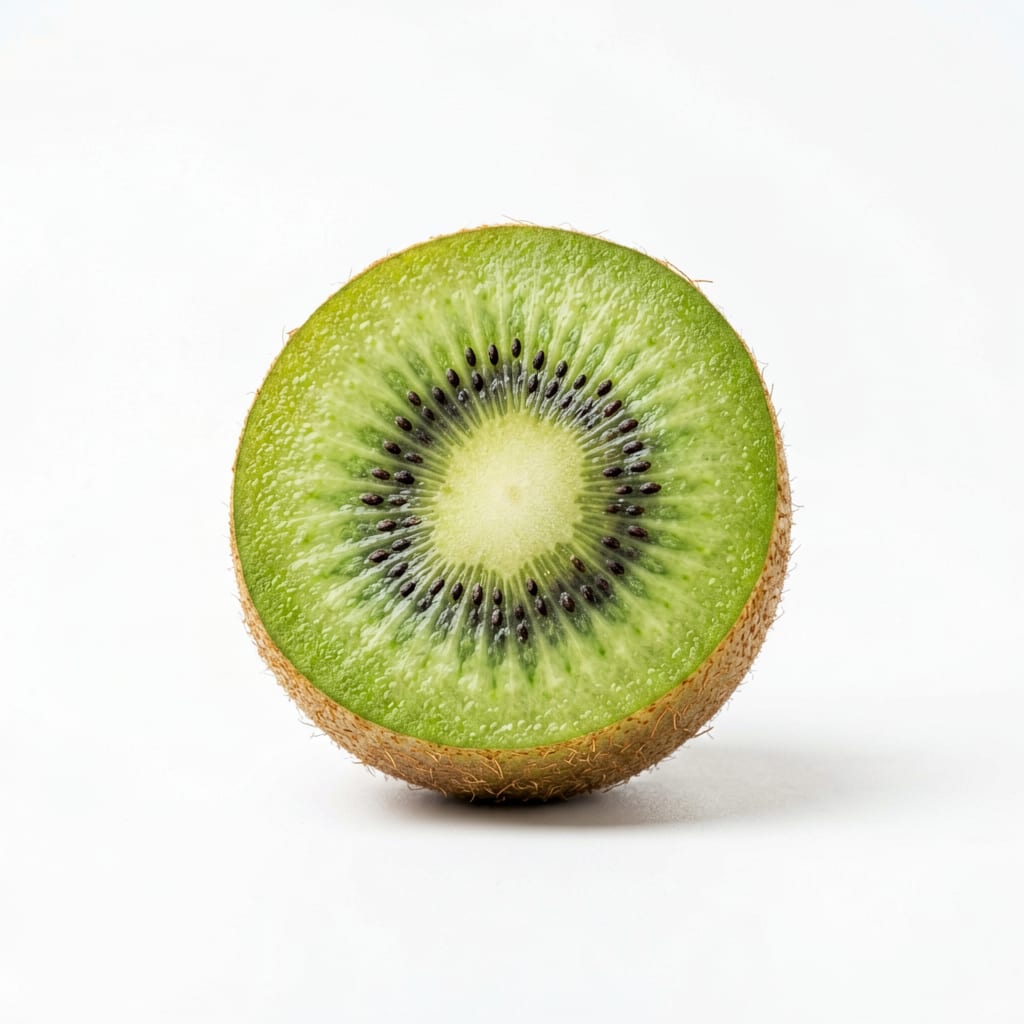
Kiwi
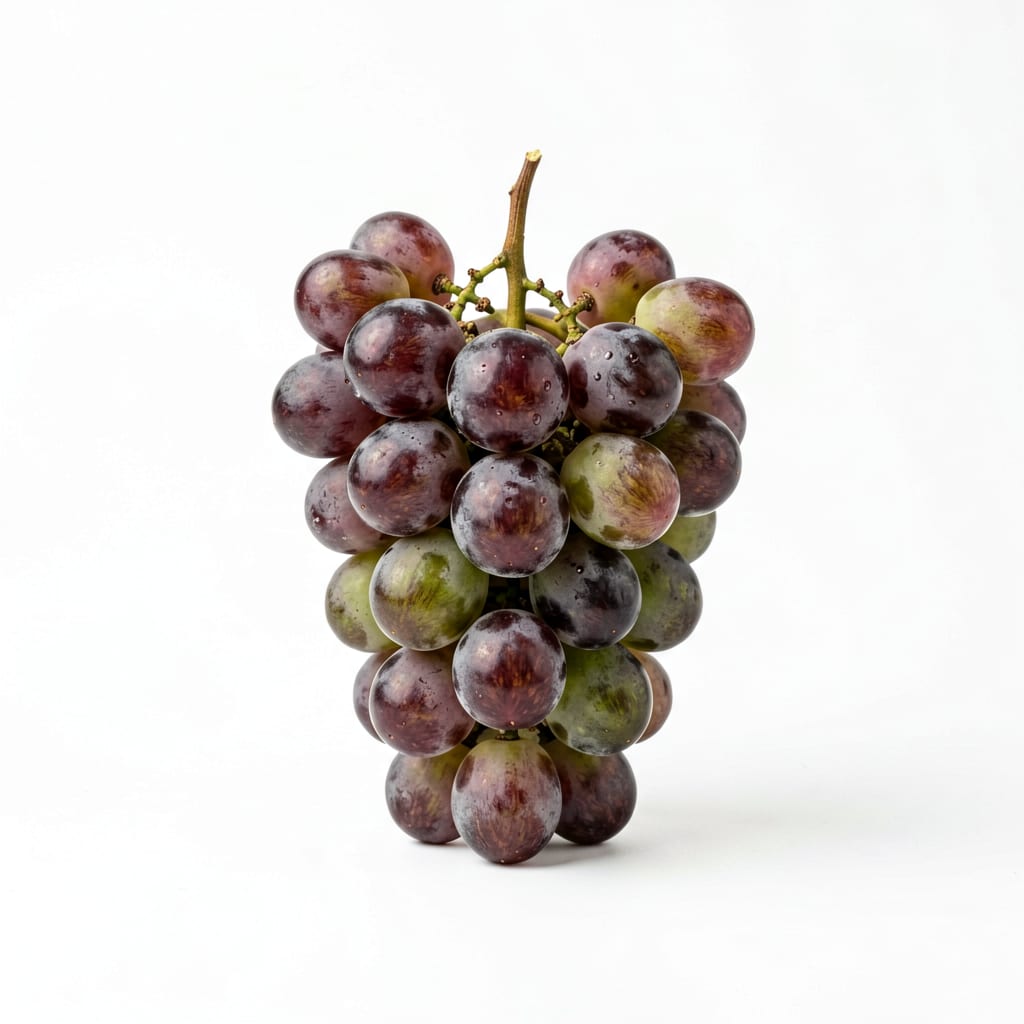
Grape
Kiwi wins on nutrition and satiety, but grapes win on convenience and snackability.
Kiwi scores notably higher due to superior nutrient density, fiber content, and blood sugar stability. Grapes lose ground on sugar load and satiety but remain a reasonable whole-food choice.
Kiwi gives you far more nutrients and fullness per calorie, while grapes offer effortless snacking but with more sugar and less staying power.
At a glance
Executive summary
Overall
Kiwi
Healthier
Kiwi
More practical
Grape
Daily use
Kiwi
Key comparison lenses
nutrient density per calorie
Kiwi delivers dramatically more vitamins and fiber per calorie than grapes, making this the most consequential difference
blood sugar and satiety
Grapes are easy to overeat and spike blood sugar faster; kiwi's fiber slows absorption and keeps you fuller
snack convenience and portability
Grapes are grab-and-go with no peeling; kiwi requires either spoon-scooping or skin-eating, affecting real-world use
antioxidant profile diversity
Kiwi brings vitamin C and actinidin; grapes bring resveratrol and polyphenols — different antioxidant strengths
allergy and safety concerns
Kiwi is a common allergen especially for latex-sensitive people; grapes carry high pesticide residue risk
Best choice for
Kiwi
- Maximizing vitamins and fiber per calorie eaten
- Steady energy without the sugar crash
- Digestive regularity and gut health
- Immune system support through vitamin C
Grape
- Quick no-prep snacking at your desk or on the go
- Sharing fruit platters or kid-friendly lunchboxes
- Post-workout fast carbohydrate replenishment
- People who find kiwi's tartness or texture unpleasant
Least suitable for
Kiwi
- Anyone with latex allergy or kiwi sensitivity
- Situations requiring mess-free one-handed eating
- People who strongly dislike tart or acidic flavors
Grape
- Blood sugar management or diabetes meal plans
- Controlled calorie snacking — easy to overconsume
- Those prioritizing nutrient density over sweetness
Deep comparison
Dimension by dimension
Each lens scores both foods and breaks down who each option suits.
- Dimension 1 · Priority 92Kiwi
Nutrient Density
Kiwi · 93Grape · 52Kiwi delivers far more nutrition per calorie — especially vitamin C, vitamin K, folate, and potassium.
Tradeoff
You get more health payoff per bite with kiwi, but grapes offer a sweeter more familiar flavor that some people simply enjoy more.
Why it matters
When calories are limited, choosing foods that pack more nutrients per serving helps you feel better and function better without eating more.
Real-world impact
One kiwi covers most of your daily vitamin C needs; you would need to eat a large amount of grapes to get similar vitamin coverage.
Kiwi
- Meeting vitamin C needs easily
- Boosting folate intake naturally
- Getting more potassium without supplements
Better for
- Slightly more effort to eat
Worse for
Grape
- Resveratrol intake if choosing red or purple varieties
- A sweeter flavor that feels more like a treat
Better for
- Significantly fewer vitamins per calorie consumed
Worse for
- Dimension 2 · Priority 88Kiwi
Blood Sugar and Satiety
Kiwi · 82Grape · 48Kiwi's higher fiber and lower sugar content mean steadier energy and less hunger soon after eating.
Tradeoff
Grapes taste sweeter and feel more immediately rewarding, but that sweetness comes with a faster blood sugar rise and quicker return of hunger.
Why it matters
Foods that spike and crash your blood sugar lead to afternoon energy dips and more snacking overall.
Real-world impact
A bowl of grapes can disappear in minutes without making you full; two kiwi feel substantial and keep hunger away longer.
Kiwi
- Stable energy between meals
- Feeling full on fewer calories
- Managing cravings more effectively
Better for
- Less immediate sugar rush if you need fast energy
Worse for
Grape
- Quick carbohydrate energy after intense exercise
Better for
- Easy to eat hundreds of calories without noticing
- Blood sugar spike followed by a crash
- Hunger returns quickly after eating
Worse for
- Dimension 3 · Priority 75Grape
Convenience and Practicality
Kiwi · 50Grape · 90Grapes are one of the easiest fruits to eat — no peeling, no cutting, no mess. Kiwi requires a spoon or knife and can be sticky.
Tradeoff
Grapes sacrifice nutritional quality for grab-and-go ease; kiwi asks for a small effort that pays off nutritionally.
Why it matters
The best food for you is the one you actually eat. If kiwi feels like too much work, grapes keep you in the fruit-eating habit.
Real-world impact
Tossing grapes in a bag for commute snacking is effortless. Kiwi needs a surface, a spoon, and probably a napkin.
Kiwi
- Eating mindfully at a table with utensils
Better for
- Requires a spoon or knife
- Can be messy and sticky
- Not ideal for one-handed eating
Worse for
Grape
- Car snacking or desk grazing
- Packing in kids' lunchboxes
- Serving at parties or gatherings
- Eating while walking or commuting
Better for
- Convenience makes overeating more likely
Worse for
- Dimension 4 · Priority 70It depends
Antioxidant Diversity
Kiwi · 80Grape · 75Kiwi excels in vitamin C and unique enzymes like actinidin; grapes shine with resveratrol and polyphenols, especially in darker varieties.
Tradeoff
Neither fruit covers all antioxidant bases alone. Kiwi supports immunity and digestion; grapes support cardiovascular and anti-aging pathways.
Why it matters
Different antioxidants protect different systems. Variety matters more than quantity for long-term health.
Real-world impact
Eating both fruits across the week gives you broader antioxidant coverage than doubling down on just one.
Kiwi
- Immune defense through high vitamin C
- Digestive enzyme support from actinidin
- Collagen and skin health
Better for
- Missing resveratrol and grape-specific polyphenols
Worse for
Grape
- Heart health via resveratrol in red grapes
- Anti-aging polyphenol benefits
- Vascular and circulation support
Better for
- Much lower vitamin C content
- No digestive enzyme benefit
Worse for
- Dimension 5 · Priority 60It depends
Allergy and Safety Risk
Kiwi · 62Grape · 65Kiwi is a notable allergen for latex-sensitive individuals; grapes consistently rank high for pesticide residues when conventionally grown.
Tradeoff
Kiwi poses a rare but serious allergy risk; grapes pose a widespread but lower-severity chemical exposure risk.
Why it matters
Both risks are manageable with awareness — choose organic grapes and skip kiwi if you have latex allergy.
Real-world impact
Latex-allergy reactions to kiwi can be severe and immediate. Pesticide exposure from grapes builds slowly over time.
Kiwi
- Lower pesticide residue concern even when conventional
Better for
- Latex-fruit syndrome can cause serious reactions
- Oral allergy syndrome in hay fever sufferers
Worse for
Grape
- No latex-cross reactivity risk
- Generally well tolerated by most people
Better for
- Consistently on the Dirty Dozen pesticide list
- Thin skin absorbs and retains spray residues
Worse for
Timeline
Health impact over time
Short-term
Hours to days
Kiwi
- Quick vitamin C boost supporting immune function
- Fiber helps you feel satisfied after eating
- Actinidin enzyme may aid digestion of proteins
- Mild laxative effect if eaten in large quantities
Grape
- Fast sugar energy that feels immediately energizing
- Easy to eat past fullness without noticing
- Hydrating due to high water content
- Rapid blood sugar rise followed by a dip
Long-term
Months to years
Kiwi
- Consistent vitamin C intake supports skin and immunity
- Regular fiber contributes to gut health and regularity
- Potassium supports healthy blood pressure over time
- Risk of allergy remains stable — does not increase with exposure
Grape
- Resveratrol from darker grapes supports heart and vascular health
- Habitual overconsumption may contribute to excess sugar intake
- Pesticide exposure risk accumulates if not choosing organic
- Polyphenols offer anti-inflammatory and anti-aging benefits
Risk profile
Safety & processing
Both kiwi and grapes are whole fresh fruits with no added ingredients. The main concern is agricultural chemicals on grapes rather than food processing.
Kiwi
Latex-fruit allergy syndrome
highPeople with latex allergy may experience itching, swelling, or anaphylaxis from kiwi. This is uncommon but potentially serious.
Oral allergy syndrome
mediumBirch pollen allergy sufferers may get mouth itching from kiwi due to cross-reactive proteins.
Oxalate content
lowKiwi contains moderate oxalates, a minor concern for people prone to kidney stones.
Grape
Pesticide residue
highGrapes consistently rank among the most pesticide-contaminated fruits. Choosing organic significantly reduces this risk.
Choking hazard for young children
mediumWhole grapes are a leading choking hazard for children under 4. Always cut them lengthwise before serving.
Mold and spoilage
lowGrapes spoil quickly and can harbor mold that spreads through the bunch. Inspect before eating.
Who wins for whom
Audience fit
Same foods, different winners depending on your goal.
children
GrapeKids love the sweetness and easy eating of grapes, but always cut them lengthwise for children under 4 to prevent choking.
daily consumption
KiwiKiwi's nutrient density and satiety make it a better daily staple. Grapes are fine in rotation but their sugar load adds up with daily heavy consumption.
diabetes
KiwiKiwi's fiber slows sugar absorption and creates a gentler blood sugar response. Grapes' concentrated sweetness makes portion control harder.
elderly
KiwiKiwi's fiber supports digestive regularity, and its vitamin C and potassium help with immunity and blood pressure — both common concerns with age.
muscle gain
GrapeGrapes provide faster carbohydrates that can help replenish glycogen after training, though neither fruit is a protein source.
weight loss
KiwiHigher fiber and lower sugar make kiwi more filling per calorie, reducing the urge to keep snacking.
Your move
Decision guide
Choose Kiwi
- You want maximum nutrition from every calorie you eat
- Blood sugar stability and lasting fullness matter to you
- You enjoy tart and refreshing flavors
- You have no latex or kiwi allergy
Choose Grape
- You need a no-prep snack for busy days or commuting
- You want a sweeter fruit that feels like a treat
- You are choosing fruit for a child who prefers mild flavors
- You are replenishing carbs after a hard workout
Either works if
- You simply want more whole fruit in your diet
- You are rotating fruits for antioxidant variety
- Both are available and affordable where you shop
Avoid both if
- You need a high-protein snack — neither fruit provides meaningful protein
- You are on a very low-carb or ketogenic eating plan
- You have fructose intolerance that reacts to both fruits
Final recommendation
Make kiwi your default daily fruit for its nutrient density and satiety, and enjoy grapes as a convenient sweeter option when ease matters more. Buying organic grapes is worth the extra cost given their pesticide profile. If you have any latex sensitivity, skip kiwi entirely and consult your doctor.
Practical
Consumer tips
- 1
Wash grapes thoroughly under running water even if buying organic — their thin skin holds residues tightly
- 2
Choose organic grapes when possible — they consistently test high for pesticide contamination
- 3
Eat kiwi skin for triple the fiber — just rinse well first; the fuzz rubs off easily under water
- 4
Cut grapes lengthwise for any child under 4 — round grapes are a top choking hazard
- 5
Freeze grapes for a refreshing slow-eat snack that is harder to overconsume
- 6
Pair kiwi with a handful of nuts for a balanced snack with protein and healthy fat
- 7
Store kiwi at room temperature to ripen, then refrigerate to preserve peak sweetness
- 8
Red and purple grapes contain more resveratrol than green grapes — choose darker when possible