
Nutrition comparison
Kiwi vs Avocado: Nutrition, Satiety, and Health Comparison
Compare Kiwi and Avocado to see which fruit is better for weight loss, heart health, and blood sugar. Discover the nutritional tradeoffs between these two superfoods.
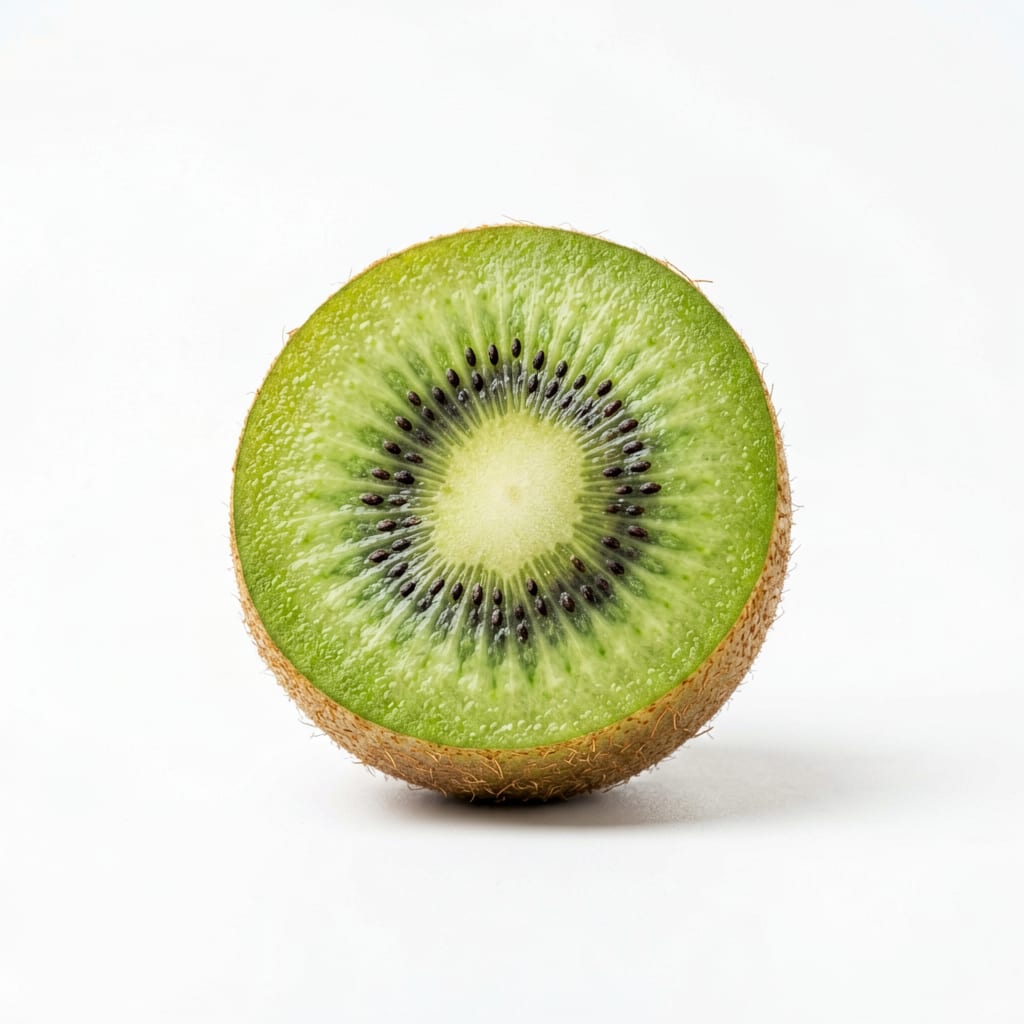
Kiwi
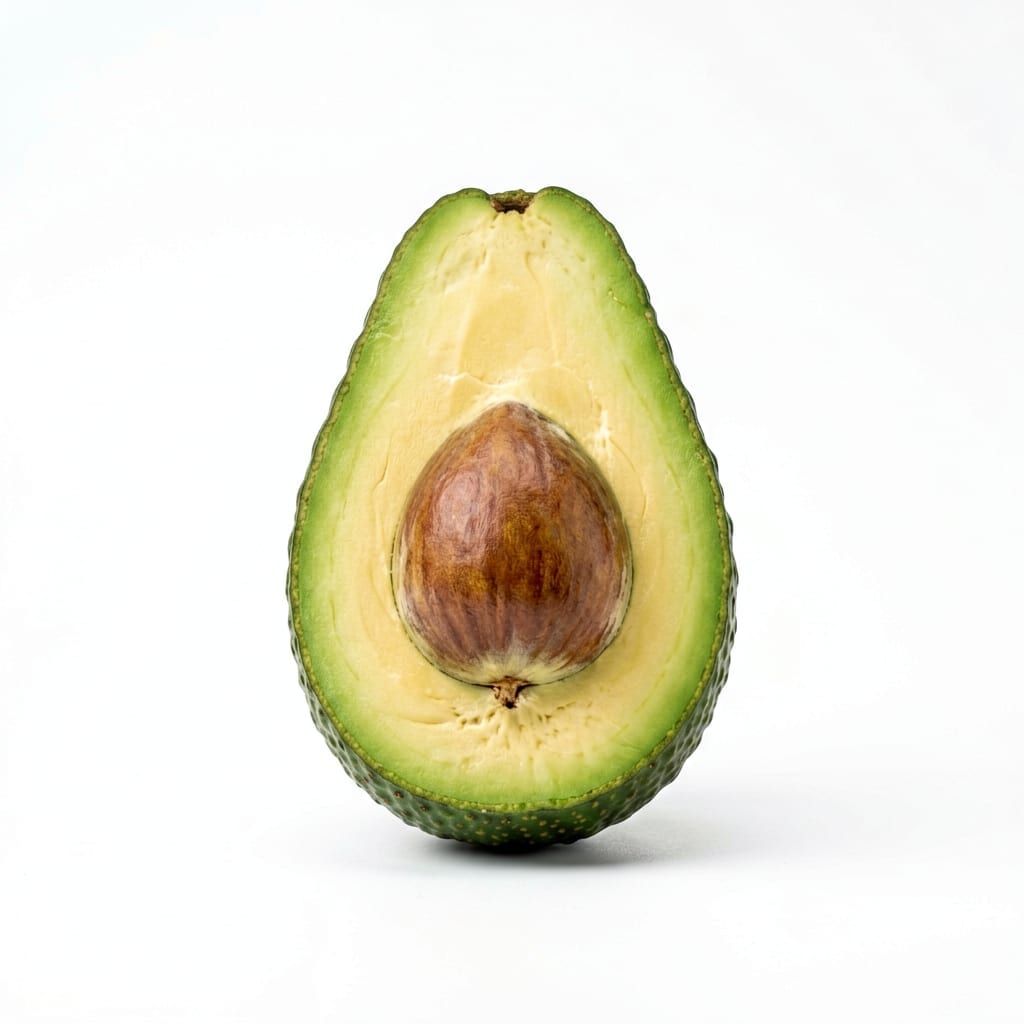
Avocado
Kiwi is your low-calorie immunity booster; Avocado is your filling, heart-healthy fat source.
Avocado scores slightly higher due to its unmatched healthy fat profile and superior satiety, but Kiwi remains an exceptional low-calorie nutrient source. The 'depends' verdict reflects their completely different dietary roles.
You trade the low-calorie Vitamin C burst of Kiwi for the long-lasting satiety and healthy fats of Avocado.
At a glance
Executive summary
Overall
It depends
Healthier
It depends
More practical
Avocado
Daily use
It depends
Key comparison lenses
Calorie density vs Satiety
Kiwi is a light, low-calorie fruit while Avocado is a high-fat, highly satiating fruit, making the calorie-to-fullness tradeoff the core decision.
Vitamin C vs Healthy Fats
Kiwi is a Vitamin C powerhouse for immunity, whereas Avocado provides monounsaturated fats crucial for heart health and hormone production.
Blood sugar management
Avocado offers near-zero sugar, while Kiwi contains natural sugars, making them suited for different metabolic needs.
Digestive comfort
Kiwi contains actinidin, an enzyme that aids protein digestion and relieves constipation, while Avocado provides gentle, high-fiber bulk.
Best choice for
Kiwi
- Boosting immunity during cold season
- Low-calorie snacking and weight loss
- Improving protein digestion after heavy meals
Avocado
- Staying full between meals without sugar crashes
- Supporting heart health and lowering bad cholesterol
- Absorbing fat-soluble vitamins from other foods
Least suitable for
Kiwi
- People with latex-fruit syndrome or kiwi allergies
- Those on a strict low-oxalate diet for kidney stones
- Very low-carb or ketogenic diets
Avocado
- Strict calorie-restricted diets without portion control
- People with severe IBS sensitive to high FODMAP foods
- Those on a very tight grocery budget
Deep comparison
Dimension by dimension
Each lens scores both foods and breaks down who each option suits.
- Dimension 1 · Priority 90Kiwi
Nutrient Density (Per Calorie)
Kiwi · 92Avocado · 70Kiwi packs a massive dose of Vitamin C and K into very few calories, while Avocado's high calorie count dilutes its nutrient density.
Tradeoff
You get more vitamins per calorie from Kiwi, but Avocado provides essential fats that Kiwi completely lacks.
Why it matters
If you are counting calories but want maximum micronutrients, Kiwi is highly efficient.
Real-world impact
Eating two Kiwis gives you over 200% of your daily Vitamin C for under 100 calories, whereas an Avocado provides the same calories with mostly fat and fiber.
Kiwi
- Vitamin C supplementation through food
- Low-calorie micronutrient boosts
Better for
- Providing dietary fats for hormone synthesis
Worse for
Avocado
- Increasing fat-soluble vitamin absorption
- Getting essential fatty acids
Better for
- Maximizing vitamins per calorie consumed
Worse for
- Dimension 2 · Priority 95Avocado
Satiety & Fullness
Kiwi · 55Avocado · 94Avocado's combination of monounsaturated fat and fiber digests slowly, keeping you full for hours. Kiwi is light and digests quickly.
Tradeoff
Avocado quells hunger effectively but at a high calorie cost, while Kiwi is a refreshing snack that won't weigh you down but also won't keep you full.
Why it matters
Managing hunger between meals is crucial for avoiding overeating and sugar cravings.
Real-world impact
Half an Avocado at lunch prevents the 3 PM energy crash, while a Kiwi is better suited as a light afternoon palate cleanser.
Kiwi
- Light pre-workout energy
Better for
- Sustaining energy during long gaps between meals
Worse for
Avocado
- Replacing heavy carbs at meals
- Preventing late-night snacking
Better for
- Eating when you need a light, quick digesting snack
Worse for
- Dimension 3 · Priority 85Avocado
Blood Sugar Stability
Kiwi · 72Avocado · 95Avocado has negligible sugar and its fat content blunts insulin spikes. Kiwi has a low glycemic index but still contains natural sugars.
Tradeoff
Avocado is virtually carb-free for zero blood sugar impact, while Kiwi offers sweetness with a gentle, rather than harsh, blood sugar rise.
Why it matters
Stable blood sugar prevents energy dips, mood swings, and cravings.
Real-world impact
Avocado is safe for diabetics to eat freely, whereas Kiwi requires some portion awareness for strict blood sugar management.
Kiwi
- Satisfying sweet cravings with real fruit sugar
Better for
- Strict zero-carb diets
Worse for
Avocado
- Diabetic-friendly meal additions
- Pairing with high-carb foods to flatten glucose spikes
Better for
- Satisfying a sweet tooth naturally
Worse for
- Dimension 4 · Priority 90Avocado
Heart Health & Fats
Kiwi · 60Avocado · 96Avocado is rich in oleic acid, a monounsaturated fat that actively lowers bad cholesterol. Kiwi supports heart health mainly through fiber and antioxidants.
Tradeoff
Avocado directly provides the building blocks for healthy cholesterol, while Kiwi protects blood vessels via antioxidants without adding dietary fat.
Why it matters
Cardiovascular disease risk is heavily influenced by the type of fats and antioxidants in your diet.
Real-world impact
Regular Avocado consumption is linked to lower LDL cholesterol, making it a functional food for heart health.
Kiwi
- Reducing oxidative stress in blood vessels
Better for
- Supplying essential fatty acids
Worse for
Avocado
- Improving lipid panels by lowering LDL
- Providing raw material for anti-inflammatory hormones
Better for
- Providing zero-fat diets if medically required
Worse for
- Dimension 5 · Priority 80Kiwi
Digestive Health
Kiwi · 88Avocado · 82Kiwi contains actinidin, a unique enzyme that breaks down protein and relieves constipation. Avocado offers gentle, lubricating fiber.
Tradeoff
Kiwi actively digests protein and stimulates bowel motility, while Avocado provides bulk and lubrication without the enzymatic action.
Why it matters
Bloating and constipation heavily impact daily comfort and energy levels.
Real-world impact
Eating a Kiwi after a heavy steak dinner can significantly reduce bloating, whereas Avocado helps maintain regular daily bulk.
Kiwi
- Resolving acute constipation
- Easing bloating after high-protein meals
Better for
- Those with severe oral allergy syndrome
Worse for
Avocado
- Providing gentle daily fiber for regularity
Better for
- Those with FODMAP sensitivities
Worse for
Timeline
Health impact over time
Short-term
Hours to days
Kiwi
- Quick burst of energy from natural sugars
- Relief from post-meal bloating
- Tangy, refreshing mouthfeel
Avocado
- Immediate feeling of fullness and satisfaction
- Stabilized energy without a sugar rush
- Creamy texture that enhances meal satisfaction
Long-term
Months to years
Kiwi
- Stronger immune resilience from high Vitamin C
- Improved bowel regularity
- Potential risk of oxalate kidney stones if overconsumed
Avocado
- Improved cholesterol ratios and heart health
- Better absorption of fat-soluble vitamins across the diet
- Unintentional weight gain if portion sizes are ignored
Risk profile
Safety & processing
Both Kiwi and Avocado are whole, raw foods typically eaten in their natural state with zero additives.
Kiwi
Latex-fruit syndrome allergy
highKiwi is a common cross-reactive allergen for people with latex allergies, causing throat itching or anaphylaxis.
Oxalate accumulation
mediumKiwi contains moderate oxalates, which can contribute to kidney stone formation in susceptible individuals.
Avocado
Latex-fruit syndrome allergy
mediumAvocado can also trigger latex-fruit syndrome, though slightly less commonly than Kiwi.
FODMAP intolerance
mediumAvocado contains sorbitol and fructans; large portions can trigger IBS symptoms in sensitive people.
Who wins for whom
Audience fit
Same foods, different winners depending on your goal.
children
AvocadoAvocado is a mild, creamy, hypoallergenic first food for babies and toddlers, while Kiwi is acidic and a common allergen for kids.
daily consumption
It dependsKiwi is better for daily Vitamin C needs, while Avocado is better for daily healthy fat intake; both serve different daily roles.
diabetes
AvocadoAvocado has virtually zero sugar and its high fat and fiber content prevent insulin spikes entirely.
elderly
AvocadoAvocado is easy to chew, supports heart health, and helps absorb bone-building Vitamin D and calcium from other foods.
muscle gain
AvocadoAvocado provides calorie-dense healthy fats needed for recovery and hormone production, and pairs perfectly with protein sources.
weight loss
KiwiKiwi provides intense flavor and high nutrients for very few calories, making it easier to maintain a calorie deficit.
Your move
Decision guide
Choose Kiwi
- You want a low-calorie, sweet snack to satisfy a sugar craving
- You need an immunity boost or are fighting a cold
- You struggle with constipation or bloating after meals
Choose Avocado
- You need a meal addition that keeps you full for hours
- You want to lower your cholesterol or support heart health
- You are eating a salad and need healthy fats to absorb the vitamins
Either works if
- You want to increase your daily fiber intake
- You are looking for whole-food, unprocessed snack options
Avoid both if
- You have a known latex-fruit allergy
Final recommendation
Use Kiwi as your vitamin-packed, low-calorie snack and Avocado as your satiating, heart-healthy meal builder. They complement each other perfectly—try them together in a salad for balanced nutrition.
Practical
Consumer tips
- 1
Eat Kiwi with the skin on after a good wash to triple your fiber intake.
- 2
Limit Avocado to one-third or one-half per meal to avoid accidental calorie overload.
- 3
Pair Kiwi with a handful of nuts to add the fats that slow down its sugar absorption.
- 4
Squeeze lemon on cut Avocado to prevent browning if you are saving the other half.