
Nutrition comparison
Strawberry vs Kiwi: Which Fruit is Healthier?
Compare Strawberry vs Kiwi for vitamins, sugar, fiber, and pesticide risk. Find out which fruit is better for weight loss, immunity, and digestion.
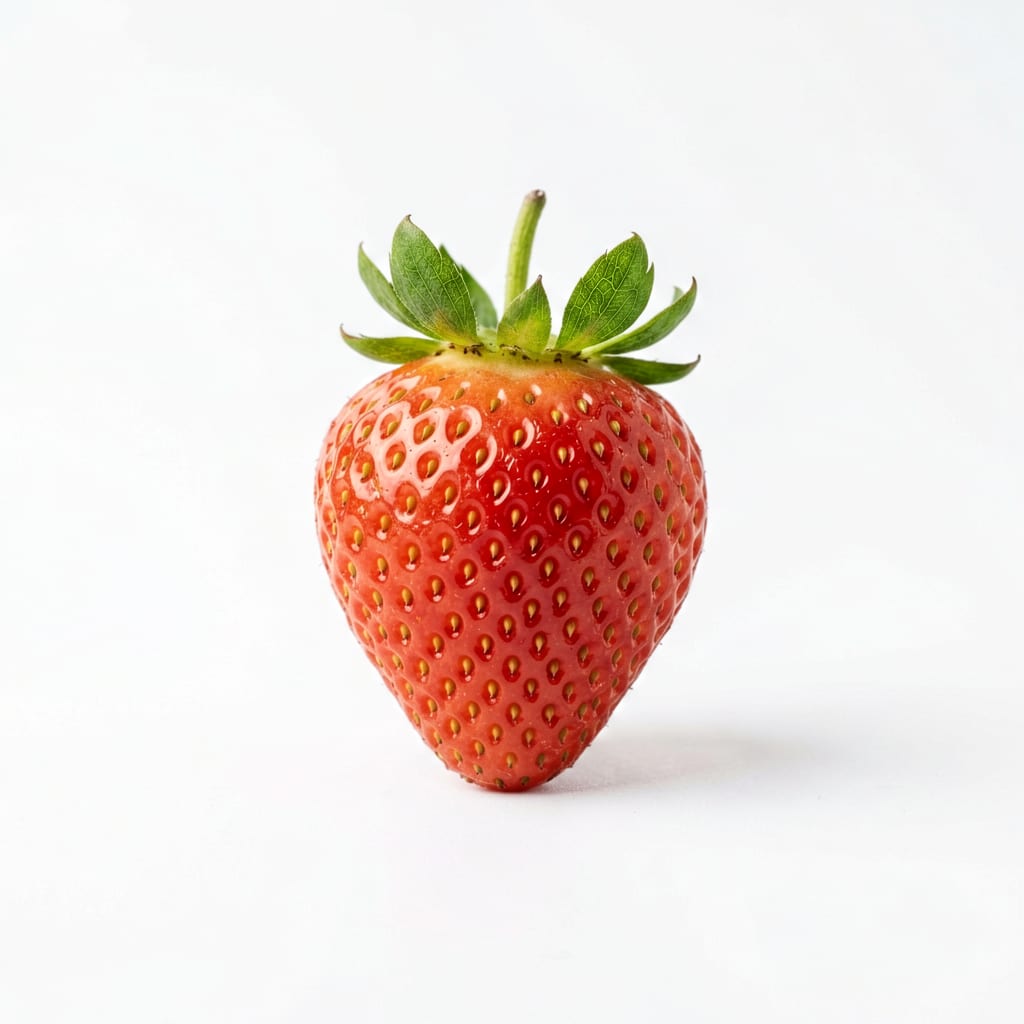
Strawberry
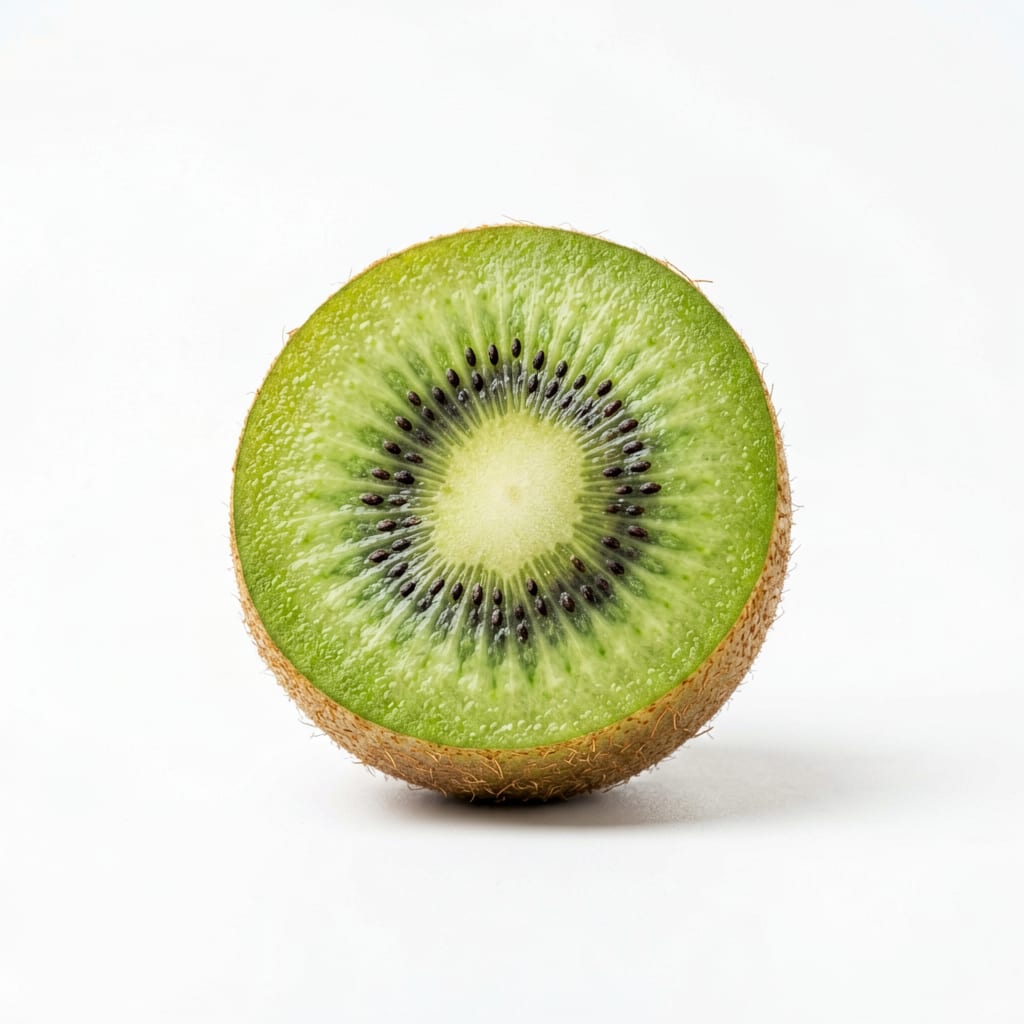
Kiwi
Kiwi is a nutrient powerhouse with far more vitamin C and digestion-boosting enzymes, but Strawberry is a lighter, lower-sugar snack that fits more easily into everyday meals.
Kiwi scores slightly higher due to its exceptional vitamin C content, superior fiber, and lower pesticide risk. Strawberry remains an excellent choice, particularly for sugar-conscious snacking, but loses ground on chemical exposure.
Maximum nutrient density and digestive support versus lower sugar, broader versatility, and easier snacking.
At a glance
Executive summary
Overall
It depends
Healthier
Kiwi
More practical
Strawberry
Daily use
It depends
Key comparison lenses
Vitamin C and immune support
Kiwi is famously dense in vitamin C, often doubling the amount found in Strawberries per serving.
Pesticide exposure and safety
Strawberries consistently rank at the top of the Dirty Dozen list, while Kiwis are on the Clean Fifteen.
Digestive tolerance and fiber
Kiwi contains actinidin, a unique enzyme that aids digestion but can cause mouth irritation in sensitive individuals.
Sugar and calorie management
Strawberries are a go-to for low-sugar diets, offering more volume for fewer calories compared to Kiwi.
Best choice for
Strawberry
- Low-sugar and low-calorie diets
- Smoothie and salad lovers
- Kids who prefer sweet, mild flavors
Kiwi
- Immune system support and cold prevention
- Improving digestive regularity
- Those seeking maximum nutrients per bite
Least suitable for
Strawberry
- People avoiding high-pesticide produce unless organic
- Those needing a significant fiber boost
Kiwi
- People with latex-fruit syndrome or oral allergy syndrome
- Those sensitive to tart or acidic flavors
Deep comparison
Dimension by dimension
Each lens scores both foods and breaks down who each option suits.
- Dimension 1 · Priority 92Kiwi
Vitamin C & Immunity
Strawberry · 80Kiwi · 98Kiwi delivers over 150% of daily vitamin C per serving, roughly double the amount in Strawberries.
Tradeoff
Choosing Strawberries means getting a moderate immune boost, while Kiwi practically covers your daily needs in one sitting.
Why it matters
Higher vitamin C intake directly supports immune resilience, collagen production, and iron absorption.
Real-world impact
Eating a single Kiwi after a meal can help prevent an afternoon energy crash and boost iron uptake, whereas Strawberries are a lighter complement.
Strawberry
- Getting a gentle vitamin C boost without high acidity
Better for
- Maximizing vitamin C intake on a budget
Worse for
Kiwi
- Fighting off a cold
- Boosting iron absorption from plant-based meals
Better for
- Those who get heartburn from highly acidic fruits
Worse for
- Dimension 2 · Priority 85Kiwi
Digestive Health & Fiber
Strawberry · 70Kiwi · 92Kiwi contains more fiber and actinidin, a unique enzyme that breaks down protein and eases bloating.
Tradeoff
Kiwi actively stimulates digestion but can cause mouth tingling in sensitive people, while Strawberries are gentler but less effective for constipation.
Why it matters
Fiber and digestive enzymes keep you regular and reduce that heavy, sluggish feeling after meals.
Real-world impact
Eating a Kiwi after a heavy protein dinner can help you feel less bloated, whereas Strawberries are a simpler, lighter snack.
Strawberry
- Gentle snacking without the risk of mouth irritation
Better for
- Resolving digestive sluggishness
Worse for
Kiwi
- Relieving constipation
- Easing digestion after large meals
Better for
- People with oral allergy syndrome or latex allergies
Worse for
- Dimension 3 · Priority 80Strawberry
Sugar & Calorie Control
Strawberry · 90Kiwi · 72Strawberries are significantly lower in sugar and calories per cup than Kiwis.
Tradeoff
You get fewer calories and less sugar with Strawberries, but also less overall nutrient density per fruit.
Why it matters
Lower sugar fruits help maintain steady blood sugar and fit easily into calorie-controlled diets.
Real-world impact
You can eat a full cup of Strawberries for fewer calories and less sugar than two Kiwis, making it easier to snack freely.
Strawberry
- Strict low-carb or low-sugar diets
- Mindless snacking without overdoing calories
Better for
- Those who want dense nutrition in a small package
Worse for
Kiwi
- Active individuals needing natural fruit sugars for quick energy
Better for
- People closely tracking every gram of sugar
Worse for
- Dimension 4 · Priority 88Kiwi
Pesticide & Contamination Risk
Strawberry · 40Kiwi · 92Strawberries consistently top the Dirty Dozen list for pesticide residues, while Kiwis are on the Clean Fifteen.
Tradeoff
Strawberries require careful organic sourcing to avoid chemicals, whereas conventional Kiwis are generally safe.
Why it matters
Chronic pesticide exposure can disrupt hormones and affect gut health over time.
Real-world impact
Buying conventional Strawberries carries a real risk of consuming multiple pesticide residues; Kiwis' thick skin protects the flesh.
Strawberry
- Easily available in organic varieties at most stores
Better for
- Budget shoppers who cannot afford organic
Worse for
Kiwi
- Saving money by safely buying conventional fruit
Better for
- Those who peel the skin and miss out on the best fiber
Worse for
- Dimension 5 · Priority 70Strawberry
Versatility & Eating Experience
Strawberry · 94Kiwi · 68Strawberries are universally loved, easy to eat, and versatile in recipes, while Kiwis require peeling and can cause mouth irritation.
Tradeoff
Strawberries are more convenient and crowd-pleasing, but lack the unique digestive enzymes of Kiwi.
Why it matters
A food you actually enjoy eating regularly provides more benefit than a superior nutrient profile you avoid.
Real-world impact
Tossing Strawberries into a salad or yogurt is effortless; Kiwi requires prep and its tartness isn't for everyone.
Strawberry
- Picky eaters
- Baking and dessert recipes
- Quick snacking on the go
Better for
- Adding a meat-tenderizing enzyme to a marinade
Worse for
Kiwi
- Topping oatmeal or yogurt where tanginess is welcome
Better for
- Large gatherings where guests may have unknown allergies
Worse for
Timeline
Health impact over time
Short-term
Hours to days
Strawberry
- Quick, light energy boost
- Satisfies sweet cravings without a sugar crash
Kiwi
- Immediate digestive relief after heavy meals
- Rapid vitamin C replenishment to fight fatigue
Long-term
Months to years
Strawberry
- Supports heart health via anthocyanins
- Lower chemical burden if choosing organic
Kiwi
- Improved bowel regularity and gut health
- Stronger immune defense and better skin elasticity from high vitamin C
Risk profile
Safety & processing
Both Strawberry and Kiwi are whole, unprocessed fruits. The main concern is agricultural chemicals on Strawberries rather than added ingredients.
Strawberry
Pesticide residue
highStrawberries consistently top the EWG's Dirty Dozen list with multiple pesticide residues; washing helps but does not remove everything.
Kiwi
Oral allergy syndrome / Latex-fruit allergy
mediumKiwi contains actinidin, which can cause mouth tingling, itching, or allergic reactions in people with latex allergies.
Who wins for whom
Audience fit
Same foods, different winners depending on your goal.
children
StrawberryStrawberries are sweeter, easier to chew, and lack the tartness or mouth-tingling that can put kids off Kiwi.
daily consumption
It dependsKiwi is more nutrient-dense, but daily Strawberry consumption is often more sustainable and enjoyable for most people.
diabetes
StrawberryStrawberries have a lower glycemic impact and less sugar per serving, making blood sugar management easier.
elderly
KiwiKiwi's high fiber and actinidin enzyme are excellent for combating age-related digestive sluggishness and constipation.
muscle gain
It dependsNeither is a primary muscle-building food, but Kiwi's vitamin C helps with collagen synthesis for joint health, while Strawberry fits easily into protein shakes.
weight loss
StrawberryStrawberries offer more volume and sweetness for fewer calories and less sugar, making them easier to fit into a calorie deficit.
Your move
Decision guide
Choose Strawberry
- You are tracking your sugar or calorie intake closely
- You want a versatile fruit for smoothies, salads, and desserts
- You can afford to buy organic to avoid pesticide residues
Choose Kiwi
- You want to boost your immune system or iron absorption
- You struggle with constipation or sluggish digestion
- You prefer buying conventional fruit without pesticide worries
Either works if
- You just want a refreshing, whole-food snack
- You are looking for natural antioxidants and hydration
Avoid both if
- You are on a strict very-low-carb or ketogenic diet
- You have a severe salicylate sensitivity
Final recommendation
Keep both in your rotation. Eat Strawberries when you want a sweet, low-calorie treat, and reach for a Kiwi when you need a vitamin C surge or digestive support after a heavy meal.
Practical
Consumer tips
- 1
Always buy organic Strawberries if possible; their soft skin absorbs pesticides easily.
- 2
Don't peel Kiwi if you want maximum fiber—just wash and eat the skin like an apple.
- 3
Pair Kiwi with iron-rich foods like spinach to dramatically boost iron absorption.
- 4
Freeze Strawberries when they are in season for a cheap, delicious addition to smoothies year-round.