
Nutrition comparison
Pineapple vs Kiwi: Which Tropical Fruit is Healthier?
Compare Pineapple vs Kiwi for vitamins, sugar, digestion, and sleep benefits. Discover which fruit is better for weight loss, immunity, and daily snacking.
Overall winner · Kiwi
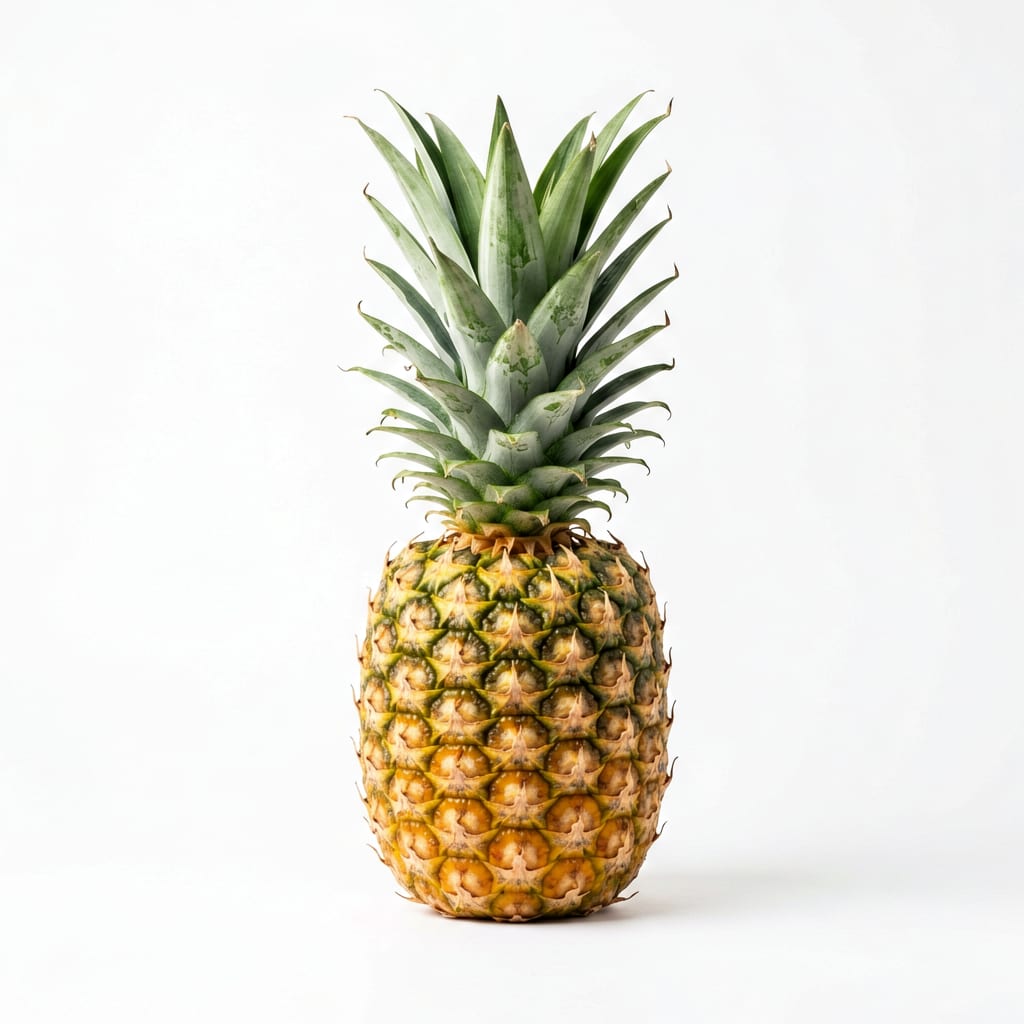
Pineapple
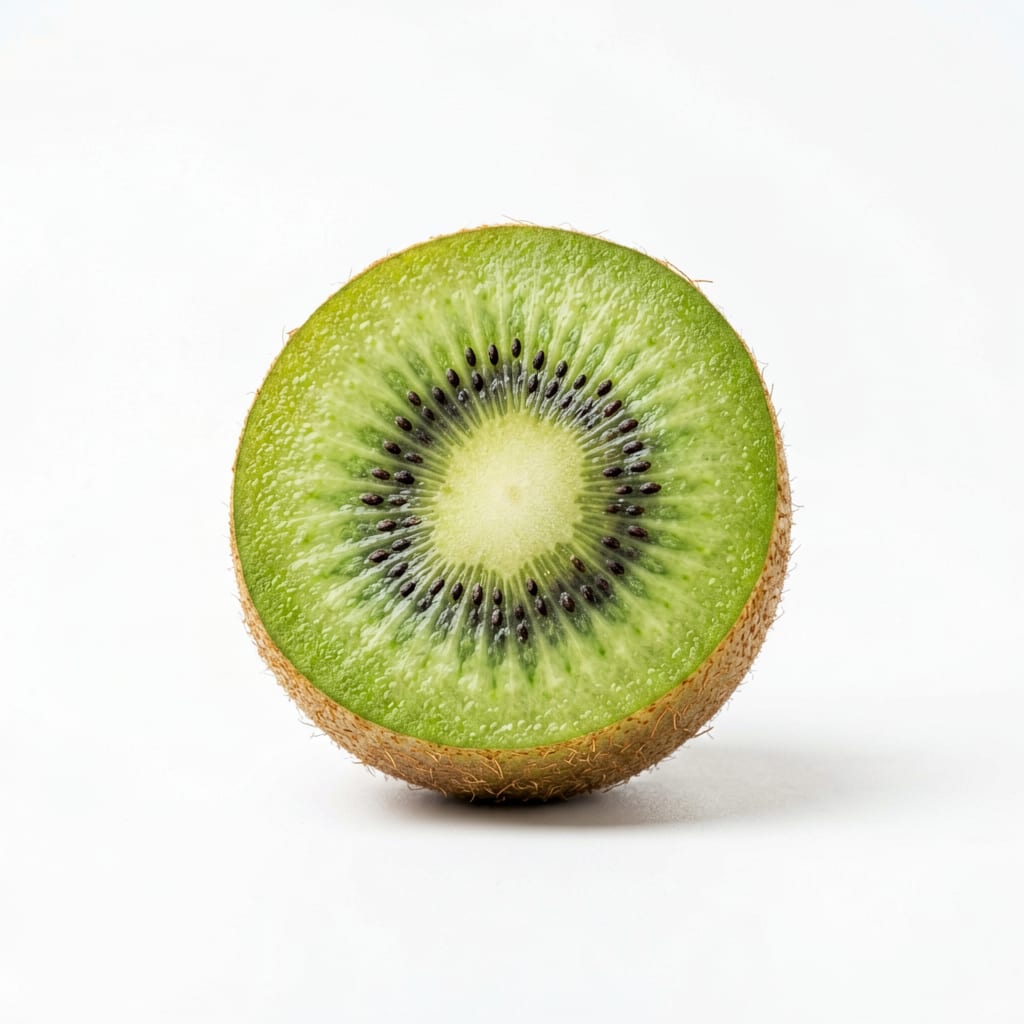
Kiwi
Kiwi edges out Pineapple for daily use thanks to more fiber, lower sugar impact, and superior sleep benefits, though Pineapple remains a powerhouse for inflammation and post-workout recovery.
Kiwi scores higher due to its superior fiber-to-sugar ratio, lower glycemic impact, and unique sleep benefits. Pineapple remains excellent but its higher sugar load and mouth irritation potential slightly limit everyday use.
You trade Pineapple's anti-inflammatory bromelain and faster carbs for Kiwi's steadier energy, gut-friendly fiber, and sleep-enhancing serotonin.
At a glance
Executive summary
Overall
Kiwi
Healthier
Kiwi
More practical
Kiwi
Daily use
Kiwi
Key comparison lenses
Vitamin C and immunity comparison
Both are famous for high Vitamin C, but the actual amounts and cofactors differ significantly.
Sugar content and blood sugar impact
Pineapple is notably sweeter and higher on the glycemic index, which matters for daily snacking.
Digestive enzymes and gut health
Pineapple brings bromelain while Kiwi brings actinidin and more fiber, creating a unique gut health tradeoff.
Allergy and oral sensitivity risk
Pineapple causes mouth burn for some, while Kiwi is a major trigger for latex-fruit syndrome.
Best choice for
Pineapple
- Post-workout muscle recovery
- Reducing sinus or joint inflammation
- Satisfying a sweet tooth with whole fruit
Kiwi
- Improving sleep quality naturally
- Managing blood sugar and weight
- Boosting daily immunity and fiber intake
Least suitable for
Pineapple
- Late-night snacking due to sugar content
- People with severe acid reflux
Kiwi
- Anyone with a latex allergy
- Those on strict blood-thinning medications
Deep comparison
Dimension by dimension
Each lens scores both foods and breaks down who each option suits.
- Dimension 1 · Priority 90Kiwi
Vitamin C & Micronutrient Density
Pineapple · 75Kiwi · 95Kiwi packs significantly more Vitamin C per serving along with Vitamin K and Vitamin E, making it a more comprehensive immune booster.
Tradeoff
Pineapple provides far more manganese, which is great for bone health and metabolism, but falls short on overall vitamin diversity.
Why it matters
A single Kiwi often covers your entire daily Vitamin C needs, making it an effortless way to support skin health and immunity.
Real-world impact
Eating Kiwi daily makes hitting your micronutrient targets almost automatic, whereas Pineapple requires larger portions to get the same vitamin intake.
Pineapple
- Getting manganese for bone health and metabolism
- Adding a tropical flavor profile to smoothies
Better for
- Relying on it as your primary daily Vitamin C source
Worse for
Kiwi
- Maximizing Vitamin C for immune defense
- Getting a broad spectrum of vitamins in a small package
Better for
- Those on blood thinners who must monitor Vitamin K intake
Worse for
- Dimension 2 · Priority 85Kiwi
Blood Sugar & Sweetness
Pineapple · 60Kiwi · 85Kiwi has a much lower glycemic index and more fiber, resulting in steadier energy and fewer sugar crashes.
Tradeoff
Pineapple offers faster-digesting carbs which are great for athletes but can cause an energy crash if eaten sedentary.
Why it matters
The difference in sugar impact determines whether a snack leaves you satisfied or reaching for more food an hour later.
Real-world impact
A mid-afternoon Kiwi keeps you focused and full, while a bowl of Pineapple might give you a quick spike followed by a slump.
Pineapple
- Quick post-workout carb replenishment
- A natural sweet treat for dessert
Better for
- Late-night snacking
- Those trying to minimize sugar cravings
Worse for
Kiwi
- Steady energy during long workdays
- Managing insulin resistance or prediabetes
Better for
- Situations where you need immediate fast energy
Worse for
- Dimension 3 · Priority 80It depends
Digestive Health & Enzymes
Pineapple · 85Kiwi · 88Pineapple contains bromelain for reducing inflammation, while Kiwi offers actinidin for protein breakdown and high fiber for regularity.
Tradeoff
Bromelain is a stronger anti-inflammatory, but Kiwi's fiber makes it more effective for everyday constipation relief.
Why it matters
If you struggle with bloating or irregularity, the fiber in Kiwi solves the root cause, while bromelain is better for acute inflammation or sinus issues.
Real-world impact
Eating Kiwi after a heavy meal helps move things through your gut comfortably, whereas Pineapple is better for reducing swelling or clearing sinuses.
Pineapple
- Reducing joint or sinus inflammation
- Tenderizing and digesting heavy proteins
Better for
- Eating on an empty stomach if prone to heartburn
Worse for
Kiwi
- Relieving chronic constipation
- Feeding beneficial gut bacteria with prebiotic fiber
Better for
- Those with severe IBS who are sensitive to fiber
Worse for
- Dimension 4 · Priority 75Pineapple
Allergy & Sensitivity Risk
Pineapple · 80Kiwi · 60Pineapple causes mild, temporary mouth irritation for most people, but Kiwi can trigger severe allergic reactions in latex-allergic individuals.
Tradeoff
Pineapple's burn is annoying but harmless, whereas Kiwi's cross-reactivity can be dangerous for a specific subset of people.
Why it matters
Knowing your latex allergy status completely changes which fruit is safer for you to consume regularly.
Real-world impact
If you have a latex allergy, eating Kiwi could cause throat swelling or anaphylaxis, making Pineapple the much safer tropical choice.
Pineapple
- People with latex allergies
- Those prone to oral allergy syndrome
Better for
- People taking blood thinners due to bromelain's clotting effects
Worse for
Kiwi
- People who find Pineapple causes painful mouth sores
Better for
- Anyone with a known latex or kiwi allergy
Worse for
- Dimension 5 · Priority 70Kiwi
Sleep & Recovery
Pineapple · 65Kiwi · 90Kiwi is one of the best fruits for sleep due to its serotonin and antioxidant content, while Pineapple is better for physical muscle recovery.
Tradeoff
Pineapple aids physical recovery from exercise, but Kiwi aids neurological recovery by improving sleep quality.
Why it matters
Eating two Kiwis an hour before bed has been clinically shown to improve sleep onset and duration, a rare benefit in fruit.
Real-world impact
If you struggle with insomnia, a nighttime Kiwi routine is a game-changer, whereas Pineapple is better after a gym session.
Pineapple
- Post-workout muscle repair and glycogen reload
Better for
- Eating right before bed due to sugar content disrupting sleep
Worse for
Kiwi
- Falling asleep faster at night
- Improving overall sleep duration
Better for
- Those who wake up to use the restroom if consumed right before bed
Worse for
Timeline
Health impact over time
Short-term
Hours to days
Pineapple
- Quick energy burst from higher natural sugars
- Tingling or burning sensation on the tongue from bromelain
Kiwi
- Increased fullness and satiety from dense fiber
- Possible allergic reaction like mouth itching if sensitive
Long-term
Months to years
Pineapple
- Reduced systemic inflammation from regular bromelain intake
- Potential weight gain if overconsumed due to sugar load
Kiwi
- Better gut regularity and microbiome health from fiber
- Improved sleep patterns and cognitive recovery from serotonin
Risk profile
Safety & processing
Both Pineapple and Kiwi are whole, unprocessed fruits when eaten fresh. The only concern is canned Pineapple, which often comes in heavy syrup, drastically increasing sugar content.
Pineapple
Bromelain mouth irritation
mediumEnzymes in fresh Pineapple digest the mucosal lining of the mouth, causing a burning sensation that can be severe if large amounts are eaten.
Acid reflux trigger
lowHigh acidity can aggravate heartburn or GERD symptoms in susceptible individuals.
Kiwi
Latex-fruit syndrome cross-reactivity
highProteins in Kiwi are structurally similar to latex, meaning those with latex allergies can experience severe anaphylactic reactions.
Oxalate content
lowContains moderate oxalates which may contribute to kidney stone formation in highly prone individuals.
Who wins for whom
Audience fit
Same foods, different winners depending on your goal.
children
PineapplePineapple is generally safer for kids due to the lack of latex allergy risk and has a kid-friendly sweet taste, though portions should be moderate.
daily consumption
KiwiKiwi's lower sugar load, higher fiber, and sleep benefits make it a more sustainable and health-promoting daily habit.
diabetes
KiwiKiwi's high fiber content slows sugar absorption, leading to steadier blood sugar levels compared to the faster spike from Pineapple.
elderly
KiwiKiwi is softer to chew, supports digestion with fiber, and its serotonin naturally aids sleep, which is a common struggle in older adults.
muscle gain
PineapplePineapple provides faster-digesting carbohydrates ideal for post-workout glycogen replenishment and bromelain for muscle recovery.
weight loss
KiwiKiwi offers significantly more fiber and a lower glycemic load, keeping you fuller for longer and preventing sugar-driven cravings.
Your move
Decision guide
Choose Pineapple
- You need a quick carb source after a heavy workout
- You want anti-inflammatory benefits from bromelain for joints or sinuses
- You are making a tropical smoothie or dessert and want natural sweetness
Choose Kiwi
- You want a natural remedy to improve your sleep
- You need a low-sugar, high-fiber snack for weight management
- You want maximum Vitamin C and gut-friendly fiber per bite
Either works if
- You just want a fresh, hydrating fruit snack
- You need immune support during cold and flu season
Avoid both if
- You have a severe oral allergy syndrome to fruits
- You are on a strict very-low-carb or keto diet
Final recommendation
Keep Kiwi in your daily rotation for fiber, vitamins, and sleep support, and save Pineapple for post-workout recovery or when you need an anti-inflammatory boost.
Practical
Consumer tips
- 1
Eat Kiwi with the skin on after a good wash—it triples the fiber intake and saves prep time.
- 2
If Pineapple makes your tongue burn, soak the slices in light salt water for a minute before eating to neutralize the bromelain.
- 3
Pair Pineapple with a protein source like Greek yogurt to blunt the blood sugar spike and increase satiety.
- 4
Eat two Kiwis about an hour before bed if you struggle with falling asleep; studies show it significantly improves sleep onset.