
Stew
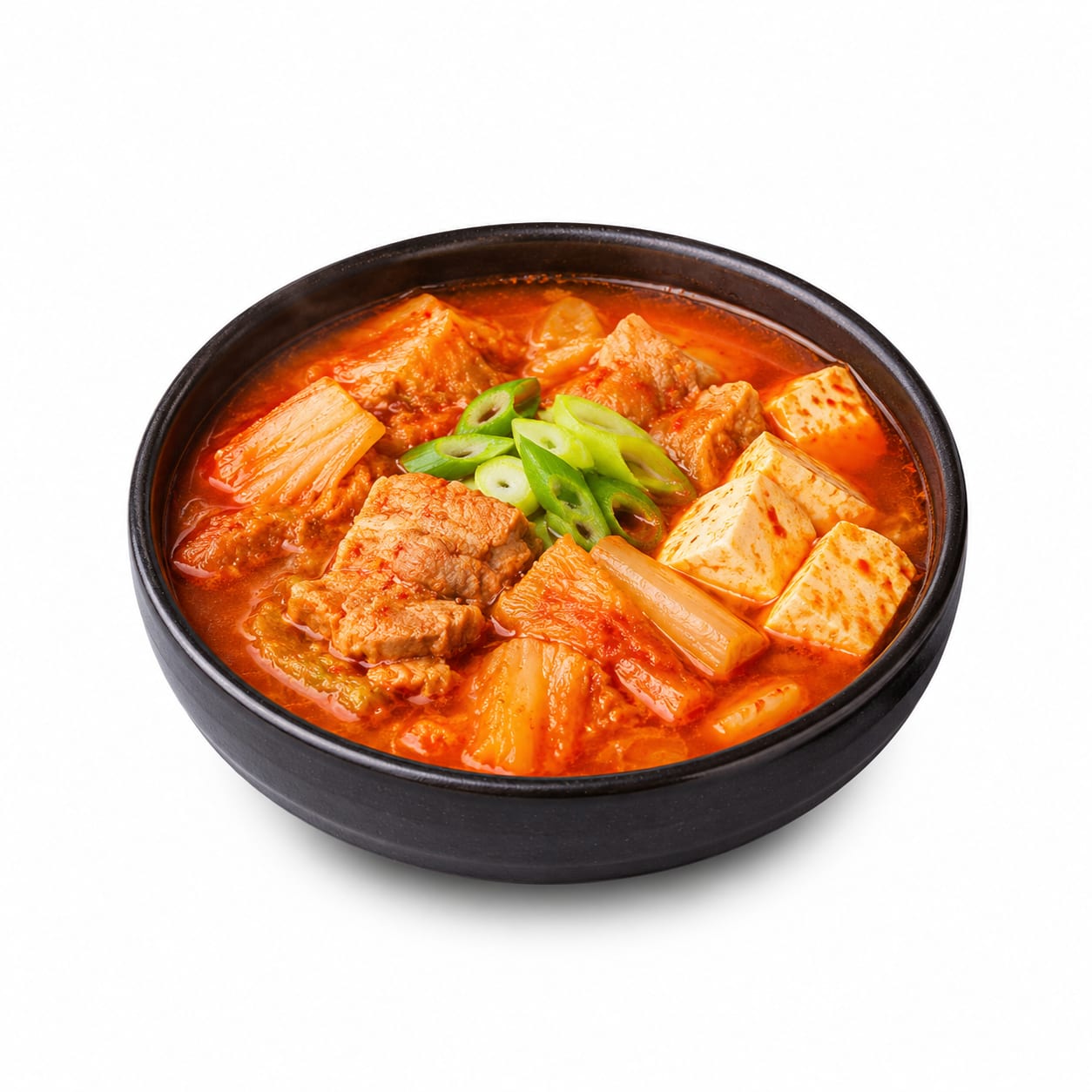
Kimchi Jjigae
A traditional Korean stew featuring aged kimchi, pork, and tofu in a spicy, probiotic-rich broth.
Kimchi jjigae is a traditional Korean stew made with aged kimchi, pork, tofu, and vegetables, simmered in a savory and spicy broth. It is a staple of Korean cuisine known for its robust flavor and probiotic content.
fermented probiotic-rich savory stew
Typical serving · 250g
Common varieties · pork belly kimchi jjigae, canned tuna kimchi jjigae, tofu kimchi jjigae, seafood kimchi jjigae, beef kimchi jjigae
Overall context score across nutrition, safety, and diet fit
At a glance
Quick facts
Simple indicators based on nutrition, processing, and diet fit.
The story
What makes it unique
Kimchi jjigae provides a macronutrient profile dependent on its meat-to-tofu ratio, offering moderate protein and low carbohydrates. The aged kimchi contributes fermentable fiber and lactic acid bacteria, though probiotic viability decreases with boiling. Digestion speed is moderate due to the liquid matrix and fiber content. Satiety is high because of the volume and protein, but sodium content is significantly elevated due to fermented ingredients.
Varieties: pork belly kimchi jjigae · canned tuna kimchi jjigae · tofu kimchi jjigae · seafood kimchi jjigae · beef kimchi jjigae
Per 100g
Nutrition breakdown
Macro balance and key metrics at a glance.
Energy
Density 0.85 kcal/g
Protein
Carbs
Fat
Fiber
Sugar
2 g
Sodium
650 mg
Potassium
200 mg
Glycemic index
40
Glycemic load
2
Water content
80%
Standout compounds
Nutrient highlights
Sodium
highSupports fluid balance and nerve function, but easily consumed in excess.
Probiotics & Postbiotics
moderateSupports gut microbiome diversity and intestinal health.
Vitamin K
moderateEssential for blood clotting and bone metabolism, provided by fermented cabbage.
Protein
moderateSupports muscle repair and satiety, sourced from pork and tofu.
Vitamin C
lowActs as an antioxidant and supports immune function, partially retained from kimchi.
Wellness map
Health scores & processing
NOVA processing scale
moderately processed · Whole food
Traditional recipes use whole foods and culinary ingredients like gochugaru and aged kimchi, but restaurant or packaged versions often include commercial broths and flavor enhancers.
Diet compatibility
- Weight loss
- Muscle gain
- Diabetes
- Gut health
- Low carb
- High protein
- Heart health
Relative standing
Food rankings
Qualitative ranks compared to similar whole foods.
- Satietygood
- Blood sugargood
- Nutrient densitymoderate
- Fitness fuelmoderate
- Processing qualitygood
Eat with confidence
Food safety profile
The high acidity and boiling temperature of kimchi jjigae make it generally safe from microbial contamination. Primary concerns involve the high sodium content and sourcing of pork.
Evidence confidence 85%
- Pesticideslow
- Antibioticsmoderate
- Heavy metalslow
- Contaminationlow
Watch for
- sodium nitrite from aged kimchi
- potential antibiotic residues in conventional pork
Safer choices
Organic or pasture-raised pork, and low-sodium homemade kimchi.
Prep tips
Rinse kimchi slightly before cooking to reduce sodium, and use low-sodium broth. Ensure pork is cooked to a safe internal temperature.
Sodium levels in restaurant preparations often exceed daily recommended limits.
Deep dive
Health analysis
How this food may fit different goals and preparation choices.
Weight loss
Low energy density and high volume promote fullness, but sodium can cause temporary water retention.
Blood sugar
Low glycemic load helps stabilize blood sugar, making it suitable for low-carb diets.
Fitness & energy
Provides decent protein for muscle maintenance and sodium for electrolyte replenishment after heavy sweating.
Gut health
Aged kimchi offers prebiotic fiber and metabolites from fermentation, though live probiotic count is reduced by cooking.
Processing quality
Homemade versions are minimally processed, but dining-out versions frequently contain MSG and industrial broths.
Food safety
Safe from pathogens due to boiling, but sodium levels remain a long-term cardiovascular risk factor.
Common mistakes
Assuming it is a high-protein meal without adding extra tofu or lean meat, and underestimating sodium content.
Best preparation
Simmering with plenty of aged kimchi, using lean pork or extra tofu, and substituting half the kimchi brine with water to lower salt.
Practical guide
Best use cases
When and how this food fits real eating patterns.
Post-workout recovery meal
Provides protein for muscle repair and sodium to replenish electrolytes lost through sweat.
Low-carb winter warming meal
Offers high satiety and warmth with very few carbohydrates, fitting well into low-carb dietary patterns.
Gut health maintenance
Delivers prebiotic fiber and postbiotic compounds from aged kimchi to support a healthy gut microbiome.
Balance sheet
Pros & cons
Upsides
- Rich in prebiotic fiber and postbiotics from aged kimchi
- Low carbohydrate and low glycemic load profile
- High satiety from liquid volume and protein content
- Contains beneficial spices like garlic and chili powder
- Good source of electrolytes for post-exercise recovery
Trade-offs
- Very high sodium content from kimchi brine
- Live probiotics are destroyed by high cooking temperatures
- Often made with fatty pork belly, increasing saturated fat
- Restaurant versions frequently contain MSG and hidden sugars
- Not ideal for those managing hypertension
Fit check
Who is it for?
Great match
- low-carb diets
- post-workout electrolyte replenishment
- winter meal prep
- gut microbiome maintenance
Consider alternatives
- low-sodium diets
- hypertension management
- strict low-fat diets
- those seeking live probiotic supplements
Side by side
How it compares
Open the full head-to-head analysis for nutrition, safety, and practical tradeoffs.
This food
Kimchi Jjigae
VS90% alike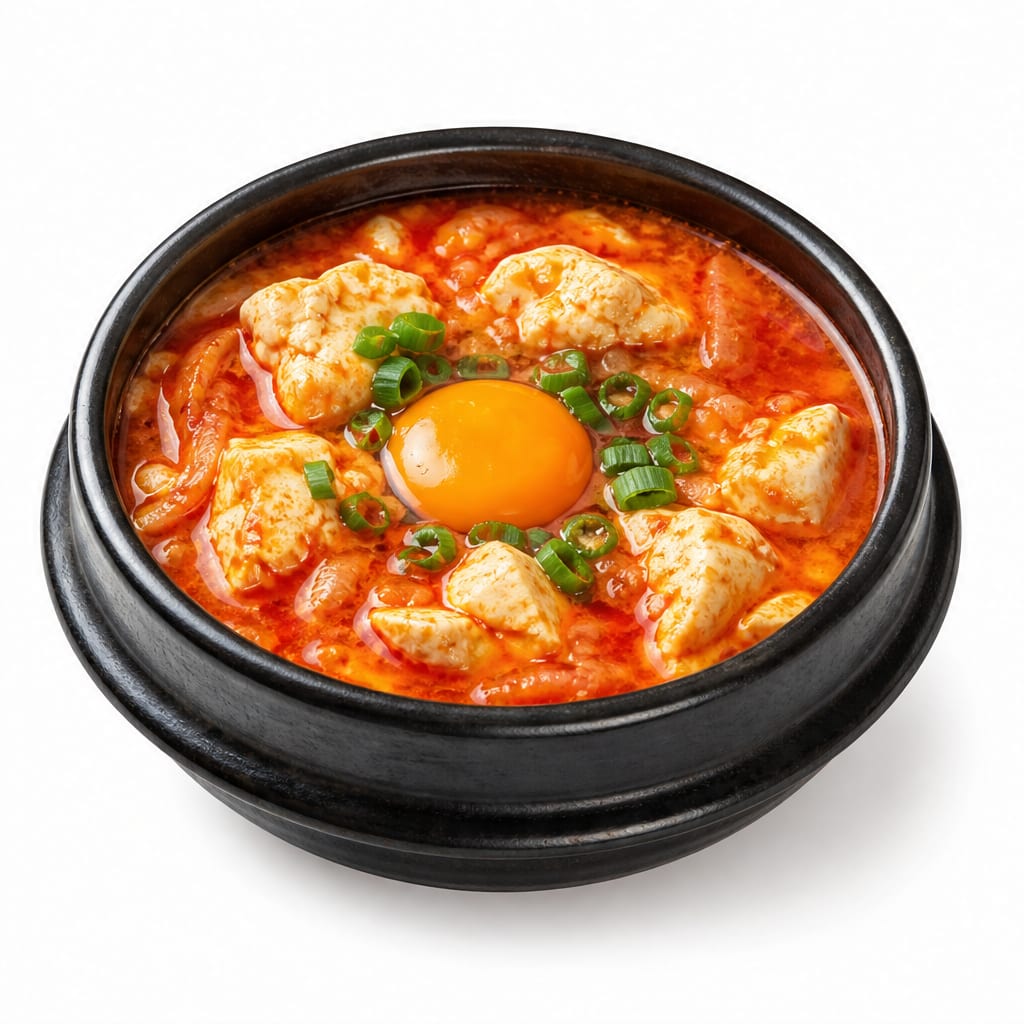
Compare with
Sundubu-jjigae
Sundubu is lower in sodium and higher in plant protein from silken tofu, while kimchi jjigae offers more fiber and fermented compounds.
Sundubu-jjigae is lower in sodium and higher in soft tofu protein, while kimchi jjigae provides more fiber and bold fermented flavor.
This food
Kimchi Jjigae
VS85% alike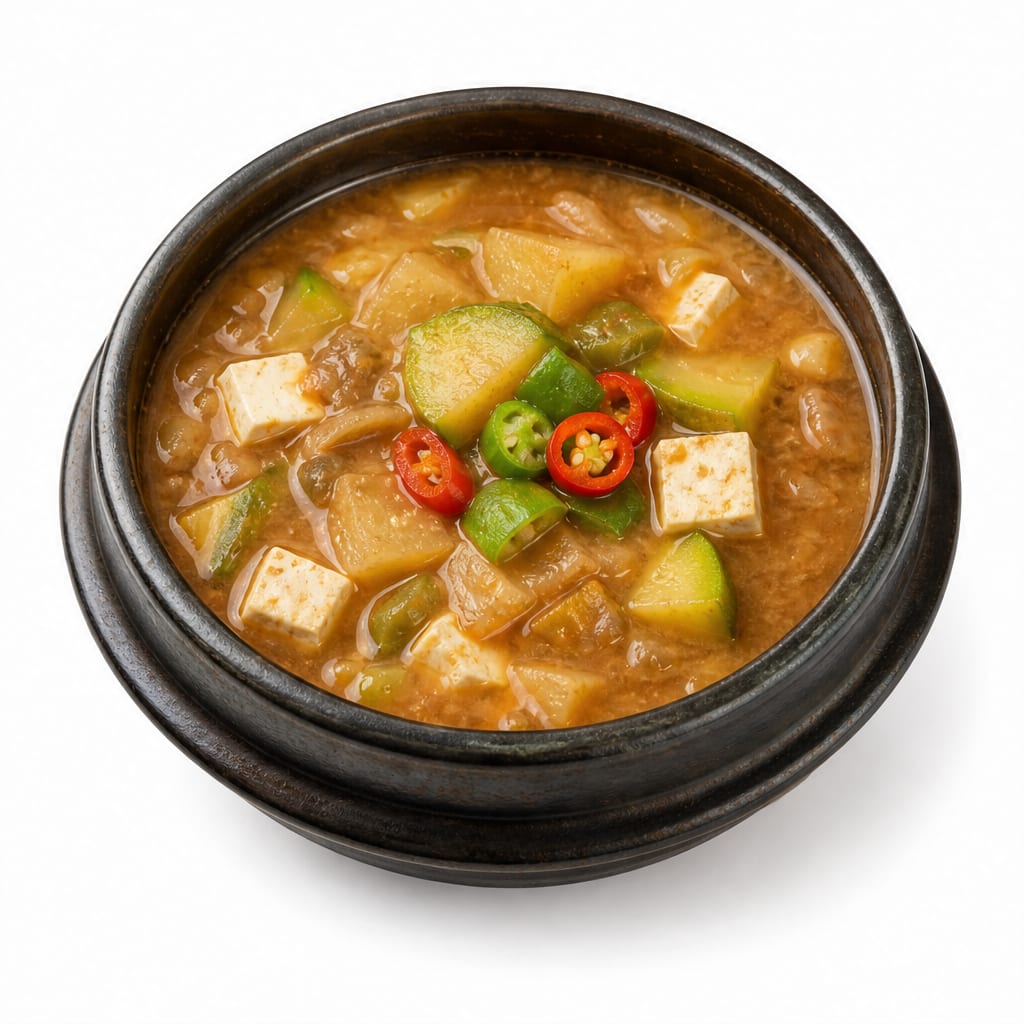
Compare with
Doenjang-jjigae
Doenjang is richer in isoflavones and has a different probiotic profile, while kimchi jjigae is lower in calories and carbohydrates.
Doenjang-jjigae offers more soy isoflavones and protein, whereas kimchi jjigae is lighter in calories and carbs but higher in sodium.
This food
Kimchi Jjigae
VS75% alike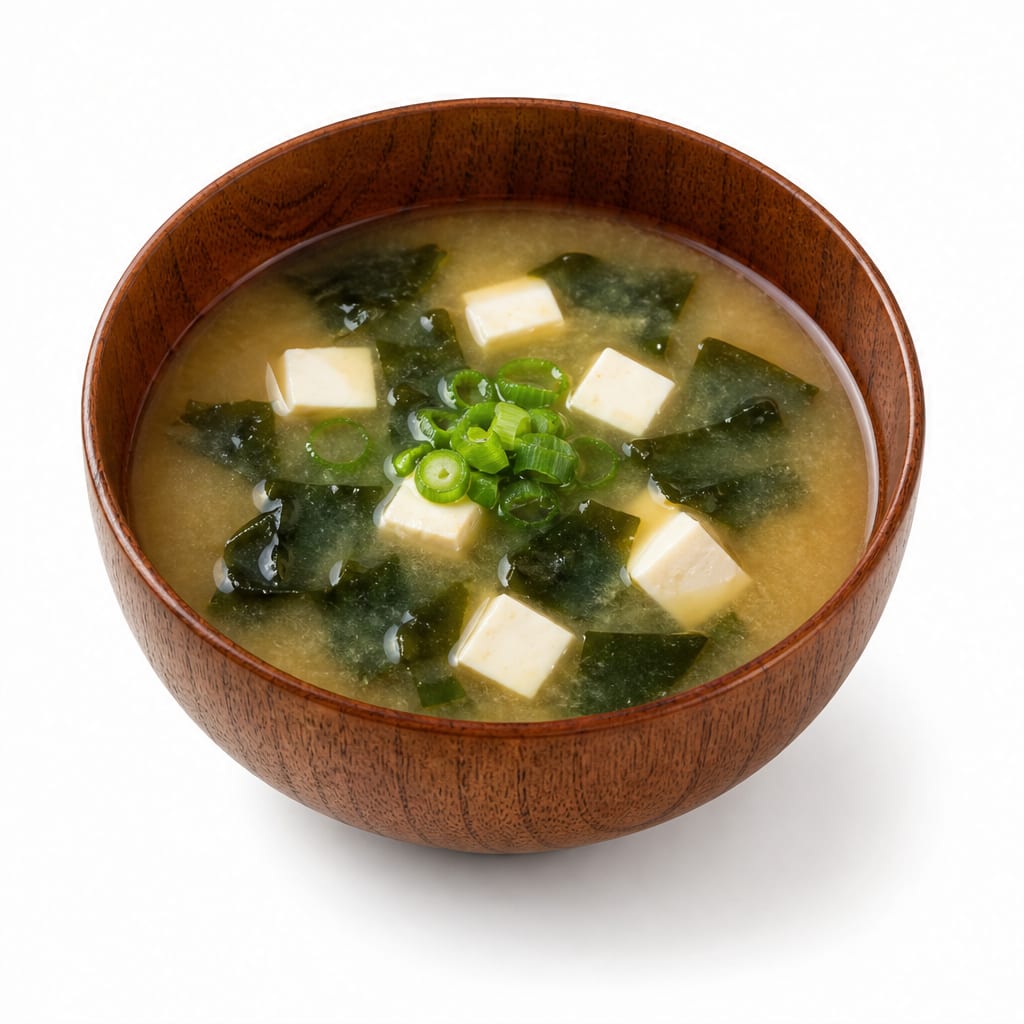
Compare with
Miso Soup
Miso soup is much lower in calories and sodium per serving, but kimchi jjigae is more satiating and higher in protein.
Miso soup is a lighter, lower-sodium starter, while kimchi jjigae is a hearty, high-sodium main dish with more protein.
This food
Kimchi Jjigae
VS70% alike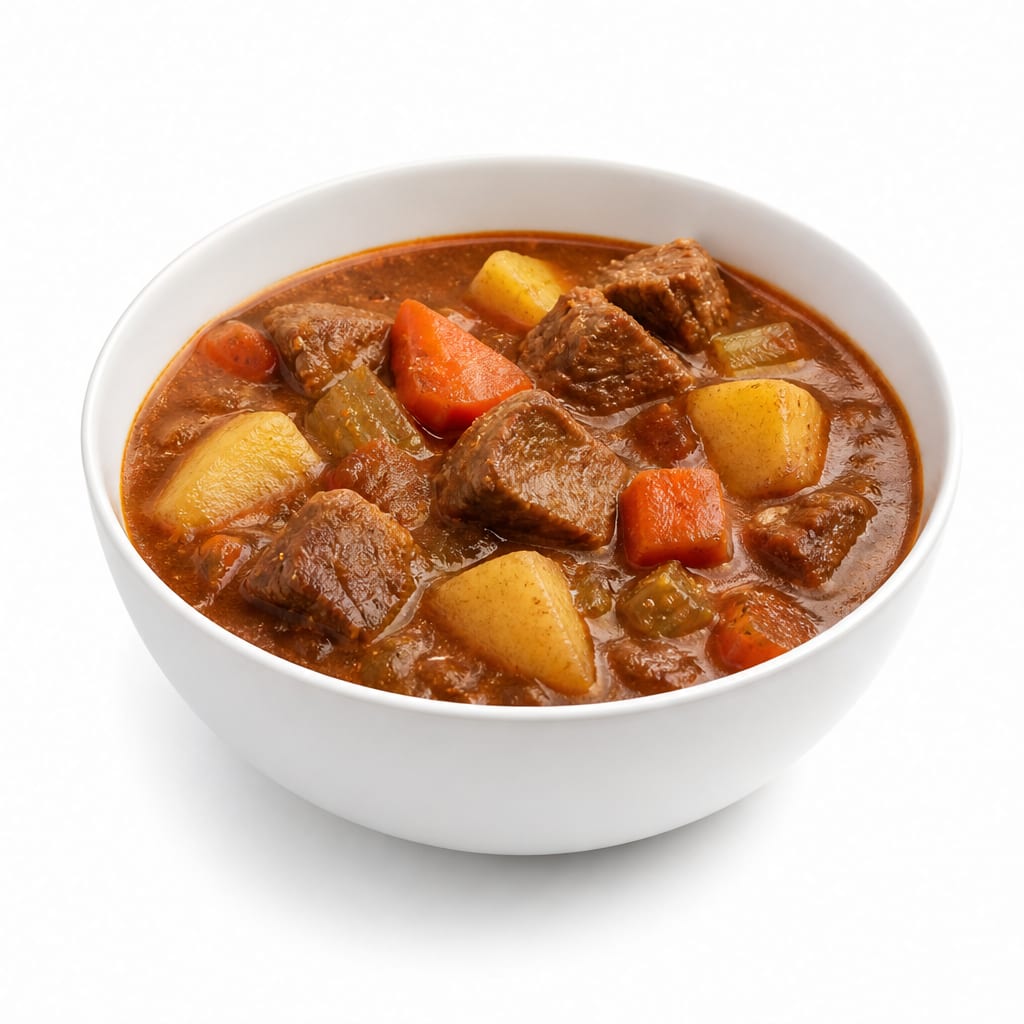
Compare with
Beef Stew
Beef stew offers more iron and protein but is higher in calories and fat, whereas kimchi jjigae is lower carb and contains probiotics.
Beef stew provides more protein and iron for muscle building, while kimchi jjigae is lower in calories and carbs with gut-friendly fiber.
This food
Kimchi Jjigae
VS65% alike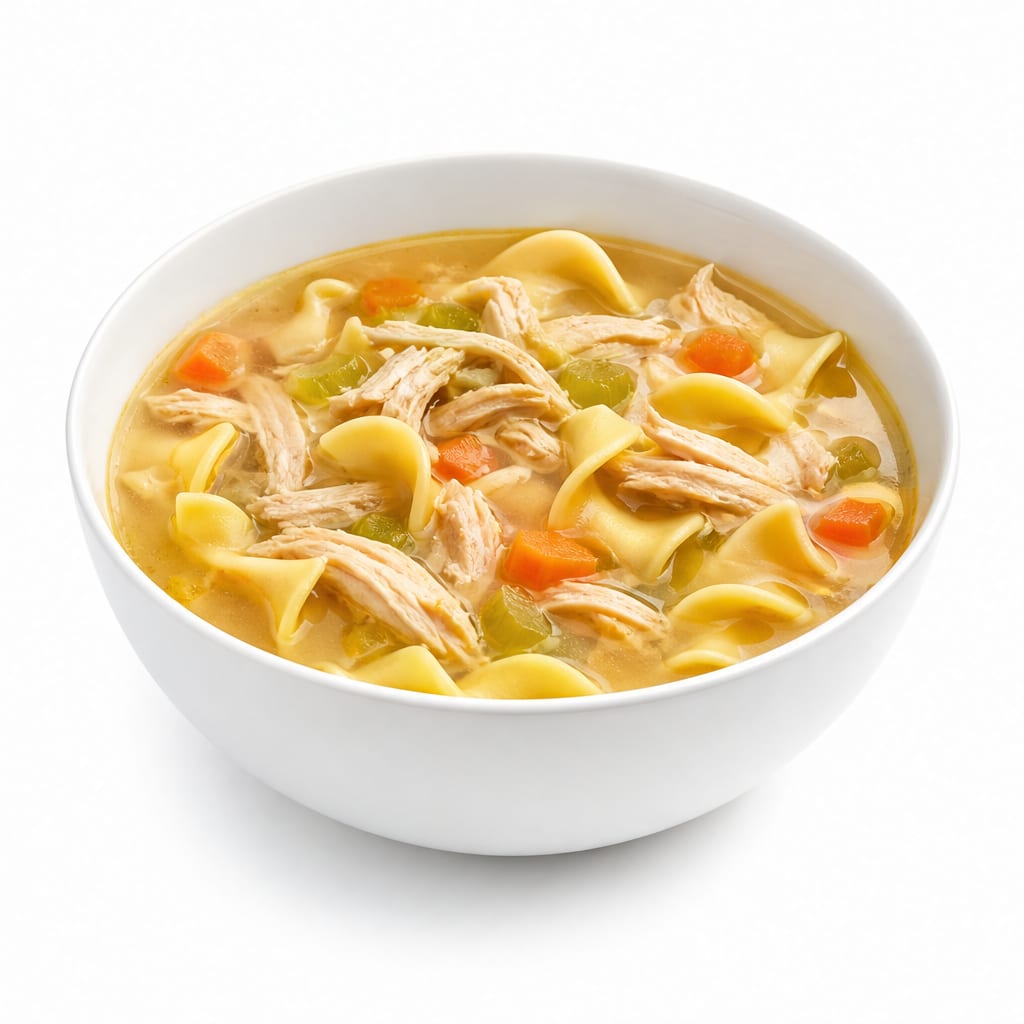
Compare with
Chicken Noodle Soup
Chicken noodle soup is lower in sodium and easier to digest, but kimchi jjigae is much lower in carbohydrates and higher in micronutrients.
Chicken noodle soup is lower in sodium and gentle on the stomach, while kimchi jjigae is a low-carb, probiotic-rich alternative.
This food
Kimchi Jjigae
VS65% alike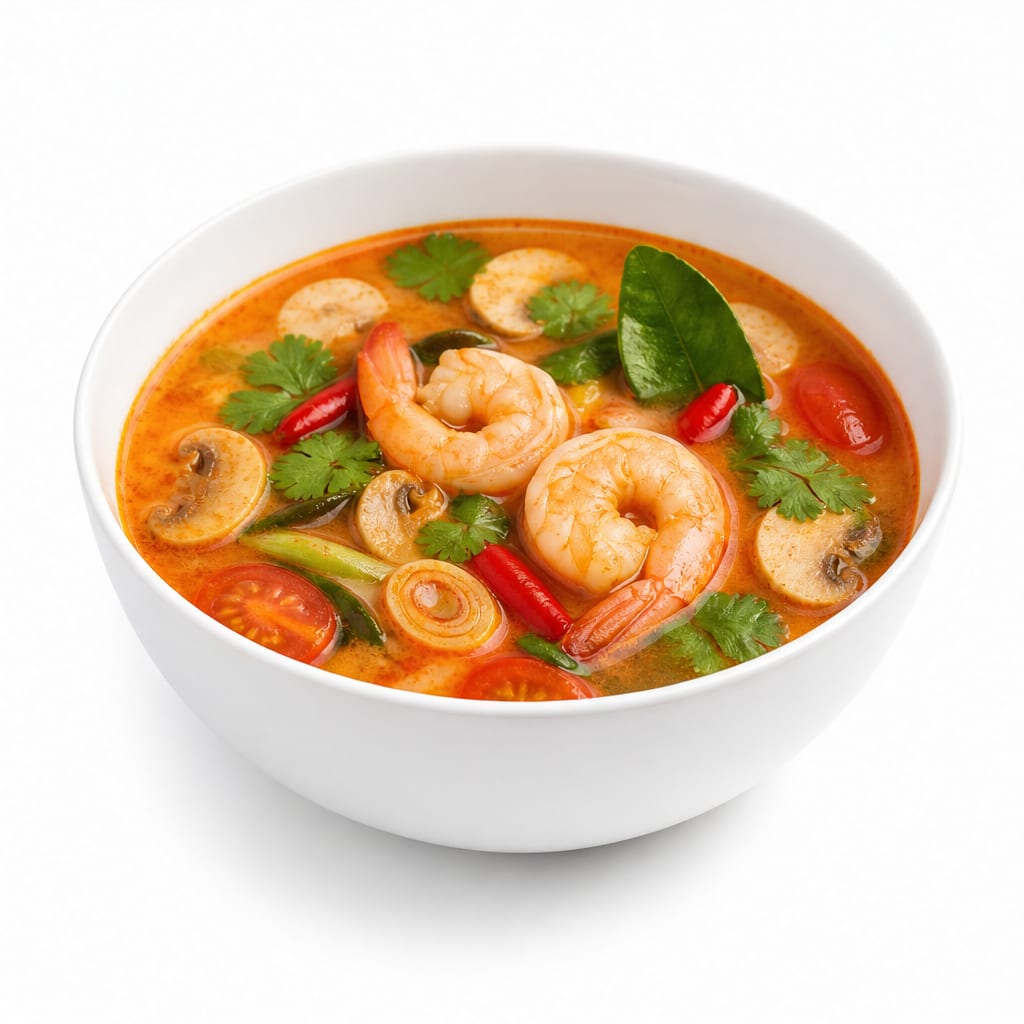
Compare with
Tom Yum Soup
Tom yum is generally lower in calories and sodium, while kimchi jjigae provides more protein and fermented fiber.
Tom yum is lighter and lower in sodium, while kimchi jjigae is heartier with more protein and prebiotic benefits.
This food
Kimchi Jjigae
VS60% alike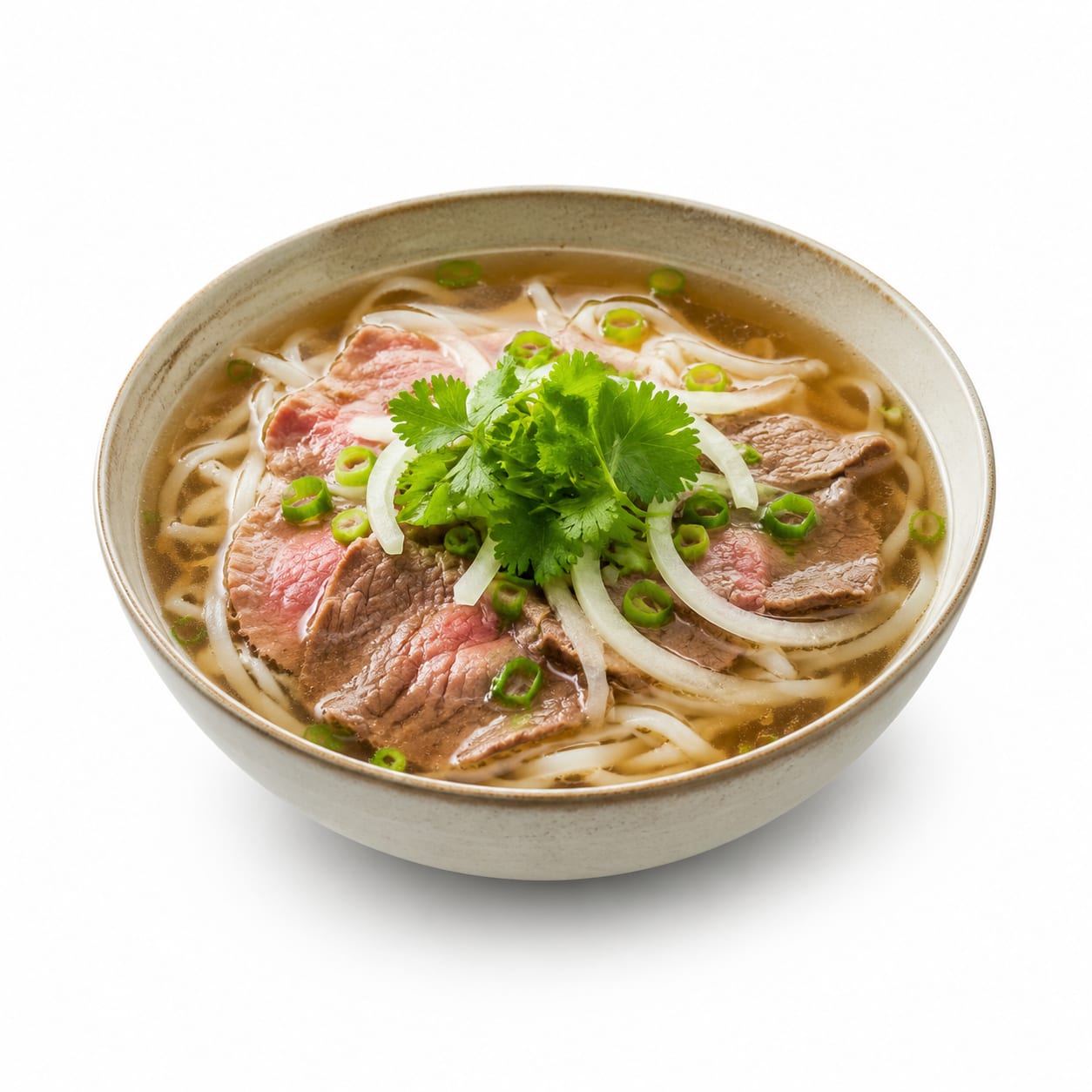
Compare with
Pho
Pho is higher in carbohydrates from rice noodles, while kimchi jjigae is a low-carb, higher-fat stew.
Pho provides high-carb energy from rice noodles, while kimchi jjigae is a low-carb, high-sodium stew better for keto diets.
This food
Kimchi Jjigae
VS60% alike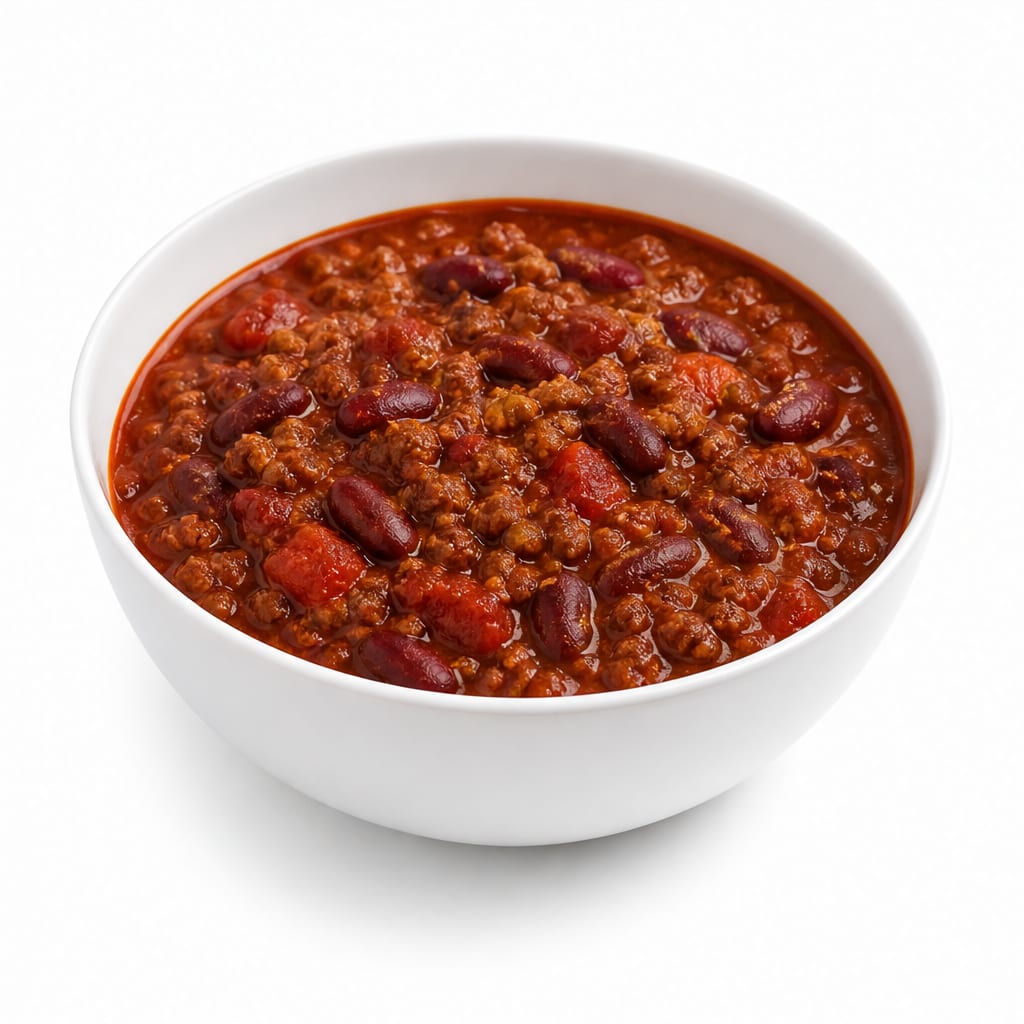
Compare with
Chili con Carne
Chili offers more fiber from beans and more protein, but kimchi jjigae is lower in calories and carbs.
Chili con carne is higher in protein and bean fiber, while kimchi jjigae is lower in carbs and calories but much higher in sodium.
This food
Kimchi Jjigae
VS55% alike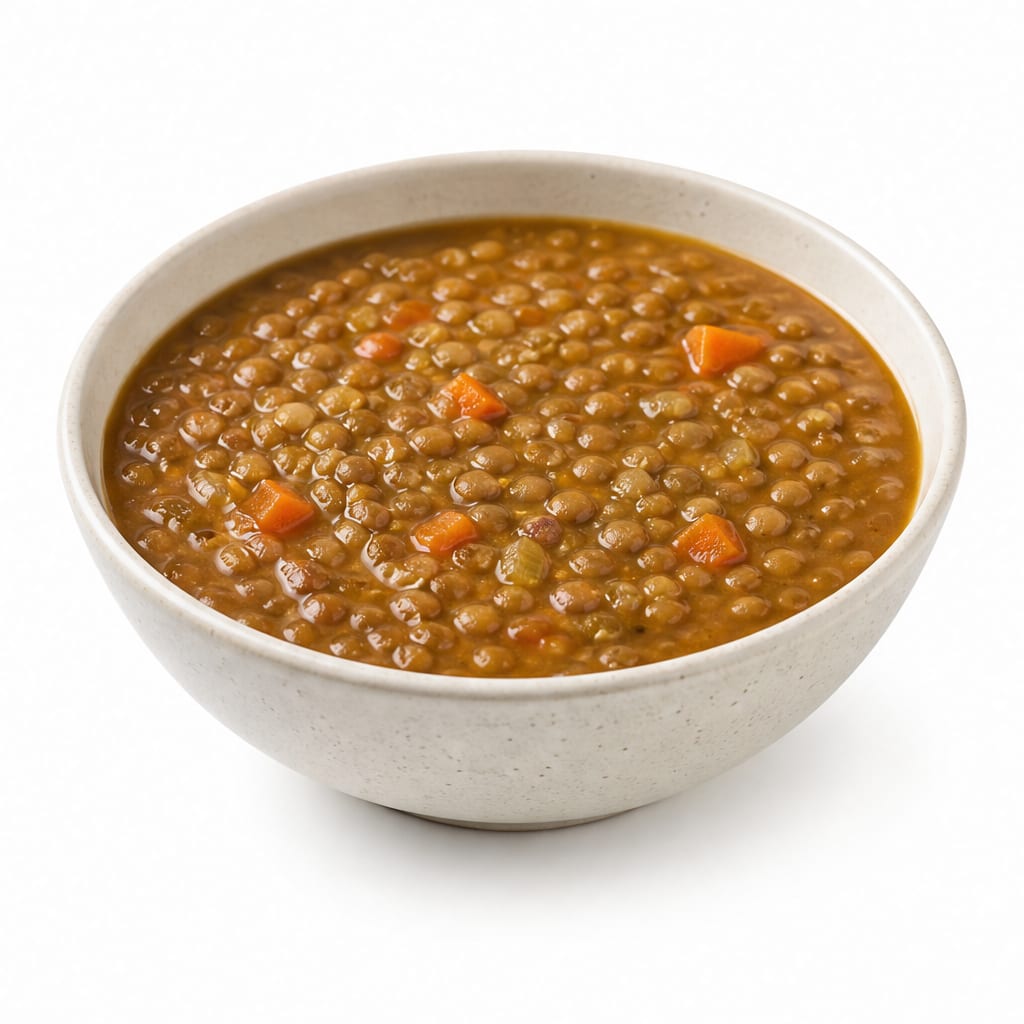
Compare with
Lentil Soup
Lentil soup is higher in fiber and plant protein with lower sodium, while kimchi jjigae is lower in calories and carbohydrates.
Lentil soup wins on fiber, protein, and lower sodium, making it healthier overall, while kimchi jjigae is better for strict low-carb diets.
This food
Kimchi Jjigae
VS55% alike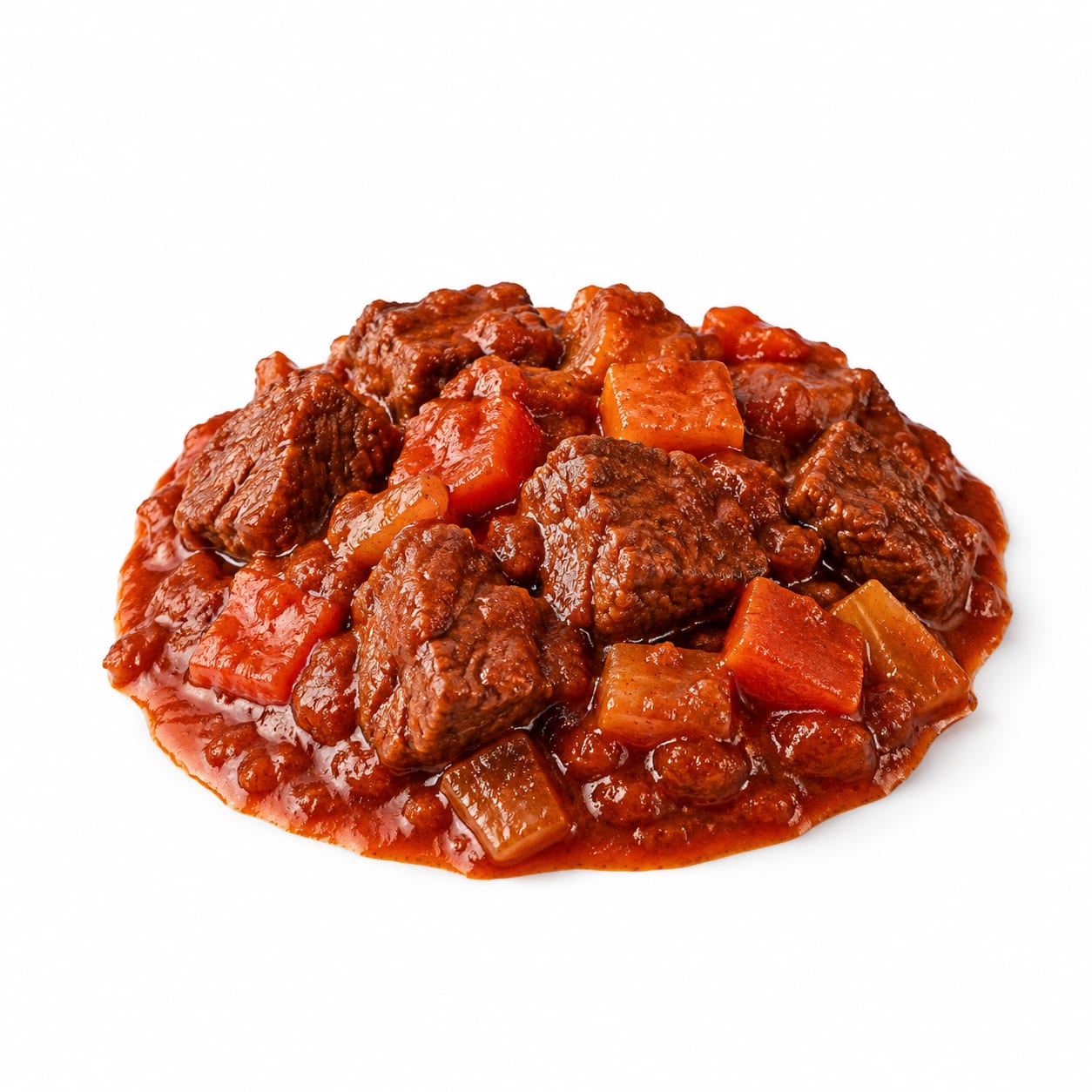
Compare with
Goulash
Goulash is higher in vitamin C from paprika and lower in sodium, while kimchi jjigae offers probiotics and lower carbs.
Goulash is lower in sodium and rich in vitamin C, while kimchi jjigae provides fermented gut benefits and fewer carbohydrates.
Common questions
FAQ
Answers aligned with how people search for this food.
Is kimchi jjigae good for weight loss?
Yes, kimchi jjigae can be good for weight loss due to its low calorie density and high satiety from protein and liquid. However, high sodium content may cause temporary water retention.
Does cooking kimchi jjigae kill the probiotics?
Boiling kimchi kills most live probiotic bacteria. However, the heat-stable metabolites, prebiotic fiber, and dead probiotics still offer gut health benefits.
Is kimchi jjigae keto friendly?
Yes, traditional kimchi jjigae is relatively low in carbohydrates, making it suitable for keto diets, provided no sugar is added to the broth.
Why is kimchi jjigae so high in sodium?
The high sodium comes from the fermented kimchi and its brine, which are heavily salted during the preservation process.
Can diabetics eat kimchi jjigae?
Yes, it has a low glycemic index and load. The fiber and protein help stabilize blood sugar, but diabetics should monitor their blood pressure due to the sodium.
How many calories are in a bowl of kimchi jjigae?
A standard restaurant bowl of kimchi jjigae contains roughly 200 to 250 calories, though this varies based on the amount of pork belly used.
What is the healthiest way to make kimchi jjigae?
Use lean pork or extra tofu, rinse the kimchi slightly to remove excess brine, and use water or low-sodium broth instead of anchovy stock with added salt.
Transparency
Data confidence
Estimated confidence for nutrition data, interpretation, safety notes, and comparisons.
Nutrition data
Health analysis
Food safety
Comparisons