
Nutrition comparison
Kimchi Jjigae vs Chili con Carne: Which Stew Is Healthier?
Compare Kimchi Jjigae and Chili con Carne on protein, fiber, sodium, gut health, and inflammation. Find out which stew fits your health goals better.
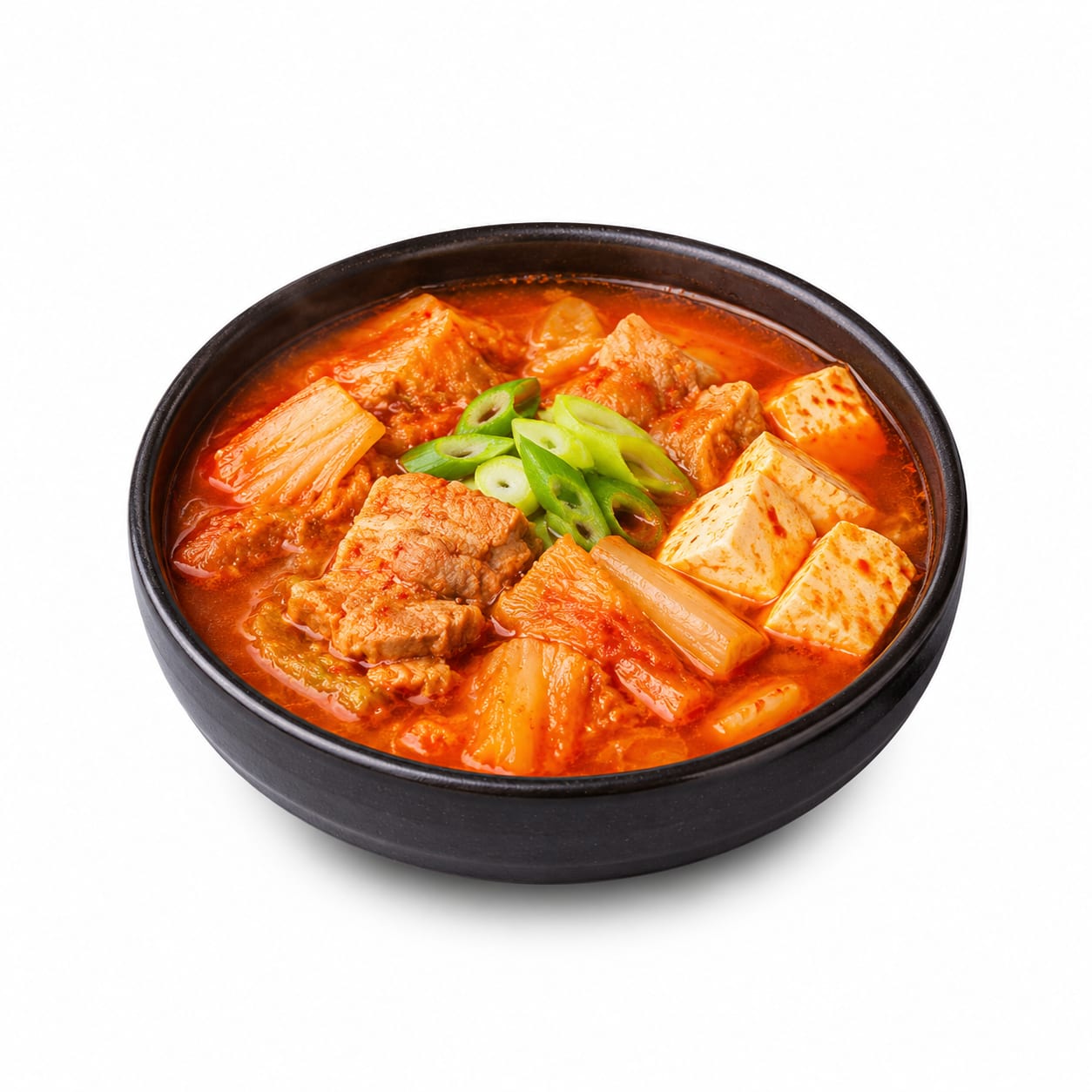
Kimchi Jjigae
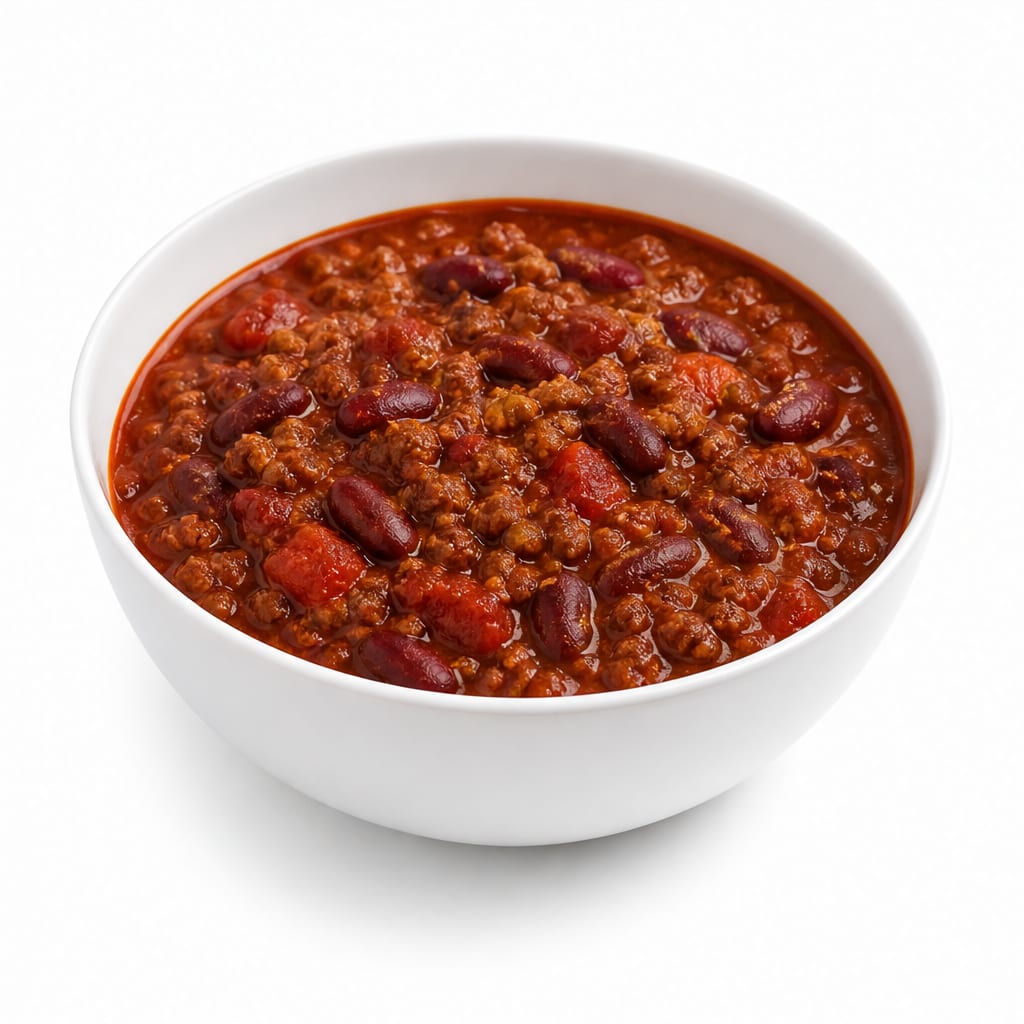
Chili con Carne
Kimchi Jjigae wins for gut health and anti-inflammatory benefits, while Chili con Carne dominates for protein, fiber, and staying power. Your pick depends on what your body needs most.
Kimchi Jjigae edges ahead due to probiotic benefits and a more favorable inflammatory profile, but Chili con Carne's protein and fiber advantages keep it competitive. The close scores reflect that neither is universally better — they serve different nutritional purposes.
Probiotic gut support and lighter inflammatory load versus higher protein, more fiber, and longer-lasting fullness
At a glance
Executive summary
Overall
It depends
Healthier
Kimchi Jjigae
More practical
Chili con Carne
Daily use
Kimchi Jjigae
Key comparison lenses
gut health and fermentation
Kimchi Jjigae's fermented kimchi delivers probiotics that Chili con Carne simply cannot match, making this the single biggest differentiator
protein quality and satiety
Chili con Carne combines beef and beans for a protein punch that keeps you full longer, while Kimchi Jjigae's protein varies widely by recipe
sodium and heart health
Both are sodium-heavy stews, but the sources differ — fermented kimchi salt vs added salt and canned ingredients — with different health implications
inflammatory profile
Red meat in Chili con Carne carries more inflammatory potential than the pork or tofu typically used in Kimchi Jjigae
comfort and cultural eating
Both are deeply comforting stews with strong cultural identities, so emotional satisfaction and dietary sustainability matter
Best choice for
Kimchi Jjigae
- Gut health optimization and probiotic intake
- Anti-inflammatory eating patterns
- Lower saturated fat meals
- Lighter but flavorful dinners
- People managing cholesterol
Chili con Carne
- High-protein diets and muscle maintenance
- Long-lasting satiety and hunger control
- Athletes and active individuals
- Fiber-boosting meal plans
- Cold-weather hearty comfort eating
Least suitable for
Kimchi Jjigae
- Sodium-sensitive individuals
- People avoiding spicy foods
- Those needing high protein per meal
- Anyone with histamine intolerance from fermented foods
Chili con Carne
- People limiting red meat intake
- Those watching saturated fat
- Individuals prone to acid reflux
- Anyone avoiding beans due to IBS or FODMAP sensitivity
Deep comparison
Dimension by dimension
Each lens scores both foods and breaks down who each option suits.
- Dimension 1 · Priority 92Kimchi Jjigae
Gut Health & Microbiome Support
Kimchi Jjigae · 91Chili con Carne · 42Fermented kimchi delivers live probiotics and organic acids that nourish gut bacteria. Chili con Carne offers fiber from beans but no fermentation benefits.
Tradeoff
You gain meaningful probiotic support with Kimchi Jjigae but sacrifice the soluble fiber from beans that also feeds gut bacteria in a different way
Why it matters
A healthy gut microbiome affects digestion, immunity, mood, and even weight regulation — this is not a small difference
Real-world impact
Regular Kimchi Jjigae eaters often notice better digestion and less bloating over time, while Chili con Carne supports regularity through fiber alone
Kimchi Jjigae
- Rebuilding gut flora after antibiotics
- Chronic bloating or irregular digestion
- Long-term microbiome diversity
Better for
- Histamine-intolerant individuals who react to fermented foods
- Anyone on a strict low-sodium gut-healing protocol
Worse for
Chili con Carne
- Gentle fiber intake without fermentation
- People with histamine sensitivity who cannot tolerate fermented foods
Better for
- IBS sufferers who cannot tolerate beans and FODMAPs
- Anyone needing probiotic support from food sources
Worse for
- Dimension 2 · Priority 88Chili con Carne
Protein Content & Quality
Kimchi Jjigae · 55Chili con Carne · 86Chili con Carne combines beef and beans for a complete amino acid profile and high total protein. Kimchi Jjigae's protein depends heavily on whether it includes pork belly, canned tuna, or just tofu.
Tradeoff
Chili con Carne delivers reliable high protein per serving, while Kimchi Jjigae can range from modest to adequate depending on the protein source chosen
Why it matters
Protein determines how long you stay full, how well you maintain muscle, and whether a meal can stand alone as a complete meal
Real-world impact
A bowl of Chili con Carne after a workout feels like real recovery fuel. Kimchi Jjigae may leave you hungry again within two hours unless you add extra protein
Kimchi Jjigae
- Lighter protein intake for sedentary days
- Plant-based versions using tofu for lower-fat protein
Better for
- Athletes or bodybuilders needing reliable high protein
- Anyone trying to eat fewer meals per day while staying satisfied
Worse for
Chili con Carne
- Post-workout muscle recovery
- Older adults preventing muscle loss
- Anyone who needs one meal to keep them full for 5+ hours
Better for
- People reducing red meat for health or environmental reasons
- Those who find heavy protein meals cause sluggishness
Worse for
- Dimension 3 · Priority 85It depends
Sodium Load
Kimchi Jjigae · 35Chili con Carne · 40Both are high-sodium dishes. Kimchi Jjigae gets sodium from fermented kimchi, gochugaru, and fish sauce. Chili con Carne loads sodium from salt, canned tomatoes, and canned beans.
Tradeoff
Kimchi Jjigae's sodium comes partly from fermentation (which has some compensating benefits), while Chili con Carne's sodium is more straightforwardly added salt with no offsetting advantage
Why it matters
High sodium intake raises blood pressure and strains kidneys over time, especially for salt-sensitive individuals
Real-world impact
Either stew can deliver 1000-2000mg of sodium per bowl. If you have hypertension, both require portion awareness or homemade lower-salt versions
Kimchi Jjigae
- Sodium paired with potassium from kimchi vegetables partially offsets the load
- Fermentation compounds may moderate some blood pressure effects
Better for
- Fermented kimchi itself is very high sodium before any seasoning is added
- Restaurant versions are extremely sodium-dense
Worse for
Chili con Carne
- Homemade versions can easily use low-sodium canned beans and tomatoes
- Less inherently salty — easier to reduce sodium by simply adding less salt
Better for
- Canned ingredients hide surprising sodium amounts
- Multiple salt sources make it hard to control total sodium
Worse for
- Dimension 4 · Priority 78Chili con Carne
Fiber Content
Kimchi Jjigae · 48Chili con Carne · 82Chili con Carne's beans deliver substantial soluble and insoluble fiber. Kimchi Jjigae provides some fiber from kimchi vegetables but in smaller quantities.
Tradeoff
You get significantly more fiber per serving from Chili con Carne, which directly supports fullness, blood sugar stability, and cholesterol management
Why it matters
Most people eat far too little fiber, and a single bowl of Chili con Carne can provide a third of your daily needs
Real-world impact
Chili con Carne keeps your blood sugar steadier for hours after eating. Kimchi Jjigae digests faster and may cause a quicker energy dip
Kimchi Jjigae
- Gentler fiber that is less likely to cause gas
- Prebiotic fiber from kimchi that feeds beneficial bacteria
Better for
- Falling short of fiber needs if eaten as a standalone meal
- Less blood sugar buffering effect
Worse for
Chili con Carne
- Meeting daily fiber targets in a single meal
- Blood sugar stabilization for diabetics
- Cholesterol-lowering soluble fiber from beans
Better for
- Bean fiber can cause significant gas and bloating in sensitive individuals
- FODMAP content makes it unsuitable for elimination diets
Worse for
- Dimension 5 · Priority 80Kimchi Jjigae
Inflammatory Profile
Kimchi Jjigae · 76Chili con Carne · 48Kimchi Jjigae uses anti-inflammatory ingredients like garlic, ginger, and fermented vegetables. Chili con Carne's red meat and saturated fat contribute more inflammatory compounds.
Tradeoff
Choosing Kimchi Jjigae reduces inflammatory load and may benefit joint health and chronic disease risk, but you lose the iron and zinc density of red meat
Why it matters
Chronic low-grade inflammation drives heart disease, arthritis, and aging. Small dietary shifts compound over years.
Real-world impact
People eating Kimchi Jjigae regularly as part of a Korean diet tend to show lower inflammatory markers than typical Western red-meat-heavy patterns
Kimchi Jjigae
- Managing chronic inflammation or autoimmune conditions
- Joint pain and arthritis concerns
- Long-term cardiovascular risk reduction
Better for
- Spicy capsaicin can irritate existing GI inflammation
- Histamine from fermentation can trigger inflammatory responses in sensitive people
Worse for
Chili con Carne
- Iron-deficiency anemia requiring heme iron
- Zinc needs for immune function
Better for
- Regular red meat consumption is linked to increased inflammatory markers
- Saturated fat promotes systemic inflammation over time
Worse for
- Dimension 6 · Priority 82Chili con Carne
Satiety & Staying Power
Kimchi Jjigae · 58Chili con Carne · 84Chili con Carne's combination of protein, fiber, and fat creates a meal that suppresses hunger for hours. Kimchi Jjigae is satisfying in the moment but digests relatively quickly.
Tradeoff
Chili con Carne keeps you fuller longer but can feel heavy. Kimchi Jjigae feels lighter and more energizing but may require a snack sooner.
Why it matters
Meals that fail to keep you full lead to snacking, overeating, and blood sugar roller coasters
Real-world impact
A lunch of Chili con Carne easily carries you to dinner. Kimchi Jjigae at lunch often has you reaching for a snack by 3pm
Kimchi Jjigae
- Lighter meals that do not cause afternoon sluggishness
- Hot weather eating when heavy meals feel unappealing
Better for
- Anyone prone to between-meal snacking or cravings
- People doing physical labor who need sustained energy
Worse for
Chili con Carne
- Long workdays with no snack breaks
- One-meal-per-day eating patterns
- Active people who burn through lighter meals
Better for
- Those who feel sluggish after heavy meals
- People who prefer eating smaller, more frequent meals
Worse for
- Dimension 7 · Priority 74Kimchi Jjigae
Calorie Density & Weight Management
Kimchi Jjigae · 72Chili con Carne · 55Kimchi Jjigae is typically lower in calories per bowl due to less fat and no beans, making it easier to fit into a calorie budget. Chili con Carne is more calorie-dense from beef and beans.
Tradeoff
Lower calories with Kimchi Jjigae means you may eat more volume or add sides, while Chili con Carne's higher calories come with more nutrients per bite
Why it matters
For weight loss, calorie density often matters more than total calorie counting because it affects how much you naturally eat
Real-world impact
You can eat a generous bowl of Kimchi Jjigae for 350-450 calories. A comparable bowl of Chili con Carne typically runs 500-700 calories
Kimchi Jjigae
- Active weight loss phases
- Larger portion preferences without calorie overload
- Intermittent fasting eating windows where you want volume
Better for
- Under-eating risk if relied on too frequently without sides
- Possible nutrient shortfalls at very low calorie intakes
Worse for
Chili con Carne
- Weight maintenance or gain phases
- Athletes needing calorie-dense fuel
- People who struggle to eat enough
Better for
- Easy to overeat calories when portions are generous
- Restaurant versions can exceed 900 calories per bowl
Worse for
Timeline
Health impact over time
Short-term
Hours to days
Kimchi Jjigae
- Probiotic boost may improve digestion within hours
- Spicy heat can trigger sweating and a perception of warmth
- High sodium may cause temporary water retention and bloating
- Lighter calorie load may leave you hungry again within 2-3 hours
Chili con Carne
- High protein and fiber create strong satiety lasting 4-6 hours
- Bean fiber may cause gas and bloating in the first few hours
- Red meat can trigger digestive sluggishness in sensitive people
- Sodium load may cause noticeable thirst and water retention
Long-term
Months to years
Kimchi Jjigae
- Regular fermented food intake supports microbiome diversity and immune resilience
- Consistent high sodium intake may elevate blood pressure over years
- Anti-inflammatory spice compounds may reduce chronic disease risk
- Lower saturated fat intake benefits cardiovascular health long-term
Chili con Carne
- Frequent red meat consumption is associated with increased colorectal cancer risk
- Consistent bean intake supports cholesterol reduction and gut health
- High protein intake helps preserve muscle mass during aging
- Saturated fat accumulation may increase cardiovascular risk if eaten multiple times weekly
Risk profile
Safety & processing
Kimchi Jjigae is made from fermented vegetables, fresh tofu or pork, and simple seasonings — all recognizable whole foods. Chili con Carne often relies on canned beans, canned tomatoes, and sometimes seasoning packets with hidden additives. Homemade versions of both are clean, but restaurant or canned Chili con Carne typically contains more preservatives and hidden sodium than Kimchi Jjigae.
Kimchi Jjigae
Histamine toxicity from over-fermented kimchi
mediumVery old or improperly stored kimchi can accumulate high histamine levels, triggering headaches, flushing, or allergic-type reactions in sensitive individuals
Foodborne illness from undercooked pork
mediumPork belly versions must reach safe internal temperatures. Traditional recipes sometimes undercook pork for texture, increasing parasite and bacterial risk
High sodium strain on kidneys
mediumChronic high sodium from daily kimchi consumption can stress kidney function, especially in those with pre-existing kidney conditions
Chili con Carne
Red meat and processed meat cancer risk
highRegular consumption of red meat is classified as a probable carcinogen by the WHO, with strongest links to colorectal cancer when eaten frequently
BPA exposure from canned ingredients
mediumCanned beans and tomatoes often contain BPA in can linings, which is an endocrine disruptor that accumulates with frequent canned food consumption
Foodborne illness from ground beef
mediumGround beef has higher contamination risk than whole cuts because surface bacteria get mixed throughout during grinding. Must be cooked thoroughly
Who wins for whom
Audience fit
Same foods, different winners depending on your goal.
children
Chili con CarneMilder Chili con Carne is more palatable for kids and provides iron and protein for growth. Kimchi Jjigae's intense spice and fermented taste usually alienate young palates
daily consumption
Kimchi JjigaeLower inflammatory load, probiotic benefits, and lighter calorie footprint make Kimchi Jjigae more sustainable as a near-daily meal, though sodium should be monitored
diabetes
Chili con CarneThe fiber from beans slows glucose absorption and stabilizes blood sugar more effectively, though both dishes are relatively low in refined carbohydrates
elderly
Kimchi JjigaeSofter texture, probiotic benefits for aging digestive systems, and anti-inflammatory properties make Kimchi Jjigae more appropriate, provided sodium is managed
muscle gain
Chili con CarneChili con Carne delivers significantly more complete protein per serving, which is the primary driver of muscle growth and repair
weight loss
Kimchi JjigaeLower calorie density and probiotic support for metabolism make Kimchi Jjigae easier to fit into a weight loss plan, though both require portion control due to sodium
Your move
Decision guide
Choose Kimchi Jjigae
- You want gut health and probiotic benefits from food
- You are watching your saturated fat or red meat intake
- You prefer lighter meals that do not leave you sluggish
- You are managing inflammatory conditions like joint pain
- You eat Korean food regularly and want a healthy staple
Choose Chili con Carne
- You need high protein for muscle maintenance or gain
- You want one meal to keep you full for 5+ hours
- You are active and need calorie-dense fuel
- You are not sensitive to beans and want more fiber
- You are cooking for a crowd that prefers familiar Western comfort food
Either works if
- You want a warming, satisfying stew and have no specific health constraints
- You are eating for comfort and both sound good
- You rotate between them for variety in protein and probiotic intake
Avoid both if
- You are on a strict low-sodium diet for blood pressure or kidney disease
- You have severe acid reflux and cannot tolerate spicy or tomato-based foods
- You are following a low-FODMAP elimination diet
Final recommendation
Eat Kimchi Jjigae more often for daily gut health and anti-inflammatory benefits, and enjoy Chili con Carne as a protein-rich option when you need sustained energy or post-workout recovery. Both are legitimate comfort foods — the key is matching the stew to what your body needs that day. If sodium is a concern, make either at home where you control the salt.
Practical
Consumer tips
- 1
Make Kimchi Jjigae with well-fermented kimchi for maximum probiotic benefit — fresh kimchi tastes fine but lacks the fermentation advantage
- 2
Use lean ground turkey or bison in Chili con Carne to reduce saturated fat while keeping protein high
- 3
Rinse canned beans before adding to Chili con Carne to remove about 40% of the sodium
- 4
Add extra tofu to Kimchi Jjigae to boost protein without adding saturated fat
- 5
Both freeze exceptionally well — make large batches and portion for quick future meals
- 6
If eating either stew at a restaurant, ask for less salt or drink extra water to manage the sodium load
- 7
Pair Kimchi Jjigae with a side of rice for more sustained energy, but keep the portion moderate to avoid a carb crash
- 8
For Chili con Carne, using dried beans instead of canned eliminates BPA exposure and cuts sodium dramatically