
Nutrition comparison
Kimchi Jjigae vs Tom Yum Soup: Which Spicy Asian Soup Is Healthier?
Compare Kimchi Jjigae and Tom Yum Soup on gut health, calories, sodium, and more. Find out which Korean or Thai soup fits your health goals better.
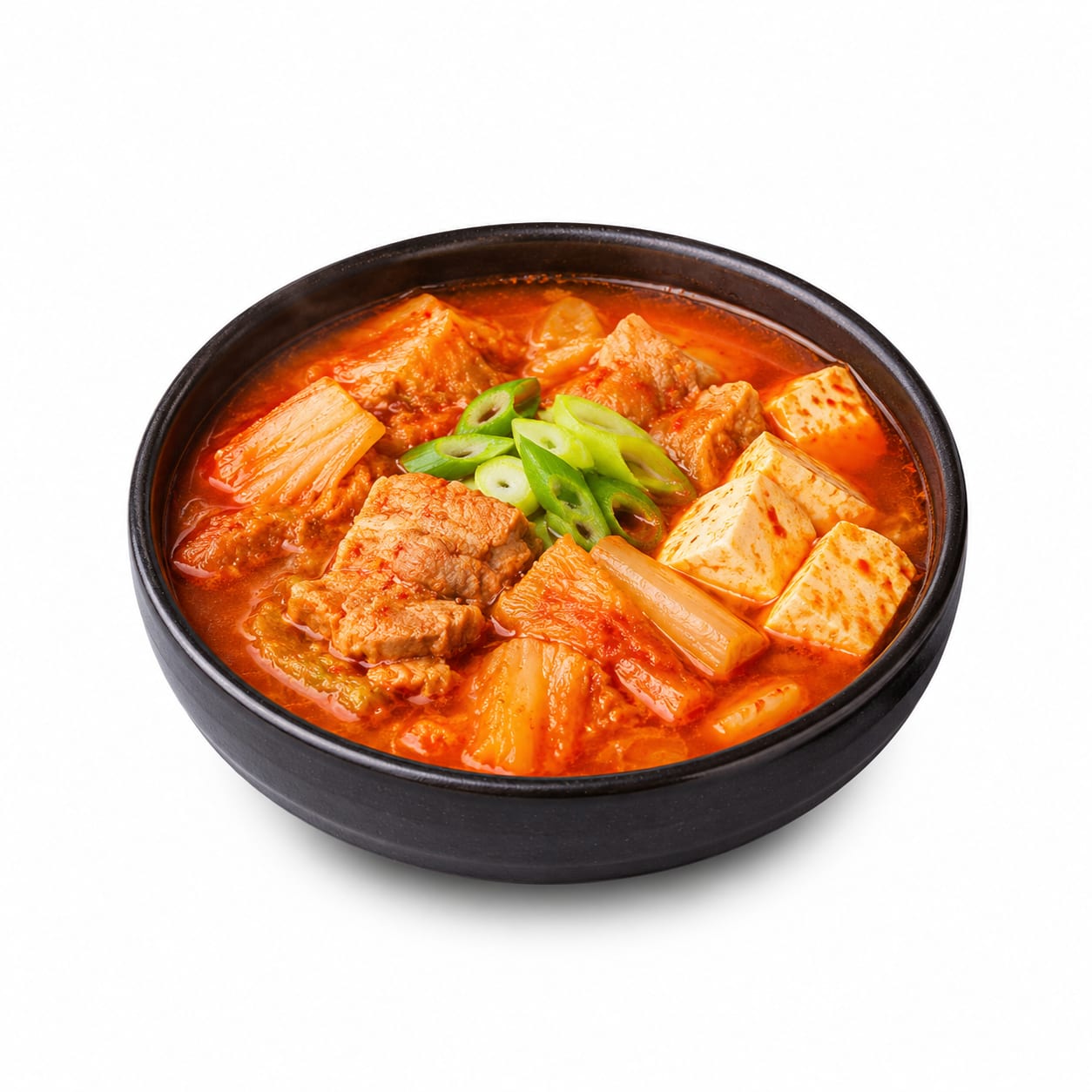
Kimchi Jjigae
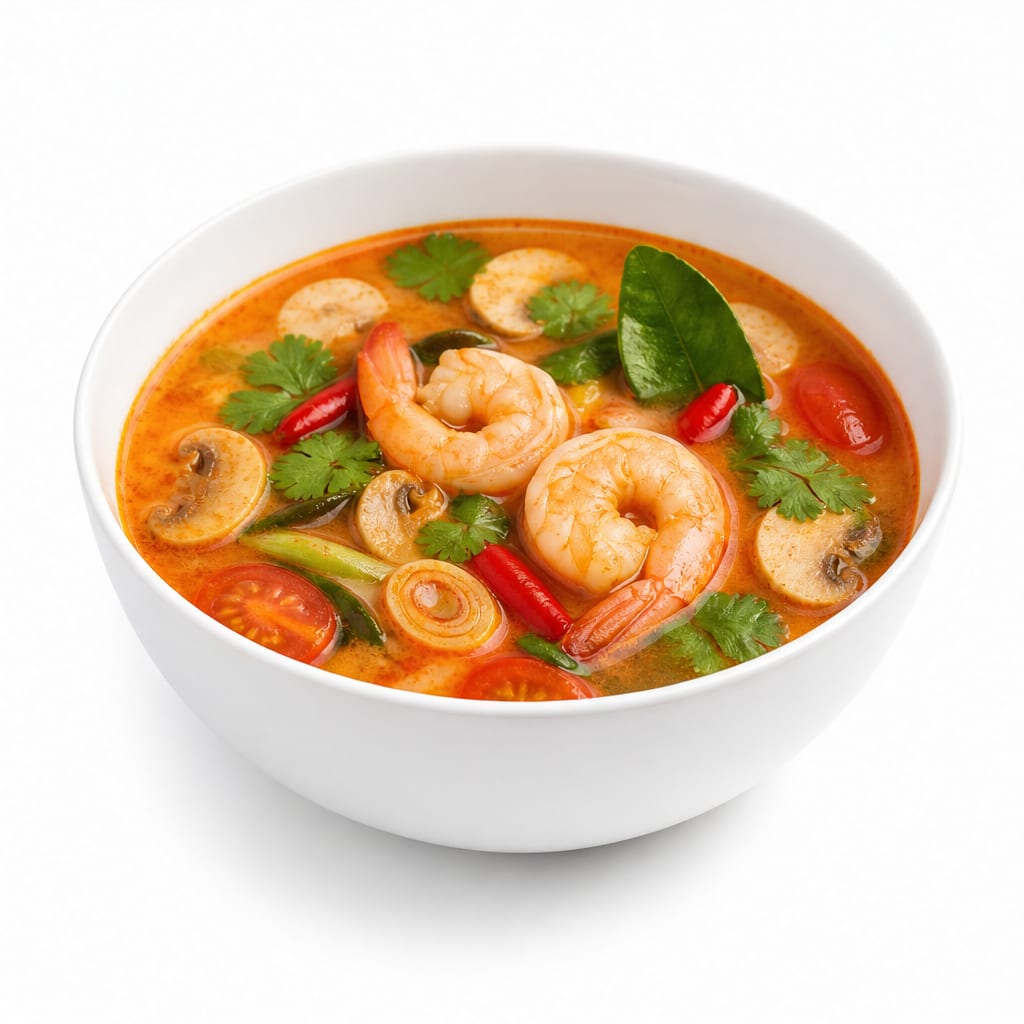
Tom Yum Soup
Kimchi Jjigae wins for gut health and meal satisfaction; Tom Yum wins for lighter calories and anti-inflammatory herbs. Your pick depends on whether you want a hearty meal or a brothy reset.
Tom Yum edges ahead slightly due to lower calorie density and lighter digestive load, but Kimchi Jjigae's probiotic advantage keeps it competitive. The close scores reflect that neither is a clear winner — they serve different needs.
Fermented probiotic richness and filling power versus lower calories and lighter digestive feel
At a glance
Executive summary
Overall
It depends
Healthier
It depends
More practical
Kimchi Jjigae
Daily use
Tom Yum Soup
Key comparison lenses
Gut health and probiotic benefits
Kimchi Jjigae's fermented kimchi delivers live cultures that Tom Yum simply cannot match
Sodium awareness
Both soups are sodium-heavy from different sources — kimchi fermentation salt vs fish sauce — making this a critical shared concern
Weight management and caloric load
Tom Yum is typically lighter and brothier while Kimchi Jjigae is heartier with more fat from pork belly, creating a clear calorie tradeoff
Anti-inflammatory and immune support
Both feature potent spices but through different pathways — fermented compounds vs aromatic herbs
Meal satisfaction and fullness
Kimchi Jjigae eats like a full meal; Tom Yum often functions as a starter or lighter dish
Best choice for
Kimchi Jjigae
- People prioritizing gut health and probiotics
- Those wanting a complete satisfying meal in one bowl
- Anyone needing hearty comfort food on cold days
- Strength athletes needing more protein and calories
Tom Yum Soup
- People watching their calorie intake
- Those wanting anti-inflammatory benefits from herbs
- Anyone seeking a light but flavorful starter
- People who find heavy meals cause afternoon sluggishness
Least suitable for
Kimchi Jjigae
- People on low-sodium diets
- Those sensitive to spicy fermented foods
- Anyone watching saturated fat intake
- People with histamine intolerance
Tom Yum Soup
- People who need a filling meal to stay satisfied
- Those avoiding shellfish due to allergies
- Anyone on a very low-sodium diet
- People who find acidic foods trigger reflux
Deep comparison
Dimension by dimension
Each lens scores both foods and breaks down who each option suits.
- Dimension 1 · Priority 92Kimchi Jjigae
Gut Health and Probiotics
Kimchi Jjigae · 91Tom Yum Soup · 38Kimchi Jjigae delivers substantial probiotic benefits from fermented kimchi that Tom Yum cannot replicate.
Tradeoff
You gain gut-friendly bacteria with Kimchi Jjigae but take on more histamine and fermentation byproducts that can bother sensitive systems.
Why it matters
A healthy gut microbiome affects everything from immunity to mood. Fermented foods are one of the few dietary sources of live cultures.
Real-world impact
Regular Kimchi Jjigae eaters often notice better digestion and less bloating over time, while Tom Yum offers more of a clean-burning lightness without the probiotic upside.
Kimchi Jjigae
- Rebuilding gut flora after antibiotics
- Chronic bloating or irregular digestion
- Long-term immune resilience
Better for
- Those with histamine intolerance may get headaches or flushing
- People on low-FODMAP diets
Worse for
Tom Yum Soup
- Histamine intolerance or mast cell issues
- Sensitive stomachs that react to fermented foods
- Acid reflux triggered by sharp tangy flavors
Better for
- Anyone specifically seeking probiotic benefits will be disappointed
- Chronic constipation that responds to fermented foods
Worse for
- Dimension 2 · Priority 88It depends
Sodium Load
Kimchi Jjigae · 32Tom Yum Soup · 35Both are high-sodium dishes from different sources — Kimchi Jjigae from fermented kimchi and soy, Tom Yum from fish sauce and paste.
Tradeoff
Neither is a low-sodium winner. Kimchi Jjigae's salt is partially offset by potassium from vegetables, while Tom Yum's salt comes alongside hydrating broth.
Why it matters
High sodium intake raises blood pressure and causes water retention. For many people, these soups can deliver half a day's sodium in one serving.
Real-world impact
After eating either soup, you might notice thirst, slight puffiness, or a heavier scale reading the next day from water retention.
Kimchi Jjigae
- Slightly more potassium to help balance sodium
- Sodium comes with probiotic benefits as a package deal
Better for
- Very high sodium density per serving
- Kimchi itself is extremely salt-heavy before even adding soy sauce
Worse for
Tom Yum Soup
- Portion control is easier since it is often served as a starter
- Clear broth versions can be lower in sodium than creamy ones
Better for
- Fish sauce and shrimp paste are concentrated sodium bombs
- Restaurant versions often add extra fish sauce for flavor
Worse for
- Dimension 3 · Priority 85Tom Yum Soup
Caloric Density and Weight Management
Kimchi Jjigae · 42Tom Yum Soup · 78Tom Yum is significantly lighter, making it far easier to fit into a calorie-conscious eating plan.
Tradeoff
Tom Yum keeps calories low but may leave you hungry sooner. Kimchi Jjigae fills you up but at a higher caloric cost, especially with pork belly.
Why it matters
Sustained weight management depends on finding foods that satisfy without overshooting calories. The difference here can be 200-400 calories per serving.
Real-world impact
A bowl of Tom Yum as a starter can help you eat less of the main course. Kimchi Jjigae as a main course can easily become your entire calorie budget for that meal.
Kimchi Jjigae
- Active people who need calorie-dense meals
- Those who struggle to feel full on brothy soups
Better for
- Sedentary eaters who do not need the extra calories
- Late-night eating when you want something light
Worse for
Tom Yum Soup
- Anyone tracking calories for weight loss
- People who prefer lighter dinners to sleep better
Better for
- Post-workout recovery when you need substantial refueling
- People who feel hungry again within an hour of broth-based meals
Worse for
- Dimension 4 · Priority 80Tom Yum Soup
Anti-inflammatory Properties
Kimchi Jjigae · 65Tom Yum Soup · 82Tom Yum's lemongrass, galangal, and kaffir lime deliver broader anti-inflammatory coverage than Kimchi Jjigae's chili and garlic.
Tradeoff
Kimchi Jjigae offers anti-inflammatory benefits through fermentation compounds, but the pork belly in traditional versions adds inflammatory saturated fat.
Why it matters
Chronic inflammation drives aging, joint pain, and disease. Food choices that reduce inflammation compound over years.
Real-world impact
Regular Tom Yum consumption may contribute to less joint stiffness and better recovery. Kimchi Jjigae's benefits are real but can be undermined by fatty pork cuts.
Kimchi Jjigae
- Anti-inflammatory effects from fermented compounds
- Garlic and chili provide circulatory benefits
Better for
- Pork belly adds saturated fat that promotes inflammation
- High spice levels can irritate existing GI inflammation
Worse for
Tom Yum Soup
- Lemongrass and galangal are potent anti-inflammatory herbs
- Lighter recipe does not counteract benefits with inflammatory fats
Better for
- Shrimp can trigger inflammatory responses in sensitive individuals
Worse for
- Dimension 5 · Priority 78Kimchi Jjigae
Protein and Satiety
Kimchi Jjigae · 80Tom Yum Soup · 52Kimchi Jjigae typically packs more protein from pork, tofu, or tuna, while Tom Yum relies on smaller amounts of shrimp.
Tradeoff
More protein means better satiety and muscle support with Kimchi Jjigae, but also more fat and calories. Tom Yum keeps it lean but less filling.
Why it matters
Protein is the most satiating macronutrient. Meals with adequate protein reduce snacking and support muscle maintenance.
Real-world impact
Kimchi Jjigae after a workout provides meaningful recovery fuel. Tom Yum as a post-workout meal leaves you hunting for a second course.
Kimchi Jjigae
- Post-workout recovery meals
- Anyone trying to hit higher protein targets
- People who need one bowl to count as a full meal
Better for
- Those limiting animal protein intake
- People trying to eat smaller portions more frequently
Worse for
Tom Yum Soup
- Light lunch before an active afternoon
- Multi-course meals where soup is just the opener
Better for
- Anyone relying on this as their main protein source
- Active people who will feel hungry again quickly
Worse for
- Dimension 6 · Priority 75Tom Yum Soup
Digestive Tolerance
Kimchi Jjigae · 48Tom Yum Soup · 70Tom Yum is gentler on most digestive systems despite its spice, while Kimchi Jjigae's fermentation and fat can challenge sensitive stomachs.
Tradeoff
Kimchi Jjigae's fermentation helps some guts but irritates others. Tom Yum's acidity can trigger reflux but is generally easier to digest overall.
Why it matters
A healthy meal that causes discomfort is not truly healthy for you. Individual tolerance often matters more than nutritional theory.
Real-world impact
People with IBS or acid reflux often find Kimchi Jjigae causes bloating or heartburn, while Tom Yum's lighter broth goes down easier for most.
Kimchi Jjigae
- Healthy guts that benefit from fermented foods
- Occasional digestive sluggishness that needs stimulation
Better for
- Active acid reflux or GERD
- IBS flares triggered by fermented or spicy foods
- Histamine sensitivity
Worse for
Tom Yum Soup
- Sensitive stomachs that react to heavy or fermented foods
- People prone to heartburn who still want bold flavor
Better for
- Severe acid reflux from citrus and vinegar notes
- Shellfish allergies that eliminate the protein source
Worse for
Timeline
Health impact over time
Short-term
Hours to days
Kimchi Jjigae
- Immediate satisfaction and fullness from fat and protein
- Possible bloating if sensitive to fermented foods
- Thirst from high sodium intake
- Warming sensation from chili and hot broth
Tom Yum Soup
- Light energized feeling without heaviness
- Clear sinuses from aromatic herbs and spice
- Possible mild heartburn from acidity
- Quick hydration from broth-based serving
Long-term
Months to years
Kimchi Jjigae
- Improved gut microbiome diversity from regular probiotic intake
- Potential blood pressure concerns if sodium is not managed elsewhere
- Better immune function from fermented compounds
- Risk of weight gain if pork belly versions are eaten frequently
Tom Yum Soup
- Reduced inflammation from regular herb consumption
- Easier weight maintenance due to lower calorie density
- Possible sodium-related blood pressure issues with frequent consumption
- Better hydration habits from broth-based eating patterns
Risk profile
Safety & processing
Both are traditional dishes made from whole ingredients with minimal processing. Kimchi Jjigae uses fermented kimchi which is a natural preservation method. Tom Yum relies on fresh herbs and simple pastes. Neither typically requires artificial additives when made traditionally.
Kimchi Jjigae
Histamine buildup from fermentation
mediumFermented kimchi contains high levels of biogenic amines that can trigger headaches, flushing, or digestive distress in sensitive individuals.
Foodborne illness from improper kimchi storage
lowWhile fermentation generally preserves food safely, kimchi left at room temperature too long can develop harmful bacteria. Properly refrigerated kimchi is very safe.
Parasite risk from undercooked pork
lowTraditional pork belly versions require thorough cooking. Modern supply chains have reduced this risk significantly but it still exists with undercooked meat.
Tom Yum Soup
Shellfish allergy from shrimp
highTom Yum Goong is shrimp-based and can cause severe allergic reactions. Cross-contamination in restaurants is common even with other protein versions.
Mercury exposure from shrimp
lowShrimp is relatively low in mercury compared to larger seafood, but frequent consumption can accumulate. Not a major concern for most people.
Sodium nitrite in some shrimp paste brands
mediumCommercial shrimp paste may contain preservatives. Traditional versions are cleaner but harder to find outside Thailand.
Who wins for whom
Audience fit
Same foods, different winners depending on your goal.
children
Tom Yum SoupMilder Tom Yum versions are easier for kids to handle. Kimchi Jjigae's intense fermented flavor and spice level often overwhelms young palates.
daily consumption
Tom Yum SoupTom Yum's lighter profile makes it easier to eat regularly without calorie or fat accumulation. Kimchi Jjigae is better as a few-times-per-week dish due to its heaviness.
diabetes
Tom Yum SoupTom Yum has minimal impact on blood sugar with its low-carb broth base. Kimchi Jjigae is also reasonable but rice accompaniment can spike glucose.
elderly
It dependsKimchi Jjigae's probiotics support aging gut health, but its sodium and spice can challenge older digestive systems. Tom Yum's lighter broth is gentler but offers less nutritional substance.
muscle gain
Kimchi JjigaeKimchi Jjigae provides more protein and calories needed for muscle recovery and growth, especially versions with pork or tuna.
weight loss
Tom Yum SoupTom Yum delivers bold flavor at a fraction of the calories, making it far easier to maintain a calorie deficit without feeling deprived.
Your move
Decision guide
Choose Kimchi Jjigae
- You want gut health benefits and probiotic support
- A single bowl needs to count as your entire meal
- You are active and need calorie-dense satisfying food
- Cold weather comfort is a priority
- You tolerate fermented and spicy foods well
Choose Tom Yum Soup
- You are watching calories or trying to lose weight
- You want anti-inflammatory benefits from fresh herbs
- You prefer lighter meals that do not slow you down
- You are eating multiple courses and want a starter
- Acid reflux or sensitive digestion rules out fermented foods
Either works if
- You want a warming spicy soup experience
- Sodium is not a primary concern for you
- You are exploring Asian cuisines for flavor variety
- You want something more interesting than basic chicken soup
Avoid both if
- You are on a strict low-sodium diet for blood pressure
- Spicy foods trigger your IBS or acid reflux
- You have multiple food sensitivities to shellfish, pork, or soy
- You are following a low-histamine diet
Final recommendation
Let your body and schedule decide. Eat Kimchi Jjigae when you need a hearty probiotic-rich meal that satisfies for hours. Choose Tom Yum when you want something vibrant and light that will not weigh you down. Both are far superior to most Western soup options — just watch your sodium intake from other meals on days you eat either one.
Practical
Consumer tips
- 1
Request less fish sauce in Tom Yum at restaurants to cut sodium by 20-30%
- 2
Make Kimchi Jjigae with tofu instead of pork belly to reduce calories and saturated fat while keeping protein
- 3
Drink extra water on days you eat either soup to help your body process the sodium
- 4
Choose clear broth Tom Yum over coconut milk versions to save 150+ calories per bowl
- 5
Let kimchi ferment longer before using it in jjigae — well-aged kimchi develops more probiotics and deeper flavor
- 6
If sodium is a concern, balance these soups with potassium-rich foods like bananas or sweet potatoes at other meals
- 7
Start with milder versions of both soups if you are new to spicy food — you can always add more chili