
Nutrition comparison
Kimchi Jjigae vs Goulash: Which Stew Is Healthier for You?
Compare Kimchi Jjigae and Goulash on protein, sodium, gut health, and weight loss. Find out which stew fits your diet and when to choose each one.
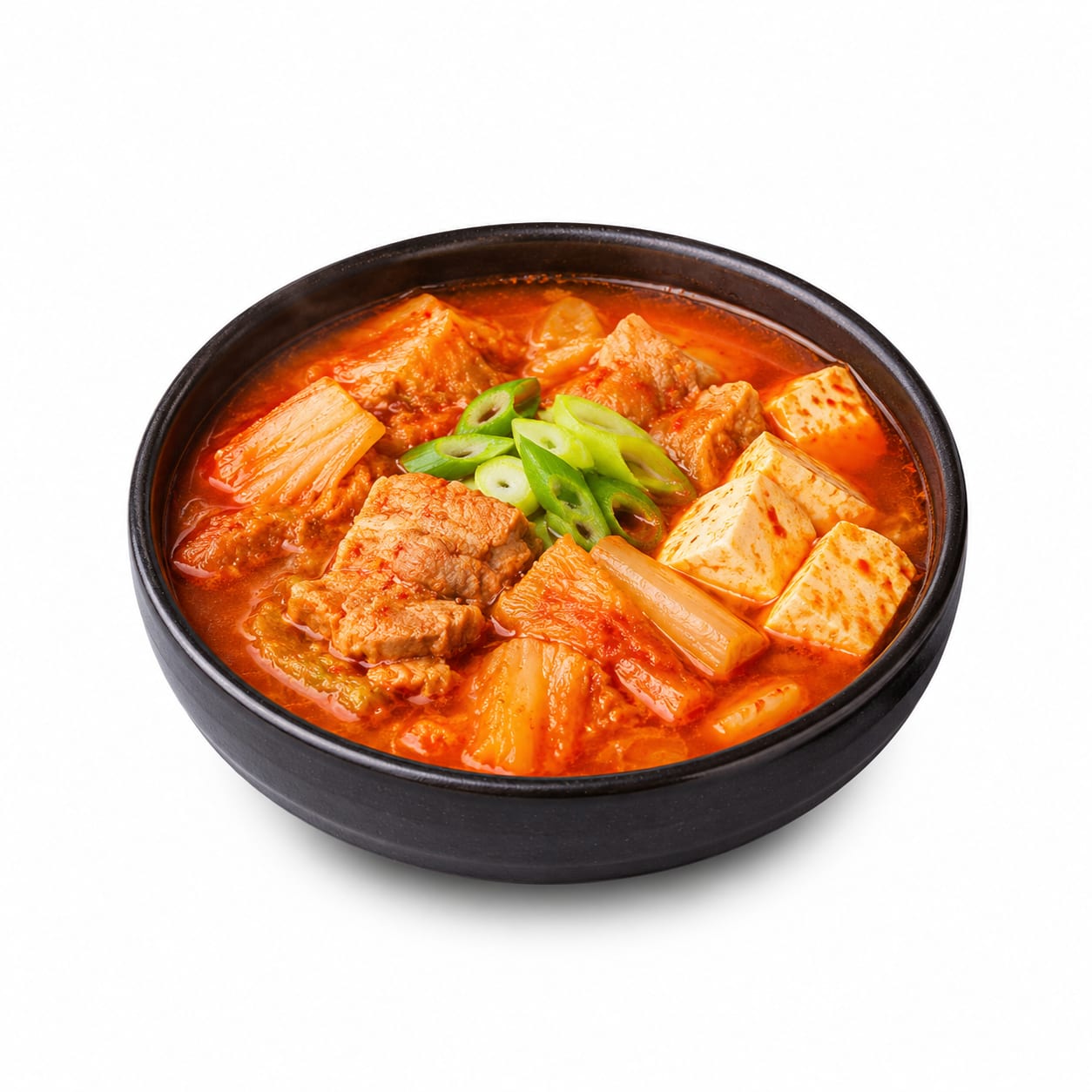
Kimchi Jjigae
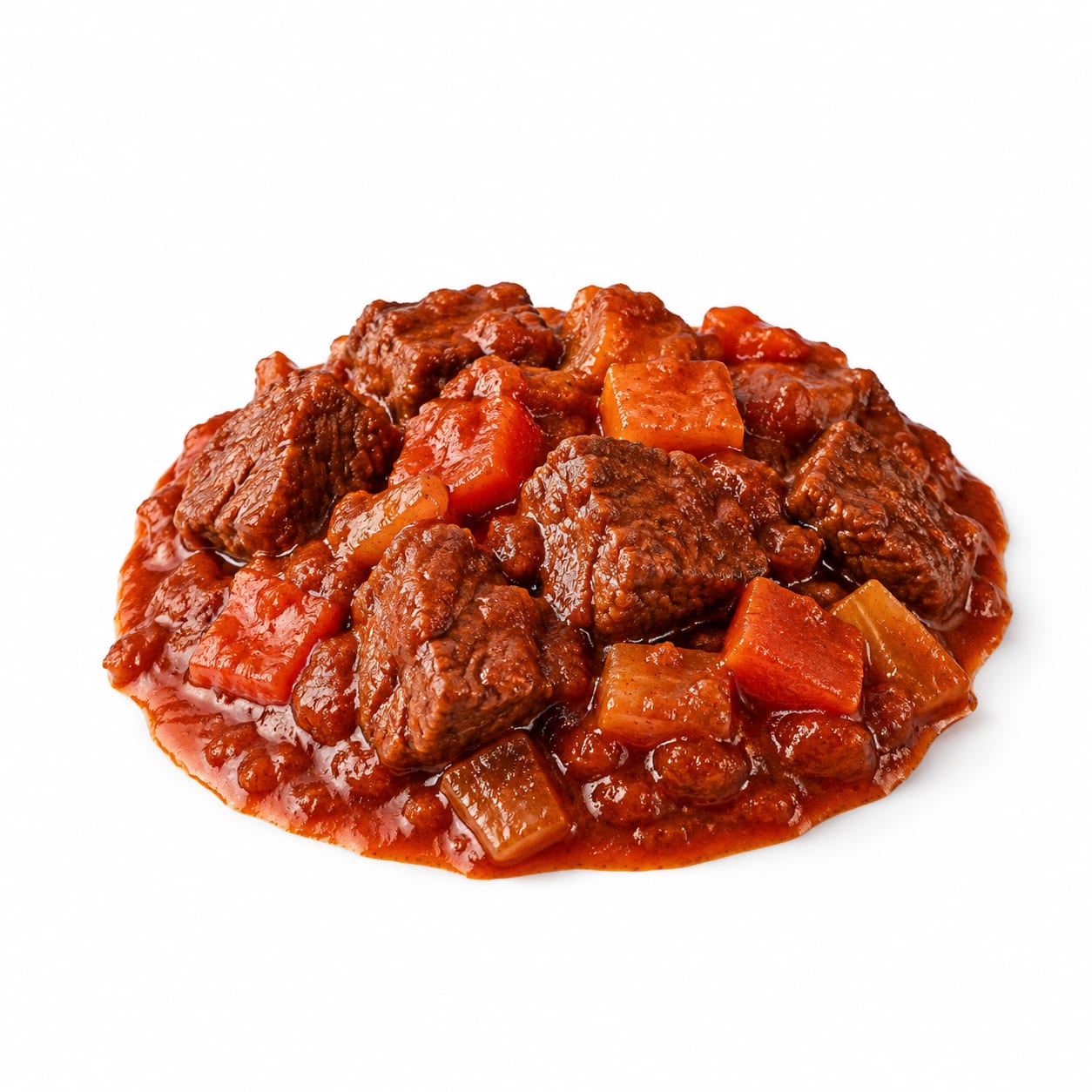
Goulash
Kimchi Jjigae wins for gut health and metabolic benefits, while Goulash delivers more reliable protein and is easier on sensitive stomachs. Your priority determines the winner.
Goulash edges ahead slightly due to better protein consistency, lower sodium, and broader digestive tolerance. Kimchi Jjigae's probiotic advantage is real but its extreme salt content and spice level make daily consumption risky for many people.
Probiotics and lower calories versus steadier protein and gentler digestion — you trade gut benefits for satiety reliability.
At a glance
Executive summary
Overall
It depends
Healthier
It depends
More practical
Goulash
Daily use
Goulash
Key comparison lenses
sodium and hydration impact
Kimchi Jjigae is extremely high in sodium from fermented kimchi, making salt load the single biggest health differentiator between these stews
gut health and probiotics
Fermented kimchi delivers live probiotics that goulash simply cannot match, creating a major functional nutrition gap
protein quality and satiety
Goulash typically provides more consistent high-quality protein from beef, while Kimchi Jjigae's protein varies wildly depending on preparation
comfort and digestive tolerance
Both are cold-weather comfort stews but differ sharply in spiciness and acidity, affecting who can eat them regularly
long term cardiovascular risk
Sodium load from Kimchi Jjigae and saturated fat from Goulash each carry different heart health tradeoffs over time
Best choice for
Kimchi Jjigae
- People wanting gut health and probiotic benefits
- Those watching calorie intake who still want bold flavor
- Anyone seeking metabolic and anti-inflammatory advantages from fermented foods
- Spice lovers who enjoy heat as part of their meal experience
Goulash
- Athletes and anyone needing consistent high-quality protein
- People with sensitive stomachs who cannot tolerate spice or high acidity
- Families wanting a mild, kid-friendly comfort meal
- Those concerned about daily sodium intake
Least suitable for
Kimchi Jjigae
- People on low-sodium diets for blood pressure management
- Anyone with GERD, acid reflux, or spice sensitivity
- Children unaccustomed to fermented or spicy flavors
Goulash
- Vegetarians and those avoiding red meat
- People limiting saturated fat for cholesterol management
- Anyone seeking probiotic or fermented food benefits
Deep comparison
Dimension by dimension
Each lens scores both foods and breaks down who each option suits.
- Dimension 1 · Priority 92Goulash
sodium_and_hydration
Kimchi Jjigae · 25Goulash · 60Kimchi Jjigae can pack 2000mg+ of sodium per bowl due to fermented kimchi, gochugaru, and fish sauce. Goulash is also salty but typically lands closer to 800-1200mg.
Tradeoff
You gain probiotics with Kimchi Jjigae but at a steep sodium cost that can spike blood pressure and cause bloating.
Why it matters
Consistently high sodium intake is one of the strongest drivers of hypertension and cardiovascular disease. Even one salty meal can leave you puffy and thirsty for hours.
Real-world impact
After Kimchi Jjigae you may notice finger swelling, intense thirst, and a bloated feeling. Goulash is less likely to cause that heavy salt hangover.
Kimchi Jjigae
- Replenishing salt after heavy sweating or intense exercise
Better for
- Anyone monitoring salt for heart or kidney health
- People prone to bloating or water retention
Worse for
Goulash
- Managing blood pressure long-term
- Avoiding post-meal bloating and water retention
- Staying within daily sodium targets without tracking obsessively
Better for
- Endurance athletes who actually need more sodium
Worse for
- Dimension 2 · Priority 88Kimchi Jjigae
gut_health_and_probiotics
Kimchi Jjigae · 88Goulash · 35Aged kimchi is a fermented food rich in Lactobacillus bacteria that support gut flora diversity. Goulash has no fermentation component and offers minimal direct gut benefits.
Tradeoff
Kimchi Jjigae delivers real probiotic value, but the high heat of cooking kills some live cultures. Still, metabolites from fermentation survive and benefit gut lining.
Why it matters
Gut microbiome diversity is linked to immunity, mood regulation, and metabolic health. Fermented foods are one of the most reliable ways to support it through diet.
Real-world impact
Regular Kimchi Jjigae eaters often report better digestion and less bloating over time. Goulash eaters get comfort but no meaningful probiotic payoff.
Kimchi Jjigae
- Building gut flora diversity over time
- Supporting immune function through the gut-brain axis
- People recovering from antibiotics or gut dysbiosis
Better for
- Those with histamine intolerance who react to fermented foods
Worse for
Goulash
- Situations where fermented food causes gas or discomfort
Better for
- Anyone specifically seeking probiotic benefits from meals
Worse for
- Dimension 3 · Priority 85Goulash
protein_quality_and_satiety
Kimchi Jjigae · 55Goulash · 82Goulash reliably delivers 30-40g of complete protein from beef per serving. Kimchi Jjigae ranges from 15g with tofu to 25g with pork belly, and the protein is less consistent.
Tradeoff
Goulash keeps you full longer with steadier amino acid release. Kimchi Jjigae fills you up with volume and spice but the satiety fades faster.
Why it matters
Protein is the most satiating macronutrient. Meals lacking adequate protein lead to earlier hunger and more snacking between meals.
Real-world impact
After Goulash you are likely satisfied for 4-5 hours. After Kimchi Jjigae you may feel full initially but get hungry again within 2-3 hours, especially if made with tofu.
Kimchi Jjigae
- Lighter eating days when you want flavor without heaviness
Better for
- Athletes and strength trainers needing reliable protein
- People who struggle with between-meal snacking
Worse for
Goulash
- Post-workout recovery meals
- Busy days when you need one meal to carry you for hours
- Anyone trying to hit higher protein targets
Better for
- Those trying to reduce red meat consumption
Worse for
- Dimension 4 · Priority 78Kimchi Jjigae
anti_inflammatory_and_metabolic_benefits
Kimchi Jjigae · 78Goulash · 50Kimchi contains capsaicin, allicin from garlic, and fermented metabolites that actively reduce inflammation and boost metabolism. Goulash's paprika offers antioxidants but at lower functional impact.
Tradeoff
Kimchi Jjigae's anti-inflammatory compounds are potent but come alongside pro-inflammatory sodium. Goulash is more neutral — less benefit but less metabolic stress too.
Why it matters
Chronic inflammation drives aging, joint pain, and disease risk. Foods that actively fight inflammation can compound benefits over years of regular consumption.
Real-world impact
Regular Kimchi Jjigae consumption is associated with better metabolic markers in Korean population studies. Goulash does not carry similar evidence of metabolic benefits.
Kimchi Jjigae
- People with inflammatory conditions seeking dietary support
- Those wanting a mild metabolism boost from capsaicin
Better for
- People with active GI inflammation who cannot tolerate spice
Worse for
Goulash
- Anyone whose inflammation is triggered by spicy or acidic foods
Better for
- Those specifically seeking anti-inflammatory dietary patterns
Worse for
- Dimension 5 · Priority 80Goulash
digestive_tolerance_and_comfort
Kimchi Jjigae · 40Goulash · 75Kimchi Jjigae is spicy, acidic, and fermented — a triple threat for sensitive stomachs. Goulash is mild, savory, and generally well-tolerated by most digestive systems.
Tradeoff
You give up the bold fermented flavor profile of Kimchi Jjigae but gain a meal that almost never causes heartburn or stomach upset.
Why it matters
Digestive comfort determines whether you can actually eat a food regularly. The healthiest meal in the world is useless if it causes you pain.
Real-world impact
Kimchi Jjigae can trigger heartburn, acid reflux, or stomach irritation in sensitive people. Goulash is one of the gentlest protein-rich meals you can eat.
Kimchi Jjigae
- Those with robust digestion who enjoy intense flavors
Better for
- Anyone prone to heartburn or acid reflux
- People with IBS triggered by spicy or fermented foods
Worse for
Goulash
- People with GERD, IBS, or acid reflux
- Anyone who needs a comforting meal before bed
- Recovery days when your stomach needs gentleness
Better for
- Those who find mild food unsatisfying and end up overeating
Worse for
- Dimension 6 · Priority 75Kimchi Jjigae
calorie_density_and_weight_management
Kimchi Jjigae · 72Goulash · 55Kimchi Jjigae with tofu runs 250-350 calories per bowl. Goulash with beef typically hits 400-550 calories. Lower calorie density makes Kimchi Jjigae more weight-loss friendly.
Tradeoff
Fewer calories means less satiety. You may eat less per sitting but feel hungrier sooner with Kimchi Jjigae.
Why it matters
Calorie density determines how much you can eat while staying within your budget. Lower density foods let you eat satisfying portions without overconsuming.
Real-world impact
You can have a full bowl of tofu Kimchi Jjigae and still have room in your calorie budget. A bowl of Goulash might use half your daily allowance if you are not careful.
Kimchi Jjigae
- Active weight loss phases
- Days when you want a big satisfying portion without guilt
Better for
- Those who need calorie-dense meals to maintain weight
Worse for
Goulash
- Bulk-up phases where calorie surplus is the goal
- Cold days when you need dense warming calories
Better for
- Anyone strictly tracking calories for weight loss
Worse for
Timeline
Health impact over time
Short-term
Hours to days
Kimchi Jjigae
- Immediate satiety from hot liquid and spice, but hunger returns within 2-3 hours
- Thirst and possible bloating from high sodium within 1-2 hours
- Mild metabolic boost from capsaicin that may last a few hours
- Possible heartburn or stomach warmth in sensitive individuals
Goulash
- Strong sustained fullness lasting 4-5 hours from protein and fat
- Steady energy without blood sugar spikes or crashes
- Comforting warmth without digestive irritation
- Mild drowsiness possible due to protein-heavy content
Long-term
Months to years
Kimchi Jjigae
- Improved gut microbiome diversity from regular fermented food intake
- Potential blood pressure concerns if eaten daily without sodium adjustment
- Better metabolic markers associated with fermented food consumption patterns
- Possible iron deficiency risk if relying on tofu versions without supplementation
Goulash
- Reliable protein intake supporting muscle maintenance and satiety
- Higher saturated fat intake that may affect cholesterol over time with frequent consumption
- Consistent iron and B12 status from regular red meat consumption
- Potential cardiovascular risk if beef-heavy versions are eaten too frequently
Risk profile
Safety & processing
Both are traditional home-cooked stews, but Kimchi Jjigae often uses commercially produced kimchi containing fish sauce, shrimp paste, and sometimes preservatives. Goulash uses simpler whole ingredients but may contain paprika with added anti-caking agents in packaged versions.
Kimchi Jjigae
Histamine reaction from fermented kimchi
mediumAged kimchi contains high histamine levels that can trigger headaches, flushing, or digestive upset in sensitive individuals.
Sodium-related health deterioration
highRegular consumption without dietary adjustment can contribute to hypertension and kidney strain over months and years.
Spice-induced GI irritation
mediumCapsaicin and acidity can aggravate ulcers, GERD, and sensitive stomachs, especially when eaten frequently.
Goulash
Saturated fat and cholesterol impact
mediumRegular beef consumption raises LDL cholesterol in susceptible individuals, though moderate intake is fine for most people.
Heme iron overload with frequent consumption
lowExcessive heme iron from daily red meat can promote oxidative stress, though this requires very frequent intake over years.
Sodium from broth and seasoning
lowGoulash contains moderate sodium but far less than Kimchi Jjigae, making this a comparatively minor concern.
Who wins for whom
Audience fit
Same foods, different winners depending on your goal.
children
GoulashGoulash is milder, easier to chew, and more palatable for kids. Kimchi Jjigae's spice and fermented tang are challenging for most children's taste preferences and sensitive digestive systems.
daily consumption
GoulashGoulash is gentler on the digestive system, lower in sodium, and provides more consistent nutrition. Kimchi Jjigae is better enjoyed a few times per week rather than daily due to salt load.
diabetes
It dependsKimchi Jjigae has a lower glycemic impact and fermented foods may improve insulin sensitivity, but the high sodium worsens cardiovascular risk that diabetics already face. Goulash provides steadier blood sugar from protein and fat but carries saturated fat concerns. Choose based on your primary risk factor.
elderly
GoulashOlder adults need reliable protein to prevent sarcopenia and often have reduced spice tolerance. Goulash delivers both. Kimchi Jjigae's sodium is also concerning for age-related blood pressure issues.
muscle gain
GoulashGoulash provides more complete protein with higher leucine content from beef, which is the primary driver of muscle protein synthesis.
weight loss
Kimchi JjigaeLower calorie density and metabolism-boosting capsaicin give Kimchi Jjigae an edge for weight loss, provided you manage the sodium and do not overeat from early hunger return.
Your move
Decision guide
Choose Kimchi Jjigae
- You want gut health benefits and probiotic intake from real food
- You are tracking calories but refuse to eat bland meals
- Your digestion is robust and you enjoy bold spicy flavors
- You are physically active and can handle the sodium through sweat
Choose Goulash
- You need reliable protein to stay full and fuel your day
- You have any digestive sensitivity to spice or acid
- You are cooking for a family including children or elderly
- You are concerned about daily sodium intake and blood pressure
Either works if
- You want a warming comfort stew on a cold day
- You are eating a balanced diet and neither stew will be your only meal
- You enjoy both cuisines and want variety throughout the week
Avoid both if
- You are on a strict low-sodium diet, as both stews are saltier than ideal
- You have severe GERD and cannot tolerate any acidic or rich foods
- You are following a plant-based diet, as both traditionally contain meat
Final recommendation
Eat Kimchi Jjigae 2-3 times per week for gut health and metabolic benefits, and Goulash on days you need sustained protein energy and digestive comfort. Alternating gives you probiotic advantages without overloading sodium, while maintaining reliable protein intake. If you must pick only one for daily use, Goulash is the safer long-term choice.
Practical
Consumer tips
- 1
Make Kimchi Jjigae with well-rinsed kimchi to reduce sodium by up to 30% without losing much flavor
- 2
Use leaner cuts like pork loin or add extra tofu to Kimchi Jjigae for better protein without excess fat
- 3
Choose lean beef chuck for Goulash and trim visible fat to reduce saturated fat by roughly 40%
- 4
Add extra root vegetables to Goulash for more fiber and micronutrients without changing the flavor profile
- 5
Drink extra water after Kimchi Jjigae to help flush sodium and reduce bloating
- 6
If making Kimchi Jjigae at home, use low-sodium gochugaru and reduce fish sauce to control salt
- 7
Pair either stew with a simple side salad to add fiber and micronutrients that the stews lack