
Nutrition comparison
Kimchi Jjigae vs Sundubu-jjigae: Which Korean Stew Is Healthier?
Compare Kimchi Jjigae and Sundubu-jjigae nutrition, sodium, protein, and gut health benefits. Find out which Korean stew is better for your health goals.
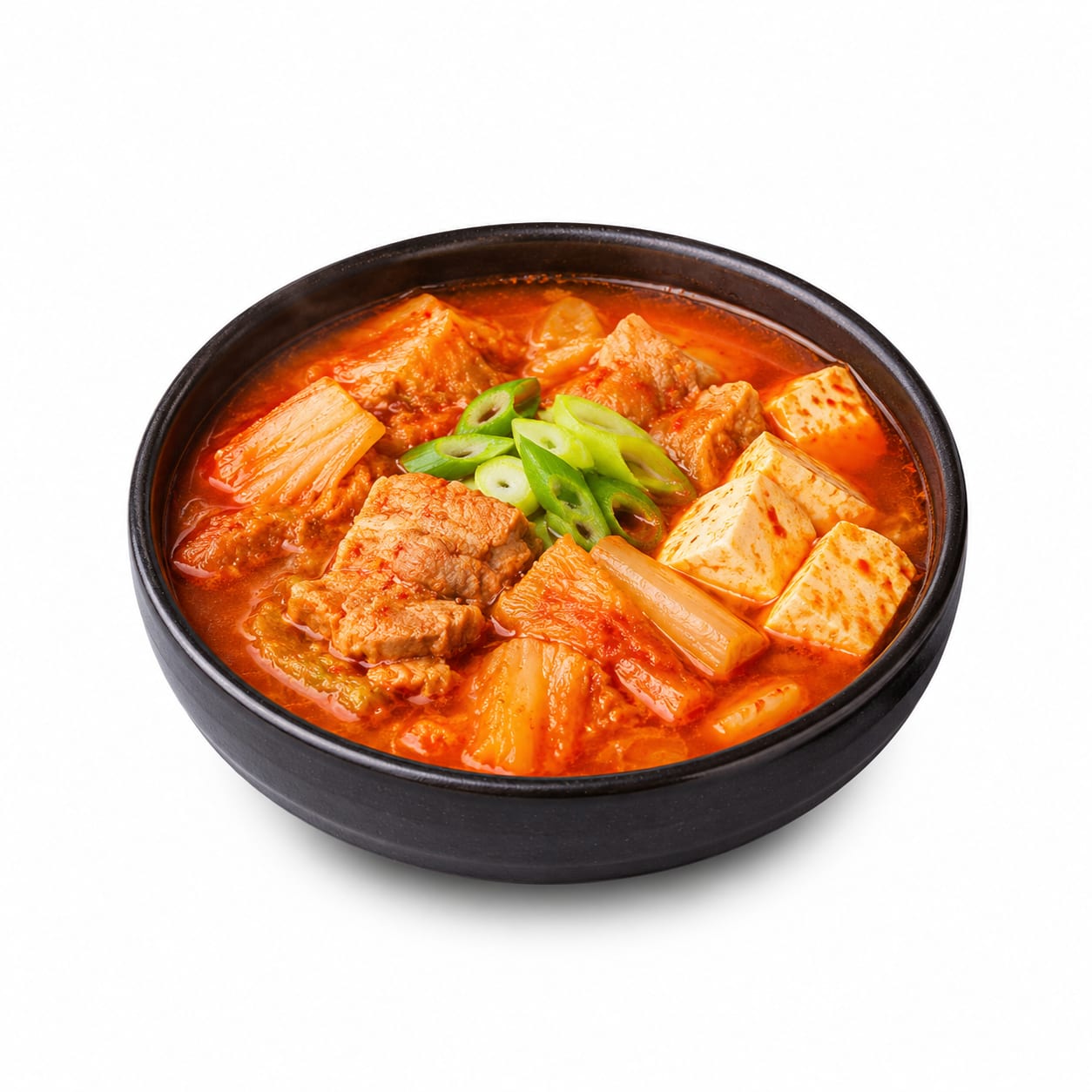
Kimchi Jjigae
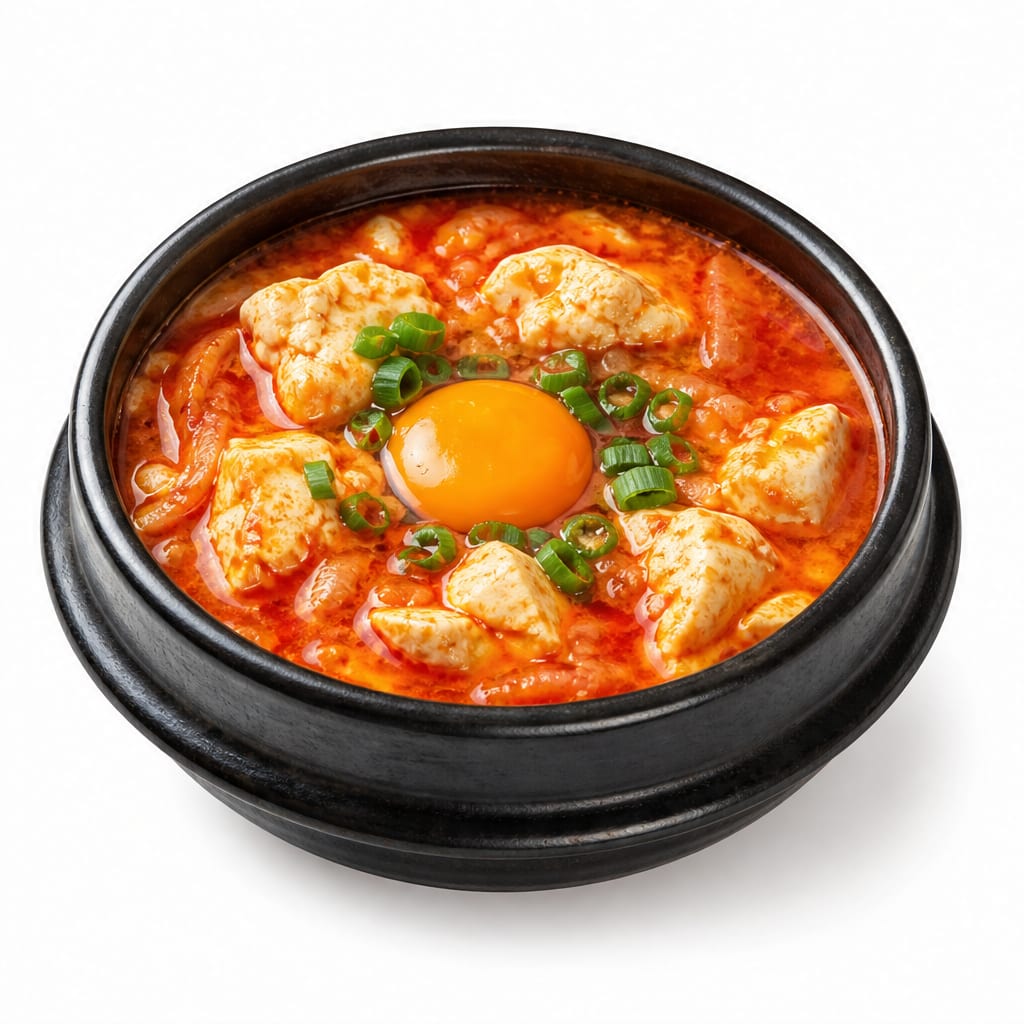
Sundubu-jjigae
Sundubu-jjigae is the cleaner, lighter daily choice with more protein and less sodium. Kimchi Jjigae is the gut-health powerhouse with probiotics and bolder flavor, but carries a heavier sodium load.
Sundubu-jjigae scores higher due to better protein content, lower sodium, and easier digestibility. Kimchi Jjigae's probiotic advantage is significant but offset by its harsher digestive profile and higher salt load for daily eating.
Probiotics and fermented benefits of Kimchi Jjigae versus the easier digestion and higher protein of Sundubu-jjigae.
At a glance
Executive summary
Overall
It depends
Healthier
Sundubu-jjigae
More practical
Sundubu-jjigae
Daily use
Sundubu-jjigae
Key comparison lenses
gut health and probiotics
Kimchi Jjigae's fermented kimchi provides live probiotics that Sundubu-jjigae cannot match
protein and satiety
Sundubu-jjigae's soft tofu delivers significantly more plant protein per serving
sodium and heart health
Both stews are sodium-heavy Korean dishes, but aged kimchi pushes Kimchi Jjigae higher
digestive comfort
Sundubu-jjigae's silken texture is gentler on upset stomachs; Kimchi Jjigae's acidity and spice can irritate
weight management
Lower calorie density and higher protein make Sundubu-jjigae more diet-friendly
Best choice for
Kimchi Jjigae
- People seeking gut health and probiotic benefits
- Those wanting bold, complex fermented flavors
- Anyone eating kimchi for its immune-boosting properties
- Those who tolerate spice and acidity well
Sundubu-jjigae
- People watching sodium intake
- Those needing gentle, easy-to-digest meals
- Anyone prioritizing plant-based protein
- People looking for a lighter comfort food
Least suitable for
Kimchi Jjigae
- People with hypertension or sodium sensitivity
- Those with acid reflux or GERD
- Anyone with sensitive stomachs during illness
- People trying to reduce fermented food intake
Sundubu-jjigae
- Those seeking probiotic benefits from food
- People wanting intense, robust flavors
- Anyone avoiding soy products
- Those looking for high fiber content
Deep comparison
Dimension by dimension
Each lens scores both foods and breaks down who each option suits.
- Dimension 1 · Priority 92Kimchi Jjigae
Probiotic and Gut Health Benefits
Kimchi Jjigae · 90Sundubu-jjigae · 25Kimchi Jjigae is a fermented food champion. The aged kimchi delivers live cultures that support gut microbiome diversity and immune function.
Tradeoff
You gain probiotics with Kimchi Jjigae but lose the gentle digestibility that Sundubu-jjigae offers.
Why it matters
A healthy gut microbiome affects everything from immunity to mood. Fermented foods are one of the most effective ways to support it naturally.
Real-world impact
Regular Kimchi Jjigae consumption can improve digestion and reduce bloating over time, while Sundubu-jjigae provides comfort without the probiotic boost.
Kimchi Jjigae
- Gut microbiome diversity
- Immune resilience
- Bowel regularity
Better for
- Irritating an already inflamed gut
- Triggering acid reflux episodes
Worse for
Sundubu-jjigae
- Immediate digestive comfort
- Soothing an upset stomach
- Eating during illness recovery
Better for
- Building long-term gut flora diversity
- Getting fermented food benefits
Worse for
- Dimension 2 · Priority 88Sundubu-jjigae
Protein Content and Quality
Kimchi Jjigae · 55Sundubu-jjigae · 85Sundubu-jjigae's soft tofu delivers a substantial protein punch with all essential amino acids, while Kimchi Jjigae relies more on pork additions for protein.
Tradeoff
Sundubu-jjigae offers consistent plant protein in every bite. Kimchi Jjigae's protein depends heavily on how much pork or tuna is added.
Why it matters
Protein keeps you full longer and supports muscle maintenance. Consistent protein intake matters more than most people realize.
Real-world impact
A bowl of Sundubu-jjigae after a workout feels more satisfying and recovery-supportive. Kimchi Jjigae leaves you hunting for a protein snack sooner.
Kimchi Jjigae
- Complete protein when made with pork
- Higher fat content for satiety
Better for
- Protein content varies wildly by recipe
- Less protein-dense per calorie
Worse for
Sundubu-jjigae
- Reliable plant-based complete protein
- Lower calorie protein source
- Consistent protein regardless of recipe variation
Better for
- Lacks the fat-based satiety of pork versions
Worse for
- Dimension 3 · Priority 85Sundubu-jjigae
Sodium Load and Heart Health
Kimchi Jjigae · 35Sundubu-jjigae · 50Both stews are salty Korean comfort food, but aged kimchi acts as a sodium bomb that pushes Kimchi Jjigae significantly higher in salt.
Tradeoff
Kimchi Jjigae's depth of flavor comes at a sodium cost. Sundubu-jjigae is still salty but more manageable for daily consumption.
Why it matters
Consistent high sodium intake raises blood pressure over time. Even small daily reductions matter for long-term cardiovascular health.
Real-world impact
Eating Kimchi Jjigae daily could push sodium intake past recommended limits easily. Sundubu-jjigae is still a treat but less likely to tip the scale.
Kimchi Jjigae
- More satisfying flavor intensity per bite
Better for
- Blood pressure spikes after meals
- Water retention and bloating
- Harder to stay within daily sodium limits
Worse for
Sundubu-jjigae
- Lower blood pressure risk
- More room in daily sodium budget
- Better for hypertension management
Better for
- Still too salty for strict low-sodium diets
Worse for
- Dimension 4 · Priority 80Sundubu-jjigae
Digestive Comfort and Tolerance
Kimchi Jjigae · 40Sundubu-jjigae · 88Sundubu-jjigae's silken tofu is one of the gentlest proteins available. Kimchi Jjigae's acidity, spice, and fermented roughage can aggravate sensitive stomachs.
Tradeoff
Kimchi Jjigae strengthens gut health over time but can be brutal during flare-ups. Sundubu-jjigae is the safe harbor when your stomach is unhappy.
Why it matters
Many people alternate between needing gut-healing foods and needing gut-soothing foods. Picking the wrong one at the wrong time prolongs discomfort.
Real-world impact
After a night of drinking or a stomach bug, Sundubu-jjigae feels like a warm hug. Kimchi Jjigae might make you regret the choice.
Kimchi Jjigae
- Long-term gut resilience
- Training digestive tolerance
Better for
- Triggering heartburn and reflux
- Irritating gastritis
- Causing discomfort during stomach flu
Worse for
Sundubu-jjigae
- Post-illness recovery meals
- Acid reflux friendly option
- Gentle on inflamed digestive tracts
Better for
- Not building digestive resilience over time
Worse for
- Dimension 5 · Priority 75Sundubu-jjigae
Calorie Density and Weight Management
Kimchi Jjigae · 50Sundubu-jjigae · 78Sundubu-jjigae is naturally lower in calories while being protein-rich and filling. Kimchi Jjigae often includes fattier pork cuts that increase calorie density.
Tradeoff
Kimchi Jjigae satisfies more intensely per bite but costs more calories. Sundubu-jjigae fills you up with fewer calories and more protein.
Why it matters
For sustainable weight management, foods that provide high satiety per calorie are invaluable. Small daily differences compound over months.
Real-world impact
Choosing Sundubu-jjigae for lunch keeps you full until dinner without the calorie guilt. Kimchi Jjigae might leave you satisfied but heavier over time.
Kimchi Jjigae
- Higher fat provides longer satiety for some
- More satisfying during cold weather
Better for
- Calories add up quickly with pork belly versions
- Easy to overeat due to intense flavor
Worse for
Sundubu-jjigae
- Lower calorie per serving
- Higher protein-to-calorie ratio
- Easier to fit into calorie-controlled diets
Better for
- May feel less indulgent and satisfying
Worse for
- Dimension 6 · Priority 65Sundubu-jjigae
Calcium and Bone Support
Kimchi Jjigae · 35Sundubu-jjigae · 82Soft tofu is an excellent calcium source, especially when made with calcium sulfate. Kimchi Jjigae provides minimal calcium unless fortified tofu is added.
Tradeoff
Sundubu-jjigae delivers bone-supporting minerals naturally. Kimchi Jjigae requires side dishes to fill the calcium gap.
Why it matters
Most people under-consume calcium. Getting it from food rather than supplements is more effective and better absorbed.
Real-world impact
Regular Sundubu-jjigae consumption quietly supports bone density. Kimchi Jjigae eaters should pair it with calcium-rich banchan.
Kimchi Jjigae
- Kimchi contains some vitamin K2 for calcium utilization
Better for
- Negligible calcium content
- High sodium may increase calcium excretion
Worse for
Sundubu-jjigae
- Direct calcium from tofu
- Supports bone density long-term
- Helps meet daily calcium needs easily
Better for
- Calcium absorption varies by individual
Worse for
Timeline
Health impact over time
Short-term
Hours to days
Kimchi Jjigae
- Immediate sodium-related thirst and potential bloating
- Spice-induced sweating and temporary metabolism boost
- Possible heartburn in sensitive individuals
- Quick satiety from rich umami flavors
Sundubu-jjigae
- Gentle fullness without heaviness
- Quick protein satisfaction without digestive strain
- Milder thirst response due to lower sodium
- Warming comfort without stomach irritation
Long-term
Months to years
Kimchi Jjigae
- Improved gut microbiome diversity from fermented kimchi
- Potential blood pressure concerns from consistent high sodium
- Better immune function from probiotic intake
- Possible increased tolerance for fermented and spicy foods
Sundubu-jjigae
- Better bone density from regular calcium intake
- Sustained muscle maintenance from consistent protein
- Lower cardiovascular risk compared to higher-sodium alternatives
- Gentle digestive support without irritation
Risk profile
Safety & processing
Both stews are traditionally made with whole food ingredients. The processing in Kimchi Jjigae comes from fermentation (a natural process), while Sundubu-jjigae's tofu is minimally processed. Neither contains concerning artificial additives when made traditionally.
Kimchi Jjigae
High sodium exposure
mediumAged kimchi and soup base can deliver 1500-2500mg sodium per bowl, nearing or exceeding daily limits in a single meal.
Histamine intolerance reaction
lowFermented kimchi contains high histamine levels that can trigger headaches or flushing in sensitive individuals.
Spice-induced gastrointestinal irritation
lowCapsaicin from gochugaru can aggravate ulcers, reflux, or irritable bowel syndrome in susceptible people.
Sundubu-jjigae
Soy allergy or sensitivity
mediumSoft tofu is pure soy, making this stew unsuitable for anyone with soy allergies or intolerances.
Sodium from soup base
mediumThough lower than Kimchi Jjigae, Sundubu-jjigae still contains significant sodium from anchovy-kelp broth and seasonings.
Raw egg safety
lowThe cracked egg added at the table is only partially cooked, posing a slight risk for those with compromised immunity.
Who wins for whom
Audience fit
Same foods, different winners depending on your goal.
children
Sundubu-jjigaeSoft texture and milder flavor profile make Sundubu-jjigae more kid-friendly. Kimchi Jjigae's intense sourness and spice often overwhelm young palates.
daily consumption
Sundubu-jjigaeLower sodium, easier digestion, and consistent nutrition make Sundubu-jjigae the safer everyday choice. Kimchi Jjigae is better enjoyed a few times per week.
diabetes
Sundubu-jjigaeLower carbohydrate impact and steadier protein content help with blood sugar management. Kimchi Jjigae's fermented sugars can cause unpredictable glucose responses.
elderly
Sundubu-jjigaeEasy-to-chew texture, gentle digestion, and bone-supporting calcium make Sundubu-jjigae ideal for older adults. Kimchi Jjigae's sodium is particularly risky for this group.
muscle gain
Sundubu-jjigaeConsistent high-quality protein from tofu supports muscle repair better than the variable protein in Kimchi Jjigae.
weight loss
Sundubu-jjigaeLower calorie density and higher protein make Sundubu-jjigae more supportive of calorie-controlled eating while keeping you full.
Your move
Decision guide
Choose Kimchi Jjigae
- You want to boost your gut health with fermented food benefits
- You are healthy, have normal blood pressure, and crave bold flavors
- You are eating kimchi as part of a traditional Korean diet with balanced banchan
- You need intense flavor satisfaction and nothing else will hit the spot
Choose Sundubu-jjigae
- You are watching your sodium or blood pressure
- Your stomach is sensitive or you are recovering from illness
- You want a protein-rich, lighter meal that still feels comforting
- You are eating Korean stew multiple times per week and need the gentler option
Either works if
- You want a warming Korean comfort meal and have no specific health concerns
- You are eating it occasionally as part of a varied diet
- You pair it with rice and vegetables regardless of which stew you pick
Avoid both if
- You are on a strict low-sodium diet prescribed by a doctor
- You have severe spice intolerance or gastrointestinal conditions triggered by capsaicin
- You are avoiding all fermented foods and soy products simultaneously
Final recommendation
Make Sundubu-jjigae your default Korean stew for daily eating. Its gentler sodium load, higher protein, and easier digestion make it the smarter regular choice. Save Kimchi Jjigae for two to three times a week when you want the probiotic boost and that unmistakable fermented depth. Alternating between both gives you the best of both worlds: gut health from fermentation and clean protein from tofu.
Practical
Consumer tips
- 1
Ask for less salt or diluted broth when ordering either stew at restaurants
- 2
Pair Kimchi Jjigae with extra tofu to add protein and buffer the sodium
- 3
Choose Sundubu-jjigae with seafood instead of pork for even fewer calories
- 4
Drink extra water after either stew to help flush excess sodium
- 5
Make both at home where you can control the salt and spice levels precisely
- 6
Add the egg in Sundubu-jjigae for an extra protein and nutrient boost
- 7
If eating Kimchi Jjigae, balance your other meals that day with low-sodium options
- 8
Use fresher kimchi for a milder, less sodium-concentrated version of Kimchi Jjigae