
Nutrition comparison
Kimchi Jjigae vs Doenjang-jjigae: Which Korean Stew Is Healthier?
Compare Kimchi Jjigae and Doenjang-jjigae nutrition, protein, sodium, probiotics, and health benefits. Find out which Korean stew fits your diet better.
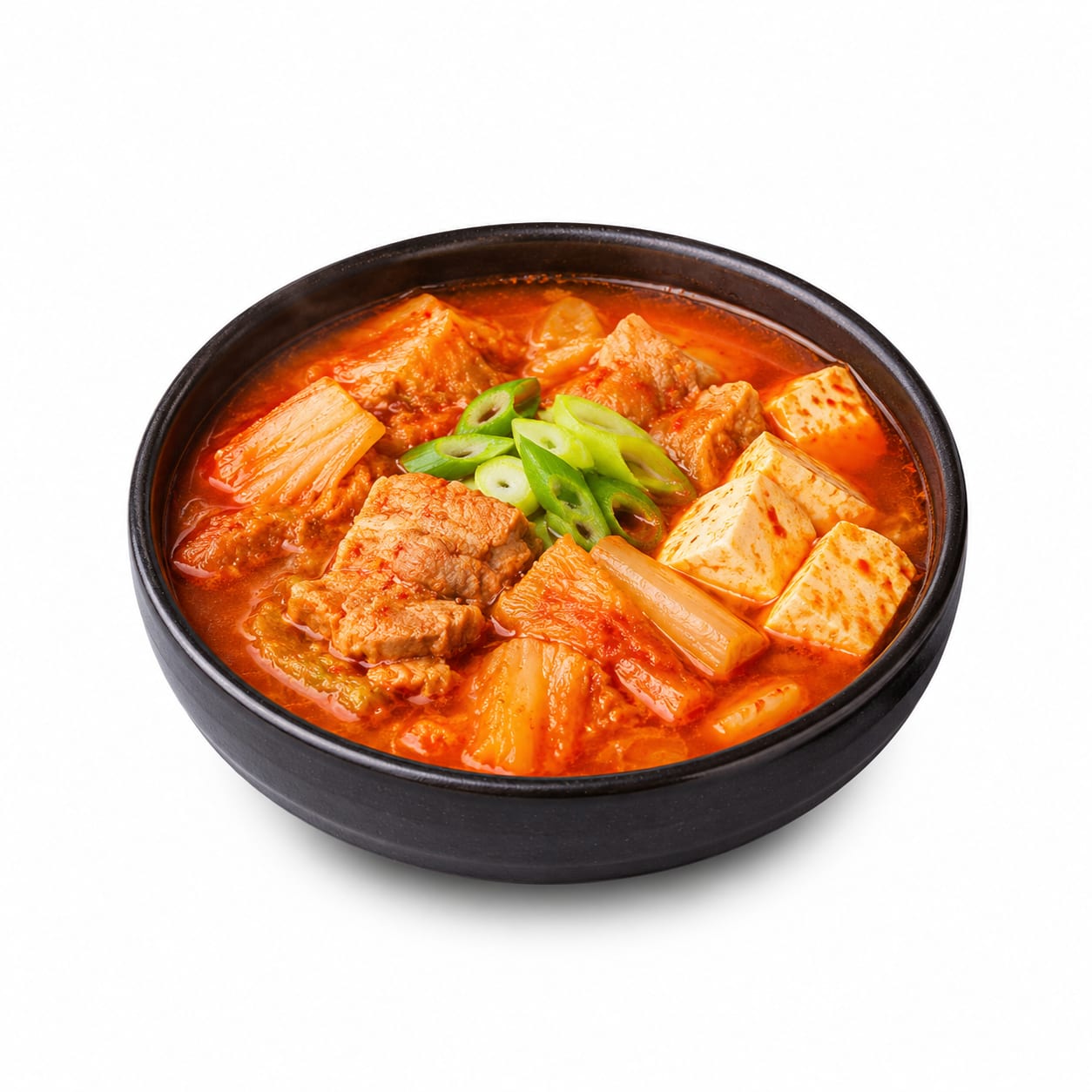
Kimchi Jjigae
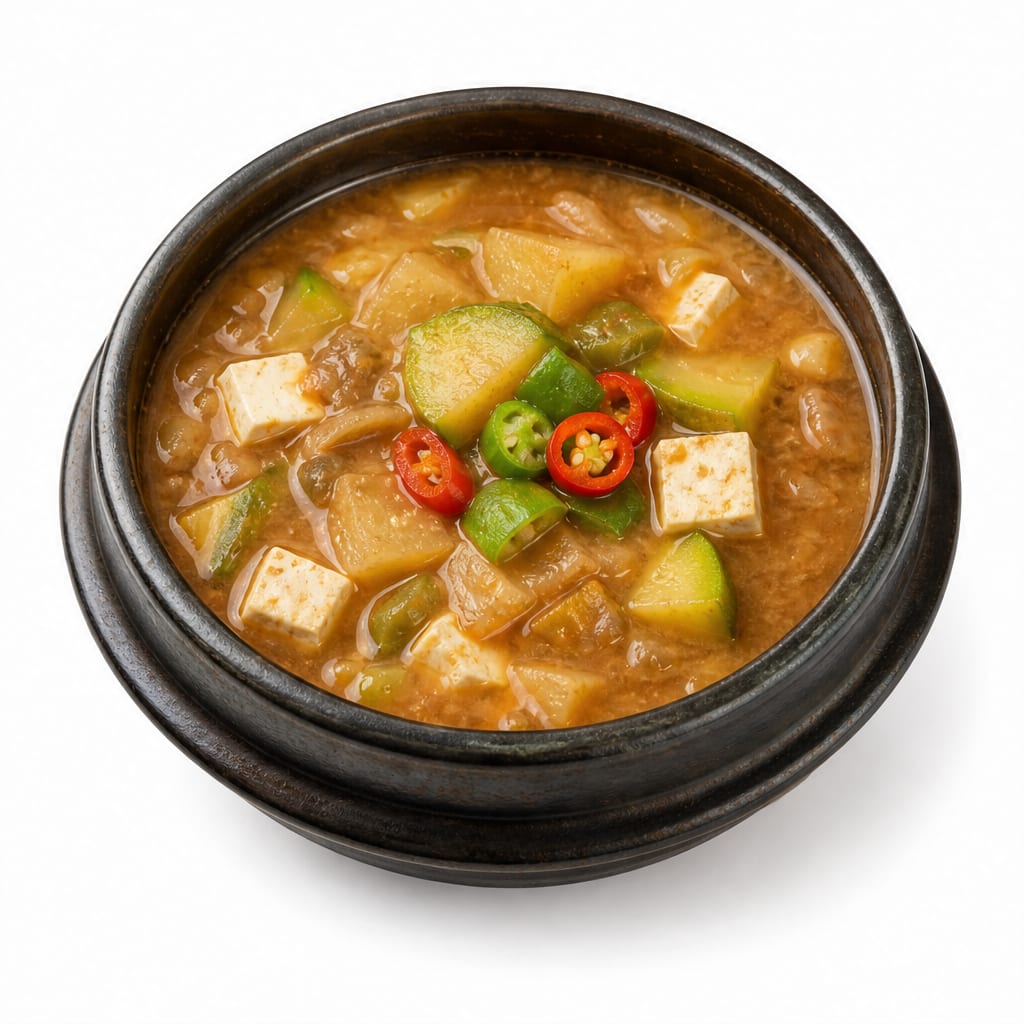
Doenjang-jjigae
Doenjang-jjigae edges ahead for protein and anti-inflammatory isoflavones, while Kimchi Jjigae offers more probiotic diversity and metabolism-boosting spice. Both are sodium-heavy.
Doenjang-jjigae scores higher due to superior protein quality, isoflavone benefits, and easier daily tolerance. Kimchi Jjigae loses points for higher spice-related digestive irritation risk and typically fattier protein sources like pork belly.
Plant protein and isoflavones versus probiotic variety and thermogenic spice. Sodium is the shared compromise.
At a glance
Executive summary
Overall
It depends
Healthier
Doenjang-jjigae
More practical
It depends
Daily use
Doenjang-jjigae
Key comparison lenses
gut health and fermentation benefits
Both stews rely on fermented ingredients but offer different probiotic profiles and functional compounds
sodium load and hypertension risk
Korean stews are notoriously high in sodium, a critical daily health concern for regular consumers
protein quality and satiety
Doenjang-jjigae typically delivers more plant protein via tofu and soybean paste, while Kimchi Jjigae often relies on pork belly
anti inflammatory and chronic disease prevention
Doenjang's isoflavones and Kimchi's capsaicin each offer distinct protective pathways worth comparing
everyday meal sustainability
Both are Korean comfort food staples, so long-term daily consumption effects matter deeply
Best choice for
Kimchi Jjigae
- People wanting metabolic stimulation and appetite control
- Those who enjoy spicy, bold flavors that reduce overeating
- Anyone seeking diverse probiotic strains from aged kimchi
Doenjang-jjigae
- People prioritizing plant-based protein intake
- Those concerned about long-term inflammation and hormonal balance
- Anyone wanting a gentler, less spicy stew for daily eating
Least suitable for
Kimchi Jjigae
- People with acid reflux or GERD triggered by spice
- Those on strict low-sodium diets
- Anyone sensitive to fermented foods causing bloating
Doenjang-jjigae
- People with soy allergies or sensitivities
- Those avoiding goitrogenic foods due to thyroid conditions
- Anyone on a very low-sodium medical protocol
Deep comparison
Dimension by dimension
Each lens scores both foods and breaks down who each option suits.
- Dimension 1 · Priority 90Doenjang-jjigae
protein_quality_and_satiety
Kimchi Jjigae · 55Doenjang-jjigae · 82Doenjang-jjigae delivers more consistent, lean protein through tofu and soybean paste. Kimchi Jjigae often relies on pork belly, which adds saturated fat.
Tradeoff
Kimchi Jjigae's pork belly provides complete protein with all amino acids but comes with more saturated fat. Doenjang-jjigae's soy protein is leaner but slightly less bioavailable.
Why it matters
Higher protein with less saturated fat means steadier fullness without the heavy, sluggish feeling that fatty pork can cause.
Real-world impact
After Doenjang-jjigae, you are less likely to feel a food coma. After Kimchi Jjigae with pork belly, the richness can feel satisfying but heavy.
Kimchi Jjigae
- Post-workout meals needing complete amino acid profiles
- Cold days when rich, fatty warmth feels restorative
Better for
- Regular lunch when you need afternoon focus
- Anyone monitoring saturated fat intake
Worse for
Doenjang-jjigae
- Weight management through leaner protein
- Sustained energy without post-meal drowsiness
Better for
- Those needing calorie-dense recovery after intense training
- People who find plant protein less satisfying
Worse for
- Dimension 2 · Priority 92Kimchi Jjigae
gut_health_and_probiotics
Kimchi Jjigae · 85Doenjang-jjigae · 75Well-fermented kimchi introduces a wider range of lactic acid bacteria strains. Doenjang provides beneficial Bacillus species but less overall probiotic diversity.
Tradeoff
Kimchi's diverse probiotics come with more acidity and spice that can irritate sensitive stomachs. Doenjang's fermentation benefits are gentler but narrower in bacterial spectrum.
Why it matters
Probiotic diversity supports more robust gut flora, but only if your digestive lining can tolerate the delivery vehicle.
Real-world impact
Regular Kimchi Jjigae eaters often report better digestion and regularity, but those with IBS may find it aggravating. Doenjang-jjigae is usually the safer bet for sensitive stomachs.
Kimchi Jjigae
- Building diverse gut microbiome over time
- People with robust digestion seeking probiotic variety
Better for
- Active IBS flares or gastritis episodes
- People just starting to eat fermented foods
Worse for
Doenjang-jjigae
- Those with mild digestive sensitivity who still want fermentation benefits
- People introducing fermented foods gradually
Better for
- Maximizing probiotic strain diversity for gut rehabilitation
Worse for
- Dimension 3 · Priority 88It depends
sodium_load
Kimchi Jjigae · 35Doenjang-jjigae · 38Both stews are sodium-heavy. Kimchi contributes salt from brining, while doenjang paste is inherently concentrated in sodium.
Tradeoff
Neither is a low-sodium winner. Doenjang-jjigae can be slightly easier to moderate since you control paste quantity. Kimchi's salt is locked in before cooking.
Why it matters
For anyone with hypertension or kidney concerns, both require careful portion management or recipe modification.
Real-world impact
Eating either stew daily without adjustments can easily push sodium intake past 2000mg per meal. Diluting broth and adding more vegetables helps both.
Kimchi Jjigae
- Situations where you can choose low-sodium kimchi varieties
Better for
- Restaurant meals where kimchi salt content is predetermined and high
Worse for
Doenjang-jjigae
- Home cooking where you can reduce paste amount gradually
Better for
- Pre-made doenjang products with hidden sodium levels
Worse for
- Dimension 4 · Priority 82Doenjang-jjigae
anti_inflammatory_and_chronic_disease
Kimchi Jjigae · 68Doenjang-jjigae · 80Doenjang's isoflavones have stronger evidence for reducing cardiovascular risk and certain cancers. Kimchi's capsaicin and antioxidants help but with less robust long-term data.
Tradeoff
Isoflavones offer hormonal and metabolic protection but raise questions for those with estrogen-sensitive conditions. Capsaicin boosts metabolism but can irritate the GI tract.
Why it matters
Daily stew choice compounds over years. Even small anti-inflammatory advantages become meaningful with regular consumption.
Real-world impact
Choosing Doenjang-jjigae most days may offer better long-term heart and cancer protection. Mixing in Kimchi Jjigae a few times weekly adds probiotic and metabolic variety.
Kimchi Jjigae
- Metabolic stimulation and mild appetite suppression
- Short-term circulation boost from capsaicin
Better for
- Chronic acid reflux sufferers
- Those with inflammatory bowel conditions triggered by spice
Worse for
Doenjang-jjigae
- Long-term cardiovascular protection
- Hormonal balance support through isoflavones
Better for
- People with estrogen-sensitive conditions who limit soy isoflavones
Worse for
- Dimension 5 · Priority 78Doenjang-jjigae
digestive_tolerance_and_daily_sustainability
Kimchi Jjigae · 58Doenjang-jjigae · 76Doenjang-jjigae is gentler on the stomach lining. Kimchi Jjigae's spice and acidity make daily consumption harder to sustain for many people.
Tradeoff
The bold kick of Kimchi Jjigae feels more exciting and appetite-stimulating, but excitement can become irritation with overexposure.
Why it matters
The healthiest food is one you can eat consistently without discomfort. Tolerance determines long-term adherence.
Real-world impact
Many people naturally rotate away from spicy stews on days their stomach feels off. Doenjang-jjigae rarely triggers that avoidance instinct.
Kimchi Jjigae
- Days when you need appetite stimulation
- Cold weather meals where warming spice feels therapeutic
Better for
- Consecutive days of eating leading to GI fatigue
- Sensitive stomach days after poor sleep or stress
Worse for
Doenjang-jjigae
- Consistent daily eating without digestive complaints
- Mornings or lunches when you want comfort without irritation
Better for
- Times when blandness reduces meal satisfaction and leads to snacking
Worse for
Timeline
Health impact over time
Short-term
Hours to days
Kimchi Jjigae
- Thermogenic boost from capsaicin may increase calorie burn slightly
- Spice can trigger sweating and perceived warmth in cold weather
- High sodium may cause temporary water retention and bloating
- Acidity from aged kimchi may aggravate acid reflux within hours
Doenjang-jjigae
- Steady, comfortable fullness without GI irritation
- Isoflavones may cause mild hormonal shifts noticeable in sensitive individuals
- Sodium load can still cause water retention similar to Kimchi Jjigae
- Umami richness satisfies cravings without overstimulation
Long-term
Months to years
Kimchi Jjigae
- Probiotic diversity from kimchi may strengthen gut barrier function over years
- Chronic high spice intake could increase risk of gastric mucosal irritation
- Consistent sodium excess raises hypertension risk if not managed
- Antioxidants from kimchi vegetables support cellular defense against oxidative stress
Doenjang-jjigae
- Isoflavone consumption correlates with lower cardiovascular disease risk in population studies
- Soy protein supports muscle maintenance and metabolic health with aging
- Persistent high sodium intake remains a cardiovascular concern
- Bacillus subtilis from doenjang may support immune function over time
Risk profile
Safety & processing
Both stews rely on traditionally fermented bases with minimal artificial additives. Kimchi undergoes lactic acid fermentation with salt and seasonings. Doenjang is made through soybean fermentation lasting months to years. Commercial versions of both may include preservatives or flavor enhancers, but traditional preparations are clean-label.
Kimchi Jjigae
Histamine intolerance from aged kimchi
mediumWell-fermented kimchi contains high biogenic amines including histamine. Sensitive individuals may experience headaches, flushing, or digestive distress.
Spice-induced gastric irritation
mediumCapsaicin can inflame the stomach lining with regular heavy consumption, especially on an empty stomach or with existing gastritis.
Sodium-related fluid overload
mediumA single serving can contain 1000-2000mg sodium. Combined with other meals, this easily exceeds daily limits for those with blood pressure concerns.
Doenjang-jjigae
Soy allergen exposure
highDoenjang and tofu are concentrated soy sources. Those with soy allergies must avoid this stew entirely.
Goitrogenic compounds from soy
lowFermentation reduces goitrogens significantly, but those with hypothyroidism on iodine-restricted diets should monitor intake.
Sodium-related fluid overload
mediumDoenjang paste is sodium-dense. A typical serving delivers 800-1500mg sodium, posing similar hypertension risks as Kimchi Jjigae.
Who wins for whom
Audience fit
Same foods, different winners depending on your goal.
children
Doenjang-jjigaeMilder flavor and softer tofu are easier for kids to accept. Kimchi Jjigae's spice level is often too intense for young palates.
daily consumption
Doenjang-jjigaeLower digestive irritation risk and more balanced macronutrient profile make it easier to eat daily without accumulating GI discomfort.
diabetes
Doenjang-jjigaeSoy protein and isoflavones improve insulin sensitivity. Kimchi Jjigae's spice may help glucose uptake but the often-accompanying white rice makes both stews require portion control.
elderly
Doenjang-jjigaeGentler on aging digestive systems, with isoflavones supporting bone density. Soft tofu is easy to chew and swallow for those with dental concerns.
muscle gain
Doenjang-jjigaeConsistent protein from tofu and soy supports muscle maintenance. Kimchi Jjigae with pork belly provides complete protein but with more fat than ideal for lean gains.
weight loss
Doenjang-jjigaeLeaner protein from tofu and soy keeps you full with fewer calories from fat. Capsaicin in Kimchi Jjigae offers a small metabolic edge but the pork belly version adds significant calories.
Your move
Decision guide
Choose Kimchi Jjigae
- Your digestion is strong and you want maximum probiotic diversity
- You find spicy food satisfying and it helps you eat less overall
- It is cold out and you crave deep, warming, bold flavors
- You are rotating stews and want metabolic stimulation today
Choose Doenjang-jjigae
- You want a daily staple that will not irritate your stomach over time
- Plant-based protein and isoflavone benefits align with your health goals
- You have acid reflux, GERD, or spice sensitivity
- You are feeding children or elderly family members who need gentler meals
Either works if
- You are generally healthy and simply want a nourishing Korean stew
- You plan to manage sodium through broth dilution and extra vegetables
- You are rotating between both for variety and broad fermentation benefits
Avoid both if
- You are on a strict low-sodium diet for hypertension or kidney disease
- You have both soy allergy and severe spice intolerance
- You are sensitive to fermented foods and experience histamine reactions from both
Final recommendation
Make Doenjang-jjigae your default daily stew for its gentler digestion, leaner protein, and long-term disease protection. Enjoy Kimchi Jjigae two to three times weekly for probiotic diversity and metabolic variety. For both, add extra vegetables, use less broth, and pair with brown rice to manage sodium and blood sugar.
Practical
Consumer tips
- 1
Rinse kimchi briefly before cooking to reduce sodium by 15-20% without losing much flavor
- 2
Use less doenjang paste than recipes call for and compensate with garlic, onion, and mushrooms for umami depth
- 3
Add zucchini, mushrooms, and spinach to either stew to increase volume and nutrients without adding sodium
- 4
Choose tuna or lean pork over pork belly in Kimchi Jjigae to cut saturated fat significantly
- 5
Make doenjang at home or seek artisanal brands with lower sodium and no preservatives
- 6
Pair either stew with brown rice instead of white rice for steadier blood sugar
- 7
Drink extra water on days you eat either stew to help your body process the sodium load
- 8
If heartburn is a concern, eat Kimchi Jjigae earlier in the day rather than at dinner