
Nutrition comparison
Kimchi Jjigae vs Beef Stew: Nutrition, Gut Health, and Comfort Compared
Compare Kimchi Jjigae vs Beef Stew to see which stew wins for gut health, protein, sodium, and weight loss. Find out which is better for your diet.
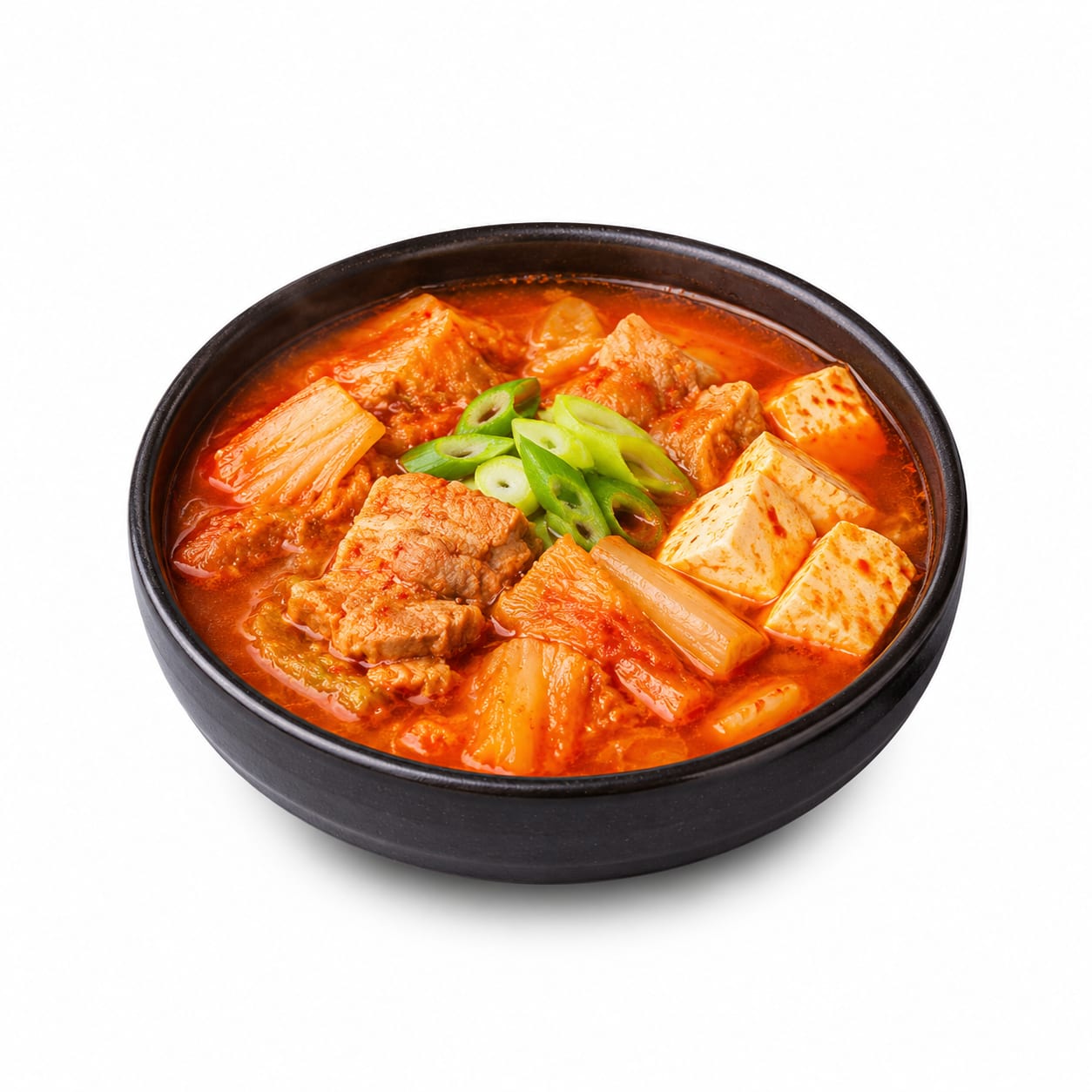
Kimchi Jjigae
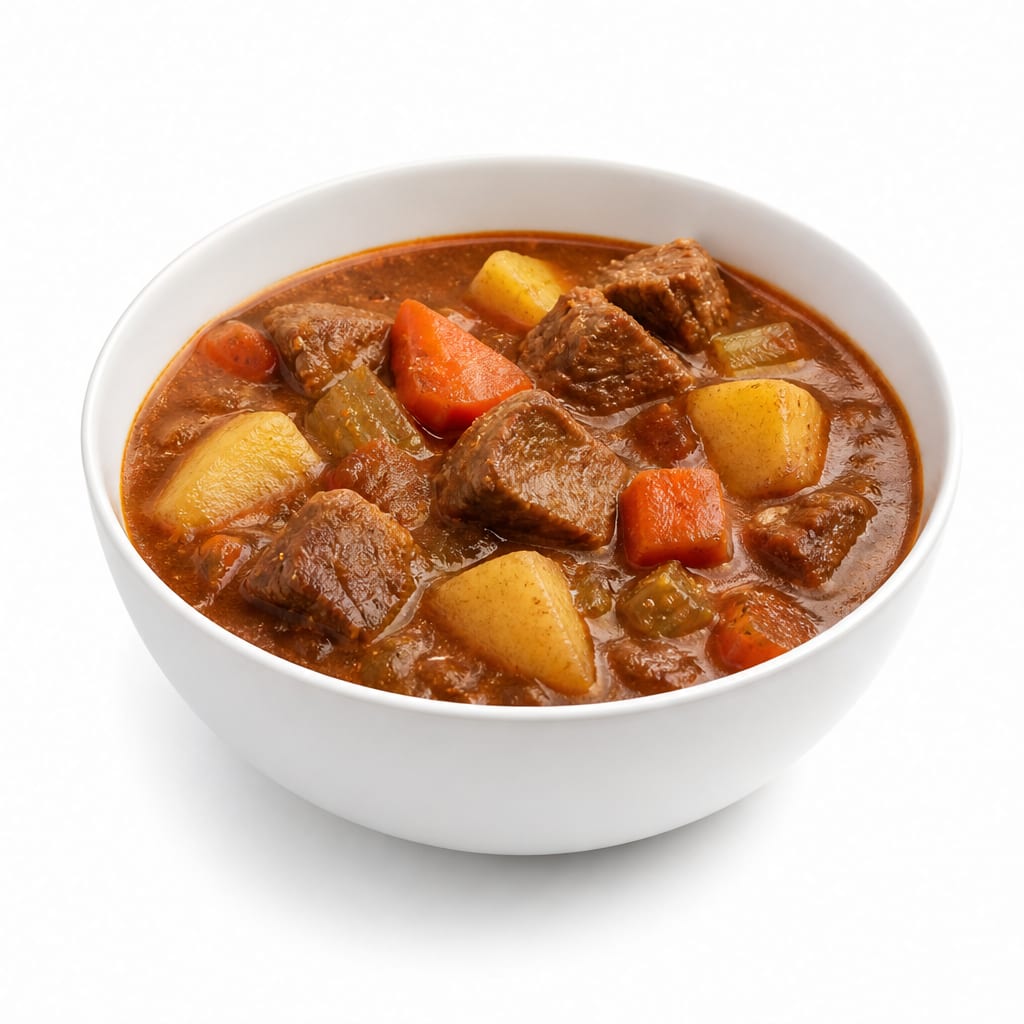
Beef Stew
Kimchi Jjigae delivers gut-friendly benefits and bold flavor with a heavy sodium tradeoff, while Beef Stew provides superior protein and iron but feels heavier and more calorie-dense.
Beef Stew edges out slightly due to lower sodium and better protein quality, but Kimchi Jjigae remains a strong choice for gut health and metabolic vigor if sodium is managed.
Gut health and low-calorie spice versus high-quality protein and lower sodium.
At a glance
Executive summary
Overall
It depends
Healthier
It depends
More practical
It depends
Daily use
Beef Stew
Key comparison lenses
Sodium and Blood Pressure Impact
Kimchi Jjigae is notoriously high in sodium due to aged kimchi and soy sauce, making cardiovascular impact a primary concern.
Gut Health and Probiotics
Fermented kimchi offers unique microbiome benefits that Beef Stew completely lacks.
Protein Quality and Iron Density
Beef Stew provides superior heme iron and complete protein, crucial for muscle maintenance and energy.
Comfort and Digestive Tolerance
Both are hearty comfort foods, but Kimchi Jjigae is spicy and light, while Beef Stew is rich and heavy.
Best choice for
Kimchi Jjigae
- Gut health and microbiome support
- Low-carb flavor seekers
- Spicy food lovers needing a metabolic kick
Beef Stew
- Muscle building and recovery
- Iron deficiency anemia
- Cold weather comfort without spice
Least suitable for
Kimchi Jjigae
- Hypertension and salt-sensitive individuals
- Ulcer or GERD sufferers
- Those avoiding spicy foods
Beef Stew
- Low-fat or low-cholesterol diets
- Quick weeknight cooking
- Light lunch needs
Deep comparison
Dimension by dimension
Each lens scores both foods and breaks down who each option suits.
- Dimension 1 · Priority 95Kimchi Jjigae
Gut Health & Microbiome
Kimchi Jjigae · 88Beef Stew · 55Kimchi Jjigae provides fermented compounds that nourish gut bacteria, whereas Beef Stew lacks probiotic elements.
Tradeoff
You get microbiome support from Kimchi Jjigae, but the high spice and sodium can irritate sensitive stomachs.
Why it matters
A healthy gut microbiome improves digestion, immunity, and even mood.
Real-world impact
Eating Kimchi Jjigae regularly can lead to better digestion and less bloating, provided your stomach tolerates the heat.
Kimchi Jjigae
- Microbiome diversity
- Bowel regularity
Better for
- IBS flare-ups
- Gastritis
Worse for
Beef Stew
- Sensitive stomachs
- Acid reflux avoidance
Better for
- Sluggish digestion
- Lack of fiber diversity
Worse for
- Dimension 2 · Priority 92Beef Stew
Sodium & Cardiovascular Load
Kimchi Jjigae · 30Beef Stew · 65Kimchi Jjigae is extremely high in sodium due to aged kimchi and soy sauce, while Beef Stew is much easier on blood pressure.
Tradeoff
The deep umami flavor of Kimchi Jjigae comes at a high sodium cost, risking water retention and elevated blood pressure.
Why it matters
High sodium intake is a leading driver of hypertension and cardiovascular strain.
Real-world impact
After eating Kimchi Jjigae, you might feel bloated or thirsty; Beef Stew leaves you hydrated and comfortable.
Kimchi Jjigae
- Post-workout rehydration after heavy sweating
Better for
- Hypertension risk
- Water retention
Worse for
Beef Stew
- Blood pressure control
- Reduced bloating
Better for
- Electrolyte depletion if sodium restricted too far
Worse for
- Dimension 3 · Priority 88Beef Stew
Protein Quality & Micronutrients
Kimchi Jjigae · 55Beef Stew · 90Beef Stew delivers high-quality complete protein and heme iron, while Kimchi Jjigae's protein varies based on the meat used.
Tradeoff
Beef Stew is better for muscle repair and energy, but Kimchi Jjigae offers more vitamin K and A from kimchi.
Why it matters
Heme iron and complete proteins are essential for maintaining muscle mass and preventing anemia.
Real-world impact
Beef Stew feels more rebuilding after a tough workout or illness; Kimchi Jjigae feels lighter but less restorative for muscles.
Kimchi Jjigae
- Vitamin K intake
- Low-calorie protein options when made with tofu
Better for
- Anemia risk if relying on tofu or pork only
- Incomplete protein if made vegetarian
Worse for
Beef Stew
- Heme iron absorption
- Muscle maintenance
Better for
- Higher saturated fat intake
Worse for
- Dimension 4 · Priority 80It depends
Satiety & Comfort
Kimchi Jjigae · 78Beef Stew · 85Beef Stew provides a heavy, grounding fullness, while Kimchi Jjigae offers a warming, energizing satisfaction.
Tradeoff
Beef Stew might leave you sluggish due to calorie density, whereas Kimchi Jjigae satisfies without weighing you down.
Why it matters
The right comfort food can prevent late-night snacking and improve meal satisfaction.
Real-world impact
Beef Stew is perfect for a sedentary snowy day; Kimchi Jjigae is better when you want comfort but still need energy.
Kimchi Jjigae
- Lighter fullness
- Energizing warmth
Better for
- Hunger returning sooner
- Overeating due to high palatability
Worse for
Beef Stew
- Long-lasting fullness
- Deep comfort
Better for
- Food coma
- Heaviness before activity
Worse for
Timeline
Health impact over time
Short-term
Hours to days
Kimchi Jjigae
- Quick hydration from broth but intense thirst from sodium
- Warming sensation from capsaicin
- Possible heartburn from spice and acidity
Beef Stew
- Deep satiety and fullness
- Steady energy from protein and root veggies
- Possible sluggishness from heavy digestion
Long-term
Months to years
Kimchi Jjigae
- Improved gut microbiome diversity
- Risk of hypertension if consumed too frequently
- Better metabolic rate from capsaicin
Beef Stew
- Stronger muscle maintenance from complete protein
- Risk of elevated LDL cholesterol from beef fat
- Better iron stores preventing fatigue
Risk profile
Safety & processing
Both are traditionally made from whole, unprocessed ingredients, though store-bought broths or kimchi can introduce hidden additives.
Kimchi Jjigae
High sodium overload
highA single bowl of Kimchi Jjigae can contain 1500-2500mg of sodium, nearing or exceeding daily limits.
Spice-induced GI distress
mediumCapsaicin and acidity from aged kimchi can trigger acid reflux or gastritis.
Beef Stew
Pathogen contamination from undercooked beef
mediumStew meats must reach safe internal temperatures to avoid foodborne illness.
Saturated fat and cholesterol
mediumFatty cuts of beef can elevate LDL cholesterol over time if consumed frequently.
Who wins for whom
Audience fit
Same foods, different winners depending on your goal.
children
Beef StewBeef Stew is milder, easier to chew, and provides essential iron and protein for growth without the spice.
daily consumption
Beef StewThe high sodium in Kimchi Jjigae makes it risky for daily consumption, whereas a lean Beef Stew can be a more balanced staple.
diabetes
Kimchi JjigaeKimchi Jjigae is typically lower in carbohydrates than Beef Stew with potatoes, leading to steadier blood sugar.
elderly
Beef StewBeef Stew is gentler on the stomach, lower in sodium, and provides easily absorbed heme iron to prevent anemia.
muscle gain
Beef StewBeef Stew provides a much larger dose of complete, high-quality protein essential for muscle repair.
weight loss
Kimchi JjigaeKimchi Jjigae is lower in calories and fat, while the spice can slightly boost metabolism, making it easier to stay in a deficit.
Your move
Decision guide
Choose Kimchi Jjigae
- You want a low-calorie, flavor-packed meal that supports gut health
- You are watching your carbohydrate intake
- You need something warming that will not put you in a food coma
Choose Beef Stew
- You need high-quality protein and iron for muscle recovery or anemia
- You are sensitive to sodium or have high blood pressure
- You want a hearty, comforting meal that sticks to your ribs
Either works if
- You want a warming, broth-based comfort meal on a cold day
- You need a satisfying dish that uses up leftover vegetables
Avoid both if
- You are on a strict low-sodium diet, as both can be salt-heavy depending on preparation
- You suffer from severe acid reflux or GERD, as both can be triggers
Final recommendation
Choose Kimchi Jjigae for a lighter, gut-friendly meal with a metabolic kick, but opt for Beef Stew when you need deep nourishment, high protein, and a sodium-conscious option.
Practical
Consumer tips
- 1
Use low-sodium kimchi when making Kimchi Jjigae to drastically cut the sodium load without losing probiotics
- 2
Choose lean cuts like chuck or sirloin for Beef Stew to reduce saturated fat without losing flavor
- 3
Add extra tofu to Kimchi Jjigae to boost protein while keeping calories low
- 4
Skim the fat off the top of Beef Stew before serving for a cleaner, heart-healthier bowl