
Nutrition comparison
Kimchi Jjigae vs Miso Soup: Which Fermented Soup Is Better for You?
Compare kimchi jjigae and miso soup on probiotics, sodium, calories, and daily sustainability. Find out which fermented soup fits your health goals and lifestyle.
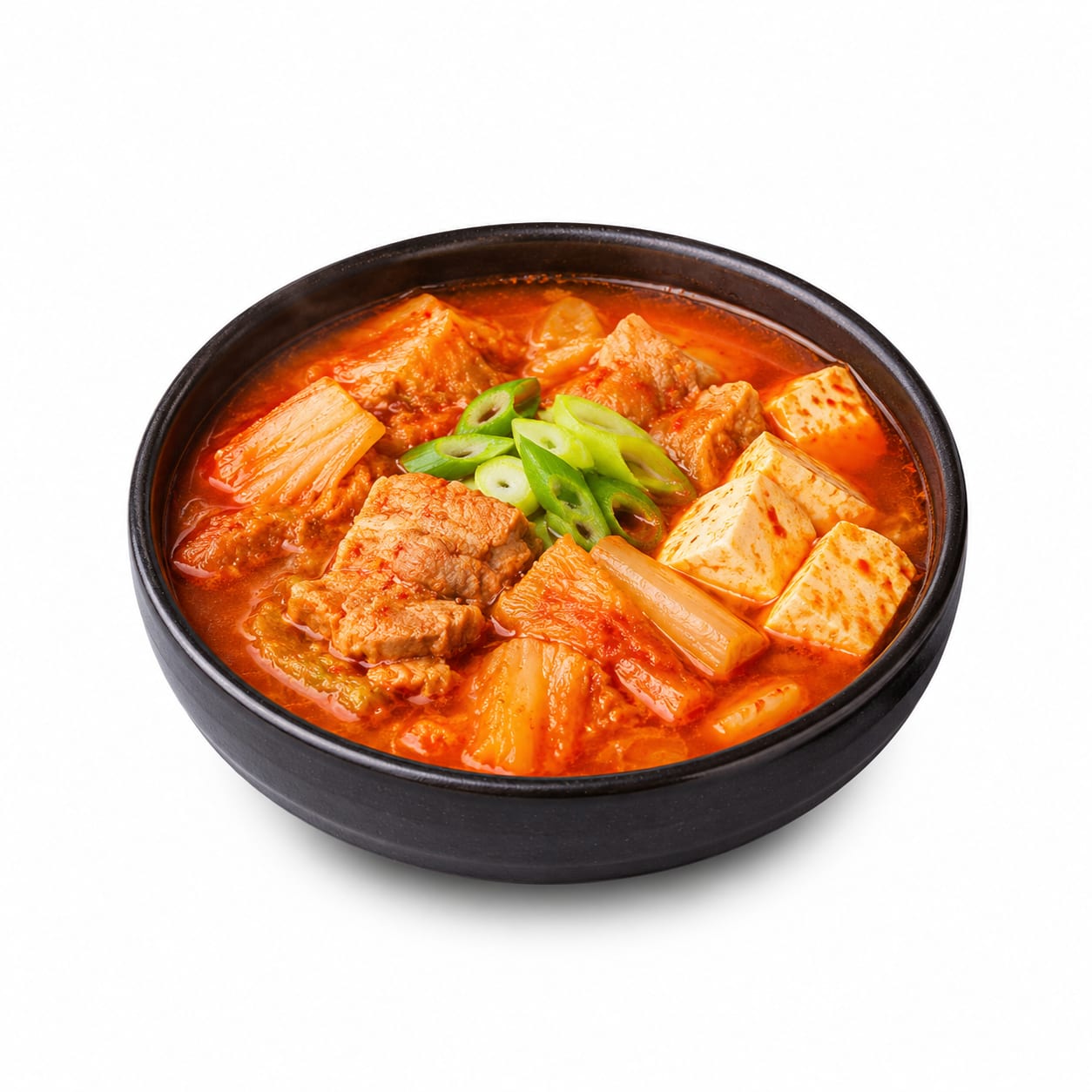
Kimchi Jjigae
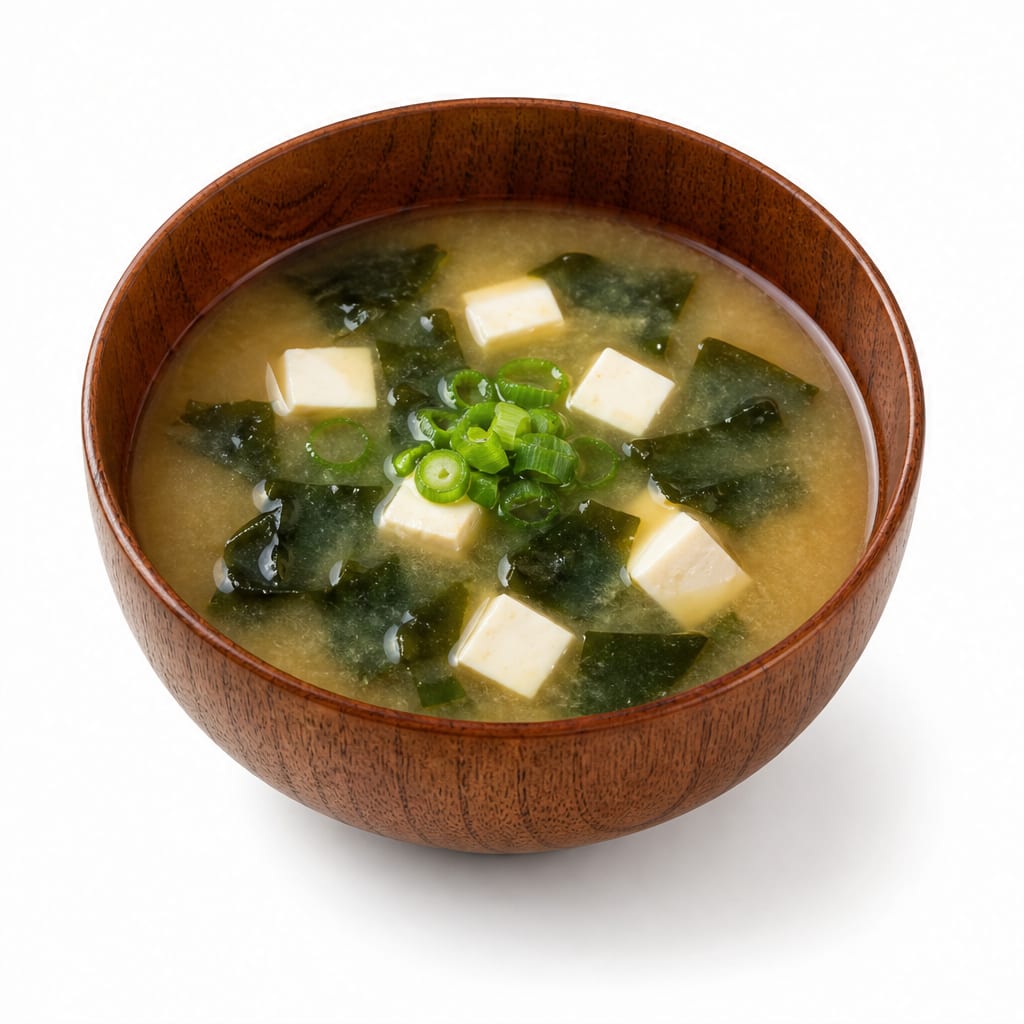
Miso Soup
Miso soup wins for gentle daily nourishment and lower sodium, while kimchi jjigae delivers far more satiety and bold probiotic intensity at the cost of heavier salt and spice.
Miso soup scores higher overall due to its gentler sodium profile, daily sustainability, and broader suitability. Kimchi jjigae excels in satiety and probiotic intensity but its heavy sodium and spice load limits how often most people should eat it.
Comforting lightness and daily drinkability versus hearty fullness and stronger fermentation benefits — you trade calorie control for meal satisfaction.
At a glance
Executive summary
Overall
It depends
Healthier
Miso Soup
More practical
Miso Soup
Daily use
Miso Soup
Key comparison lenses
Everyday gut health and probiotic comparison
Both foods are fermented staples central to East Asian diets, but their probiotic profiles and digestive impacts differ significantly
Sodium awareness and blood pressure concern
Both are high-sodium foods, but kimchi jjigae typically packs a much heavier sodium load that matters for daily consumption decisions
Meal vs side dish role in diet
Kimchi jjigae functions as a hearty main while miso soup is a light accompaniment, making them fundamentally different in how they fit into a meal plan
Weight management and calorie control
The calorie density gap between these two soups is substantial and directly affects satiety and weight goals
Daily sustainability and long-term habit
Miso soup is commonly consumed daily in Japan while kimchi jjigae is more of a several-times-a-week dish, reflecting practical tolerance differences
Best choice for
Kimchi Jjigae
- People needing a filling, protein-rich one-pot meal
- Those wanting maximum probiotic diversity from fermented kimchi
- Anyone craving bold, spicy comfort on cold days
- Active individuals needing more calories and sustenance
Miso Soup
- People managing blood pressure who need lower sodium options
- Those wanting a gentle daily gut-health ritual
- Anyone seeking a light starter that won't fill them before the main course
- Older adults or those with sensitive digestion who need something easy on the stomach
Least suitable for
Kimchi Jjigae
- People on strict low-sodium diets
- Those with acid reflux or GERD triggered by spicy food
- Anyone eating multiple times daily who needs lighter meals
- Children unaccustomed to intense spice
Miso Soup
- People needing a complete meal in one bowl
- Those who find light soups unsatisfying and end up overeating later
- Anyone with soy allergies or sensitivities
- People avoiding fish-based dashi
Deep comparison
Dimension by dimension
Each lens scores both foods and breaks down who each option suits.
- Dimension 1 · Priority 90Kimchi Jjigae
Satiety and Fullness
Kimchi Jjigae · 88Miso Soup · 42Kimchi jjigae is a complete, heavy meal that keeps you full for hours. Miso soup is a light starter that barely registers on the fullness scale.
Tradeoff
You get real meal-level satisfaction from kimchi jjigae but consume significantly more calories and sodium to get it.
Why it matters
If you eat miso soup alone as a meal, you will likely be hungry again within an hour and may overeat later.
Real-world impact
A bowl of kimchi jjigae with rice can carry you from lunch to dinner. A bowl of miso soup leaves you reaching for a second course almost immediately.
Kimchi Jjigae
- Replacing a full meal without needing side dishes
- Post-workout recovery when you need real fuel
- Busy days when you need one bowl to keep you going
Better for
- Hot summer days when heavy food feels oppressive
- Multi-course meals where you need to pace yourself
Worse for
Miso Soup
- Starting a meal without ruining your appetite
- Eating late at night without feeling stuffed
- Managing portions by adding warmth without bulk
Better for
- Any situation where the soup IS the meal
- Long gaps between eating opportunities
Worse for
- Dimension 2 · Priority 88Miso Soup
Sodium Load
Kimchi Jjigae · 32Miso Soup · 55Both are high-sodium foods, but kimchi jjigae typically delivers 1.5 to 2 times the sodium of miso soup per serving.
Tradeoff
The intense flavor of kimchi jjigae comes at a real blood pressure cost that adds up quickly with frequent consumption.
Why it matters
Regular high sodium intake is one of the most modifiable risk factors for hypertension and cardiovascular disease.
Real-world impact
A single bowl of kimchi jjigae can contain 1500-2500mg of sodium — nearly your entire daily limit. Miso soup typically lands around 700-1200mg, which is still high but leaves more room in your daily budget.
Kimchi Jjigae
- Situations where you are sweating heavily and need electrolyte replenishment
- Active athletes who can tolerate higher sodium
Better for
- People with hypertension or prehypertension
- Anyone already eating a high-sodium diet
- Evening meals when your body is less equipped to process salt
Worse for
Miso Soup
- Anyone monitoring blood pressure
- Daily consumption where sodium accumulates over the week
- Older adults more sensitive to sodium's effects
Better for
- People who assume miso soup is low-sodium and overconsume it
- Those drinking multiple bowls per meal
Worse for
- Dimension 3 · Priority 85Kimchi Jjigae
Probiotic and Gut Health Benefits
Kimchi Jjigae · 82Miso Soup · 74Both deliver live cultures from fermentation, but kimchi jjigae offers more bacterial diversity and a higher total probiotic payload.
Tradeoff
Kimchi's stronger probiotic benefit comes with more spice and acidity that can irritate sensitive stomachs, while miso's gentler probiotics are easier to tolerate daily.
Why it matters
Probiotic diversity matters more than most people realize — different strains support different aspects of gut and immune health.
Real-world impact
Regular kimchi consumption is associated with improved gut microbiome diversity in studies. Miso still helps, but its bacterial range is narrower because it relies primarily on soybean fermentation alone.
Kimchi Jjigae
- Rebuilding gut flora after antibiotics
- Maximizing probiotic diversity in your diet
- People without spice sensitivity who want the strongest fermentation benefit
Better for
- Active digestive flare-ups where spice and acid make things worse
- People with ulcers or gastritis
Worse for
Miso Soup
- Daily gentle gut maintenance without irritation
- Those with IBS or sensitive stomachs who need probiotics without triggering symptoms
- Consistent long-term habit that is easier to sustain
Better for
- Situations where you want maximum probiotic impact from a single serving
Worse for
- Dimension 4 · Priority 82Miso Soup
Calorie Density and Weight Management
Kimchi Jjigae · 38Miso Soup · 78Miso soup is a low-calorie comfort option at roughly 40-80 calories per bowl. Kimchi jjigae runs 250-450 calories depending on ingredients.
Tradeoff
Lower calories mean less satisfaction but more flexibility in your daily intake. You can drink miso soup freely but you need to budget for kimchi jjigae.
Why it matters
For weight management, the ability to consume something warm and satisfying without significant calorie cost is a major advantage.
Real-world impact
You could have three bowls of miso soup for the calories of one bowl of kimchi jjigae. That makes miso soup a far more flexible tool for controlling hunger without overshooting your calorie target.
Kimchi Jjigae
- Underweight individuals who need calorie-dense nourishment
- Athletes in bulking phases
- Physically demanding days requiring sustained energy
Better for
- Calorie-restricted diets
- Sedentary days with low energy expenditure
Worse for
Miso Soup
- Weight loss diets where every calorie matters
- Managing evening hunger without going over your daily limit
- Multiple small meals throughout the day
Better for
- Anyone who misinterprets low-calorie as a complete meal solution
Worse for
- Dimension 5 · Priority 78Miso Soup
Digestive Tolerance and Comfort
Kimchi Jjigae · 45Miso Soup · 85Miso soup is one of the gentlest fermented foods on the digestive system. Kimchi jjigae's spice, acidity, and richness can be rough on sensitive stomachs.
Tradeoff
The very intensity that makes kimchi jjigae probiotically potent is what makes it harder to digest for many people.
Why it matters
A food that heals your gut microbiome but irritates your stomach lining is counterproductive for people with existing digestive issues.
Real-world impact
Miso soup is commonly served to people recovering from illness in Japan because it is so easy to digest. Kimchi jjigae would be a poor choice for the same situation — it can trigger heartburn, bloating, or stomach discomfort in vulnerable people.
Kimchi Jjigae
- People with robust digestion who tolerate spice well
- Those without acid reflux or GERD concerns
Better for
- Anyone prone to heartburn or acid reflux
- First thing in the morning on an empty stomach
- During digestive illness or recovery
Worse for
Miso Soup
- Recovery from illness when you need gentle nutrition
- Anyone with acid reflux, GERD, or gastritis
- Mornings when your stomach is most sensitive
- Elderly individuals with slower digestion
Better for
- People who find bland food unsatisfying and compensate with snacking
Worse for
- Dimension 6 · Priority 72Miso Soup
Convenience and Preparation Practicality
Kimchi Jjigae · 40Miso Soup · 82Instant miso paste makes miso soup a 2-minute proposition. Kimchi jjigae requires more ingredients, more active cooking, and longer preparation.
Tradeoff
The convenience gap is real — miso soup can become a genuine daily habit with almost no effort, while kimchi jjigae demands planning and time.
Why it matters
The best healthy food habit is the one you actually maintain. Ease of preparation directly impacts long-term consistency.
Real-world impact
You can make miso soup in the time it takes your kettle to boil. Kimchi jjigae takes 20-40 minutes even with pre-made kimchi and requires pork, tofu, and multiple seasonings to do properly.
Kimchi Jjigae
- Weekend cooking when you have time to prepare a proper meal
- Batch cooking for the week ahead
Better for
- Time-pressed mornings
- Anyone cooking for one who wants minimal cleanup
Worse for
Miso Soup
- Busy weekday mornings or quick weeknight dinners
- Office lunches where you need something warm and fast
- Travel or hotel stays where you only have hot water
Better for
- Situations where you want a complete cooking experience, not just assembly
Worse for
Timeline
Health impact over time
Short-term
Hours to days
Kimchi Jjigae
- Strong satiety that reduces snacking for hours after eating
- Potential heartburn or stomach warmth from spice and acidity
- Noticeable thirst from high sodium content
- Warming body sensation that feels comforting in cold weather
Miso Soup
- Gentle warming comfort without heaviness
- Mild thirst from sodium but far less intense than kimchi jjigae
- Quick hydration from the high water content
- Minimal digestive discomfort even on an empty stomach
Long-term
Months to years
Kimchi Jjigae
- Improved gut microbiome diversity from regular fermented kimchi intake
- Elevated blood pressure risk if consumed too frequently due to sodium load
- Possible increased tolerance for spicy and fermented foods
- Risk of sodium-related kidney strain with daily consumption
Miso Soup
- Consistent gentle probiotic support that is sustainable for decades
- Lower but still present sodium accumulation risk if consumed in large volumes
- Associated in studies with lower rates of certain cancers when consumed regularly
- Better long-term adherence because it is easy on the digestive system
Risk profile
Safety & processing
Both are traditional fermented foods made from whole ingredients with minimal processing. The main concern is that some commercial kimchi and miso pastes contain added MSG or preservatives, so quality sourcing matters for both.
Kimchi Jjigae
Histamine intolerance reaction
mediumFermented kimchi is high in histamine, which can trigger headaches, flushing, or digestive issues in sensitive individuals.
Foodborne illness from improper kimchi storage
lowWhile fermentation generally preserves food safely, poorly stored kimchi can develop harmful bacteria. Proper refrigeration is essential.
Parasitic contamination from raw pork
mediumTraditional recipes sometimes use raw or lightly cooked pork. Thorough cooking eliminates this risk entirely.
Miso Soup
Soy allergy or sensitivity
mediumMiso is soy-based and can trigger reactions in those with soy allergies, which are among the more common food allergies.
Heavy metals in commercial miso
lowSome mass-produced miso has been found to contain trace arsenic or cadmium from soybean sourcing. Choosing organic or reputable brands minimizes this.
Fish allergen in dashi
mediumTraditional dashi contains bonito flakes. People with fish allergies must verify the broth base or use kombu-only dashi.
Who wins for whom
Audience fit
Same foods, different winners depending on your goal.
children
Miso SoupMiso soup's mild, non-spicy flavor is far more child-friendly. Kimchi jjigae's intense heat and strong fermented taste are challenging for most children.
daily consumption
Miso SoupMiso soup is literally consumed daily by millions in Japan with well-documented health benefits. Kimchi jjigae's sodium and spice load make it better suited for several times per week rather than daily.
diabetes
Miso SoupMiso soup has minimal impact on blood sugar and can be consumed without concern. Kimchi jjigae is also low-glycemic but its heavier calorie load and frequent pairing with white rice makes portion control harder.
elderly
Miso SoupGentle on digestion, easy to prepare, and lower in sodium make miso soup the safer daily choice for older adults. Kimchi jjigae's spice and salt are harder on aging digestive and cardiovascular systems.
muscle gain
Kimchi JjigaeKimchi jjigae typically contains pork and tofu, providing substantially more protein per serving than miso soup's small tofu cubes.
weight loss
Miso SoupAt 40-80 calories per bowl, miso soup lets you manage hunger without derailing your calorie budget. Kimchi jjigae is too calorie-dense for regular use in a weight loss plan.
Your move
Decision guide
Choose Kimchi Jjigae
- You want a satisfying one-bowl meal that eliminates the need for side dishes
- You tolerate spice well and want maximum probiotic diversity
- It is cold outside and you need something deeply warming and comforting
- You are active and need the extra calories and protein
- You are cooking for others and want an impressive, flavorful centerpiece
Choose Miso Soup
- You want a gentle daily gut-health ritual you can actually maintain long-term
- You are watching your blood pressure or sodium intake
- You need something warm and comforting that will not ruin your appetite for the main meal
- You have sensitive digestion or are recovering from illness
- You want something you can prepare in under 3 minutes on busy days
Either works if
- You want fermented food benefits and are choosing between Korean and Japanese flavor profiles
- You are building an Asian-style meal and need a soup component
- You are looking for warming comfort food in cold weather
Avoid both if
- You are on a strict low-sodium diet prescribed by a doctor
- You have severe histamine intolerance that reacts to all fermented foods
- You are allergic to both soy and seafood, which appear in both dishes
Final recommendation
Make miso soup your daily staple and treat kimchi jjigae as your satisfying several-times-a-week meal. This combination gives you the gentle daily probiotic maintenance of miso with the deeper probiotic diversity and meal-level satisfaction of kimchi jjigae, while keeping your overall sodium load manageable. If you can only pick one for daily use, miso soup is the safer and more sustainable choice.
Practical
Consumer tips
- 1
Choose unpasteurized miso paste to get live probiotics — heat kills the beneficial bacteria, so add miso after boiling, not during
- 2
Look for traditionally fermented kimchi without added MSG or preservatives for the cleanest kimchi jjigae
- 3
Use low-sodium miso paste if you plan to drink miso soup daily — the sodium adds up over the week
- 4
If making kimchi jjigae, use well-fermented older kimchi for deeper flavor and more probiotic development
- 5
Replace white rice with brown rice when eating kimchi jjigae to add fiber and slow the sodium absorption
- 6
Start with small portions of kimchi jjigae if you are new to fermented foods — your gut needs time to adjust
- 7
For miso soup, use kombu dashi instead of bonito dashi if you are vegetarian or have fish allergies
- 8
Never boil miso paste directly — dissolve it into warm broth to preserve the live cultures