
Nutrition comparison
Kimchi Jjigae vs Lentil Soup: Which Hearty Soup Is Healthier?
Compare Kimchi Jjigae and Lentil Soup on sodium, probiotics, protein, and daily sustainability. Find out which soup fits your health goals and how to enjoy both wisely.
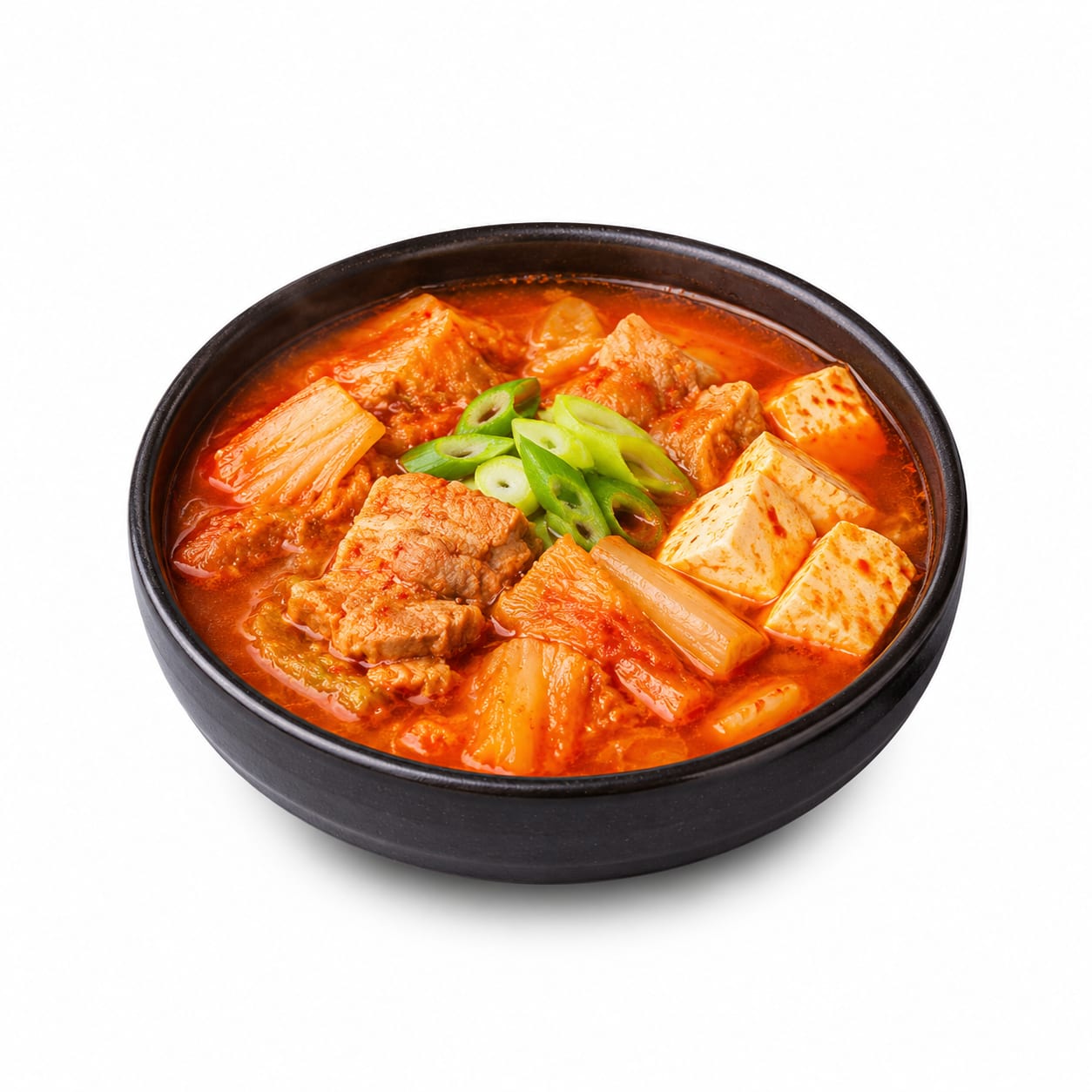
Kimchi Jjigae
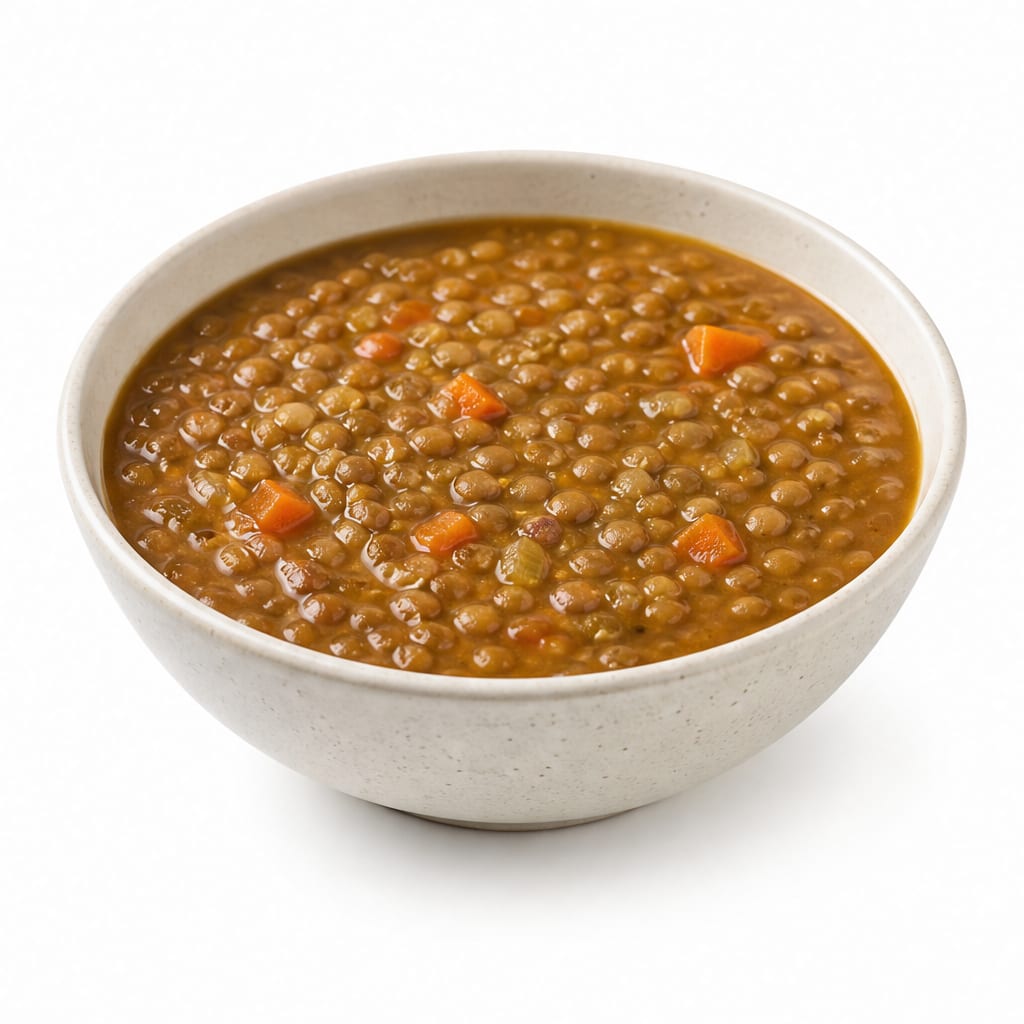
Lentil Soup
Lentil Soup wins for everyday health and long-term sustainability, but Kimchi Jjigae offers unique probiotic benefits and bold satisfaction that lentils cannot replicate.
Lentil Soup scores higher due to its favorable sodium profile, consistent fiber, and suitability for daily consumption. Kimchi Jjigae remains valuable for probiotics and satisfaction but is penalized for its high sodium load and variable nutritional profile depending on preparation.
Gut-boosting probiotics and excitement versus heart-friendly sodium levels and steady plant nutrition.
At a glance
Executive summary
Overall
It depends
Healthier
Lentil Soup
More practical
Lentil Soup
Daily use
Lentil Soup
Key comparison lenses
sodium and heart health
Kimchi Jjigae is extremely high in sodium from fermented kimchi and gochugaru, while Lentil Soup is naturally low-sodium, making this the most consequential health tradeoff
gut health and probiotics
Kimchi Jjigae delivers live probiotics from fermented kimchi, whereas Lentil Soup supports gut health through prebiotic fiber instead
plant protein vs animal protein
Lentil Soup offers consistent plant protein, while Kimchi Jjigae's protein depends on whether pork, tofu, or canned tuna is added
blood sugar stability
Lentil Soup's high fiber and low glycemic impact make it superior for steady energy, while Kimchi Jjigae can spike thirst and cravings due to sodium
daily eating sustainability
Lentil Soup is gentle enough for daily consumption, while Kimchi Jjigae's sodium load makes frequent intake a health concern for most people
Best choice for
Kimchi Jjigae
- People wanting probiotic-rich fermented food for gut diversity
- Those who find bland food unsatisfying and need bold flavors to stick with healthy eating
- Anyone already monitoring sodium who can budget for a salty meal
- People seeking a warming, comforting meal with cultural significance
Lentil Soup
- People managing blood pressure or heart conditions
- Anyone prioritizing steady energy without afternoon crashes
- Those eating for weight loss or maintenance who need high satiety
- People looking for a reliable daily staple they can eat multiple times per week
Least suitable for
Kimchi Jjigae
- People with hypertension or sodium-sensitive conditions
- Anyone prone to bloating from spicy or fermented foods
- Those who need a low-sodium bedtime meal
Lentil Soup
- People bored by mild flavors who might abandon healthy eating
- Anyone with legume intolerance or severe gas sensitivity
- Those seeking probiotic diversity from fermented foods
Deep comparison
Dimension by dimension
Each lens scores both foods and breaks down who each option suits.
- Dimension 1 · Priority 95Lentil Soup
sodium_and_heart_health
Kimchi Jjigae · 25Lentil Soup · 90Kimchi Jjigae can easily exceed 1500mg sodium per bowl, while homemade Lentil Soup typically stays under 200mg.
Tradeoff
You gain probiotics and bold flavor with Kimchi Jjigae but at a significant sodium cost that impacts blood pressure over time.
Why it matters
High sodium intake is the leading modifiable risk factor for hypertension, which affects nearly half of adults.
Real-world impact
Eating Kimchi Jjigae regularly without adjusting sodium elsewhere can raise blood pressure within weeks, whereas Lentil Soup actively supports heart health.
Kimchi Jjigae
- Short-term satisfaction and flavor intensity
Better for
- Daily sodium budget blown in one meal
- Risk of bloating from salt and spice
Worse for
Lentil Soup
- Blood pressure management
- Long-term cardiovascular health
- Reduced thirst and water retention
Better for
- None significant for this dimension
Worse for
- Dimension 2 · Priority 90Kimchi Jjigae
gut_health_and_probiotics
Kimchi Jjigae · 88Lentil Soup · 70Kimchi Jjigae delivers live beneficial bacteria from fermented kimchi, while Lentil Soup feeds existing gut bacteria through prebiotic fiber.
Tradeoff
Probiotics introduce new bacterial strains, while prebiotics nourish what you already have. Both matter, but they work differently.
Why it matters
Gut microbiome diversity is linked to immunity, mood, and digestion, and most people lack both probiotic and prebiotic intake.
Real-world impact
A bowl of Kimchi Jjigae after antibiotics can help repopulate gut flora faster, while Lentil Soup provides the daily fiber foundation those bacteria need to thrive.
Kimchi Jjigae
- Introducing new probiotic strains
- Post-antibiotic gut recovery
- Microbiome diversity
Better for
- Heat from cooking reduces some live cultures
- High spice can irritate sensitive stomachs
Worse for
Lentil Soup
- Consistent daily prebiotic feeding
- Regular bowel movements
- Long-term gut lining health
Better for
- Does not introduce new bacterial strains
Worse for
- Dimension 3 · Priority 85Lentil Soup
satiety_and_fullness
Kimchi Jjigae · 68Lentil Soup · 88Lentil Soup keeps you full for hours thanks to its fiber-protein combination, while Kimchi Jjigae satisfies intensely but briefly.
Tradeoff
Kimchi Jjigae delivers immediate flavor satisfaction, but Lentil Soup provides longer-lasting hunger control.
Why it matters
Foods that keep you full reduce snacking and make portion control effortless throughout the day.
Real-world impact
A bowl of Lentil Soup at lunch often prevents the 3pm snack attack, while Kimchi Jjigae may leave you reaching for rice or snacks within two hours.
Kimchi Jjigae
- Immediate sensory satisfaction
- Emotional comfort from bold flavors
Better for
- Hunger returns sooner without rice
- Sodium triggers thirst that mimics hunger
Worse for
Lentil Soup
- Sustained fullness for 3-4 hours
- Reduced between-meal snacking
- Easier portion control at dinner
Better for
- Can feel heavy if you eat too large a portion
Worse for
- Dimension 4 · Priority 80Lentil Soup
blood_sugar_stability
Kimchi Jjigae · 55Lentil Soup · 90Lentil Soup has a low glycemic load and steadies blood sugar, while Kimchi Jjigae's impact depends heavily on what it is served with.
Tradeoff
Lentil Soup is blood-sugar-friendly on its own, but Kimchi Jjigae is almost always eaten with white rice, which spikes glucose.
Why it matters
Stable blood sugar means steady energy, fewer cravings, and lower diabetes risk over time.
Real-world impact
Lentil Soup alone provides steady energy through the afternoon. Kimchi Jjigae with rice creates a satisfying meal but can cause an energy dip within 90 minutes.
Kimchi Jjigae
- Low-carb if eaten without rice
- Spice may slightly boost metabolism
Better for
- Typically paired with white rice which spikes blood sugar
- Sodium can worsen insulin resistance over time
Worse for
Lentil Soup
- Low glycemic index even as a standalone meal
- Excellent for prediabetes management
- No energy crash after eating
Better for
- Carb content from lentils requires portion awareness for very low-carb diets
Worse for
- Dimension 5 · Priority 75It depends
protein_quality_and_quantity
Kimchi Jjigae · 65Lentil Soup · 78Lentil Soup provides reliable plant protein at roughly 18g per bowl, while Kimchi Jjigae ranges from 10g to 30g depending on whether pork, tofu, or tuna is used.
Tradeoff
Lentil Soup offers consistent protein you can count on, while Kimchi Jjigae is more variable but can exceed lentils when made with pork.
Why it matters
Adequate protein preserves muscle, supports satiety, and prevents age-related decline.
Real-world impact
If you make Kimchi Jjigae with tofu, protein drops below Lentil Soup. With pork, it surpasses lentils but adds saturated fat.
Kimchi Jjigae
- Can exceed lentil protein when made with pork or tuna
- Animal protein is more bioavailable
Better for
- Protein varies wildly by recipe
- Tofu version provides less protein than lentils
Worse for
Lentil Soup
- Consistent protein content every time
- No saturated fat tradeoff
- Complete amino acid profile when paired with grains
Better for
- Plant protein is slightly less bioavailable than animal protein
Worse for
- Dimension 6 · Priority 70Lentil Soup
convenience_and_meal_prep
Kimchi Jjigae · 60Lentil Soup · 85Lentil Soup is one of the easiest meal-prep foods available, while Kimchi Jjigae requires aged kimchi and more active cooking.
Tradeoff
Lentil Soup is forgiving and batch-friendly, while Kimchi Jjigae demands specific ingredients and more attention to get right.
Why it matters
Foods that are easy to prep consistently are more likely to become habitual staples.
Real-world impact
You can make a week of Lentil Soup in one pot with pantry staples. Kimchi Jjigae requires well-fermented kimchi and tastes best fresh.
Kimchi Jjigae
- Faster if you have pre-made kimchi
- More exciting leftovers for some people
Better for
- Needs aged kimchi for best flavor
- Does not freeze as well
- Flavor degrades faster as leftovers
Worse for
Lentil Soup
- Batch cooks beautifully for the whole week
- Freezes well without texture loss
- Requires only pantry staples
Better for
- Can feel monotonous by day four
Worse for
Timeline
Health impact over time
Short-term
Hours to days
Kimchi Jjigae
- Immediate satisfaction from bold umami and spice
- Possible thirst and water retention from high sodium within hours
- Warming effect that feels comforting in cold weather
- Potential stomach irritation if you have reflux or sensitivity to spice
Lentil Soup
- Comfortable fullness without heaviness
- Steady energy with no crash
- Possible mild gas if your body is not used to high fiber
- Gentle on the digestive system after the adjustment period
Long-term
Months to years
Kimchi Jjigae
- Improved gut microbiome diversity from regular probiotic intake
- Increased blood pressure risk if sodium is not managed elsewhere
- Possible reduced insulin sensitivity from chronic high sodium
- Stronger immune function linked to fermented food consumption
Lentil Soup
- Lower cardiovascular disease risk from fiber and low sodium
- Improved blood sugar regulation and reduced diabetes risk
- Better cholesterol levels from soluble fiber
- Stable weight management due to consistent satiety
Risk profile
Safety & processing
Kimchi Jjigae relies on fermented kimchi which may contain added sodium, fish sauce, and preservatives. Store-bought kimchi often includes MSG and shrimp paste. Lentil Soup made from scratch contains whole dried lentils and vegetables with virtually no additives.
Kimchi Jjigae
High sodium exposure
highA single bowl can contain 1000-2000mg sodium, which is half or more of the daily recommended limit for most adults.
Histamine from fermented kimchi
mediumFermented foods are high in histamine, which can trigger headaches or reactions in histamine-sensitive individuals.
Spice-related digestive irritation
lowGochugaru and chili flakes can aggravate acid reflux or IBS symptoms in sensitive people.
Lentil Soup
Lectin content in undercooked lentils
lowProperly cooked lentils are safe, but undercooked lentils contain lectins that can cause digestive distress.
Purine load
lowLentils contain moderate purines, which may be a concern for people with severe gout, though less than animal proteins.
Who wins for whom
Audience fit
Same foods, different winners depending on your goal.
children
Lentil SoupLentil Soup is mild, easy to digest, and provides growing bodies with iron and folate. Kimchi Jjigae is often too spicy and salty for young children.
daily consumption
Lentil SoupLentil Soup can be eaten daily without health concerns. Kimchi Jjigae's sodium load makes daily consumption risky for most people unless the rest of the diet is very low-sodium.
diabetes
Lentil SoupLentil Soup has a low glycemic index and high fiber, which stabilizes blood sugar. Kimchi Jjigae is typically eaten with white rice and its high sodium worsens insulin resistance over time.
elderly
Lentil SoupOlder adults are more sensitive to sodium's effect on blood pressure and bone loss. Lentil Soup supports heart health and digestion without the sodium risk.
muscle gain
It dependsKimchi Jjigae with pork delivers more bioavailable protein per serving, but Lentil Soup offers consistent plant protein without saturated fat. Choose based on your protein source preferences.
weight loss
Lentil SoupLentil Soup provides more sustained fullness with fewer calories and dramatically less sodium, making it easier to maintain a calorie deficit without feeling deprived.
Your move
Decision guide
Choose Kimchi Jjigae
- You want probiotic benefits and your sodium intake is otherwise low
- You find healthy eating unsustainable without exciting flavors
- You are eating it occasionally as part of a balanced Korean meal
- You are recovering from antibiotics and want to reintroduce beneficial bacteria
Choose Lentil Soup
- You need a reliable daily staple that supports heart health
- You are managing blood pressure, blood sugar, or weight
- You want something easy to meal-prep for the entire week
- You prefer gentle, comforting food that does not leave you thirsty
Either works if
- You want a warming soup and can balance the rest of your day's sodium accordingly
- You are rotating between fermented and fiber-rich foods for gut health
Avoid both if
- You have severe digestive issues that react to both spice and legumes
- You are on a very strict low-sodium and low-carb diet simultaneously
Final recommendation
Make Lentil Soup your everyday staple and treat Kimchi Jjigae as your probiotic-rich reward meal two or three times per week. This gives you the fiber foundation and heart protection of lentils while still getting the gut diversity benefits of fermented kimchi. On Kimchi Jjigae days, skip other high-sodium foods and pair it with brown rice instead of white to blunt the blood sugar impact.
Practical
Consumer tips
- 1
If making Kimchi Jjigae at home, use less gochugaru and low-sodium soy sauce to cut sodium by 30-40% without losing too much flavor
- 2
Rinse store-bought kimchi lightly before cooking to reduce surface sodium while keeping probiotic benefits
- 3
Add a handful of lentils to Kimchi Jjigae for fiber and protein without changing the flavor profile much
- 4
Make Lentil Soup in large batches and freeze individual portions for days when cooking feels like too much effort
- 5
If Kimchi Jjigae leaves you thirsty and hungry an hour later, add extra tofu or mushrooms to increase satiety without more sodium
- 6
Pair Lentil Soup with a small portion of fermented vegetables like kimchi on the side to get the best of both worlds in one meal