
Nutrition comparison
Kimchi Jjigae vs Pho: Which Soup Is Healthier for You?
Compare Kimchi Jjigae and Pho on sodium, gut health, blood sugar, and digestion. Find out which Korean or Vietnamese comfort soup fits your health goals better.
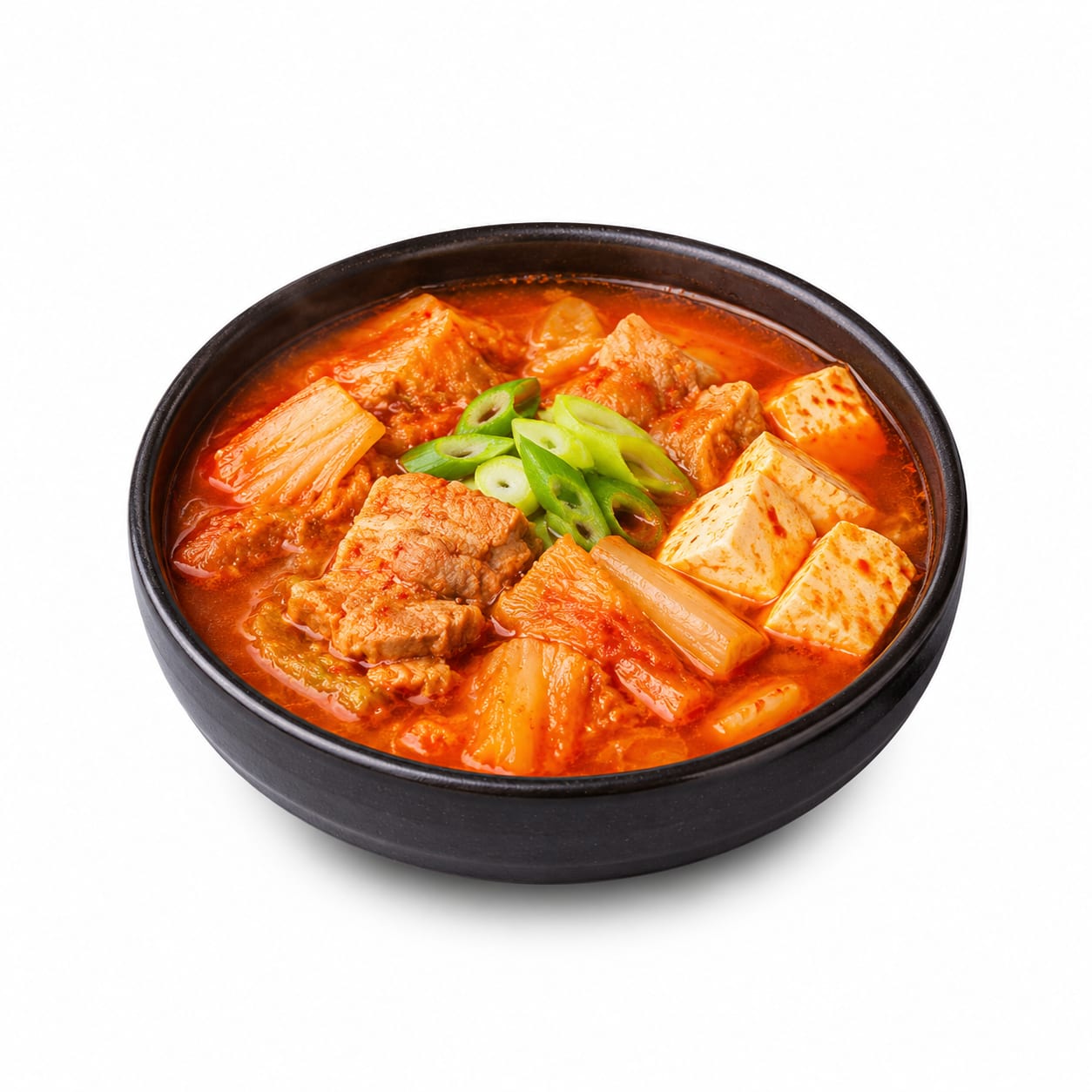
Kimchi Jjigae
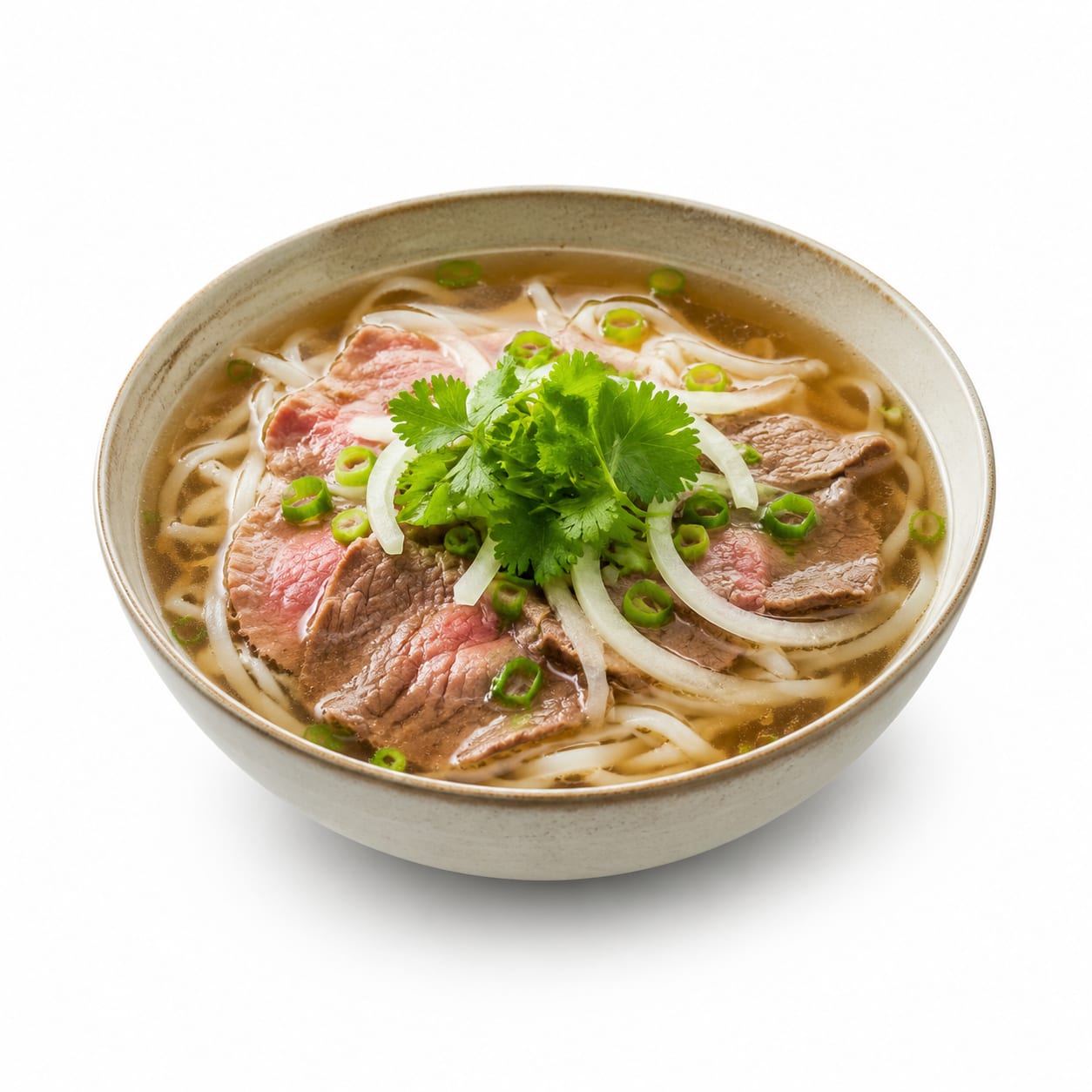
Pho
Kimchi Jjigae delivers probiotics, protein, and lower carbs but hits hard with sodium and spice. Pho offers gentle hydration and easier digestion but carries more carbs and less nutritional density.
Pho edges ahead for daily usability due to lower sodium and gentler digestion, but Kimchi Jjigae wins on probiotics, protein, and blood sugar stability. The gap is small because both are solid traditional meals — the real deciding factor is your body's tolerance for spice and sodium.
Gut-boosting probiotics and satiety from Kimchi Jjigae versus gentle comfort and lower sodium from Pho
At a glance
Executive summary
Overall
It depends
Healthier
It depends
More practical
Pho
Daily use
Pho
Key comparison lenses
sodium and hydration balance
Both are broth-based dishes with significant sodium, but Kimchi Jjigae is dramatically saltier due to fermented kimchi and gochujang
digestive comfort vs gut health
Kimchi Jjigae offers probiotics but can irritate sensitive stomachs with spice and acidity, while Pho is gentle and hydrating
blood sugar and carb load
Pho's rice noodles create a higher glycemic impact, whereas Kimchi Jjigae is lower in carbs and steadier on blood sugar
comfort food emotional fit
Both are iconic comfort soups with strong cultural identity, but they serve different emotional needs — fiery satisfaction versus soothing warmth
satiety and meal replacement
Kimchi Jjigae is denser and more filling per bowl, while Pho feels lighter and may leave you hungry sooner
Best choice for
Kimchi Jjigae
- People wanting probiotic benefits and gut diversity
- Low-carb eaters avoiding rice noodles
- Those needing a filling, protein-rich single bowl meal
- Anyone craving bold, spicy satisfaction
Pho
- People with sensitive stomachs or acid reflux
- Anyone needing gentle hydration after illness or dehydration
- Those watching sodium intake more carefully
- People preferring a lighter meal that won't cause afternoon sluggishness
Least suitable for
Kimchi Jjigae
- People with hypertension or sodium-restricted diets
- Anyone with GERD, ulcers, or spice sensitivity
- Children unaccustomed to fermented or spicy foods
- Those eating late at night who need easy digestion
Pho
- Low-carb or keto dieters avoiding rice noodles
- People needing high protein intake per meal
- Those who find broth-heavy meals unsatisfying
- Anyone sensitive to MSG often used in restaurant preparations
Deep comparison
Dimension by dimension
Each lens scores both foods and breaks down who each option suits.
- Dimension 1 · Priority 95Pho
sodium_load
Kimchi Jjigae · 25Pho · 50Kimchi Jjigae can easily exceed 2000mg sodium per bowl from aged kimchi, gochugaru, and soybean paste. Pho is also salty but typically lands between 800-1500mg depending on preparation.
Tradeoff
The fermentation that makes Kimchi Jjigae gut-healthy also makes it a sodium bomb. Pho's milder broth is more manageable for daily consumption.
Why it matters
High sodium intake directly raises blood pressure and increases cardiovascular risk over time. If you eat these regularly, the cumulative sodium difference matters enormously.
Real-world impact
Eating Kimchi Jjigae daily could push you past recommended sodium limits even if the rest of your day is clean. Pho is more forgiving but still not a low-sodium food.
Kimchi Jjigae
- Athletes who sweat heavily and need sodium replenishment
- People on low-carb diets who naturally excrete more sodium
Better for
- People with kidney issues who must limit sodium
- Anyone prone to bloating from salt retention
Worse for
Pho
- Anyone with hypertension or borderline blood pressure
- People who already eat processed foods high in sodium elsewhere
Better for
- People who assume Pho is low-sodium and overconsume
- Those who add extra fish sauce or hoisin, doubling the sodium
Worse for
- Dimension 2 · Priority 90Kimchi Jjigae
gut_health_and_probiotics
Kimchi Jjigae · 85Pho · 35Fermented kimchi delivers live probiotics and prebiotic fiber that support gut microbiome diversity. Pho's herbs offer mild digestive aid but no meaningful probiotic content.
Tradeoff
Kimchi Jjigae's probiotic benefit comes with acidity and spice that can irritate inflamed digestive tracts. Pho is gentler but does not actively improve gut flora.
Why it matters
Gut microbiome diversity is linked to immunity, mood, and metabolic health. Regular fermented food intake is one of the strongest dietary predictors of a healthy gut.
Real-world impact
Eating Kimchi Jjigae a few times a week can noticeably improve digestion and regularity — unless your stomach is already irritated, in which case it makes things worse.
Kimchi Jjigae
- People with healthy digestion wanting to optimize gut flora
- Anyone recovering from antibiotics who needs microbiome support
Better for
- People with active stomach ulcers or severe GERD
- Those experiencing acute digestive distress
Worse for
Pho
- People with IBS flares who need soothing, not stimulating foods
- Anyone with gastritis or acid reflux triggered by spice
Better for
- People relying solely on Pho for gut health improvement
- Anyone needing probiotic diversity from food sources
Worse for
- Dimension 3 · Priority 85Kimchi Jjigae
blood_sugar_stability
Kimchi Jjigae · 72Pho · 48Kimchi Jjigae is naturally low in carbohydrates, with most calories from protein and fat. Pho's rice noodles create a significant carb load that spikes blood sugar faster.
Tradeoff
Pho provides quick energy from carbs, which can be useful after exercise but causes crashes for sedentary eaters. Kimchi Jjigae keeps energy steadier but offers less immediate fuel.
Why it matters
Blood sugar spikes and crashes drive cravings, fatigue, and long-term insulin resistance. The carb difference between these two bowls is substantial.
Real-world impact
A Pho lunch can leave you sleepy and hungry by 3pm. Kimchi Jjigae keeps you fuller longer with less post-meal energy dip.
Kimchi Jjigae
- People with prediabetes or insulin resistance
- Anyone trying to reduce carb intake without giving up comfort food
- Office workers who cannot afford afternoon energy crashes
Better for
- Endurance athletes who need carbohydrate fuel
- People who find low-carb meals unsatisfying
Worse for
Pho
- Athletes needing carb replenishment after training
- People with high caloric needs who benefit from the noodle base
Better for
- Diabetics who must carefully count carbs
- People prone to reactive hypoglycemia
Worse for
- Dimension 4 · Priority 82Pho
digestive_comfort
Kimchi Jjigae · 38Pho · 82Pho's mild, clear broth with soft rice noodles and gentle herbs is one of the easiest meals to digest. Kimchi Jjigae's spice, acidity, and fermented intensity can be harsh on sensitive stomachs.
Tradeoff
Kimchi Jjigae's digestive challenge comes alongside gut-health benefits. Pho is comfortable but does not actively strengthen digestion over time.
Why it matters
If you cannot comfortably digest a meal, its nutritional benefits become irrelevant. Chronic digestive irritation outweighs probiotic gains.
Real-world impact
Pho is the classic sick-day food across cultures for a reason — it nourishes without demanding anything from your digestive system. Kimchi Jjigae demands a robust stomach.
Kimchi Jjigae
- People with iron stomachs who tolerate fermented spice well
- Those whose digestion actually improves with spicy stimulation
Better for
- People with heartburn or reflux triggered by spice
- Anyone eating right before lying down
Worse for
Pho
- Anyone recovering from illness or stomach upset
- People with GERD, IBS, or acid sensitivity
- Late-night eaters who need something gentle before bed
Better for
- People who find mild food unsatisfying and overeat as a result
Worse for
- Dimension 5 · Priority 78Kimchi Jjigae
protein_and_satiety
Kimchi Jjigae · 78Pho · 52Kimchi Jjigae typically contains pork belly, tofu, or canned tuna, providing 20-35g protein per bowl. Pho's thin sliced beef adds protein but the large broth volume makes it less filling overall.
Tradeoff
Kimchi Jjigae is a denser, more complete meal in a single bowl. Pho feels lighter, which is either refreshing or unsatisfying depending on your needs.
Why it matters
Protein drives fullness and muscle maintenance. A meal that leaves you hungry within two hours often leads to unnecessary snacking.
Real-world impact
Kimchi Jjigae works as a proper lunch that carries you to dinner. Pho often needs a side or snack to feel complete.
Kimchi Jjigae
- People who eat one-bowl meals and need them to be filling
- Anyone trying to maintain muscle without protein supplements
Better for
- People who find heavy meals cause sluggishness
- Those watching fat intake from pork belly versions
Worse for
Pho
- People who prefer smaller meals eaten more frequently
- Anyone wanting a lighter meal before physical activity
Better for
- People who feel hungry again within two hours of eating
- Anyone relying on Pho as their main protein source
Worse for
- Dimension 6 · Priority 70Pho
hydration_and_lightness
Kimchi Jjigae · 45Pho · 80Pho's large volume of clear broth provides excellent hydration with a light mouthfeel. Kimchi Jjigae is thicker, richer, and less about fluid intake.
Tradeoff
Pho hydrates well but the large liquid volume can make you feel temporarily bloated without actual caloric satisfaction. Kimchi Jjigae is more concentrated nutrition in less volume.
Why it matters
Many people are chronically under-hydrated, and broth-based meals help. But hydration without satiety can lead to overeating later.
Real-world impact
On a cold day when you are dehydrated and low-energy, Pho feels like medicine. Kimchi Jjigae feels like a proper meal that happens to be wet.
Kimchi Jjigae
- People who want nutrition density over volume
- Those who dislike feeling bloated from large liquid intake
Better for
- People who need fluid intake from meals
- Those wanting a light, refreshing eating experience
Worse for
Pho
- People recovering from dehydration or illness
- Anyone who finds hot broth soothing and therapeutic
- Those wanting a large meal experience with fewer calories
Better for
- People who find large liquid volumes uncomfortable
- Those needing calorie density in a smaller meal
Worse for
Timeline
Health impact over time
Short-term
Hours to days
Kimchi Jjigae
- Spice can cause sweating and temporary metabolic boost
- High sodium may cause immediate water retention and bloating
- Probiotics from kimchi can improve same-day digestion for tolerant individuals
- Acidity and heat may trigger heartburn in susceptible people
Pho
- Large fluid volume provides quick hydration
- Rice noodles cause faster blood sugar rise followed by potential energy dip
- Warm broth can relax muscles and improve comfort within minutes
- MSG in restaurant versions may cause headaches in sensitive individuals
Long-term
Months to years
Kimchi Jjigae
- Regular fermented food intake supports microbiome diversity and immune function
- Chronic high sodium consumption increases hypertension and cardiovascular risk
- Consistent spice exposure may strengthen digestive tolerance over time
- High protein versions support muscle maintenance in aging populations
Pho
- Gentle on the digestive system, making it sustainable for long-term regular consumption
- Rice noodle carbs may contribute to insulin resistance if eaten excessively without portion control
- Lower sodium load reduces long-term cardiovascular strain compared to Kimchi Jjigae
- Herb garnishes provide small but consistent antioxidant benefits
Risk profile
Safety & processing
Both are traditional dishes made from whole ingredients. Kimchi Jjigae uses naturally fermented kimchi, gochugaru, and tofu or pork — all minimally processed. Pho is similarly whole-food based, but restaurant versions frequently include MSG and commercial broth concentrates that bump additive concerns up slightly.
Kimchi Jjigae
Histamine intolerance from aged kimchi
mediumWell-fermented kimchi contains high histamine levels that can trigger headaches, flushing, or digestive issues in sensitive individuals.
Foodborne illness from undercooked pork
mediumPork belly versions must be thoroughly cooked. Home preparations with insufficient cooking time carry parasite and bacterial risk.
Sodium-related health deterioration
highRegular consumption without dietary adjustment elsewhere can contribute meaningfully to hypertension and kidney strain over years.
Pho
MSG sensitivity reactions
lowMany restaurants add MSG to pho broth. While generally recognized as safe, some individuals experience headaches or flushing.
Undercooked beef in rare-sliced versions
lowBeef sliced thin and added to hot broth may not reach safe temperatures if broth is not sufficiently hot, though risk is lower than with pork or chicken.
High temperature consumption and esophageal irritation
mediumBoth soups are often consumed very hot. Repeated consumption of scalding liquids is associated with increased esophageal cancer risk.
Who wins for whom
Audience fit
Same foods, different winners depending on your goal.
children
PhoMild flavor, soft noodles, and gentle broth make Pho far more kid-friendly. Kimchi Jjigae's intense spice and fermented sourness are challenging for most children.
daily consumption
PhoLower sodium and gentler digestion make Pho more sustainable as an everyday meal. Kimchi Jjigae is better enjoyed a few times per week rather than daily due to sodium accumulation.
diabetes
Kimchi JjigaeSignificantly lower carbohydrate content means less blood sugar disruption. Pho's rice noodles can spike glucose levels noticeably, requiring careful portion control.
elderly
PhoEasier to digest, lower sodium options available, and softer texture make Pho more appropriate for aging digestive systems. Kimchi Jjigae's sodium load is particularly concerning for blood pressure management in older adults.
muscle gain
Kimchi JjigaeHigher protein content from pork belly or tofu provides more amino acids per serving. Pho's thin beef slices offer protein but in smaller total amounts relative to the meal size.
weight loss
Kimchi JjigaeLower carbs and higher protein make Kimchi Jjigae more satiating per calorie, reducing the likelihood of overeating later. Pho's rice noodles add calories without strong fullness signals.
Your move
Decision guide
Choose Kimchi Jjigae
- You want gut health benefits from fermented foods and tolerate spice well
- You are watching carbs or managing blood sugar
- You need a filling meal that will not leave you hungry two hours later
- You are physically active and can handle the sodium load
Choose Pho
- You have a sensitive stomach or are recovering from illness
- You want something hydrating and gentle for daily eating
- You are feeding children or anyone who dislikes spicy food
- You are watching your blood pressure and need to limit sodium
Either works if
- You want a warming, comforting soup on a cold day
- You are eating out at a Vietnamese or Korean restaurant and both are available
- You value traditional, whole-food meals over processed options
Avoid both if
- You are on a strict low-sodium diet as both are high in salt
- You have severe histamine intolerance that reacts to fermented foods and aged broths
- You are eating immediately before intense exercise and need easily digestible energy
Final recommendation
Let your body decide. If your stomach is robust and you want probiotic benefits with steadier energy, Kimchi Jjigae is your power meal. If you need something gentle, hydrating, and sustainable for everyday eating, Pho is the safer bet. For most people, alternating between both gives you the best of both worlds — gut diversity from Kimchi Jjigae and digestive comfort from Pho — while preventing sodium overload from either one alone.
Practical
Consumer tips
- 1
Ask for less salt or low-sodium broth when ordering Pho at restaurants — most kitchens can accommodate this
- 2
Choose tofu Kimchi Jjigae over pork belly to reduce saturated fat while keeping probiotic benefits
- 3
Drink extra water after eating Kimchi Jjigae to help your kidneys process the sodium load
- 4
Add extra vegetables to Pho to increase fiber and slow down carb absorption from the noodles
- 5
Make Kimchi Jjigae at home where you can control the salt level in the kimchi and broth
- 6
If eating Pho for blood sugar management, ask for fewer noodles and more protein and herbs
- 7
Avoid eating either soup scalding hot — let it cool slightly to protect your esophagus
- 8
Pair Kimchi Jjigae with a potassium-rich side like steamed spinach to help balance the sodium