
Nutrition comparison
Kimchi Jjigae vs Chicken Noodle Soup: Health & Comfort Compared
Comparing Kimchi Jjigae and Chicken Noodle Soup for gut health, sickness recovery, and sodium. Find out which comforting soup is better for your goals.
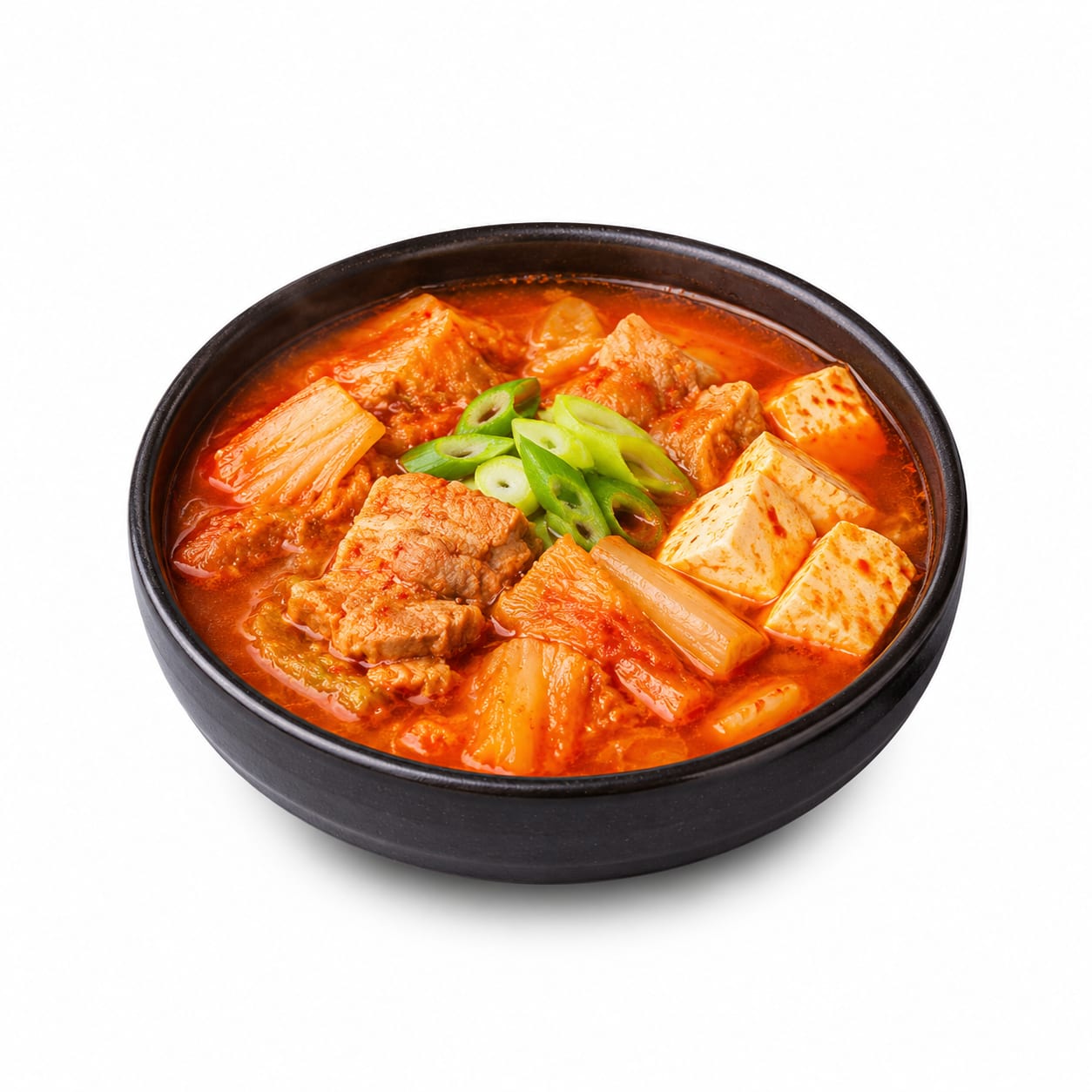
Kimchi Jjigae
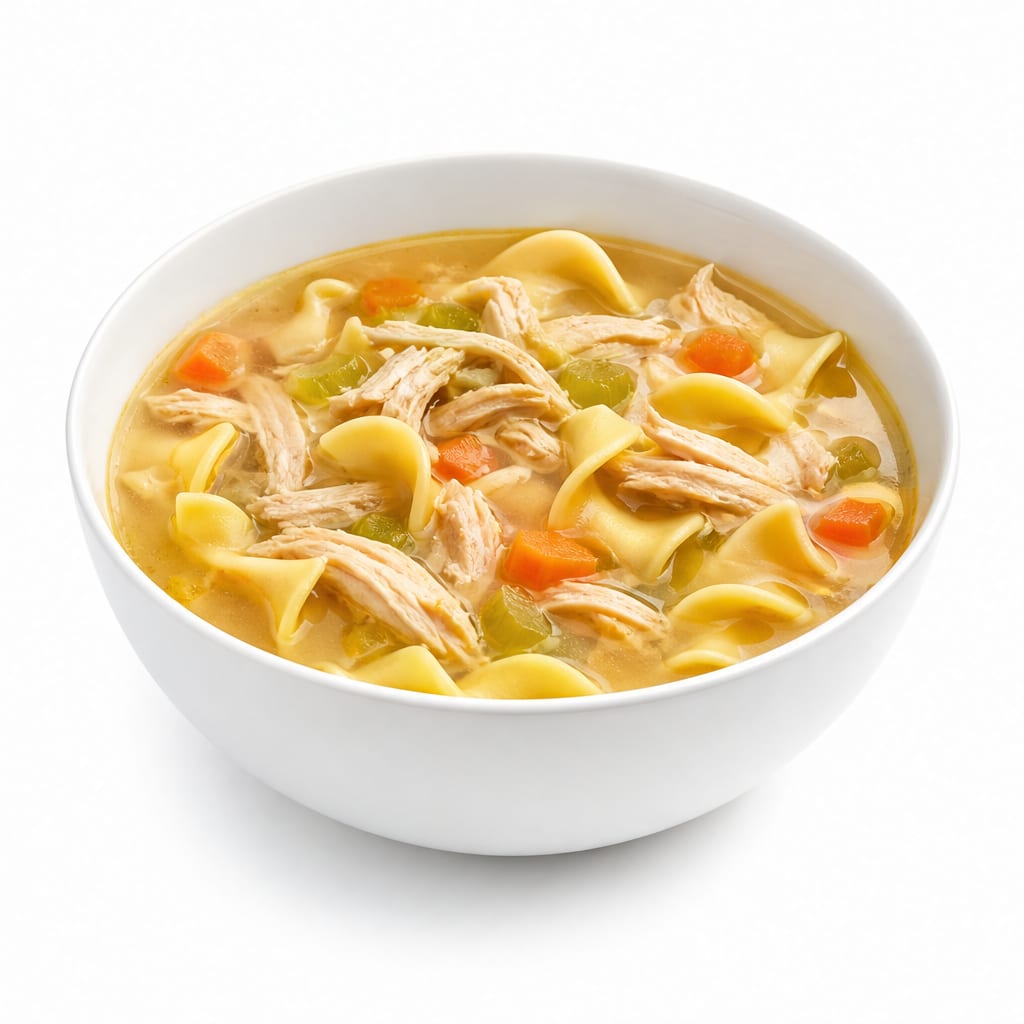
Chicken Noodle Soup
Kimchi Jjigae brings probiotic power and bold spice, while Chicken Noodle Soup delivers gentle, easily digestible comfort.
Kimchi Jjigae scores slightly higher for nutrient density and gut benefits, but its spice and sodium level limit broad daily appeal. Chicken Noodle Soup is universally comforting but often lacks nutritional depth unless homemade.
Fermented, spicy intensity versus mild, soothing hydration.
At a glance
Executive summary
Overall
It depends
Healthier
It depends
More practical
Chicken Noodle Soup
Daily use
It depends
Key comparison lenses
Comfort and sickness recovery
Both are iconic comfort soups used globally when feeling unwell or needing emotional warmth.
Digestive tolerance and gut health
Kimchi Jjigae offers probiotics but is spicy, while Chicken Noodle Soup is mild and gentle on the stomach.
Sodium and heart health impact
Both soups can be sodium bombs, but from different sources—fermented kimchi versus canned broth.
Best choice for
Kimchi Jjigae
- Gut microbiome support
- Low-carb satisfying meals
- Clearing sinus congestion
Chicken Noodle Soup
- Sick days and sore throats
- Gentle digestion after stomach upset
- Feeding picky children
Least suitable for
Kimchi Jjigae
- People with histamine intolerance
- Those on a strict low-sodium diet
- Anyone with acid reflux or GERD
Chicken Noodle Soup
- Gluten-free or low-carb dieters
- Those avoiding ultra-processed canned goods
- People needing high protein intake
Deep comparison
Dimension by dimension
Each lens scores both foods and breaks down who each option suits.
- Dimension 1 · Priority 95Kimchi Jjigae
Digestive Health & Gut Microbiome
Kimchi Jjigae · 90Chicken Noodle Soup · 55Kimchi Jjigae is packed with probiotics from fermented kimchi, actively supporting gut flora. Chicken Noodle Soup is easy to digest but doesn't offer probiotic benefits.
Tradeoff
You get powerful gut-boosting bacteria from Kimchi Jjigae, but the spice can irritate sensitive stomachs, whereas Chicken Noodle Soup is completely gentle but passive nutritionally.
Why it matters
A healthy gut microbiome impacts everything from immunity to mood, giving fermented foods a unique edge for long-term health.
Real-world impact
Eating Kimchi Jjigae regularly can improve digestion and reduce bloating over time, while Chicken Noodle Soup is better when your stomach is already upset and needs a break.
Kimchi Jjigae
- Building long-term gut health
- Reducing chronic bloating
Better for
- Irritating acid reflux
- Triggering IBS flare-ups
Worse for
Chicken Noodle Soup
- Recovering from a stomach bug
- Eating with an active ulcer
Better for
- Replenishing gut flora after antibiotics
Worse for
- Dimension 2 · Priority 90Chicken Noodle Soup
Sickness Recovery & Soothing
Kimchi Jjigae · 60Chicken Noodle Soup · 95Chicken Noodle Soup is the gold standard for sick days. The warm, salty broth hydrates, while the mild ingredients go down easy. Kimchi Jjigae's spice can be too aggressive when you're already feeling unwell.
Tradeoff
Chicken Noodle Soup provides gentle hydration and easy calories, while Kimchi Jjigae might clear your sinuses but could irritate a sore throat.
Why it matters
When sick, your body needs easily available energy and hydration without making the digestive system work hard.
Real-world impact
A bowl of Chicken Noodle Soup feels like a warm hug when you have a cold, whereas Kimchi Jjigae might make you sweat and feel more inflamed.
Kimchi Jjigae
- Clearing severe nasal congestion
Better for
- Aggravating a raw throat
- Causing stomach discomfort when weak
Worse for
Chicken Noodle Soup
- Soothing a sore throat
- Settling a nauseous stomach
- Rehydrating during a fever
Better for
- Providing anti-inflammatory benefits
Worse for
- Dimension 3 · Priority 85It depends
Sodium Load & Heart Health
Kimchi Jjigae · 40Chicken Noodle Soup · 45Both are high-sodium foods. Kimchi Jjigae gets its salt from fermented kimchi and soybean paste, while Chicken Noodle Soup is notoriously sodium-heavy, especially from cans or restaurants.
Tradeoff
Kimchi Jjigae's sodium comes with probiotic benefits, whereas Chicken Noodle Soup's sodium often comes with ultra-processed additives if canned.
Why it matters
Frequent high-sodium meals can raise blood pressure and increase heart disease risk over time.
Real-world impact
If you have high blood pressure, both soups should be occasional treats rather than daily staples, unless you make low-sodium versions at home.
Kimchi Jjigae
- Homemade versions where salt is needed for fermentation
Better for
- Risking blood pressure spikes
Worse for
Chicken Noodle Soup
- Homemade versions where salt can be precisely controlled
Better for
- Hidden sodium in canned broths
Worse for
- Dimension 4 · Priority 80Kimchi Jjigae
Satiety & Protein Quality
Kimchi Jjigae · 85Chicken Noodle Soup · 60Kimchi Jjigae typically contains pork belly, tofu, or tuna, offering a much more robust protein and fat profile. Chicken Noodle Soup has a few shreds of chicken and mostly carb-heavy noodles.
Tradeoff
Kimchi Jjigae keeps you full for hours due to higher protein and fat, while Chicken Noodle Soup leaves you hungry again soon after.
Why it matters
Meals that actually keep you full prevent unnecessary snacking and help maintain steady energy levels.
Real-world impact
Kimchi Jjigae works as a complete, satisfying dinner. Chicken Noodle Soup often needs a sandwich or crackers to feel like a full meal.
Kimchi Jjigae
- Staying full until the next meal
- Supporting muscle maintenance
Better for
- Feeling too heavy for a quick lunch
Worse for
Chicken Noodle Soup
- Eating light before bed
Better for
- Getting hungry an hour later
Worse for
- Dimension 5 · Priority 75Kimchi Jjigae
Micronutrient Density & Antioxidants
Kimchi Jjigae · 88Chicken Noodle Soup · 50Fermented kimchi is rich in vitamins A, B, and C, plus antioxidants. Chicken Noodle Soup offers some vitamins from carrots and celery, but the quantities are minimal.
Tradeoff
Kimchi Jjigae delivers a concentrated dose of bioavailable nutrients and antioxidants, while Chicken Noodle Soup provides mostly hydration and simple carbs.
Why it matters
Antioxidants and vitamins from real food sources support immune function and cellular repair far better than basic hydration.
Real-world impact
Regularly eating Kimchi Jjigae can visibly improve skin health and immunity, whereas Chicken Noodle Soup primarily offers temporary comfort.
Kimchi Jjigae
- Boosting immune defenses daily
- Getting diverse vitamins in one bowl
Better for
- Over-consuming vitamin A if eaten in extreme excess
Worse for
Chicken Noodle Soup
- Getting easily digestible carbs for quick energy
Better for
- Lacking meaningful micronutrient diversity
Worse for
Timeline
Health impact over time
Short-term
Hours to days
Kimchi Jjigae
- Clears sinuses and induces sweating
- May cause heartburn in sensitive individuals
- Provides immediate satiety
Chicken Noodle Soup
- Soothes the throat and hydrates
- Provides quick, easily accessible energy
- Leaves you feeling light but potentially hungry
Long-term
Months to years
Kimchi Jjigae
- Improved gut microbiome diversity
- Potential blood pressure concerns if eaten too frequently
- Stronger immune regulation from probiotics
Chicken Noodle Soup
- Reliable hydration habit
- Risk of excessive sodium intake if relying on canned versions
- Minimal impact on gut flora
Risk profile
Safety & processing
Homemade Kimchi Jjigae relies on naturally fermented kimchi and fresh proteins. Chicken Noodle Soup is often made with canned broth, processed noodles, and preservatives, though homemade versions can be quite natural.
Kimchi Jjigae
Histamine intolerance
mediumFermented foods like aged kimchi are high in histamine, which can trigger headaches or allergic-like reactions in sensitive people.
High sodium overload
mediumThe combination of aged kimchi, gochugaru, and soybean paste creates a very high-sodium meal.
Chicken Noodle Soup
BPA and can lining exposure
mediumCanned Chicken Noodle Soup often contains BPA or alternative can linings that may leach into the broth.
MSG and hidden additives
lowCommercial and restaurant versions frequently use MSG and yeast extract, which can cause mild reactions in sensitive individuals.
Who wins for whom
Audience fit
Same foods, different winners depending on your goal.
children
Chicken Noodle SoupChicken Noodle Soup is mild, easy to slurp, and universally accepted by kids, unlike the spicy and pungent Kimchi Jjigae.
daily consumption
It dependsKimchi Jjigae is better for daily gut health if you tolerate spice, but Chicken Noodle Soup is safer for daily sodium if made homemade.
diabetes
Kimchi JjigaeKimchi Jjigae is naturally low in carbohydrates, avoiding the blood sugar rollercoaster caused by noodles.
elderly
Chicken Noodle SoupChicken Noodle Soup is easier to chew, gentler on aging digestive systems, and less likely to aggravate acid reflux.
muscle gain
Kimchi JjigaeKimchi Jjigae typically provides more substantial protein from pork belly or extra tofu compared to the sparse chicken in noodle soup.
weight loss
Kimchi JjigaeKimchi Jjigae is lower in carbs and higher in protein, keeping you fuller longer without the insulin spike from noodles.
Your move
Decision guide
Choose Kimchi Jjigae
- You want to boost your gut health with probiotics
- You need a filling, low-carb meal
- You are congested and want something to clear your sinuses
Choose Chicken Noodle Soup
- You are actively sick with a cold or sore throat
- You need a gentle meal after a stomach upset
- You are cooking for kids or someone who avoids spice
Either works if
- You just want a comforting, warming bowl of soup
- You are hydrating on a cold day
Avoid both if
- You are on a strict low-sodium diet for kidney or heart issues
- You are trying to avoid high-histamine foods
Final recommendation
Let your body's current state decide. Reach for Chicken Noodle Soup when you are sick, fragile, or need gentle comfort. Choose Kimchi Jjigae when you are healthy, want to support your gut, or need a deeply satisfying, low-carb meal.
Practical
Consumer tips
- 1
Make Chicken Noodle Soup from scratch using low-sodium bone broth to drastically improve its nutritional profile.
- 2
If making Kimchi Jjigae, use older, well-fermented kimchi for deeper flavor and more probiotics.
- 3
Rinse canned Chicken Noodle Soup ingredients or choose low-sodium organic canned options to reduce sodium by up to 40%.
- 4
Add extra tofu to Kimchi Jjigae to boost protein without increasing the saturated fat from pork belly.
- 5
If you have acid reflux, eat Kimchi Jjigae earlier in the day rather than right before bed.