
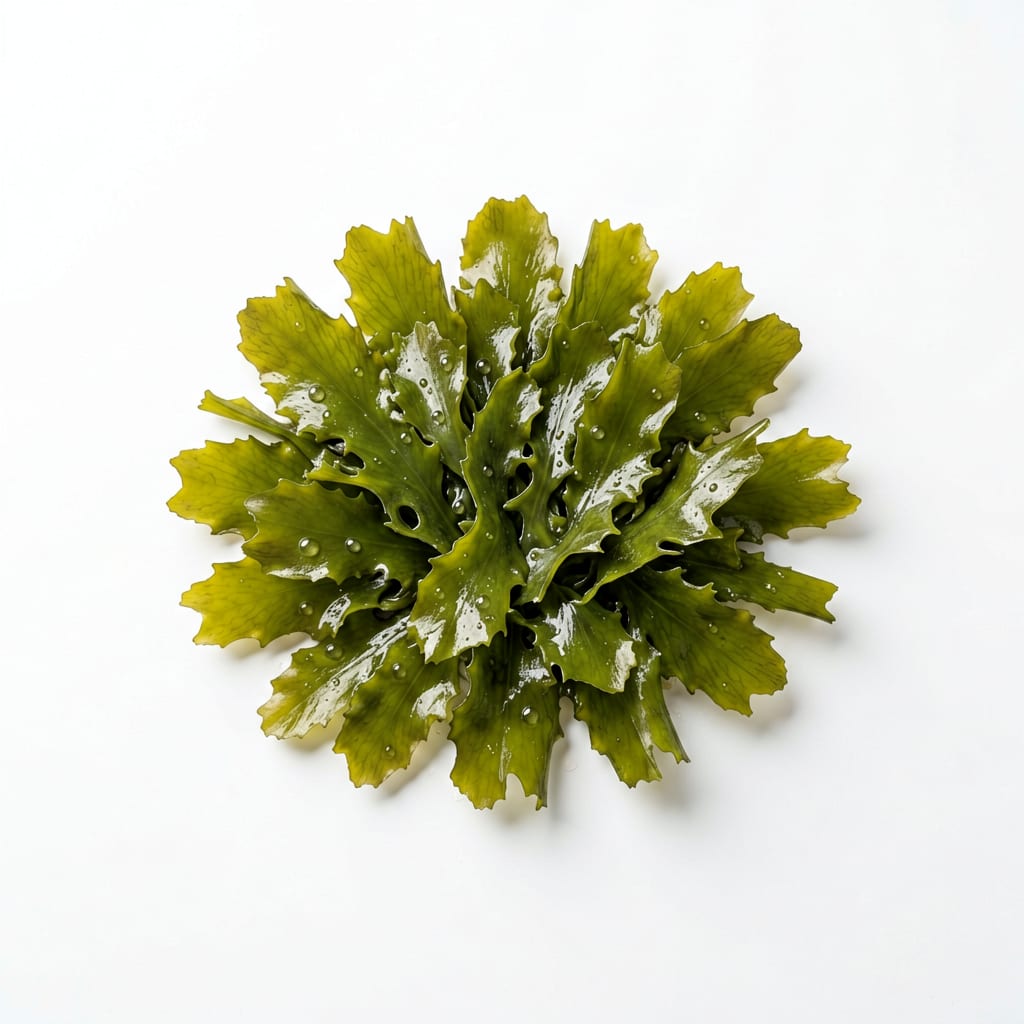
Sea Vegetable
Kelp
Kelp is a nutrient-dense brown seaweed exceptionally high in iodine and fiber, commonly used in Asian cuisine and as a dietary supplement.
Kelp is a large, brown algae that grows in underwater forests in shallow oceans. It is highly nutritious and notably rich in iodine, antioxidants, and unique dietary fibers.
mineral-dense sea vegetable
Typical serving · 10g
Common varieties · Kombu, Wakame, Sea Palm, Bull Kelp, Sugar Kelp
Overall context score across nutrition, safety, and diet fit
At a glance
Quick facts
Simple indicators based on nutrition, processing, and diet fit.
The story
What makes it unique
Kelp is a marine algae characterized by its high iodine content, which supports thyroid function, and unique polysaccharides like alginate and fucoidan. It digests slowly due to soluble fiber, promoting satiety and modulating glycemic response. Its macronutrient profile is low in calories and fat while offering moderate carbohydrates primarily from indigestible fiber.
Varieties: Kombu · Wakame · Sea Palm · Bull Kelp · Sugar Kelp
Per 100g
Nutrition breakdown
Macro balance and key metrics at a glance.
Energy
Density 0.43 kcal/g
Protein
Carbs
Fat
Fiber
Sugar
0.6 g
Sodium
233 mg
Potassium
89 mg
Glycemic index
5
Glycemic load
0.5
Water content
82%
Standout compounds
Nutrient highlights
Iodine
highEssential for thyroid hormone production and metabolic regulation
Alginate
highSoluble fiber that promotes satiety and slows glucose absorption
Vitamin K
moderateSupports bone metabolism and blood clotting
Fucoidan
moderateSulfated polysaccharide with prebiotic and potential immune-modulating properties
Iron
moderateCrucial for oxygen transport in the blood
Wellness map
Health scores & processing
NOVA processing scale
minimally processed · Whole food
Raw or dried kelp is a whole food requiring minimal processing, though some commercial kelp snacks may add oils and seasonings, increasing processing level.
Diet compatibility
- Weight loss
- Muscle gain
- Diabetes
- Gut health
- Low carb
- High protein
- Heart health
Relative standing
Food rankings
Qualitative ranks compared to similar whole foods.
- Satietygood
- Blood sugarexcellent
- Nutrient densityexcellent
- Fitness fuelmoderate
- Processing qualityexcellent
Eat with confidence
Food safety profile
Kelp absorbs minerals from its environment, which can lead to heavy metal accumulation. Overconsumption can cause iodine toxicity, affecting thyroid function. Sourcing from clean waters is essential.
Evidence confidence 85%
- Pesticideslow
- Antibioticslow
- Heavy metalsmoderate
- Contaminationmoderate
Watch for
- Arsenic
- Cadmium
- Lead
- Excess Iodine
Safer choices
Organic certified kelp or kelp sourced from verified clean Atlantic waters rather than heavily industrialized Pacific regions.
Prep tips
Rinsing dried kelp can remove surface salt and some contaminants, but will not reduce heavy metals or iodine absorbed into the tissue.
Heavy metal accumulation in ocean environments and excessive iodine content in supplements are primary regulatory concerns.
Deep dive
Health analysis
How this food may fit different goals and preparation choices.
Weight loss
Very low energy density and high fiber content from alginates promote fullness and reduce overall calorie intake.
Blood sugar
Alginate and fucoidan fibers slow carbohydrate digestion and glucose absorption, resulting in a minimal impact on blood sugar levels.
Fitness & energy
Provides essential trace minerals that support metabolic function and thyroid health, but lacks the macronutrients needed for direct workout fuel.
Gut health
Acts as a potent prebiotic; its unique polysaccharides feed beneficial gut bacteria and support microbiome diversity.
Processing quality
Typically consumed as a whole, minimally processed food, retaining its full spectrum of natural minerals and fibers.
Food safety
The primary risk is heavy metal exposure from polluted waters and iodine excess; moderation and careful sourcing are critical.
Common mistakes
Taking kelp supplements or eating large quantities daily assuming more is better, which can disrupt thyroid function.
Best preparation
Simmering in soups or broths, rehydrating for salads, or using small dried flakes as a salt substitute.
Practical guide
Best use cases
When and how this food fits real eating patterns.
Mineral broth base
Using dried kombu to make nutrient-dense dashi or bone broth.
Low-calorie salad addition
Rehydrating and adding to seaweed salads for volume and trace minerals.
Natural iodine supplementation
Consuming small amounts to support dietary iodine intake for thyroid health.
Salt substitute
Using dried kelp flakes to season food with less sodium and more trace minerals.
Balance sheet
Pros & cons
Upsides
- Exceptionally rich in iodine for thyroid support
- Very low in calories and energy density
- Contains unique prebiotic fibers like alginate
- Minimal impact on blood sugar levels
- Good source of trace minerals often lacking in land vegetables
Trade-offs
- Risk of heavy metal accumulation from polluted waters
- Excessive iodine intake can disrupt thyroid function
- High sodium content naturally present from seawater
- Not a significant source of protein or healthy fats
- Texture and taste can be unappealing to some palates
Fit check
Who is it for?
Great match
- thyroid support under medical guidance
- low-calorie volume eating
- blood sugar management
- prebiotic gut health support
- plant-based trace mineral sourcing
Consider alternatives
- hyperthyroidism or Grave's disease
- high-protein diets
- low-sodium diets if consumed in large amounts
- heavy metal detoxification protocols
Side by side
How it compares
Open the full head-to-head analysis for nutrition, safety, and practical tradeoffs.
This food
Kelp
VS85% alike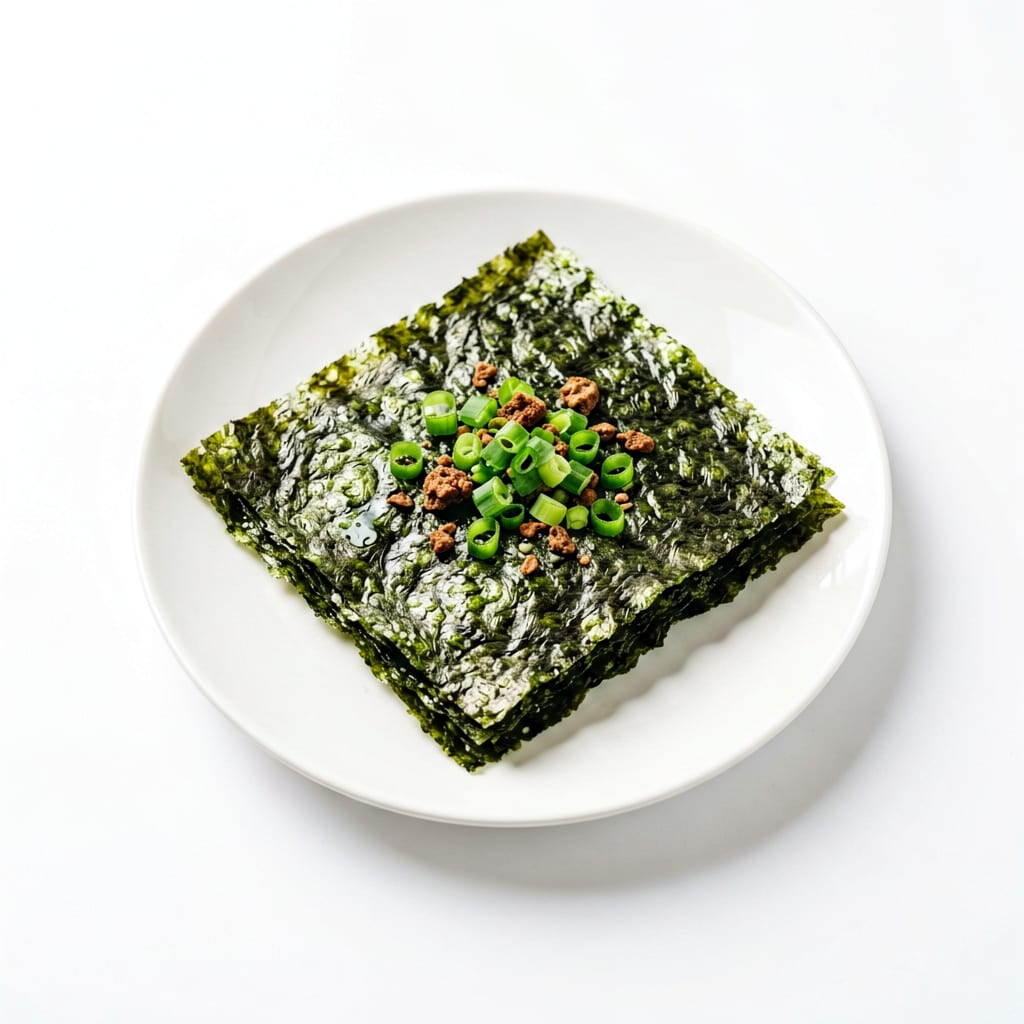
Compare with
Nori
Nori is lighter and used for sushi, while kelp is thicker, richer in iodine, and better for broths.
Nori offers more protein per calorie and is great for sushi, while kelp provides more iodine and fiber for satiety and thyroid support.
This food
Kelp
VS90% alike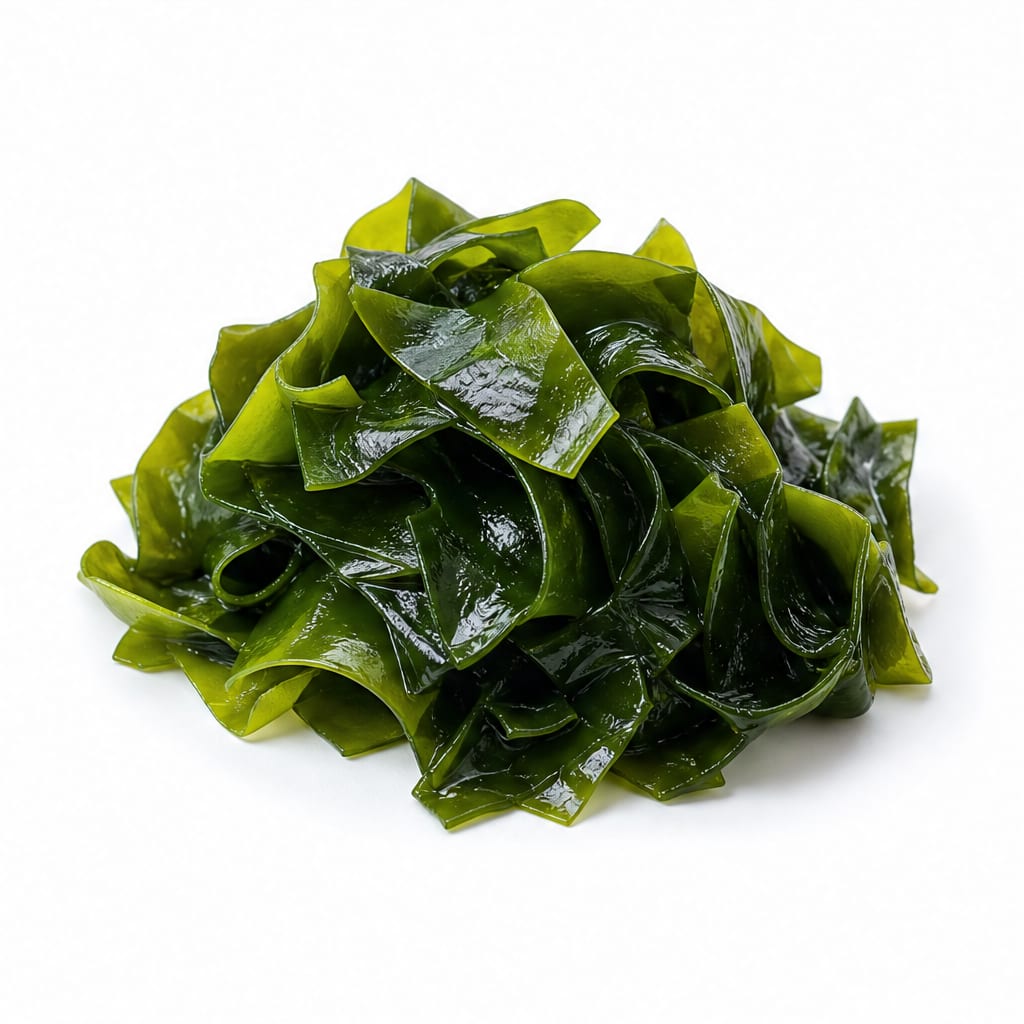
Compare with
Wakame
Wakame is softer and milder, commonly used in miso soup, while kelp is denser and chewier.
Wakame is softer and milder for soups, while kelp is chewier with a more concentrated iodine and fiber profile.
This food
Kelp
VS70% alike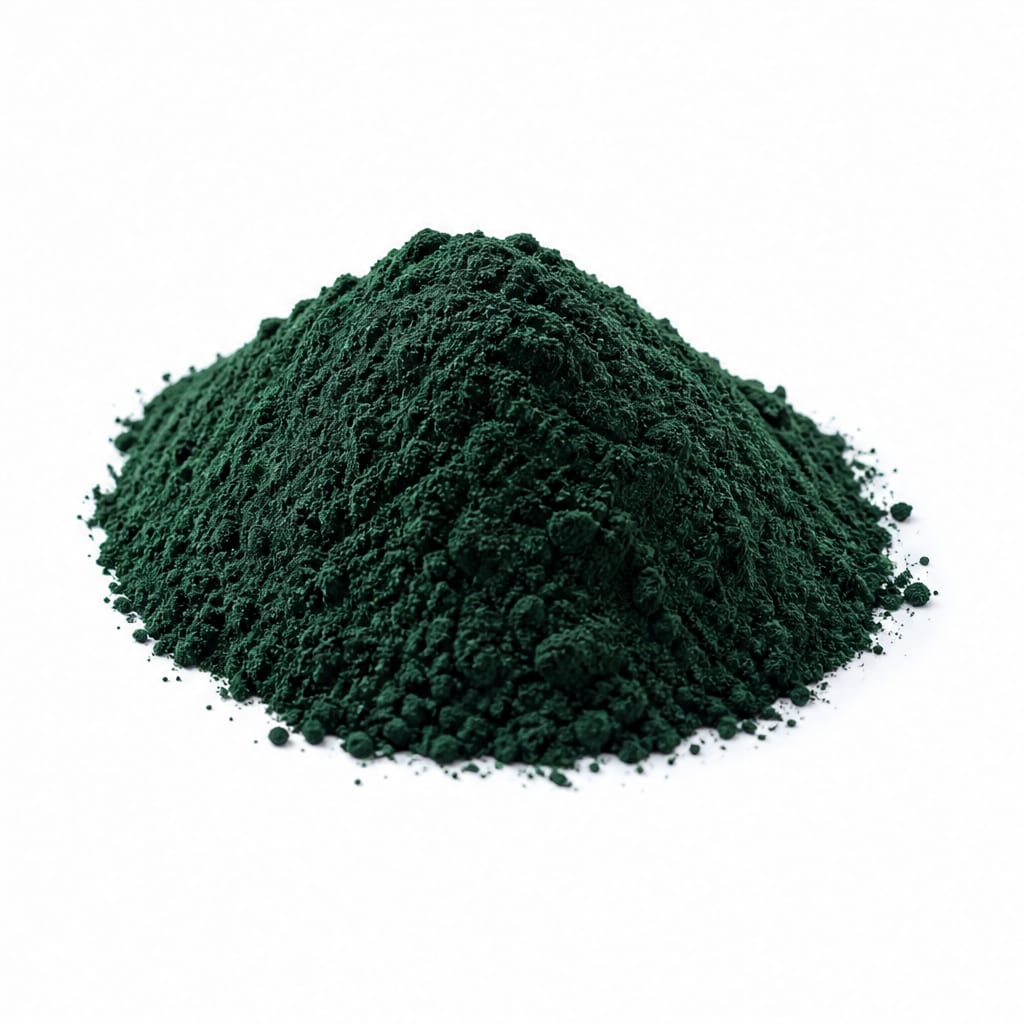
Compare with
Spirulina
Spirulina is a blue-green algae packed with protein, whereas kelp is a brown seaweed high in iodine and fiber.
Spirulina is a high-protein superfood better for muscle gain, while kelp is a low-calorie sea vegetable superior for iodine and fiber.
This food
Kelp
VS60% alike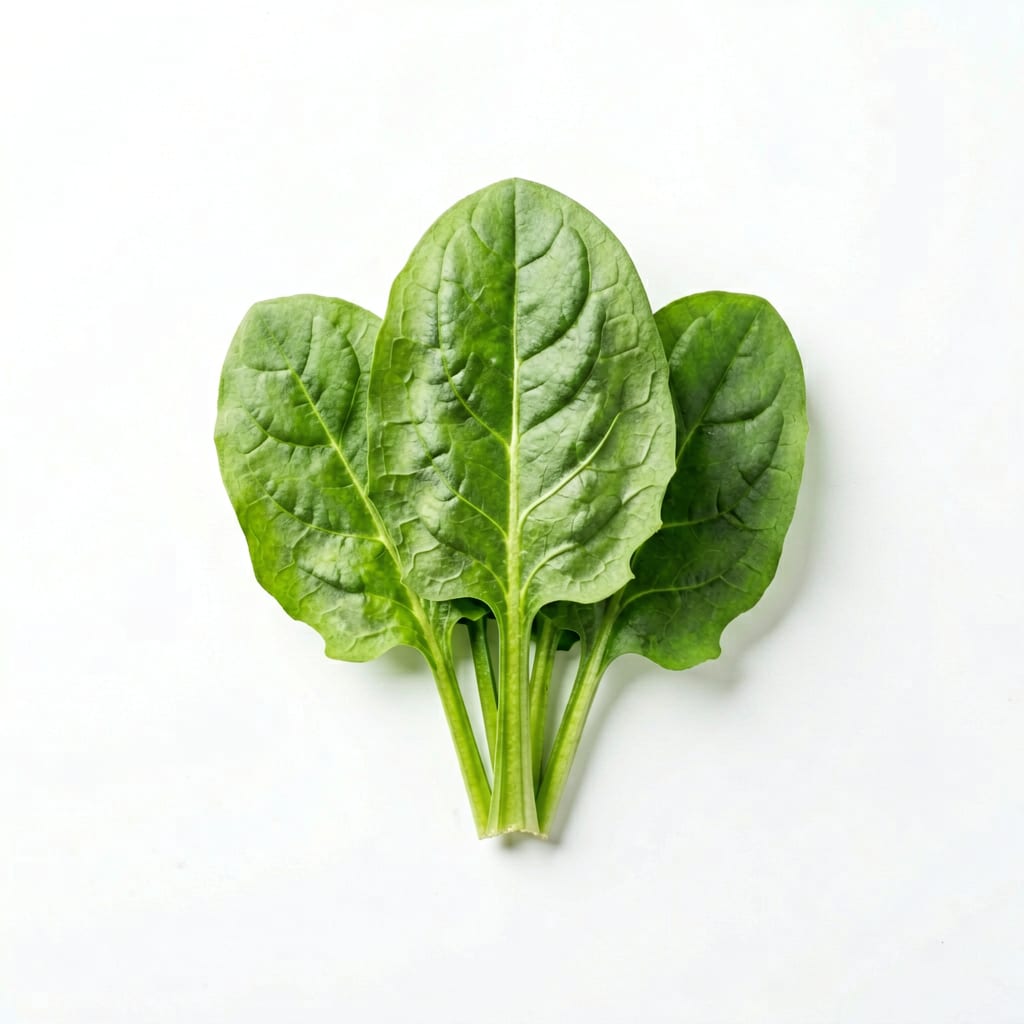
Compare with
Spinach
Spinach is a land vegetable with high iron and vitamins, while kelp offers unique marine minerals like iodine.
Spinach provides more volume and iron per calorie, while kelp delivers unique marine minerals like iodine that land vegetables lack.
This food
Kelp
VS55% alike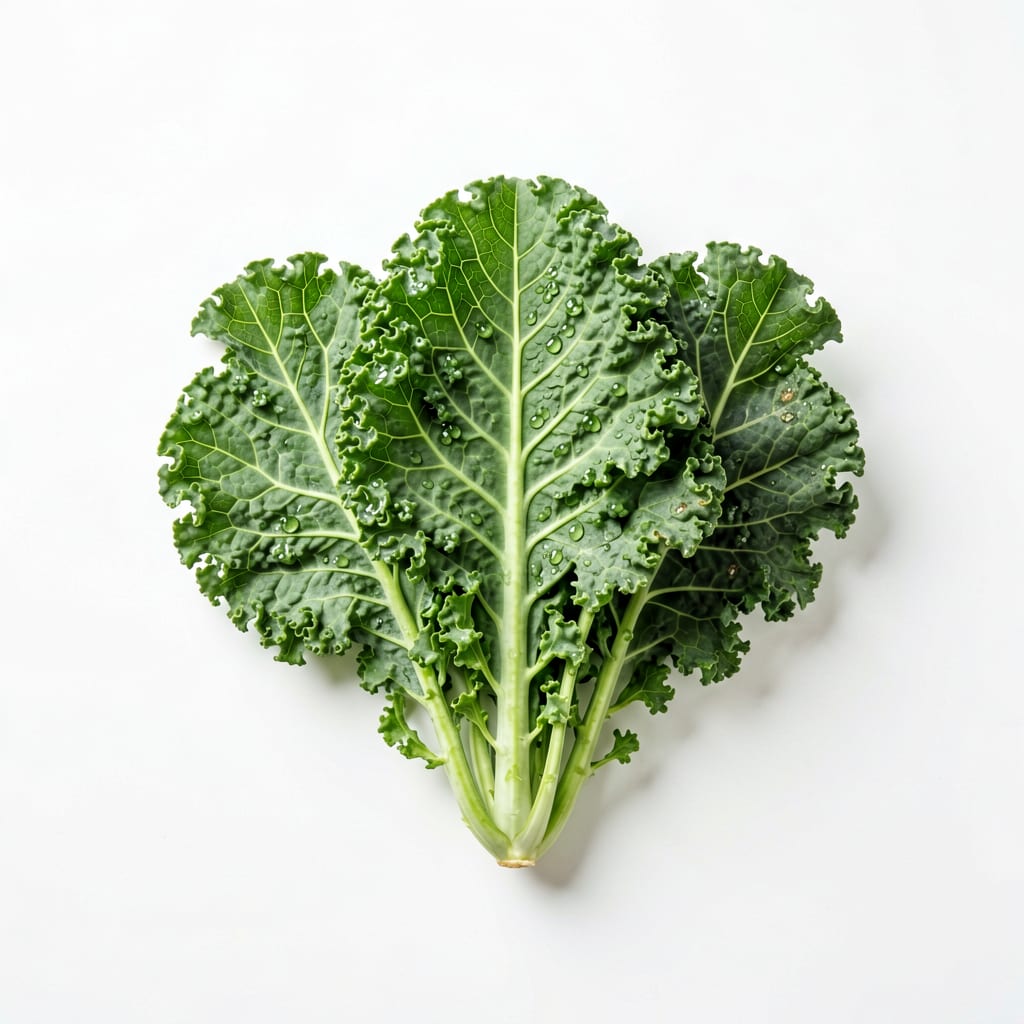
Compare with
Kale
Kale is a nutrient-dense land vegetable, while kelp provides marine-specific nutrients.
Kale offers more protein and vitamin C per calorie, while kelp provides essential iodine and prebiotic alginate.
This food
Kelp
VS88% alike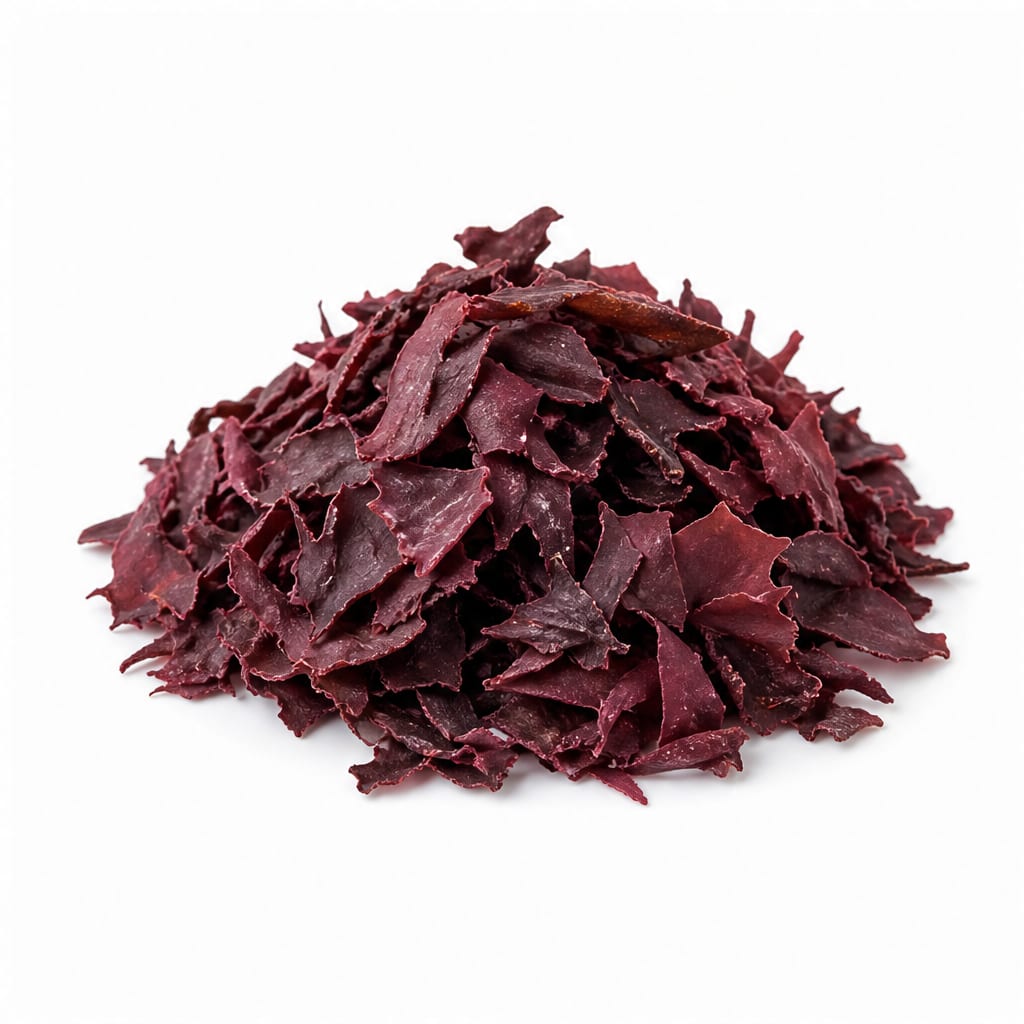
Compare with
Dulse
Dulse is a red seaweed with a milder flavor, while kelp is brown with a stronger ocean taste and higher iodine.
Dulse is higher in protein and has a milder taste, while kelp is richer in iodine and fiber for thyroid and gut health.
This food
Kelp
VS65% alike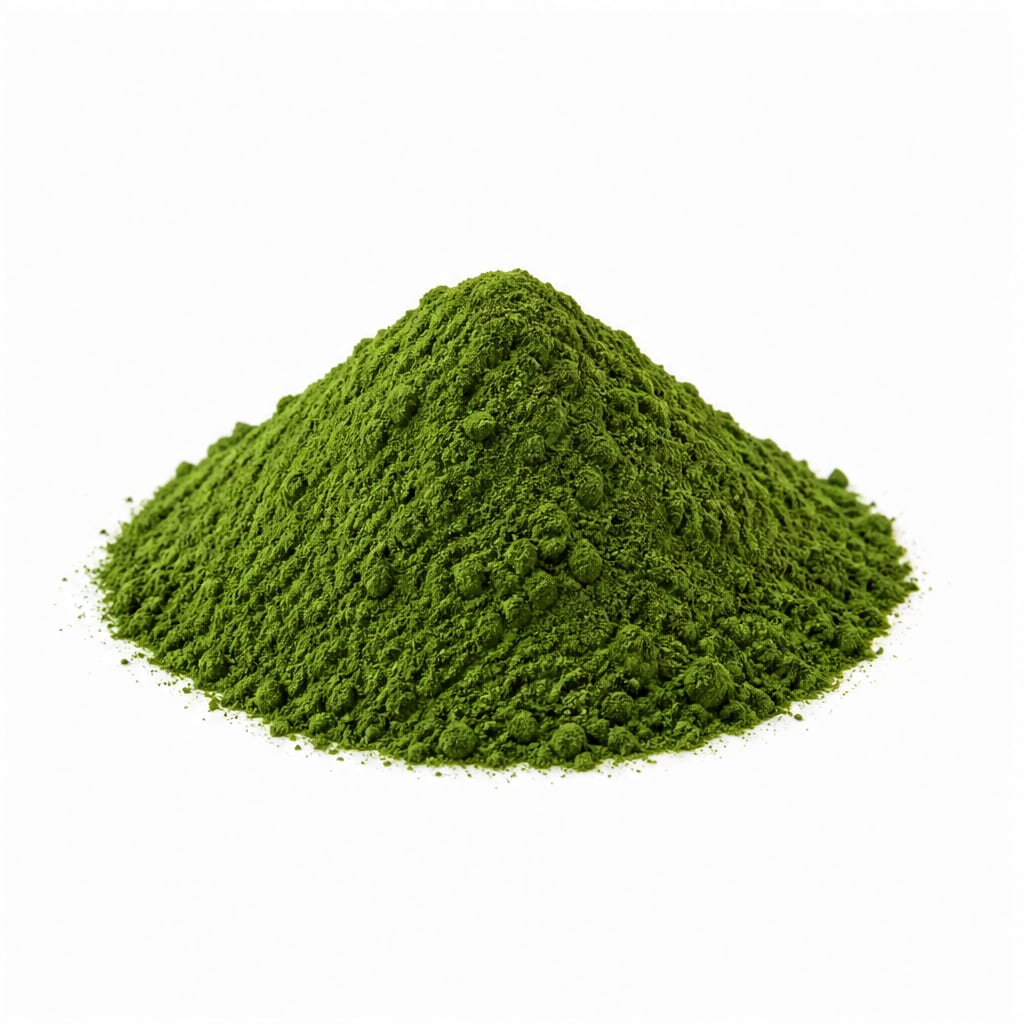
Compare with
Chlorella
Chlorella is a freshwater algae known for detox and protein, while kelp is an ocean seaweed focused on iodine.
Chlorella is a protein-rich freshwater algae, whereas kelp is a fiber-rich ocean seaweed better for thyroid support.
This food
Kelp
VS50% alike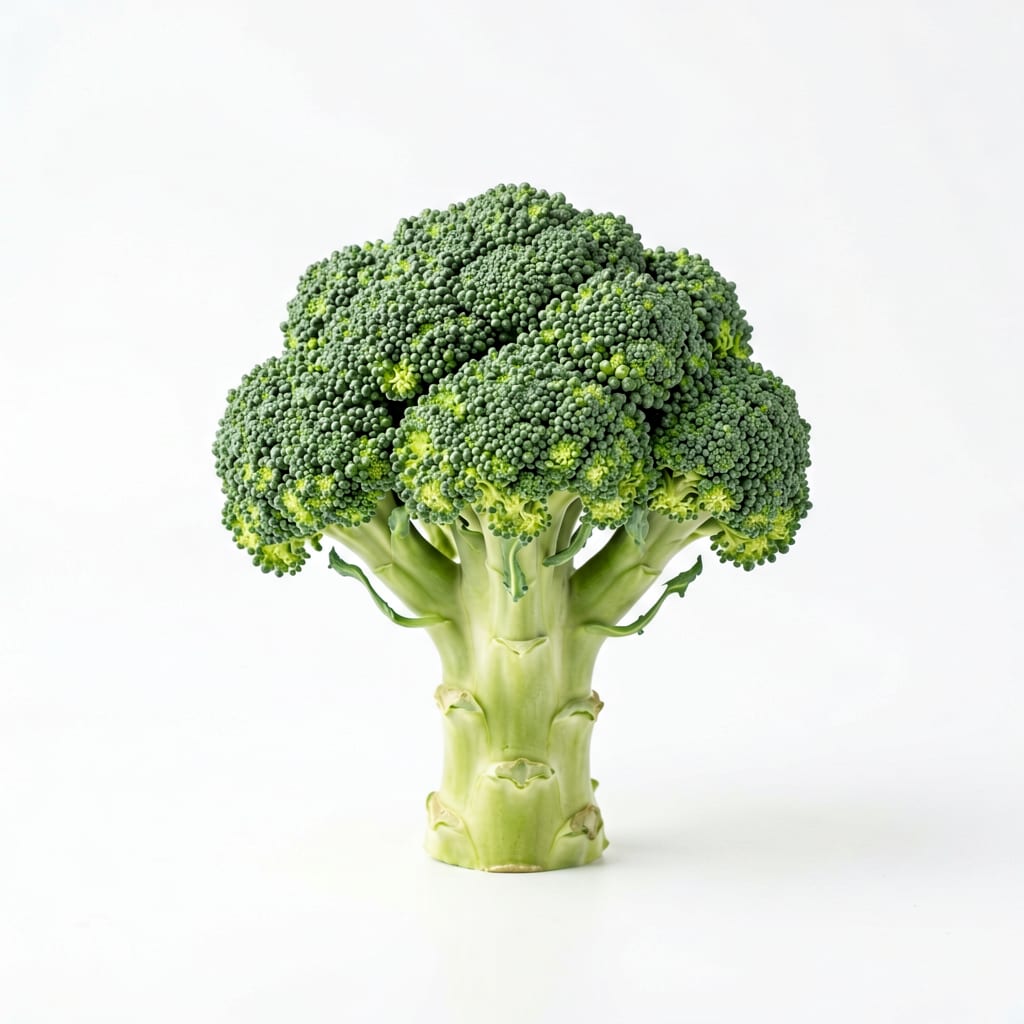
Compare with
Broccoli
Broccoli is a fibrous land vegetable, while kelp is a mineral-dense sea vegetable.
Broccoli provides more protein and vitamin C, while kelp offers unique marine minerals and prebiotic fibers.
This food
Kelp
VS45% alike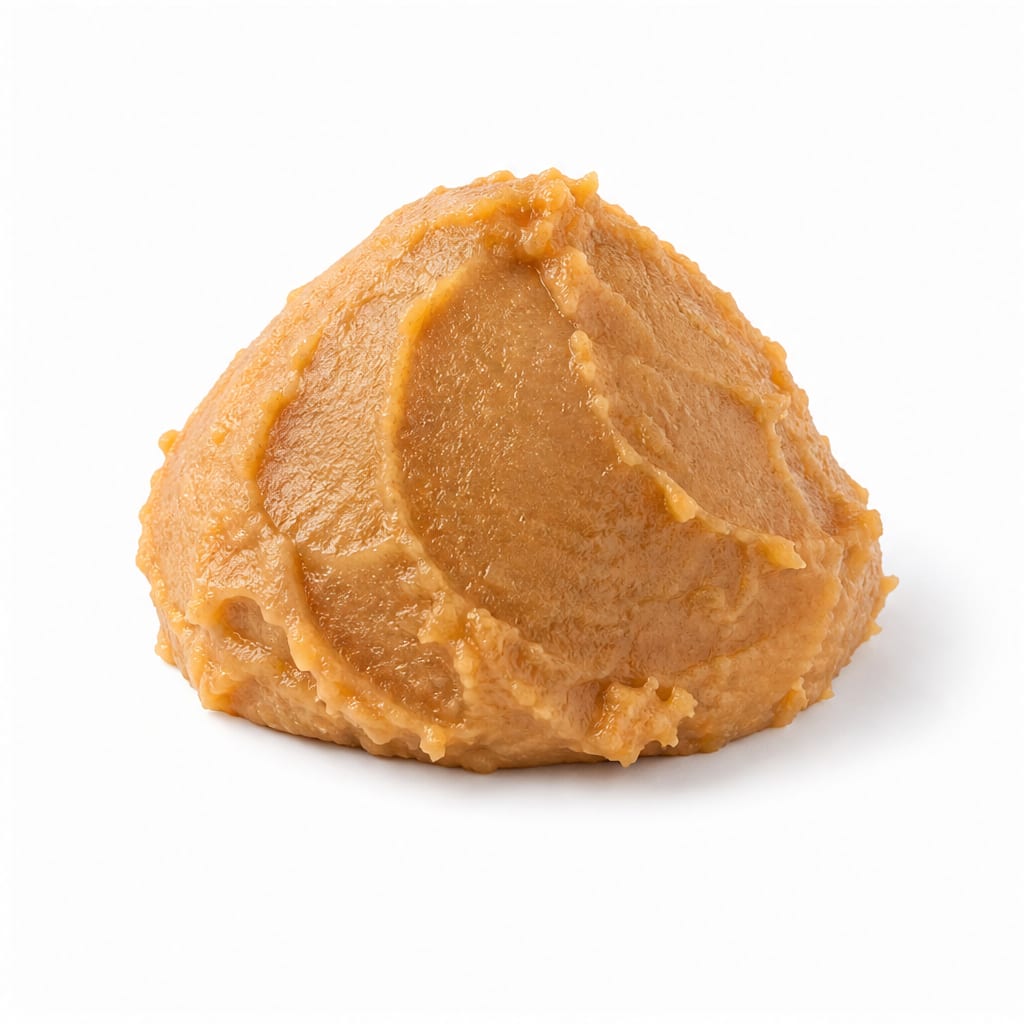
Compare with
Miso
Miso is a fermented soy paste providing probiotics, while kelp provides fiber and iodine.
Miso provides probiotics and umami flavor, while kelp adds iodine, fiber, and minerals; they work best together.
This food
Kelp
VS55% alike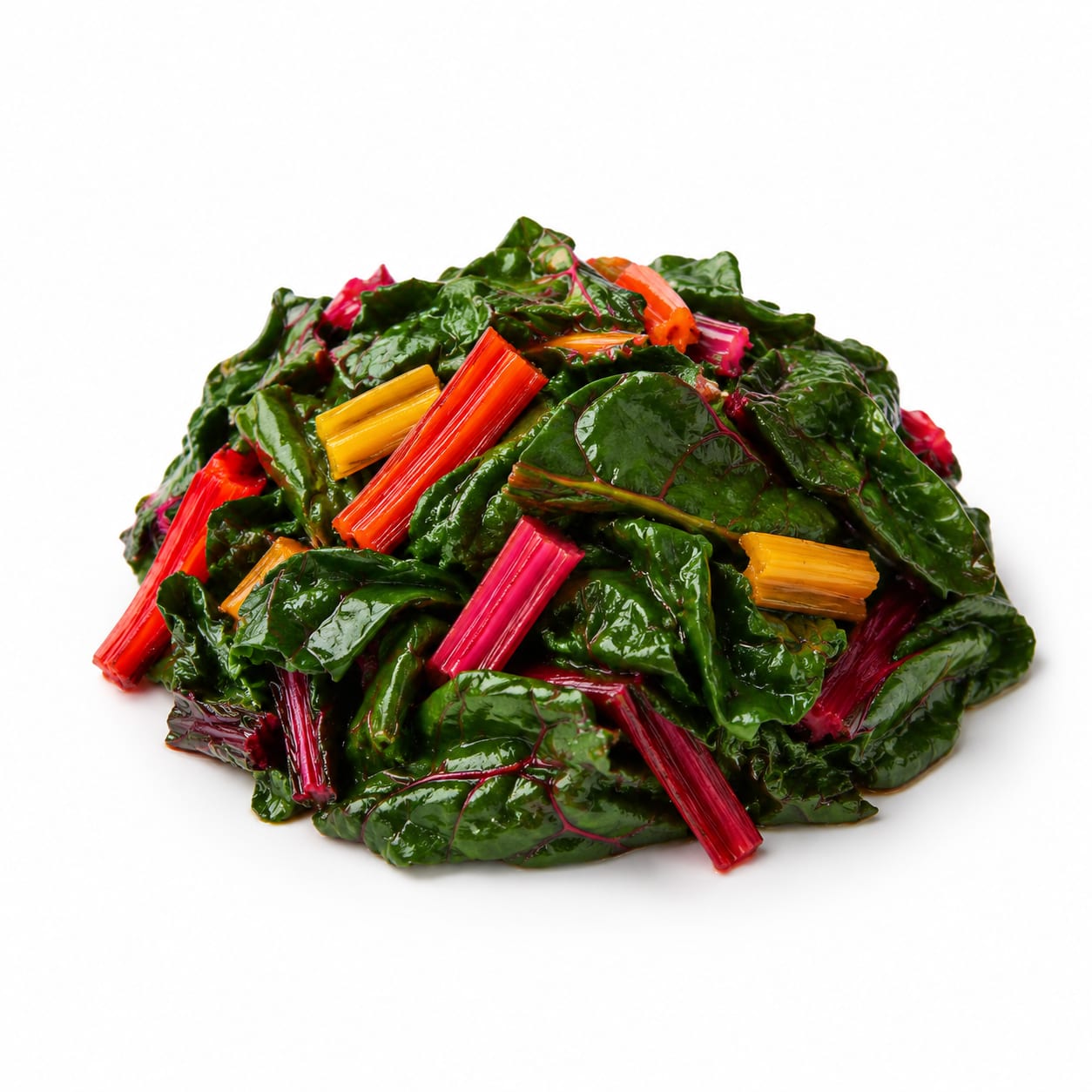
Compare with
Swiss Chard
Swiss chard is high in vitamin K and magnesium, while kelp is high in iodine and alginate.
Swiss chard is richer in magnesium and vitamin K, while kelp is the only source of iodine between the two.
Common questions
FAQ
Answers aligned with how people search for this food.
Is kelp good for weight loss?
Yes, kelp is very low in calories and high in fiber, which increases satiety and helps control appetite.
Can diabetics eat kelp?
Yes, kelp has a very low glycemic index and its alginate content helps slow sugar absorption, making it safe for diabetics.
How much kelp is safe to eat daily?
It is best consumed in moderation; a few grams of dried kelp or a cup of raw kelp a few times a week is generally safe, but daily large amounts can cause iodine toxicity.
Does kelp help with hypothyroidism?
Kelp provides iodine, which is essential for thyroid hormone production, but excessive iodine from kelp can worsen thyroid conditions, so medical guidance is advised.
Is kelp high in heavy metals?
Kelp can absorb heavy metals like arsenic and cadmium from ocean water. Sourcing organic kelp from clean waters reduces this risk.
What is the difference between kelp and kombu?
Kombu is a specific type of kelp widely used in Japanese cooking to make dashi broth.
Can you eat raw kelp?
Yes, raw kelp can be eaten, but it is more commonly dried, rehydrated, or cooked to improve texture and digestibility.
Is kelp a good source of protein?
No, while it contains some protein, the amount per serving is very low compared to legumes or meat.
Transparency
Data confidence
Estimated confidence for nutrition data, interpretation, safety notes, and comparisons.
Nutrition data
Health analysis
Food safety
Comparisons