
Nutrition comparison
Kelp vs Kale: Which Green is Better for Your Thyroid and Health?
Compare Kelp vs Kale for thyroid health, vitamins, minerals, and safety. Learn which green is best for daily use and the hidden risks of heavy metals and iodine.
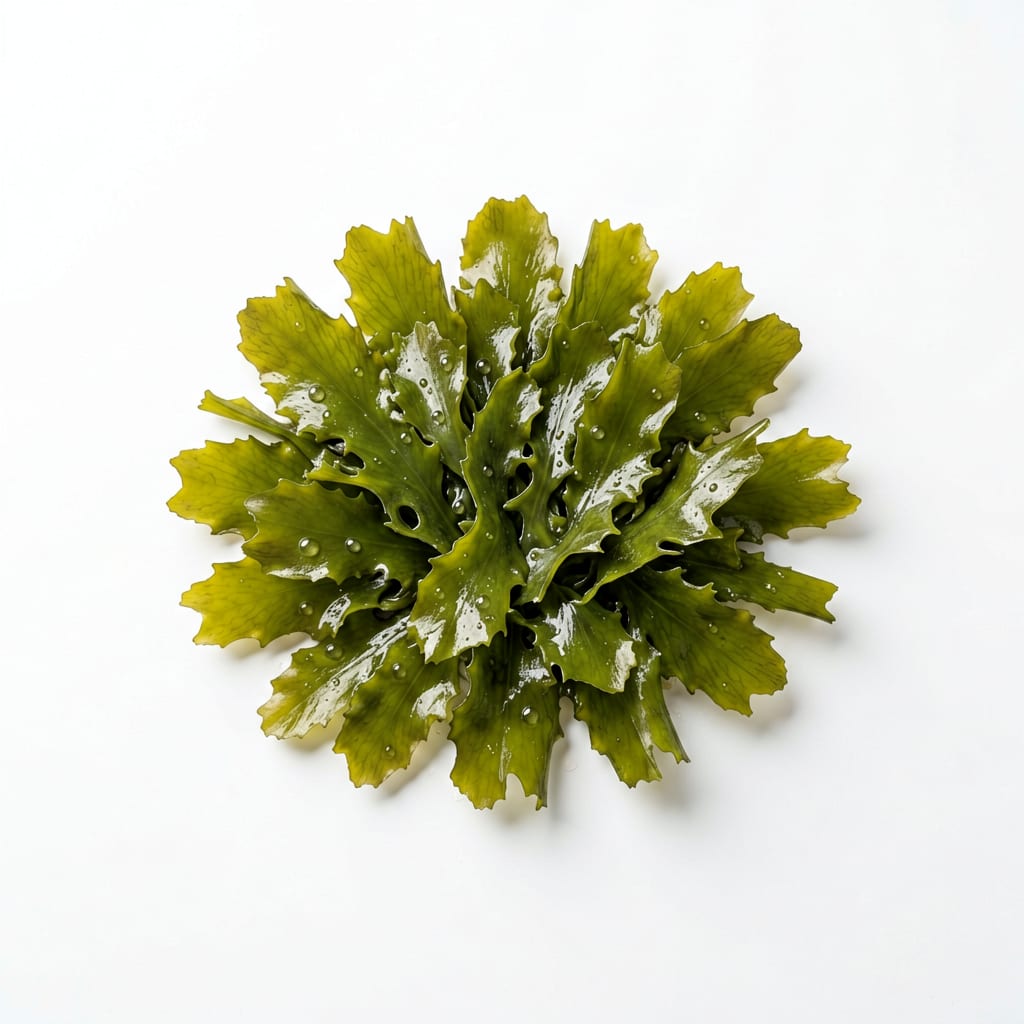
Kelp
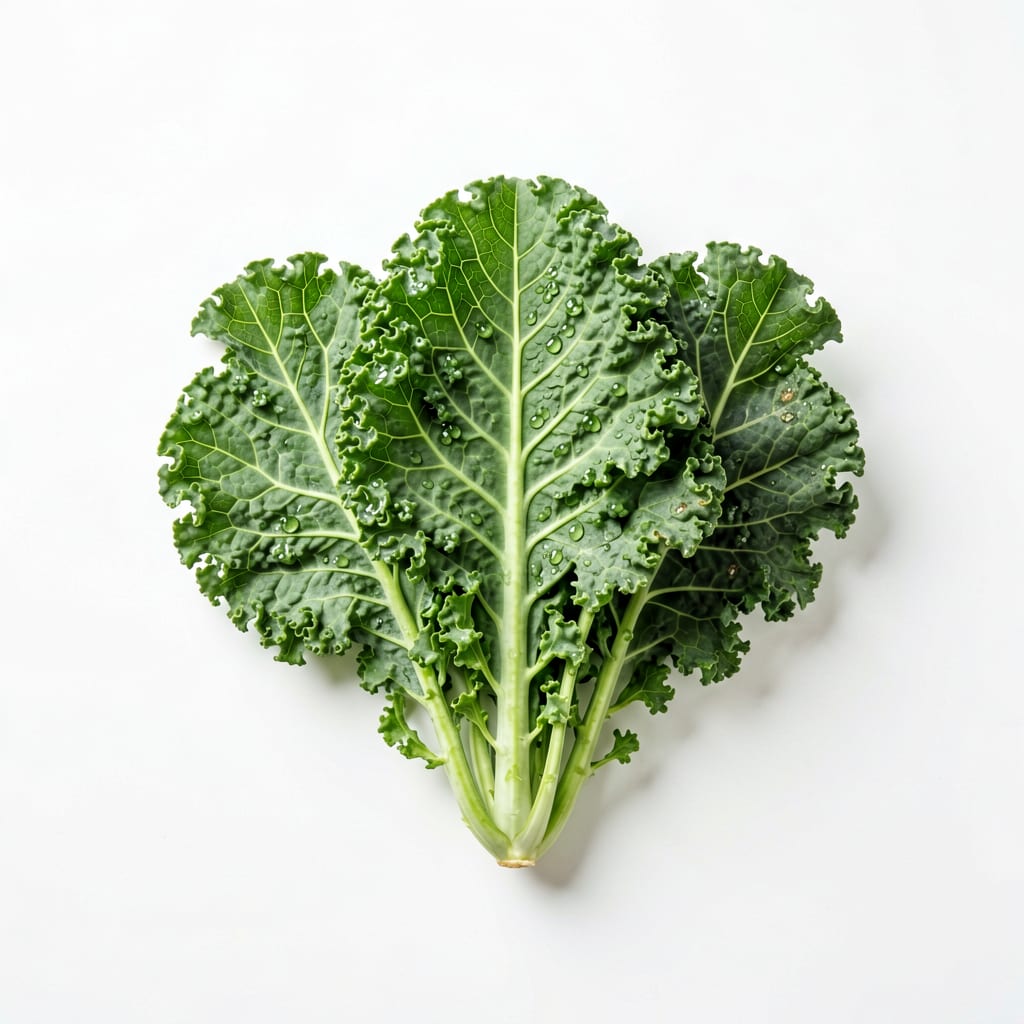
Kale
Kelp and Kale are both nutrient powerhouses serving completely different purposes. Kelp is a mineral bomb for iodine, while Kale is a versatile vitamin and fiber champion.
Kale scores higher for daily practicality, broader safety, and culinary versatility. Kelp's heavy metal risk and extreme iodine content limit its everyday appeal, making it better as an occasional supplement than a daily staple.
Kelp delivers unmatched iodine and ocean minerals but carries heavy metal risks and limited culinary uses. Kale offers versatile vitamins and fiber but can interfere with thyroid if eaten raw in massive amounts.
At a glance
Executive summary
Overall
It depends
Healthier
It depends
More practical
Kale
Daily use
Kale
Key comparison lenses
Thyroid support vs interference
Kelp is famously high in iodine for thyroid support, while raw Kale contains goitrogens that can suppress thyroid function if overconsumed.
Ocean vs farm contamination risks
Kelp absorbs heavy metals from the ocean, whereas Kale is heavily sprayed with pesticides, making safety a key decision factor.
Mineral vs vitamin density
Kelp provides rare ocean minerals, while Kale delivers massive amounts of land-based vitamins like K, A, and C.
Everyday culinary versatility
Kale is a staple salad and smoothie green, while Kelp is mostly used as a garnish, supplement, or broth base.
Best choice for
Kelp
- People needing iodine support
- Those eating mostly local land-based diets lacking sea minerals
- Anyone wanting an umami flavor boost in soups
Kale
- Everyday salad and smoothie eaters
- People needing vitamins K, A, and C
- Those wanting a versatile, filling, low-calorie green
Least suitable for
Kelp
- People with hyperthyroidism or iodine sensitivity
- Those concerned about heavy metal exposure
- People who dislike ocean flavors
Kale
- People with hypothyroidism eating it raw in massive amounts
- Those prone to kidney stones from oxalates
- People on blood thinners who need stable vitamin K intake
Deep comparison
Dimension by dimension
Each lens scores both foods and breaks down who each option suits.
- Dimension 1 · Priority 95It depends
Thyroid Impact
Kelp · 70Kale · 60Kelp provides abundant iodine, supporting an underactive thyroid, while raw Kale contains goitrogens that can suppress thyroid function if eaten in extreme quantities.
Tradeoff
Kelp can easily push iodine to dangerous levels if eaten daily, whereas cooking Kale neutralizes most goitrogens safely.
Why it matters
Thyroid health dictates your energy, weight management, and mood stability.
Real-world impact
Adding dried Kelp to soup occasionally can boost a sluggish thyroid, but daily Kelp snacks might cause palpitations or anxiety from iodine excess.
Kelp
- Hypothyroid individuals needing dietary iodine
Better for
- Anyone with an overactive thyroid
Worse for
Kale
- People who cook their greens and want safe, moderate thyroid support
Better for
- People eating massive raw kale salads daily with existing thyroid issues
Worse for
- Dimension 2 · Priority 85Kale
Micronutrient Profile
Kelp · 75Kale · 92Kale dominates in vitamins K, A, and C, while Kelp wins in trace minerals like iodine, magnesium, and calcium.
Tradeoff
You get more immune and bone-supporting vitamins from Kale, but Kelp provides minerals rarely found in land vegetables.
Why it matters
A diverse nutrient profile covers more metabolic bases for daily energy and resilience.
Real-world impact
A Kale salad covers your vitamin needs for the day, while a Kelp supplement fills mineral gaps in a restrictive diet.
Kelp
- Those deficient in ocean-based minerals
Better for
- Relying on it solely for vitamins
Worse for
Kale
- Anyone needing a boost in vitamins K, A, and C
Better for
- Those specifically needing iodine
Worse for
- Dimension 3 · Priority 90Kale
Contamination Risk
Kelp · 40Kale · 70Kelp absorbs heavy metals like arsenic and lead from ocean water, while Kale is prone to pesticide residues unless organic.
Tradeoff
Ocean pollution makes Kelp a gamble for heavy metals, but Kale's pesticide issue is easily solved by buying organic.
Why it matters
Chronic exposure to heavy metals or pesticides undermines long-term health and detox pathways.
Real-world impact
Eating Kelp daily might increase arsenic exposure, whereas washing organic Kale practically eliminates pesticide risk.
Kelp
- Sourcing from pristine, tested waters
Better for
- Unverified sourcing from polluted oceans
Worse for
Kale
- Easy access to organic options
Better for
- Conventional farming with heavy pesticide use
Worse for
- Dimension 4 · Priority 80Kale
Culinary Versatility
Kelp · 45Kale · 90Kale works in salads, smoothies, soups, and chips. Kelp is mostly limited to broths, sushi, or supplements.
Tradeoff
Kelp's strong ocean flavor limits its use, while Kale's mild bitterness is easily masked or cooked out.
Why it matters
You only get benefits from foods you actually enjoy eating and can easily prepare.
Real-world impact
You can throw Kale into almost any meal, but Kelp requires specific recipes to taste good.
Kelp
- Making dashi or umami-rich broths
Better for
- Quick snacks or fresh salads
Worse for
Kale
- Everyday meals from breakfast smoothies to dinner sides
Better for
- Adding deep umami flavor to soups
Worse for
- Dimension 5 · Priority 75Kale
Digestive Health
Kelp · 70Kale · 85Both offer great fiber, but Kale provides more roughage for bowel regularity, while Kelp offers alginate, which supports gut lining and satiety.
Tradeoff
Kale's insoluble fiber is better for bulk, while Kelp's soluble fiber is better for soothing the gut.
Why it matters
Different fiber types serve different digestive needs, from regularity to gut healing.
Real-world impact
Kale keeps you regular, while Kelp can help you feel fuller longer with less bulk.
Kelp
- Soothing an irritated gut lining
Better for
- Those sensitive to soluble fiber fermentation
Worse for
Kale
- Increasing stool bulk and regularity
Better for
- Those who get bloated from roughage
Worse for
Timeline
Health impact over time
Short-term
Hours to days
Kelp
- Quick iodine boost for energy
- Salty umami flavor satisfaction
- Potential stomach upset if overconsumed
Kale
- Increased bowel movements
- Feeling full and satisfied from fiber
- Raw consumption might cause bloating in sensitive people
Long-term
Months to years
Kelp
- Risk of iodine-induced hyperthyroidism if overeaten
- Potential heavy metal accumulation from ocean pollutants
- Better mineral status if consumed moderately
Kale
- Improved cardiovascular health from antioxidants
- Potential thyroid suppression if raw intake is extreme
- Stronger bones from high vitamin K
Risk profile
Safety & processing
Both are whole foods in their natural state, though dried Kelp sometimes contains added salt or preservatives, while fresh Kale is completely unprocessed.
Kelp
Heavy metal contamination
highSeaweed absorbs ocean pollutants like arsenic, cadmium, and lead; frequent consumption can lead to toxic accumulation.
Iodine toxicity
highExcessive iodine from daily Kelp intake can trigger hyperthyroidism or autoimmune thyroid issues.
Kale
Pesticide residues
mediumKale frequently appears on the Dirty Dozen list; non-organic varieties carry significant pesticide loads.
Goitrogenic compounds
lowRaw Kale contains goitrogens that can interfere with thyroid function, but cooking neutralizes them effectively.
Who wins for whom
Audience fit
Same foods, different winners depending on your goal.
children
KaleKale has safer iodine levels for kids and is easier to hide in smoothies or pasta sauces.
daily consumption
KaleKale is safer for everyday use, lacking the heavy metal and iodine toxicity risks associated with daily Kelp consumption.
diabetes
KaleKale has extremely low net carbs and high fiber, stabilizing blood sugar without the iodine risks of Kelp.
elderly
KaleKale provides vitamin K for bone density and is easier to chew when cooked, with no heavy metal accumulation risk.
muscle gain
It dependsNeither is a significant protein source, but Kale is easier to pair with high-protein meals due to its versatility.
weight loss
KaleKale offers more volume, lower calorie density, and bulky fiber that keeps you full longer than Kelp.
Your move
Decision guide
Choose Kelp
- You have a confirmed iodine deficiency
- You want an occasional umami flavor boost in homemade broths
- You eat mostly local land foods and need sea minerals
Choose Kale
- You want a versatile daily green for meals
- You need more vitamins K, A, and C
- You prefer a filling, low-calorie base for salads and smoothies
Either works if
- You want to boost your daily fiber intake
- You are looking to add more nutrient-dense greens to your diet
Avoid both if
- You have severe thyroid issues without medical guidance
- You are on blood thinners and cannot manage vitamin K intake
Final recommendation
Use Kale as your everyday nutritional workhorse and treat Kelp as a strategic supplement. Add Kelp to broths or dishes once a week for minerals and umami, but rely on Kale for your daily vitamins, fiber, and culinary satisfaction.
Practical
Consumer tips
- 1
Buy organic Kale to avoid high pesticide residues commonly found on conventional crops.
- 2
Limit Kelp to a few times a week to avoid iodine overload and heavy metal buildup.
- 3
Steam or sauté Kale to neutralize goitrogens that can affect your thyroid when eaten raw.
- 4
Soak dried Kelp before cooking to reduce excess sodium if it was salted during processing.
- 5
Rotate your greens! Mix Kale with other leafy vegetables like spinach or chard to diversify your nutrient intake.