
Nutrition comparison
Kelp vs Nori: Which Seaweed is Safer and Healthier?
Compare Kelp vs Nori to find out which seaweed is better for your thyroid, daily nutrition, and cooking. Learn the risks of iodine and the best uses for each.
Overall winner · Nori
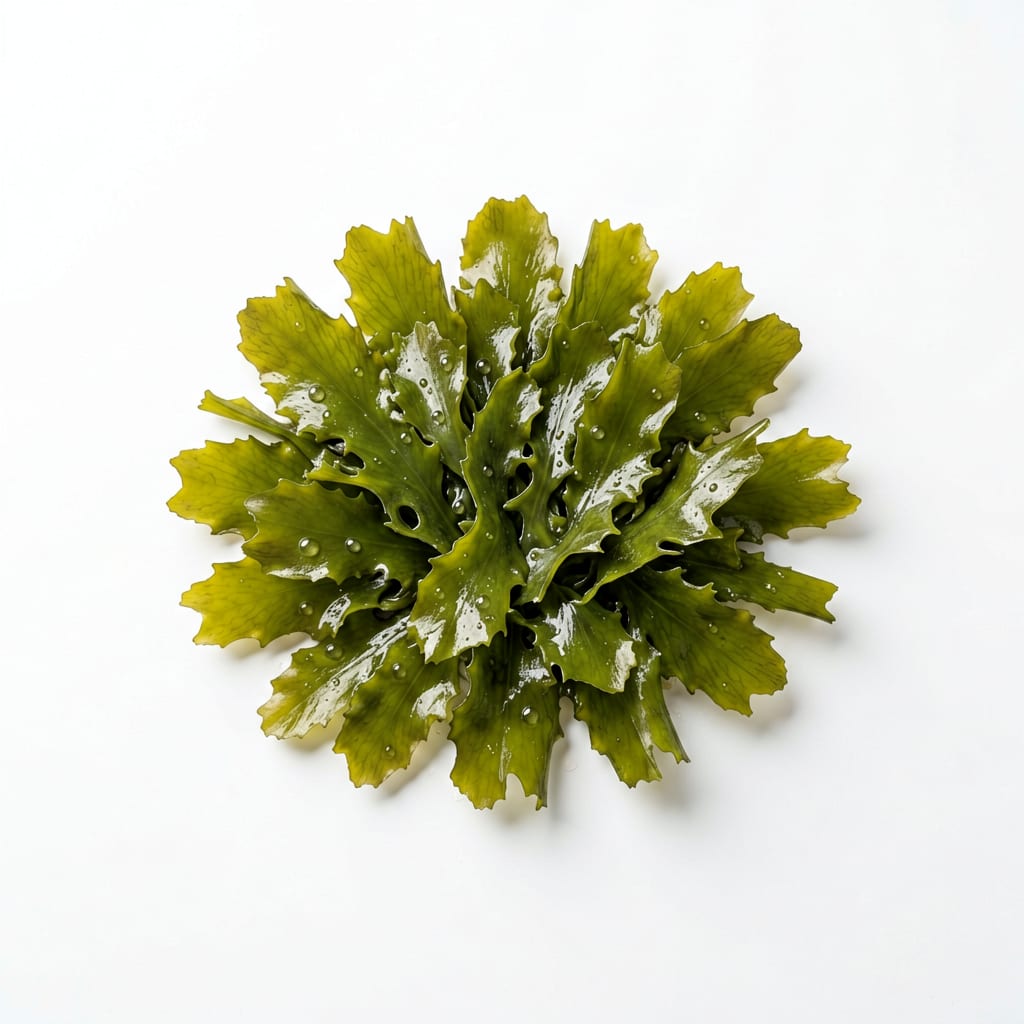
Kelp
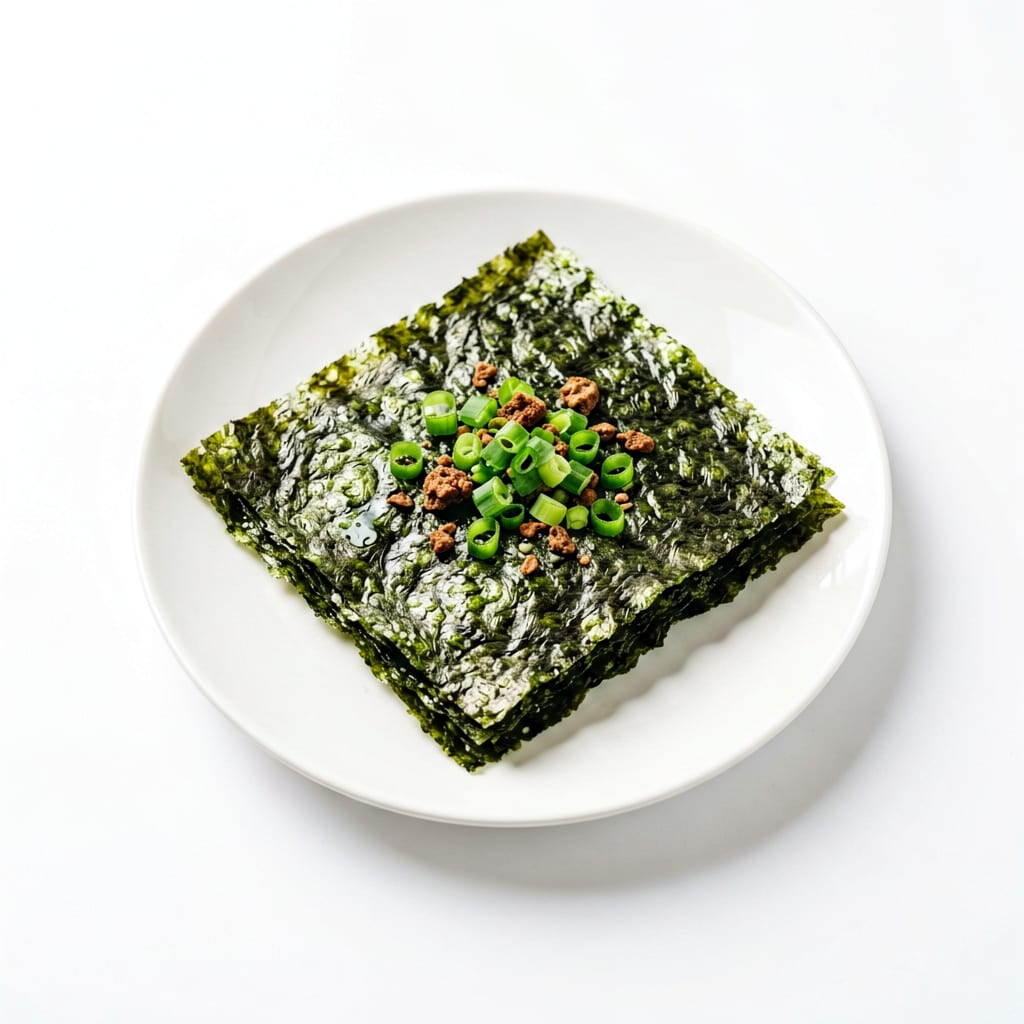
Nori
Nori is the safer everyday seaweed, while Kelp packs a heavier mineral punch but risks iodine overload.
Nori scores higher due to its safer iodine profile and everyday convenience, making it a more sustainable choice. Kelp offers superior mineral density but is penalized for its high risk of thyroid disruption if overconsumed.
Massive iodine and mineral boost in Kelp vs. safer, more versatile daily use in Nori.
At a glance
Executive summary
Overall
Nori
Healthier
Nori
More practical
Nori
Daily use
Nori
Key comparison lenses
Thyroid safety and iodine control
Kelp contains extremely high iodine levels that can disrupt thyroid function, while Nori offers a much safer, moderate dose for daily consumption.
Culinary convenience and versatility
Nori is ready-to-eat and widely used for wraps and snacks, whereas Kelp usually requires cooking or soaking and is primarily used for broths.
Mineral density and supplementation
Kelp is a denser source of certain minerals like calcium and iron, but its serving size is restricted by iodine content.
Best choice for
Kelp
- People making traditional dashi broth
- Those with diagnosed iodine deficiency under medical supervision
Nori
- Sushi lovers and home roll-makers
- Everyday snackers wanting a safe, consistent seaweed
Least suitable for
Kelp
- People with hyperthyroidism or thyroid conditions
- Daily snackers looking for a light bite
Nori
- Those seeking a potent, high-dose iodine supplement
Deep comparison
Dimension by dimension
Each lens scores both foods and breaks down who each option suits.
- Dimension 1 · Priority 95Nori
Thyroid Safety and Iodine Control
Kelp · 30Nori · 85Nori provides a safer iodine level for regular consumption, whereas Kelp can easily push you past the daily upper limit.
Tradeoff
Kelp offers a massive iodine hit, but it is easy to overdo it and disrupt thyroid function.
Why it matters
Thyroid disruption from excess iodine can cause anxiety, palpitations, or fatigue.
Real-world impact
Snacking on Kelp daily could trigger thyroid issues; Nori sheets are much easier to eat without worrying.
Kelp
- Getting a massive iodine dose
- Making rich broths
Better for
- Thyroid stability
- Casual snacking
Worse for
Nori
- Safe daily iodine intake
- Worry-free snacking
Better for
- High-dose mineral supplementation
Worse for
- Dimension 2 · Priority 90Nori
Convenience and Culinary Use
Kelp · 60Nori · 95Nori sheets are ready-to-eat and perfect for wraps, while Kelp usually requires cooking or soaking.
Tradeoff
Kelp adds deep umami to broths but is rarely eaten solo; Nori is a crispy, versatile snack.
Why it matters
You are more likely to actually eat the food that fits easily into meals.
Real-world impact
Grabbing a Nori sheet takes seconds; making Kelp broth takes twenty minutes.
Kelp
- Slow-cooked savory bases
- Flavoring soups
Better for
- Fast meal prep
- Eating raw
Worse for
Nori
- Quick lunches
- On-the-go snacking
Better for
- Creating deep broth flavors
Worse for
- Dimension 3 · Priority 80Kelp
Mineral Density
Kelp · 92Nori · 75Kelp is a denser source of calcium, magnesium, and iron per gram.
Tradeoff
You get more minerals from Kelp, but you have to manage the tiny serving sizes to avoid iodine excess.
Why it matters
Higher mineral density supports bone health and energy production.
Real-world impact
A small piece of Kelp in soup delivers a strong mineral boost, but you cannot eat much of it.
Kelp
- Maximizing calcium intake
- Boosting iron stores
Better for
- Large portion consumption
Worse for
Nori
- Balanced trace mineral intake
Better for
- Concentrated mineral dosing
Worse for
- Dimension 4 · Priority 70Nori
Antioxidant Profile
Kelp · 70Nori · 85Nori is uniquely rich in vitamin C and vitamin A, which are rare in other seaweeds.
Tradeoff
Kelp has fucoidans, but Nori brings more diverse vitamins that support skin and immunity.
Why it matters
Vitamin C helps absorb the plant iron found in seaweed.
Real-world impact
Nori gives a slight edge for immune support and skin health during cold season.
Kelp
- Anti-inflammatory fucoidans
Better for
- Vitamin C intake
Worse for
Nori
- Immune support
- Skin health
Better for
- Specific anti-inflammatory compounds
Worse for
Timeline
Health impact over time
Short-term
Hours to days
Kelp
- Sudden iodine spike if overconsumed
- Deep umami satisfaction
Nori
- Quick savory snack
- Light and crispy texture
Long-term
Months to years
Kelp
- Risk of thyroid dysfunction if eaten frequently
- Strong bone support from calcium
Nori
- Steady low-dose trace minerals
- Safe thyroid support
Risk profile
Safety & processing
Both Kelp and Nori are whole, minimally processed sea vegetables with virtually no artificial additives.
Kelp
Iodine toxicity
highKelp concentrates iodine heavily, and a single serving can exceed the safe upper limit, risking thyroid dysfunction.
Heavy metal exposure
mediumKelp can absorb arsenic and heavy metals from ocean waters more readily than other seaweeds.
Nori
Heavy metal exposure
lowNori generally has lower heavy metal accumulation compared to Kelp, but sourcing still matters.
Who wins for whom
Audience fit
Same foods, different winners depending on your goal.
children
NoriNori is a fun, safe snack with appropriate iodine levels for kids, whereas Kelp poses a risk of iodine overdose.
daily consumption
NoriNori can be eaten daily without iodine concerns, while Kelp should be limited to occasional use.
diabetes
NoriNori has zero impact on blood sugar and is safer for regular consumption without stressing the endocrine system.
elderly
NoriNori is easier to chew and offers a safer thyroid profile for older adults.
muscle gain
It dependsNeither Kelp nor Nori provides significant protein, though both offer trace minerals that support recovery.
weight loss
NoriNori is easier to portion control as a light snack, while Kelp is rarely eaten in large enough volumes to impact fullness.
Your move
Decision guide
Choose Kelp
- You are making traditional Japanese dashi
- You have a verified iodine deficiency and are monitoring intake
- You want a potent mineral supplement in tiny doses
Choose Nori
- You want a daily seaweed snack
- You love making sushi or rice wraps at home
- You want safe, consistent trace minerals without the iodine risk
Either works if
- You just want to add umami flavor to a dish
- You are looking for ocean-sourced nutrients
Avoid both if
- You are on thyroid medication without your doctor's approval
- You have a severe seafood or iodine allergy
Final recommendation
Keep Nori in your pantry for everyday snacking and meal prep, and treat Kelp as a powerful flavor enhancer for soups that you use sparingly.
Practical
Consumer tips
- 1
Treat Kelp like a spice rather than a vegetable to avoid iodine overload.
- 2
Nori sheets are perfect for quick hand rolls with leftover rice and veggies.
- 3
Store Nori in a dry, cool place; humidity ruins its crispness.
- 4
Rinse Kelp before cooking if it seems overly salty or dusty.