
Nutrition comparison
Kelp vs Wakame: Which Seaweed Is Safer and Better for Daily Use?
Kelp and wakame are both nutritious brown seaweeds, but kelp's extreme iodine content makes daily use risky. Learn why wakame is the safer everyday choice and when kelp still wins.
Overall winner · Wakame
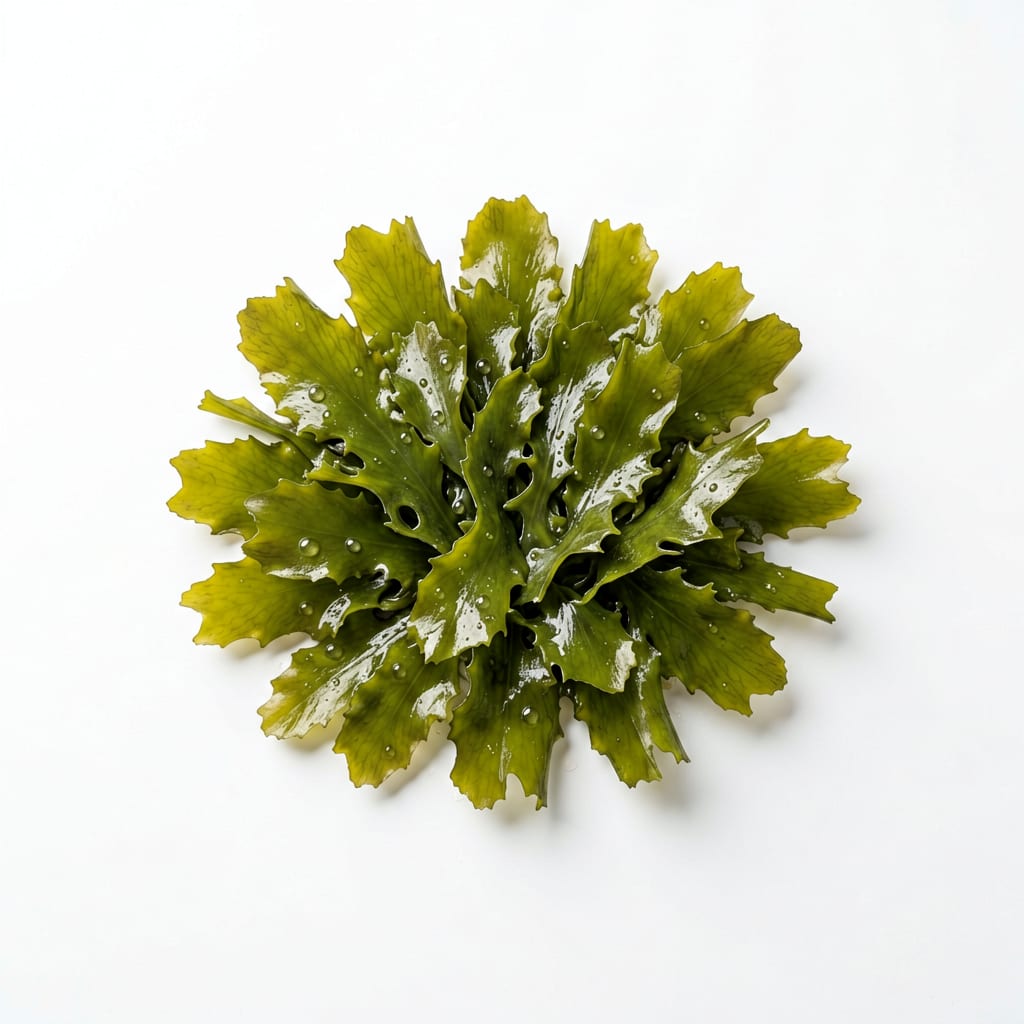
Kelp
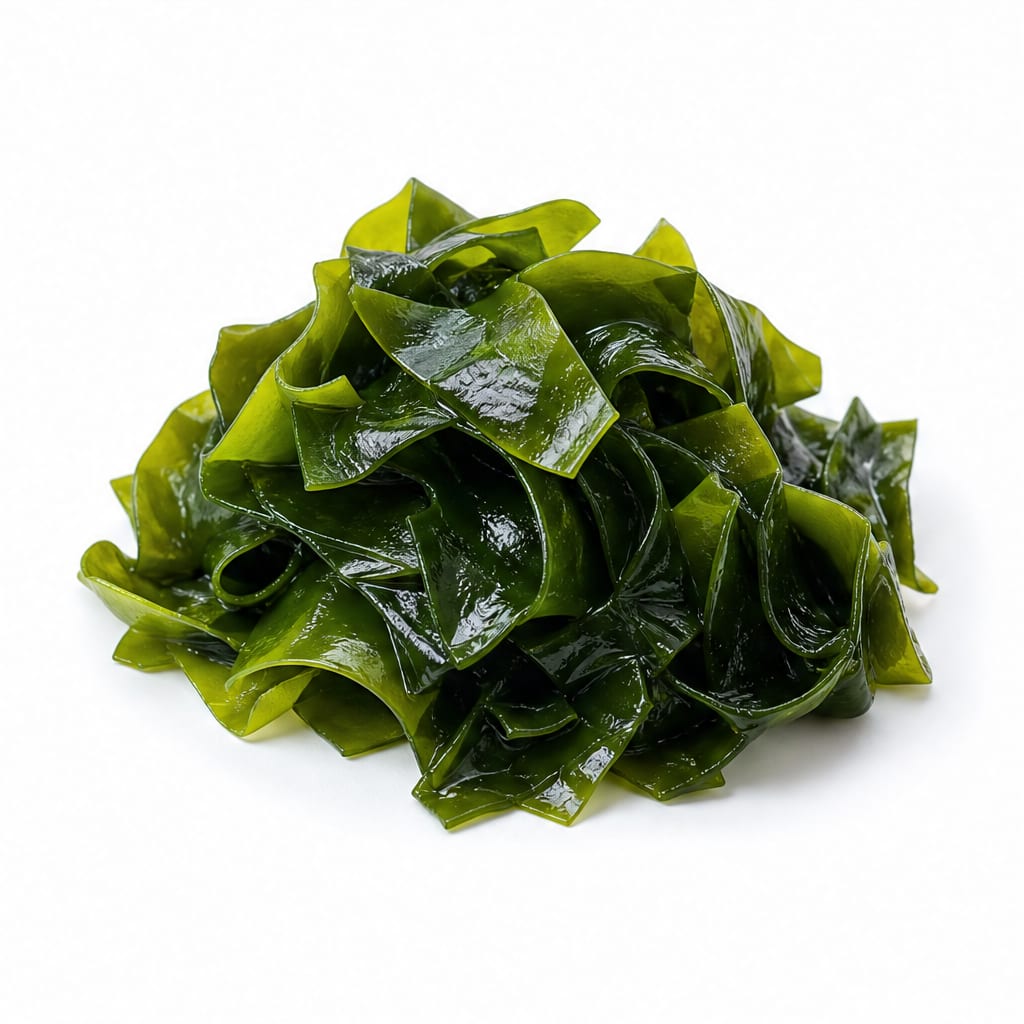
Wakame
Wakame wins for everyday eating thanks to safer iodine levels, easier preparation, and gentler flavor, while kelp is a potent supplement-like food best used in small amounts.
Wakame scores notably higher because its safety profile allows regular consumption, while kelp's extreme iodine content forces caution. Kelp's nutritional density is impressive but undermined by the real risk of thyroid disruption with frequent use.
Kelp offers more fiber and minerals per gram but carries a real iodine overdose risk that makes daily use dangerous; wakame is safer and more versatile but less nutritionally concentrated.
At a glance
Executive summary
Overall
Wakame
Healthier
Wakame
More practical
Wakame
Daily use
Wakame
Key comparison lenses
iodine safety and thyroid impact
Kelp contains dramatically more iodine than wakame, making thyroid risk the single most important differentiator
heavy metal and ocean contamination exposure
Both are ocean seaweeds but kelp absorbs heavy metals more aggressively due to its structure and growth habits
everyday culinary practicality
Wakame is far easier to incorporate into daily meals like soups and salads, while kelp is often too tough or intense for casual use
mineral density and micronutrient value
Both offer impressive mineral profiles but with different strengths that matter for different deficiencies
weight management and satiety
Both are extremely low calorie but kelp's alginate fiber may offer slightly more fullness
Best choice for
Kelp
- People with documented iodine deficiency under medical supervision
- Those seeking maximum alginate fiber for gut health
- Anyone making traditional dashi stock who uses it sparingly
Wakame
- Everyday home cooks wanting a gentle seaweed for soups and salads
- People with thyroid conditions who need controlled iodine intake
- Anyone new to eating seaweed regularly
Least suitable for
Kelp
- People with hyperthyroidism or Graves' disease
- Anyone taking thyroid medication without doctor approval
- Children due to extreme iodine content per serving
Wakame
- Those seeking very high fiber intake from seaweed alone
- People looking for a single seaweed to make dashi stock
Deep comparison
Dimension by dimension
Each lens scores both foods and breaks down who each option suits.
- Dimension 1 · Priority 95Wakame
iodine safety and thyroid risk
Kelp · 30Wakame · 72Kelp can deliver 10-100x the daily iodine limit in a single serving, while wakame stays in a safer range that still meets daily needs.
Tradeoff
Kelp virtually guarantees you will not be iodine deficient, but it easily pushes you into iodine excess territory which can trigger or worsen thyroid problems.
Why it matters
Thyroid dysfunction from iodine excess is not theoretical — it is a documented clinical outcome from kelp supplement and heavy kelp consumption.
Real-world impact
Eating kelp daily like a normal vegetable could destabilize your thyroid within weeks; wakame can be eaten daily in miso soup without the same concern.
Kelp
- Correcting documented iodine deficiency quickly
Better for
- Hyperthyroidism risk with regular consumption
- Unpredictable iodine dosing from natural sources
Worse for
Wakame
- Maintaining safe iodine levels with daily consumption
- People with autoimmune thyroid conditions
- Anyone on thyroid hormone replacement therapy
Better for
- May not provide enough iodine if you have zero other iodine sources
Worse for
- Dimension 2 · Priority 88Wakame
heavy metal and contamination exposure
Kelp · 40Wakame · 62Kelp absorbs arsenic, cadmium, and lead more aggressively than wakame due to its thicker structure and longer ocean exposure.
Tradeoff
Both carry ocean contamination risk, but kelp's higher bioaccumulation makes sourcing quality critical and adds uncertainty.
Why it matters
Heavy metals from seaweed are not easily eliminated by the body and can accumulate with regular consumption over years.
Real-world impact
Cheap kelp products from polluted waters can deliver meaningful arsenic exposure; wakame tends to come from cleaner farming operations in Japan and Korea.
Kelp
- Nothing meaningful — kelp loses on contamination risk
Better for
- Higher arsenic and cadmium levels in many tested samples
- Wild-harvested kelp has inconsistent contamination profiles
Worse for
Wakame
- Lower bioaccumulation of heavy metals
- More commonly sourced from regulated aquaculture
- Shorter growing cycle means less time absorbing pollutants
Better for
- Still an ocean product with inherent contamination risk
Worse for
- Dimension 3 · Priority 82Wakame
everyday culinary practicality
Kelp · 35Wakame · 85Wakame rehydrates in minutes, has a tender texture, and mild flavor that works in soups, salads, and grain bowls. Kelp is tough, intensely flavored, and requires long cooking or soaking.
Tradeoff
Kelp's intensity makes it a powerful flavoring agent for stocks but nearly impossible to eat as a vegetable side; wakame works as both.
Why it matters
The best healthy food is the one you actually eat regularly — wakame's ease of use makes consistent consumption realistic.
Real-world impact
You can toss wakame into soup while it simmers and it is ready in two minutes; kelp needs 20+ minutes of soaking or simmering and still may be chewy.
Kelp
- Making traditional Japanese dashi stock
- Adding umami depth to long-simmered dishes
Better for
- Tough rubbery texture if undercooked
- Overpowering ocean flavor for seaweed beginners
Worse for
Wakame
- Quick weeknight miso soup
- Seaweed salads with pleasant texture
- Adding to rice bowls or noodle dishes without prep hassle
Better for
- Cannot substitute for kelp in dashi making
Worse for
- Dimension 4 · Priority 75Kelp
fiber and gut health benefits
Kelp · 82Wakame · 65Kelp contains more alginate fiber per gram, which feeds beneficial gut bacteria and may help slow sugar absorption more effectively.
Tradeoff
The fiber advantage is real but you would need to eat enough kelp to get a meaningful dose, which simultaneously delivers too much iodine.
Why it matters
Alginate from kelp is studied for weight management and blood sugar benefits, but extracting those benefits from whole kelp is impractical due to iodine.
Real-world impact
Getting a therapeutic alginate dose from whole kelp would also deliver a dangerous iodine dose — this is why alginate supplements exist separately.
Kelp
- Higher alginate fiber content per serving
- More prebiotic effect potential in research settings
Better for
- Cannot consume enough to maximize fiber benefit without iodine risk
Worse for
Wakame
- Still provides meaningful fiber, just less
- Fiber intake is sustainable because you can eat it daily safely
Better for
- Lower total fiber contribution per serving
Worse for
- Dimension 5 · Priority 75Kelp
mineral density and micronutrient profile
Kelp · 80Wakame · 70Kelp packs more calcium, iron, and magnesium per gram, but wakame offers notably more bioavailable calcium and a strong manganese content.
Tradeoff
Kelp wins on raw mineral numbers but the iodine constraint means you cannot eat enough to fully leverage that density; wakame's moderate profile is more usable in practice.
Why it matters
Mineral density only matters if you can safely consume the food in meaningful quantities regularly.
Real-world impact
A small wakame serving in daily miso soup delivers consistent calcium and magnesium; kelp's mineral advantage requires portions that risk iodine excess.
Kelp
- Higher iron content per gram
- More concentrated magnesium and trace minerals
Better for
- Mineral density is undercut by small safe serving sizes
Worse for
Wakame
- Better calcium bioavailability in some preparations
- Strong manganese content for bone and connective tissue health
Better for
- Lower total iron contribution per typical serving
Worse for
- Dimension 6 · Priority 60It depends
antioxidant and anti-inflammatory potential
Kelp · 72Wakame · 74Both contain fucoxanthin, a unique brown seaweed carotenoid studied for fat metabolism and anti-inflammatory effects. Wakame may have slightly more per edible serving due to higher bioaccessibility.
Tradeoff
The difference is small and both are excellent fucoxanthin sources compared to land vegetables.
Why it matters
Fucoxanthin is one of the most compelling reasons to eat brown seaweeds — it is not found in common vegetables.
Real-world impact
Regular wakame consumption gives you a steady fucoxanthin intake without the safety concerns that limit kelp portions.
Kelp
- Contains fucoxanthin alongside other kelp-specific polyphenols
Better for
- Limited serving size restricts total antioxidant intake
Worse for
Wakame
- Fucoxanthin may be more bioaccessible from wakame's softer matrix
- You can eat more wakame safely, getting more total fucoxanthin
Better for
- Slightly lower concentration per gram
Worse for
Timeline
Health impact over time
Short-term
Hours to days
Kelp
- Can cause iodine-induced thyroid spikes within days of heavy consumption
- May cause mild digestive adjustment if you are unused to high-fiber seaweed
- Umami satisfaction from glutamate content may reduce appetite temporarily
Wakame
- Gentle on digestion with soft texture and moderate fiber
- Provides steady iodine without thyroid shock
- Light satisfying addition to meals without overwhelming the palate
Long-term
Months to years
Kelp
- Chronic overconsumption risks thyroid dysfunction including both hypo and hyperthyroidism
- Potential heavy metal accumulation if sourced from polluted waters
- Consistent small amounts in dashi may support mineral intake safely
Wakame
- Regular consumption supports bone health through calcium and manganese
- Steady fucoxanthin intake may support metabolic health over months
- Low risk of iodine excess makes long-term daily use sustainable
Risk profile
Safety & processing
Both are typically sold dried with no additives. Some packaged wakame salads contain added sugar, sodium, and preservatives — choose plain dried wakame instead. Kelp powder supplements may have fillers, so whole dried kelp is the cleaner option.
Kelp
iodine toxicity
highA single gram of some kelp species can contain 2,000-8,000 mcg of iodine, far exceeding the 1,100 mcg tolerable upper limit. Daily consumption without portion control is dangerous.
arsenic and heavy metal contamination
mediumKelp consistently shows higher arsenic levels than other seaweeds in testing. Sourcing from clean waters is essential but not always verifiable.
thyroid medication interaction
highKelp can interfere with levothyroxine and other thyroid medications, making dosing unpredictable and potentially dangerous.
Wakame
iodine excess with very large portions
lowWakame contains roughly 30-150 mcg of iodine per gram, making moderate daily consumption safe but extreme intake still possible.
sodium content in prepared forms
mediumPre-seasoned wakame salads can be very high in sodium. Plain dried wakame is naturally moderate in sodium.
ocean-sourced contaminants
lowWakame generally tests lower for heavy metals than kelp, especially farmed wakame from regulated waters.
Who wins for whom
Audience fit
Same foods, different winners depending on your goal.
children
WakameChildren are more sensitive to iodine excess, making kelp's extreme levels inappropriate. Small amounts of wakame in soup are safe and gentle.
daily consumption
WakameWakame can be eaten daily in typical culinary amounts without safety concerns. Kelp should be limited to a few times per week at most, and only in small quantities.
diabetes
WakameWakame's fucoxanthin and fiber may help blood sugar regulation, and its safe daily use enables consistent intake. Kelp's alginate has stronger evidence but cannot be consumed in therapeutic doses safely from whole food.
elderly
WakameOlder adults often have thyroid conditions or take thyroid medication, making kelp risky. Wakame's calcium and manganese also support bone health concerns common in aging.
muscle gain
It dependsNeither is a meaningful protein source. Both offer trace minerals that support muscle function but should be paired with protein-rich foods.
weight loss
WakameWakame's lower calorie density per edible serving and sustainable daily use make it a better long-term weight management tool than kelp, which cannot be eaten in large volumes safely.
Your move
Decision guide
Choose Kelp
- You are making dashi stock and understand proper portion control
- You have confirmed iodine deficiency and are using kelp under medical guidance
- You want maximum alginate fiber and are disciplined about small serving sizes
Choose Wakame
- You want a seaweed you can eat daily without worry
- You enjoy miso soup, seaweed salad, or grain bowls and want easy add-ins
- You have any thyroid condition or take thyroid medication
- You are new to eating seaweed and want the most approachable option
Either works if
- You want fucoxanthin benefits from brown seaweed
- You are looking for ocean-sourced minerals to complement a land-vegetable diet
- You enjoy umami flavor and want natural glutamate in your cooking
Avoid both if
- You have a seaweed or iodine allergy
- You are on a strict low-iodine diet before radioactive iodine treatment
- You cannot verify the source and are concerned about ocean pollution exposure
Final recommendation
Make wakame your everyday seaweed. It is safer, easier to cook with, and gentle enough for daily miso soup or salads. Keep kelp as an occasional dashi-making ingredient, not a daily vegetable. If you want kelp's fiber or mineral benefits in larger amounts, consider purified alginate supplements instead of eating more whole kelp.
Practical
Consumer tips
- 1
Soak dried wakame for 2-3 minutes in warm water before adding to dishes — it expands dramatically, so start with less than you think
- 2
When buying kelp for dashi, look for thick dark strips with a white powdery coating — that is natural mannitol, not mold
- 3
Avoid pre-seasoned wakame salads from supermarket delis — they are often loaded with sugar, MSG, and sodium
- 4
Source both seaweeds from reputable Japanese or Korean brands that test for heavy metals and radiation
- 5
If you have any thyroid condition, talk to your doctor before adding either seaweed regularly — but especially kelp
- 6
Store dried seaweed in an airtight container away from moisture and it will last over a year