
Nutrition comparison
Kelp vs Dulse: Which Seaweed is Safer and Healthier?
Compare Kelp vs Dulse to discover which seaweed offers the best health benefits. Learn about iodine risks, iron content, and which is better for daily use.
Overall winner · Dulse
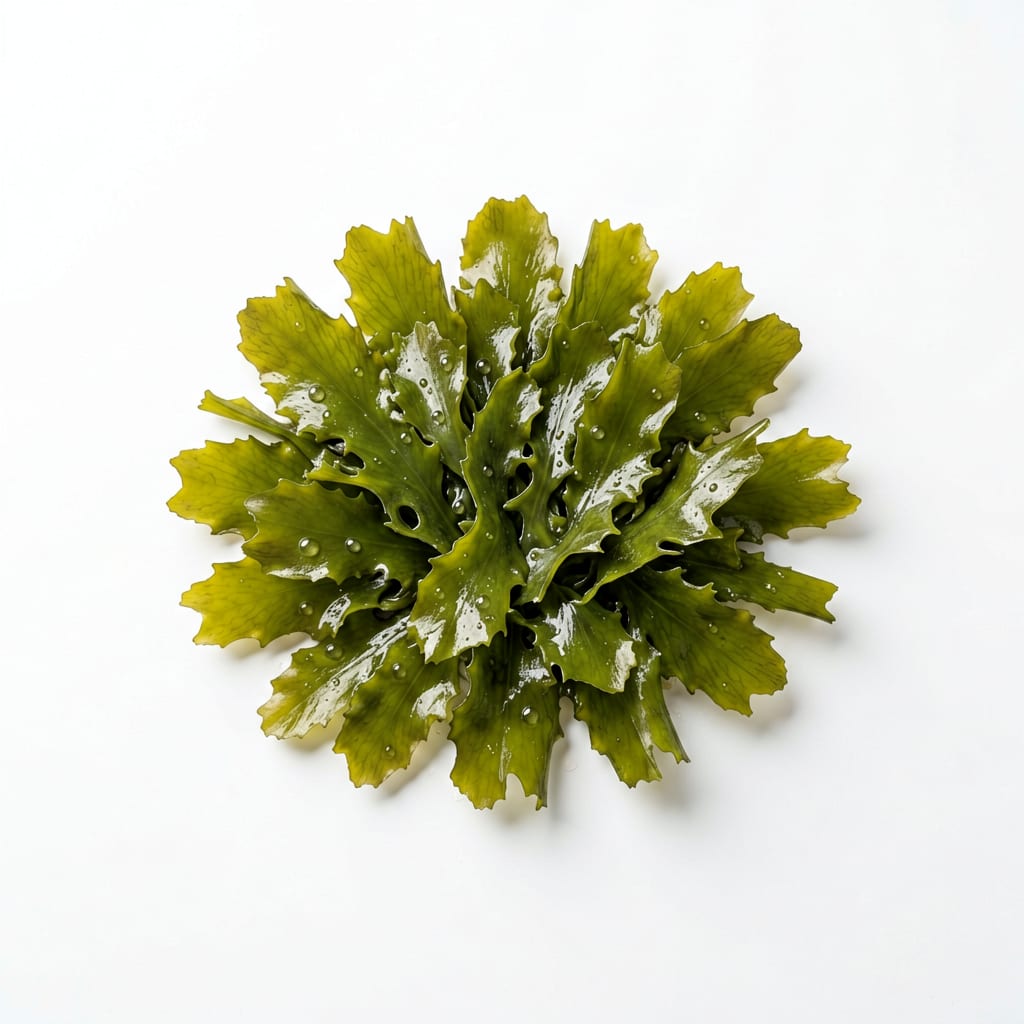
Kelp
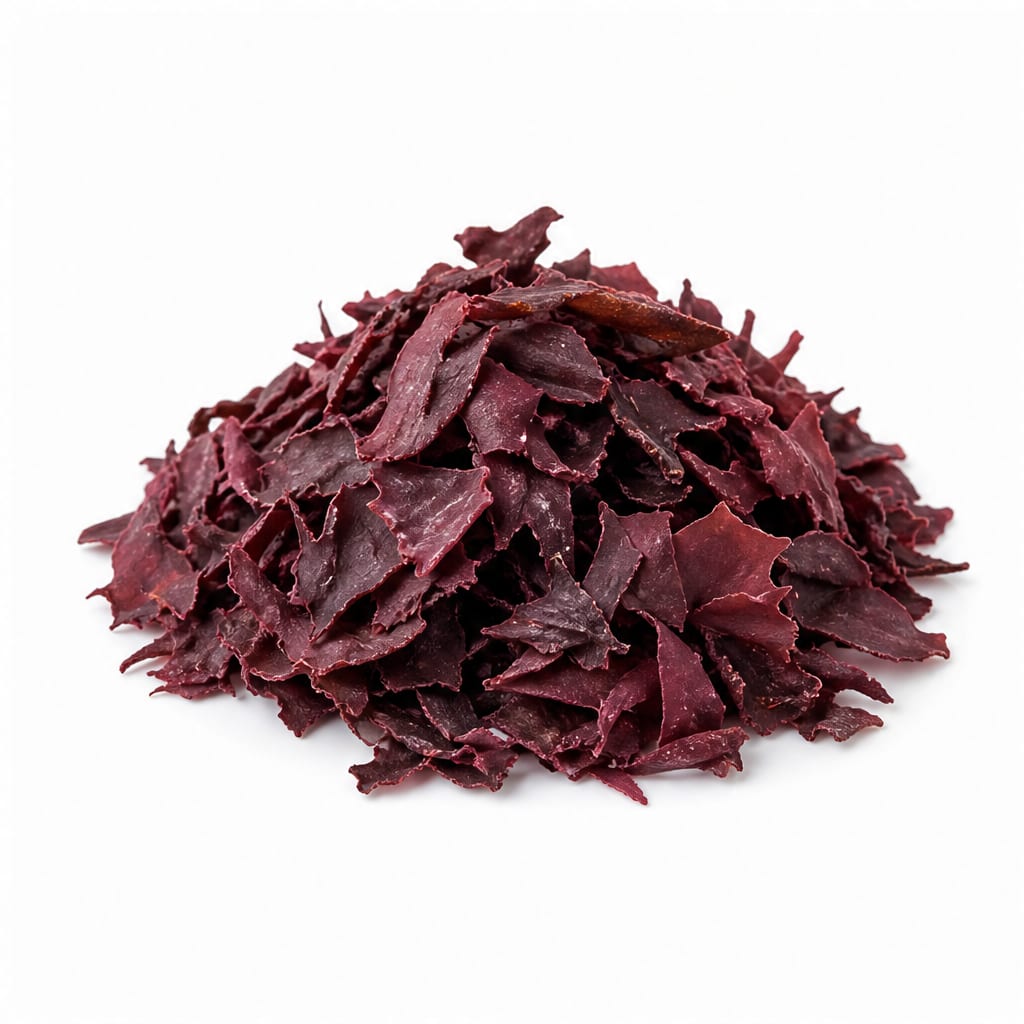
Dulse
Dulse is the safer everyday seaweed, while Kelp delivers a massive iodine punch that's great in tiny doses but risky if overdone.
Dulse scores higher primarily due to its safer iodine profile for regular consumption. Kelp is nutritionally potent but its extreme iodine content limits its practical daily use.
Kelp offers unmatched iodine density but poses thyroid risks if eaten freely; Dulse provides a more balanced mineral profile with safer iodine levels for daily snacking.
At a glance
Executive summary
Overall
Dulse
Healthier
Dulse
More practical
Dulse
Daily use
Dulse
Key comparison lenses
Iodine and thyroid impact
Kelp has extreme iodine levels that can be dangerous if overconsumed, while Dulse offers a safer, more moderate dose.
Heavy metal and contamination risk
Sea vegetables absorb ocean toxins, and Kelp tends to accumulate higher levels of arsenic and cadmium.
Mineral density and iron content
Dulse is notably rich in iron and potassium, making it a practical choice for vegans and those with fatigue.
Culinary versatility and snackability
Dulse can be eaten raw as a snack, whereas Kelp is typically reserved for cooking broths due to its tough texture.
Best choice for
Kelp
- Making traditional dashi broth
- Correcting severe iodine deficiency under medical guidance
- Tenderizing beans during cooking
Dulse
- Everyday salad and meal seasoning
- Savory snacking straight from the bag
- Boosting iron intake for vegans
Least suitable for
Kelp
- People with hyperthyroidism
- Daily large-portion consumption
- Those sensitive to iodine fluctuations
Dulse
- Treating clinical iodine deficiency
- Strict low-sodium diets if packaged with added salt
Deep comparison
Dimension by dimension
Each lens scores both foods and breaks down who each option suits.
- Dimension 1 · Priority 95It depends
Iodine & Thyroid Health
Kelp · 95Dulse · 80Kelp contains exponentially more iodine than Dulse, making it a potent thyroid tool but also a hazard if overconsumed.
Tradeoff
Kelp can quickly push iodine past safe daily limits, while Dulse offers a gentler, more manageable dose.
Why it matters
Too much iodine triggers thyroid dysfunction just as easily as too little.
Real-world impact
Eating Kelp daily can cause palpitations or anxiety; Dulse can be sprinkled on meals without worrying about your thyroid.
Kelp
- Correcting severe iodine deficiency
- Short-term thyroid support
Better for
- Hyperthyroidism risk
- Iodine-induced anxiety
Worse for
Dulse
- Maintaining steady thyroid health
- Worry-free daily consumption
Better for
- Treating clinical iodine deficiency
Worse for
- Dimension 2 · Priority 90Dulse
Safety & Contamination
Kelp · 65Dulse · 75Both absorb heavy metals from ocean water, but Kelp tends to accumulate more arsenic and cadmium due to its growing conditions and longer lifespan.
Tradeoff
Kelp's higher heavy metal load requires stricter sourcing vigilance compared to Dulse.
Why it matters
Chronic heavy metal exposure undermines the very health benefits you are seeking from seaweed.
Real-world impact
Choosing low-quality Kelp might introduce more toxins than nutrients; Dulse generally poses a slightly lower risk.
Kelp
- Higher arsenic accumulation risk
- Requires trusted organic sourcing
Worse for
Dulse
- Lower cumulative heavy metal risk
- Safer for regular intake
Better for
- Dimension 3 · Priority 80Dulse
Mineral Density & Iron
Kelp · 78Dulse · 85Dulse is notably rich in iron and potassium, while Kelp offers more calcium and magnesium.
Tradeoff
Dulse is better for boosting iron levels, especially for vegans, while Kelp excels at bone-supporting minerals.
Why it matters
Iron deficiency is common, making Dulse a highly practical dietary addition.
Real-world impact
Sprinkling Dulse on meals acts like a natural iron supplement, helping with afternoon energy dips.
Kelp
- Bone health support
- Calcium supplementation
Better for
Dulse
- Combating fatigue from low iron
- Vegan iron boosts
Better for
- Dimension 4 · Priority 75Dulse
Versatility & Taste
Kelp · 60Dulse · 90Dulse has a milder, slightly salty and smoky flavor that works as a snack or garnish. Kelp is tough, very oceanic, and usually reserved for broths.
Tradeoff
Kelp requires cooking to be palatable, while Dulse can be eaten straight from the bag.
Why it matters
You only get nutrients from foods you actually eat regularly.
Real-world impact
Dulse is an easy upgrade for salads and soups; Kelp is mostly a cooking ingredient you forget about in the pantry.
Kelp
- Making dashi and soup stocks
- Tenderizing beans during cooking
Better for
- Poor raw snacking texture
- Overpowering flavor
Worse for
Dulse
- Quick snacks
- Easy salad toppers
- No-cook meals
Better for
Timeline
Health impact over time
Short-term
Hours to days
Kelp
- Rapid iodine intake can cause a thyroid spike
- May cause stomach upset if eaten in large pieces raw
Dulse
- Gentle energy lift from iron
- Satisfies salty cravings without huge sodium loads if unsalted
Long-term
Months to years
Kelp
- Risk of thyroid dysfunction if overconsumed
- Potential heavy metal accumulation with poor sourcing
Dulse
- Sustained iron levels for energy
- Steady, safe thyroid support
Risk profile
Safety & processing
Both Kelp and Dulse are typically dried with no additives, retaining their whole-food status. Always check labels to avoid added oils or salt in Dulse snacks.
Kelp
Iodine toxicity
highA single serving can exceed the tolerable upper intake level for iodine, causing thyroid storms in sensitive individuals.
Heavy metal accumulation
mediumKelp can absorb arsenic and lead from polluted waters; sourcing from clean waters is critical.
Dulse
Heavy metal exposure
lowLower than Kelp but still present; requires reputable sourcing.
Added sodium
mediumSome packaged Dulse is roasted with added salt, increasing sodium intake.
Who wins for whom
Audience fit
Same foods, different winners depending on your goal.
children
DulseChildren are more sensitive to iodine fluctuations; Dulse's milder dose is much safer for small bodies.
daily consumption
DulseDulse can be eaten daily without risking iodine toxicity, making it a far more sustainable daily habit.
diabetes
DulseDulse's fiber helps steady blood sugar, and its safer iodine profile prevents metabolic disruptions.
elderly
DulseOlder adults often need iron and safer mineral doses; Kelp's iodine can interact with common thyroid medications.
muscle gain
It dependsNeither is a primary muscle-building food, but Dulse's iron helps oxygen transport during workouts.
weight loss
DulseDulse's snackable texture and savory flavor satisfy cravings for very few calories without the thyroid risk of overeating Kelp.
Your move
Decision guide
Choose Kelp
- You are making a traditional Japanese dashi
- You have a diagnosed iodine deficiency and need a boost
- You only use seaweed occasionally in soups
Choose Dulse
- You want a daily seaweed garnish
- You need a vegan iron boost
- You prefer a savory, snackable seaweed
Either works if
- You want to add ocean minerals to your diet
- You are looking for natural umami flavor
Avoid both if
- You are on a strict low-iodine diet for medical testing
- You have severe seafood or iodine allergies
Final recommendation
Keep Dulse in your pantry for everyday sprinkling and snacking. Save Kelp for occasional broth-making to get its unique benefits without overdoing the iodine.
Practical
Consumer tips
- 1
Buy Dulse flakes for easy sprinkling on eggs, avocado toast, or popcorn.
- 2
If eating Kelp, stick to a piece the size of a postage stamp per day to avoid iodine overload.
- 3
Always look for seaweed brands that test for heavy metals and source from clean waters.
- 4
Avoid Dulse snacks roasted in cheap vegetable oils; opt for plain dried varieties.