
Nutrition comparison
Kelp vs Broccoli: Nutrition, Iodine, and Safety Compared
Discover the nutritional differences between kelp and broccoli. Learn which is safer for daily consumption, how their iodine levels compare, and which is better for thyroid health.
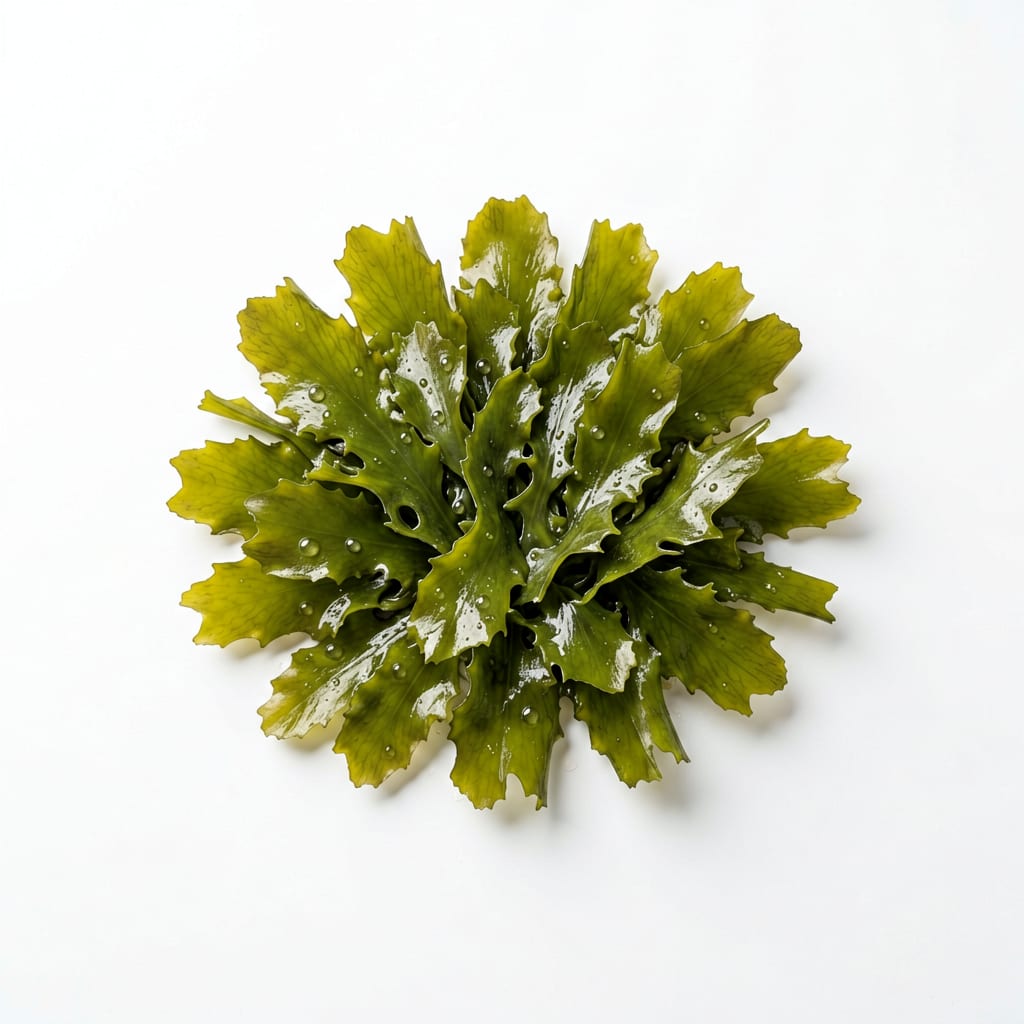
Kelp
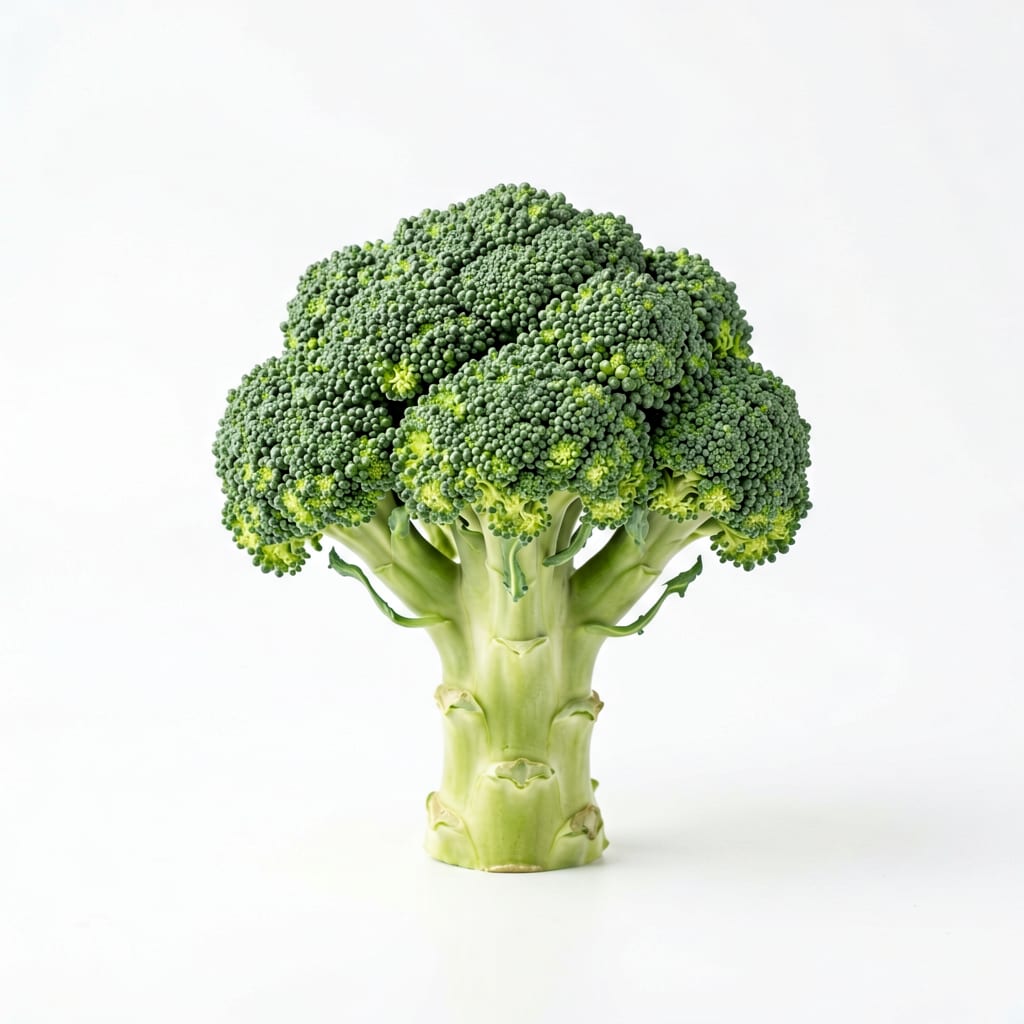
Broccoli
Broccoli is the safer daily staple, while kelp is a potent iodine booster best used occasionally.
Broccoli scores significantly higher due to its safety for daily consumption, versatile culinary use, and well-researched long-term health benefits. Kelp loses points because its high iodine and heavy metal risks make it unsuitable as a daily staple, despite its unique mineral profile.
Kelp delivers unmatched iodine and sea minerals but carries heavy metal risks and thyroid disruption potential, whereas broccoli offers reliable, safe daily nutrition without toxicity concerns.
At a glance
Executive summary
Overall
It depends
Healthier
Broccoli
More practical
Broccoli
Daily use
Broccoli
Key comparison lenses
Thyroid health and iodine intake
Kelp is extremely high in iodine, which can be beneficial or harmful depending on thyroid status, while broccoli contains mild goitrogens.
Heavy metal and contamination risk
Sea vegetables like kelp can accumulate heavy metals and arsenic from ocean waters, a major safety concern compared to land vegetables.
Daily consumption safety
Broccoli is safe to eat daily in large amounts, whereas kelp poses iodine toxicity risks if consumed frequently.
Micronutrient and antioxidant profile
Broccoli offers high vitamin C, K, and sulforaphane, while kelp provides unique trace minerals like vanadium and fucoidans.
Best choice for
Kelp
- People with diagnosed iodine deficiency
- Those making traditional Japanese dashi stock
- Individuals seeking unique marine antioxidants like fucoidan
Broccoli
- Anyone seeking a safe, everyday cruciferous vegetable
- People focused on cancer-fighting sulforaphane
- Those needing high volume, low calorie fiber
Least suitable for
Kelp
- People with hyperthyroidism or autoimmune thyroid conditions
- Those concerned about heavy metal exposure
- Anyone looking for a daily green vegetable
Broccoli
- People with severe iodine deficiency needing a quick fix
- Those on blood thinners who must strictly limit vitamin K
Deep comparison
Dimension by dimension
Each lens scores both foods and breaks down who each option suits.
- Dimension 1 · Priority 95Kelp
Thyroid Support & Iodine
Kelp · 98Broccoli · 30Kelp is one of the most concentrated iodine sources on the planet, while broccoli provides negligible iodine and contains mild goitrogens.
Tradeoff
Kelp's iodine content is so high that regular consumption can easily overshoot safe limits and trigger thyroid dysfunction, whereas broccoli's goitrogens are mostly neutralized by cooking and pose little threat.
Why it matters
Iodine is essential for thyroid hormones, but the line between enough and too much is very thin with sea vegetables.
Real-world impact
Eating kelp daily can actually cause the fatigue and weight gain you might be trying to fix, whereas broccoli supports steady metabolism safely.
Kelp
- Correcting a confirmed iodine deficiency
Better for
- Hashimoto's or Graves' disease management
Worse for
Broccoli
- Maintaining stable thyroid function without overdose risk
Better for
- Severe iodine deficiency recovery
Worse for
- Dimension 2 · Priority 90Broccoli
Safety & Contamination
Kelp · 40Broccoli · 90Kelp absorbs heavy metals and arsenic from ocean water, creating contamination risks, while broccoli's main risk is pesticide residue which is easier to manage.
Tradeoff
You get unique ocean minerals with kelp, but you also absorb whatever pollutants are in that water. Broccoli offers clean land-based nutrition with a simpler safety profile.
Why it matters
Chronic heavy metal exposure can undermine the very health you are trying to build by eating vegetables.
Real-world impact
Choosing organic broccoli eliminates most of its safety concerns, but sourcing clean kelp requires trusting third-party testing you often cannot verify yourself.
Kelp
- Providing trace minerals not found in land soil
Better for
- Minimizing arsenic and cadmium exposure
Worse for
Broccoli
- Consistent safety for long-term consumption
Better for
- Avoiding pesticide exposure if conventionally grown
Worse for
- Dimension 3 · Priority 80Broccoli
Vitamin & Antioxidant Density
Kelp · 70Broccoli · 95Broccoli is packed with vitamin C, vitamin K, and sulforaphane, while kelp offers fucoidans and vitamin K but lacks the broad antioxidant spectrum of cruciferous veggies.
Tradeoff
Kelp provides marine-specific antioxidants that support immune function, but broccoli delivers more universally beneficial vitamins in higher quantities per serving.
Why it matters
Daily antioxidant intake from a variety of sources protects cells from aging and disease.
Real-world impact
A cup of broccoli gives you a noticeable vitamin C boost and cancer-fighting compounds, whereas kelp acts more like a specialized supplement than a broad-spectrum food.
Kelp
- Accessing unique marine compounds like fucoidan and alginate
Better for
- Broad-spectrum vitamin support
Worse for
Broccoli
- Boosting immune function with vitamin C
- Supporting bone density with high vitamin K
Better for
- Providing marine-specific antioxidants
Worse for
- Dimension 4 · Priority 85Broccoli
Daily Consumption Safety
Kelp · 20Broccoli · 100Broccoli is perfectly safe to eat every day, while eating kelp daily can lead to dangerous iodine toxicity.
Tradeoff
Kelp works best as an occasional condiment or stock base, while broccoli can serve as a dietary foundation.
Why it matters
The healthiest food in your diet is the one you can eat consistently without causing new problems.
Real-world impact
You can load your plate with broccoli at every dinner without worry, but adding kelp that often could disrupt your thyroid within weeks.
Kelp
- Quickly reversing iodine deficiency under medical supervision
Better for
- Unsupervised daily consumption
Worse for
Broccoli
- Reliable daily fiber and nutrient intake
Better for
- None for general populations
Worse for
- Dimension 5 · Priority 75Broccoli
Digestive Health & Fiber
Kelp · 55Broccoli · 90Broccoli provides robust insoluble fiber that feeds gut bacteria, while kelp offers soluble alginate but in much smaller typical serving sizes.
Tradeoff
You would need to eat a risky amount of kelp to match the fiber volume in a standard broccoli serving.
Why it matters
Fiber volume directly impacts fullness, blood sugar control, and digestive regularity.
Real-world impact
A bowl of steamed broccoli keeps you full and regular, while a small piece of kelp acts more as a flavor enhancer than a fiber source.
Kelp
- Providing soothing soluble fiber for sensitive stomachs
Better for
- Providing substantial daily fiber
Worse for
Broccoli
- Promoting regular bowel movements with high fiber volume
- Feeding diverse gut bacteria
Better for
- Those with severe IBS who react to cruciferous roughage
Worse for
Timeline
Health impact over time
Short-term
Hours to days
Kelp
- Rapid iodine intake which can temporarily alter energy levels
- Umami flavor satisfaction from glutamates
Broccoli
- Quick feeling of fullness from fiber and water content
- Steady blood sugar without crashes
Long-term
Months to years
Kelp
- Risk of thyroid dysfunction if consumed excessively
- Potential accumulation of heavy metals like arsenic
Broccoli
- Reduced risk of certain cancers due to sulforaphane
- Improved gut microbiome diversity and regularity
Risk profile
Safety & processing
Both kelp and broccoli are whole, minimally processed foods in their natural state, though dried kelp often contains added salt or preservatives you should check for.
Kelp
Heavy metal and arsenic contamination
highKelp absorbs arsenic, lead, and cadmium from ocean water, which can accumulate in the body over time.
Iodine toxicity
highA single serving can contain thousands of micrograms of iodine, far exceeding the safe daily limit of 1,100 mcg, risking hyperthyroidism or hypothyroidism.
Broccoli
Pesticide residue
mediumConventional broccoli often retains pesticide residue, though washing and choosing organic mitigates this.
Goitrogenic compounds
lowRaw broccoli contains goitrogens that can interfere with thyroid function, but cooking largely deactivates them.
Who wins for whom
Audience fit
Same foods, different winners depending on your goal.
children
BroccoliBroccoli is a safe, essential vegetable for growing kids, while kelp's iodine content is far too unpredictable for children's developing thyroids.
daily consumption
BroccoliBroccoli is universally safe to eat daily, while kelp should be limited to occasional use to avoid iodine and heavy metal accumulation.
diabetes
BroccoliBroccoli contains sulforaphane which may help improve insulin sensitivity, and its fiber stabilizes blood sugar safely.
elderly
BroccoliBroccoli supports bone health with vitamin K and digestion with fiber, without the thyroid risks kelp poses to older metabolisms.
muscle gain
BroccoliBroccoli offers more practical bulk and vitamin C to support training recovery, whereas kelp does not provide significant protein or energy.
weight loss
BroccoliBroccoli provides high volume and fiber for very few calories, making it far more filling per serving than kelp.
Your move
Decision guide
Choose Kelp
- You have a confirmed iodine deficiency and are monitoring intake with a doctor
- You want to make traditional Japanese dashi or miso soup
- You are looking for marine antioxidants and are sourcing from verified clean waters
Choose Broccoli
- You want a reliable, safe daily vegetable
- You are focused on cancer prevention and gut health
- You need a high-fiber, low-calorie side dish for weight management
Either works if
- You want to diversify your micronutrient intake across land and sea sources
- You are rotating vegetables to keep meals interesting
Avoid both if
- You are on a strict low-fiber diet for acute digestive issues
Final recommendation
Make broccoli your daily green staple for safe, consistent health benefits, and treat kelp as a garnish or occasional stock base to get marine minerals without the toxicity risks.
Practical
Consumer tips
- 1
If you eat kelp, stick to a piece the size of your thumb a few times a week at most.
- 2
Always cook broccoli to neutralize goitrogens and improve digestibility.
- 3
Buy organic broccoli to avoid pesticide residue, which is common on conventional crops.
- 4
Look for kelp brands that third-party test for heavy metals and arsenic.
- 5
Never take kelp supplements alongside a kelp-rich diet to avoid iodine overdose.