
Nutrition comparison
Kelp vs Spirulina: Which Superfood Is Better for You?
Compare Kelp vs Spirulina to find out which algae superfood wins for thyroid support, protein, safety, and daily use. Learn the key nutritional tradeoffs.
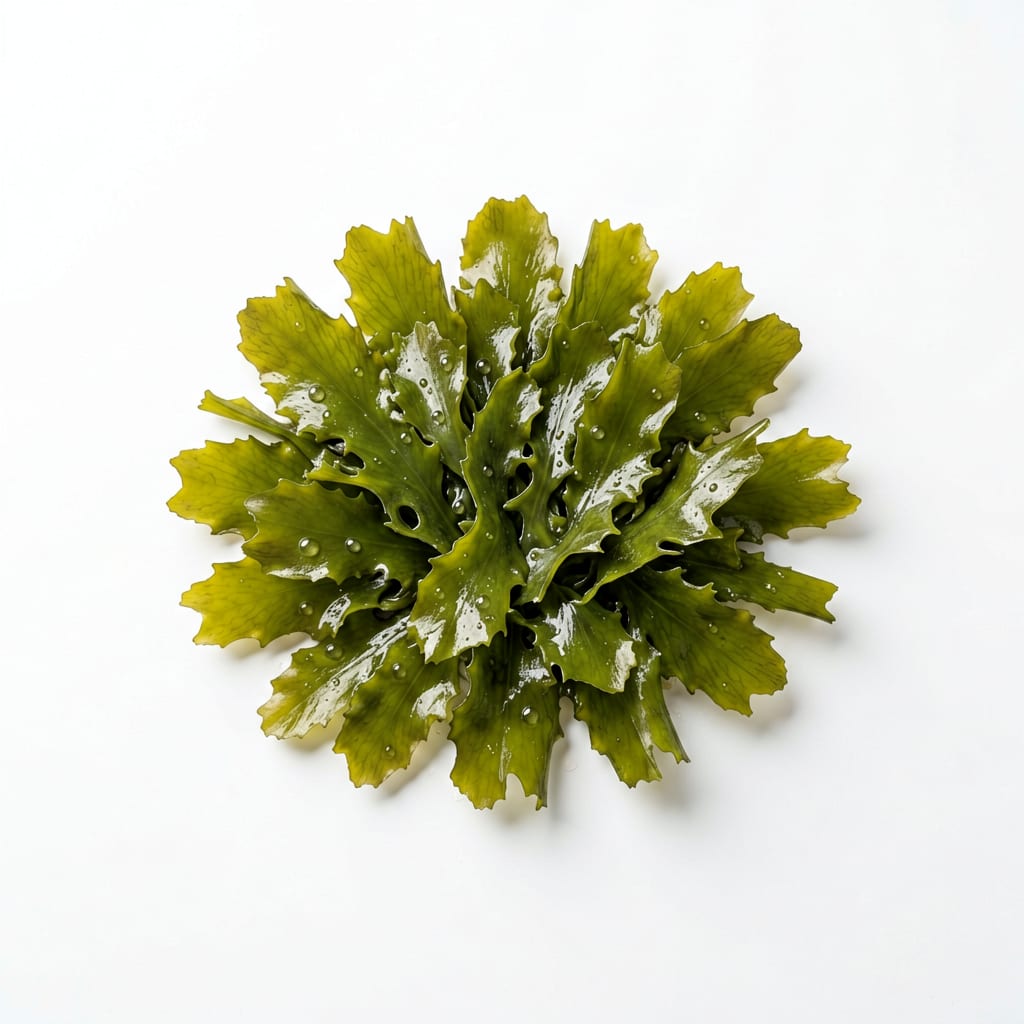
Kelp
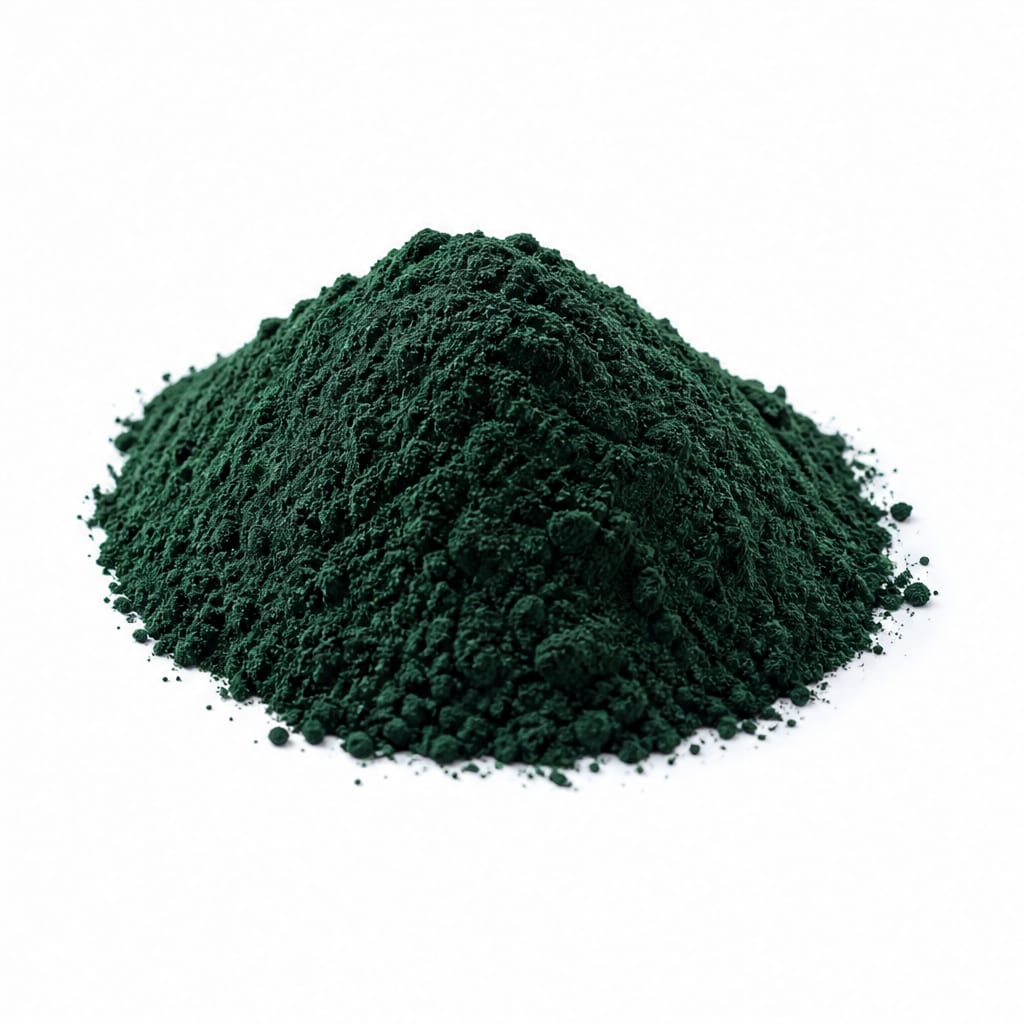
Spirulina
Kelp dominates for iodine and thyroid support, while Spirulina is the clear winner for protein and antioxidants.
Spirulina scores slightly higher due to its broader nutritional profile as a protein source and lower risk of acute toxicity from overconsumption, though both require careful sourcing.
You must choose between Kelp's powerful iodine boost (with toxicity risks) and Spirulina's protein and antioxidant density (with sourcing risks).
At a glance
Executive summary
Overall
It depends
Healthier
It depends
More practical
Spirulina
Daily use
Spirulina
Key comparison lenses
Thyroid support vs protein supplementation
Kelp is an iodine powerhouse for the thyroid, while Spirulina is sought for its dense plant protein and amino acids.
Heavy metal and contamination safety
Both are aquatic organisms that absorb their surroundings, making sourcing and purity the top safety concern for both.
Daily supplementation safety
Kelp poses a risk of iodine toxicity if taken daily without caution, whereas Spirulina is generally safer for consistent daily use.
Antioxidant vs fiber benefits
Spirulina offers potent anti-inflammatory antioxidants, while Kelp provides unique soluble fiber for digestion and fullness.
Best choice for
Kelp
- People with confirmed iodine deficiency
- Those needing targeted thyroid support
- Individuals seeking alginate fiber for digestion
Spirulina
- Vegans needing a plant protein boost
- People wanting antioxidant and anti-inflammatory support
- Those already getting enough iodine from diet
Least suitable for
Kelp
- People with hyperthyroidism
- Those taking thyroid medication without doctor approval
- Daily high-dose users unaware of their iodine intake
Spirulina
- People with autoimmune conditions sensitive to immune stimulants
- Those on a tight budget who cannot afford high-quality tested brands
- Individuals with phenylketonuria due to protein content
Deep comparison
Dimension by dimension
Each lens scores both foods and breaks down who each option suits.
- Dimension 1 · Priority 95Kelp
Thyroid & Iodine Support
Kelp · 98Spirulina · 15Kelp is one of the most concentrated natural sources of iodine, whereas Spirulina contains minimal iodine.
Tradeoff
Kelp's iodine power is a double-edged sword; too much can trigger thyroid dysfunction, while Spirulina offers a safer profile if you just want general nutrition.
Why it matters
Iodine is critical for metabolism and thyroid function, but the line between enough and too much is very thin.
Real-world impact
Adding Kelp can quickly reverse an iodine deficiency, but daily unmeasured use can cause palpitations or anxiety from an overactive thyroid.
Kelp
- Hypothyroid individuals under doctor supervision
- Those on low-iodine vegan diets needing a boost
Better for
- People with hyperthyroidism
- Those already eating iodized salt or seaweed regularly
Worse for
Spirulina
- People with normal thyroid function
- Those sensitive to iodine spikes
Better for
- Those specifically seeking thyroid support
Worse for
- Dimension 2 · Priority 90Spirulina
Protein & Amino Acids
Kelp · 20Spirulina · 95Spirulina is roughly 60-70% protein by weight, making it a potent plant protein source, while Kelp is mostly water and fiber with minimal protein.
Tradeoff
If you want a protein boost in your smoothie, Spirulina is the obvious choice; Kelp simply cannot fill that role.
Why it matters
Protein is essential for muscle repair, satiety, and immune function, especially on plant-based diets.
Real-world impact
A tablespoon of Spirulina adds noticeable protein to a meal, whereas Kelp adds almost none but provides unique fiber.
Kelp
- Those relying on it for protein
Worse for
Spirulina
- Vegans and vegetarians
- Athletes needing extra amino acids
- Older adults needing muscle support
Better for
- Dimension 3 · Priority 85It depends
Safety & Contamination Risk
Kelp · 60Spirulina · 65Kelp can absorb heavy metals like arsenic and lead from the ocean, while Spirulina can harbor microcystins and heavy metals if grown in contaminated water.
Tradeoff
Kelp's risk is mostly heavy metals and iodine overdose; Spirulina's risk is bacterial toxins and heavy metals. Both demand third-party tested sources.
Why it matters
Supplements from polluted waters can do more harm than good, introducing toxins instead of nutrition.
Real-world impact
A cheap, untested Spirulina might cause liver stress from microcystins, while poor-quality Kelp could introduce arsenic.
Kelp
- Those who avoid blue-green algae allergy concerns
Better for
- Those with heavy metal sensitivity
Worse for
Spirulina
- Those who carefully dose supplements
- People avoiding excessive iodine
Better for
- Those with autoimmune issues triggered by immune stimulants
Worse for
- Dimension 4 · Priority 80Spirulina
Antioxidant & Anti-inflammatory Profile
Kelp · 55Spirulina · 90Spirulina contains phycocyanin, a powerful anti-inflammatory compound unique to blue-green algae, while Kelp offers fucoxanthin but in less impactful amounts.
Tradeoff
Spirulina actively fights inflammation and oxidative stress, whereas Kelp's benefits are more structural and mineral-based.
Why it matters
Chronic inflammation drives aging and disease; food-based antioxidants are a key defense.
Real-world impact
Regular Spirulina intake can help reduce muscle soreness and joint stiffness, acting like a natural anti-inflammatory.
Kelp
Spirulina
- Athletes recovering from intense training
- People with chronic inflammation
- Those seeking anti-aging benefits
Better for
- Dimension 5 · Priority 70Kelp
Digestive Health & Fiber
Kelp · 85Spirulina · 40Kelp is rich in alginate, a soluble fiber that supports gut health and slows sugar absorption, while Spirulina has very little fiber.
Tradeoff
Kelp acts as a prebiotic and digestive regulator, whereas Spirulina is more of a concentrated nutrient extract with minimal roughage.
Why it matters
Fiber feeds gut bacteria and stabilizes digestion, which impacts everything from immunity to mood.
Real-world impact
Eating Kelp can help you feel fuller and more regular, while Spirulina digests quickly as a liquid or powder.
Kelp
- Those needing digestive regularity
- People looking to increase soluble fiber
Better for
Spirulina
- Those who get fiber from other sources
Better for
- Those relying on it as a whole-food meal replacement
Worse for
Timeline
Health impact over time
Short-term
Hours to days
Kelp
- Noticeable energy boost if iodine-deficient
- Potential stomach upset if consumed in large amounts
- Quick feeling of fullness from alginate fiber
Spirulina
- Sustained energy from protein
- Possible mild nausea if starting too fast
- Faster post-workout recovery
Long-term
Months to years
Kelp
- Risk of thyroid imbalance if overconsumed
- Better blood sugar regulation from fiber
- Potential heavy metal accumulation from poor sources
Spirulina
- Stronger immune response
- Reduced systemic inflammation
- Liver protection if source is clean, liver stress if contaminated
Risk profile
Safety & processing
Both Kelp and Spirulina are naturally occurring aquatic organisms typically dried and powdered with minimal processing, though Spirulina requires controlled cultivation to avoid contamination.
Kelp
Heavy Metal Accumulation
highKelp absorbs arsenic, lead, and cadmium from ocean water. Sourcing from clean waters is critical.
Iodine Toxicity
highOverconsumption can lead to hyperthyroidism or thyroid crash, making dosage control essential.
Spirulina
Microcystin Contamination
highIf grown in open lakes with wild algae, Spirulina can be contaminated with liver-toxic microcystins.
Heavy Metal Contamination
mediumLike Kelp, Spirulina can bind heavy metals if cultivated in polluted water.
Who wins for whom
Audience fit
Same foods, different winners depending on your goal.
children
It dependsNeither is strongly recommended for children in supplement doses due to contamination risks and iodine sensitivity, but small culinary amounts of Kelp are generally safe.
daily consumption
SpirulinaSpirulina is safer for consistent daily use since it lacks the acute toxicity risk of iodine overdose found in Kelp.
diabetes
KelpKelp's soluble fiber helps stabilize blood sugar spikes, whereas Spirulina has less impact on glucose regulation.
elderly
SpirulinaSpirulina offers easier-to-digest protein and anti-inflammatory benefits that support healthy aging, without the thyroid risks of Kelp.
muscle gain
SpirulinaSpirulina's high protein content and amino acid profile directly support muscle repair and growth.
weight loss
KelpKelp's alginate fiber promotes fullness and slows fat absorption, making it slightly more useful for appetite control.
Your move
Decision guide
Choose Kelp
- You have a confirmed iodine deficiency or need thyroid support
- You want a natural fiber supplement to aid digestion and fullness
- You prefer consuming seaweed in soups or salads rather than taking pills
Choose Spirulina
- You need a plant-based protein boost
- You want anti-inflammatory and antioxidant benefits
- You are looking for a daily superfood without the risk of iodine overdose
Either works if
- You want to add ocean-based nutrients to your diet
- You are rotating superfoods to diversify your micronutrient intake
Avoid both if
- You have a history of heavy metal toxicity
- You are not willing to pay for third-party tested, high-quality brands
Final recommendation
Choose Spirulina for a safer, protein-rich daily supplement with anti-inflammatory perks. Opt for Kelp only if you specifically need iodine or digestive fiber, and strictly monitor your dosage to protect your thyroid.
Practical
Consumer tips
- 1
Always look for third-party lab testing results for both Kelp and Spirulina to verify they are free of heavy metals and microcystins.
- 2
If taking Kelp, track your iodine intake from all sources to avoid exceeding the 1,100 mcg upper limit.
- 3
Start with a small pinch of Spirulina and work your way up to avoid minor nausea or digestive surprises.
- 4
Spirulina from controlled closed-system farms is generally safer than open-pond varieties.
- 5
Kelp granules can replace salt on food for a savory umami kick, giving you trace minerals without sodium.